If you want to do further research about female soloists, both current best selling artists as well as new arrivals can be found at: bandcamp.com. Bandcamp is an online record store and music community where passionate fans discover, connect with, and directly support the artists they love. Bandcamp’s mission is to help spread the healing power of music by building a community where artists thrive through the direct support of their fans, and where fans gather to explore the amazing musical universe that their direct support helps create.
Melody Gardot (born February 2, 1985) is an American jazz singer. At the age of 19, Gardot was involved in a bicycle accident and sustained a head injury. Music played a critical role in her recovery. She became an advocate of music therapy, visiting hospitals and universities to discuss its benefits. In 2012, she gave her name to a music therapy program in New Jersey. Gardot started music lessons at the age of nine and began playing piano in Philadelphia bars at the age of 16 on Fridays and Saturdays for four hours a night. She insisted on playing only music she liked, such as The Mamas & the Papas, Duke Ellington, and Radiohead. During her time in the hospital she learned how to play the guitar and began writing songs, which were made available as downloads on iTunes and released on Some Lessons: The Bedroom Sessions in 2005. She began to play these songs at venues in Philadelphia and was noticed by employees of the radio station WXPN, operated by the University of Pennsylvania in Philadelphia, which helped to start the career of Norah Jones[citation needed]. She was encouraged to send a demo tape to the radio station, and the tape found its way to the Universal Music Group. She released her first album, Worrisome Heart (Verve, 2006), then My One and Only Thrill (Verve 2009), produced by Larry Klein. One of her best tunes: “Baby I’m a Fool” (https://youtu.be/_qphknagXqA) (RQ 10).
Old time or old fashioned music reflected the cultures that settled North America, the roots of old-time music are in the traditional musics of the British Isles (primarily Great Britain and Ireland), and Europe. African influences are notably found in instruments such as the banjo. In some regions French and German sources are also prominent. While many dance tunes and ballads can be traced to European sources, many others are of North American origin. In general, most songs in this post were written in the 1950s or before.
89 Artists (blog post # at end of each line):
Richard Adler 1921-2012 Photo credit: playbill
Mr. Adler’s songwriting produced popular music along with Broadway hits. Early in his career he teamed up with Jerry Ross. He had at least nine top songs including “Whatever Lola Wants” in (1958) (https://youtu.be/aQv2sq6jEhU) and “The Pajama Game” in (1957) (https://youtu.be/bi19kr3jfnI).
Lee Adams – 1924- Photo credit: Songwriters HOF
Mr. Adams was a famous songwriter. He wrote 24 well-known songs including “Put on a Happy Face” which was a part of the musical Bye Bye Birdie in 1960. This song has been re-recorded many times including by Tony Bennett in 2011 (https://youtu.be/PGx-cWwhJU4).
Tom Adair 1930-1988. Photo credit: fandom
Tom was a very popular film score songwriter. Between 1942-1966 he wrote over 40. His most famous was “Julie” in 1956 sung by Doris Day (https://youtu.be/vZNPLV9_izc). It won an Academy Award nomination.
Garland, Judy (1922-1969). “Over the Rainbow” Garland died from an accidental barbiturate overdose in London. Posts 30 & 33. (https://youtu.be/4wkSBZb2aoI).
Christina Grimmie Photo credit: teenvogue.com
Grimmie, Christina (1994-2016). “I Can’t Stop Falling” (murdered while signing autographs) Post 37 (https://youtu.be/lMMIc0_fwv4) (RQ 8).
Ella Fitzgerald Photo Credit: freshsoundrecords. com
Fitzgerald, Ella (& Louis Armstrong) (1917-1996). “Cheek to Cheek” Post 36 (https://youtu.be/20iOlPwz0J0) (RQ 9).
The Champs (1957-1965). Famous singer Glen Campbell was a member of the group in 1960.“Tequila” (instrumental) Post 35 (https://youtu.be/U_JFLb1IItM) (RQ 10).
The Darlings Photo Credit: youtube.com
The Darlings (1963-1966). Performed in the sitcom The Andy Griffith Show. “Dooley” Post 48. (https://youtu.be/oELWmTVR_j4).
The Speakeasy Three Photo credit: thebestofmusic.nl
The Speakeasy Three (2012- ). Corrine (the sassy Blonde), Elizabeth (the sultry brunnette) and Nastazia (the fiery redhead). “When I Get Low I Get High” Post 48. (https://youtu.be/acb-js00c40).
Ricky Valance Photo Credit: theguardian.com
Valance, Ricky (1936-1959). On February 3, 1959, on what has become known as “The Day the Music Died”, Valens died in a plane crash in Iowa, an accident that also claimed the lives of fellow musicians Buddy Holly and J. P. “The Big Bopper” Richardson, as well as pilot Roger Peterson. “Tell Laura I Love Her” Post 51 (https://youtu.be/TL4dICC1T10) (RQ 9).
Motown (Soul/R&B), or the Motown sound, is a style of rhythm and blues music named after the record company Motown in Detroit, where teams of songwriters and musicians produced material for girl groups, boy bands, and solo singers during the 1960s and early 1970s.
Tommy Edwards Pic credit: WBSS Media. R&B singer. “It’s All in a Game”. 1951 “https://youtu.be/ubsb25Ckkbg”Harry Elston (Friends of Distinction) 1968-1975 “Going in Circles” https://youtu.be/v2kwzUgLwxg Photo credit: YouTube
Grace Franklin (15 yrs old) Aretha’s granddaughter March 2022 – Idols Tryout – failed to make cut “Killing Me Softly” https://youtu.be/_-w15cQwIgI Photo credit: youtube screenshot
Greaves, R. B. (1943-2012), who wrote and sang the memorable 1969 hit “Take a Letter Maria,” (https://youtu.be/DSbXNjsLdRM) (RQ 9). The soul singer, a nephew of Sam Cooke, died Sept. 27, 2012 of prostate cancer, the Los Angeles County Coroner’s Office said Wednesday. “Take a Letter Maria” — the label used no comma — hit No. 2 on the Billboard Hot 100 in November 1969, selling more than a million copies. Its Latin-leaning rhythm, catchy melody and sharp, of-the-moment horn lines punctuated iconoclastic lyrics about a hardworking man who comes home to find “the woman I thought I knew in the arms of another man.” Rather than pull a pistol and waste them both, as a Delta bluesman might have, he heads to the office the next day and has his secretary fire off a missive to the cheating wife, saying he plans to divorce her — famously noting that his lawyer be cc’d.
Martha & The Vandellas (formed in Detroit in 1957-1972). “Dancing in the Streets & Jimmy Mack” Posts 31, 33 & 56 (https://youtu.be/CdvITn5cAVc) (RQ 8).
Marvelettes Photo Credit: michiganradio.com
Marvelettes (formed in Inkster, MI in 1960-1971). “Don’t Mess with Bill.” Motown/Soul 3 of 23 Genres. (https://youtu.be/dABWW58dR6U) (RQ 10).
Redding, Otis (died in an airplane crash in Lake Mendota, Madison, WI on December 10, 1967. He was only 26 yrs old). “Sittin on the Dock of the Bay” Posts 9 & 38 (https://youtu.be/rTVjnBo96Ug) (RQ 8).
Smokey Robinson (& The Miracles) Photo credit: golfdigest.com
Robinson, Smokey (1940- ) & The Miracles. Started recording in 1958. By 1967, they already had 12 gold records to their name. Here’s examples: “Shop Around & Tracks of My Tears” Posts 31 & 33 (https://youtu.be/rNS6D4hSQdA) (RQ 9).
Jimmy Rogers Pic credit: discogs. Blues singer. A part of Muddy Waters band. “Oh Oh, I’m Falling in Love Again” 1952 (https://youtu.be/JVhBp9GIfaQ)
Nile Rodgers Photo Credit: looktothestars.com
Rodgers, Nile (1952- ). Guitarist. “Everybody Dance and I’m Comin Out” Posts 19 & 56. Has sold more than 500M records. (https://youtu.be/bqdSb-Kyh-s).
Sam & Dave Photo credit: staxrecords.com
Sam (Moore) & Dave (Prater) (1961-1981). Dave passed in 1988. Sam continues with a solo career. “Soul Man” (won a Grammy) Posts 14 & 33 (https://youtu.be/h8uVBcWk5aw) (RQ 9).
Joe Simon Pic from WWOZ. An American soul and R&B artist. Had three No1s: “The Chokin Kind (1969), Power of Love (https://youtu.be/WPkcjUEMHuQ) and Get Down
Percy Sledge Photo Credit: beatsource.com
Sledge, Percy (1940-2015). His first hits were in 1966. An example: “When a Man Loves a Woman” Post 14 (https://youtu.be/EYb84BDMbi0) (RQ 7).
Sly & TheFamilyStone Photo credit: medium.com
Sly & The Family Stone (1966-1983). “Everyday People & Dance to the Music” Posts 14 & 33 (https://youtu.be/YUUhDoCx8zc) (RQ 10).
Spencer Davis Group (1963-1969). Steve Winwood was in the group until 1967 when he then formed Traffic. “Gimmie Some Lovin” Post 33 (https://youtu.be/ko3m0NBbq1o) (RQ 7).
The Intruders Pic credit: soul music.com. From Philadelphia. Had 24 R&B chart hits. Their best was: “Cowboys to Girls” recorded in 1968. Reached No6. (https://youtu.be/xc7Yz2ez1LA)
The Dells (1953-2012) From Harvey, IL. “Oh What a Night (1959) & Stay in My Corner” (1965) Posts 6 & 36 (https://youtu.be/dOrb7py-cgo) (RQ 9).
The Impressions Photo credit: deezer.com
The Impressions (1958-2018) From Chattanooga.TN. Jerry Butler, lead singer (82 years old). “For Your Precious Love” (1958) Post 6. Curtis Mayfield was a member of the group. (https://youtu.be/SrZ7NfwNBEk) (RQ 10).
The Marvelettes (1960-1971). From Inkster, MI. “Don’t Mess with Bill (1966) & Please Mr. Postman (1961)” Posts 7, 30 & 33. (https://youtu.be/OVsW_6AomOQ).
The Orioles & Sonny Till (1947- ). “Crying in the Chapel” (1949) Post 18 (https://youtu.be/Qe_tL7aVGE8) (RQ 10).
The Shangri-Las Photo Credit: 333sound.com
The Shangri-Las (1963-1968). From New York City. “Leader of the Pack” (1964) Post 33 (https://youtu.be/Q8UKf65NOzM) (RQ 7).
The Shirelles Photo Credit: thenewyorker.com
The Shirelles (1957-1982). From Passaic, NJ. “Will U Still Love Me Tomorrow (1960) & Momma Said” (1961) Posts 14 & 17 (https://youtu.be/L842mz-tNBQ) (RQ 10).
The Supremes Photo credit: nytimes.com
The Supremes (1959-1977). From Detroit, MI. Led by Diana Ross along with Florence Ballard and Mary Wilson. “Stop in the Name of Love (1965) & Baby Love” (1964). Overall, they recorded 12 No1 songs. Posts 15 & 17 (https://youtu.be/ZAWSiWtUK2s) (RQ 8).
The Temptations (1960- ). From Detroit. Otis Williams is only surviving member. Other founding members were: Al Bryant, Melvin Franklin, Eddie Kendricks and Paul Williams. Examples if rheir work: “My Girl (1965) & Just My Imagination (1971)” . Overall the group produced 14 No1 R&B singles and three Grammy Awards. Posts 16, 17 & 33 (https://youtu.be/eepLY8J4E6c) (RQ 8).
The Tymes Photo Credit: abkco.com
The Tymes (1956- ) are an American soul vocal group who enjoyed equal success in the United Kingdom and in their homeland. They are one of the few acts to have one and only one chart-topper in both the US and UK with different songs. The group was formed in Philadelphia, Pennsylvania, in 1956 as the Latineers, by Donald Banks (bass), Albert Berry (first tenor), Norman Burnett (baritone), and George Hilliard (second tenor). After a four-year stint on Philadelphia’s club circuit, they recruited a new lead vocalist, George Williams in 1960, and changed their name to The Tymes.[2]The Tymes had hits in the UK in the 1960s with songs such as “So Much in Love” (https://youtu.be/FaYGlE9lHOw), a US chart topper and million-seller in 1963, “Wonderful! Wonderful!” (a remake of the Johnny Mathis classic hit from 1957), “Somewhere”, then in 1970s with “You Little Trustmaker” and “Ms Grace”. The last of these became the group’s biggest UK hit, reaching Number One in the UK Singles Chart in 1975, but barely dented the Billboard Hot 100, long after the success of “So Much in Love”. “Ms Grace”, while only charting modestly in the US, was and remains a regional hit with the Carolina Beach Musicscene. By 1976, Albert Berry and George Hilliard had been replaced with female singers, Terri Gonzales and Melanie Moore. Gonzales later recorded a solo album with Nile Rodgerswhile Moore worked as session vocalist with Kleeer and artists like Chaka Khan.
Rufus Thomas Photo Credit: bittenbytheblues.com
Thomas, Rufus (1917-2001). From Cayce, MS. Began recording in 1963. “Do the Push and Pull” (1970) Post 6. (https://youtu.be/jngwoLvW8UY).
Courtney Timmons Photo credit: mobile.twitter.com
Timmons, Courtney (from Harris Neck, GA. She is 23 yrs old). “Soulmate” Post 50. She walked in off the street to audition for Idols. (https://youtu.be/L4j_dHjrbwo).
Doris Troy Photo Credit: udiscovermusic.com
Troy, Doris (1937-2004). From The Bronx, NY. “Just One Look” (1963) Posts 35 & 36 (https://youtu.be/GI3OYR_XM0w) (RQ 9).
Tina Turner Photo credit: biography.com
Turner, Tina (born in 1939 as Anna Mae Bullock in Brownsville, Tennessee.). A couple of her recordings: “Proud Mary (2009) & I Want to Take You Higher” (1970). Sold more than 200M records. Posts 16 & 17 (https://youtu.be/02QUmKVsyFY) (RQ 10).
Justine “Baby” Washington Photo Credit: doo-wop.blogg.com
Washington, Justine “Baby.” (1940- ). From Bamberg, SC. “Only Those in Love” (1965) Post 36. (https://youtu.be/FiGBjE24BGU).
Junior Walker Photo credit: songkick.com
Walter, Junior & The All Stars (1931-1995). Born: Autry DeWalt Mixon in Blytheville, AR. “Shot Gun” (1965) Post 6. (https://youtu.be/FI7CtxlisCk).
Billy Williams Photo Credit: waybackattack.com
Williams, Billy (1910-1984). From Waco, TX. “I’m Going to Sit Right Down & Write Myself a Letter” (1957) Post 21 (https://youtu.be/rxhT8T44bt8) (RQ 10).
Kelda Williams (1984- ) Photo credit: provided to me by Kelda
Keldamuzik, also known as “Diva,” is a multifaceted entertainer from California, US, renowned for her dynamic presence in the music, acting, and voiceover industries. With a unique blend of hip-hop and pop (“The Diva Network” https://youtube.com/playlist?list=OLAK5uy_nA59IhRidwU_lbNBffpArlwSQXOd7YaK4&feature=shared), she has captivated audiences worldwide, performing in locations such as Tokyo, Switzerland, and the Caribbean. Beyond her musical talents, Keldamuzik is an accomplished actress and a sought-after event host, known for her engaging and energetic style. Her versatility and dedication to her craft make her a standout figure in the entertainment industry, continually inspiring and entertaining a diverse and loyal fan base.
Williams, Maurice & The Zodiacs (1959-1964). Born in Lancaster, SC. “Stay” (1960). Post 35 (https://youtu.be/o1Z_hskvz1M) (RQ 8).
Jackie Wilson Photo Credit: history-of-rock.com
Wilson, Jackie (1934-1984). Born in Detroit. “Star Dust” (1965). Charted over 50 singles, of which 16 were Top10 R&B hits. Post 21 (https://youtu.be/UzgmnGm0wD0) (RQ 9).
Bobby Womack Photo credit: rollingstone.com
Womack, Bobby (1944-2014). Born in Cleveland. “If You Think You’re Lonely” (1981) Post 6 (https://youtu.be/bRXnRwm-njM) (RQ 10).
Stevie Wonder Photo Credit: everythingzoomer.com
Wonder, Stevie (1950- ). Born as Stevland Hardaway Morris. He has been blind since shortly after birth. Stevie is from Saginaw, MI. “Superstition” (1972). He has charted 63 songs, 10 of which were No1s. Post 33 (https://youtu.be/0CFuCYNx-1g) (RQ 10+).
Rock n’ Roll (often written as rock & roll, rock ‘n’ roll, or rock ‘n roll) is a genre of popular music that evolved in the United States during the late 1940s and early 1950s. It originated from black American music such as gospel, jump blues, jazz, boogie woogie, rhythm and blues, as well as country music.
The Dakotas (1962- ) Photo Credit: Albums that Should Exist
The Dakotas is a group of British musicians, which initially convened as a backing band in Manchester, England. Their original vocalist was Pete McLaine who Brian Epstein replaced with the singer Billy J. Kramer, a Liverpudlian who was the lead vocalist for the group during the 1960s. One of their hits: “Bad to Me” 1964 (RQ 8)(https://youtu.be/Be4isUx3tEo)
Aerosmith (1964-) Photo Credit: discogs.com
Aerosmith. “Dream On” (1973) Post 38. Steven Tyler (third from left) is their famous lead singer. (https://youtu.be/89dGC8de0CA) (RQ 9).
Dickie Doo (& The Don’ts) Name at birth: Gerry Granahan “Née Née NA NA NA Nu Nu” 1967 https://youtu.be/pfjF5QhQQ70 Photo credit: Rhode Island Hall of Fame
Michael Jackson (1958-2009) Photo Credit: rollingstone.com
Jackson, Michael. Post 56. Michael died on June 25, 2009 from sedatives and propofol administered by his physician Conrad Murray that caused a cardiac arrest at 50 years old. Murray was also negligent in a 30 minute delay of calling 911. He was charged for involuntary manslaughter for this crime. He only served two years of a four year sentence. “Billy Jean” (1982) (https://youtu.be/Zi_XLOBDo_Y) (RQ 10+).
Jefferson Airplane (1965-1973) Photo credit: en.wikipedia.com
Led Zepplin (1968-1980) Photo Credit: pitchfork.com
Jimmy Page (1944- ) Photo credit: businessinsider.com.au
Led Zepplin. “Whole Lotta Love” (1969) Post 22. Their lead guitarist, Jimmy Page, was listed No3 behind Jimi Hendrix and Eric Clapton by Rollingstone. (https://youtu.be/HQmmM_qwG4k) (RQ 10+).
Gary Lewis & The Playboys (1964-1970) Photo Credit: songkick.com
Marley, Bob. “Is This Love” (1978) Post 56. Bob died from acral lentiginous melanoma on May 11, 1981. He was only 36 years old. (https://youtu.be/69RdQFDuYPI) (RQ 10+).
Rudy Martinez Question Mark & The Mysterians “96 Tears” https://youtu.be/R7uC5m-IRns Photo credit: BrooklynVegan
Matassa, Cosimo (Sound Engineer). “Lucille” (B.B. King version – 1968) (RQ 10+) Post 19. (https://youtu.be/L8hOvsg_AiY)
Steve Miller Band (1966- ) Photo Credit: Billboard
The Steve Miller Band is an American rock band formed in 1966 in San Francisco, California. The band is led by Steve Miller on guitar and lead vocals. The group had a string of mid- to late-1970s hit singles that are staples of classic rock, as well as several earlier psychedelic rock albums. Miller left his first band to move to San Francisco and form the Steve Miller Blues Band. Shortly after Harvey Kornspan negotiated the band’s contract with Capitol Records in 1967, the band shortened its name to the Steve Miller Band. In February 1968, the band recorded its debut album, Children of the Future. It went on to produce the albums Sailor, Brave New World, Your Saving Grace, Number 5, Rock Love, Fly Like an Eagle, Book of Dreams, among others. The band’s Greatest Hits 1974–78 (https://youtube.com/playlist?list=OLAK5uy_kGyQBzQcziGV6-LkX_1zlHXxKi_gHwZ6U) (RQ 10), released in 1978, sold over 13 million copies. In 2016, Steve Miller was inducted as a solo artist in the Rock and Roll Hall of Fame.
Willie Mitchell & The Troggs (1928-2010) Photo Credit: powerpop.blog
Orbison, Roy. Many pictures of him shows him wearing sunglasses said to counter stage fright. In his adult life he experienced two tragedies. In 1966, while riding a motorcycle together, his wife Claudette was killed. Then, in 1968, his home burnt down killing his two sons while he was on tour. On December 6, 1988 he died from a heart attack. “Oh Pretty Woman (1964) & Crying (1962)” Posts 8 & 33 (https://youtu.be/_PLq0_7k1jk) (RQ 7-live)
Carl Perkins (1932-1998) Photo credit: purpleclover.littlethings.com
Pink Floyd. “Another Brick in the Wall (1979), See Emily Play (1969)” Posts 1 & 33 (https://youtu.be/HrxX9TBj2zY) (RQ 10).
Elvis Presley (1935-1977) Photo credit: waltereliasdisney.fandom.com
Presley, Elvis. “Hound Dog (1956), Love Me Tender (1956) & Heartbreak Hotel (1958)” Posts 8, 33 & 38. Elvis died on August 16, 1977 of heart disease at only 42 years of age. He sold more than a billion records which is an all time record. (https://youtu.be/e9BLw4W5KU8) (RQ 10+).
Prince. (1958-2016) Photo Credit: vanityfair.com
Prince (Prince Rogers Nelson). “Purple Rain” (1984) Post 38. Died on April 21, 2016 from an accidental overdose of fentanyl. He was only 57 years old. (https://youtu.be/S6Y1gohk5-A) (RQ 10+).
Rogers, Kenny & The First Edition. Rock ‘n Roll. 2 of 23 Genres. Kenny died on March 20, 2020 at the age of 81. “Just Dropped In to See What My Condition Was In.”(1979) (https://youtu.be/meJP410N9Gg) (RQ 10).
Rolling Stones (1962 – ) Photo Credit: youtube.com
Rolling Stones. “I Can’t Get No Satisfaction” (1965), “Paint It Black” (1966) . Formed in London in 1962. Led by lead singer Mick Jagger (third from left) along with guitar virtuoso Keith Richards, Brian Jones and Bill Wyman (bassist) and drummer Charlie Watts. They have sold more than 200 million records. Posts 11, 17, 33 & 38 (https://youtu.be/MSSxnv1_J2g) (RQ 10+).
Mitch Ryder & The Detroit Wheels (1945- ) Photo credit: waybackattack.com
Ryder, Mitch (& The Detroit Wheels). “Jenny Take a Ride (1967) & Devil with the Blue Dress On” (1967) Posts 11 & 33 (https://youtu.be/y1PE_YsSNkQ) (RQ 9).
Steppenwolf. “Born to Be Wild (1968) & Magic Carpet Ride” (1968) Posts 15 & 33 (https://youtu.be/igvP806798U) (RQ 10).
Sting (1971 – ) Photo credit: express.co..uk
Sting. “Shape of My Heart” (1993) Post 56. Gordon Sumner is the lead singer as he was beforehand for The Police. (https://youtu.be/NlwIDxCjL-8) (RQ 10+).
Gale Storm (1922-2009) Photo Credit: guideposts.org
The Beatles (1960-1970) Photo credit: independent.co.uk
PaulMcCartney (1942 – ) Photo Credit: imdb.com
The Beatles. “Yesterday 1965 (Paul McCartney) & Love Me Do” (1963) Posts 12 & 17. Formed in Liverpool in 1960. Besides Paul, the other members were John Lennon, George Harrison and Ringo Starr. John was murdered in 1980 and George died of cancer in 2001. They are the all time second best-selling music act (Elvis is first) with more than 600 million records worldwide. (https://youtu.be/NrgmdOz227I) (RQ 10+).
The Big Bopper (1930-1959) Photo Credit: famousbirthdays.com
The Big Bopper (Jiles Richardson). “Chantilly Lace” (1958) Post 51. At 28, on February 2, 1959, he died in a small plane crash in Iowa along with Buddy Holly (22) and Richie Valens (17). (https://youtu.be/6LWBX97qDFk) (RQ 9).
The Bryds (1964-1973) Photo credit: jazzizmagazine.com
The Bryds. David Crosby was a member of the band. “Mr. Tambourine Man” (1965) Post 30 (https://youtu.be/NyOzGPbn2tg) (RQ 10+).
The Contours. (1959-1968) Photo Credit: motownmuseum.org
The Guess Who (1965-1975) Photo credit: discogs.com
The Guess Who. A Canadian group not to be confused with the English group called The Who. “No Time” (1969) Post 36 (https://youtu.be/Gzlq_aEJ008) (RQ 10+).
The Kingsmen (1959 – ) Photo Credit: live.kslx.com
The Kingsmen. “Louie Louie” (1963) Post 6 (https://youtu.be/xKt75jUuKJY) (RQ 10). The band attracted nationwide attention when “Louie Louie” was banned by the governor of Indiana, Matthew E. Welsh, also attracting the attention of the FBI because of alleged indecent lyrics in their version of the song. The lyrics were, in fact, innocent, but Ely’s baffling enunciation permitted teenage fans and concerned parents alike to imagine the most scandalous obscenities. The lyrics less the chorus: Fine little girl waits for me Catch a ship across the sea Sail that ship about, all alone Never know if I make it home.
Three nights and days I sail the sea Think of girl, constantly On that ship, I dream she’s there I smell the rose in her hair.
See Jamaica, the moon above It won’t be long, me see me love Take her in my arms again Tell her I’ll never leave again.
The Kinks. (1963-1996) Photo credit: rollingstone.com
The Rolling Stones (1962 – ) Photo credit: radiox.co.uk
The Rolling Stones. Began in London in 1962. Members: Mick Jagger (lead vocal), Keith Richards (lead guitar), Brian Jones (multi instruments), Bill Wyman (bass) and Charlie Watts (drums). “Gimmie Shelter” (1969) Post 56 (https://youtu.be/QeglgSWKSIY) (RQ 10+).
The Virtues were an early American rock and roll band from Philadelphia, Pennsylvania, United States. The group formed around leader Frank Virtue (January 21, 1923 – June 11, 1994), who played the violin as a child and took up the guitar and the double bass as a teenager. He continued with the latter as a member of the Philadelphia Orchestra and studied orchestration at Temple University. He enlisted in the Navy in 1945 and became bandleader of the Regular Navy Dance Band in United States Naval Training Center Bainbridge. He was discharged in 1946 because his father, who had been diagnosed with cancer, could no longer support his family. Virtue considered putting together a big band but, due to financial constraints, assembled an amplified trio instead, with Ralph Frederico on the piano and Steve Rossi on the guitar. Virtue named the band the Virtuoso Trio after their formation in 1947. The Virtuoso Trio toured the regional club circuit for the better part of a decade, playing as far as Canada and making regular appearances on Philadelphia radio and television. They performed as a backup ensemble for Patti Page, Rosemary Clooney, Dick Haymes, June Christy, and others. When local Pennsylvanians Bill Haley & the Comets hit big in the mid-1950s, Virtue found a receptive audience in the teenagers who loved the nascent rock and roll craze. By this time, the group’s lineup had expanded, with Virtue on the bass, John Renner on the saxophone, Jimmy Bruno on guitar, Joe Vespe on drums, and Dave Kaplin as an occasional vocalist. Under the name the Virtues, they released a rock reworking of Arthur “Guitar Boogie” Smith’s country hit “Guitar Boogie” in 1958 under the title “Guitar Boogie Shuffle” (https://youtu.be/66lbsGLZ3as) (RQ 7), on the Hunt label. The instrumental became a major hit in the U.S., peaking at #27 on the Black Singles chart and #5 on the Billboard Hot 100 in 1959. The single also became a sheet music smash, selling well worldwide. Several singles followed – “Flippin”, “Boogie Woogie”, “Vaya con Dios” – but none of them succeeded; the group was signed by ABC-Paramount, but their only return to the charts was with the 1962 release “Guitar Boogie Shuffle Twist” (U.S. #95). Towards the end of 1962, Virtue disbanded the group and pursued a career as a record producer and recording engineer. His studio, Virtue Recording Studios, located at 1618 N. Broad St., was one of the top studios in Philadelphia for a number of years until closing in the early 1980s. Producing and mixing (with his wife Mary Anne Virtue) groups such as “Society’s Child”, a top 40 band from the Wilmington, Delaware area. His original studio, in the basement of his house on Fayette Street, was where “Guitar Boogie Shuffle” (1958) was originally recorded.
The Who. 1964-1983 Photo credit: ondarock.it
The Who. “Pinball Wizard (1969) & My Generation” (1965) Posts 21 & 33. Formed in London in 1964. Members included: Pete Townsend (one of the best all time guitarists), Keith Moon (drums), Roger Daltrey, and John Entwistle. Not to be confused with the Canadian band called The Guess Who. (https://youtu.be/hHc7bR6y06M) (RQ 10+).
The Yardbirds (1963-1968) Photo Credit: 500songs.com
The Yardbirds. (featuring Eric Clapton and Jeff Beck) “For Your Love” (1968) Posts 22 & 33 (https://youtu.be/yKI7c9x2lbM) (RQ 7).
The Zombies. (1961-1968) Photo credit: bbc.com
The Zombies. “She’s Not There (1965) & Time of the Season” (1968) Posts 22 & 33 (https://youtu.be/it68QbUWVPM) (RQ 10+).
Pop music is a genre of popular music that originated in its modern form during the mid-1950s in the United States and the United Kingdom. …pop music remained roughly synonymous with Rock and Roll music until the late 1960s, after which pop became associated with music that was more commercial, ephemeral, and accessible. It originated with the ragtime music of the 1890s and early 1900s.
215 Pop Music Artist Links:
Photo credit: passthepaisley
The American Breed (1962-1970) was formed in Cicero, Illinois, United States, as Gary & The Knight Lites. The founding members included Gary Loizzo (vocals and guitar), Charles “Chuck” Colbert, Jr. (bass guitar and vocals), Al Ciner (guitar and vocals), and Jim Michalak (drums). Early releases included- “I’m Glad She’s Mine,” “I Don’t Need Your Help,” “Will You Go Steady,” “Take Me Back,” among others. The group’s greatest success as “The American Breed” was the single, “Bend Me, Shape Me” (https://youtu.be/PSHo146tQjQ) (RQ 10) which reached number five on the U.S. Billboard Hot 100 chart in 1968. The song, written by Scott English and Larry Weiss, had previously been recorded by an all-female band known as the Shape and had been a hit on the UK Singles Chart for the British group Amen Corner. It had also been recorded by The Outsiders after they had reached the top ten with “Time Won’t Let Me” in 1966. Contributing to the success of the American Breed’s version of “Bend Me, Shape Me” was the excellent arrangement of the song by the band’s record producer, Bill Traut, who added horns among other changes. The group also appeared on the 16 December 1967 episode of the television show American Bandstand, along with Pink Floyd. On January 20, 1967, a freak snow storm that dumped twenty inches on Chicago changed the group’s fate when Kenny Myers, former Senior Vice President of Mercury Records, found himself stranded and met with Producer Bill Traut in his studio at Universal Recording. After Traut played Meyers some of the band’s tapes, Meyers was impressed enough to sign them to his new record label, Acta (a subsidiary of Dot Records, itself owned by Paramount Pictures, whose record holdings later evolved into the Famous Music Group) and suggested they change their name. “They told us Gary and the Knight Lites sounded a little dated”, Loizzo told Chicago Tribune in 1994. “So we put a bunch of names in a hat and pulled out American Breed”. The band’s first single was “Ï Don’t Think You Know Me”, written by Carole King and Gerry Goffin. The band enjoyed its greatest success in 1967 and 1968. They released five singles that reached the charts, including “Step Out Of Your Mind”, “Green Light”, and “Bend Me, Shape Me”, the last of which was their biggest seller, selling over one million copies and awarded a gold disc. The track also peaked at #24 in the UK Singles Chart. The success of “Step Out of Your Mind” allowed the group, originally signed for singles, to make albums and quit their daytime gigs to pursue music full-time. The band also found themselves in high demand in the lucrative radio jingles market, recording commercials for Coca-Cola, the United States Navy, and Bell Telephone, among others. Their television commercial for American Airlines (“Fly the American Way”) was also a big success in the top twenty TV markets and their songs were also featured on the soundtrack to the films No Way to Treat a Lady (1968) and The Brain(1969). In 1968, the band appeared three times on American Bandstand and later that same year, Kevin Murphy joined as keyboardist and the band briefly altered the name to “THE American BREED” before shortening to “The Breed”. Their next single, “Keep the Faith”, failed to make the charts and singer Paulette McWilliams was added in 1969 in a move towards a more R&B funk sound on their next single “Hunky Funky”, which “bubbled under” at #107. But the band was for all intents and purposes finished by then, though Loizzo briefly tried to keep the name afloat in 1970 with one last single, “Can’t Make it Without You”, which went nowhere. Loizzo went on to open his own recording studio, “Pumpkin”, where he worked on producing commercials and other groups, eventually receiving a Grammy nomination for his work with Styx. Colbert, Graziano, McWilliams, and Murphy (after a brief stint in the military) regrouped as “Smoke” and then “Äsk Rufus” (the name soon abbreviated to Rufus). McWilliams was later replaced by Chaka Khan and the band later scored their first Top 10 hit under the Rufus name with “Tell Me Something Good” in 1974.
Arthur Alexander Photo Credit: bmansbluesreport.com
Jackson Brown Photo Credit: morrisonhotelgallery.com
Browne, Jackson (1948- ). From Heidelberg, Germany. “The Pretender” Post 12 (https://youtu.be/SqRvJLH_-vU) (RQ 10).
Buffalo Springfield Photo Credit: rollingstone.com
Buffalo Springfield (1966-1968). From Los Angeles, CA. “For What Its Worth” Post 35 (band included Stephen Stills and Neil Young) (https://youtu.be/CXvyq4SyDwU) (RQ 10+).
James Burtonl Paso Photo Credit: beachamjournal.com
Burton, James (1939- ). (guitarist) From Dubberly, LA. “Steam Roller Blues Jam” Post 19 (https://youtu.be/m1afLC3XyqQ) (RQ 10).
Flying Machine (1968). “Smile a Little Smile for Me.” Pop Music 1 of 23 Genres. (https://youtu.be/fkDrkspVjrI) (RQ 10).
Lanie Gardner Photo Credit: my-best-music.org
Gardner, Lanie. (21 Yrs Old) “Rhiannon” Post 37. Lanie sounds almost exactly like Stevie Nicks of Fleetwood Mac (https://youtu.be/XZ4CqjdJ46c) (RQ 10).
Lyman, Frankie & The Teenagers (1942-1968).“Frankie died at only 25 yrs old from a heroin overdose. “Why Do Fools Fall in Love” Posts 29 & 33 (https://youtu.be/EWwzsNyFn1I) (RQ 9).
Nelson, Ricky (1940-1985). He died at only 45 yrs old from his DC3 plane crash caused by a faulty heater. “Hello Mary Lou” Post 51 (https://youtu.be/DfKe8K1A3JI) (RQ 10).
Oh Dance Team Photo Credit: youtube.com
Oh Dance Team. (V-Pop) “Bang Bang Bong Bong” Post 48.
Les Paul Photo Credit: biography.com
Paul, Les (1915-2008). Guitarist, stopped later on in his career, due to arthritis in his fingers. “Sleepwalk” Post 18 (https://youtu.be/2Rar4uStkt4) (RQ 9).
Sonny (Bono 1935-1998) & Cher (Sarkisian 1946- ). “I’ve Got You Babe” Posts 13 & 33 (https://youtu.be/HKGjCPBSG38) (RQ 10).
Jimmy Soul Photo Credit: rockandrollparadise.com
Soul, Jimmy (1942-1988). “If You Wanna Be Happy.” Pop Music – 1 of 23 Genres. (https://youtu.be/fxUY-99TPRY) (RQ 9).
Spanky & Our Gang Photo Credit: live.oldies927az.com
Spanky & Our Gang (1966-1969). “Sunday will Never Be the Same” Posts 31 & 33. Led by lead singer Elaine “Spanky” McFarlane. (https://youtu.be/07nK9CXZvAI) (RQ 9).
Spencer Davis Group Photo Credit: udiscovermusic.com
The Reflections (1963-1965). “Just Like Romeo and Juliet.” Pop Music – 1 of 23 Genres. (https://youtu.be/OGaBZuTixII) (RQ 9).
The Regents Photo Credit: garagehangover.com
The Regents (1958-1990). “Barbara Ann.” Pop Music – 1 of 23 Genres (https://youtu.be/EDpQY3UW8D4) (RQ 7). This was recorded in 1961. The Beach Boys covered it in 1965 where it became more popular (https://youtu.be/qV873dFNQFI) (RQ 10).
Thompson, Sue (1925-2021). “Norman” Post 36 Tibet (young couple dancing) Ghost Step Shuffle 48
Kpncnr Toaopoba Photo credit: youtube.com
Toaopoba, Kpncnr. (10 yrs old) “Listen” 37.
Queen (1970- ). From London, England. “Bohemian Rhapsody” Post 38. Famous lead singer Freddie Mercury died in 1991 at age 45. Pictured second from left. (https://youtu.be/fJ9rUzIMcZQ) (RQ 10+).
U2 Photo Credit: oscars.fandom.com
U2 (1976- ). From Dublin, Ireland. “I Haven’t Seen What I’m Looking For” Post 38 (https://youtu.be/e3-5YC_oHjE) (RQ 10).
Ritchie Valens Photo Credit: thefamouspeople.com
Valens, Ritchie – Richard Steven Valenzuela (1941-1950). In Mason City, Iowa, he was killed in an airplane crash on February 3, 1959 at only 19 yrs of age along with The Big Bopper and Buddy Holly. “La Bamba” Post 51
Frankie Valli (& The Four Seasons) Photo credit: njfamily.com
Valli, Frankie & The Four Seasons (1963-1975). “Sherry & Big Girls Don’t Cry” Post 30 (https://youtu.be/jMcWldfg28s) (RQ 10).
Photo credits: Left – drawing-cartoon.blogspot.com Middle – amazon.in Right – gograph.com
Have you ever found yourself listening to a new song that brings a smile to your face? Or, find yourself whistling and lightly tapping your fingers as it plays? In this case, over morning coffee, there were twelve such examples.
As I looked into why music can leave positive vibes to you, even when facing the new stress of “the virus,” others have documented the same. For example, in a recent online story by inc.com, they said for the “listener, musical chills feel something like a sudden onset of emotion–a mental reaction followed by an actual physical reaction of the body to the sound. Sometimes, we are able to identify such chills by the feeling of shivers running down the backs of our spines; others, we think of them as goosebumps rising on our skin from being so moved.”
In the study, a number of brain imaging techniques were employed in order to monitor the changes of dopamine when listening to certain music. It was even concluded that this was the first time such a substantial dopamine release was brought about by an abstract reward–in this case, music. The research team discovered that 5 songs (from classical music types) in particular across a number of genres created musical chills in the people who listened to them–and, ultimately, a positive emotional response.
These 5 songs have been shown to trigger dopamine release and subsequently increase your happiness:
2. Explosions in the sky – First breath after coma. (https://youtu.be/w0o8JCxjjpM) (RQ 10). Listen while daydreaming.
Ludwig von Beethoven Photo Credit: open.spotify.com
3. Beethoven (1770-1| Piano Sonata No. 17 in D minor, “The Tempest” | Daniel Baren (https://youtu.be/tiJjoFQtMvg) (RQ 9). Background music while reading a good book.
Samuel Barber Photo Credit: thefamouspeople.com
4. Samuel Barber (1910-1981) – “Adagio for Strings” (https://youtu.be/izQsgE0L450) (RQ 10). Listen while falling asleep.
Claude Debussy Photo credit: biography.com
5. Debussy (1862-1918) – Clair de Lune (https://youtu.be/WNcsUNKlAKw) (RQ 9). Listen while resting thinking about your future.
More Artists that sang “happy” tunes:
The Inspirational Choir Photo credit: YouTube screen trap “This Is Me” (RQ 7 live) https://youtu.be/tJHhiQNUfSg 2020 Britain’s Got Talent
Melanie Photo credit: madelinex.com
Melanie Anne Safka-Schekeryk (1947- ), professionally known as Melanie or Melanie Safka, is an American singer-songwriter. She is best known for the 1971–72 global “happy” hit “Brand New Key” (https://youtu.be/RCTMTflcuug) (RQ 6 live) her cover of “Ruby Tuesday” (https://youtu.be/9alAuYr2g_8) (RQ 8), her composition “What Have They Done to My Song Ma” (https://youtu.be/GrM2fxnkxjA) (RQ 9)and her 1970 international breakthrough hit “Lay Down” (https://youtu.be/hlp3wmE4bbI) (RQ8).
John Denver Photo Credit: inmozartsfootsteps.com
Henry John Deutschendorf Jr. (December 31, 1943 – October 12, 1997), known professionally as John Denver, was an American singer-songwriter, actor, activist, and humanitarian whose greatest commercial success was as a solo singer. After traveling and living in numerous locations while growing up in his military family, Denver began his music career with folk music groups during the late 1960s. Starting in the 1970s, he was one of the most popular acoustic artists of the decade and one of its best-selling artists. One of his recordings: “Thank God I Am a Country Boy” (https://youtu.be/QRuCPS_-_IA( (RQ 10) fits into this Happy Music category with its light-hearted lyrics and upbeat tempo. By 1974, he was one of America’s best-selling performers; AllMusic has called Denver “among the most beloved entertainers of his era”. Denver recorded and released approximately 300 songs, about 200 of which he composed. He had 33 albums and singles that were certified Gold and Platinum in the U.S by the RIAA, with estimated sales of more than 33 million units. He recorded and performed primarily with an acoustic guitar and sang about his joy in nature, disdain for city life, enthusiasm for music, and relationship trials. Denver’s music appeared on a variety of charts, including country music, the Billboard Hot 100, and adult contemporary, earning 12 gold and four platinum albums. An avid pilot, Denver died in 1997 at age 53 in a single-fatality crash while piloting a recently purchased light plane.
Serendipity Singers Colorado Music Experience. Their biggest hit was: “Don’t Let the Rain Come Down” in 1964. A mixed voice nonet. (https://youtu.be/lDnDVlTtP6Y)
This post identifies the greatest singers and groups of all-time from the 1950s and 1960s (last names starting with E and F). The artists and groups represented here are: King Edward (& His BD’s), Lee Elgard, The Essex, The Everly Brothers, The Fascinators, Eddie Fisher, Pink Floyd, The Four Aces, The Four Seasons, The Four Tops and Aretha Franklin…
King Edward & His BD’s (1966-2017) Photo credit: shazam.com
Amazing! Request are coming in from the UK for this 45 record “Workin For My Baby” performed by the original King Edward & His BD’s, circa mid to late 1960’s. There has been a long time craze for Northern Soul in the UK. Thanks for keeping this great music and KEBD’s alive in the UK. Another favorite of theirs is: “MTYLTT” (https://youtu.be/MExdeuVZ3v4) (RQ 8).
Lee Elgart (1917-1995) Photo credit: discogs.com
Lee Elgart was born in New Haven, Connecticut. Elgart grew up in Pompton Lakes, New Jersey with his brother Larry. Both brothers attended Pompton Lakes High School.
He began playing trumpet as a teenager and was playing professionally by the age of twenty. During the 1940s he was a member of bands led by Raymond Scott, Charlie Spivak, and Harry James, occasionally finding himself alongside his brother Larry. They formed the Les & Larry Elgart Ensemble in 1945, hiring Nelson Riddle, Ralph Flanagan, and Bill Fineganto write arrangements. The union was short-lived, however, due to the Musician’s Union strike and the waning of swing jazz’s popularity. The ensemble broke up in 1948.
In 1952, the brothers reunited and released albums on Columbia Records, many to considerable sales success. Among their popular tunes was “Bandstand Boogie” (https://youtu.be/JSfxrJWyWBQ) (RQ 10), which was used by Dick Clark as the theme song for the television dance show American Bandstand. By the end of the decade, Elgart quit performing, preferring to handle the business aspects of the band.
The brothers reunited again in 1963, hiring arrangers Charles Albertine and Bobby Scottfor music that could be categorized as easy listening.
The Essex (1962-1965) Photo credit: discogs
The Essex was an American R&B vocal groupformed in 1962. They are best known for their 1963 song “Easier Said Than Done” (https://youtu.be/TT3ivugR2eY) (RQ 10). Founding members Walter Vickers (guitar) and Rodney Taylor (drums) were members of the United States Marine Corps stationed in Okinawa, Japan. After being transferred to Camp LeJeune in North Carolina, they enlisted fellow Marines Billy Hill (aka Billy Proctor) and Rudolph Johnson as group members. Next they added a female lead singer, Anita Humes, another Marine. The band was signed to a recording contract in 1963 after submitting a demo to Roulette Records. “Easier Said Than Done” was writtenby Larry Huff and William Linton. Released as the B side of their first single, the song reached the top of the U.S. Billboard Hot 100 chart. The track sold over one million records and received a gold disc award from the R.I.A.A. “Easier Said Than Done” charted at No. 41 in the UK Singles Chart in August 1963. Rudolph Johnson left the group, and the Essex became a quartet. Three months after “Easier Said Than Done” reached No. 1 in July 1963, the group had a No. 12 hit with the follow-up song, “A Walkin’ Miracle” (https://youtu.be/CfPm6e1FJSg) (RQ 9) in September 1963. On the label of this single, the group name appeared as ‘The Essex Featuring Anita Humes.’ “She’s Got Everything”, their next single, written by Jimmy Radcliffe and Oramay Diamond, was a No. 56 hit. Being Marines made it hard for the group to take advantage of their hits; for example, before long, Johnson was posted to Okinawa. Rodney Taylor was killed in 1966 in New York City during an attempted mugging. He was buried at Oak Hill Cemetery in Gary, Indiana. All of his former bandmates attended his funeral. Humes released several solo singles for Roulette, but had no chart success. She died on May 30, 2010, in Harrisburg, Pennsylvania, aged 69. In the 1970s, Hill headed up a group called The Courtship.
EVERLY BROTHERS USA Today Jerry Shriver & Maria Puente January 3, 2014
Everly Brothers (1951-2005)
Don (1937-) and Phil (1939-2014) were best known for their use of steel string acoustic guitars and close harmony singing. Their first No1 hit was “Bye-Bye Love” (https://youtu.be/LRyrWN-fftE) (RQ 10) in 1957. In 1958, two other songs were made famous: “Wake Up Little Suzie (https://youtu.be/LojqhHnmyvc) (RQ 8) and All I Have to Do is Dream” (https://youtu.be/tbU3zdAgiX8) (RQ 7). The brothers enlisted in the Marine Corps in 1961 and their song output dropped off. Inducted into the Rock and Roll HOF in 1986. Then, in 2001, they became a part of the Country Music HOF.
The Fascinators (1958-2002) Photo credit: lastfm.com
The original members of the Fascinators came together, as did many of the vocal groups of the ’50s, while singing harmonies on the street-corners of their hometown, in this case, the Ridgewood-Bedford Stuyvessant section of Brooklyn. An example of their work: “Oh Rosemarie (https://youtu.be/QgM4Uh0XCrY) (RQ 10).
The group — Tony Passalaqua, lead, Angelo La Grecca, baritone, Nick Trivatto, tenor, Ed Wheeler, tenor, and George Cernacek, bass (though he was just a tenor and occasionally had to smoke cigars before appearances or record sessions in order to deepen his voice!) — ultimately received offers from several record labels, but it was their manager, Jim Fererri, who directed them to Capitol Records. Unfortunately for the group, Capitol wanted to sign Passalaqua as a single artist, but he insisted that he would not go forward without the group. Manny Kellem, director of A&R, proceeded to set a session up with musicians Big Al Sears and King Curtis on sax, Panama Francis (from the Count Basie band) on drums, and the arranger was Sid Bass. Capitol issued three singles before dropping the group, who became so completely disillusioned by the entire process that they disbanded and, with the exception of Passalaqua, were never to record again.
Passalaqua later changed his name to Tony Richards and joined a group called the Twilights. Somewhere along the way, he met Kay Twomey, a songwriter who wanted to manage his career as a solo artist; she brought him to Irwin Schuster at a major music publishing company that would later be purchased by singer Bobby Darin. He recorded as Tony Richards and the Twilights for Colpix, who issued another single by Richards as a solo artist (“Shout My Name” was the second Jeff Barry-penned song ever recorded).
Richards continued working with Barry before leaving Colpix to record for Canadian American, becoming Tony Mitchell for the new imprint. He recorded Barry’s “A Million Drums” with backing from the Angels (one month prior to the release “My Boyfriend’s Back”), which became the ABC Pick Hit of the Week; it was later covered by Jimmy Clanton. (Mitchell’s version was a hit in South America and Brussels). In 1967, Mitchell connected again with Barry — who by now was working with songwriter Ellie Greenwich and producers Jerry Lieber and Mike Stoller — and recorded an album for Atco, which was not successful. He also sang with a group called the Dedications, whose own lead singer would often forget to show up for appearances — Tony was their on call lead, just in case. This group eventually ended up working out pretty well and they decided to add Mitchell permanently. They began calling themselves the Soul Survivors. Mitchell left the group six months before they were to hit with “Expressway to Your Heart.”
Several years of background singing sessions followed. He contacted Barry once again, who had a then-current hit with a “group” he was working with, the Archies. There wasn’t a job for him with the group and ultimately he changed his name back to Anthony Passalaqua. He began a short-lived career in racing Double A Fuel dragsters. Passalaqua was later invited to join the Archies to anchor their sound and went on to again record Greenwich (who had split with partner/husband Barry and gone independent), but the single failed and ultimately he hung up his microphone, having come quite a long way since those days on the street-corners of Bed-Stuy in Brooklyn.
Eddie Fisher Photo credit: projects.latimes.com
Edwin Jack Fisher (August 10, 1928 – September 22, 2010) was an American singer and actor. He was one of the most popular artists during the first half of the 1950s, selling millions of records and hosting his own TV show. Married three of the most famous women ever! Fisher divorced his first wife, actress Debbie Reynolds, to marry Reynolds’ best friend, actress Elizabeth Taylor, after Taylor’s husband, film producer Mike Todd, was killed in a plane crash. The scandalous affair was widely reported, bringing unfavorable publicity to Fisher. He later married Connie Stevens. Fisher fathered Carrie Fisher and Todd Fisher with Reynolds, and Joely Fisher and Tricia Leigh Fisher with Stevens. Fisher’s good looks and strong and melodious tenor voice made him a teen idol and one of the most popular singers of the early 1950s. He had 17 songs in the Top 10 on the music charts between 1950 and 1956 and 35 in the Top 40. In 1957 he signed a then record $1 million deal with the newly opened Tropicana Las Vegas to appear there a minimum of 4 weeks a year for 5 years. A couple of his greatest recordings were: “I Need You Now” (https://youtu.be/BdAcH8QQZJ4) (RQ 10) and “Oh! My Papa” (https://youtu.be/qPyVO3xtdBk) (RQ 8).
PINK FLOYD Showbiz CheatSheet Eric Schaal – February 27, 2020
Floyd, Pink. (1965- )
An English rock band from London. Best known for their psychedelic style with sonic experimentation and philosophical lyrics. Founded by students Syd Barrett, Nick Mason, Roger Waters and Richard White. David Gilmour, a guitar virtuoso, joined the group in 1967. Their successful debut album was called “Their Piper at Gates of Dawn.” They produced another eight albums. They had two top single hits: “See Emily Play” (https://youtu.be/7c0EDM-Yu9o) (RQ 7) and “Another Brick in the Wall” (https://youtu.be/YR5ApYxkU-U) (RQ 10). They were inducted in the U.S. Rock and Roll HOF in 1996 and the UK Music HOF in 2005. All told, they sold more than 250M records worldwide.
The Four Aces (1949-1987) Photo credit: Philadelphiamusicalliance
The Four Aces are an American male traditional pop music quartet, popular since the 1950s. Over the last half-century, the group amassed many gold records. Its million-selling signature tunes include “Love is a Many-Splendored Thing” (https://youtu.be/GnDtxiNwDS8) (RQ 7), “Three Coins in the Fountain”, “Stranger in Paradise”, “Tell Me Why”, and “(It’s No) Sin”. Other big sellers included “Shangri-La”, “Perfidia”, and “Sincerely”. The original members, responsible for every song made popular by the group, included Al Alberts, Dave Mahoney, Lou Silvestri, and Rosario “Sod” Vaccaro.
FOUR SEASONS Singers.com Your Source for Vocal Harmony
Four Seasons, The (Frankie Valli) (1960- )
The original group consisted of Valli, Bob Gaudio, Tommy DiVito and Nick Massi. One of two American bands (the other was the Beach Boys) at the time enjoying success before the “British Invasion.” Sold in excess of 100M records worldwide. Inducted into the American Rock and Roll HOF in 1990. In 1959, they had their first big hit: “Short Shorts” (https://youtu.be/xh1FvPAP6Kk) (RQ 6). In 1962 they recorded five No1 hits:
Between 1965-67 the group produced another twenty top hit singles. For the most part, the early 1970s was a down period, however, in 1975, record sales exploded. They recorded two highly successful singles: “My Eyes Adored You” (https://youtu.be/vYtpKBNTCB8) (RQ 10) and “Who Loves You” (https://youtu.be/-KtYgOM62fk) (RQ 7). Their last No1 hit was in 1978 called “Grease” (https://youtu.be/azTWmY02Wks) (RQ 7). There has been a recent (2007) revival of their music thru the popular Broadway show called the “Jersey Boys.”
THE FOUR TOPS liveabout.com Robert Fontenot – March 18, 2017
Four Tops, The. (1953- )
Members include Levi Stubbs, Duke Fakir, Obie Benson and Lawrence Payton (from Detroit). They established what was called the Motown Sound. Stubs was a baritone (vs tenor) lead singer. Their first big hit came in 1964: “Baby I Need Your Loving (https://youtu.be/KUOntQocGWk) (RQ 8 live), followed up with “Ask the Lonely”, a Top 30 hit. In 1965-66 they had two major hits: “Sugar Pie Honey Bunch” (https://youtu.be/s3bksUSPB4c) (RQ 8) and “Reach Out I’ll Be There” (https://youtu.be/2EaflX0MWRo) (RQ 10 live). Reach Out reached No1 and was seen as one of the best Motown songs ever. “Bernedette” (https://youtu.be/Y9l4MGwpQS0) (RQ 8) completed their late 60s Top 10 run. In 1973 they had another million dollar seller: “Ain’t No Woman” (https://youtu.be/rK3CGdyJBrI) (RQ 10). They had one more top seller in the 1970s: “Its All in a Game” (https://youtu.be/Lut59guisxk) (RQ 5 live). Theo Peoples replaced Payton after his death in 1997. In Dec of 1988, they overslept due to a prolonged recording session in London, therefore missing Pan Am Flight 103, which was bombed by a terrorist and crashed in Lokerbie, Scottland.
ARETHA FRANKLIN britannica.com – February 7, 2020
Franklin, Aretha. (1942-2018)
She began her career singing gospel music at the New Bethel Gospel Church in Detroit. By the mid to late 1960s, she recorded six major songs:
She became known as The Queen of Soul. She recorded five more albums in the late 1960s and early 1970s. Overall, she recorded 112 charted singles, 77 Hot 100 entries, 17 top 10 singles, and 20 No1 R&B singles. She also won 18 Grammy Awards and sold more than 75M records worldwide.
Before listing the members of the Songwriters Hall of Fame, I recently discovered a digital handbook that would be an asset to any serious songwriter. It is available from the Berklee College of Music based in New York City. Here is the link to the necessary information:
With Berklee Online, you can study the renowned curriculum of Berklee College of Music from anywhere in the world, and in your own rhythm. Since 2002, more than 75,000 students from 144 countries have enhanced their creative output and marketability with Berklee Online’s award-winning master’s degree programs, bachelor’s degree majors, certificate programs, and 200+ music courses. Through Berklee Online, you’ll receive unparalleled instruction from music industry professionals and the same faculty members who teach at Berklee’s Boston campus.
The Songwriters Hall of Fame’s ongoing mission is to celebrate and honor the contributions and legacies of songwriters of all genres of music while developing and nurturing the next generation of songwriters through Master Sessions, songwriting craft forums, scholarships and digital initiatives. Since 1970, 443 artists and bands have been inducted. I have organized them into alphabetized groupings and a link to a sample of their music (Note: at the end of the Hall of Fame artists, we have added the NYU Steinhardt Songwriters Scholar Award winners).
Croce, Jim (1943-1973). On September 20,1973, Jim was killed in a plane crash at only 30 years old (five others were killed as well ). See Posts 36 and 41. “His Greatest Songs” (https://youtu.be/tdLYcCT3Av8). “Bad, Bad Leroy Brown” (https://youtu.be/JzYf6qskdfA) (RQ 10) reached No1 during his lifetime. But, “Time in a Bottle” (https://youtu.be/KuVW4ke-lqU) (RQ 10) reached No1 after his death.
Darin, Bobby (1936-1973). Bobby had a history of heart trouble, manifested after he was stricken with rheumatic fever at the age of eight. In 1971 he underwent open heart surgery for five hours for the insertion of two artificial valves where he died at only 37 two years later. See Posts 39 and 41. “Dream Lover” (https://youtu.be/wVHAQX5sSaU)
Denver, John (1943-1997). He was only 54 when his his experimental amateur aircraft crashed into Monterey Bay on the California coast. See Posts 38 and 41. “Take Me Home Country Road” (https://youtu.be/1vrEljMfXYo)
Peter DeRose Photo credit: amazon.com
DeRose, Peter (1896-1953). A member of the New York City “Tin Pan Alley” era (1880-1930s). “Deep Purple” (https://youtu.be/3-LMkgahVnU) .
Donovan – Phillips Leitch (1946- ). He developed an eclectic and distinctive style that blended folk, jazz, pop, psychedelic rock and world music. See Post 36. “Greatest Hits” (https://youtu.be/lPz4Z-1laxg)
Steve Dorff Photo Credit: wypr.org
Dorff, Steve (1949- ). His work was mainly in country music. “Pour Me Out of this Town” (https://youtu.be/B44ODZ7ffoY)
Lamont Dezier Photo credit: funkatopia.com
Dezier, Lamont (1941- ) He wrote fourteen No1 hits including: “Trying to Hold Onto My Woman” (https://youtu.be/bddUgm7XTKI)
Dresser, Paul (1857-1906). Dresser performed in traveling minstrel and medicine-wagon shows and as a vaudeville entertainer for decades. “My Sal Gal” (https://youtu.be/CmWctDU0524)
Dubin, Al (1891-1945). Best known for his collaborations with Harry Warren. “We’re in the Money” (https://youtu.be/kZ9WR3-L0qA)
Vernon Duke Photo credit: bdralyuk.wordpress.com
Duke, Vernon (1903-1969). He composed and published much serious music, but devoted greater efforts to establishing himself on Broadway. “April in Paris” (https://youtu.be/P0fuNgcXQO4)
Edwards, Bernard (1952-1996). known primarily for his work in disco music with guitarist Nile Rodgers. “CHIC 1996 Tokoyo” (https://youtu.be/rvFV0oFzEKg) Electric bass player.
Ellington, Duke (1899-1974). Gained a national profile through his orchestra’s appearances at the Cotton Club in Harlem, NYC. “Satin Doll” (https://youtu.be/wTFPV1pk654)
Missy Elliot Photo Credit: biography.com
Elliot, Missy (1971- ). Elliott has been referred to as the “Queen of Rap” by media outlets. She has sold over 30 million records in the United States. Her accolades include four Grammy Awards. “Work It” (https://youtu.be/cjIvu7e6Wq8)
Daniel Decatur Emmett Photo credit: posterazzi.com
Evans, Ray (1915-2007). He was a partner in a composing and song-writing duo with Jay Livingston, known for the songs they composed for films. “Bonanza Theme” (https://youtu.be/k9JGDq2jp5c)
Fain, Sammy (1902-1989). He contributed numerous songs that form part of The Great American Songbook, and to Broadway theatre. “Love Me or Leave Me” (https://youtu.be/t3I9Ymt4WYY)
Fields, Dorothy (1905-1974). She wrote over 400 songs for Broadway musicals and films. With Jerome Kern. “The Way You Look Tonight” (https://youtu.be/mGag56guEdQ)
Ted Fiorito Photo Credit: archieve.org
Fiorito, Ted (1990-1971). Known as Ted Flo Rito.“They Say” With Muzzy Marcellino. (https://youtu.be/0U2SDEhGiJ4)
Fred Fisher Photo credit: songhall.org
Fisher, Fred (1875-1942). Born in Cologne, Germany. In the Ripley’s “Believe It or Not” column credited him with writing more Irish songs than anyone else. “Atolobar” (https://youtu.be/JUu5y5o7n0c)
John Fogarty Photo Credit: youtube.com
Fogerty, John (1945- ). Together with Doug Clifford, Stu Cook, and his brother Tom Fogerty, he founded the band Creedence Clearwater Revival, for which he was the lead singer, lead guitarist, and principal songwriter. “Greatest Hits” (https://youtu.be/ztanaIurqyA)
David Foster Photo Credit: imbd.com
Foster, David (1949- ). He has won 16 Grammy Awards from 47 nominations. “Love Songs Collection” (https://youtu.be/AMHNLIhc06I) Favorite album
Stephen Foster Photo credit: artistbios.nocapshows.com
Foster, Stephen (1826-1864). Known primarily for his parlour and minstrel music during the Romantic period. He wrote more than 200 songs. “Oh Susanna” (https://youtu.be/qSIj17xbAyk) (RQ 9)
Charles Fox Photo Credit: infofamouspeople.com
Fox, Charles (1940- ). Pop musical backgrounds which accompanied every episode of the 1970s ABC-TV show Love, American Style; the theme song for the late 1970s ABC series The Love Boat; and the dramatic theme music to ABC’s Wide World of Sports and the original Monday Night Football; as well as the Grammy-winning hit song “Killing Me Softly” by Roberta Flack (https://youtu.be/DEbi_YjpA-Y)
Arthur Freed Photo Credit: posterazzi.com
Freed, Arthur (1894-1973). He won the Academy Award for Best Picture twice, in 1951 for An American in Paris and in 1958 for Gigi. Both films were musicals. In addition, he produced and was also a co-lyricist for the now-iconic film: “Singing in the Rain” by Gene Kelly. (https://youtu.be/DMGqnJFUj3Q)
Glenn Frey Photo credit: nightswithalicecooper
Frey, Glenn (1948-2016). Frey was the co-lead singer and frontman for the Eagles, roles he came to share with fellow member Don Henley, with whom he wrote most of the Eagles’ material. Henley joined Linda Ronstadt to sing backing vocals on her smash hit version of Roy Orbison’s “Blue Bayou,”“Greatest Hits” (https://youtu.be/-GO11WPbZWs)’
Rudolph Frimi Photo Credit: britannica.com
Frimi, Rudolf (1879-1972). Composer Frimi was born in Prague, Czechoslovakia . While living in Czechoslovakia, he attended the Prague Conservatory and studied piano with composers Dvorak and Jiranek. His catalogue of over 40 songs included “Indian Love Call” (https://youtu.be/LZ_IwlEzE4M)
G’s:
Kenneth Gamble Photo credit: soundhall.org
Gamble, Kenneth (1943- ). Together with Leon Huff, they are an American songwriting and production team credited for developing the Philadelphia soul music genre. “The Jokes on You” (https://youtu.be/r-wrTb2hY_Q)
Jerry Garcia Photo Credit: iHeart.com
Garcia, Jerry (1942-1995). The lead guitarist and a vocalist with the rock band the Grateful Dead, of which he was a founding member and which came to prominence during the counterculture of the 1960s. His fans saw him as truly extraordinary. And he never really saw it himself or could feel it himself. He could only see its effect on other people, which baffled and dismayed him. See Post 46. “How Sweet it is to be Loved By You” (https://youtu.be/1_NOFuEb-yo)
Bob Gaudio Photo credit: shutterstock.com
Gaudio, Bob (1942- ). A keyboardist and backing vocalist of the Four Seasons. “Sherry” (https://youtu.be/jMcWldfg28s“
Marvin Gaye Photo Credit: onthisday.com
Gaye, Marvin (1939-1984). See Posts 2, 41 and 54. At only 45 years old, during an argument with his father, he shot and killed Marvin. “I Heard It Through the Grapevine” (https://youtu.be/5ZnrZnFSlWU)
George Gershwin Photo Credit: bellperc.com
Gershwin, George (1898-1937). Died at only 39 from a brain tumor. He recorded 41 albums including “Rhapsody in Blue”(https://youtu.be/eFHdRkeEnpM)
Ira Gershwin Photo credit: jewornotjew.com
Gershwin, Ira (1896-1983). The first lyricist to be awarded a Pulitzer Prize — for OF THEE I SING in 1932. “Talks About His Brother George” (https://youtu.be/NLL4Hf8e8Jo)
Barry Gibb Photo Credit: noise11.com
Gibb, Barry, Maurice & Robin (1946- ) Bee Gees. He has written or co-written sixteen Billboard Hot 100 number ones. Guinness World Records lists Gibb as the second most successful songwriter in history, behind Paul McCartney. “Stayin Alive” (https://youtu.be/fNFzfwLM72c).
Wolfe L. Gilbert Photo credit: dignitymemorial.com
Gilbert, Wolfe L. (1886-1970). Wrote 27 songs between 1912-1931 including “Ramona” (https://youtu.be/C5iosYqbfWA)
Patrick Gilmore Photo Credit: en.wikipedia.com
Gilmore, Patrick (1829-1892). While serving in the Union Army during the U.S. Civil War he wrote “When Johnny Comes Marching Home” (https://youtu.be/d9uarq2_hQ8)
Haven Gillespie Photo Credit: songhall.org
Gillespie, Haven (1888-1975). “Santa Claus is Coming to Town” is one of the most popular Christmas songs ever written. But Gillespie was never enthusiastic about it. (https://youtu.be/wvF6UINQwUc)
Norman Gimbel Photo credit: imdb.com
Gimbel, Norman (1927-2018). With his longtime writing collaborator Charles Fox, Gimbel’s lyrics to Flack’s “Killing Me Softly” (https://youtu.be/34bYLPNbHeU) (RQ 9) earned them the Song of the Year Grammy in 1973. The chart-topper was covered years later by the Fugees in a hip-hop version. In their 30-year partnership, Gimbel and Fox wrote more than 150 songs together, earning Oscar nominations for Olivia Newton-John’s “Richard’s Window” (from 1975’s The Other Side of the Mountain) and Barry Manilow’s “Ready to Take a Chance Again” (from 1978’s comedy Foul Play). “Epilogue” (https://youtu.be/-bqCfRoEa1w) Organ music.
Gerry Giffin Photo Credit: soulbounce
Goffin, Gerry (1939-2014). Collaborating initially with his first wife, Carole King, he co-wrote many international pop hits of the early and mid-1960s, including the US No.1 hits “Will You Love Me Tomorrow”, “Take Good Care of My Baby”, “The Loco-Motion”, and “Go Away Little Girl”.“Masterpieces with Carole King” (https://youtu.be/B96mgv99xWI)
Mack Gordon Photo credit: songhall.org
Gordon, Mack (1904-1959). He was nominated for the best original song Oscar nine times in 11 years, including five consecutive years between 1940 and 1944, and won the award once, for: “ You’ll Never Know” by Ralna English (https://youtu.be/FnuXaIVjkYA)
Graham Goldman Photo Credit: flickr.com
Gouldman, Graham (1946- ). Best known as the co-lead singer and bassist of the art rock band 10cc. He has been the band’s only constant member since its formation in 1972. “Standing Next to Me” (https://youtu.be/KXRmv8zV7JE)
Lou Gramm Photo credit: lyricstranslate.com
Gramm, Lou (1950- ) The lead singer of the rock band Foreigner from 1977 to 1990 and 1992 to 2003 during which time the band had numerous successful albums and singles including: “Just Between You and Me” (https://youtu.be/0W1lb9hj8ps)
Adolph Green Photo Credit: imdb.com
Green, Adolph (1914-2002). With long-time collaborator Betty Comden, penned the screenplays and songs for some of the most beloved film musicals, particularly as part of Arthur Freed’s production unit at Metro Goldwyn Mayer. “I Said Good Morning” with Betty Comden (https://youtu.be/1ysxm9vHVL8)
Al Green Photo Credit: kennedy-center.org
Green, Al – Albert Leornes Greene (1946- ). The music world was shocked on Oct. 18, 1974 when Al Green was doused with a boiling pot of grits by girlfriend Mary Woodson. Green was about to shower at his Memphis home when Woodson scalded him, causing third-degree burns on his back. See Post 41. “Greatest Hits” (https://youtu.be/csZV3w_nscg)
Bud Green Photo credit: secondhandsongs.com
Green, Bud (1898-1981). He was commissioned by Hollywood during the 30’s and 40’s and Green songs can be heard in the Hollywood musicals Syncopation, Mother’s Boy, Lucky in Love, Big Boy, Show in Hollywood and Baby Take a Bow. “Moonlight on the River” with Lee Morse (https://youtu.be/cr5YTJHvh1w)
Greenaway, Roger (1938- ). Best known for his collaborations with Roger Cook. His compositions have included “You’ve Got Your Troubles” and the transatlantic million selling songs “I’d Like to Teach the World to Sing” and “Long Cool Woman in a Black Dress” and “Gimmie Dat Ding” (https://youtu.be/fLN592NaSzw)
Howard Greenfield Photo Credit: discogs.com
Greenfield, Howard (1936-1986). He is best known for his successful songwriting collaborations, including one with Neil Sedaka from the late 1950s to the mid-1970s. “Bewitched” (https://youtu.be/Pz9kZCC_M6w)
Greenwich, Ellie (1940-2009).She wrote or co-wrote “Da Doo Ron Ron”,
“Then He Kissed Me”, “Do Wah Diddy Diddy”, “Christmas”, “Hanky Panky”, “Chapel of Love”, “Leader of the Pack”, and “River Deep – Mountain High”, among others. “Be My Baby” (https://youtu.be/mSg-_6hU6_o).
Mitchell, Joni (1997). “Big Yellow Taxi and Both Sides Now” (https://youtu.be/GFB-d-8_bvY) Makes playing the guitar while singing look easy. See Post 41.
Stevens, Cat (Yusuf) (2019). “Father and Son” (https://youtu.be/P6zaCV4niKk) One of the best ever songs. Add to blog.
Stevenson, William “Mickey.” (2020). “Dancing in the Streets” for Martha and the Vandellas and many other Motown recordings. (https://youtu.be/CdvITn5cAVc) Add to blog.
Established in 2011, the NYU Steinhardt Songwriting Scholar Award is presented to a music composition student whose work holds great potential for success in the field, and embodies the art, craft, individuality and qualities of communication of the best songwriting. To date thirteen young songwriters have been recognized:
Julia Shuren – 2021 Photo credit: songhall.org
Just a few years into her musical journey, Julia Shuren has already made quite a mark. As a singer, songwriter, and pianist, she: caught the attention of legendary Motown arranger/songwriter Paul Riser, and developed a mentorship; has been featured on PBS Television and CBC News for songwriting achievements; wrote instrumental compositions for iHeart Media podcast “Hitman” which reached #1 on Apple Podcasts; was chosen to attend the Buddy Holly Songwriting Retreat in Lubbock Texas; and accompanied GRAMMY® Award-winning artist Alessia Cara on piano. Julia’s musical instincts kicked in at the age of seven, learning to play the piano by ear, and composing instrumental jazz. Growing up she was heavily involved in competitive sports, and songwriting came into play only about three years ago. As a business major at Rollins College, she took a songwriting class as an elective and from there everything clicked. With a limited background in music theory, she attended the Detroit Institute of Music Education for two years, and from there she decided to take her education further. Attending NYU Steinhardt for a Master’s in Music Theory & Composition is a dream come true for her. Her musical inspiration covers a diverse range, including, Stevie Wonder, Kirk Franklin, and Joni Mitchell to name a few. As a firm believer in breaking the boundaries of musical genres, she proves to do exactly that in her unique cross-genre blend. Her layered background vocal arrangements, complex chord progressions, and soaring melodies, immerse you in the raw emotion and authenticity of her art. Currently, Julia is working on her debut EP which will be released in the summer of 2021. She is regularly co-writing and toplining with other artists and producers, and has teamed up with Italian producer duo “WAMI” for multiple upcoming projects. A recent recording: “Life is Good:(https://youtu.be/t9lW2nrm_Qg) (RQ 7). “The creative process entails a great deal of rawness, authenticity and just pure freedom…from there everything else becomes second nature. For my next project, I’m about to go beyond all boundaries musically and lyrically, I can’t wait for the world to hear what’s coming next…”
David Mercado – 2021 Photo credit: songhall.org
David Mercado is a native of the Bronx, NYC. He is an alumnus of Nyack College, where he earned his Bachelor of Arts in Music Composition. An accomplished vocalist, David has had the opportunity to perform at Carnegie Hall, Alice Tully Hall, and, internationally, in Brazil, London, Germany, and Italy. A recent recording: “Reckless Love”(https://youtu.be/DHs69s6nOCg) (RQ 9). Currently, he is a candidate for the Master’s in Music in NYU Steinhardt’s Songwriting program and the Music Director at Hope Hill Church and Cross Roads Christian Team in NYC. He hopes to soon start a Christian label and to continue to perform his music around the world.
Nono Chen – 2020 Photo credit: songhall.org
Nono Chen, the 2020 NYU Songwriting Scholar, is a Chinese singer-songwriter, producer, media composer, arranger, and pianist based in New York City. Nono began playing piano at the age of four and was trained in classical composition at Shanghai Music Middle School. She completed her Bachelor’s degree in Contemporary Writing and Production at the Berklee College of Music in 2017. During her time at Berklee, she was selected as an arranger for several large-scale shows, among them, the Singers’ Showcase and the Commencement Concert. In 2019, she was admitted to NYU Steinhardt’s Master’s program in Songwriting, where her teachers include Phil Galdston, Barry Eastmond, Dana Calitri, David Wolfert, and David Swagg R’Celious Harris. Nono started her stylistic expansion and sonic exploration under the influence of such artists as Jacob Collier, Bruno Mars, and Dua Lipa. Her husky voice soars over a remarkable variety of genres and styles and her innovative and unpredictable musical moves take her audience on an exciting and unique journey. On her latest single, “School of Losers,”(https://youtu.be/zpjHcga2Cx0) (RQ 9). Nono surprised her fans by employing Latin rhythms and harmony. She’s in the process of shooting and producing a one-woman music video for her upcoming single, “Would You Read My Mind.” She performs live at various New York City venues, including Pianos, The West End Lounge, and Pete’s Candy Store. Nono was named a Mentee in the 2019 Society of Composers & Lyricists’ Mentor Program. She was the recipient of the 2018 American Society of Music Arrangers and Composers’ Ray and Jon Charles Scholarship for Vocal Arranging, the 2019 Berklee Contemporary Writing and Production Achievement Award, and NYU’s 2019-20 Paul Simon Scholarship.
Pance Pony – 2019 Photo credit: songhall.org
Pance Pony is a songwriter, producer, music publisher, and teacher. Before enrolling in the NYU Steinhardt Master’s degree Program in Songwriting, Pance Pony was the Director of Recording Studies at Williamsburg Charter High School in Brooklyn. There, she founded Wolverine Studios, an independent record label run by students, and the first label to operate out of a public high school. She was winner of the 2017 Global Music Awards for best songwriter. She addressed the 2017 NYU International IMPACT Conference, discussing her innovative work in music education. She was also the cellist for NBC-TV’s weekly musical drama, “Rise.” While studying at NYU, Pance is continuing her songwriting and production work, completing a children’s album, and working as comedy songwriter and sound engineer for “Views from NYU,” the student talk show at NYU Tisch. She also launched Pance Sounds, a music publishing LLC, through which she has released several of her own works and those of her peers. She is continuing her educational pursuits as a teacher at the Blue Balloon Songwriting School. Two of her recent recordings: “Cello Reel” (https://youtu.be/kTUr_OzhB5I) (RQ 8) and “Bloodthirsty” (https://youtu.be/_OSvx5BWCDE) (RQ 10).
Alexandra James – 2019 Photo credit: songhall.org
Blending neo-soul and R&B, 24 year-old New York City vocalist and songwriter Alexandra James offers a fresh take on pop music, influenced by the jazz tradition. James attended the New England Conservatory of Music in Boston, where she earned her Bachelor’s in Jazz Performance. Her original music is raw and personal, currently being honed through New York University’s graduate Program in Songwriting. James is an engaging lyricist with a compelling voice, unafraid to take on bold, sometimes controversial subject matter, which she presents with strength and self-assuredness. She delivers her thought-provoking lyrics with a resonant voice rooted in honest emotion. Raised by a single mother, James’ emphasis on the strength in and of femininity and independence within womanhood reflect an authenticity based in experience. This boldness and conviction can be heard in the recently released “Ascension,” (https://youtu.be/TBl68Up79Z8) (RQ 10 her debut EP. Comprised of seven tracks ranging from a Gospel-influenced acapella piece about exploring the thin line of battling or befriending inner-demons to a victorious neo-soul anthem of self-love. Though her music reflects a multitude of genres, themes, and influences, one thing is clear: James is a tenacious and spirited artist on the rise, whose voice is only growing louder and clearer.
Oskari Nurminen – 2018 Photo credit: song
Oskari Nurminen, the 2018 NYU Songwriting Scholar, is a songwriter, guitar player, and aspiring producer from Helsinki, Finland. His sound is deeply rooted in the classic and timeless melodies of singer-songwriters like James Taylor, but he also never shies away from exploring new musical frontiers through collaboration. Raised in Munich, Germany, Oskari played guitar, drums, bass, and sang in bands throughout his teenage years. But it wasn’t until a trip to Nashville, Tennessee, in 2010, that he fell in love with the craft of songwriting. He hasn’t stopped pursuing that love since. Oskari received a Bachelor of Arts in Musicology from Humboldt University of Berlin, Germany, in 2015. During his undergraduate career, he was also very fortunate to be able to spend a year as an exchange student at UCLA’s Herb Alpert School of Music. Oskari has worked in artist management for one of the biggest pop stars in his home country, overseen record releases as a product manager at a boutique indie label, and he had the opportunity to co-write two tracks for an album by Finnish 90s pop icon, Mika Ikonen. However, his hunger for knowledge drew him back to school, and in 2017, he started in NYU Steinhardt’s unique graduate program in Songwriting. Without a doubt, Oskari is eager to see what this new chapter has in store for him. Recently, he was a semi-finalist at the Unsigned Only music competition (“Why You Should Enter – https://youtu.be/Zr5rELbcDaY) and a finalist in the best male artist category at the International Acoustic Music Awards. He continues to hone his craft one song at a time and he is looking forward to shaping the future of popular music, while constantly trying to share his knowledge with new generations of music creators.
Lauren Scales – 2017 Photo credit: songhall.org
Lauren Scales, a candidate for the Masters of Music in Songwriting, has been named the 2017 NYU Songwriting Scholar. A Detroit native, Lauren is the daughter of internationally-acclaimed jazz artists Charles and Gwen Scales. She began playing piano at 4. By 12, she was singing with the celebrated Mosaic Youth Theatre. By high school she was a featured soloist with the respected Renaissance High School Jazz band and began to sing professionally with her parents. She earned a Bachelor’s of Musical Arts in Jazz Studies from the University of Michigan, where she studied with such giants as Robert Hurst, Marian Hayden, Geri Allen, Ellen Rowe, Benny Greene, Sunny Wilkinson, Dennis Wilson, and Vincent Chandler. Lauren claimed Second Runner Up in NJPAC’s 2016 Sarah Vaughan International Jazz Vocal Competition, judged by jazz icons like Christian McBride and Dianne Reeves. She received national recognition for her compositions during the Kennedy Center’s 2016 Betty Carter Jazz Ahead program. A recent recording: “Love Will Survive” (https://youtu.be/aiLwwsZwuYU) (RQ 7). Lauren’s aim is “To create a song that is all at once uplifting, poetic and emotionally honest, and that is accessible across genres and generations,” an aim reflected in writing that crosses musical boundaries, creating a distinct voice from a flurry of influences from all over the musical spectrum.
Nils Becker – 2016 Photo credit: songhall.org
Nils Becker, the 2016 NYU Steinhardt Songwriting Scholar, is a songwriter, guitar player, and producer based in Brooklyn, New York. Born in Germany, his early musical influences included English-speaking songwriters, like Bob Dylan and Mark Knopfler. After playing in several pop and rock combos in his teenage years, Nils moved on to pursue a degree in Jazz Guitar at The Nuremberg University of Music. While composing and arranging for and performing with jazz bands in Germany, he rediscovered his affinity for songwriting. He began writing songs for himself and, eventually, co-produced his first solo EP. Because of the influence of American music on his songwriting, he felt the need to further develop his ability to truly capture American culture in song. He moved to New York to join the unique graduate songwriting program at NYU Steinhardt’s Department of Music and Performing Arts. He is studying with renowned professionals, like Barry Eastmond and GRAMMY®-nominee Phil Galdston, and has had the opportunity to work with outstanding professionals, like Shelly Peiken and Rosanne Cash. At New York University, Nils is leading the new founded Songwriting Circle, a group created for songwriters to share ideas and experiences and support and assist collaboration. While exploring different genres, collaborating with other writers, and writing for other artists, Nils remains committed to the music that he loves the most: pop-rock, country, and folk. With that in mind, he will spent the summer of 2016 in Nashville, Tennessee. A recent recording: “Masterpiece-IndieVibes” (https://youtu.be/shIJ9fRHhaQ) (RQ 10).
Shan Gao – 2015 Photo credit: songhall.org
Shan Gao is an award-winning singer-songwriter and recording artist. Her songs and recordings have been featured in the hit Chinese TV series Boss & Me and You Are My Sunshine. Released in January 2015, her songs “To April” and “The Road Not Taken,” both of which appear in You Are My Sunshine, have hit number one on most of China’s major music charts, including QQ Music, Kugou Music, Weibo Music, Xiami Cheng Live, Netease Original Music, and Baidu Original Music. “To April” was the weekly champion on the Mainland China charts and remained in the top 10 for more than a month following its release. The TV series has already received more than six billion hits online. Shan’s work was named the pop single of the year honor by the Abilu Music Awards, Sina Music, and Xiami Music. In 2013, her music video School Phobia became the hottest topic in Weibo and attracted more than six million visits within a week after its release. She has been recognized by the Chinese Mengniu Billboard Music Awards, appeared on magazine covers, and been featured in numerous publications. Shan is a graduate of Peking University, China’s most prestigious institution of higher learning. In 2014, Shan was accepted by Songwriting Master’s degree program at New York University’s Steinhardt School, one the first such courses of study in the world. At NYU, Shan is writing in a far wider range of genres, developing her English lyricizing, experimenting with new technologies and collaborators, and studying with a faculty that includes Rosanne Cash, Barry Eastmond, Glenn Frey, and Phil Galdston. A recent recording: “Roll the Dice” (https://youtube.com/playlist?list=RDEMs8_RCrFpp-dlq8CRkkGQwg&playnext=1) (RQ 9).
Monica Cialona – 2014 Photo credit: songhall.org
Monica Cialona is a Singer-Songwriter, Composer, and Producer based in New York. She was born to Italian-Africans parents and grew up in Milan, Italy. At the age of 6, she approached singing as a game when she took part in a televised singing competition for children. On her 9th birthday her parents enrolled her in classical piano lessons; that was the best gift she could have received, because from that moment she completely fell in love with music. Her approach to singing was derived largely from listening to great artists like Whitney Houston, Mariah Carey, and Celine Dion, whose songs she used to sing at the top of her voice when nobody was home. With time she realized that her voice was her main instrument and that she had stories to tell with it. She simply woke up one morning and realized that she wanted to sing. At 12 she started taking voice lessons and began putting in major effort toward fulfilling her dream. Monica began studying singing and piano at her town’s music school, the Green Music School, and after a few years she continued her piano studies at the Civic Music Institute “G. Puccini”. After high school she enrolled at the MAS (Music, Arts & Show) Modern Music Academy in Milan and simultaneously enrolled at the University Politecnico di Milano to study another passion, Architecture. These years were very intense, because she had to divide her efforts between University and the Music Academy every day; however, her passion has sustained her. In 2008 she graduated from the Music Academy, and in 2009 she completed her degree in Architecture with a thesis in “Acoustic Architecture,” where she developed a unique project about the relationship between Music and Architecture. During these collegiate years, she participated in several performances. Perhaps the most important was when she was selected to be one of the eight backgrounds singers of the renowned Italian singer Andrea Bocelli, participating at his televised tribute at the Italian Talk-show “Che tempo che fa”. Other significant collaborations included performing with a big Gospel Choir directed by the American Gospel singer and composer Richard Smallwood at the “Auditorium of Milano,” and singing at the Blue Note in Milan with the MAS Gospel Choir and American singer CeCe Rogers. She later started singing as one of the vocalists of the Italian Music TV Show CD Live aired nationwide on Rai2. She lent her voice to the recording of the opening theme song “Idols” for the Italian TV Show “Wanna Dance” on Boing TV and also voiced the character Aisha, acting and singing part, of the cartoon Winx for the musical “Winx on Ice.” Her last significant performance in Italy was on the Gospel Show “Stand up! A Gospel Revolution,” where she was chosen as one of the soloists, touring to several major theatres throughout Italy. In 2009 Monica was accepted at the Berklee College of Music in Boston with a scholarship award. The Berklee experience enabled her to meet talented musicians from all over the world and professors who transmitted their love of music into their profession. One of them was the Professor Dennis Montgomery III, Director of the Gospel Choirs at Berklee, who was a very important figure to Monica. From the beginning he really believed in her vocal potential and approached her with various performance opportunities, including joining the Gospel choir in his church. While in Boston, one of her original songs was selected to be performed at the CWP/EPD Writer Showcase at the Berklee Performance Center. In 2012 she performed at the “Regent Theatre” in Arlington, MA, for the funeral/memorial concert in honor of Herb Reed, vocalist and founding member of The Platters. At the end of 2012 she graduated with Summa Cum Laude with the Major in Contemporary Writing and Production. Recently she recorded “On the Edge of the Earth” (https://youtu.be/odhATsQMJWA) (RQ 8). A Scholarship Award allowed Monica to study Songwriting at NYU Steinhardt in New York where she is pursuing a Master of Music Degree in Music Theory and Composition with a concentration in Songwriting and a additional focus in Film Scoring. During her first semester at NYU she had the honor to meet and collaborate in the studio with the Grammy-Award Winner Lisa Fischer, who selected and recorded one of her original songs.
Tiger Darrow – 2013 Photo credit: songhall.org
Tiger has gotten many testimonials: Bill Wisener of Bill’s Records in Dallas, Texas said of Tiger Darrow in an article published in The New York Times, “Her music is her music, and it doesn’t sound like anyone else.”Pete Freedman of Central Track calls her a “talented, alluring vocalist.”The Dallas Observer called her “One to Watch.”Stephen Becker of Art and Seek: “Darrow’s ready to spread her wings.”Robert Jenkins and Nicholas Leggatt: “The talent and energy coming from the ! stage was so palpable that from the first song we knew Tiger Darrow was someone to watch… there’s no reason she shouldn’t be huge.”Gadi Elkon, Pearl Snap Discount: “Tiger‘s name invokes a lot of the qualities in !her singing. She’s powerful, vibrant, enchanting and striking.”Jessica Harp, Pegasus News: “She is charming and lovable, with the type of personality and talent to make it big. It’s only a matter of time before she takes the world by storm…”Scott Straley of AOL’s City’s Best: “In a music world that’s continually bombarded by next-big-thing wannabes with big-time backing and bought-and-paid-for media coverage, every so often an actual diamond finds a way to gleam through the glitz. By all indications, Tiger Darrow has a real shot at that distinction.” Tiger is a Music Composition major with a focus on songwriting at New York University, where she is honored to be the 2013 recipient of the Carol Bayer Sager Songwriting Scholarship, and most recently, the recipient of the Fall 2013 Steinhardt Songwriting Scholar Award (in tandem with the Songwriters Hall of Fame). Prior to making the move to NYC, she was a music major at the prestigious Booker T. Washington High School for the Performing and Visual Arts in Dallas, Texas. Austin raised, Tiger is a singer, songwriter, guitarist, cellist who appears regularly as a headlining performer at theaters, nightclubs, special events, and private parties nationally and internationally. An accomplished singer/songwriter and multi-instrumentalist, Tiger has had the honor of opening for many artists including The Eagles, Edie Brickell, Erykah Badu, Loudon Wainwright III, and Zoe Keating. Tiger has been nominated as Best Female Vocalist and Best Solo Act by the Dallas Observer Music Awards, she was a finalist in the John Lennon Songwriter’s Competition, and she won Downbeat Awards for Engineering in 2010, and 2011. Her work as a composer has also been featured in the Robert Rodriguez film, Machete, and in a host of short films. She has mixed albums and songs for a number of artists, collaborating with them as a songwriter, singer, and instrumentalist as well. Tiger has appeared on magazine covers, been featured in numerous publications, and has appeared in more than a dozen films. Tiger’s albums, You Know Who You Are (self-released), and HELLO (foreverything records) were released in 2011. She is currently at work on her next album. A recent single: “Thinkin About You” (https://youtu.be/S-SyQvtF3R0) (RQ 10). Fun fact: Tiger appears as Snow White in the AVByte Disney Princess videos which, within days of release, went viral. The first video,Hipster Disney Princess: THE MUSICAL-garnered 2.5 million hits within a week of release. The second (which also featured Tiger as Snow White), Disney Princess Leia saw 2.5 million hits within days of its release.
AJ Smith – 2012 Photo credit: songhall.org
An explorer since a young age, one of AJ Smith’s first musical experiences nearly gave his parents matching heart attacks. Somehow, at three-years-old, AJ had snuck out of the house to listen in on a piano recital at his godmother’s piano studio two houses down the street. In order to discontinue these spontaneous escapades, it was decided that, for his safety, AJ needed to start taking piano lessons. Since then, AJ’s curious explorer has never slowed down, constantly trying out new instruments and taking on fresh challenges. After attending the prestigious Thomas Jefferson High School for Science and Technology, AJ was presented with the Optical Society of America’s Achievement in Optics award and new paths to continue his education in physics and optics were highlighted in a nearly irresistible shade. But there was no doubt in AJ’s mind that music needed to be at the foreground of his college education so in the fall of 2009, AJ packed up his keyboard and began his studies at NYU Steinhardt as an undergraduate Music Theory/Composition student. In NYU’s 2011 UltraViolet Live (UVL) talent competition, AJ was awarded best solo performance in the final round after improvising an entirely new song using a loop machine, audience voted genre specification, and three words from the judges. Since UVL, AJ has redoubled his focus on songwriting as a profession thanks to the guidance of his teacher, composer Herschel Garfein as well as songwriters Alex Forbes, Billy Seidman, and Phil Galdston. Whether inking in clever hip-hop rhymes or penning heart-wrenching blues melodies, AJ hopes to develop into an “any genre”professional songwriter and continue conversing with curiosity as he begins to enter into the fray of the music industry, once again feeling like a young explorer. A current example of his work “Confetti” (https://youtu.be/maG6Gg0Mmjk) (RQ 10). AJ is currently an undergraduate Music Composition major in NYU Steinhardt, who plans to enter the Masters Program in Songwriting and Film Scoring after graduation in 2013.
David Marenberg – 2011 Photo credit: songhall.org
David Marenberg’s road to songwriting was unexpected. Just your average college kid, bored with his economics classes, he began writing music for groups around campus and found it far more fulfilling. At the age of 21, with a little more formal training under his belt, he wrote his first symphony, “California,” an unprecedented senior thesis for his alma mater, Amherst College. Eager to explore the world of visual sound, David enrolled in the NYU Steinhardt School of Scoring for Film and Multimedia. His ambition and success took many by surprise when after only 6 months of scoring to film, he earned a spot at the Aspen Summer Music Festival with professional film scorers David Newman, Jack Smalley and Jeff Rona. Encouraged by Dr. Ron Sadoff, director of the Steinhardt program, David began to seriously consider songwriting, and through NYU was exposed to songwriters Alex Forbes, Billy Seidman, and Phil Galdston. Grateful to be pulled in so many directions, David is embracing his new opportunities as he crosses over. David writes with a keen sense of orchestral color and dramatic arc, due in no small part to his work with film. Drawing equally from Ravel and Dr. Luke, David crafts his lyrics and melodies with the bigger picture in mind, the synthesis of emotional impact and evocative soundscape. His award-winning song, “We’ll Catch Fire,” (https://youtu.be/gIDc9JUdsDM) (RQ 10) draws you in with undeniable intensity and whimsy. He credits his college a cappella group for his musical “incubation”, where he was allowed to improvise (sometimes disastrously) with pop and indie arrangements. Merging his own experiences with the pulse of popular eclecticism, David’s style is noticeably influenced by multimedia artists Imogen Heap and Rufus Wainwright. He is uniquely attuned to the expressive possibilities of the human voice, both solo and in chorus, and is eager to continue giving that voice to others in addition to developing his own.
As you read through this post, I’d like to make an observational comment. Many of the higher rated choral groups are supported with professional instrument players and sometimes even full orchestras. There are a number of exceptions that choose to perform in cappella (with no accompaniment). These groups deserve higher ratings as the focus becomes solely on them. I will footnote groups that sing A Cappella.
The British vocal ensemble VOCES8 is proud to inspire people through music and share the joy of singing. Touring globally, the group performs an extensive repertoire both in its a cappella concerts and in collaborations with leading orchestras, conductors and soloists. Versatility and a celebration of diverse musical expression are central to the ensemble’s performance and education ethos. VOCES8 has performed at many notable venues in its 15-year career, including Wigmore Hall, Elbphilharmonie Hamburg, Cité de la Musique Paris, Vienna Konzerthaus, Tokyo Opera City, NCPA Beijing, Sydney Opera House, Mariinsky Theatre Concert Hall, Victoria Concert Hall Singapore, Palacio de Bellas Artes Mexico City amongst many others. In the 2020-2021 season they are scheduled to perform concerts in the UK and across Europe, in the USA and Japan. Summer 2020 saw the launch of LIVE From London, the ground-breaking global streaming festival hosted by the VOCES8 Foundation that connects performers with audiences around the world. It was followed by a Christmas festival featuring musicians from around the world, premieres of new music, and a young performer feature. Spring and Summer festivals continue the success of ‘LIVE From London’. This season also sees the launch of the VOCES8 Digital Academy, an online choral programme for high schools and colleges featuring live interaction with members of the ensemble, live and recorded lectures, and video resources to learn and perform music from the renaissance to today.
Andrea began her career singing in her small parish church in Kent and as part of the Royal School of Church Music’s youth choirs. She joined VOCES8 fresh from Cardiff University in 2008. As one of the ensemble’s longest serving members, Andrea brings a level of mindfulness to the group environment, and always tries to find time on tour for a spot of yoga, watercolour painting and writing.
Molly Noon – soprano
Molly began her musical upbringing as a violinist, attending Chetham’s School of Music, where she went on to become a chorister at Manchester Cathedral. She subsequently gained a place at The University of Cambridge to read music, and held a Choral Scholarship at Trinity College. A self confessed choral fanatic, Molly attended classes given by VOCES8 whilst in Cambridge, and was delighted to apply for the job in her final year as an undergraduate. Still more thrilled to be appointed, Molly is now loving life in the group, but is very eager to begin touring and meet VOCES8 audiences in person.
Katie Jeffries-Harris– alto
Katie discovered her love of choral music whilst part of the National Youth Choirs of Great Britain. An alumna of Chetham’s School of Music, she went on to study Music at Oxford University. Following university, Katie had the privilege of taking part in both VOCES8 and The Sixteen’s choral training programmes — the VOCES8 Scholars and Genesis Sixteen — coupled with freelance singing and working with amateur choirs, including the award-winning Peterborough Sings! charity. When not singing, Katie can usually be found in the garden, reading about plants or exploring new green spaces — a hobby she takes on the road with her when on tour.
Barnaby Smith – artistic director
Barnaby Smith is Artistic Director of the internationally renowned vocal ensemble VOCES8, LIVE From London digital festivals, and the UK and US branches of The VOCES8 Foundation charity including its Digital Academy and Milton Abbey Festival. He is in demand as a conductor, choir trainer, teacher, countertenor and arranger. With a schedule that takes him around the world, Barnaby has performed at many of the world’s prestigious festivals and halls including BBC Proms, Royal Albert Hall, the Barbican Centre, Wigmore Hall, Bridgewater Hall, Sydney Opera House, Muziekgebouw Amsterdam, La Seine Musicale and Cité de la Musique in Paris, Elbphilharmonie Hamburg, BOZAR in Brussels, Tokyo Opera City, NCPA Beijing, Mariinsky Theatre Concert Hall, Victoria Concert Hall in Singapore, Palacio de Bellas Artes in Mexico City and Vienna Konzerthaus. Barnaby has conducted orchestras including the Philharmonia Orchestra, the Academy of Ancient Music, Australian National Academy of Music, English Chamber Orchestra, London Philharmonic Orchestra, Tokyo Philharmonic Orchestra, Monte Carlo Symphony and he directed the music for the Olympic Mascots Film Scores at Abbey Road Studios with the British Film Orchestra. Barnaby’s collaborations have included projects with Rachel Podger, Roderick Williams, Christina Pluhar, Masaki Suzuki, Jacob Collier, Ola Gjeilo, Eric Whitacre, Jonathan Dove and Christopher Tin amongst others. Digital collaborations have included The Sixteen, the English Chamber Orchestra, Gabrieli Consort & Players, The King’s Singers, The Tallis Scholars, the Academy of Ancient Music and Chanticleer. A passionate pedagogue, he has taught at Academies and Universities across the world including co-curating the Masters course in ensemble singing at the University of Cambridge. On disc Barnaby has released albums with record labels including Decca Classics, Universal, Sony, Warner, Naxos, Signum Classics and VOCES8 Records. He has five No.1 albums to his credit and has won numerous awards including Classic FM Album of the Year. Upcoming releases include his first solo album Handel (VOCES8 Records) with guest Mary Bevan and conducting the Philharmonia for the world premiere recording of Mårtin Jansson and Charles Anthony Silvestri’s Requiem Novum. Recent releases with VOCES8 include Infinity (Decca Classics) and After Silence (VOCES8 Records). Barnaby completed his studies in Specialist Early Music Performance at the Schola Cantorum Basiliensis where he was a pupil of Andreas Scholl and Ulrich Messthaler. He is an alumnus of the Britten-Pears Young Artists Programme and began his career singing as a treble in The Choir of Westminster Abbey.
Blake Morgan – tenor
Blake is a native of Detroit, Michigan where he studied both Classical and Jazz singing. After a very successful career in American A Cappella, singing with supergroups Chanticleer and Cantus, Blake moved to the UK to take up his position in VOCES8. When he isn’t indulging in madly improvised scat singing and barbershop tags, Blake’s serene and easy high tenor voice floats him into the hearts of the group’s audience. Away from singing he loves to write and record his own music, in which he not only sings but also plays the guitar and drums.
Euan Williamson – Tenor
Euan joined VOCES8 after completing music degrees at Newcastle University and the Royal Conservatoire of Scotland. Originally from Edinburgh, his love of choral singing began as part of the National Youth Choir of Scotland, continuing with the award-winning chamber choir Voices of Hope and, during the 2018/19 season, the VOCES8 Scholars. Euan is also an avid football fan, following his adopted hometown club, Newcastle United, from afar whilst on tour.
Chris Moore – baritone
Chris’ love of singing began as a chorister in his local church choir and at school. He joined VOCES8 soon after graduating from the University of Cambridge, where he read music and sang in Trinity College Choir under Stephen Layton. In addition to singing, he enjoys conducting and composing, and when not on stage with VOCES8 he can probably be found either in the kitchen, up a mountain or looking at trains.
JohnathanPacey – bass
Jonathan started his singing career as a chorister in the choir of Winchester Cathedral, under David Hill and Andrew Lumsden and won a choral scholarship to Trinity College, Cambridge, under Stephen Layton, where he read Music. He joined VOCES8 in 2015 directly after graduating. In addition to his vocal work, Jonathan is also an experienced music typesetter and editor, specialising in the English renaissance, and has lectured at institutions such as Western Michigan University and Shenandoah University. His editions are published by Edition Peters. Outside of music Jonathan enjoys walking, especially in his beloved Lake District, and is a keen cook.
Top 25 Groups (by Theodorus II of list25.com)
Ever wondered what acapella music is? Or where it got its name from? Or how it started? Well, we got the answers for you. A cappella music is choral singing but performed without instruments. The name derives from “capella,” which in Italian means chapel. See, a few centuries ago, religious music destined for use in chapels was for voices only. Why? Because unlike big churches, chapels didn’t have any musical instruments. That’s how the whole “a cappella” genre was born, even though some historians may disagree and claim that cavemen humming to themselves were singing a cappella too. One way or another, a cappella has come a long way since those days. The 25 Best Acapella Groups that follow, demonstrates best that many musicians from around the world are hitting stardom nowadays, without the use of musical instruments or expensive music videos to accompany their undeniable vocal skills.
No1 – Pentatonix (5 Members)
Photo credit: USA Today
Since 2011 that the band won the third season of The Sing-Off, things have been wild for Pentatonix. Two #1 albums in the US – an unprecedented feat for an a cappella group – several multi-platinum, platinum and gold albums and singles, three Grammys and numerous other awards, are just a few accomplishments of the band. With their YouTube channel currently having over 17 million subscribers and 4 billion views, Pentatonix can easily claim that they are the most influential a cappella band of all time, popularizing the genre more than any other a cappella artist or group in history. An example of their work: “Hallelujah” (https://youtu.be/LRP8d7hhpoQ).
No2 – Swingle Singers (8 Members)
Photo Credit: Outer Banks This Week
Originally a French vocal group, founded in 1962 by Ward Swingle, the Swingle Singers specialized in singing classical songs with a capella and jazz arrangement. They were also doing background vocals for singers such as Charles Aznavour and the legendary Edith Piaf. They became very popular in the US and managed to win three Grammy Awards during the 1960s. The group continues to this day with a turnover of new members. More than 50 singers have been a Swingle during the long “life” of the legendary group (nearly fifty years old). An example of their work: “Libertango” (https://youtu.be/-uiG5jJavTU).
No3 – Manhattan Transfer (4 Members)
Photo Credit: discogs.com
It’s been forty years since Tim Hauser, a former Madison Avenue marketing executive, formed this harmony vocal quartet. The group’s name comes from John Dos Passos’ 1925 novel “Manhattan Transfer” and refers to the band’s roots. The band has won more Grammy Awards than any other a capella group in history, grabbing ten of them. An example of their work: “Velvet Voices” (https://youtu.be/-KAedDHKGKg).
No4 –The Real Group (5 members)
Photo credit: jazzarchives.com
This awesome Swedish a cappella group was formed in 1984, when its members were still students at the Royal College of Music in Stockholm. Since then, the band has performed more than 2000 concerts worldwide. In 2002, they performed at the opening ceremony of the FIFA World Cup in Seoul, South Korea, to an audience of 60,000. There are not many (if any) other a cappella bands who can claim performing live in front of such a massive audience. An example of their work: “Pass Me The Jazz – Södermalm Sessions” (https://youtu.be/bRqOjKWobSI).
No5 – The Kings Singers (6 Members)
Photo Credit: wikipedia.com
The King’s Singers are a British a cappella vocal ensemble founded in 1968. They are named after King’s College in Cambridge, England. In 2009, the band’s album titled Simple Gifts, won a Grammy Award for Best Classical Crossover Album. Three years later they won another Grammy for Best Choral Performance. The group has always consisted of six singers in total, with their membership changing over the years. None of the original members remain. An example of their work: “Danny Boy” (https://youtu.be/SfGTq71VXfo).
No6 – Take 6 (6 Members)
Photo credit: singers.com
Take 6 is an American a cappella gospel group formed in 1980 on the campus of Oakwood College in Huntsville, Alabama. The band’s definitely one of the most decorated a cappella groups in history with an incredible career that includes 8 Grammy Awards and the release of a gold and platinum album in the US. The band has worked with several great musicians such as Ray Charles, Whitney Houston, Quincy Jones and Stevie Wonder just to name a few. An example of their work: “The Most Awarded Group in History” (https://youtu.be/NZepKMnGOX8).
No7 – House Jacks (5 Members)
Photo Credit: mellowarts.com
The House Jacks is a professional a cappella quintet from San Francisco. The group was founded in 1991 by Deke Sharon, the man who’s also known as “the father of contemporary a cappella.” The group mainly performs original material unlike most modern a cappella groups who focus on cover songs. The House Jacks are considered the first professional a cappella group to have a dedicated vocal percussionist and has won a total of 22 Contemporary A Cappella Recording and A Cappella Community Awards. An example of their work: “Cause You Kissed Me” (https://youtu.be/9vt4PIJj0ow).
No8 – The Filharmonic (6 Members)
Photo Credit: Northwest Asian Weekly
The Filharmonic is an Los Angeles based a cappella group of Filipino-American singers. In 2016, the band made some noise with their unique blend of hip hop, pop and 90’s nostalgic sound to more than 150 college stages all over America. The band was named the #1 college booked entertainment group of the year. An example of their work: “Bruno Mars Greatest Hits – 24k Magic Medley” (https://youtu.be/vpUPa9h1j2Q).
No9 –Rockapella (5 Members)
Photo credit: YouTube.com
Rockapella is an American a cappella musical group formed in 1986 in New York. Thirty-three years and 19 albums later, even though the band has seen many members from the original lineup departing, it still continues to do what knows best: perform a cappella covers of pop and rock songs live on stage. An example of their work: “Pretty Woman” (https://youtu.be/VxtBufHWvB4).
No10 – StraightNo Chaser (10 Members)
Photo Credit: lastfm.com
Straight No Chaser’s members turned a collegiate hobby into a recording career that has taken them around the world on tour. They performed well enough to capture the NCAA A Cappella singing national championship held at Carnegie Hall. Back in November of 2018, the group released an album titled “One Shot,” where they tell us (by singing of course) their story from 1996 that they were formed to 2018. My wife and I enjoyed an inside view of this group as my daughter dated one of the original singers while in college at Indiana University. An example of their work: “Stand by Me” (https://youtu.be/p5XPQwel8uE).
No11 –VoicePlay (5 Members)
Photo credit: Elko Daily Free Press
With more than one million followers on Facebook, VoicePlay isn’t just one of the best modern a capella groups in the world, but one of the most popular as well. This award winning a cappella quintet based in Orlando, Florida, do something right…obviously. An example of their work: “Can’t Help Falling in Love” (https://youtu.be/786-XvOK8rM).
No12 – Metro Vocal Group (4 Members)
Photo Credit: mylifestylenews.com
Hailing from the Midwest, the Metro Vocal Group performs a cappella versions of Cantonese and Mandarin pop songs, besides singing in their native English. That alone makes them as unique as it gets. An example of their work: “Drifter’s Song” (https://youtu.be/qfpRMGo2E_k).
No13 – Vocal Point (9 Members)
Photo credit: desecretnews.com
Vocal Point is a nine-member, male a cappella group at Brigham Young University (BYU). Founded by students in 1991, Vocal Point operates under the direction of BYU’s Performing Arts Management. The group has won three Pearl Awards and it was the winner of the 2006 International Championship of Collegiate A Cappella. An example of their work: “It Is Well with My Soul” (https://youtu.be/FexGqNDBK3g).
No14 – Home Free (5 Members)
Photo Credit: soundslikenashville.com
Home Free is country music’s most recognized and popular cappella group. Starting as a show group back in 2000, they are performing an average 200 shows a year across the United States. Home Free released their first album under a major label, Crazy Life, in 2014. An example of their work: “Man of Constant Sorrow” (https://youtu.be/-ew_bfFvros).
No15 – The Puppini Sisters (3 Members)
Photo credit: lastfm.com
The Puppini Sisters are an English close harmony vocal trio composed of Italian-born singer Marcella Puppini and English singers Kate Mullins and Emma Smith. Heavily inspired by The Andrew Sisters and 40s music, the Puppini Sisters’s debut album became gold in the UK, while band has collaborated more than once with the great Michael Bublé. An example of their work: “Puttin on the Ritz” (https://youtu.be/lcgdnfzLup4).
No16 – Gentleman’s Rule (7 Members)
Photo Credit: Davis Enterprise
Gentleman’s Rule is a male a cappella group based in Chicago. The band’s fans call them “the next generation of vocal entertainment.”Founded in 2012, G-Rule stepped on the scene with their viral hit “The Pachanelly Canon” (https://youtu.be/SzbiqPJBATc). Since then, the band has appeared on MTV, Billboard.com, BuzzFeed and The Huffington Post among other outlets. Not bad.
No17 –The Idea of North (4 Members)
Photo Credit: dailytelegraph.com
This quintet of musicians from Australia was founded in Canberra in 1993. The band includes a tenor, an alto and a soprano. They claim to be “deadly” serious about their music without taking themselves too seriously though. With two ARIA awards, a wide local and international fan base, and 10 studio albums released during the past 25 years, this is probably the most decorated a acapella band in Australia. An example of their work: “Singin’ A Capella” (https://youtu.be/-GJ9INcBkjE).
No18 – The Voca People (8 Members)
Photo credit: DC Metro Theatre Arts
The Voca People is an Israeli band performing vocal theater combining a cappella and beat box vocals to reproduce the sounds of an entire orchestra. Their motto is: “Life is music and music is life.” An example of their work: “Bruno Mars Cover” (https://youtu.be/C42TdtfmW_c).
No19 – Acapella (5 Members)
Photo Credit: acadisk.com
During the Renaissance, sacred choral music was the principal type of formally notated music in Western Europe. Music for divided choirs, or cori spezzati, was developed in the early 16th century and reached a peak of excellence in the late 16th- and early 17th-century works of Giovanni Gabrieli. Music from this period continues to be popular with many choirs throughout the world today. The madrigal, a partsong conceived for amateurs to sing in a chamber setting, originated at this period. Though Gabrieli composed in many of the forms current at the time, he preferred sacred vocal and instrumental music. All of his secular vocal music is relatively early in his career; he never wrote lighter forms, such as dances; and later he concentrated on sacred vocal and instrumental music that exploited sonority for maximum effect. Among the innovations credited to him – and while he was not always the first to use them, he was the most famous of his period to do so – were dynamics; specifically notated instrumentation, as in the famous Sonata pian’ e forte (https://youtu.be/1ilLF8zbzTI); and massive forces arrayed in multiple, spatially separated groups, an idea which was to be the genesis of the Baroque concertato style, and which spread quickly to northern Europe, both by the report of visitors to Venice and by Gabrieli’s students, which included Hans Leo Hassler and Heinrich Schütz. Like composers before and after him, he would use the unusual layout of the San Marco church, with its two choir lofts facing each other, to create striking spatial effects. Most of his pieces are written so that a choir or instrumental group will first be heard on one side, followed by a response from the musicians on the other side; often there was a third group situated on a stage near the main altar in the center of the church. While this polychoral style had been extant for decades (Adrian Willaert may have made use of it first, at least in Venice), Gabrieli pioneered the use of carefully specified groups of instruments and singers, with precise directions for instrumentation, and in more than two groups. The acoustics were and are such in the church that instruments, correctly positioned, could be heard with perfect clarity at distant points. Thus instrumentation which looks strange on paper, for instance a single string player set against a large group of brass instruments, can be made to sound, in San Marco, in perfect balance. A fine example of these techniques can be seen in the scoring of In Ecclesiis (https://youtu.be/mcfdtdQHvfQ) Gabrieli’s first motets were published alongside his uncle Andrea’s compositions in his 1587 volume of Concerti. These pieces show much influence of his uncle’s style in the use of dialogue and echo effects. There are low and high choirs and the difference between their pitches is marked by the use of instrumental accompaniment. The motets published in Giovanni’s 1597 Sacrae Symphoniae (https://youtu.be/CBobif_00UA) seem to move away from this technique of close antiphony towards a model in which musical material is not simply echoed, but developed by successive choral entries. Some motets, such as Omnes Gentes (https://youtu.be/wLGgLtfzYF0) developed the model almost to its limits. In these motets, instruments are an integral part of the performance, and only the choirs marked “Capella” are to be performed by singers for each part. There seems to be a distinct change in Gabrieli’s style after 1605, the year of publication of Monteverdi’s Quinto libro di madrigali (https://youtu.be/r-JX4Lo-WwA), and Gabrieli’s compositions are in a much more homophonic style as a result. There are sections purely for instruments – called “Sinfonia” – and small sections for soloists singing florid lines, accompanied simply by a basso continuo. “Alleluia” refrains provide refrains within the structure, forming rondo patterns in the motets, with close dialogue between choirs and soloists. In particular, one of his best-known pieces, In Ecclesiis, is a showcase of such poly choral techniques, making use of four separate groups of instrumental and singing performers, underpinned by the omnipresent organ and continuo.
Founded back in the early 1980’s, Acapella is an all-male Contemporary Christian vocal group. It was founded in 1982 by a guy who has been the singer, songwriter, and producer of the group for the past 37 years. One way or another, a group named Acapella just couldn’t miss from a list about a capella groups, right? An example of their work: “Warriors-Imagine Dragons” (https://youtu.be/DNh6_XubM2A).
No20 – Naturally 7 (7 Members)
Photo credit: naturallyseven.com
These seven guys met for the first time at the gospel choir of their school. They quickly discovered that every band member had his own style and favorite songs. So, they decided to create a musical “cocktail.” If you want to combine soul, rap, rock and folk in one harmonious balance, Naturally 7 are your guys. An example of their work: “Fix You” (https://youtu.be/-Mxjmti325o).
No21 – StreetCorner Symphony (6 Members)
Photo Credit: singers.com
Street Corner Symphony is an a cappella group from Nashville, Tennessee and a contestant on the second season of NBC’s reality show The Sing-Off. The group has also been featured in many commercial advertisements for the show, which can be seen on YouTube. An example of their work: “Uptown Funk” (https://youtu.be/OPjSpsNpuQ4).
No22 – Vocal Majority (>30 Members)
Photo credit: barbershopharmonysociety.com
Vocal Majority is a Dallas-based men’s chorus of 100+ volunteer musicians who have performed throughout the U.S., Canada and the UK. They have won a total thirteen gold medals in BHS chorus competitions, with their most recent win being in 2018. An example of their work: “A Million Dreams” (https://youtu.be/jB_Z2OfyKyg).
No23 – Voice Male (6 Members)
Photo Credit: Voice Male
Voice Male is a six-man contemporary a cappella group based in Utah. These guys have been singing together since 1994 and have remained good friends who still get to have fun and be slightly silly on stage. Other than good vocal skills, they also have a very good sense of humor. An example of their work: “Prayer of the Children” (https://youtu.be/jGSKwxnGLW4).
No24 – Face (6 Members)
Photo Credit: Vail Daily
Face is an American group from Boulder, Colorado. They started doing their thing back in 2002 and seventeen years later they’ve won every a cappela award there is, including “A Cappella Music Awards Quintet of the Year 2019.” An example of their work: “The Parting Glass” (https://youtu.be/2Sql9X4H0VY).
No25 – Witloof Bay (6 Members)
Photo credit: Eurovision Song Contest
Almost fifteen years ago, six friends who share the same passion for jazz, pop, a cappella and beatbox decided to perform as a group. In 2011, the group represented Belgium in the prestigious Eurovision Song Contest. An example of their work: “With Love Baby” (https://youtu.be/22xexkRESXw).
Barbershop Quartets
Barbershop harmony is a style of unaccompanied vocal music, similar to the a capella groups highlighted previously, characterized by consonant four-part chords for every melody note in a primarily homorhythmic (the same word sounds at the same time) texture. The melody is consistently sung by the lead (second tenor). The (first) tenor harmonizes above the melody, the bass sings the lowest harmonizing notes, and the baritone completes the chord.
Barbershop harmony is rooted in African-American traditions of the late 1800s in the South. There thousands of quartets that perform at the highest professional level, but here is one of the best:
Quorum 2022 Barbershop Quartet Champions Photo credit: singers.com
Members: Chris Vaughn (lead), Jacob Ross (tenor), Nathan Johnston (baritone) and Gary Lewis (bass).
Presented stunning overtones in intricate arrangements powered veteran quartet Quorum to victory in the 2022 International Quartet Contest presented by the Barbershop Harmony Society. Here is a sample of one of their best songs: “Them Their Eyes:” https://youtu.be/63a04A7WV6k?feature=shared.
With the win, bass Gary Lewis became the first singer in the 85-year history of the Society to win gold in three different voice parts. He previously won as bari of Max Q (2007) and tenor of Platinum (2000). Lead singer Chris Vaughn picked up his second gold medal, previously winning with Gotcha! in 2004.
CHORAL MUSIC
Giovanni Gabrieli1554-1612 Founder of Choral Music Photo credit: napster.com
Modern Day Choirs – Worthy of Listening To:
Northwell Health NurseChoir (18 members, cappella). The Northwell Health Nurse Choir’s journey began in 2020 when a group of motivated philanthropists and celebrities founded Nurse Heroes—a nonprofit initiative to help solve the global nurse shortage by raising awareness and providing much needed funds for nursing scholarships. Nurse Heroes, in collaboration with Grammy Award-winning producer Emilio Estefan and Times Square Media Live, created and produced the inaugural Nurse Heroes Live! celebrity concert with performances by Andrea Bocelli, Céline Dion, Gloria Estefan, Leslie Odom Jr., Stevie Wonder and many others—including the Northwell Health Nurse Choir. Broadcast on Thanksgiving Day 2020, the concert was hosted by Oprah Winfrey and Whoopi Goldberg and has been viewed by over 10 million people to date. Our singing Northwell nurses didn’t know each other before joining their voices to support Nurse Heroes—they came from different hospitals, nursing specialties and areas of New York. That’s when the power of music lifted their spirits and helped them forge a special bond—something they treasure, as the COVID-19 pandemic has been especially challenging for nurses. Northwell is grateful to Nurse Heroes, as well as the philanthropists and celebrities who produced the all-star concert, for providing our nurses with this opportunity. Particular thanks go to philanthropists Sandi and Bill Nicholson, Eliot and Lori Tawil and Times Square Live Media. An example of their work: “Stand by Me” (https://youtu.be/s1w8B1eYRQQ).
Choral Groups – Best in World
Grammophone – January 10, 2010. By Martin Cullingford
Gramophone’s January issue asked an international jury to name the world’s leading choirs, and then invited American composer Eric Whitacre to reflect on why the list is dominated by British ensembles.
At the age of 18, when I first began singing in choirs, I devoured every choral recording I could find. I collected a huge and varied number of choral discs but over time realised that I was partial to those albums performed by British choirs. Three recordings stand out in my memory: Vaughan Williams’s An Oxford Elegy, Stephen Darlington conducting Christ Church Cathedral Choir; Arvo Pärt’s Passio from the Hilliard Ensemble; and “The Treasures of English Church Music”, John Rutter conducting the Cambridge Singers. I loved these recordings and marvelled at such perfect singing.
Then suddenly, five years ago, I received an e‑mail from Stephen Layton, letting me know that he had discovered a few pieces of mine in a music store in Amsterdam and would I be kind enough to send him everything I’d ever written. I did – and one year later he sent me the finished disc “Cloudburst”, performed by his incredible choir Polyphony. Never had I dreamt that my music would one day be so beautifully and masterfully recorded by such a quintessentially British choir.
Since that time I have had the great privilege to work with a number of choirs in the UK, with each experience being a thrill: writing a piece for the The King’s Singers and the National Youth Choirs of Great Britain; recording my album “Light & Gold” with the Eric Whitacre Singers (all Brits) and Laudibus; and, most recently, concerts with the London Symphony Chorus and the Welsh choir Cordydd. After much thought I’m finally beginning to understand what makes these British choirs so incredible.
Tuning: perhaps the most powerful weapon in the technical arsenal of a choir, choristers in the UK are taught from a very early age not only to sing in tune but to listen to those around them. A perfect example is Alamire, David Skinner’s phenomenal early music group to which I have recently been introduced, a choir that sings so in tune that the music seems to shimmer and float in front of the speakers.
Sight-reading: the Brits are possibly the world’s greatest sight-readers. In my travels I’ve certainly never seen anything like it. Every time I rehearse a choir here I am astonished at how quickly they parse the music and absorb it. When we recorded “Light & Gold”, the Eric Whitacre Singers and Laudibus had just six hours to read through and rehearse 80 minutes of my music. Good singers here are simply expected to read.
Tone: bright and clear, with a healthy spin and not too much vibrato. I love the warm, long, open vowels, the purity of the vowel colour being perfect for the close harmonies in my music. I love the way the women can sing in their upper registers, rich and crystalline. And when a British choir truly dedicate themselves to the consonants – like in the line “giving their kisses like clouds exchanging foam”, a line from my a cappella work A Boy and a Girl – there is little that’s more sweet or more affecting.
Knowledge: British choirs simply get it. I’m sure it comes from the centuries-old tradition of singing but there is a seasoned polish and an attitude about the music-making that is at once soulful and unsentimental, expressive without being maudlin. They have the beating hearts of singers and the brains of trained musicians and this places them among the most potent and versatile artists on the planet.
I certainly do not underestimate the influence of such extraordinary choral conductors as John Eliot Gardiner, Stephen Layton and Harry Christophers. What can I say? I am genuinely in awe of the British choral tradition and look forward to each opportunity that I have to listen to and work with the many and varied exceptional choirs.
And the the choirs in ascending order of votes (20-1) are:
20 I Fagiolini (5 members, one string, one piano)
Specialising in Renaissance and contemporary music, I Fagiolini are a British solo-voice ensemble directed by Robert Hollingworth. The group are renowned for their themed performances – “The Full Monteverdi” and “Tallis in Wonderland”, for example – and are also active in commissioning new works. An example of their work: “Claudio Monteverdi songs” (https://youtu.be/Alss4PAU4-I).
19 Arnold Schoenberg Choir (29 members, cappella, two pianos in foreground not used)
Founded in 1972, the Arnold Schoenberg Choir have enjoyed a close association with director Nikolas Harnoncourt for the past 25 years and remain one of the most versatile and sought-after vocal ensembles in Austria. An example of their work: “Friede Auf Erden” (https://youtu.be/WIlYVjV_Crc).
18 Stile Antico (12 members, cappella)
Including three sisters among their ranks, Stile Antico rehearse and perform without a conductor and have experienced exponential success since they won the audience prize at the Early Music Network Young Artists’ Competition in 2005. The group have released five discs with Harmonia Mundi since 2007, including one Gramophone Award winner. An example of their work: “O Magnum Mysterium” (https://youtu.be/vo7_Hn6WoQE).
17 The Balthasar-Neumann Choir (26 members, full orchestra)
Unusually founded before the orchestra of the same name, the Balthasar-Neumann Choir, so-called after the Baroque architect, perform as a free association of singers under creator and director Thomas Hengelbrock. An example of their work: “B Minor Mass-h-Moll-Messe” (https://youtu.be/fmcJQCGACnE).
16 Westminster Abbey Choir (14 members, cappella)
The blend of tradition and versatility of the Westminster Abbey Choir, combined with a unique polish and personality, has resulted in numerous recordings with Hyperion. The choir have continued to flourish under James O’Donnell’s direction during the past decade. An example of their work: “Miserere Mei, Deus” (https://youtu.be/Psf5Cqjpt7I).
15 Les Arts Florissants (12+ actors, full orchestra)
The 30-year-old Les Arts Florissants have, under William Christie’s direction, consistently won critical plaudits, drawing praise for their vivid performances and for giving up-and-coming singers opportunities to flourish and develop. An example of their work: “L’Orfeo – Monteverdi” (https://youtu.be/25ofpbjIFwg).
14 Choir of New College, Oxford (>20 members, cappella)
The sound of the trebles is what many people prize in this very impressive choir – bright, incisive and intense. A daily helping of liturgical music keeps the choir grounded in sacred music, but there’s also a flexibility and elegance there too that brings a wide range of music within the choir’s unique embrace. An example of their work: “Miserere Mei Deu” (https://youtu.be/ZfmTIRN3efs).
13 The Tallis Scholars (9 members, cappella)
Founded by Peter Phillips in 1973, The Tallis Scholars’ sound has become, for many, synonymous with early polyphonic repertoire (music of the 15th, 16th and 17th centuries). The Tallis Scholars’ sound is flexible, full but always full of power – and with their own recording label, Gimell, it’s a sound that has reached the four corners of the planet. An example of their work: “Victoria’s First Lamentation for Maundy Thursday” (https://youtu.be/f510B8GFZzI).
12 Choir of King’s College, Cambridge (22 members, cappella)
One of the most famous choirs in the world, with an immediately recognisable sound – thanks in large part to the remarkable acoustic of King’s College Chapel – it remains quintessentially English in timbre. Each new music director has not only put his stamp on the King’s music-making, but has also broadened the Choir’s repertoire. An example of their work: “Miserere mei” (https://youtu.be/IX1zicNRLmY).
11 The Dunedin Consort (10 members, full orchestra)
One of the youngest choral contenders, the Scottish Dunedin Consort was founded in 1996 and have, since 2000, been conducted in the larger choral repertoire by John Butt – an association that has produced a string of impressive recordings for Linn Records (including the Gramophone Award-winning set of Handel’s Messiah). An example of their work: “Bach’s Magnificat” (https://youtu.be/QA7pe_j0P7c).
10 Swedish Radio Choir (24 members, cappella)
One of mainland Europe’s great vocal ensembles, the Swedish Radio Choir is the one that Claudio Abbado would regularly call on when he performed choral music: and their EMI recording of the Verdi Requiem, made in 2001, is a tribute to their power and personality, one that always stays intensely human. An example of their work: “Ich bin der welt abhanden gekommen” (https://youtu.be/iuXQjx3lnGU).
9 RIAS Kammerchor (25 members, two stringed instruments)
Well known internationally through their very fine recordings for Harmonia Mundi (mainly under Marcus Creed and his successor Daniel Reuss), the RIAS Kammerchor have a remarkably homogenous sound and terrific power. They sing a wide repertoire and bring a great sense of bite and concentration of sound that makes a deep impression in music as different as Mozart’s Idomeneo and Frank Martin’s Golgotha. An example of their work: “Lobet den Herrn” (https://youtu.be/InrxMA1ID0I).
8 Accentus (20 members, full orchestra)
Founded in 1991 by the conductor Laurence Equilbey, Accentus are a virtuoso chamber choir with a huge following thanks to their superb series of recordings of transcriptions for Naïve. Accentus’s repertoire stretches from the romantic masters of the 19th century to music of the 20th century. An example of their work: “Requiem de Fauré” (https://youtu.be/PnQl18sVyig).
7 Collegium Vocale Ghent (9 members, cappella)
Founded 40 years ago by Philippe Herreweghe as a 16-voice chamber choir, Collegium Vocale have various different “guises” for different repertoires, though a composer central to the choir’s work remains JS Bach. An example of their work: “Coventry Carol” (https://youtu.be/Y-x-zS9ex58).
6 Wells Cathedral Choir (18 children, cappella)
One of the oldest choirs in the UK, Wells Cathedral Choir are made up of lay clerks who live in the famous 14th-century Vicars Close and sing in a choral tradition that has remained unbroken for around 800 years (though now they have girls singing alongside the trebles). An example of their work: “Oh Lord Support Us” (https://youtu.be/C6snzF-i5Sw).
5 Choir of Trinity College, Cambridge (26 members, best soloist, cappella)
It’s only a few years since Stephen Layton – who appears further up the list with Polyphony – took over as director of music at Trinity College. In that time, numerous recordings, not least that of music by David Briggs, have revealed what an accomplished, committed choir they are. An example of their work: “Only in Sleep” (https://youtu.be/fvPynMI6Umc).
4 The Sixteen (14 members, cappella)
Under the expert command of founder Harry Christophers, The Sixteen have combined musical excellence with bold, well-thought-out programmes, to become one of today’s greatest of all choral ambassadors. An example of their work: “Allegri’s Miserere” (https://youtu.be/hAwzChKpDi0).
3 The Cardinall’s Musick (10 members, cappella)
This year’s Gramophone Recording of the Year winners – for the final disc in their exploration of the music of William Byrd – thrive on a musical approach making the most of the virtuosity of their individual voices. An example of their work: “Te Deum” (https://youtu.be/8bMiYnzkZx4).
2 Polyphony (30 members, piano and five strings, pop style)
Stephen Layton’s choir have become renowned for both their sound and versatility – whether in early music, or contemporary works such as those of Eric Whitacre, they embody the remarkable tradition of British choral excellence at its finest. An example of their work: “Just Like in Heaven – The Cure” (https://youtu.be/DqNrZeJ6TQ0).
1 The Monteverdi Choir (26 members, full orchestra)
For 40 years, Sir John Eliot Gardiner’s Monteverdi Choir have been the voices behind some of the most powerful and perceptive Baroque recordings in the catalogue, not least the hugely ambitious Bach Cantata Pilgrimage of the year 2000, but the choir’s range is also a strength (this past year has found them singing Bizet’s Carmen, Brahms’s A German Requiem and the Monteverdi Vespers among much else, and Weber’s Der Freischütz looms large on the horizon). An example of their work: 1610: “Vesperae Virginis” (https://youtu.be/ZVhsw-BIZOI).
Martin Cullingford – Overlooked these (5) choirs in their top 20:
The Tabernacle Choir (360 members, full orchestra). Choirs come in all shapes and sizes, and at around 360-strong The Tabernacle Choir at Temple Square is one of the largest. It is also one of the most famous. Formerly known as the Mormon Tabernacle Choir, it was founded in Salt Lake City in 1847 and has become a cornerstone of US choral tradition, performing at several U.S. presidential inaugurations. An example of their work: “Amazing Grace” (https://youtu.be/C2arm5ydeJc).
Escolania de Montserrat, Barcelona, Spain (30+ boys members, one lead female singer, cappella) , is an all-boys choir which traces its roots to the 1200s and sings for services at the Abbey of Montserrat. An example of their work: “Jo em rebel·lo” (https://youtu.be/up06KSoQgoM).
Estonian Philharmonic Chamber Choir (46 boys, cappella) founded in 1981 has a tradition of fine choral music and a repertoire of Estonian composers. An example of their work: “Salve Regina” (https://youtu.be/lPGgDfO6yXo).
Mississippi Mass Choir (>75 members, one lead male pastor, cappella), one of the two American choirs on the list, is known for its preeminent gospel music, has won countless awards, and has toured widely. An example of their work: “Old Time Church” (https://youtu.be/MRTggpaBR6o).
St Paul’s Cathedral Choir, England (>20 members, cappella) sprang from a ramshackle outfit in the 1870s to one of England’s preeminent choirs performing at the wedding of Prince Charles and Lady Diana in 1981. An example of their work: “The Lord Bless You and Keep You” (https://youtu.be/bvyCQTDxpBc).
We have highlighted 20 artists and groups that were created in the 1950s and 60s:
Fred Astaire, Chubby Checker, Danny & The Juniors, Guillermo Del Toro, Diana Divine, Bob Fosse, Bobby Freeman, Annette Funicello, Jerry Lewis, Marvin Gaye, RJ & The Del Guapos, Renata & Samuel, Ginger Rodgers, Dee Dee Sharp, The Diamonds, The Orlons, Gene Vincent, and Lawrence Welk. Their links to the dance types follow…
Fred Astaire & Ginger Rodgers Photo credit: bookesther.wordpress.com “Night and Day” (RQ 7 live) https://youtu.be/N3FeMCh3yNk
Fred Astaire (May 10, 1899 – June 22, 1987) and Ginger Rogers (July 16, 1911 – April 25, 1995) were dance partners in a total of 10 films, nine of them with RKO Radio Pictures from 1933 to 1939, and one, The Barkleys of Broadway, with MGM in 1949, their only color film. The best all-time dance partners!
In 1950, Rogers presented an honorary Academy Award to Astaire “for his unique artistry and his contributions to the technique of musical pictures.” Throughout the 1950s, Rogers’ film career declined, and she began to focus more on Broadway roles; she received great acclaim for her portrayals of the title characters in Mame and Hello, Dolly!.
The Impact of Dance
The impact of dance during the two decades between 1950-1970 can be as dramatic as the singers that lived during the time. For starters, there were seventeen new types of dance types that were created (see the details that follow below). I am not counting two of them (i.e., Jitterbug and Swing) as they started between 1920-1930. I would challenge you to think of another period of history that initiated more types of dances.
As a result of people immersing themselves into such a variety of new ways to dance to their favorite songs, this led to greater overall enjoyment for music during these years. While a person gains enrichment and appreciation for music by listening, adding dancing further reinforces their love for the artist that is singing and/or playing instruments. As you listen and watch these dance videos, pay specific attention to the individual dancer’s facial expressions and try to imagine what they are thinking about and how they are feeling inside. I believe you will conclude that they are enjoying themselves and all seem very happy.









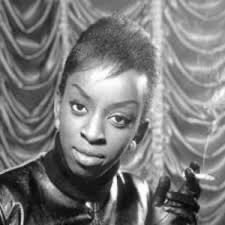
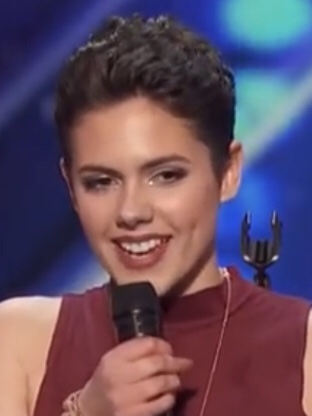


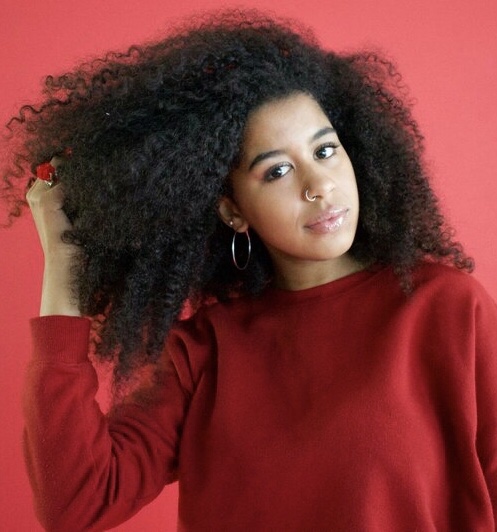


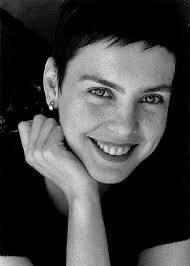


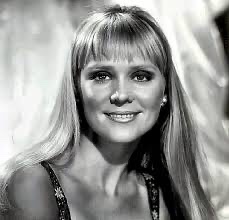


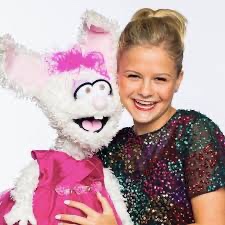

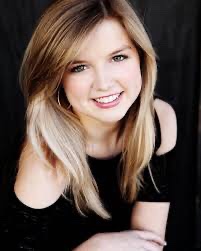
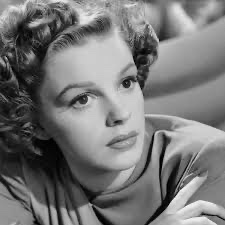

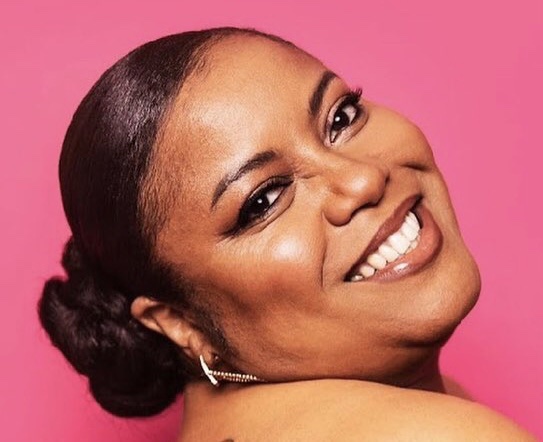









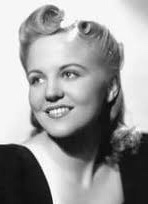
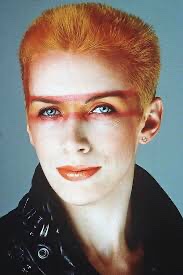
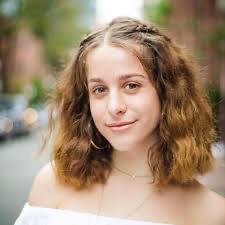


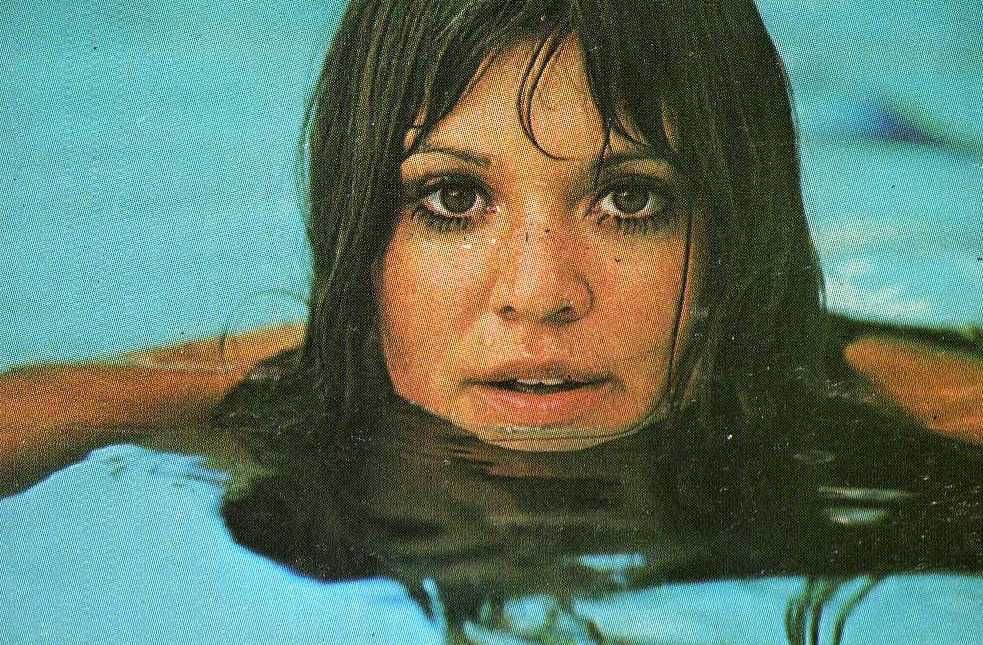



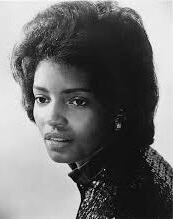
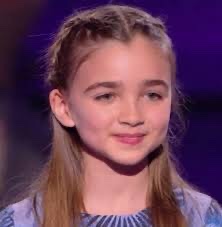






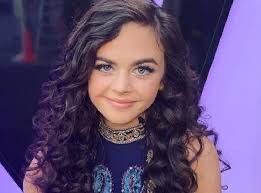


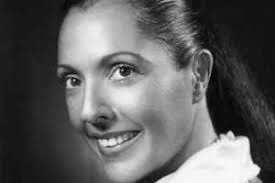
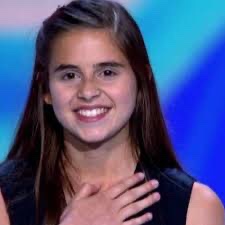





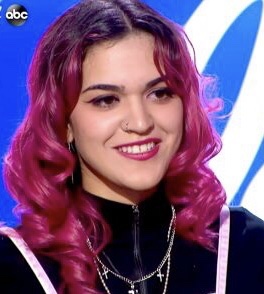

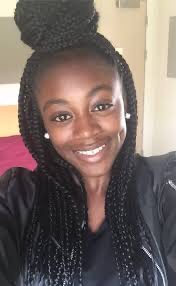



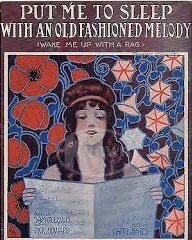

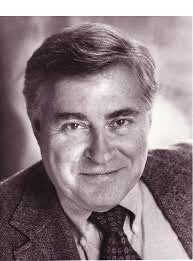
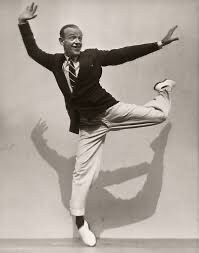

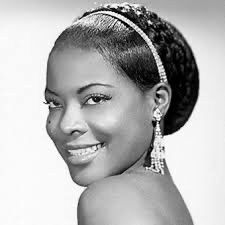
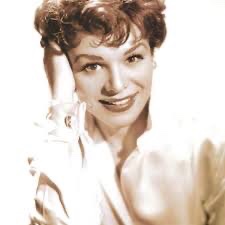
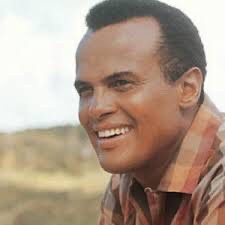


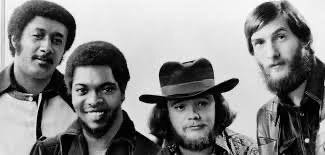
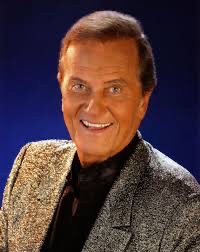
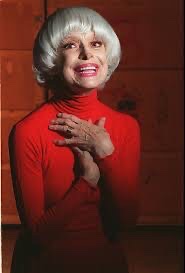
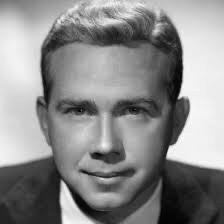
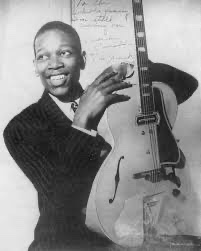
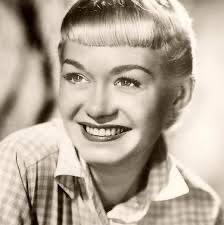

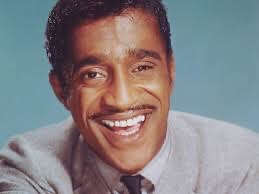
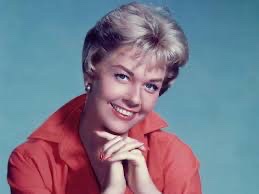
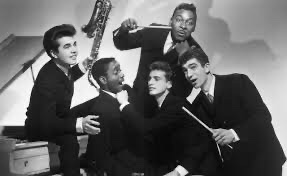




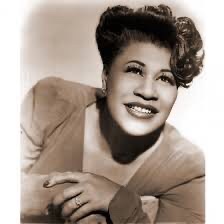



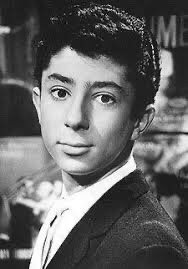
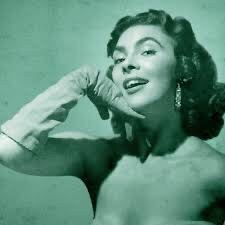
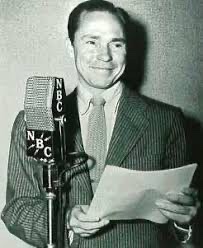

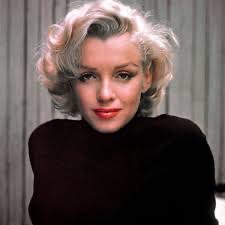
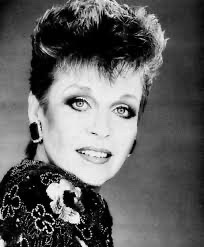
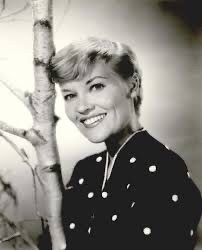
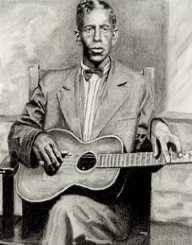


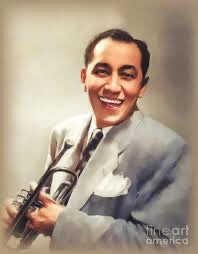

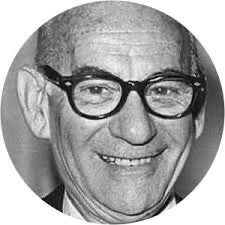
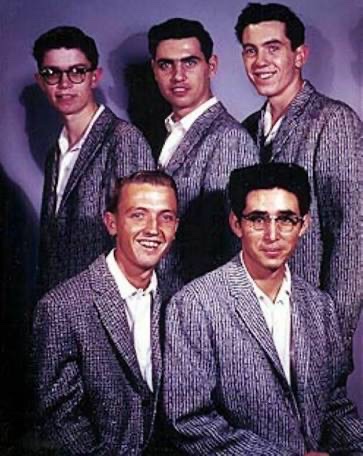




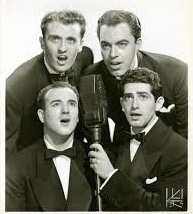
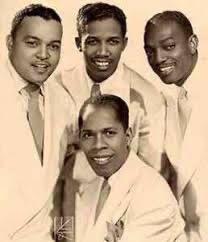
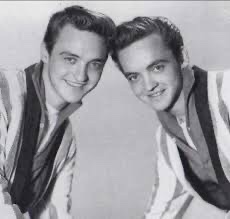
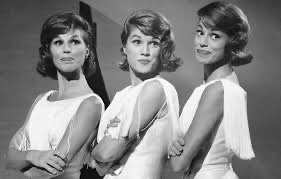
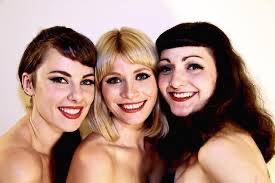


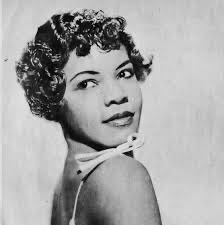
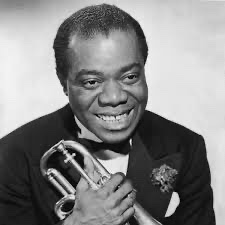
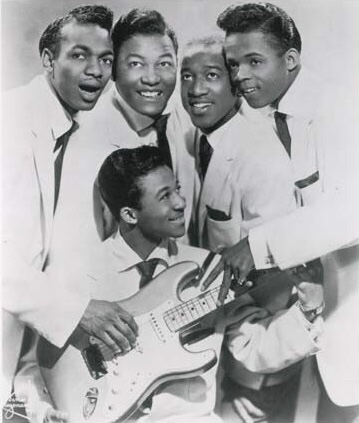

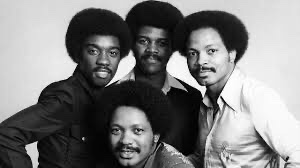

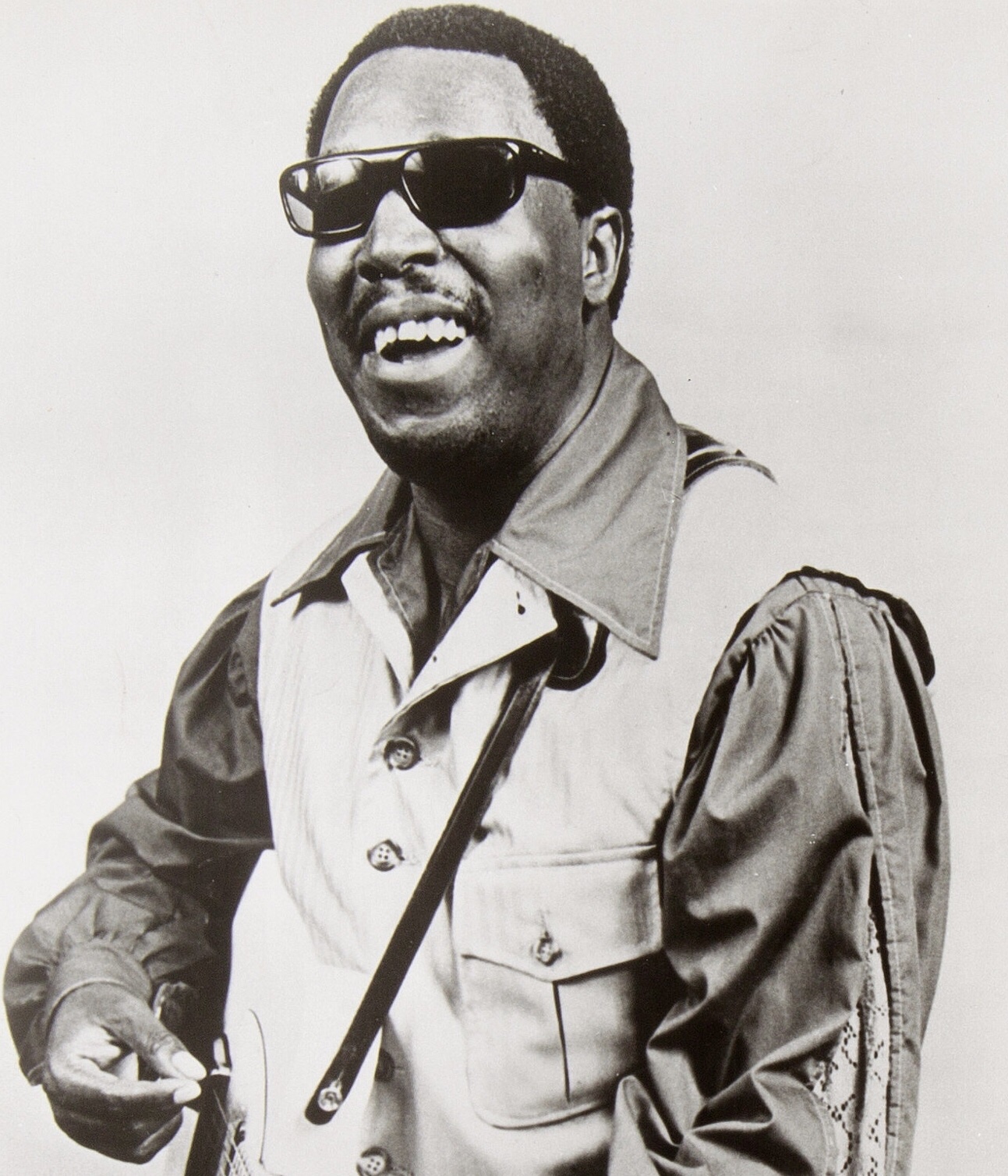
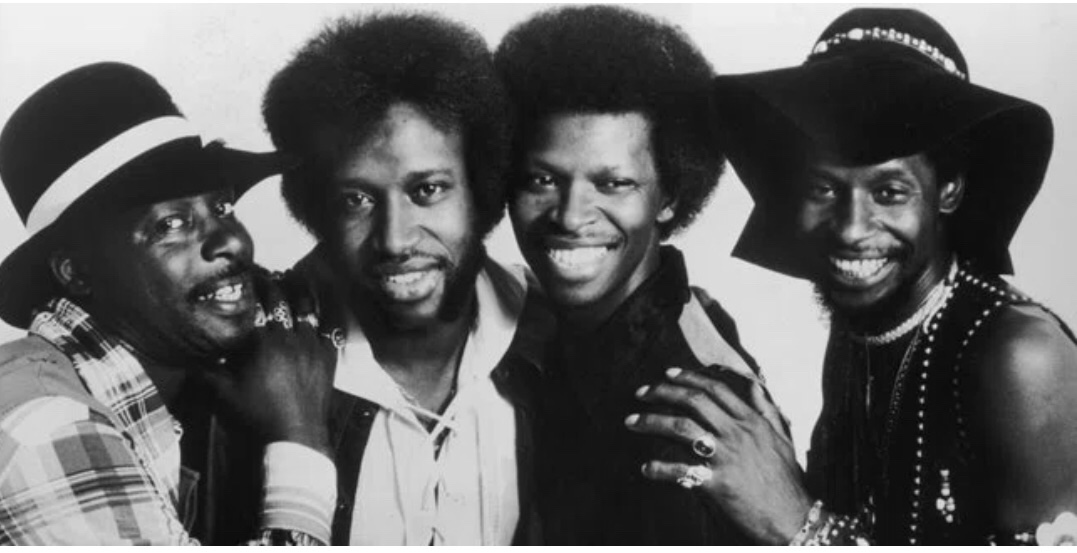

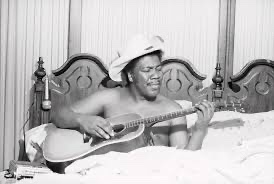

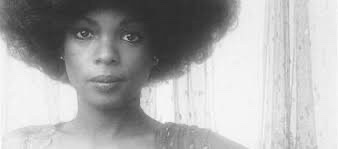
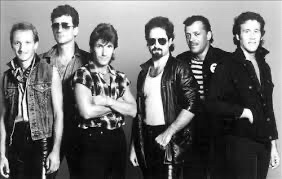
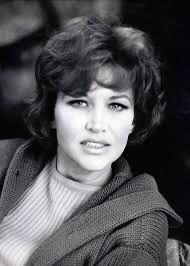
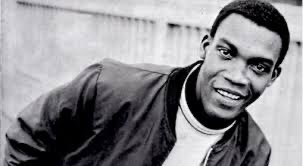
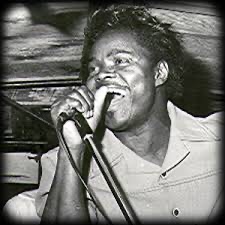
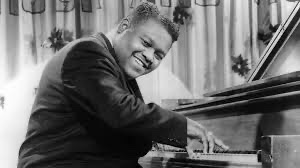


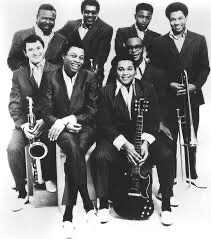
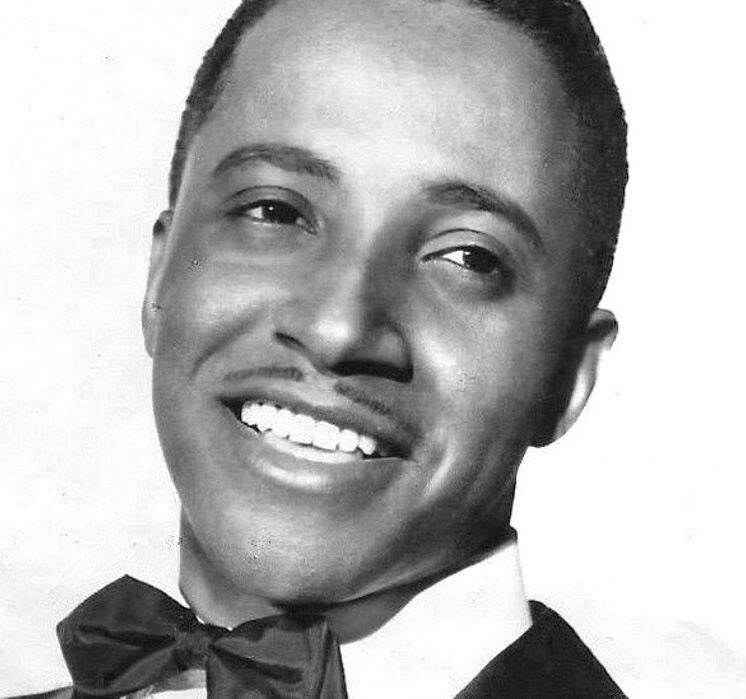
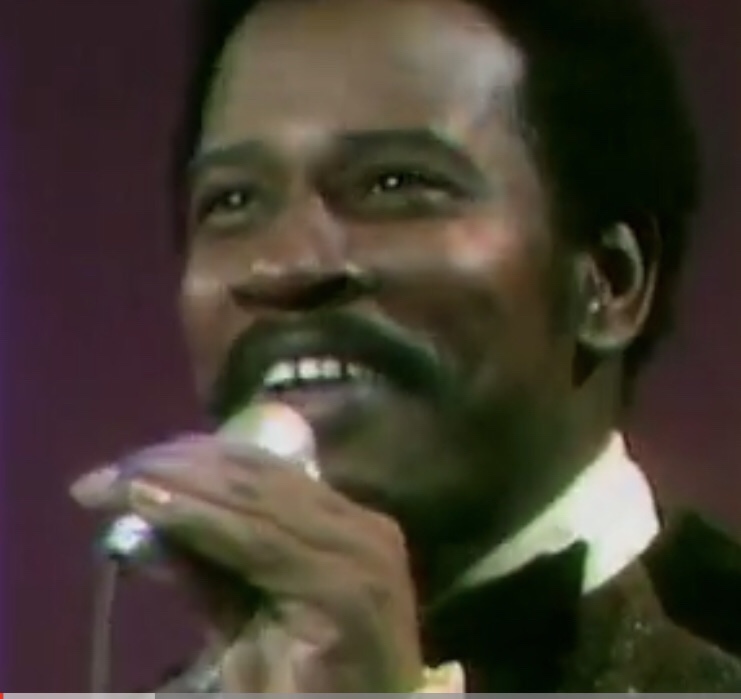
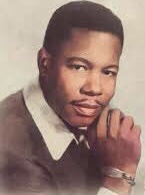
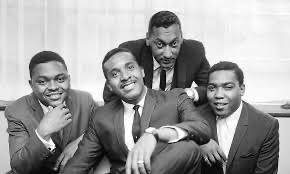
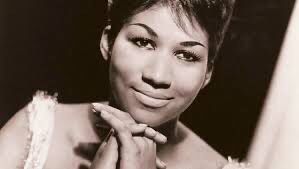
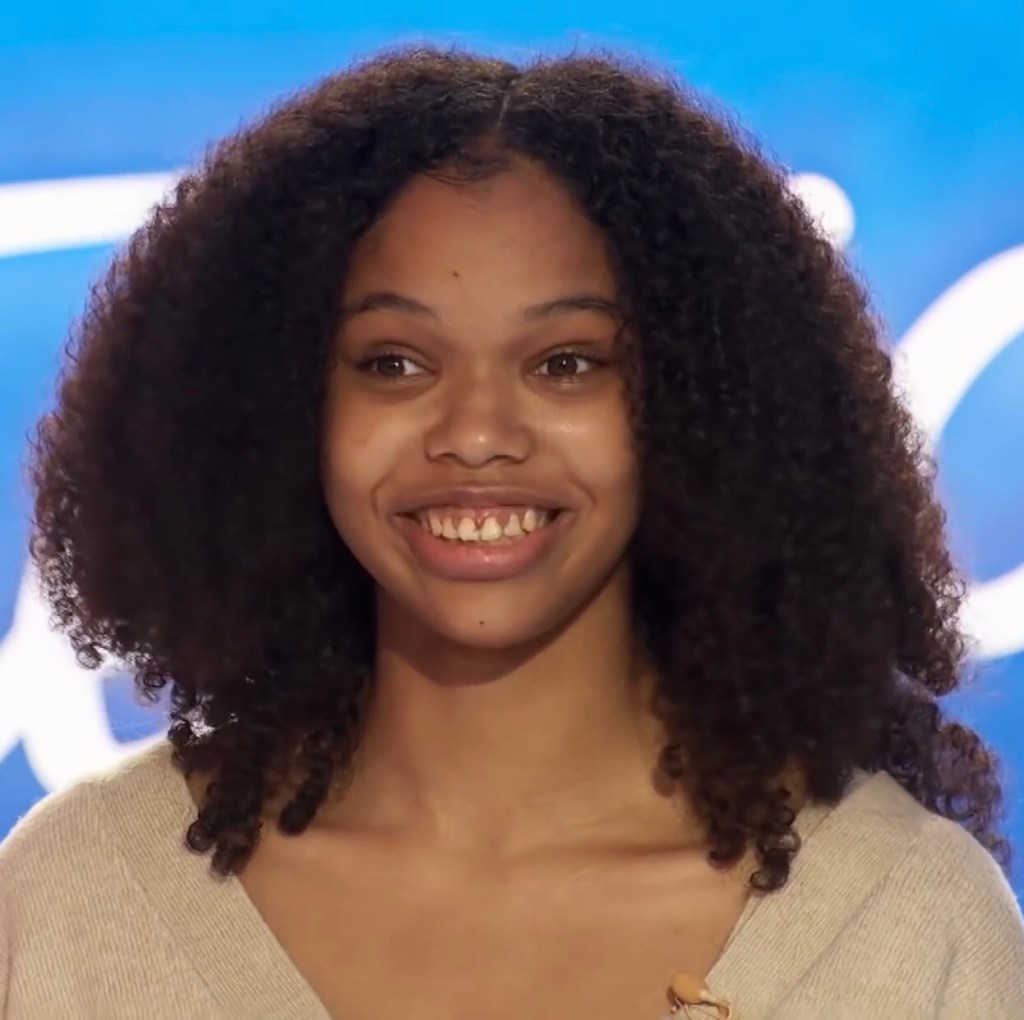


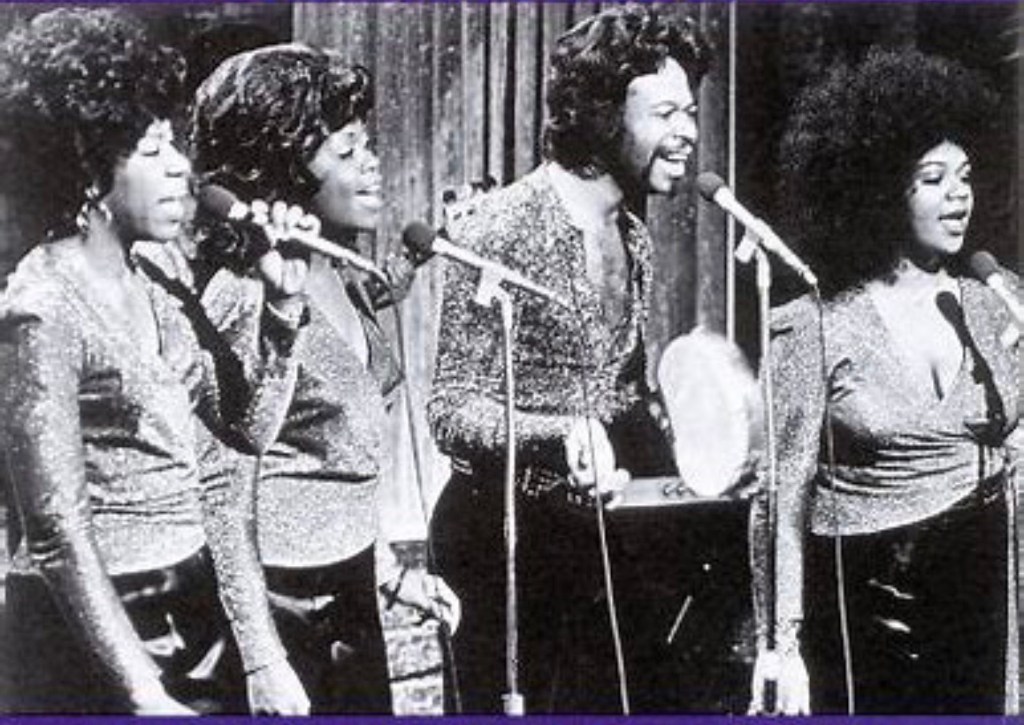
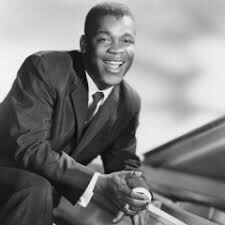
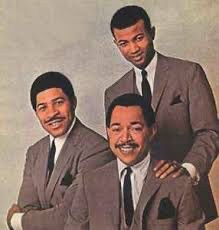
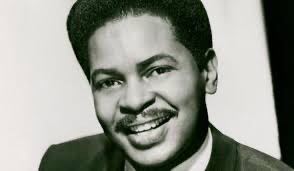
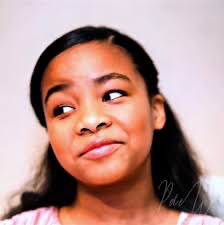
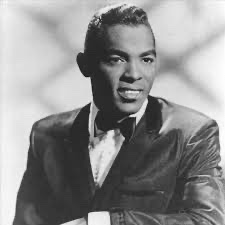

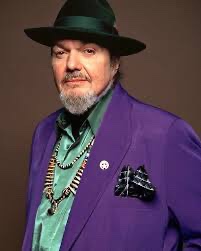
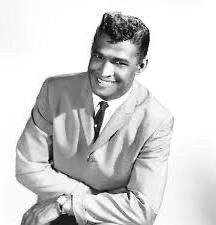
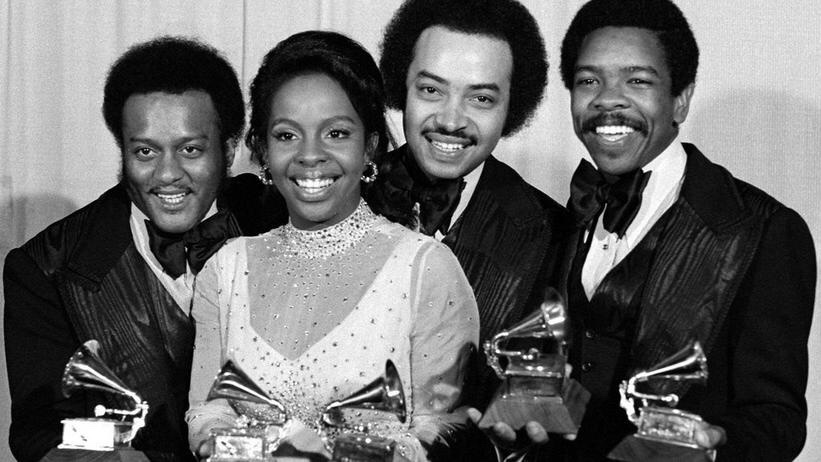

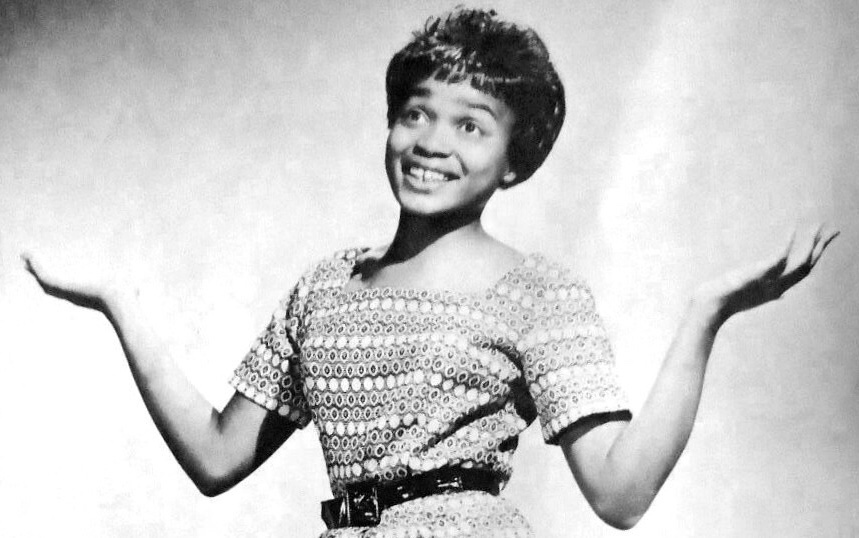

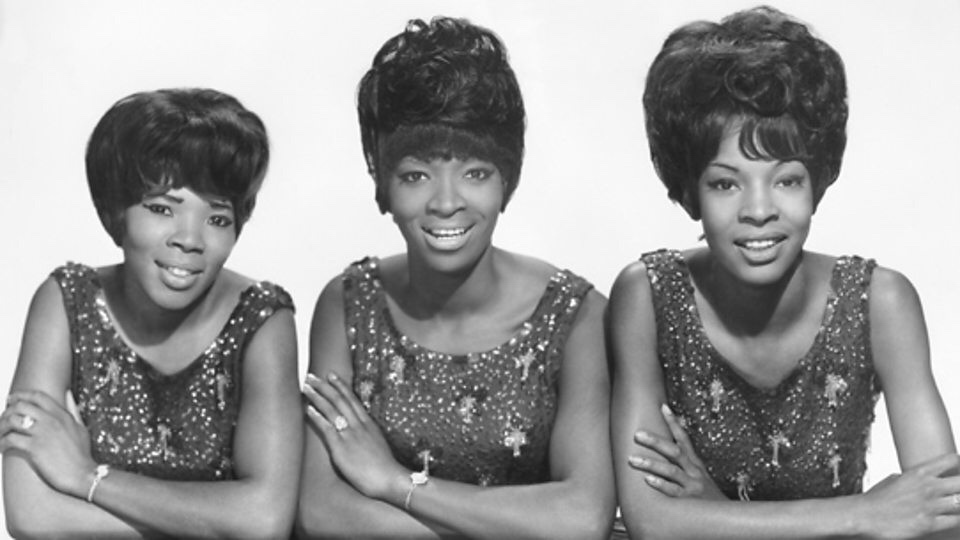
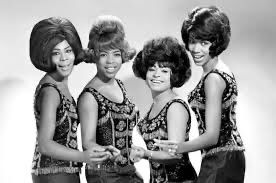



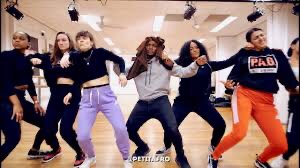
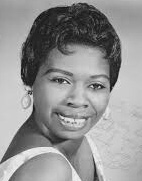
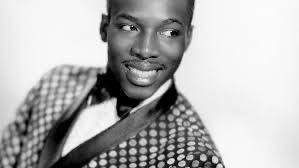
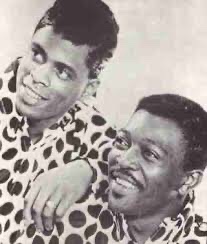
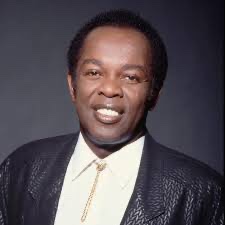
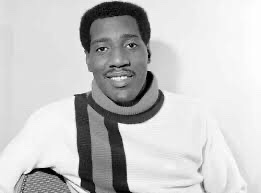

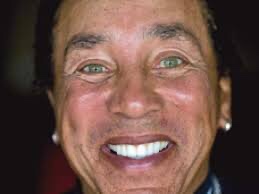
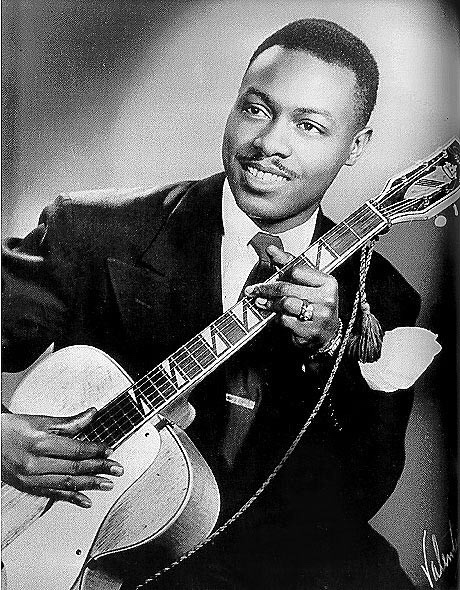
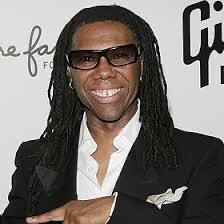
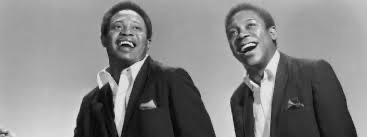

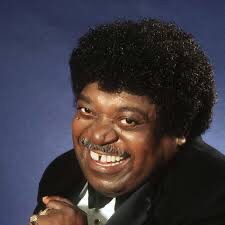
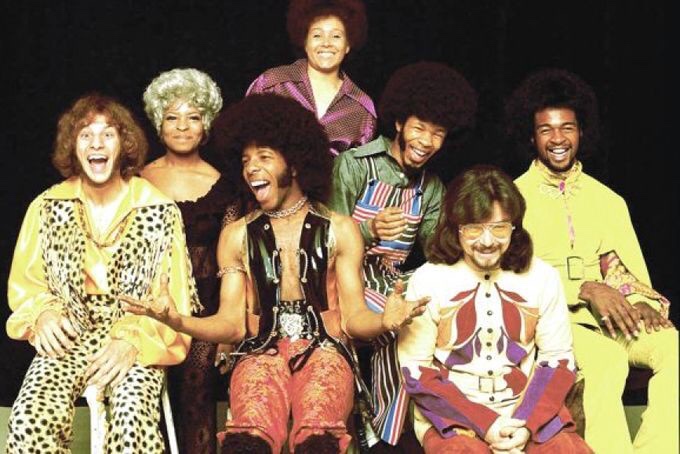




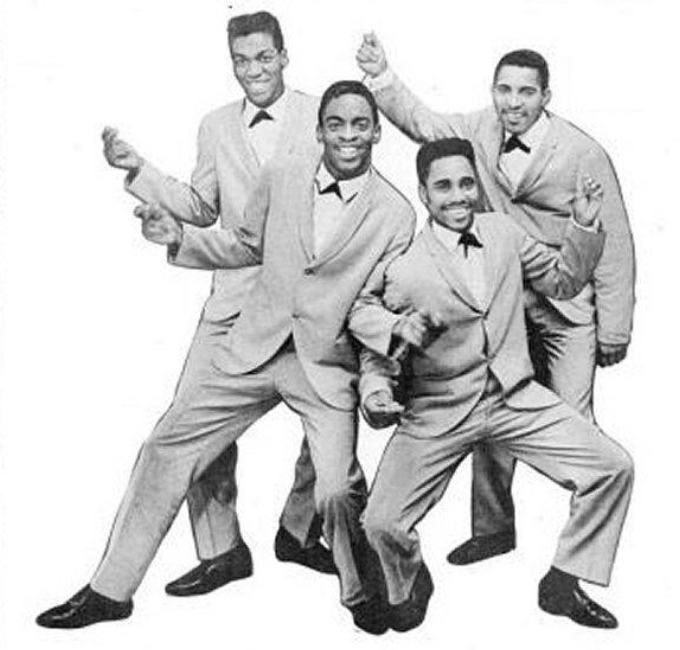
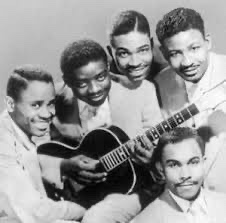
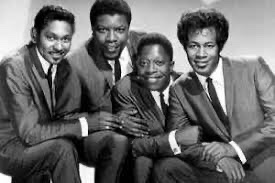
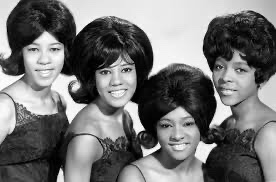


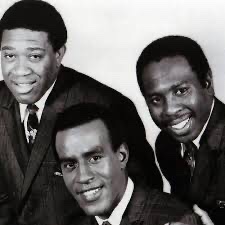
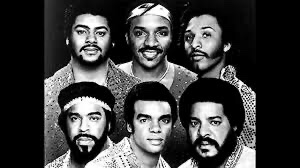
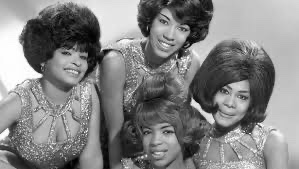
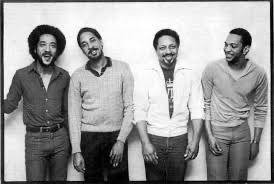
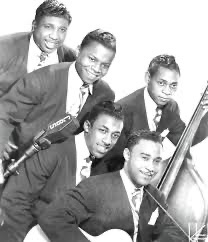
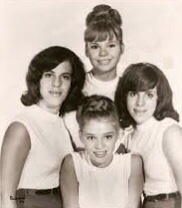
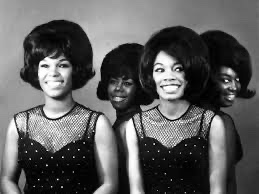
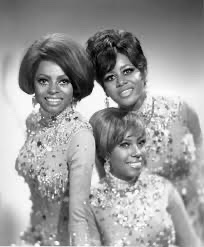
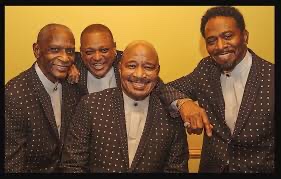
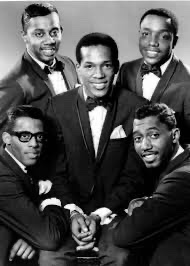
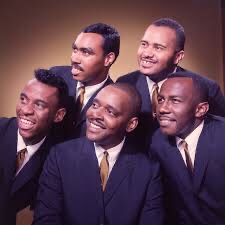
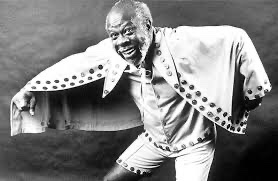

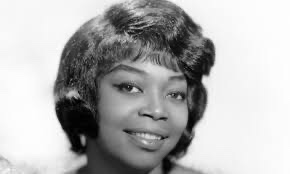


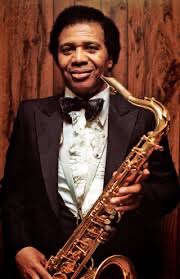


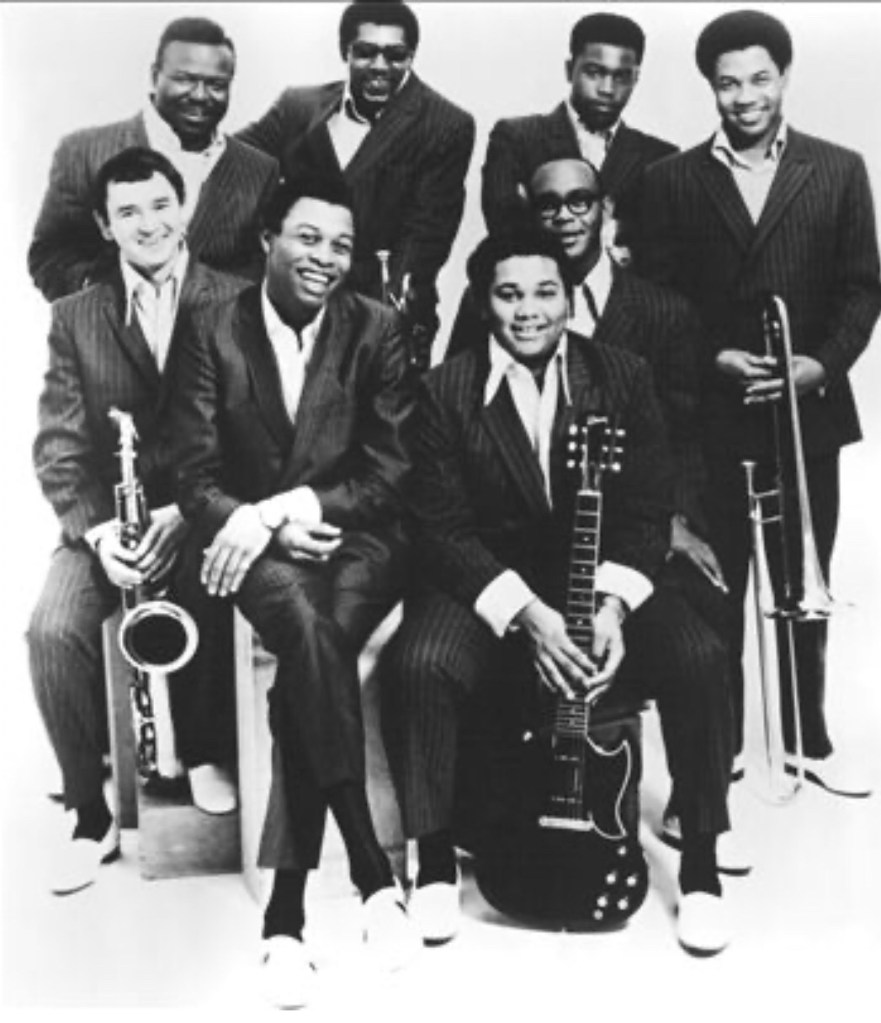
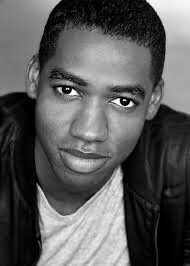
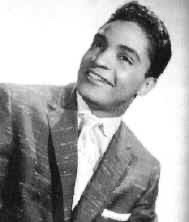
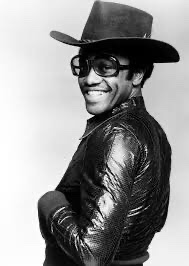
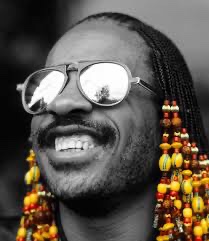
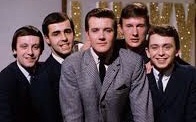
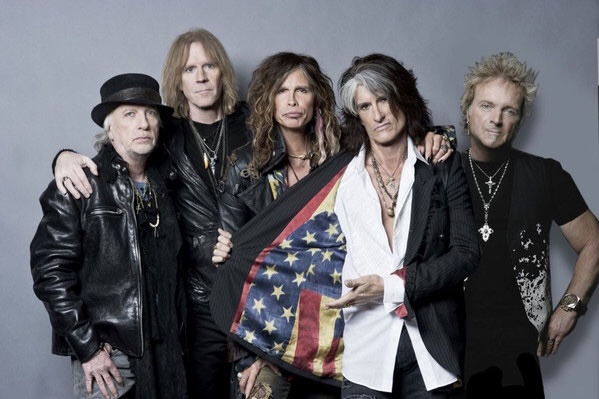
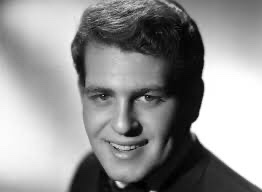
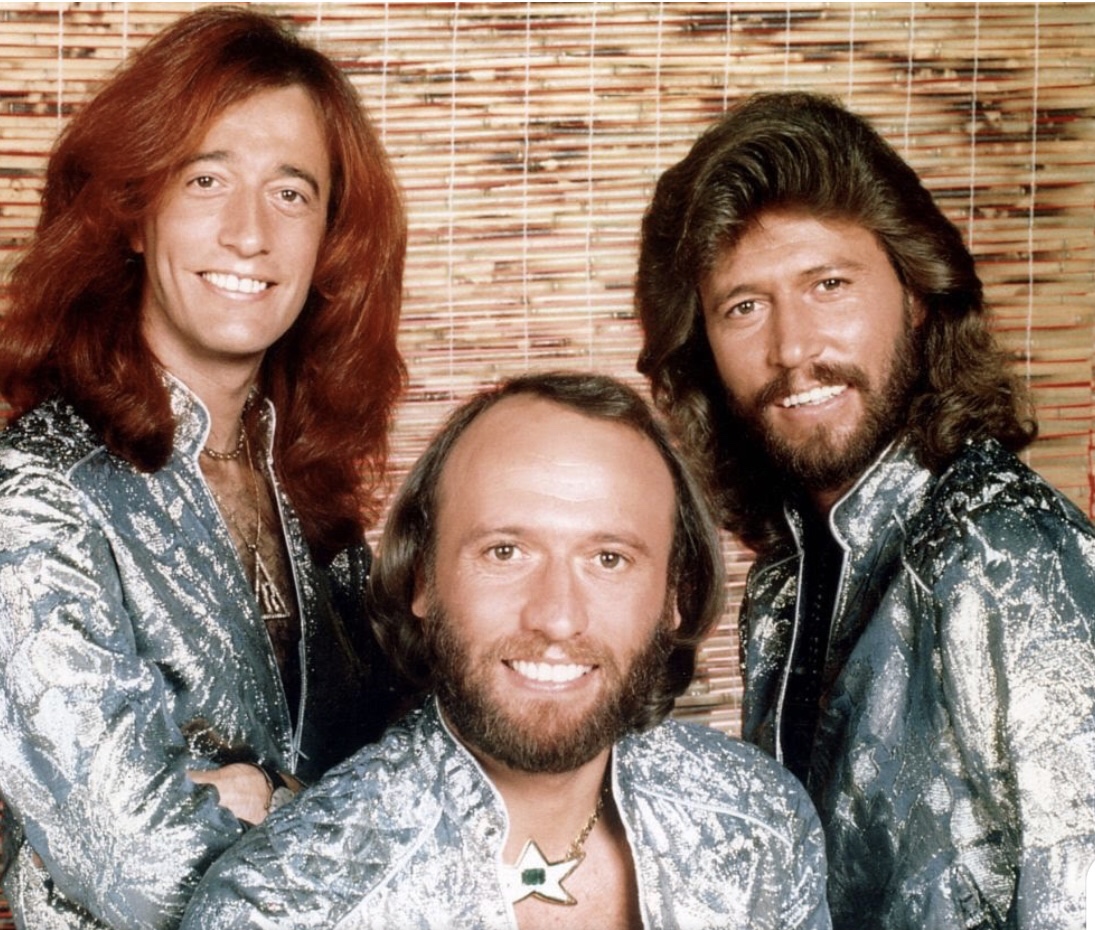
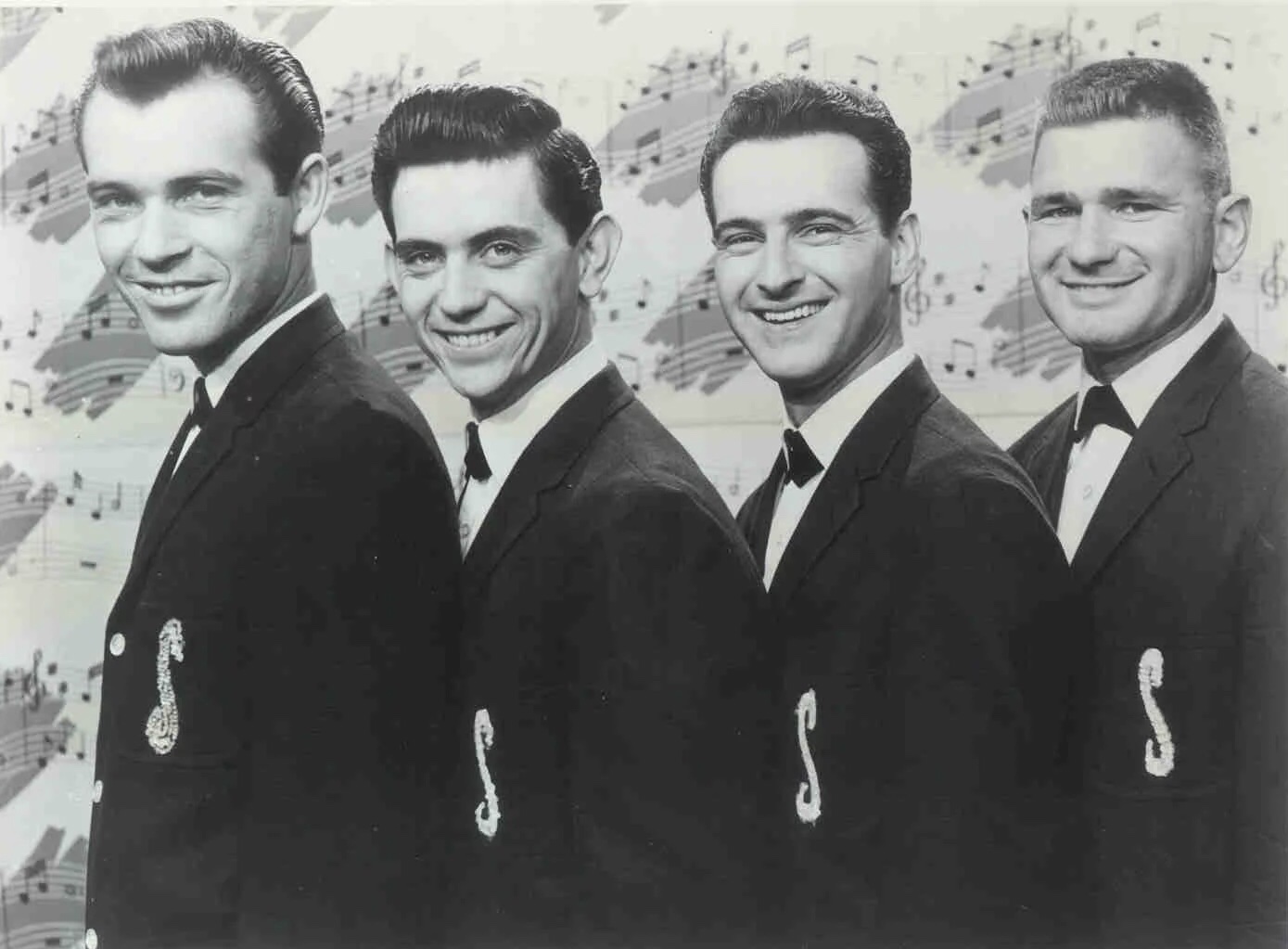
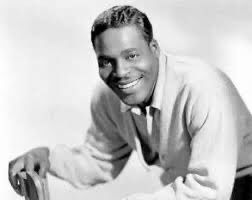
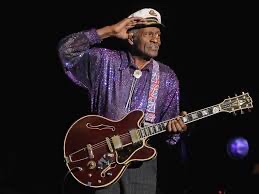
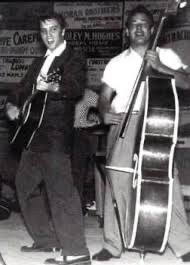
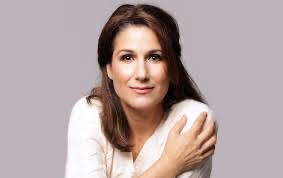
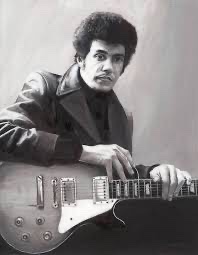
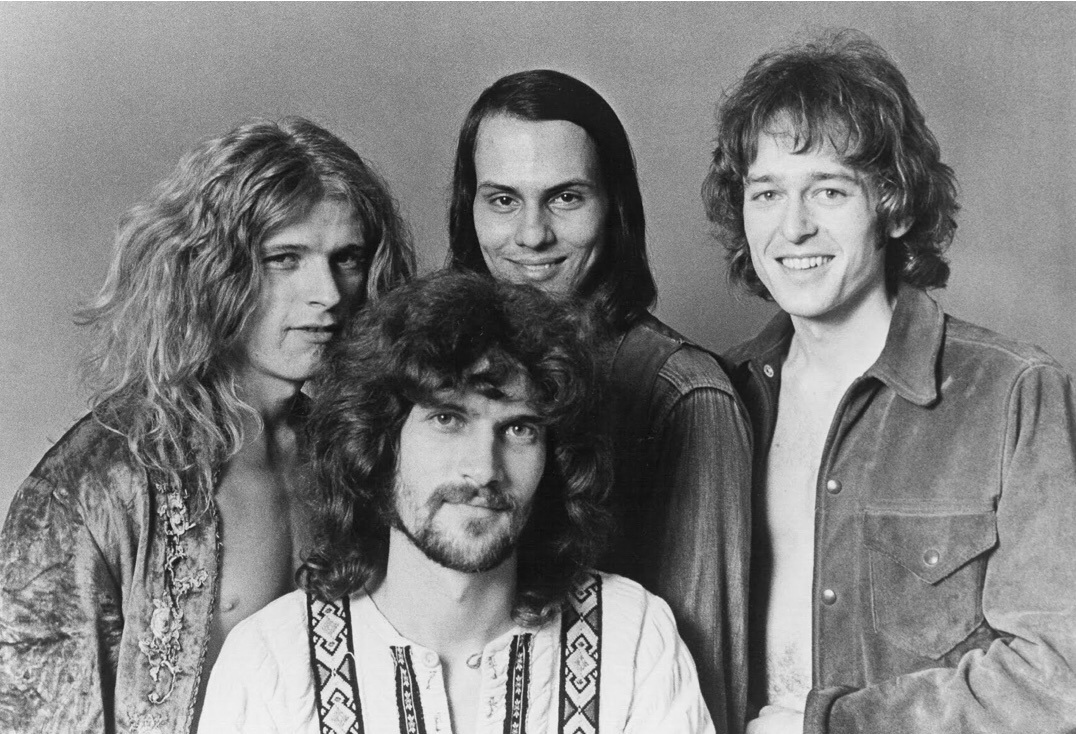

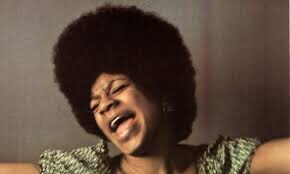

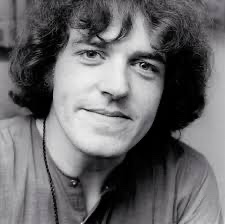
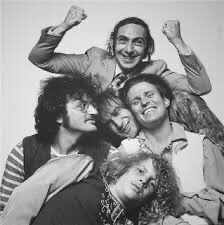
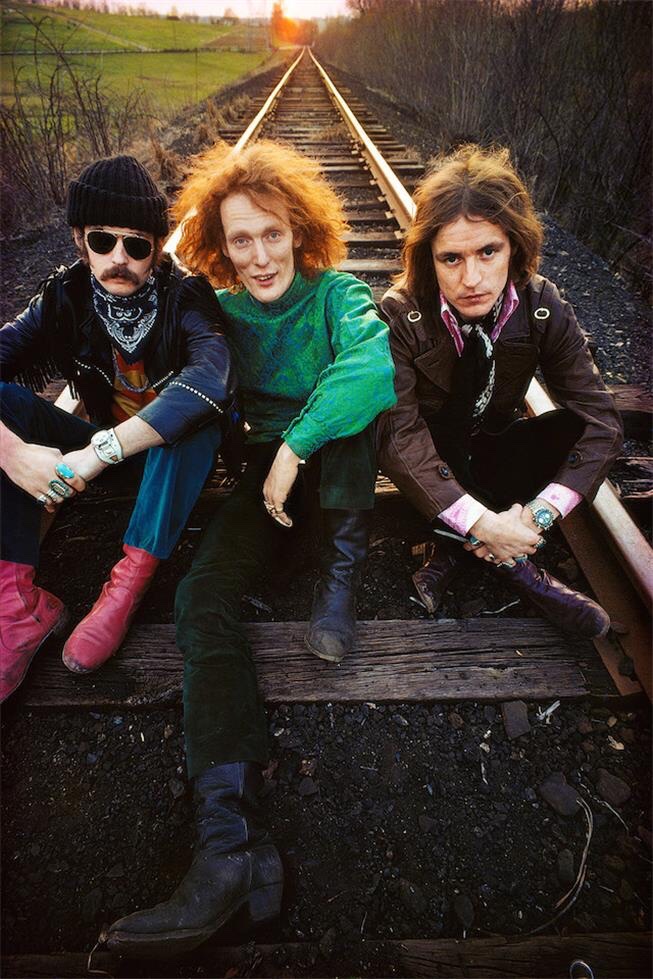
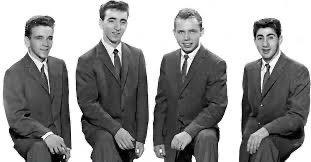
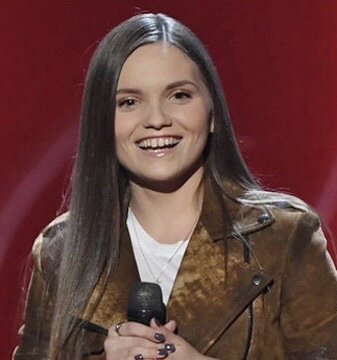
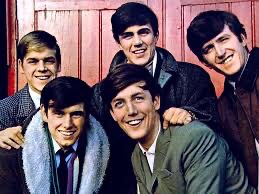
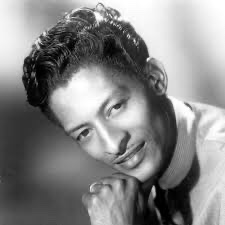



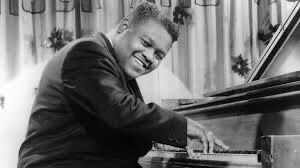
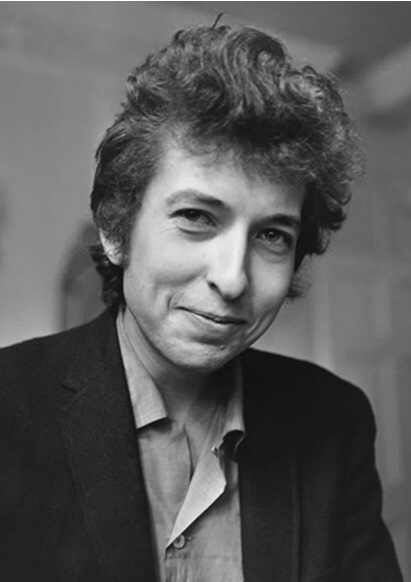
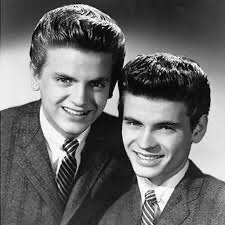
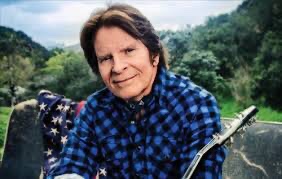
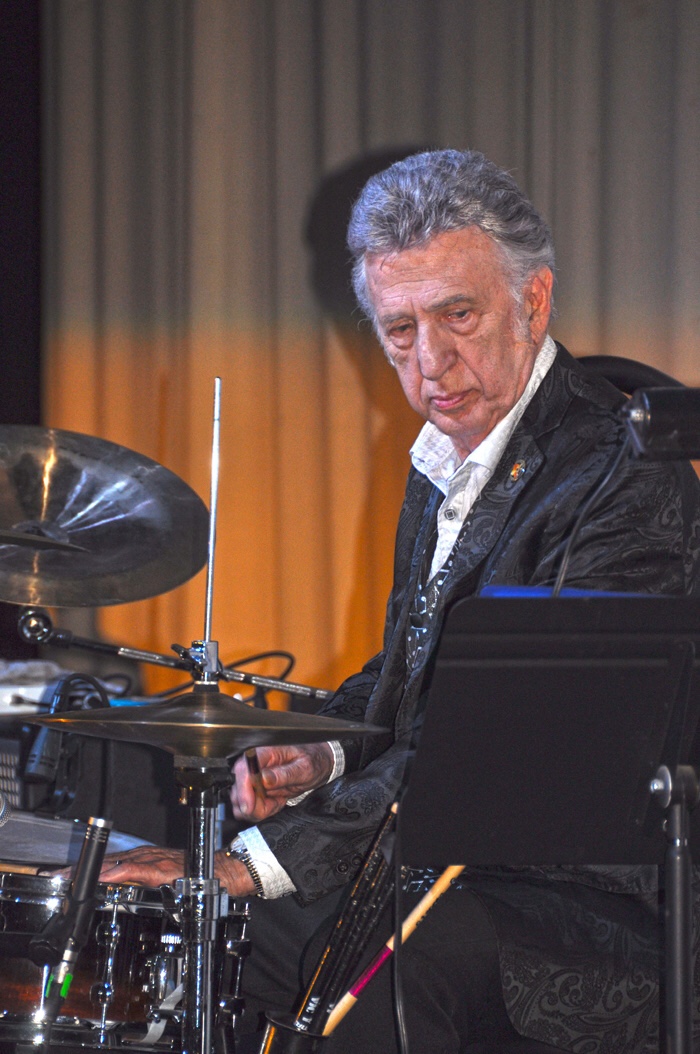

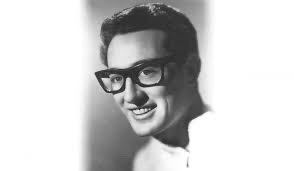
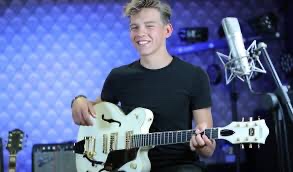
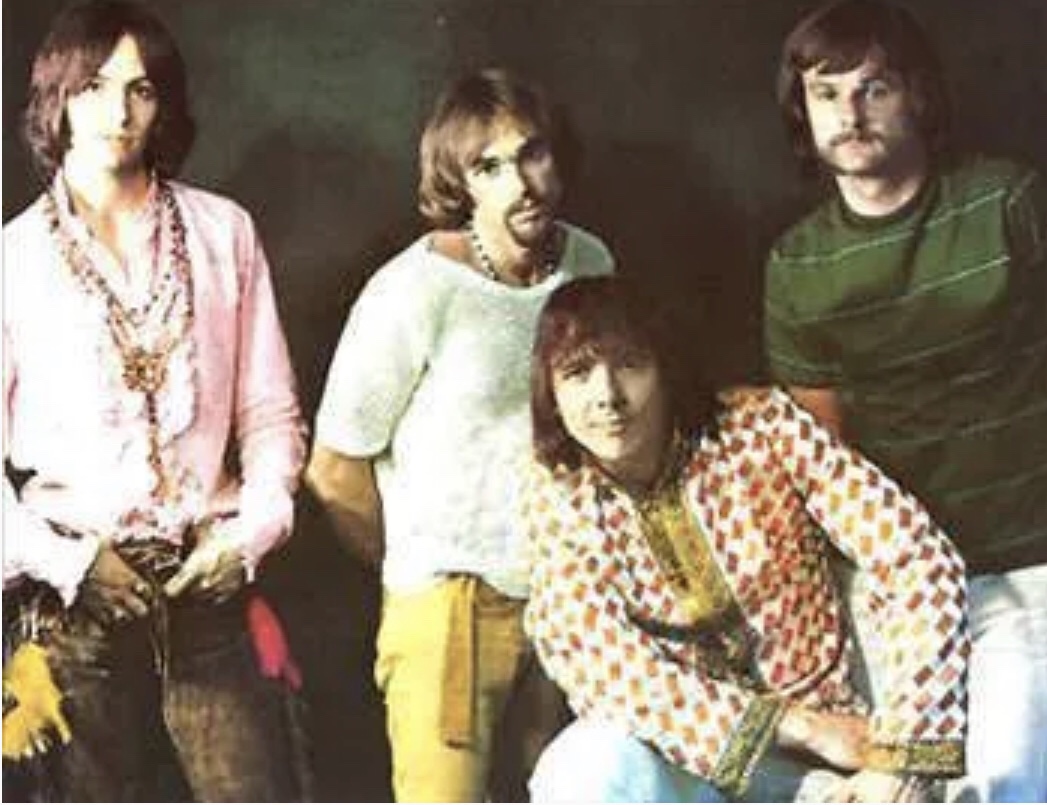
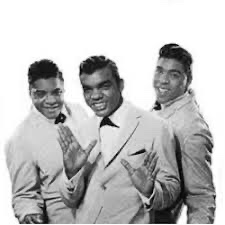
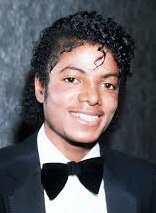

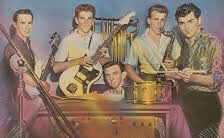
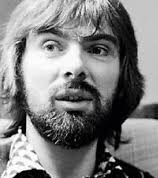
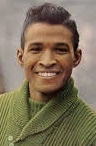
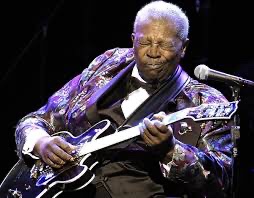
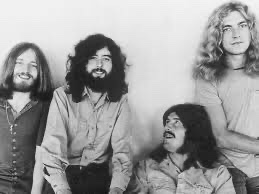
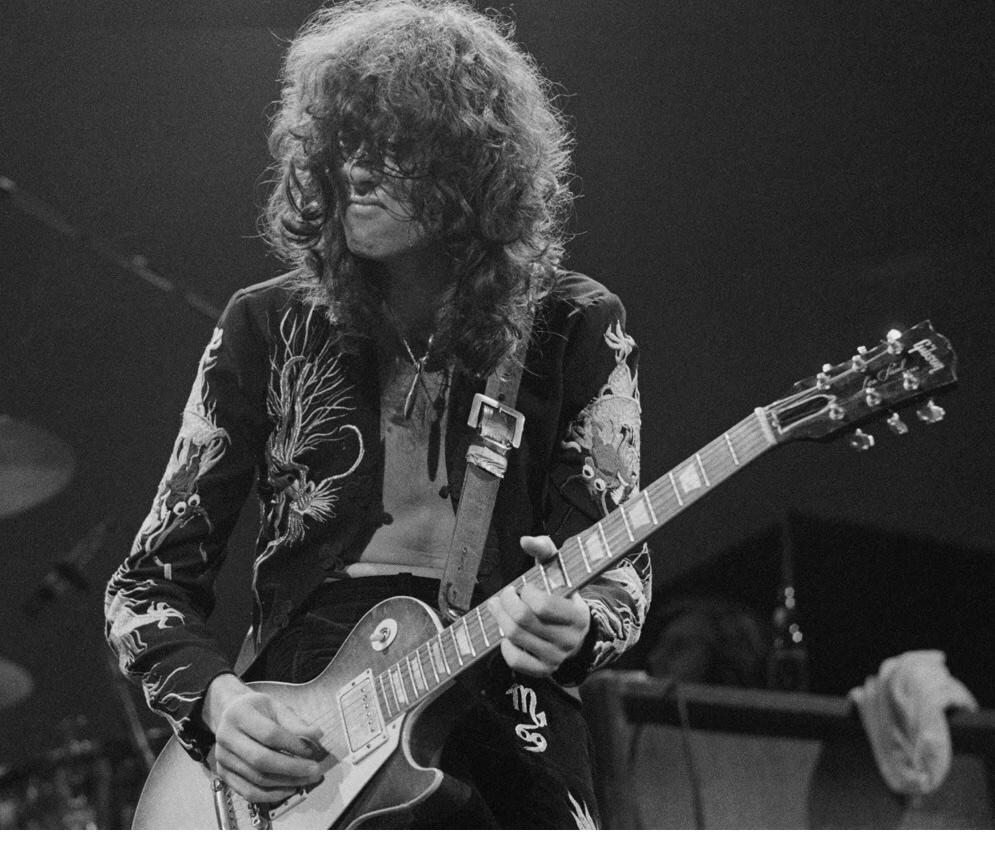
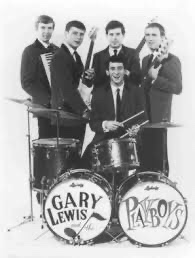
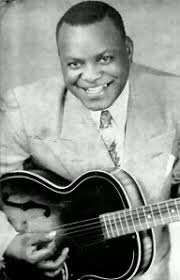
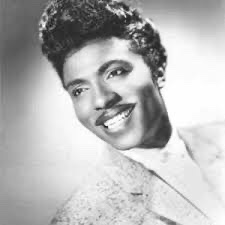
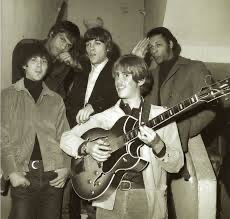
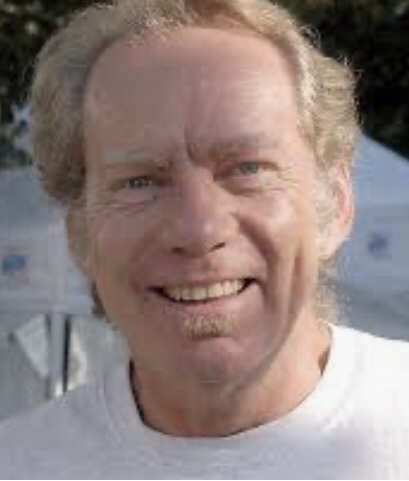

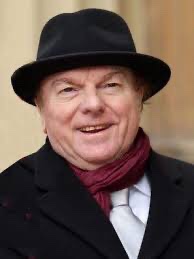
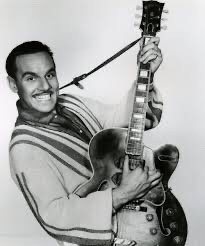
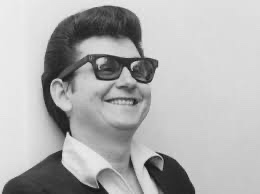
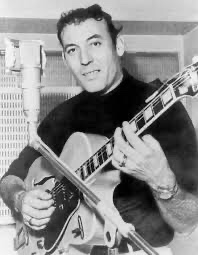
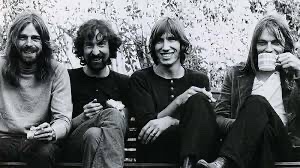
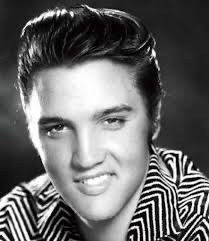
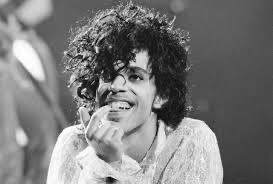
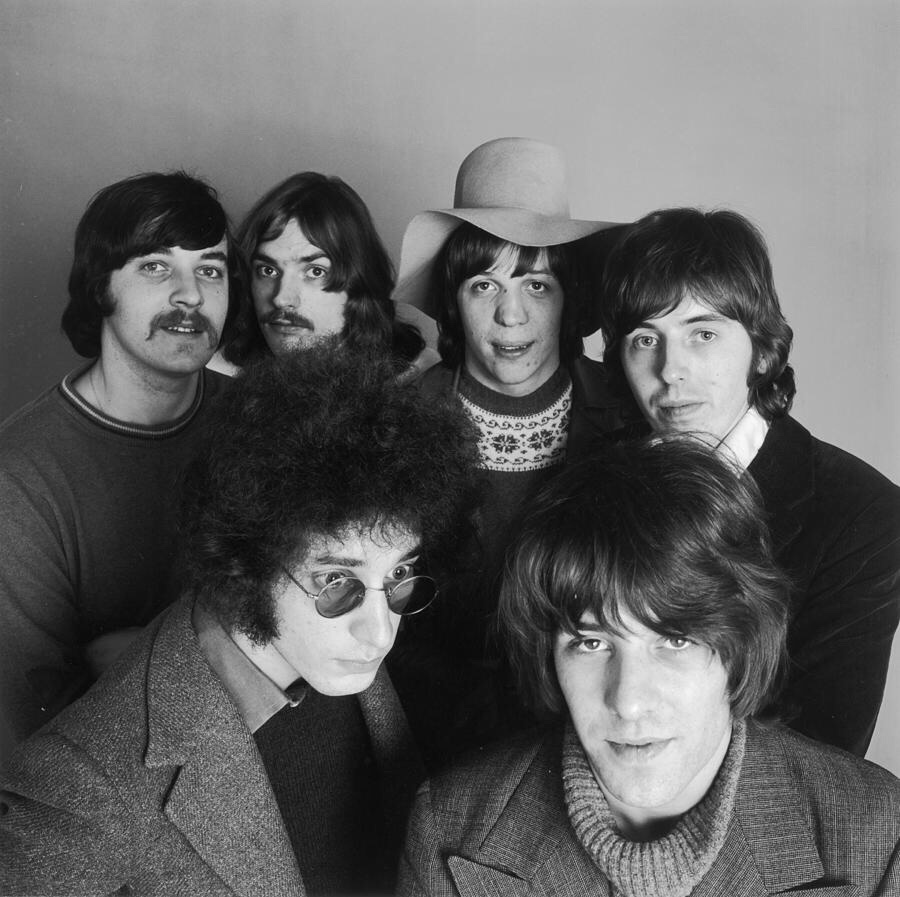
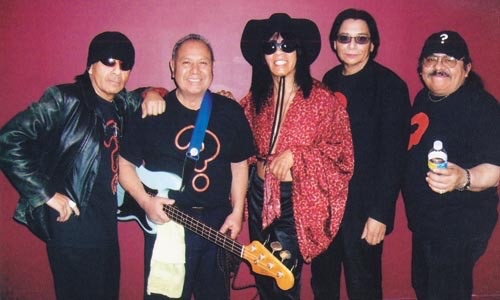
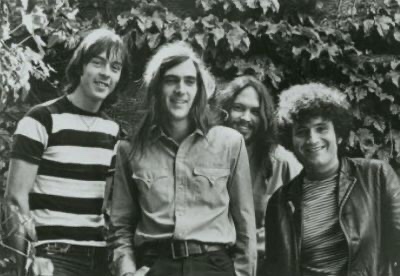


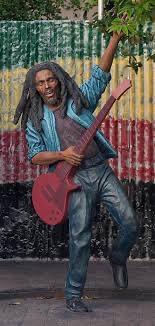

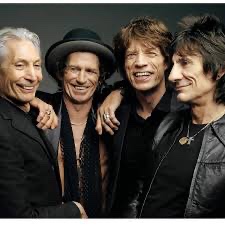
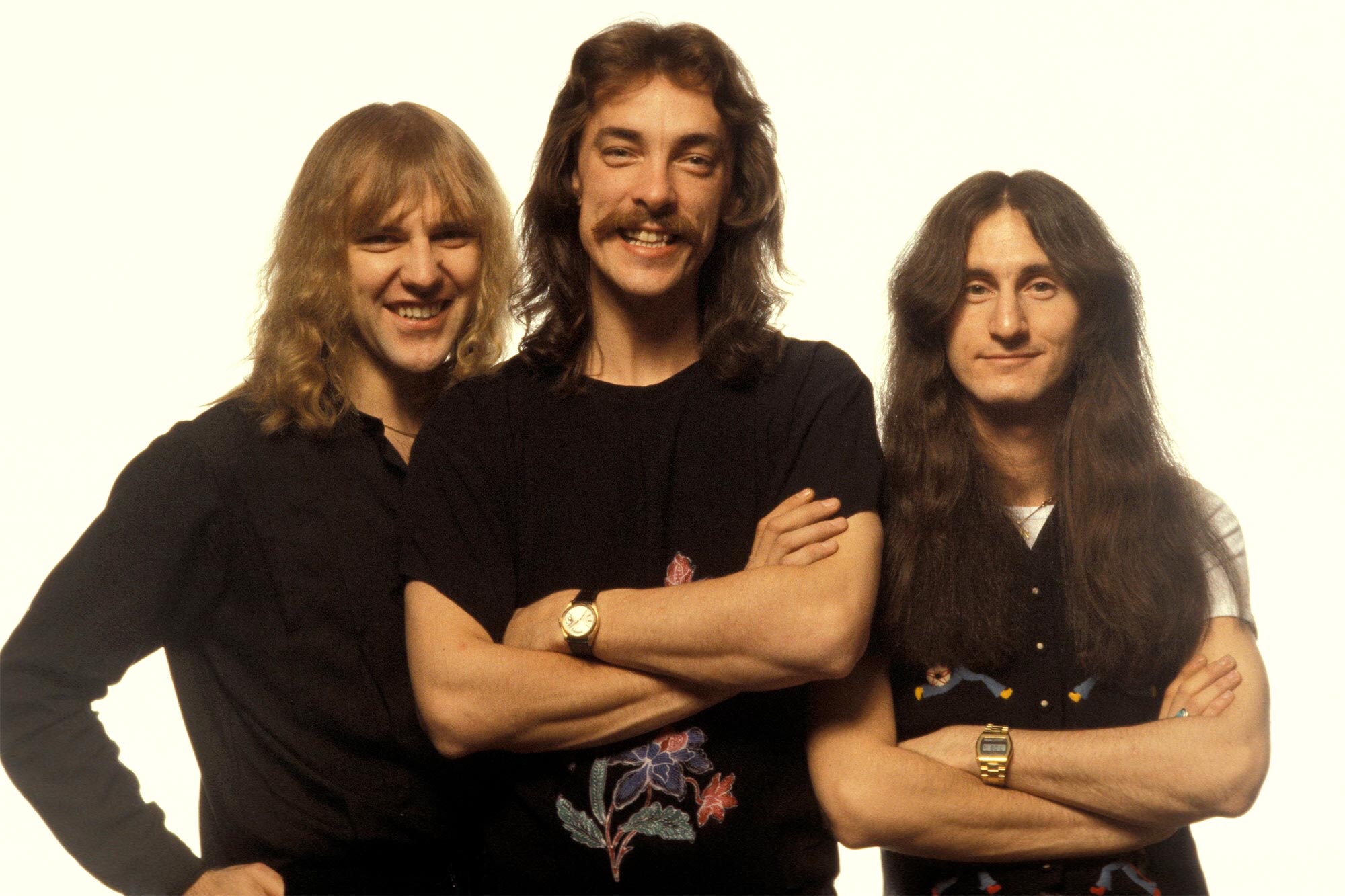



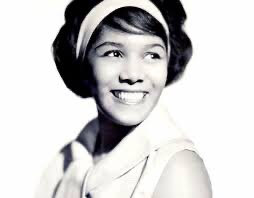
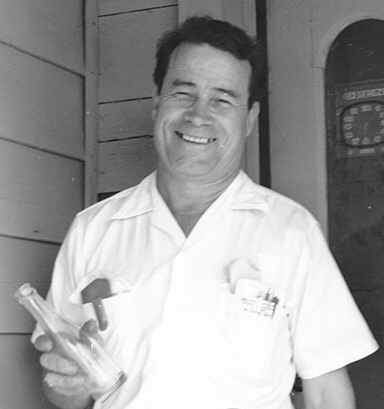
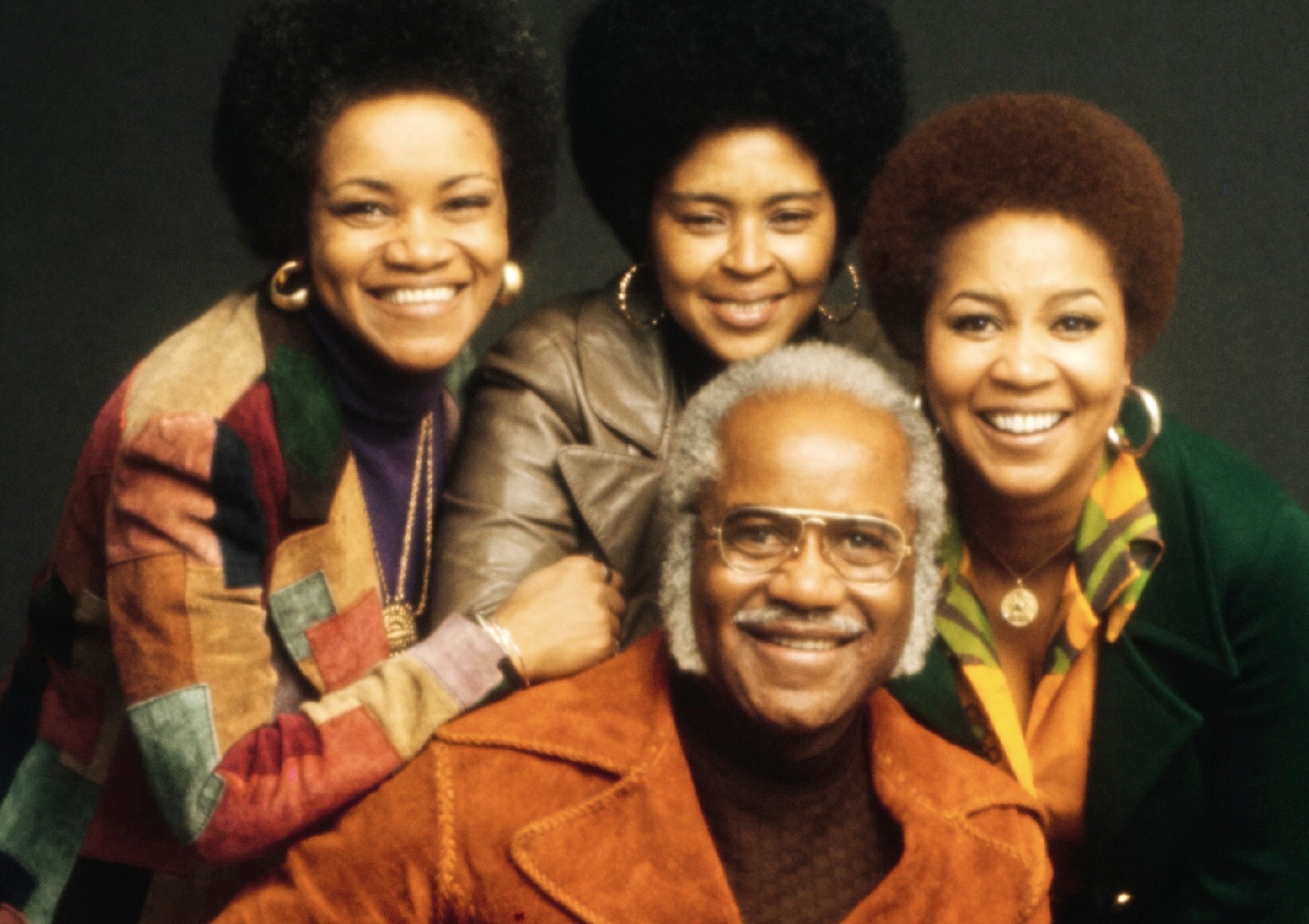
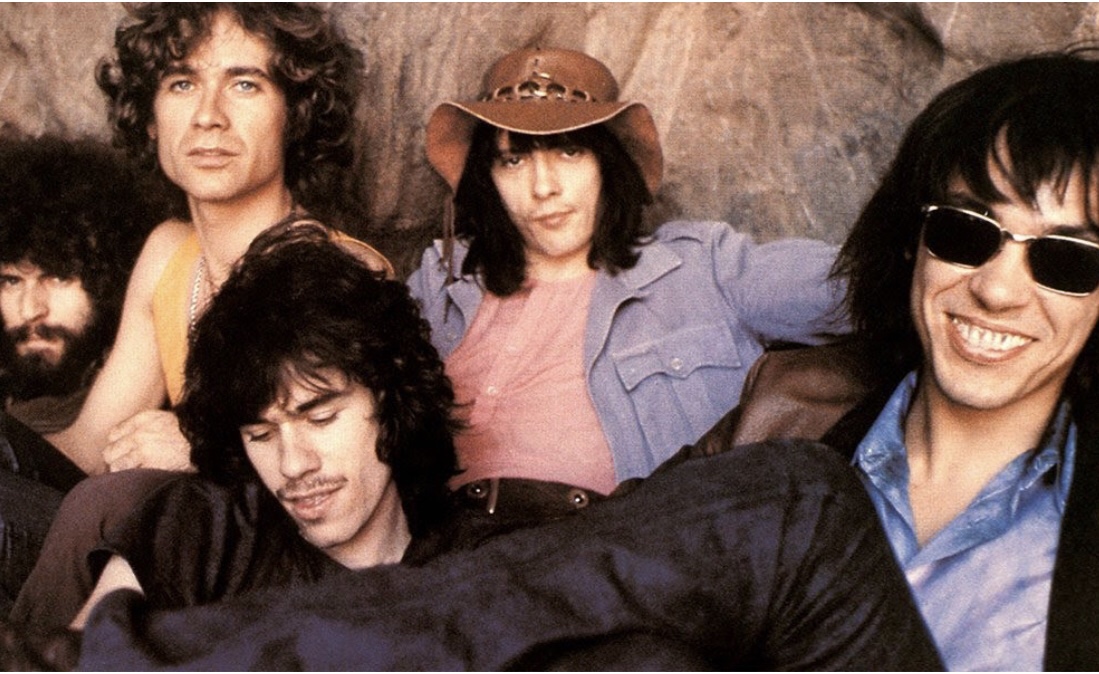
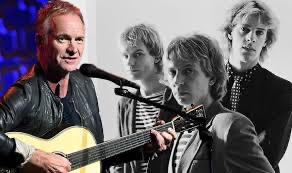

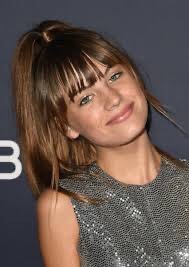

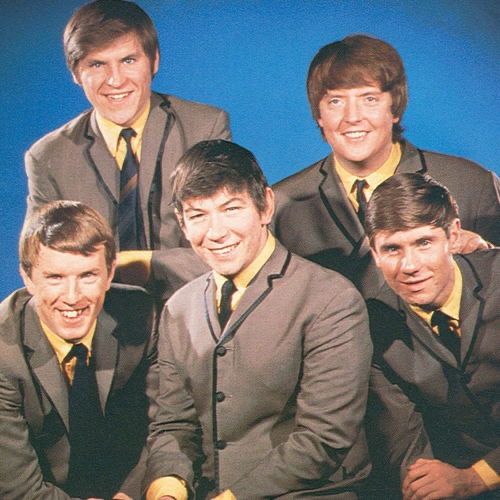
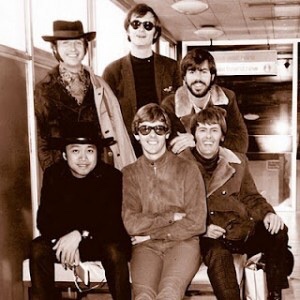
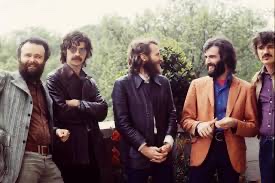
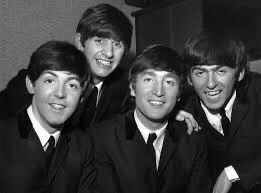
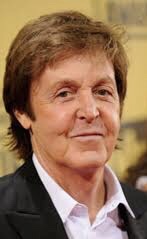
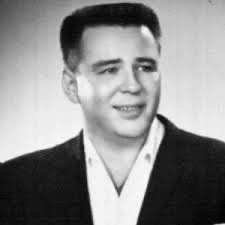
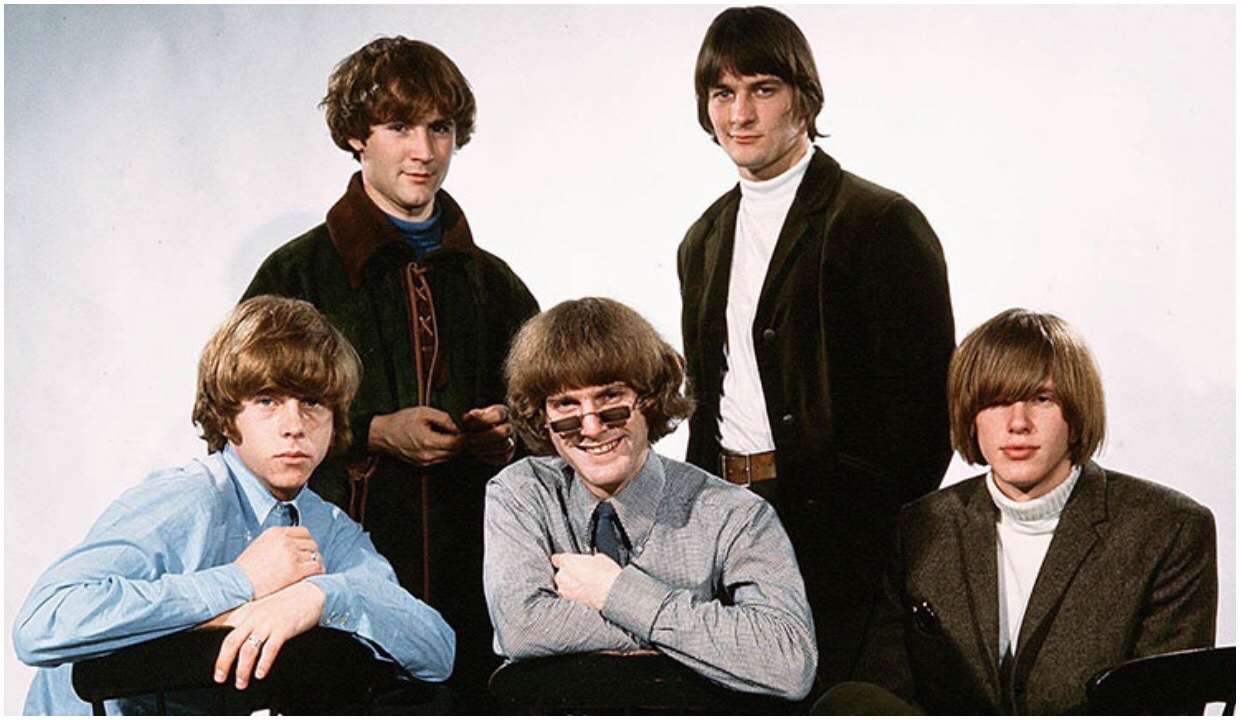
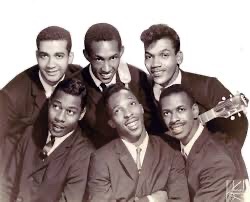
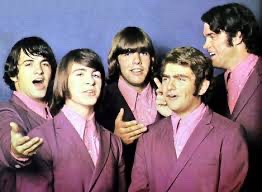
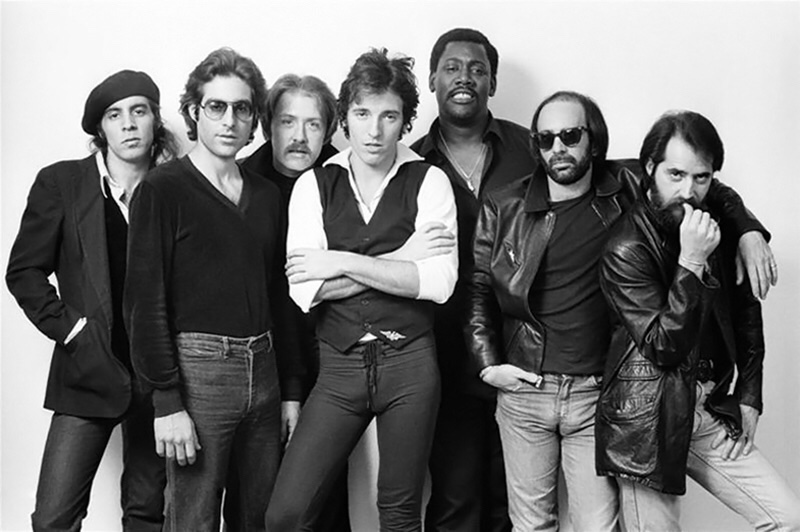
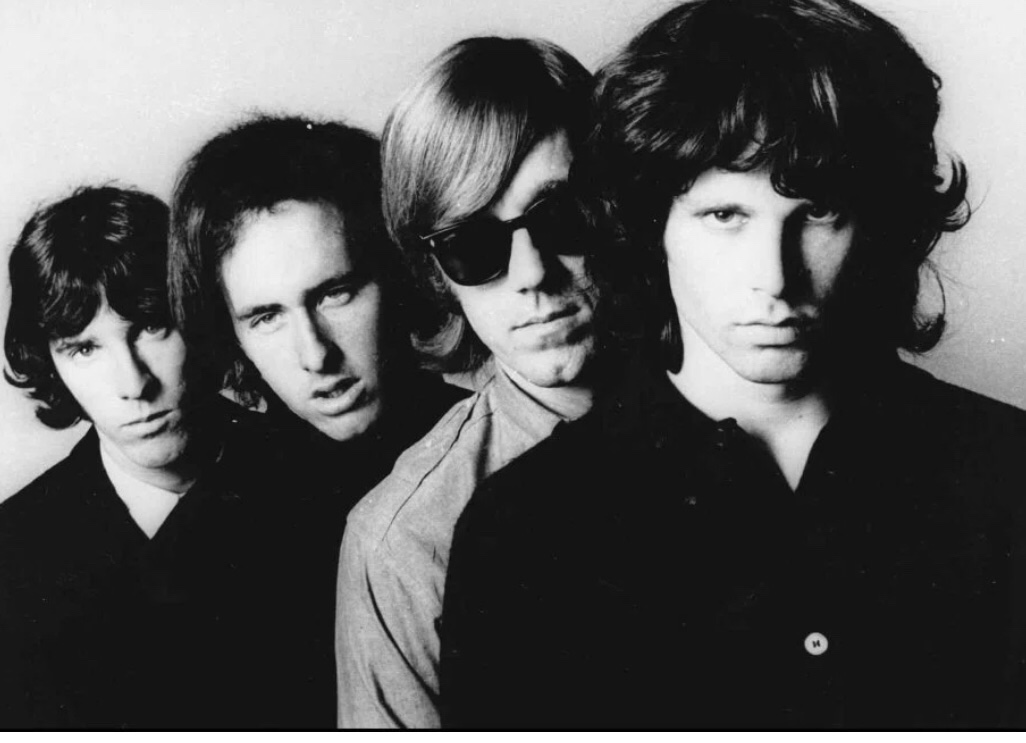
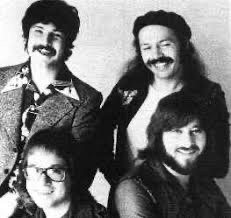
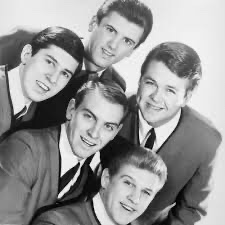
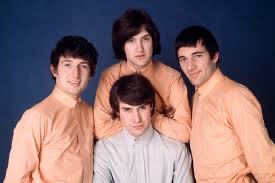
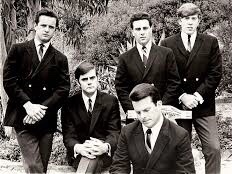
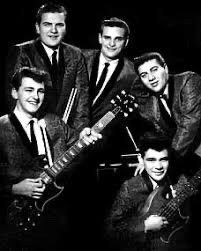
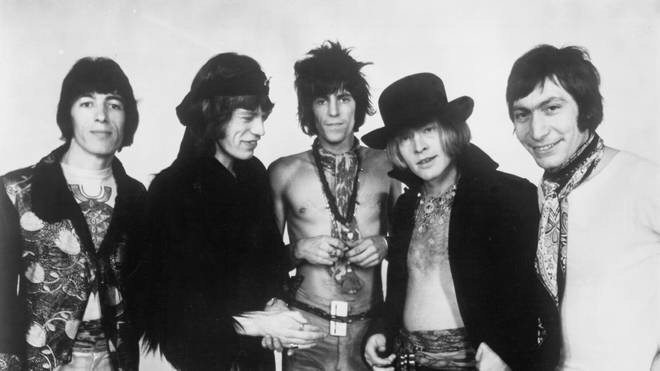
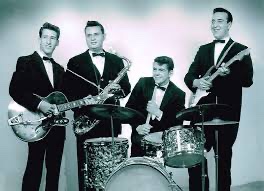
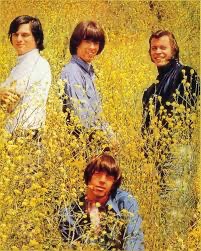
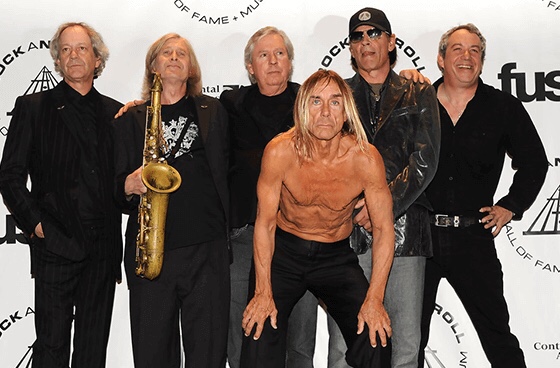
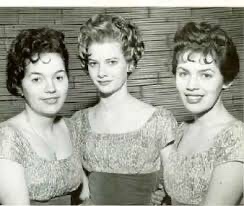
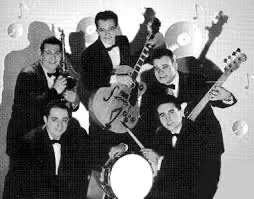
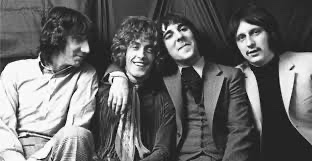
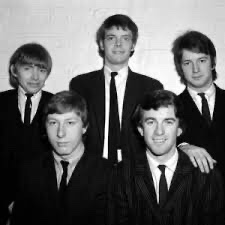
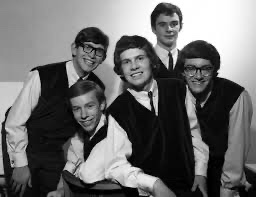
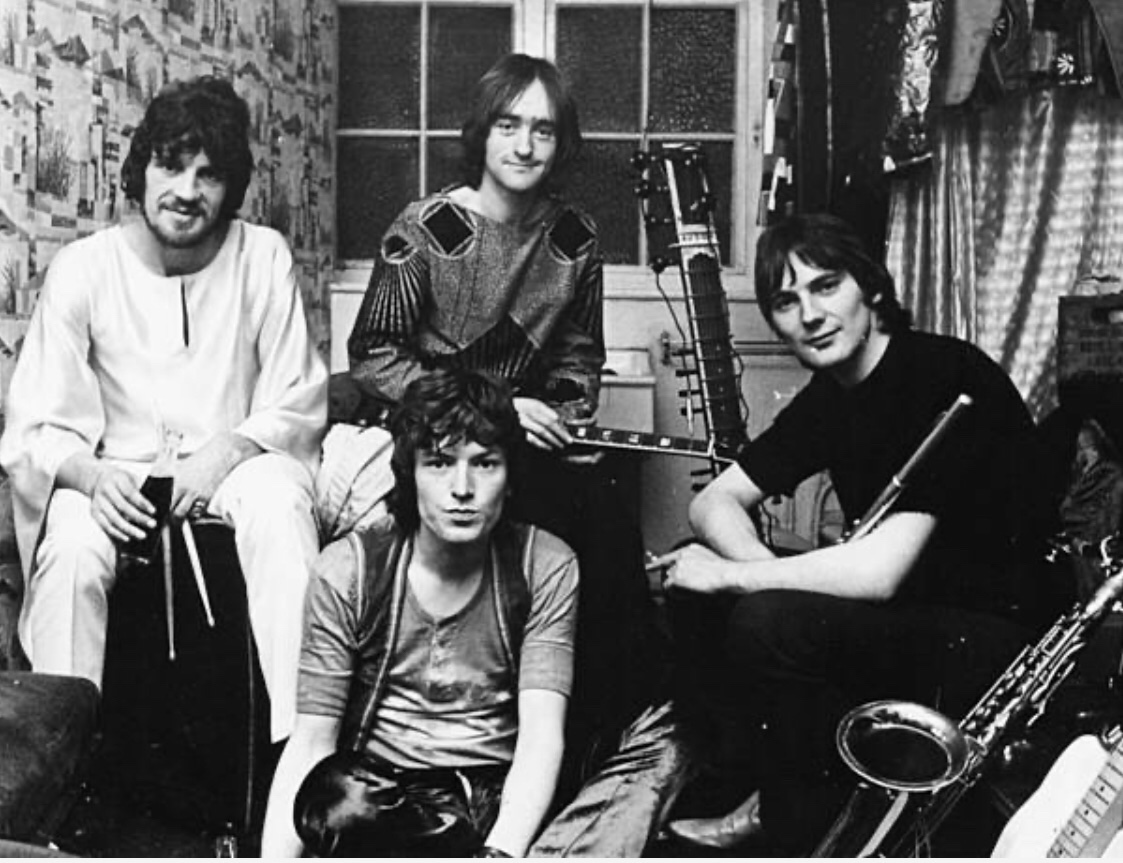
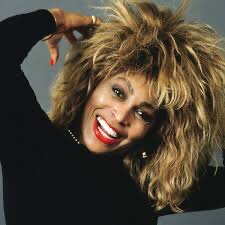
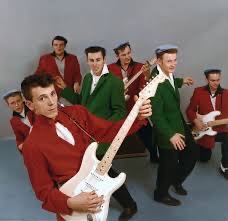
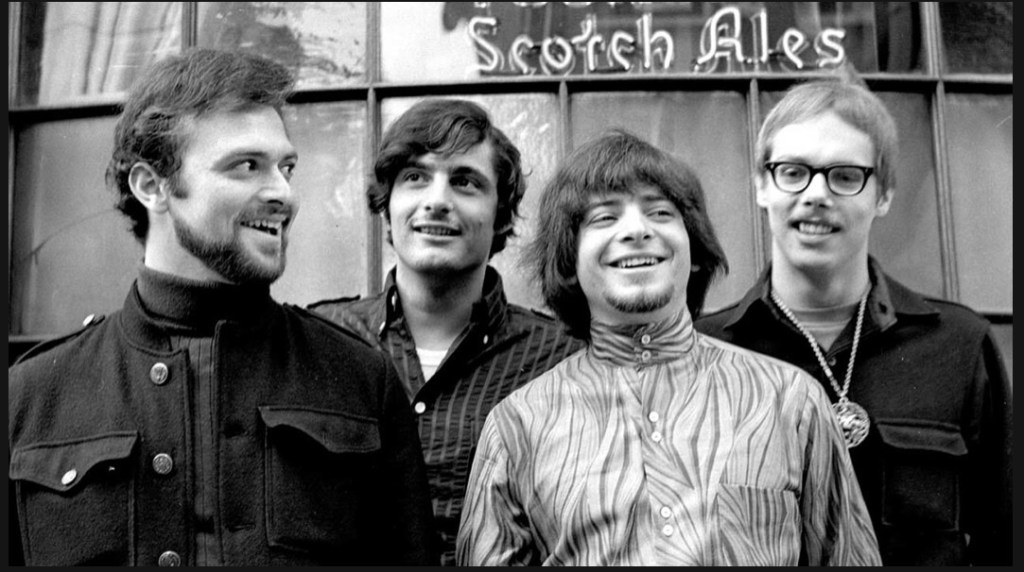
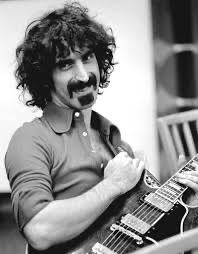

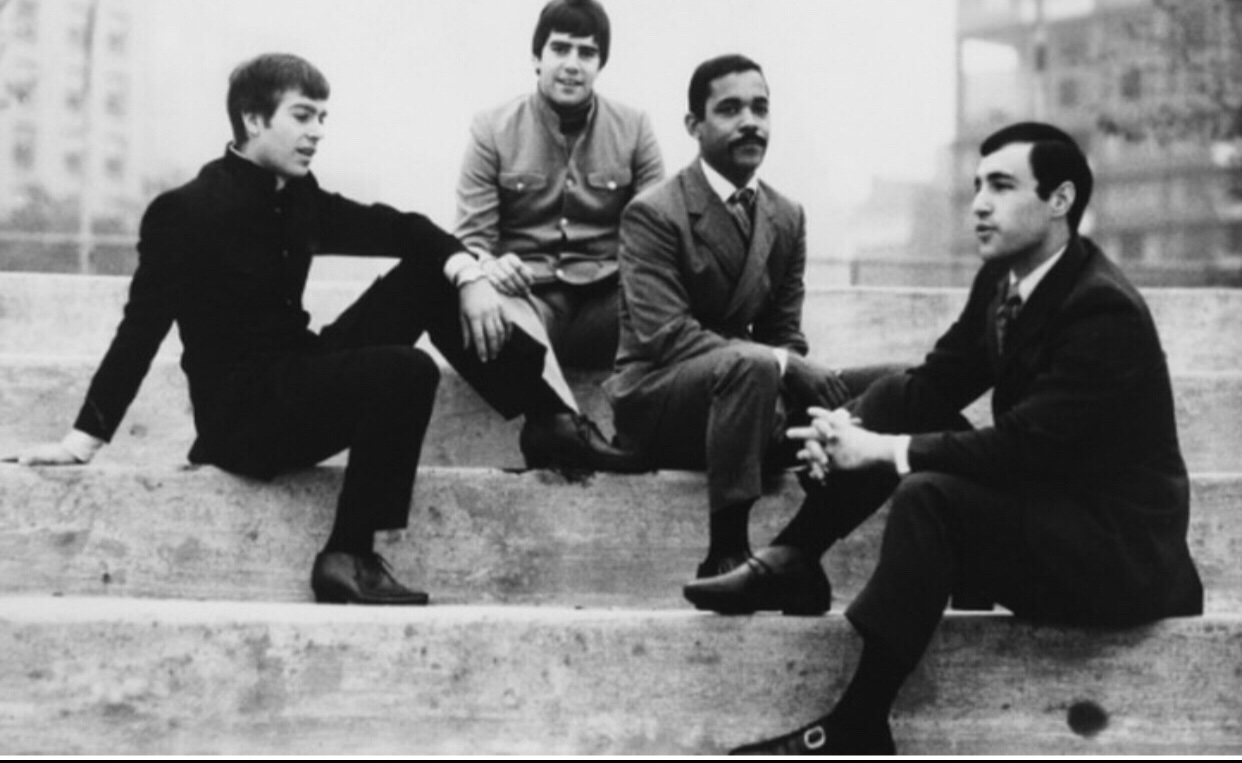
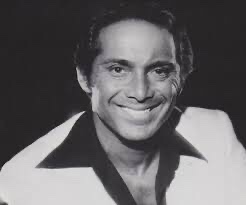



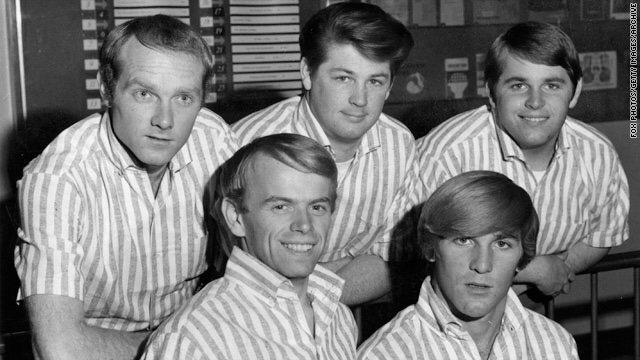



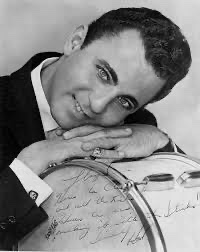
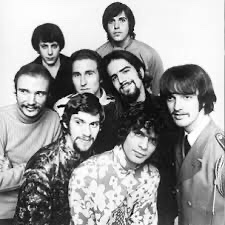


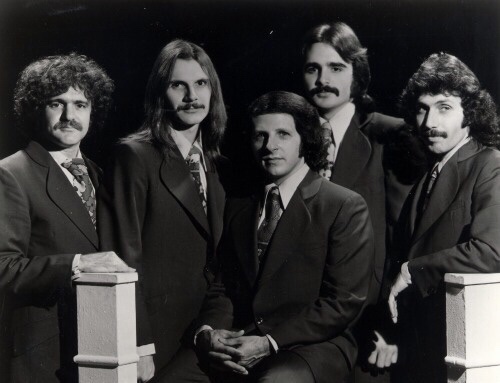
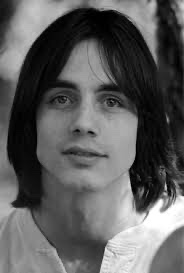

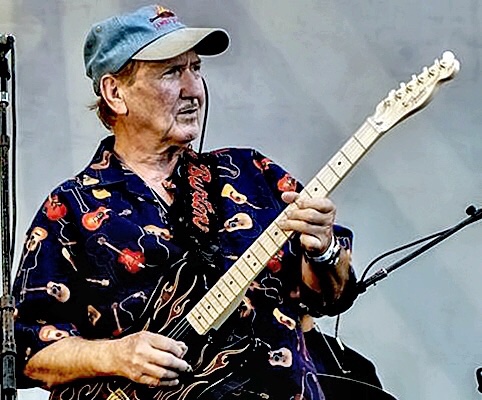


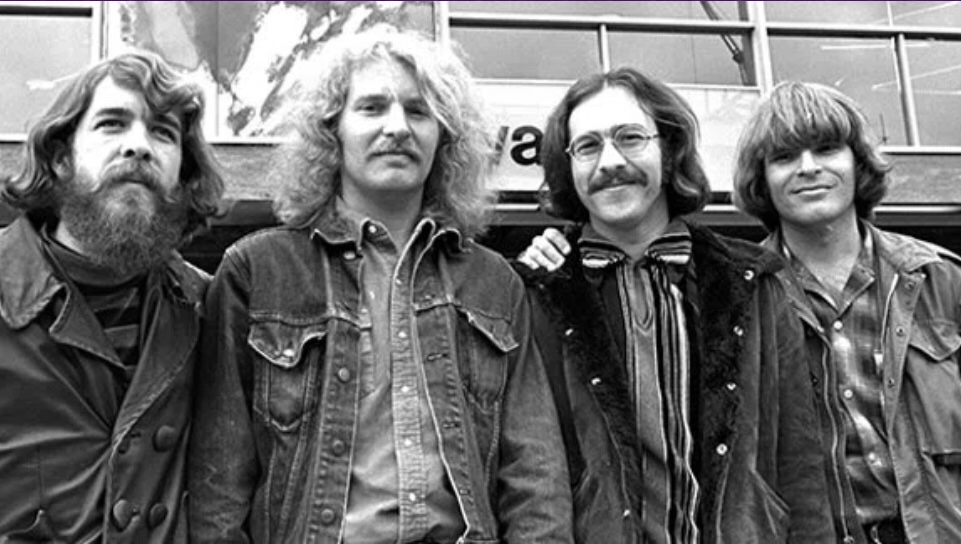



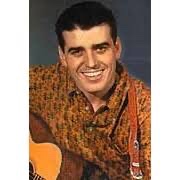
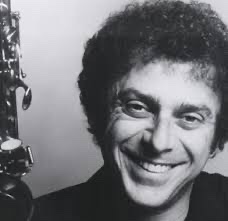

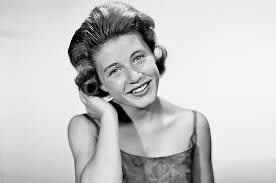
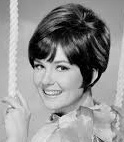

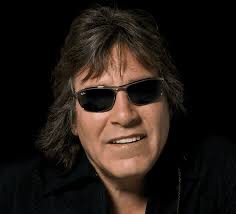

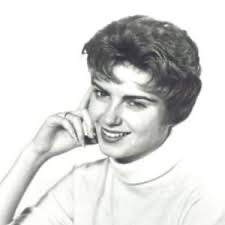
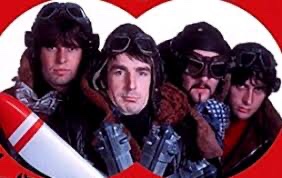


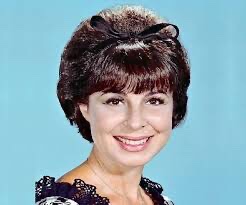

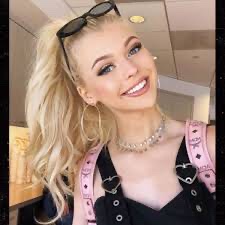
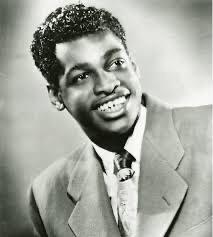
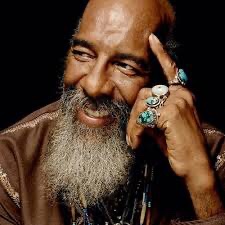
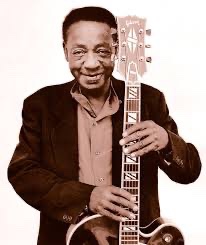
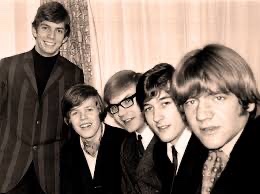
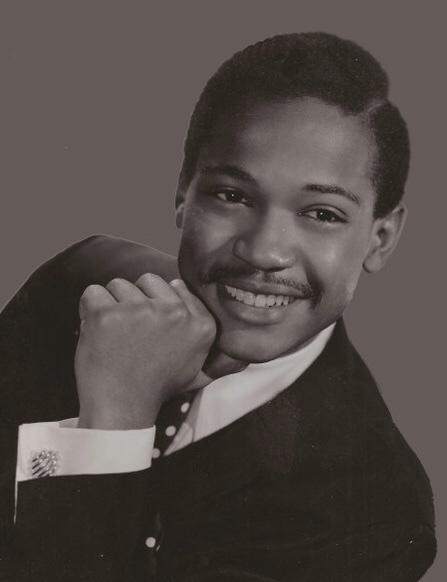
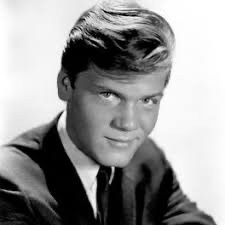
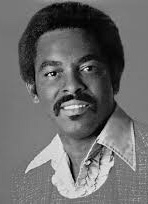
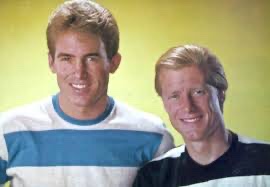

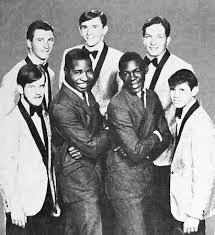
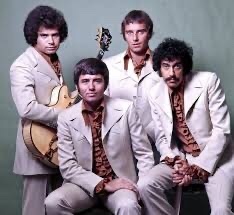
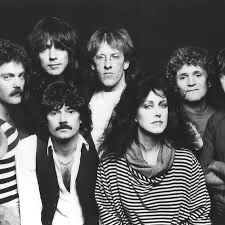
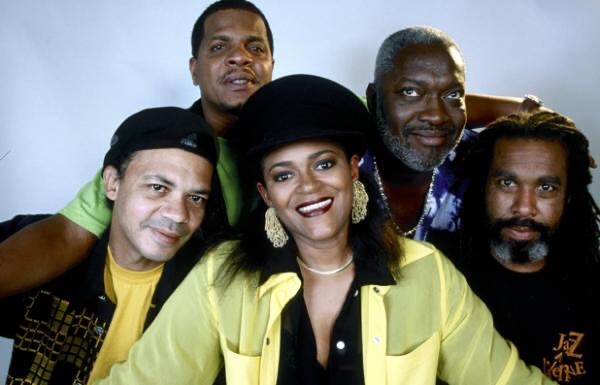

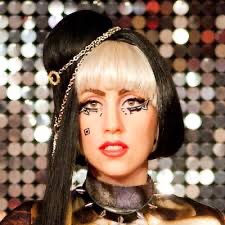
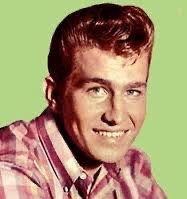

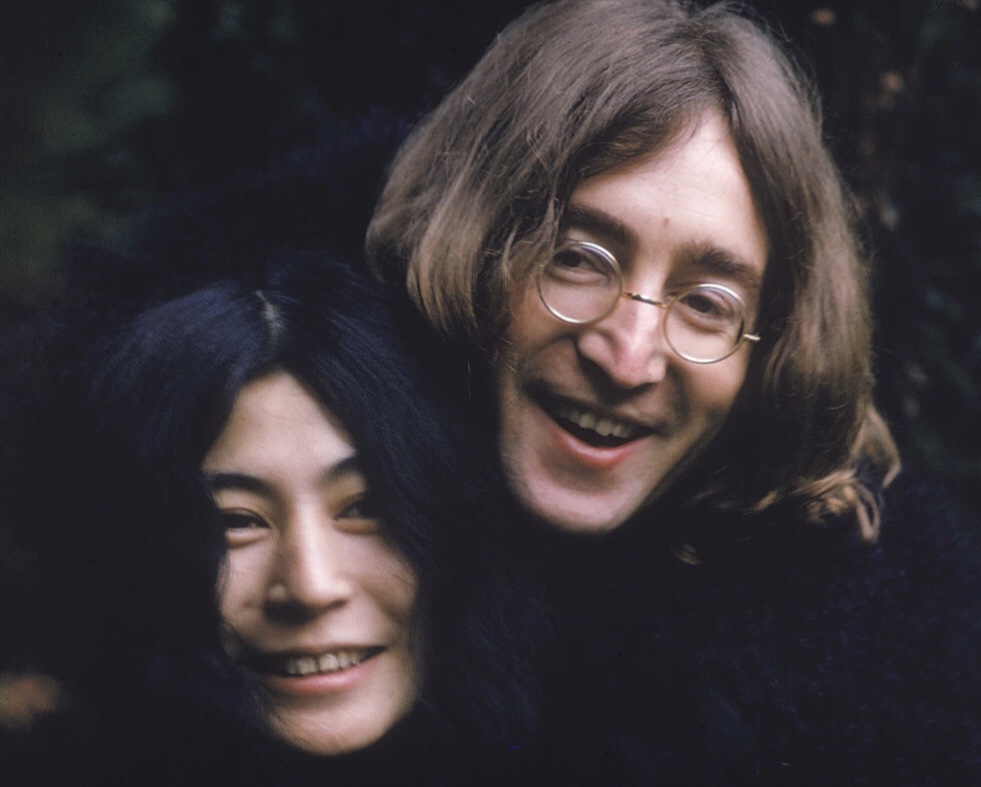


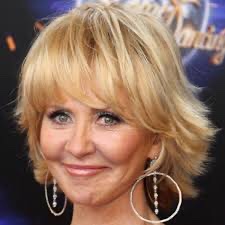

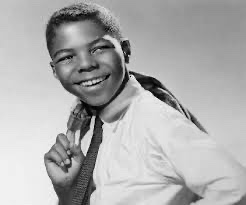
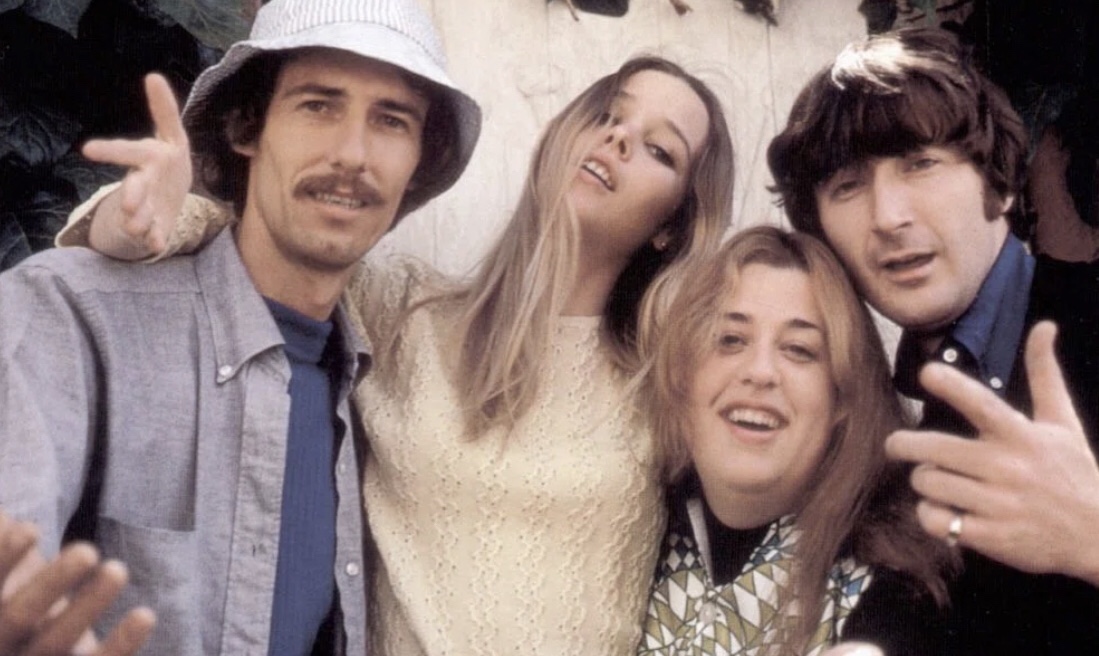


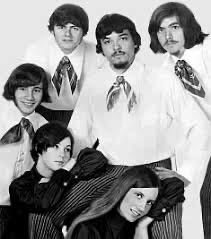


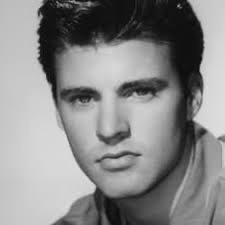



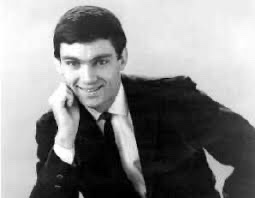
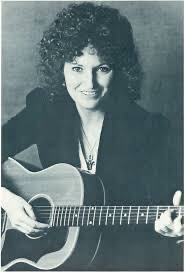
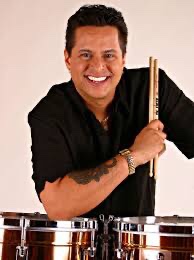


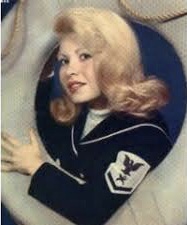
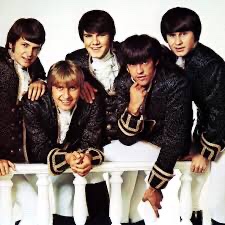






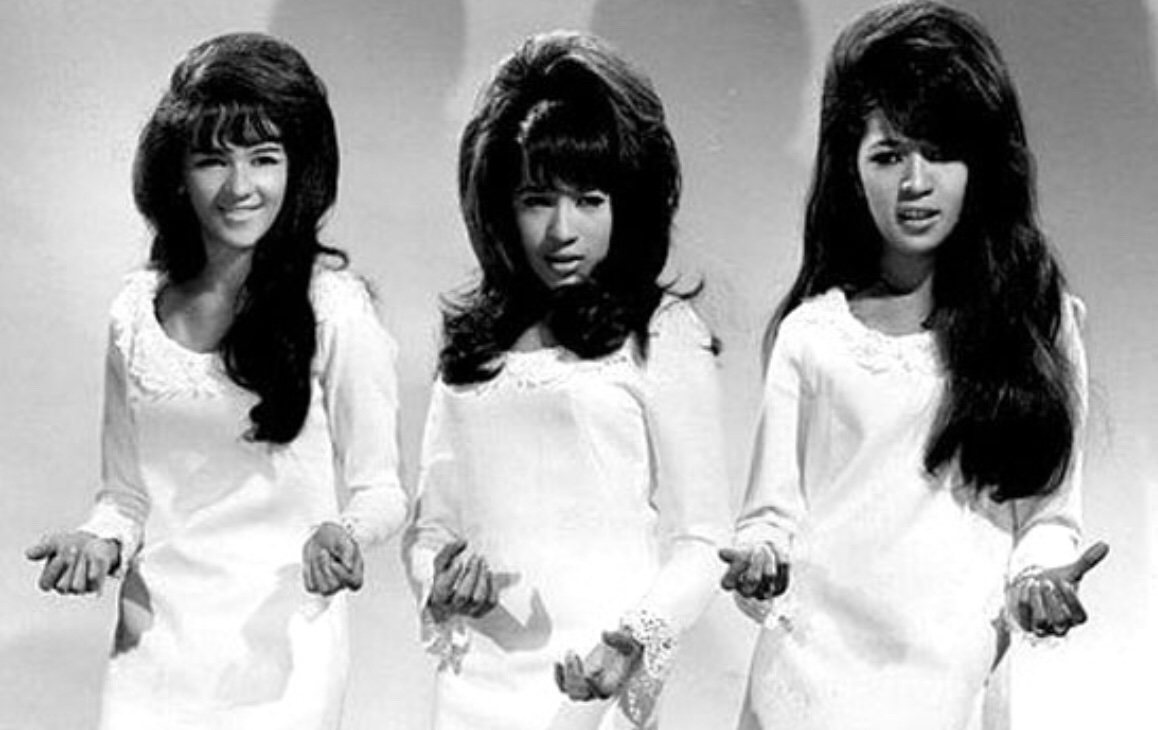

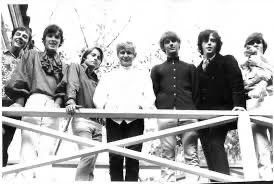

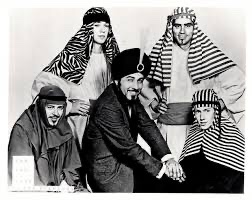

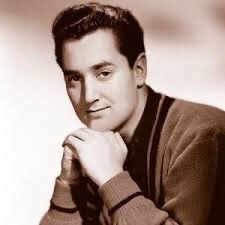

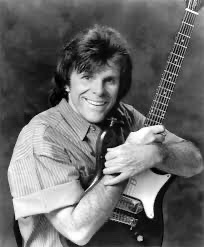

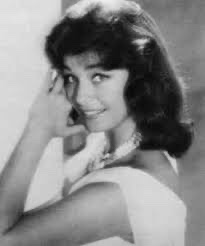
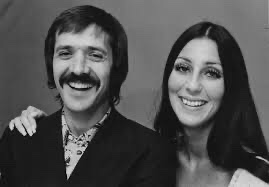
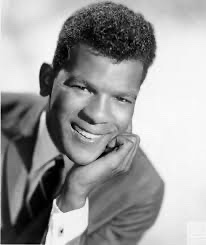
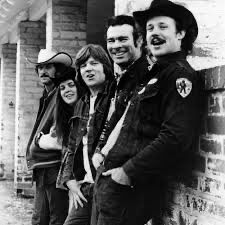
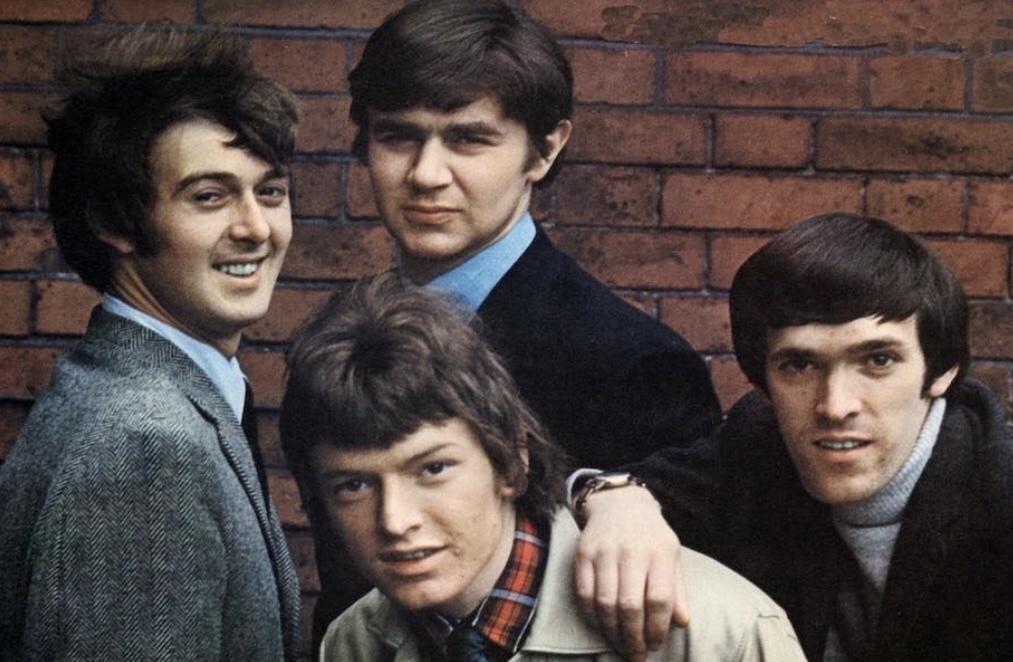

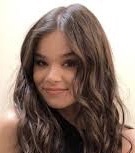
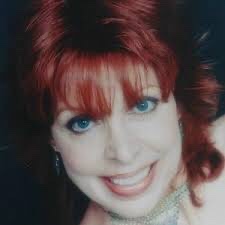
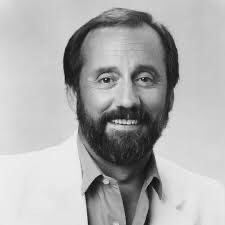


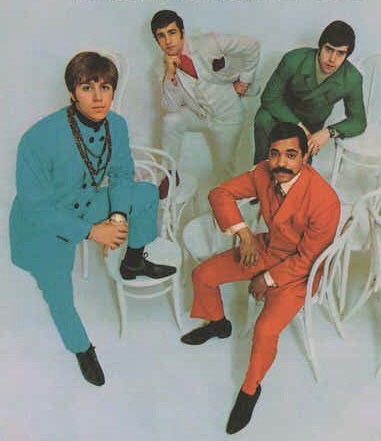
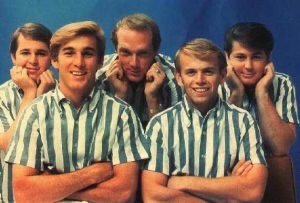
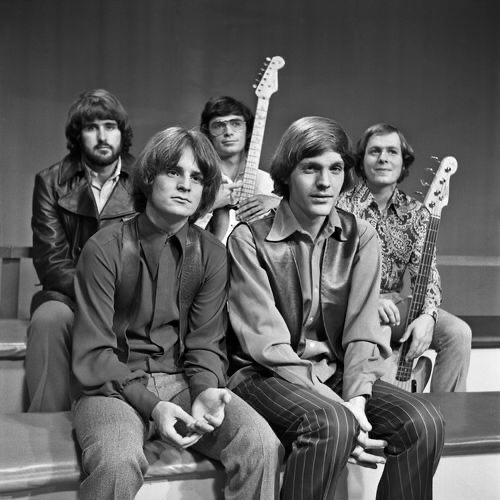
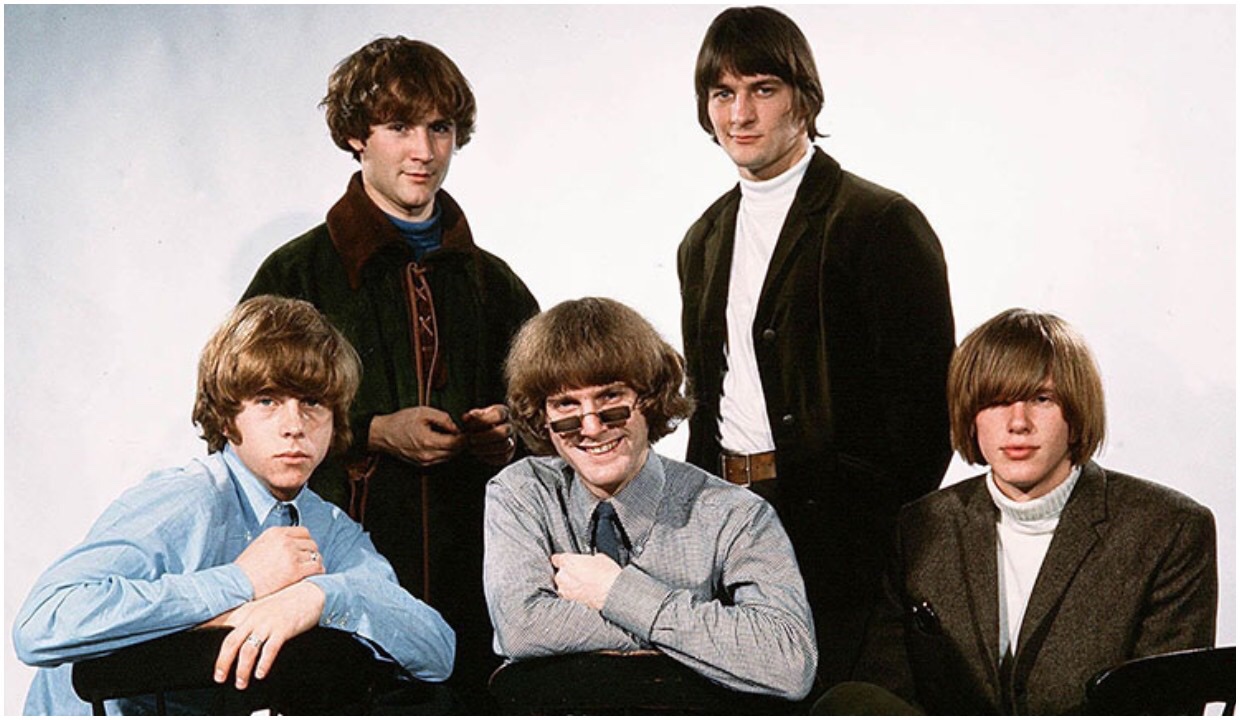
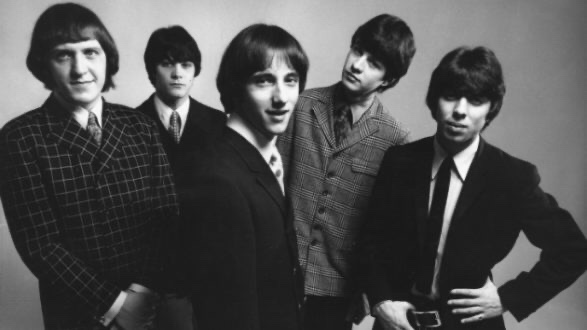
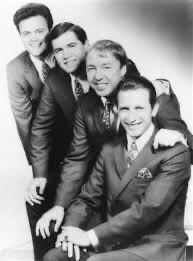
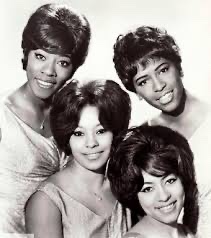
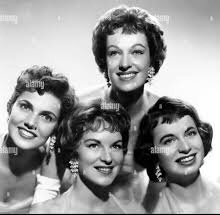
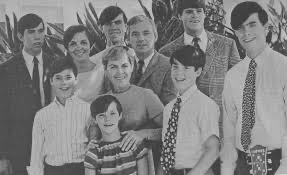
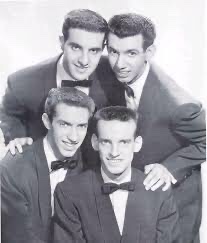
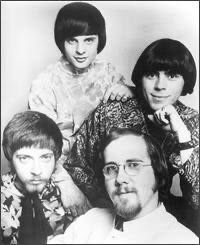
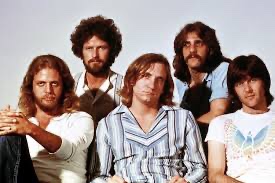
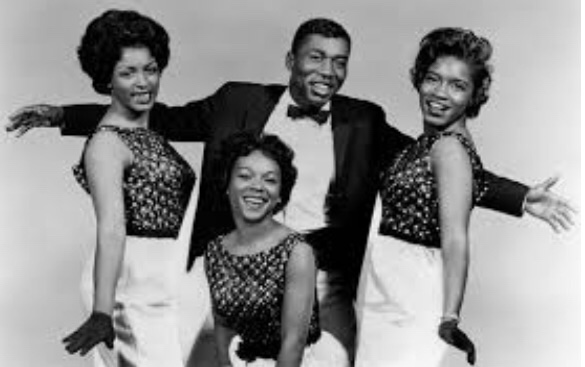
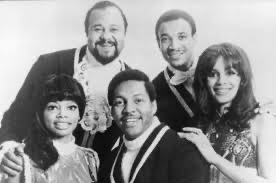
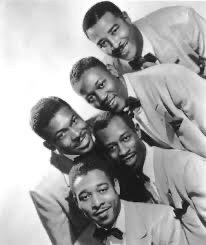

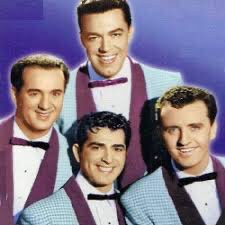
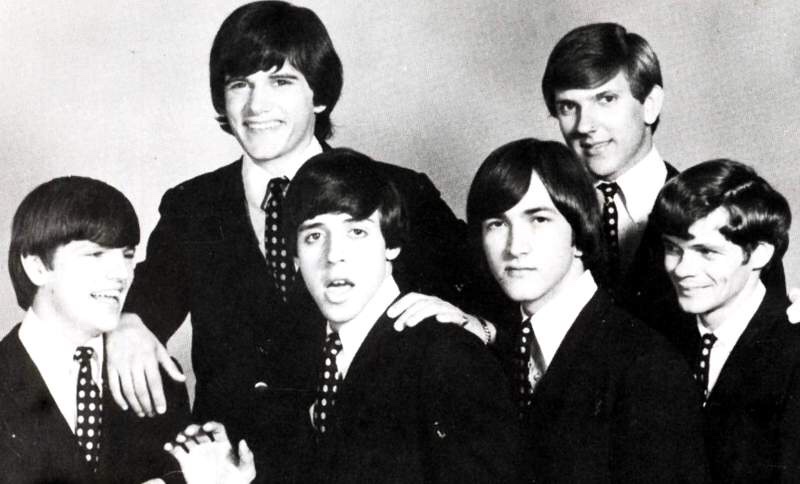
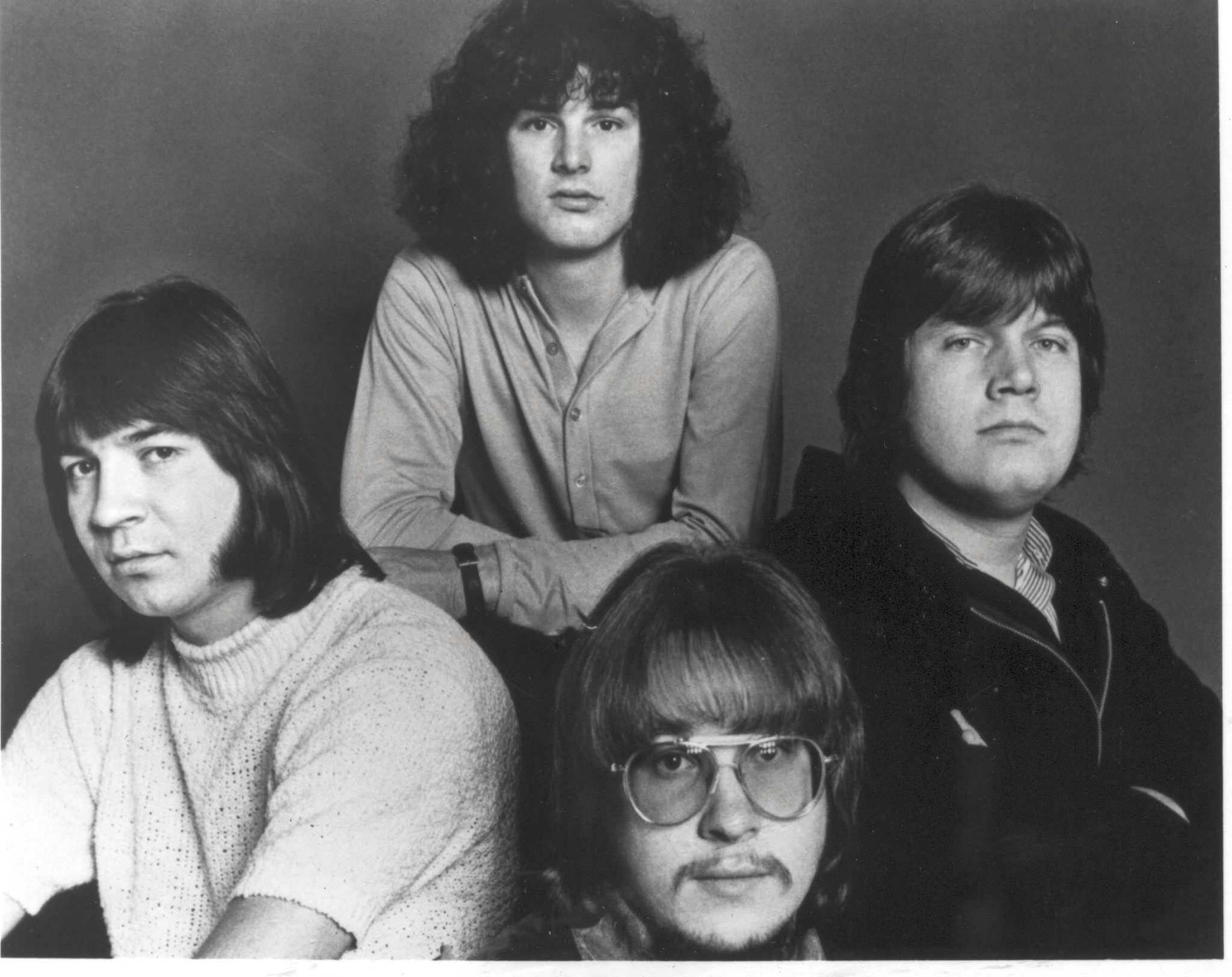


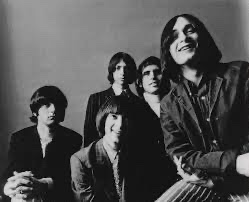
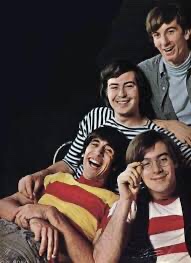
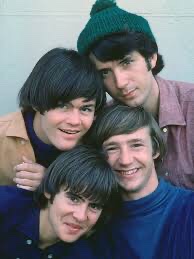
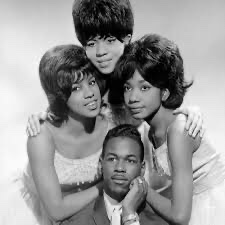
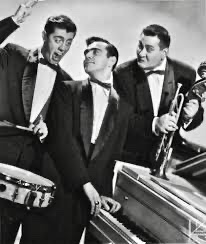

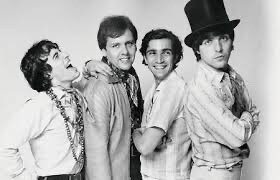
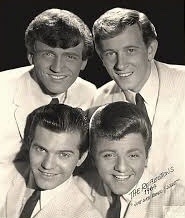
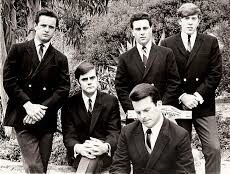
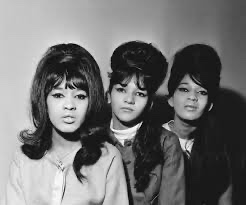
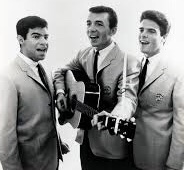
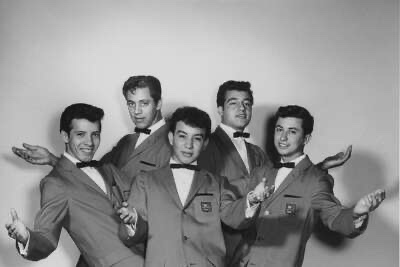
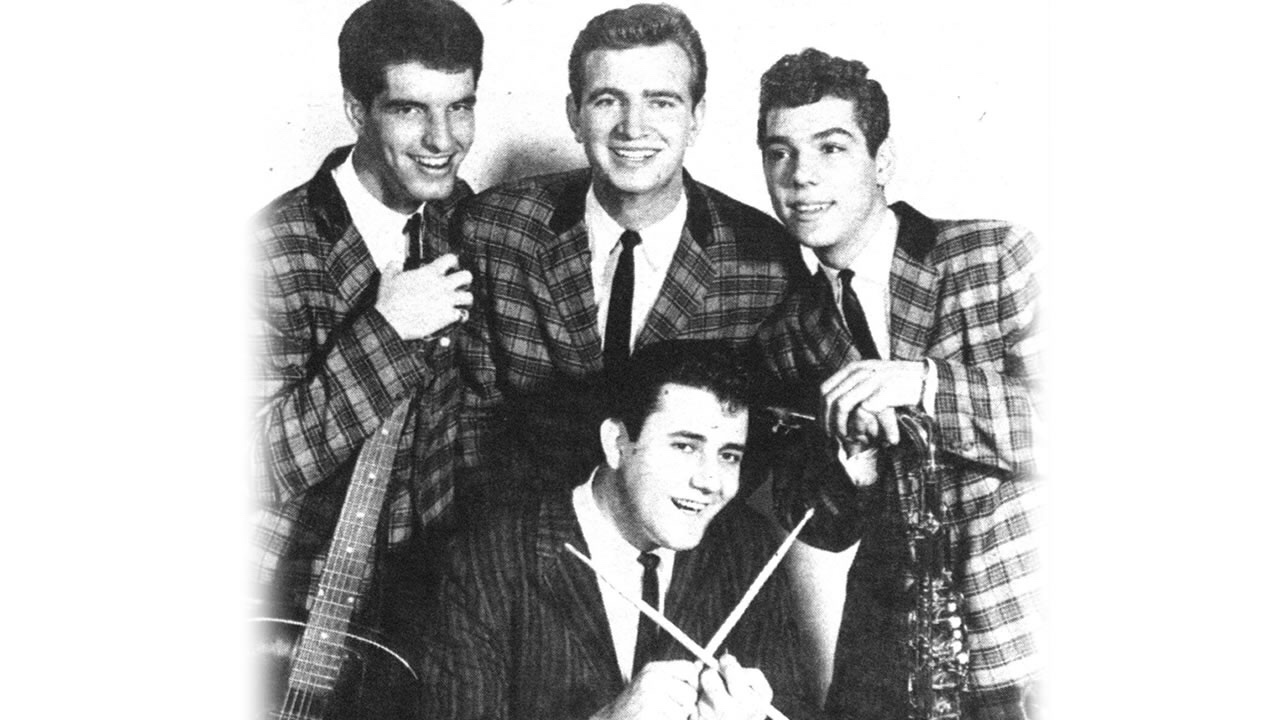
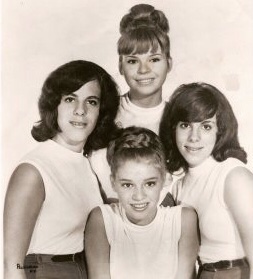
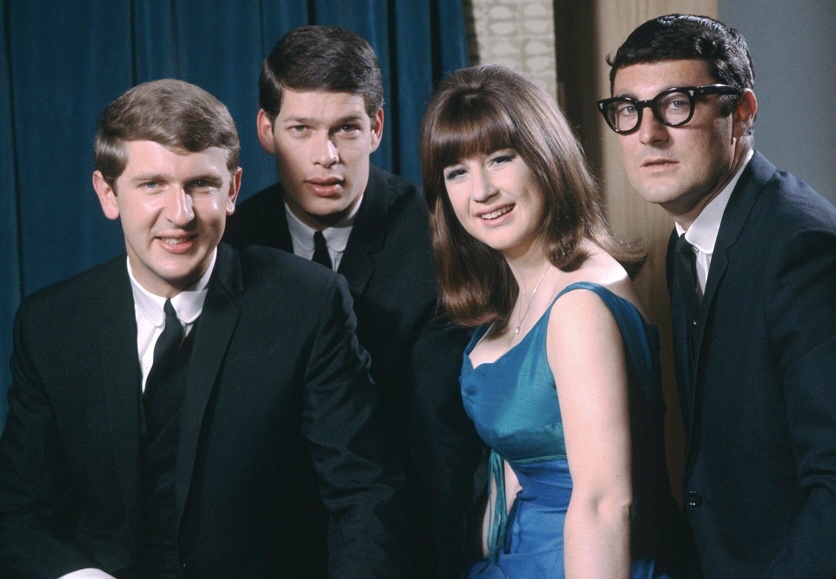
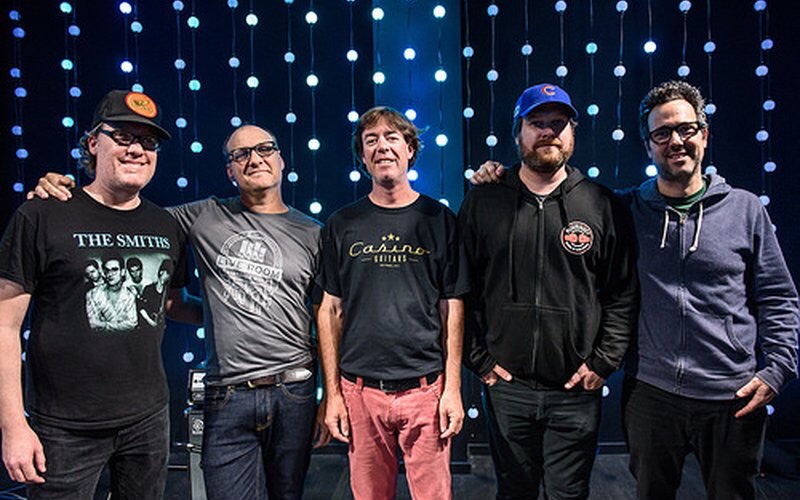
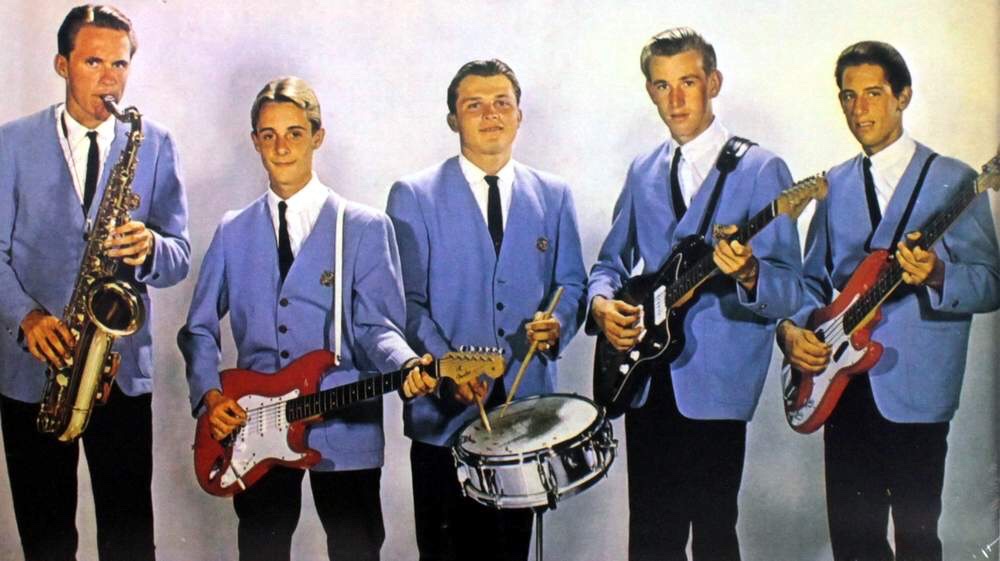
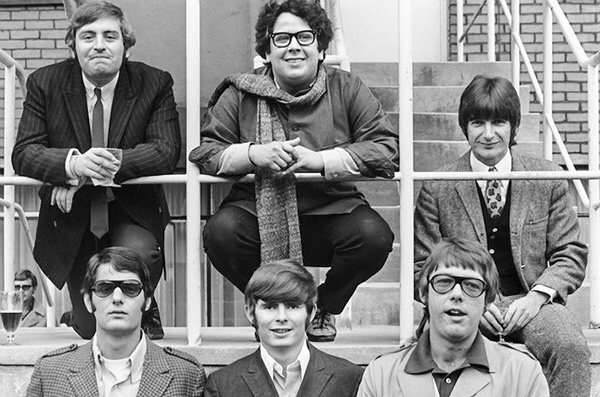
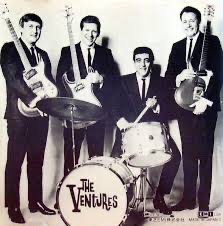
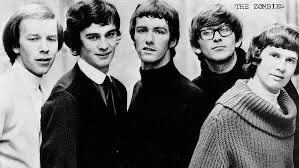

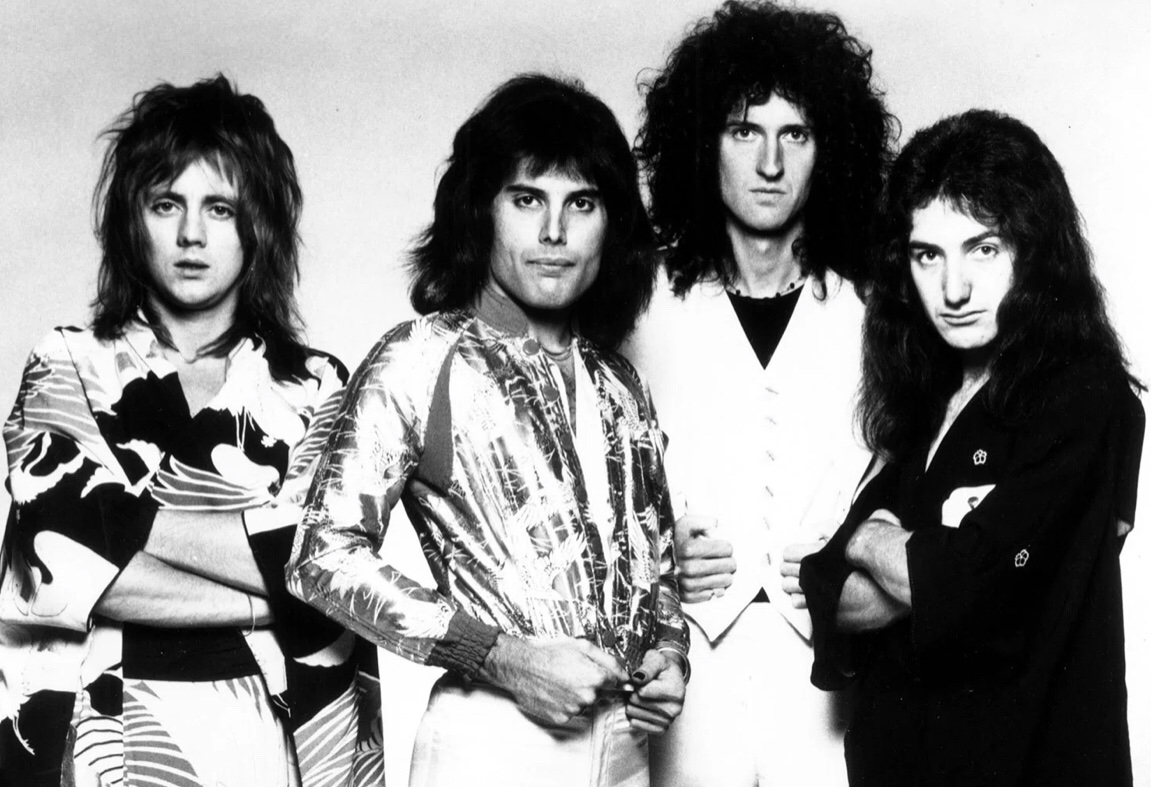
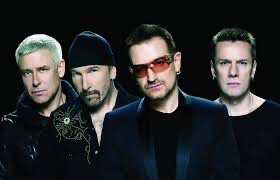
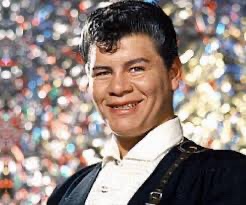

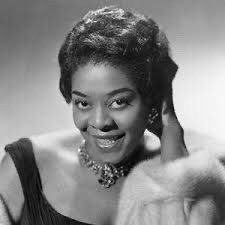
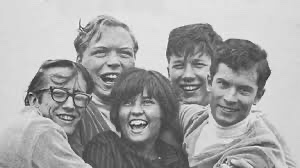

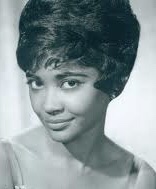
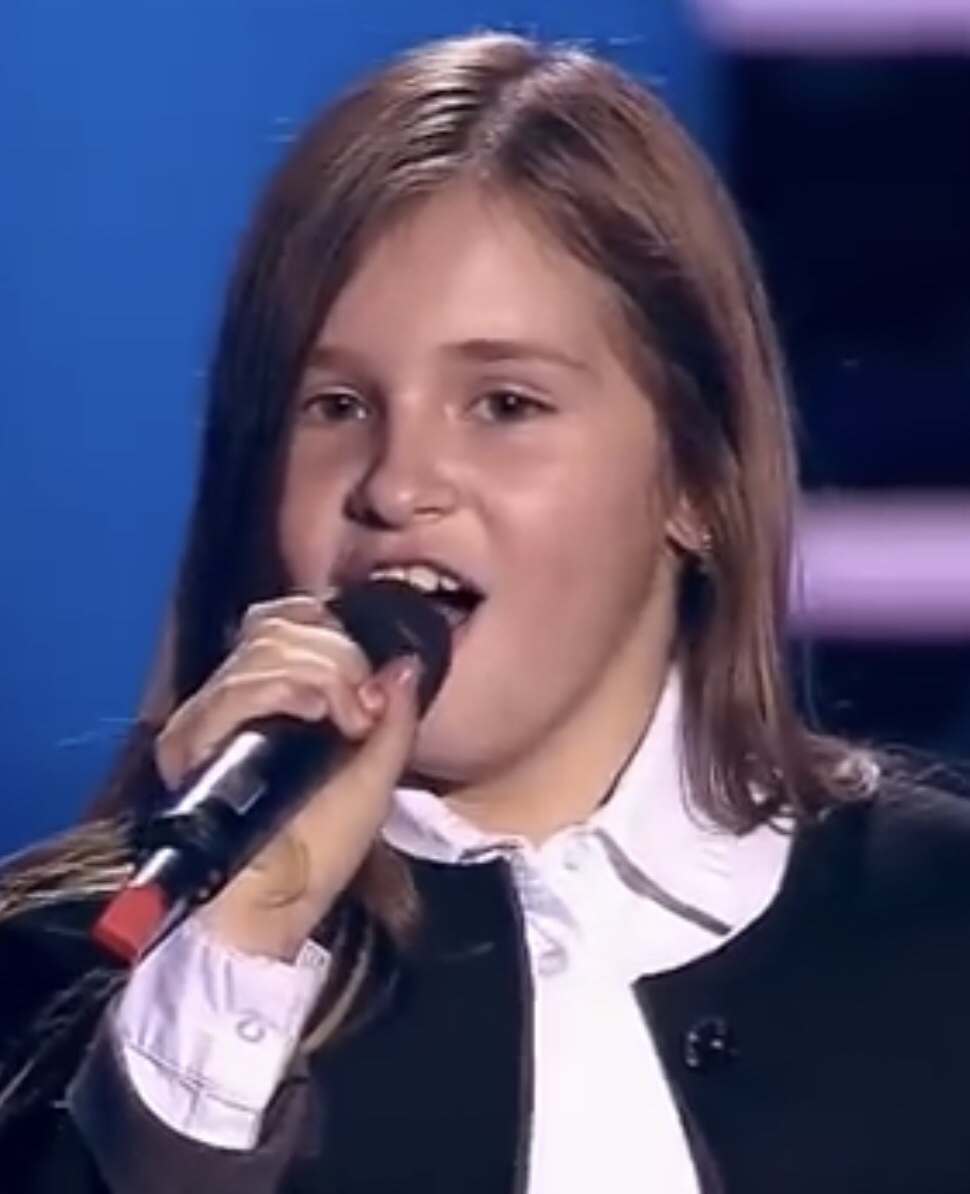


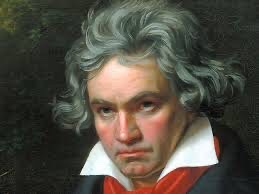
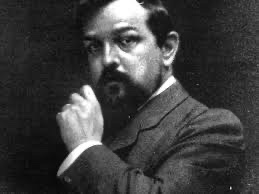
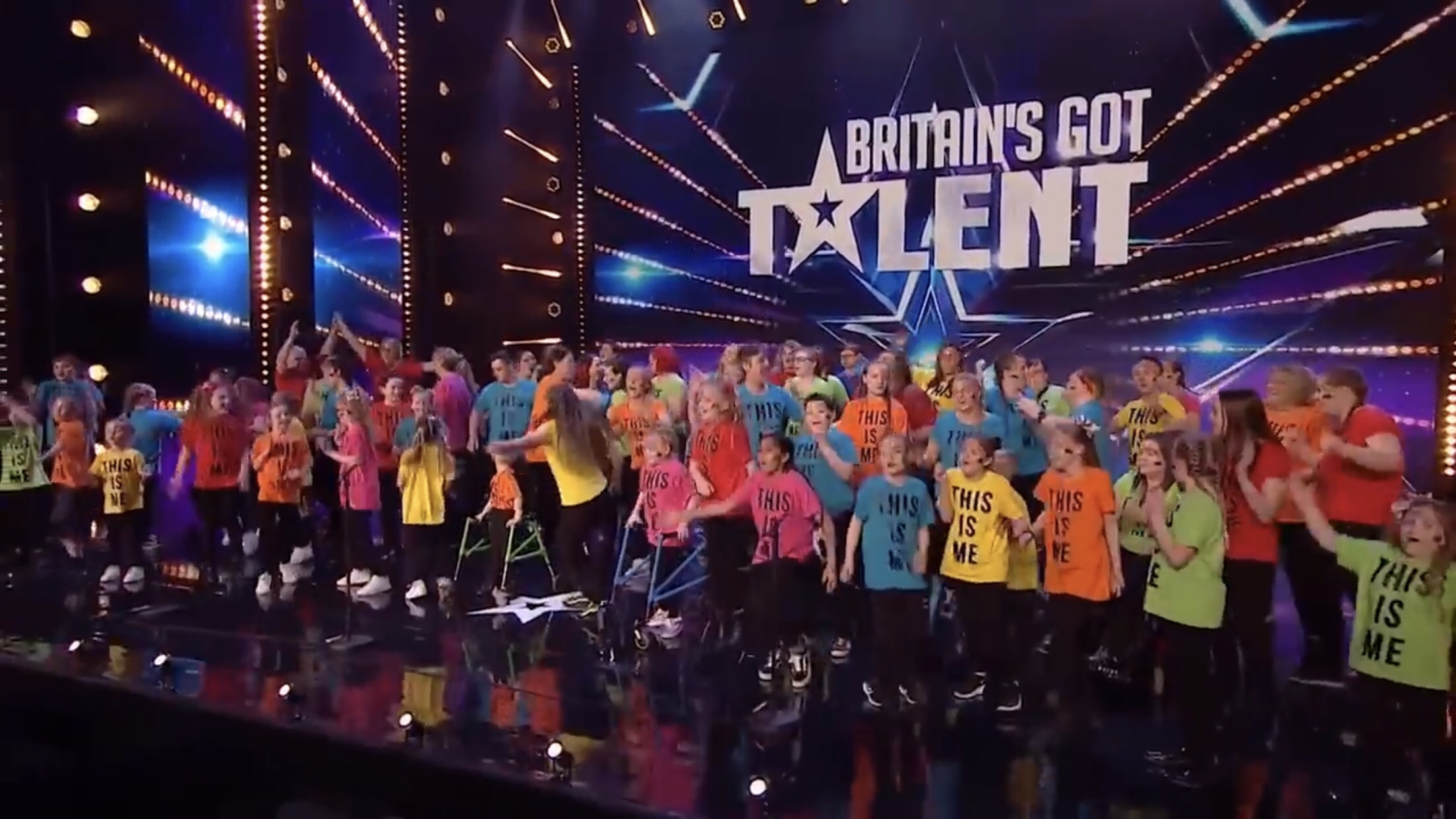
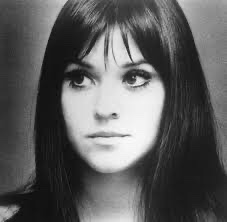
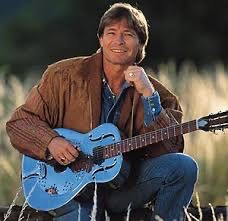
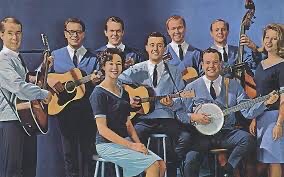
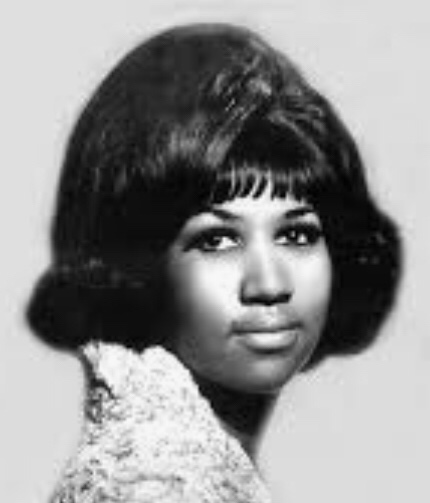

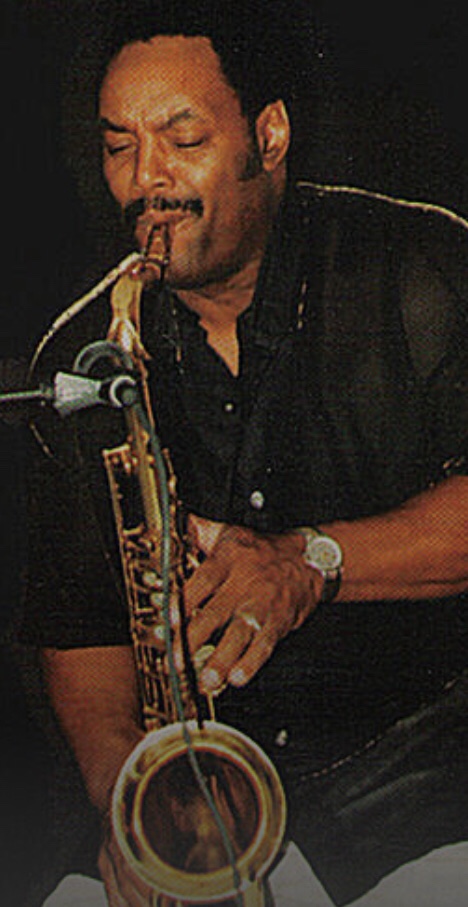

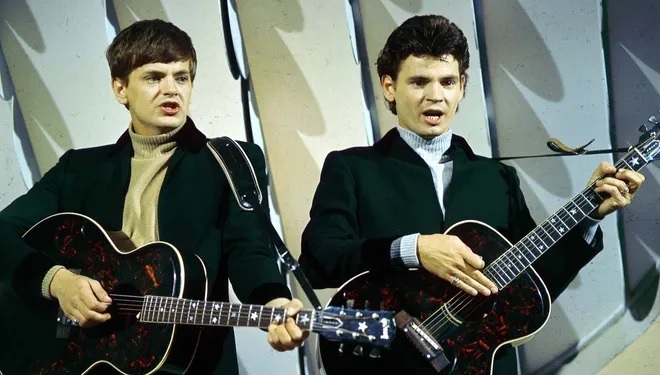
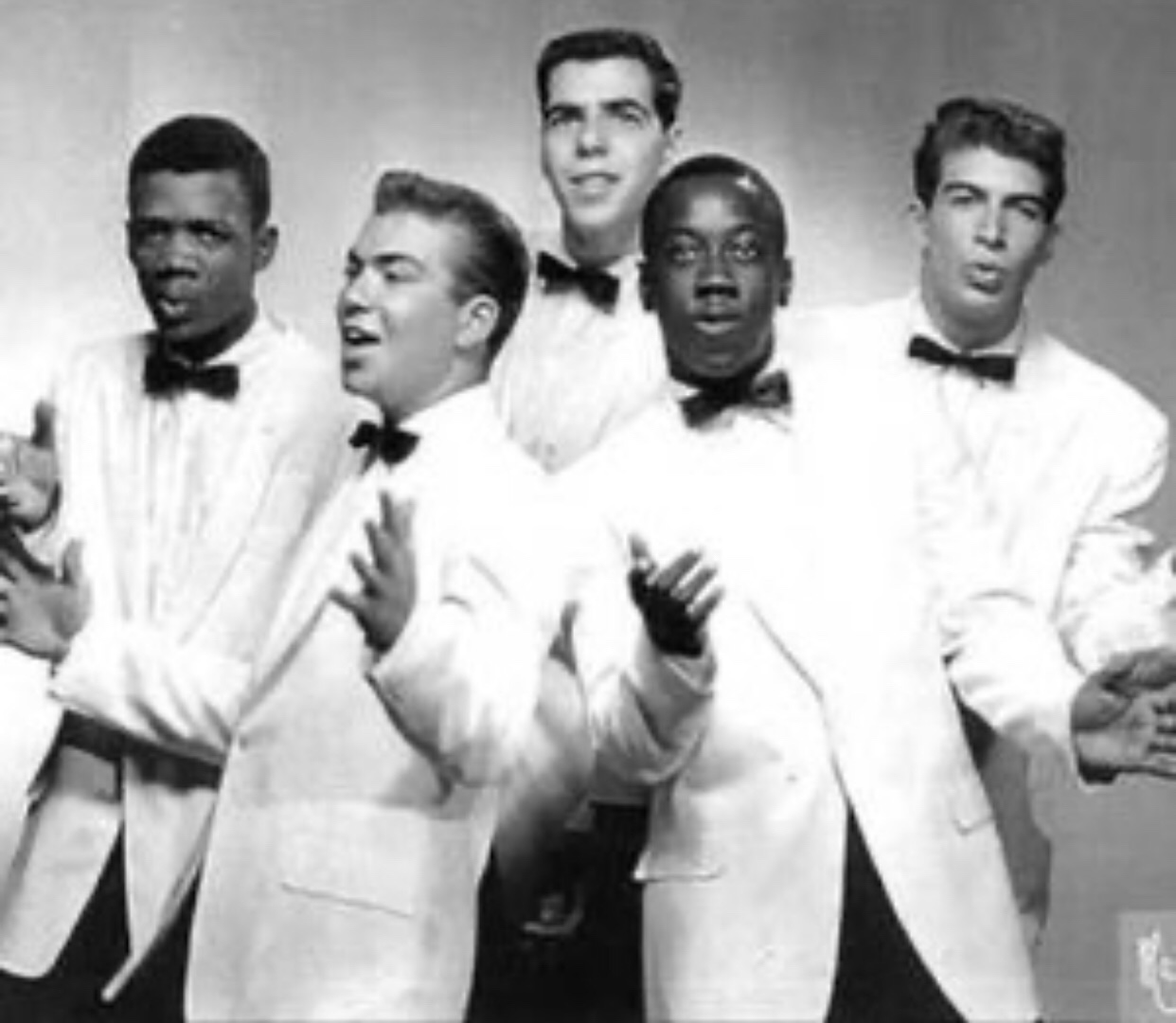
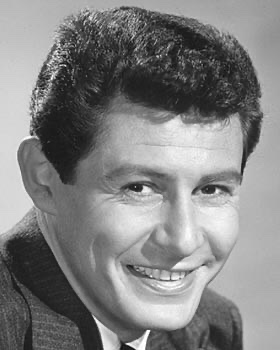
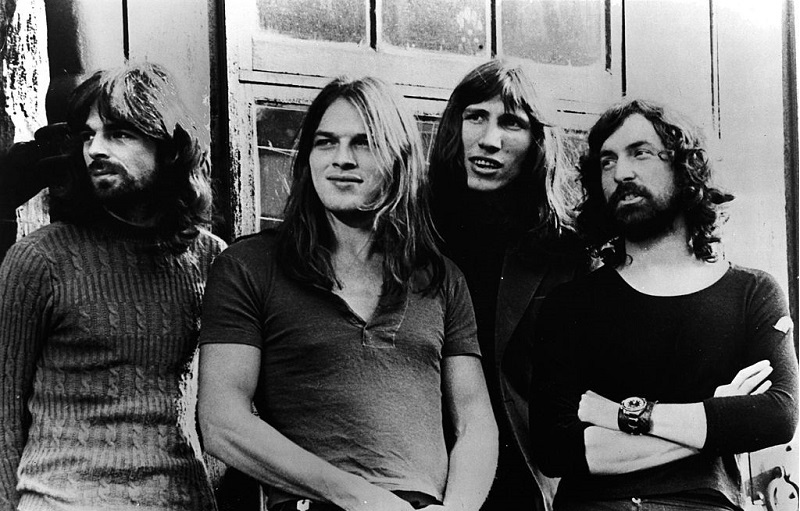

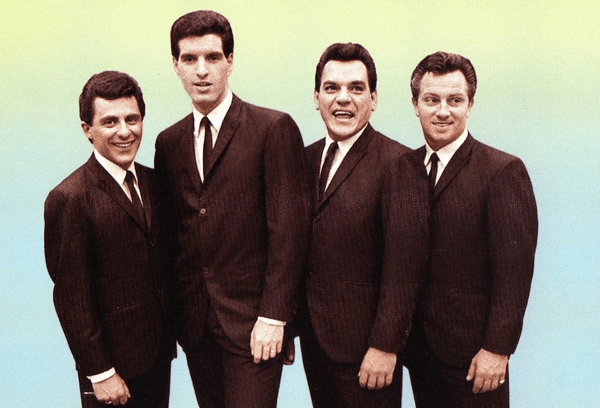
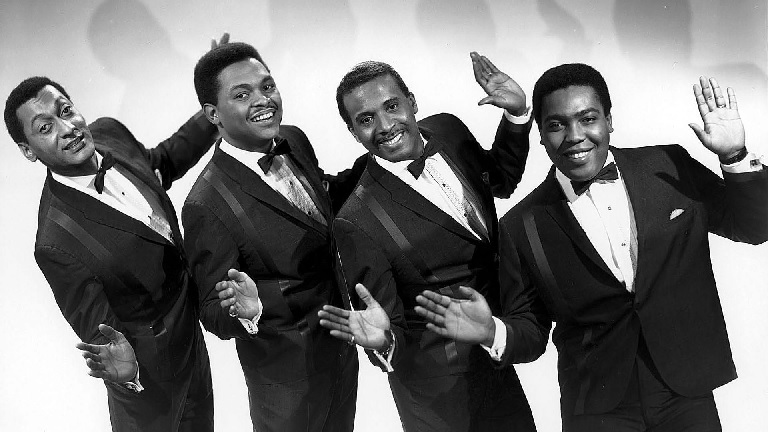
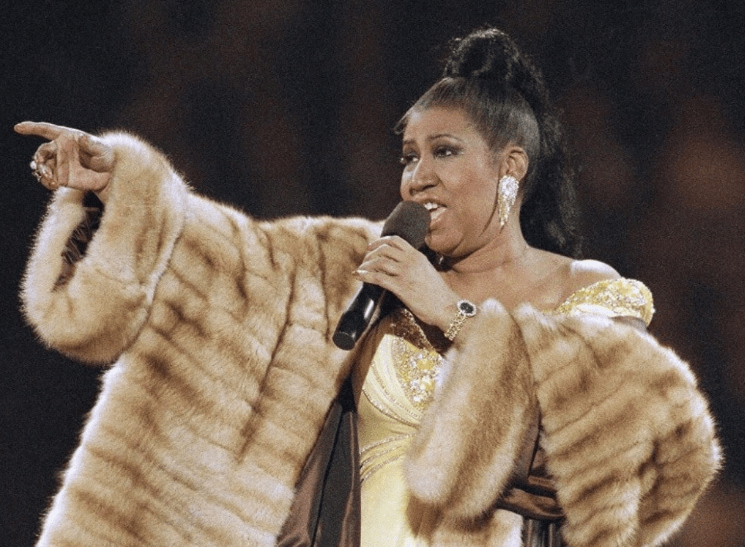





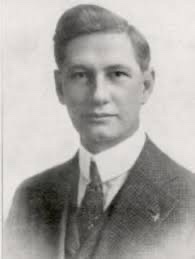
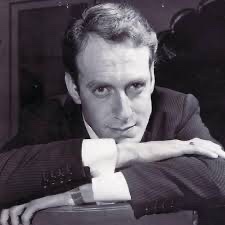
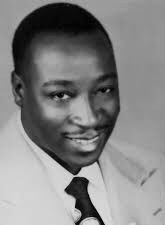
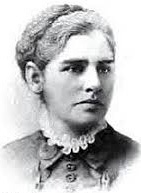
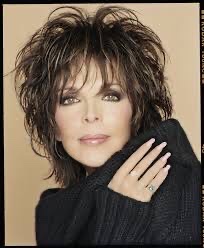
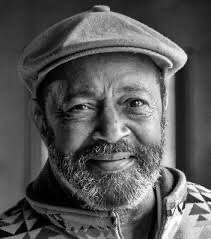
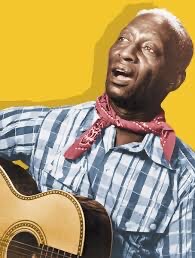
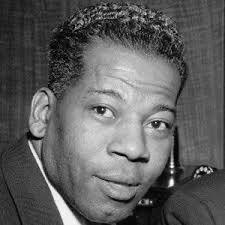
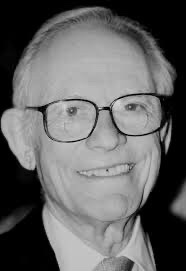
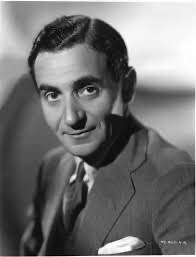

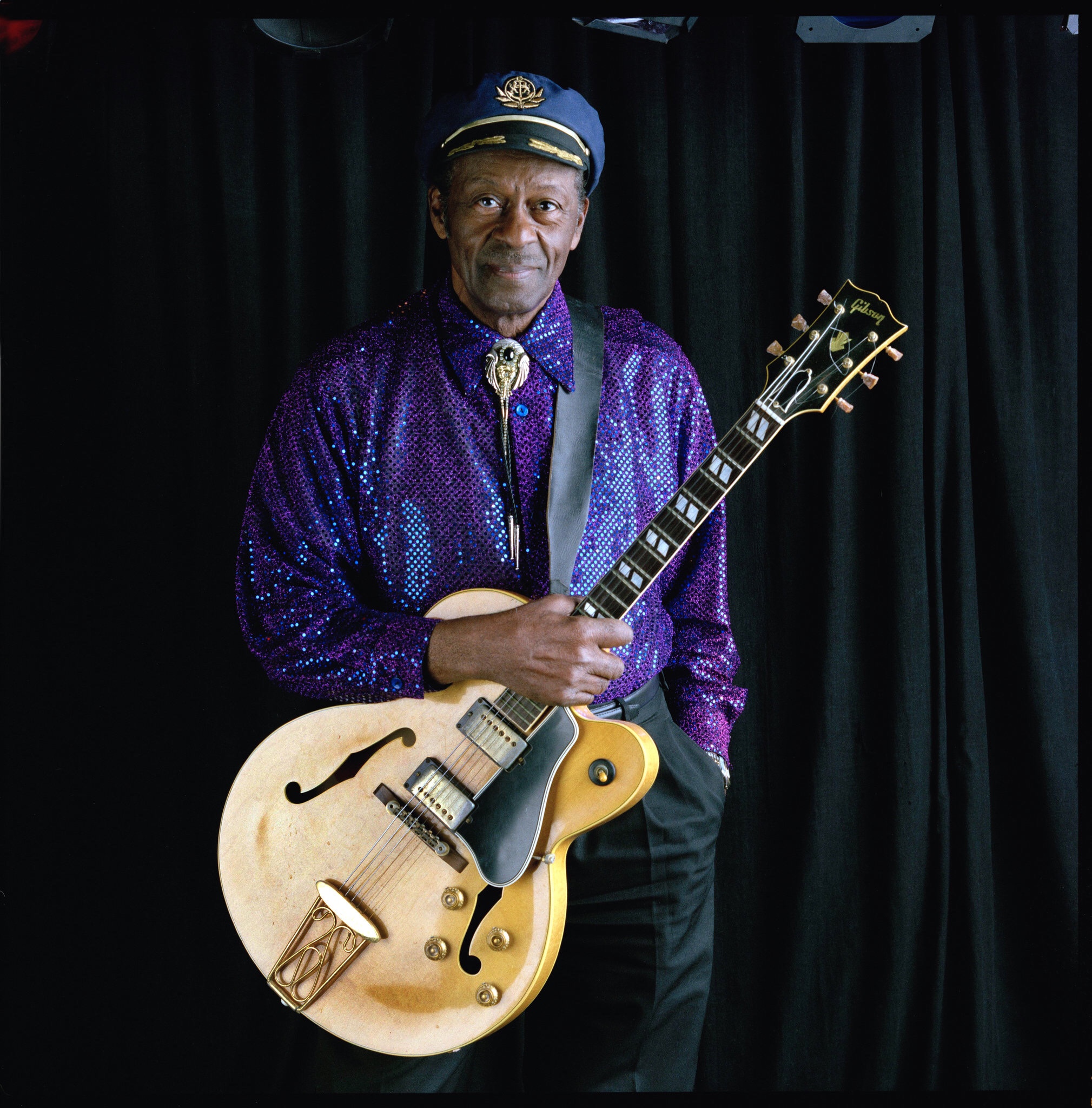
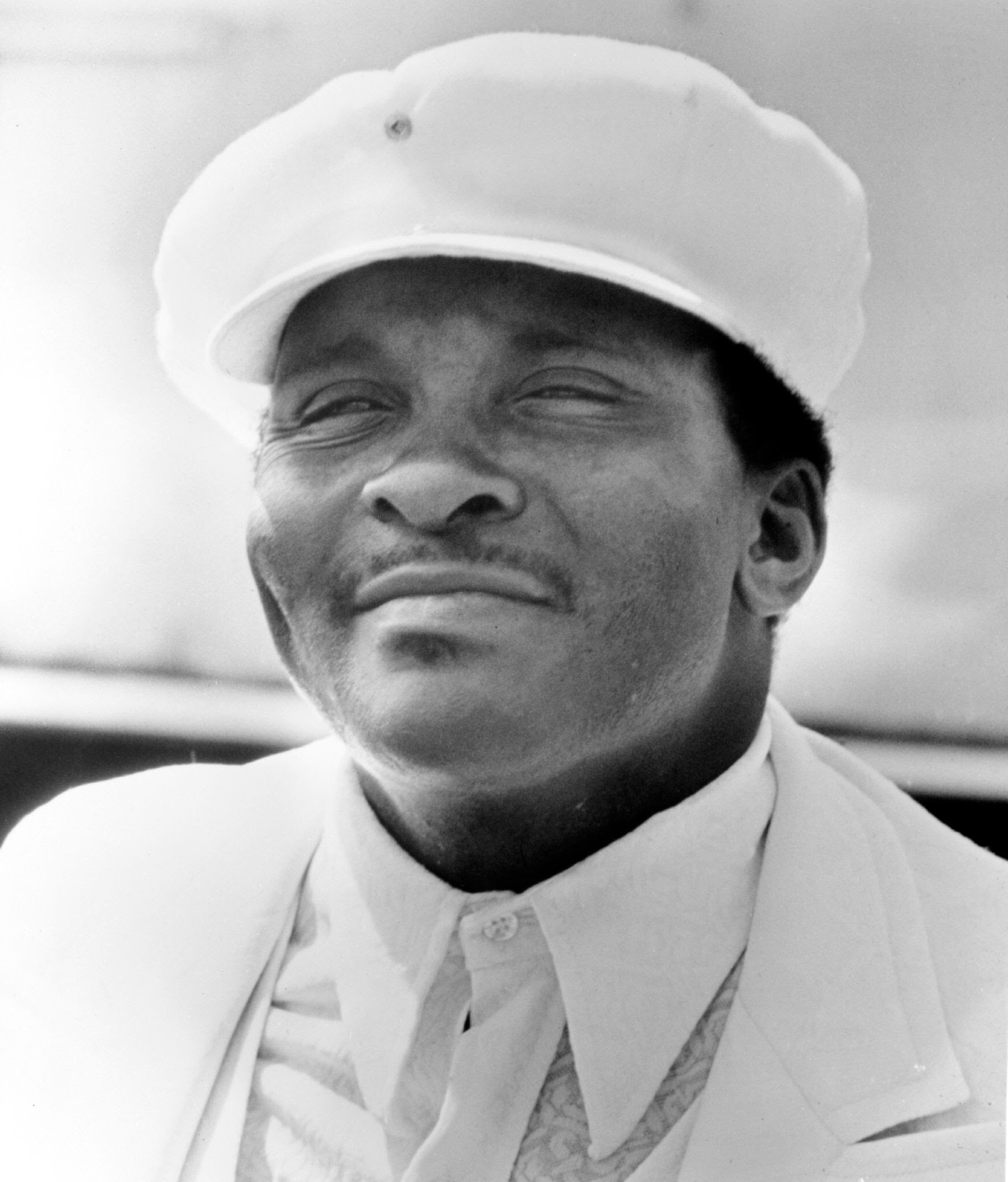
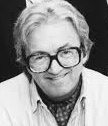

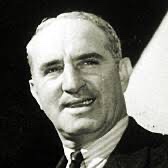
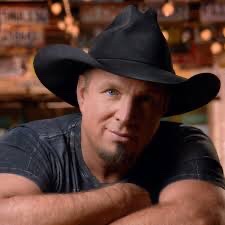
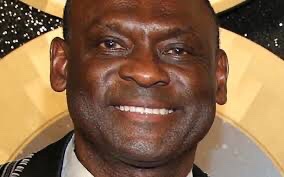
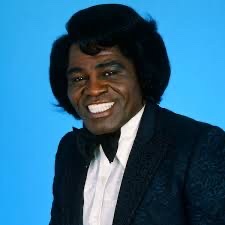
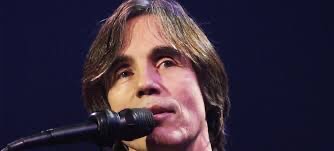
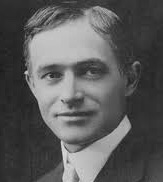
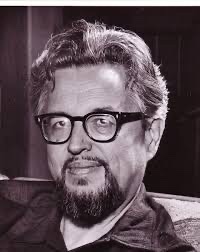
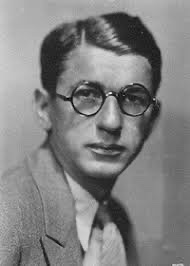
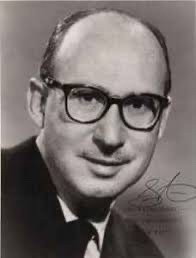



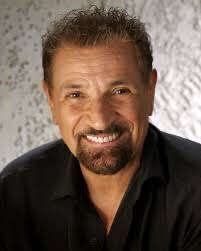
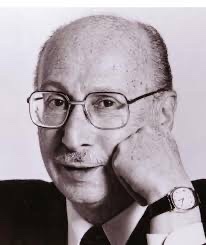

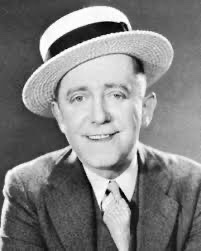
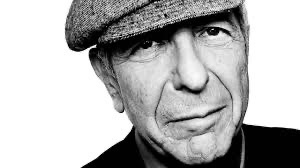
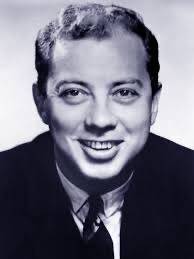

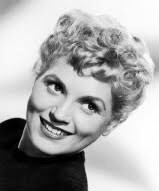

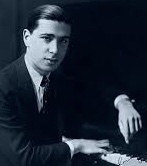
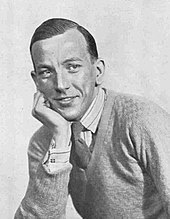
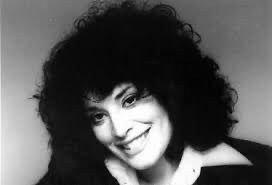
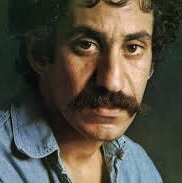
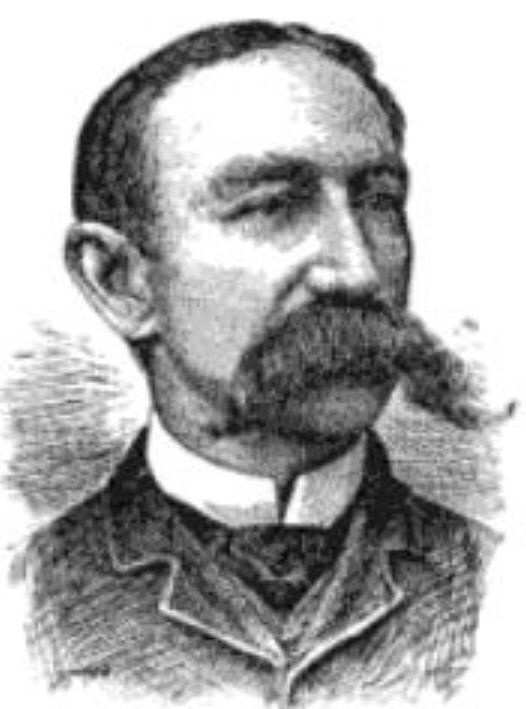
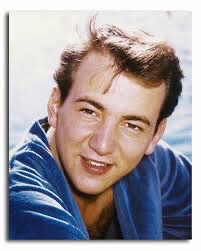



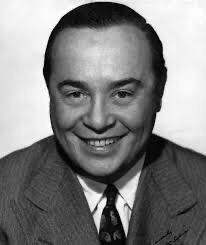

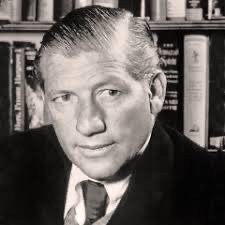
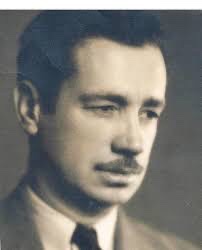
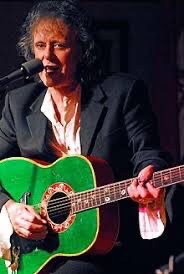
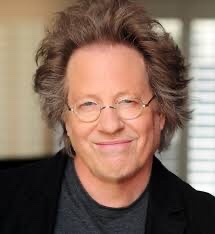
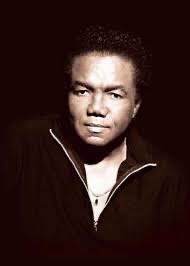
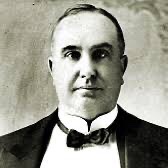

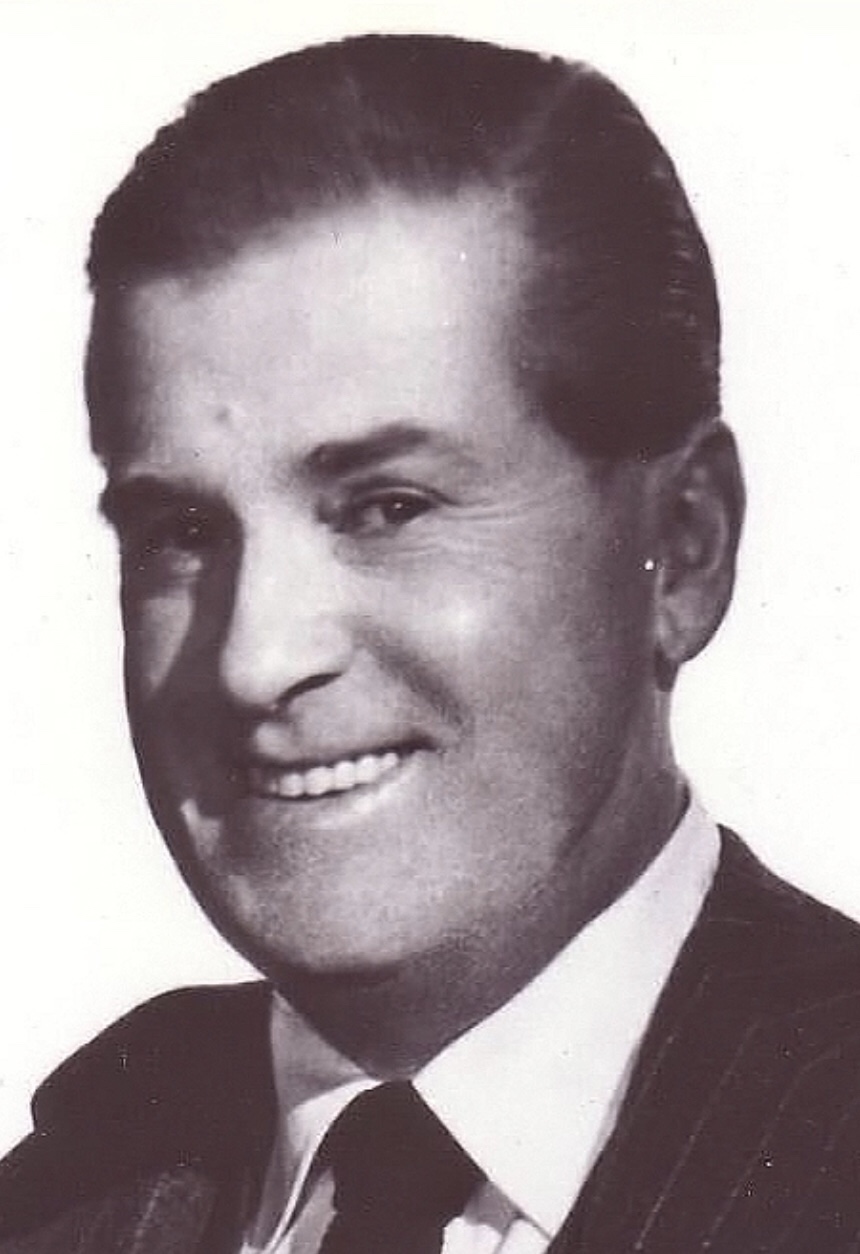
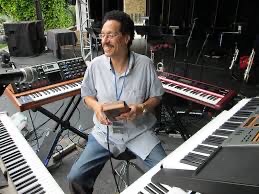


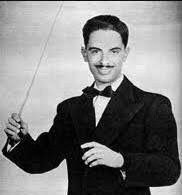
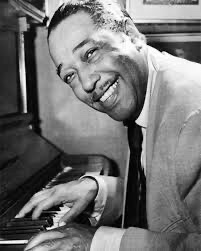
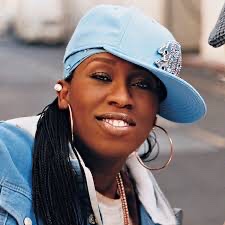
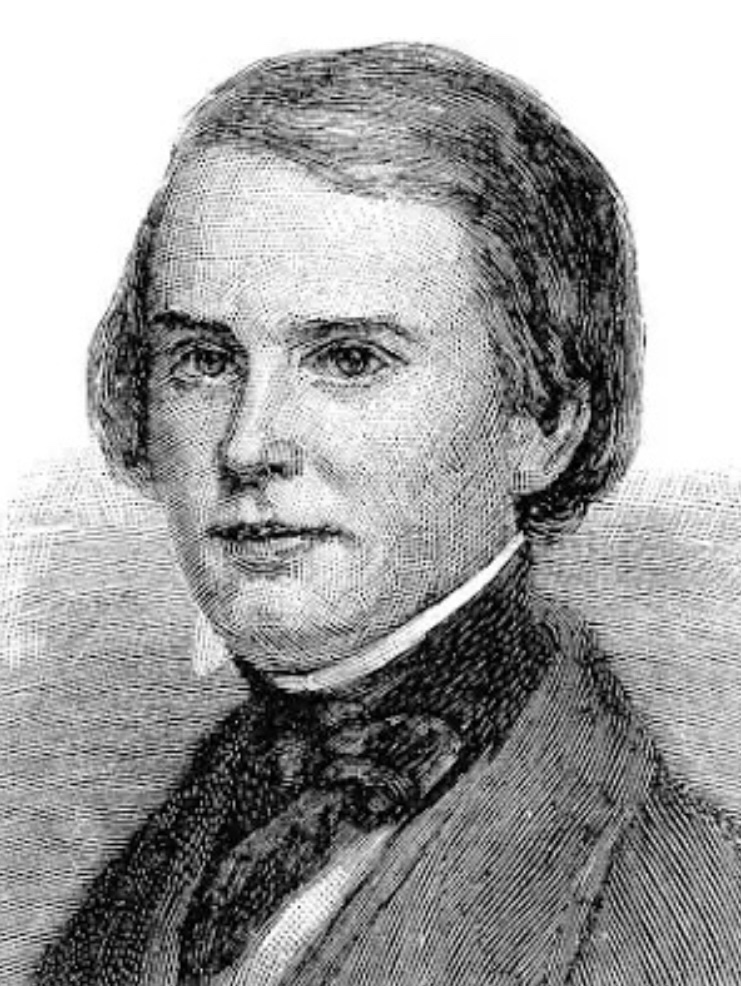
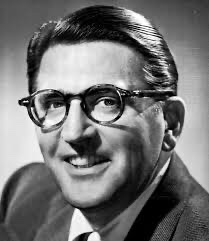
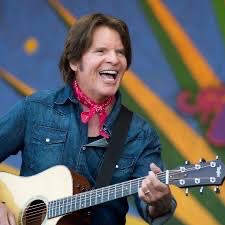
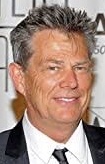
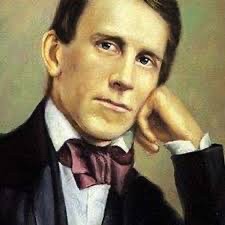

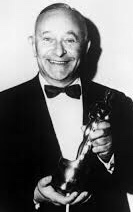
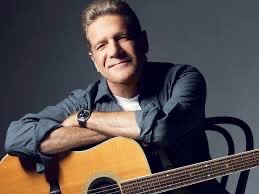
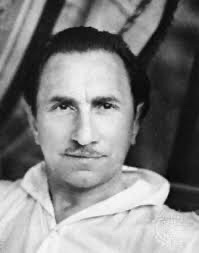
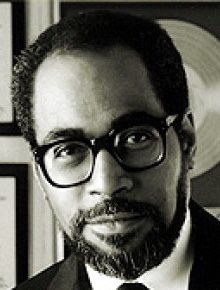

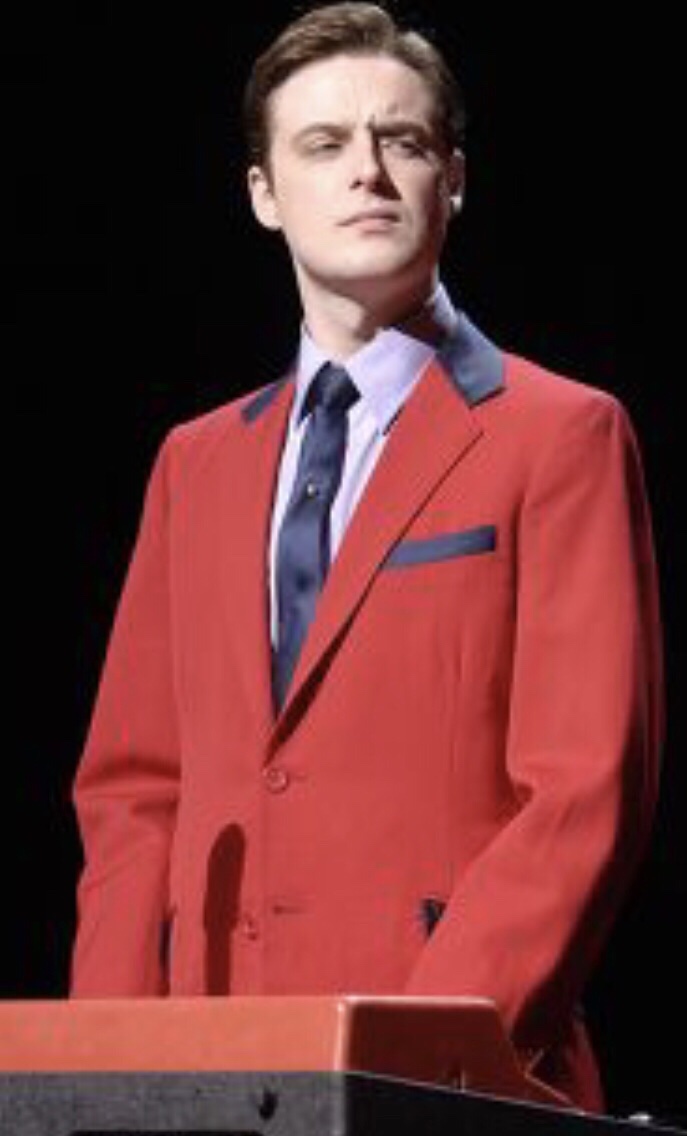

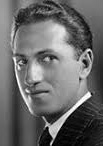
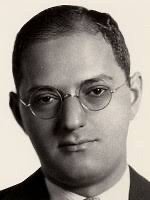
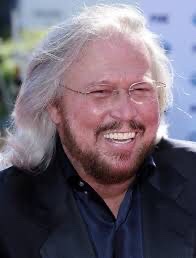
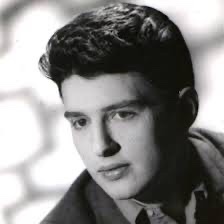
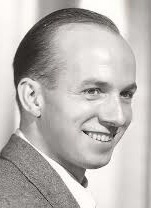

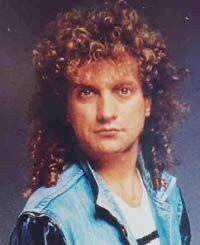

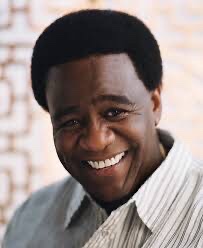
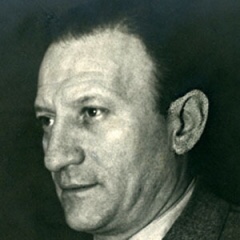
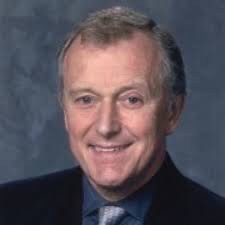











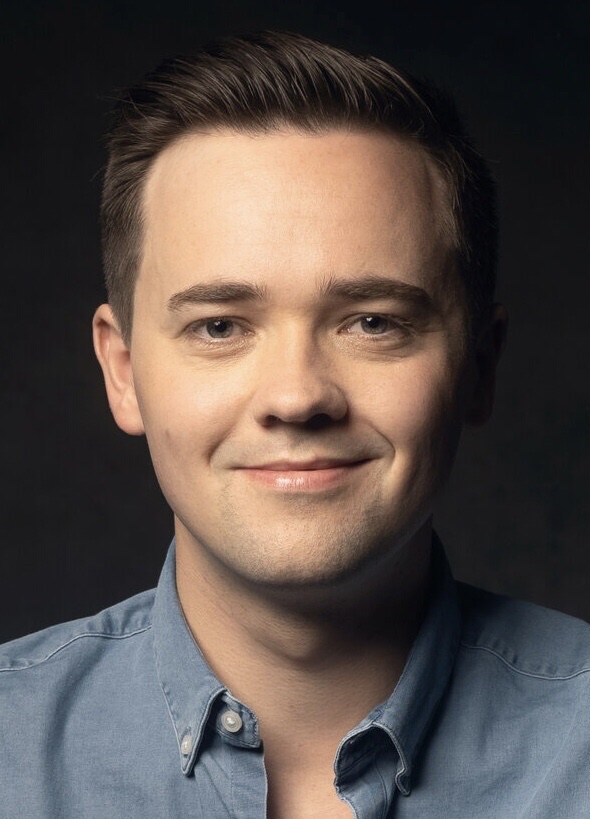

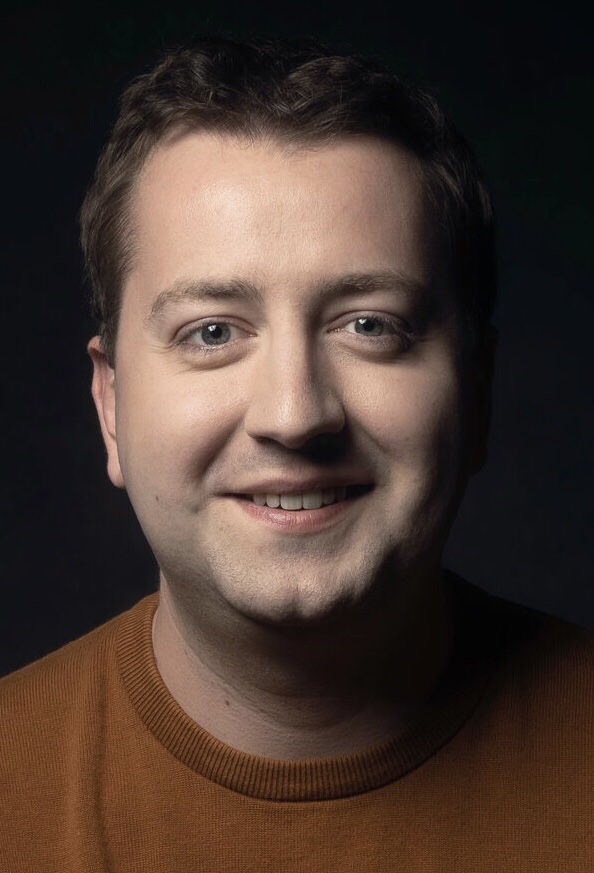

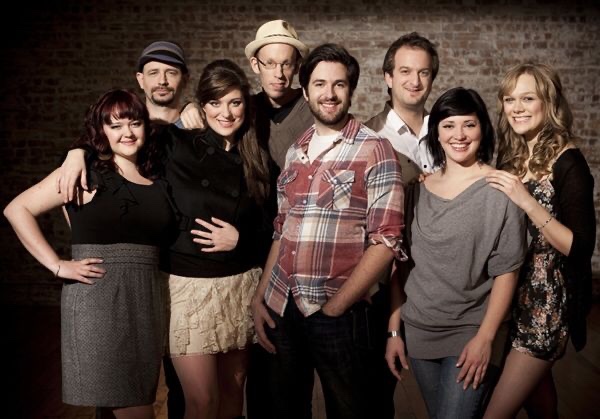
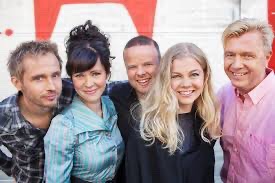
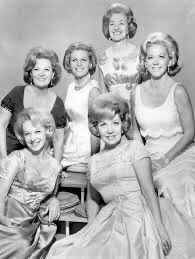



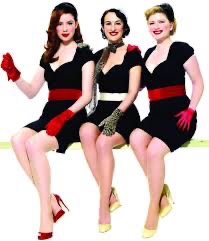
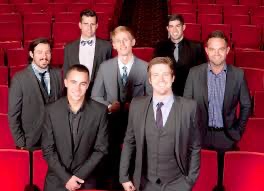
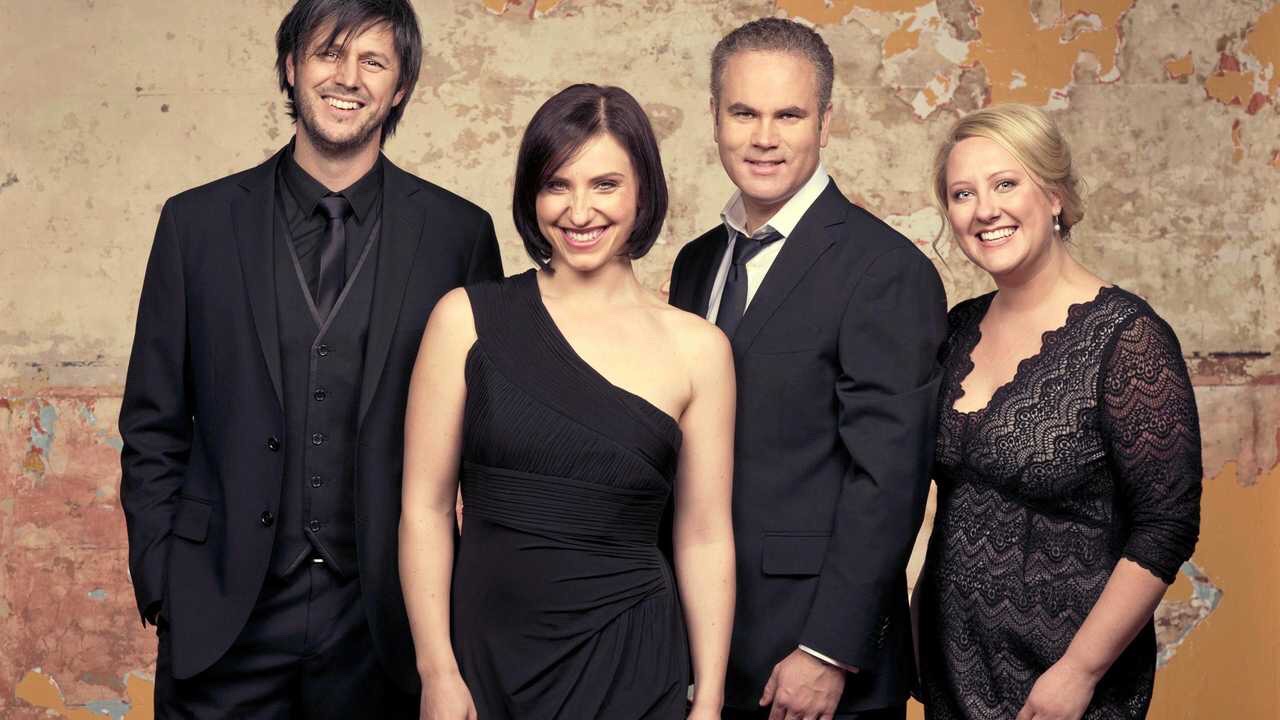
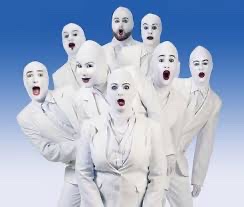
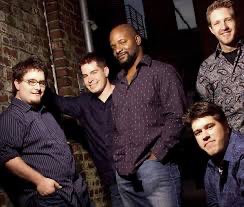
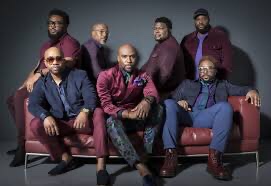
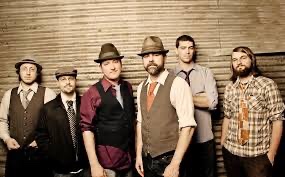
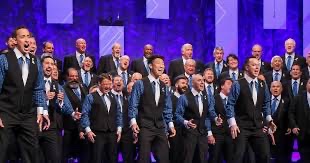



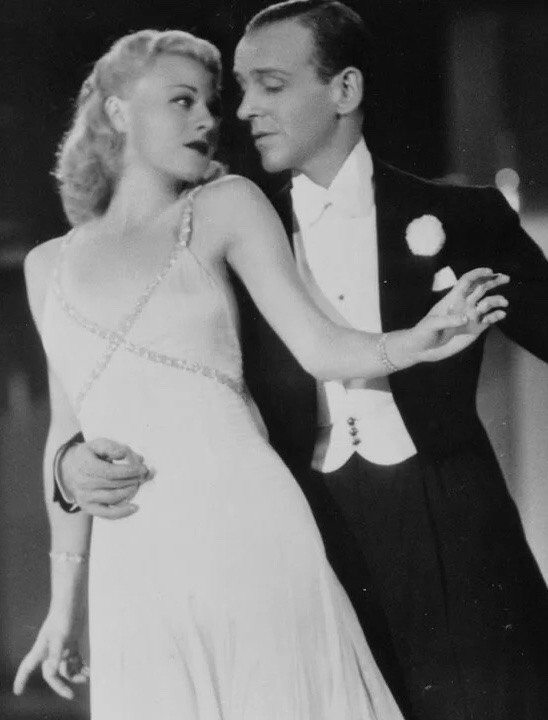

 All-Time Greatest Music