62nd Post: Eurovision (74 Artists)

Photo credit: Eurovision.tv

There are (37) singers/bands that competed in this year’s contest (from thirty-seven countries). Here are the final results with the singer’s names, the song titles and YouTube links:

Loreen
Lorine Talhaoui – 39 years old
Photo credit: The Local Sweden

1. Loreen (Lorine Talhaoui) – “Tattoo” (https://youtu.be/PcCD9n0ZYew) from Sweden.

Kaarija
Jere Poyhonen – 29 years old
Photo credit: Image Link Global

2. Käärijä (Jere Poyhonen)- “Cha Cha Cha” (https://youtu.be/rJHe-iZ5HSI) from Finland.

Noa Kirel – 22 years old
Photo credit: I24News

3. Noa Kirel – “Unicorn” (https://youtu.be/XwPEtD0_mx4) from Israel.

Marco Mengoni – 34 years old
Photo credit: Italy Magazine

4. Marco Mengoni – “Due Vite” (https://youtu.be/_iS4STWKSvk) from Italy.

Alessandra Mele – 20 years old
Photo credit: Norway Posts English

5. Alessandra Mele – “Queen of Kings” (https://youtu.be/vSfffjHjdTk) from Norway.

TVORCHI
Andrii Hutsalink (left, 27 years old)
Jimoh Kehibde – 26 years old
Photo credit: NPR

6. TVORCHI – (Andrii Hutsalink & Jimoh Kehibde)“Heart Of Steel” (https://youtu.be/neIscK1hNxs) from Ukraine.

Gustaph
Stef Coers – 43 years old
Photo credit: All Kinds of Everything

7. Gustaph – “Because Of You” (https://youtu.be/ORhEoS6d8e4) from Belgium.

Alika Milova – 20 years old
Photo credit: Estonian World

8. Alika – “Bridges” (https://youtu.be/wO9g5t3VSuw) from Estonia.

Voyager (founded 1999)
Danny Estrin – lead singer
Photo credit: The Guardian

9. Voyager – “Promise” (https://youtu.be/aqtu2GspT80) from Australia.

Vesna (formed in 2016)
Photo credit: The Origin Song Contest

10. Vesna – “My sister’s crown” (https://youtu.be/bFm-hw2rUeA) from Czechia.

Monika Linkyte – 31 years old
Photo credit: Lrytas

11. Monika Linkytė – “Stay” (https://youtu.be/68lbEUDuWUQ) from Lithuania.

Andrew Lambrou – 25 years old
Photo credit: EQ Music Blog

12. Andrew Lambrou – “Break A Broken Heart” (https://youtu.be/YQG9YH2nCJw) from Cypress.

Let 3 (formed in 1987)
Photo credit: 24sata

13. Let 3 – “Mama ŠČ!” (https://youtu.be/isZ_4AnCTnA) from Croatia.

Brunette
Elen Yeremyan – 22 years old
Photo credit: Ones to Watch

14. Brunette – “Future Lover” (https://youtu.be/Co8ZJIejXBA) from Armenia.

Teya & Salena
Theodora Spiric – 23 years old (left)
Selina Haria-Edbauer – 25 years old
Photo credit: Fandom

15. Teya & Salena – “Who The Hell Is Edgar?” (https://youtu.be/ZMmLeV47Au4) from Austria.

La Zarra
Fatima Zarha-Hadfield – 35 years old
Photo credit: The U.S. Sun

16. La Zarra – “Évidemmet” (https://youtu.be/GWfbEFH9NvQ) from France.

Blanca Paloma – 34 years old
Photo credit: NIUS

17. Blanca Paloma – “EAEA” (https://youtu.be/yxuO0qZITko) from Spain.

Pasha Parfeni – 37 years old
Photo credit: Eurovision.MD

18. Pasha Parfeni – “Soarele şi Luna” (https://youtu.be/se9LDgFW6ak) from Moldova.

Blanka
Blanka Stajkow – 24 years old
Photo credit: wikipedia

19. Blanka – “Solo” (https://youtu.be/PvQRpV1-ZhY) from Poland.

Remo Forrer – 21 years old
Photo credit: Radio Times

20. Remo Forrer – “Watergun” (https://youtu.be/_8-Sbc_GZMc) from Switzerland.

Joker Out – formed in 2016
Photo credit: Liverpool Echo

21. Joker Out – “Carpe Diem” (https://youtu.be/6y9S9RipcUY) from Slovenia.

Albina & Familja Kelmendi
Group includes Mother, Father & Two Sisters
Photo Credit: Escplas

22. Albina & Familja Kelmendi – “Duje” (https://youtu.be/mp8OG4ApocI) from Albania.

Mimicat
Marisa Mena – 38 years old
Photo credit: Note-store.com

23. Mimicat – “Ai Coração” (https://youtu.be/wa3suiOzAAk) from Portugal.

Luke Black
Luka Ivanovic – 31 years old
Photo credit: Twitter

24. Luke Black – “Samo Mi Se Spava” (https://youtu.be/oeIVwYUge8o) from Serbia.

Mae Muller – 25 years old
Photo credit: British Vogue

25. Mae Muller – “I Wrote A Song” (https://youtu.be/tJ21grjN6wU) from UK.

Lord of the Lost – since 2007
Photo credit: Last.fm

26. Lord Of The Lost – “Blood & Glitter” (https://youtu.be/Y12_YMs9kCQ) from Germany.

Dilja Petursdottir – 21 years old
Photo credit: ESC kompakt

27. Diljá – “Power” (https://youtu.be/BhlJXcCv7gw) from Iceland.

Sudden Lights – founded in 2012
Photo credit: DonnaPOP

28. Sudden Lights – “Aijā” (https://youtu.be/XRV2-jPqaUw) from Latvia.

Iru
Irina Khechanovi – 22 years old
Photo credit: RadioTimes

29. Iru – “Echo” (https://youtu.be/E8kO-QPippo) from Georgia.

Victor Vernicos – 16 years old
Photo credit: e-FestivalCOM

30. Victor Vernicos – “What They Say” (https://youtu.be/qL0EkId_sTY) from Greece.

Wild Youth – formed in 2016
Photo credit: Dublin live

31. Wild Youth – “We Are One” (https://youtu.be/ak5Fevs424Y) from Ireland.

Mia Nicolai – 27 years old
Dion Cooper – 29 years old
Photo credit: Wiwibloggs

32. Mia Nicolai & Dion Cooper – “Burning Daylight” (https://youtu.be/UOf-oKDlO6A) from the Netherlands.

Reilly
Raini Peterson – 25 years old
Photo credit: Influencer Number

33. Reiley – “Breaking My Heart” (https://youtu.be/kY5QNC2LkG8) from Denmark.

TuralTuranX
Tural and Turan Bagmanov (twins, 23 years old)
Photo credit: Instagram

34. TuralTuranX – “Tell Me More” (https://youtu.be/5dvsr-L3HgY) from Azerbaijan.

The Busker – founded in 2012
Photo credit: Fierce & Fabulous Revolution

35. The Busker – “Dance (Our Own Party)” (https://youtu.be/Apqwl0ayL6A) from Malta.

Theodor Andrei – 18 years old
Photo credit: Stirile ProTV

36. Theodor Andrei – “D.G.T. (Off And On)” (https://youtu.be/NRxv-AUCinQ) from Romania.

Piqued Jacks – formed in 2006
Photo credit: Aussievision

37. Piqued Jacks – “Like An Animal” (https://youtu.be/Hjfq-T-8WHw) from San Marino.

Photo Credit: eurovision.tv

The winner in 2022 was the band Kalush which is an Ukrainian rap group formed in 2019. The group consists of founder and rapper Oleh Psiuk, multi-instrumentalist Ihor Didenchuk, and breakdancer MC KylymMen. Didenchuk is also a member of the electro-folk band Go_A, which represented Ukraine in the Eurovision Song Contest 2021. One of their hits is: “Stefania” (https://youtu.be/UiEGVYOruLk).

Photo Credit: Rolling Stone UK

History of Eurovision

The Eurovision Song Contest is one of the longest running television shows in the world and celebrated its 66th anniversary this year. The first show aired on 24th May 1956 and since then it has embedded itself in European tradition and is without doubt one of Europe’s most treasured TV shows and a guilty pleasure of many. With six decades of history, well over 1000 songs have been performed on the show by the likes of ABBA, Céline Dion, Cliff Richard and Julio Iglesias. But where did it all begin? It was started by the European Broadcasting Union (EBU) following a meeting in Monaco in 1955, when Marcel Bezençon, a Frenchman working for the EBU, came up with the idea of an international song contest based on the Italian Festival di Sanremo. It was initially conceived as a technological experiment in live television in the days before satellite TV, YouTube and Netflix but was such a huge success that it continued to air annually in Europe, as well as Australia, Canada, Egypt, Hong Kong, India, Jordan, Korea, New Zealand and the United States in more recent years. It continues to grow every year and if you’re a Eurovision fan then you may have noticed that Australia entered the contest (and performed very well) in the 2015 and 2016 shows, and it is anticipated that other non-EU countries may enter in the future, making it a truly global contest. In the early years of the competition, as only a small number of countries participated, all acts performed on the big night and then a televote was opened, allowing viewers to vote for their favourite act, with the exception of their own country. The winner of the public vote was crowned champion and the prize was the privilege of hosting the contest the following year. However, as the competition has grown with more countries entering acts (43 countries in total), there are now several knock-out rounds and semi-finals leading up to the main event, and currently only 26 acts perform on the night, although all 43 participating countries can vote for their favorite. Another change to the format in recent years has been the use of national juries, who professionally judge the acts, with their votes being added to the public vote. These panels were brought in to try to negate political voting, whereby neighboring countries voted for one another, as this was beginning to ruin the results of the show. In a twist to the 2016 contest, the votes of the national juries were presented first by representatives from each participating country, with the televoting points then being added and announced by the show hosts.

A sample of one country’s singers: Serbia

To give you an idea of the talent levels, I have included the singers from just one country: Serbia. The Serbia’s public broadcaster RTS has revealed the 36 songs competing in ‘Song For Eurovision 22’, alongside the running orders of the semi-finals, and a first look at the new logo! Below are the names of the songs and artists participating in Serbia’s national final but you won’t have to wait very long to hear them… you will be able to listen to all 36 on the RTS Pesma Evrovizije – Zvanični YouTube channel as of 14:00 CET on Tuesday 8 February. The participants will also present their songs on the RTS morning show on a daily basis, starting from Wednesday 9 February.

Song For Eurovision ’22, broadcast dates:

  • Thursday 3 March: Song for Eurovision ‘22(Semi-Final 1)
  • Friday 4 March: Song for Eurovision ‘22 (Semi-Final 2)
  • Saturday 6 March: Song for Eurovision ‘22(Grand Final) ⭐️

Each semi-final will feature 18 songs, with 9 songs qualifying from each for the grand final. In all shows, 50% of the final score will come from televotes and 50% from professional juries.

Semi-Final 1, Running Order:

Thursday 3 March


1. Sanja Bogosavljević from Serbia – Priđi mi (Approach me) (https://youtu.be/0UHDaNtrP0s) ) (RQ 10+)

Photo Credit: Alchetron

Music: Ilija Antović
Lyrics: Ilija Antović

2. VIS Limunada – Pesma ljubavi (The Song of Love) (https://youtu.be/VBua89S33HY). A six member group. The melody reminds me of an old time favorite: “Mr. Tambourine Man.”

Photo credit: Festival Ulicnih Sviraca

Music: Miodrag Ninić 6 member group.
Lyrics: Miodrag Ninić

3. Zorja Pajic – Zorja (Pesma za Evroviziju) https://youtu.be/eoTsDAPM39U

Photo Credit: facebook

Music: Zorja Pajić, Lazar Pajić
Lyrics: Zorja Pajić


4. Bojana Mašković – Dama (Lady). https://youtu.be/RS6EyAcv9Bo

Photo Credit: LinkedIn

Music: Dušan Krsmanović i Alen Duš
Lyrics: Alen Duš

5. Boris Subotić – Vrati mi (Give Me Back) https://youtu.be/0W67ZsJ7iek

Photo credit: genius

Music: Boris Subotić
Lyrics: Boris Subotić

6. Ivona Pantelić – Znam (I Know) (https://youtu.be/m2wwALbDXS8) RQ 10. Great harmonies!

Photo Credit: sve o poznatima

Music: Ivona Pantelić
Lyrics: Ivona Pantelić

7. Bane Lalić i MVP – Tu gde je ljubav, tu ne postoji mrak (Where There Is Love, These Is No Darkness) https://youtu.be/lej1pX7vsZY

Photo credit: alo.rs

Music: Bane Lalić
Lyrics: Bane Lalić

8. Brie Angellina – Reach. (https://youtu.be/E1Em1er1XIw)

Photo Credit: starry constellation magazine

Music: Ognjen Jovanov, Marko Kon, Angellina
Lyrics: Ognjen Jovanov, Marko Kon, Angellina

9. Ana Stanic – Ljubav bez dodira (Love Without a Touch) https://youtu.be/Ny47UhP0hgo

Photo credit: wiwiblogs

Music: Vojislav Dragović
Lyrics: Ana Stanić

10. Juliya Samoylova – Brzina (Speed) https://youtu.be/bgBwbr_fUxA

Photo Credit: wikipedia

Music: Nenad Ćeranić
Lyrics: Nenad Ćeranić

11. Aca Lukas – Oskar (Oscar) piano player. https://youtu.be/kxVk2QqkZGI

Photo credit: peoplepill

Music: Saša Nikolić
Lyrics: Mira Mijatović


12. Konstrakta (Ana Duric) – In Corpore Sano https://youtu.be/3S1jrYq87Zw

Photo Credit: YouTube

Music: Ana Đurić i Milovan Bošković
Lyrics: Ana Đurić

13. Igor Simić – Nisam ja (It Wasnt Me) https://youtu.be/uhf32DwyU5Q

Photo credit: LinkedIn

Music: Darko Dimitrov
Lyrics: Vladimir Danilović


14. Mia – Blanko (Blank) https://youtu.be/r-Nw7HbaeWY

Photo Credit: Eurovisionworld

Music: Aleksandra Milutinović
Lyrics: Aleksandra Milutinović

15. Jelena Pajić – Pogledi (Looks) https://youtu.be/SmqYH6PE9mQ

Photo credit: tportal

Music: Marijo Pajić
Lyrics: Đorđe Miljenović


16. Biber – Dve godine i šes’ dana (Two Years and Six Days) https://youtu.be/mB1C6OcY_SI

Photo Credit: dve go dine

Music: Rastko Aksentijević
Lyrics: Momčilo Bajagić Bajaga


17. Marija Mikić – Ljubav me inspiriše (Love Inspires Me) https://youtu.be/486rVm3NbDk

Photo Credit: toxictv

Music: Vuxa
Lyrics: Miladin Bogosavljević


18. Lift – Drama (Drama) https://youtu.be/TJNc6ggop9k

Photo credit: svetplus

Music: Milan SevdahBABY Stanković, LIFT
Lyrics: Milan SevdahBABY Stanković, LIFT

Semi-Final 2, Running Order:

Friday 4 March

1. Srđan Lazić – Tražim te (Searching For You) https://youtu.be/QXI9Z8A5zTg

Photo Credit: lastfm

Music: Srđan Lazić
Lyrics: Srđan Lazić

2. Julijana Vincan – Istina i laži (Truth and Lies). (https://youtu.be/yxHNGlw5xqQ) A quartet. (RQ 9)

Photo credit: list zrenjanin

Music: Linda Cristina Persson, Ylva Cristina Persson
Lyrics: Vildana Husibegović

3. Marko Nikolić – Dođi da te volim (Come, So That I Can Love You) https://youtu.be/_r9Q8B-jJ9c

Photo Credit: Eurovisionworld

Music: Marko Nikolić
Lyrics: Nada Bučević

4. Zoe Kida – Bejbi (Baby) https://youtu.be/9CLSdmpBggU

Photo credit: YouTube

Music: Zoe Kida
Lyrics: Zoe Kida


5. Orkestar Aleksandra Sofronijevića – Anđele moj (My Angel) https://youtu.be/yJRppHovWPE

Photo Credit: SoundCloud

Music: Aleksandar Sofronijević, Nikola Labović, Mirna Kosanin
Lyrics: Mirna Kosanin

6. Goca Tržan – Fitilj (Fuse). https://youtu.be/MShmfjlGWgs (RQ 10)

Photo credit: twitter

Music: Dušan Bačić
Lyrics: Dušan Bačić

7. Euterpa – Nedostaješ (Missing) https://youtu.be/q9aKK4jd7V8

Photo Credit: YouTube

Music: Boris Krstajić
Lyrics: Vladimir Danilović

8. Dušan Svilar – Samo ne reci da voliš (Just Dont Say You Love) https://youtu.be/qm7-SulDiXo (RQ 10)

Photo credit: discogs

Music: Rastko Aksentijević
Lyrics: Momčilo Bajagić Bajaga

9. Ivana Vladović i Jovana Stanimirović – Prijaće ti (It’ll Be Good For You) https://youtu.be/lJ6igOPuaP4 (RQ 10)

Photo Credit: lastfm

Music: Ivan Ilić i Nikola Bulatović
Lyrics: Ivan Ilić i Nikola Bulatović

10. Gift – Haos (Chaos) https://youtu.be/mV2bmcskgbQ

Photo credit: Spotify

Music: Gift
Lyrics: Jovan Matić

11. Zejna Murkić – Nema te (You Are Gone) (https://youtu.be/HYGh1OBFhzc). RQ 9. Soft easy listening voice.

Photo Credit: YouTube

Music: Vlado Maraš
Lyrics: Sanja Perić

12. Sara Jo – Muškarčina (Manly Man) https://youtu.be/2ILWULTkm2c (RQ 10)

Photo credit: expressba

Music: Slobodan Veljković Coby
Lyrics: Slobodan Veljković Coby

13. Marija Mirković – Požuri, požuri (Hurry, Hurry). https://youtu.be/qL3on8LgdlE (RQ 10)

Photo credit: discogs

Music: Marija Mirković
Lyrics: Alka Vuica

14. Rocher Etno Band – Hajde sad nek svak peva (Let Everybody Sing) Far East sound. https://youtu.be/gYjZLongEWI

Photo Credit: klub muzicara

Music: Miodrag Klisarić
Lyrics: Miodrag Klisarić

15. Vasco – Znaš li (Do You Know). https://youtu.be/vgicabNf1PM

Photo Credit: YouTube

Music: Vasilije Čolan Vasco, Ivan Franović, Marko Kon
Lyrics: Vasilije Čolan, Marko Kon, Anđela Vujović Angellina

16. Tijana Dapčević – Ljubi, ljubi doveka (Kiss, Kiss Forever) (https://youtu.be/RPrNR7xyc8c) RQ 10. Interesting deep, gravelly voice.

Photo credit: happy

17. Gramophonedzie – Počinjem da ludim (I’m Going Mad) https://youtu.be/fRLnUMEIslc

Music: Leontina Pat
Lyrics: Leontina Pat
Arrangement: Nemanja Filipović

Photo credit: resident advisor

Music: Marko Milićević, Milana Popović
Text: Milana Popović, Tamara Milićević

18. Naiva – Skidam (I Take Off) https://youtu.be/g55KQnlajM4 (RQ 10)

Photo Credit: Deezer

Music: Zoran Babović Babonja
Lyrics: Jelena Živanović (Jelena Zana)

The hosts for all three shows are well known to Eurovision fans in Serbia; Dragana Kosjerina and Jovan Radomir will greet us on the main stage, while Kristina Radenković and Stefan Popović will be in the green room.

Serbia in the Eurovision Song Contest

Serbia debuted as a newly independent nation in 2007, winning the Contest on its first attempt with the classic Balkan ballad Molitva by Marija Šerifović.

61st Post: (15) Raters of Music

Photo Credit: gifer.com

Thought it would be interesting for you to compare other sources of rating music. I’ve included fifteen different companies that have recently rated musicians historically over time. The first firms (1-4) most likely are well known to you. The others may or may not be familiar to you.

1. Rollingstone.com: “500 Best Songs of All Time.” Their first ranking came out in 2004. Their latest update was on September 15, 2021. Their No.1 rated song from 1967 is Aretha Franklin’s “Respect” (https://youtu.be/9iayJ8u4Qew).

2. Billboard.com: “Greatest of All Time Music.” They selected The Beatles as their No.1 group. I’ve included their 1965 recording of “Yesterday” for your enjoyment (https://youtu.be/NrgmdOz227I).

3. Spotify.com: “Greatest Music of All Time.” Their list was published in April of 2020. Their No.1 ranked artist was Chris Rea. He has sold over 30 million records. One of his popular 1986 recordings is called “On the Beach.” (https://youtu.be/-yXVufG5oV0).

4. Imdb.com: “Greatest Musicians of All Time.” Their list is not numbered (and, not in alphabetical order). The Beatles are the first band listed. So, I have included their 1995 album “Anthology” (https://youtu.be/bXqMLChVbik).

5. Ranker.com: “The Greatest Musical Artists of All Time.” While they include various popular bands, etc. their No.1 ranked musician is Ludwig van Beethoven. One of his most popular 1811 symphonies was “Piano Concerto No.5 in E Flat Major” (https://youtu.be/p3qfJQGngQc).

6. Musicgrotto.com: “51 Best Songs of All Time.” They ranked Nirvana’s 1991 “Smells Like Teen Spirit” No.1. (https://youtu.be/hTWKbfoikeg).

7. Thetoptens.com: “Greatest Music Artists of All Time.” Like Billboard and Imbd, they also rated The Beatles No.1 on their list. Here is their 1968 recording of “Hey Jude” (https://youtu.be/A_MjCqQoLLA).

8. Xpn.org: “All Time Greatest Songs.” Its their 2020 Countdown. Their theme is: Rhythms not Algorithms. They have an FM radio station (88.5). Their No.1 rated 1975 song is: “Thunder Road” by Bruce Springsteen (https://youtu.be/UDIDawmeeI0).

9. Joe.ie.com: “50 Most Iconic Songs of All Time.” Like Musicgrotto.com, they also rated Nirvanna’s 1991Smells Like Teen Spirit” as their No.1 song. (https://youtu.be/hTWKbfoikeg).

10. Thedelite.com: “Top Rated Songs.” On May 14, 2021, they published that their No.1 rated song was “Imagine” in 1971 by John Lennon and the Plastic Ono Band. (https://youtu.be/YkgkThdzX-8).

11. Popvortex.com: “100 Greatest Albums of All Time.” Their rankings are broken down into decade favorites. From 1959: “Kind of Blue” by Miles Davis (https://youtu.be/8uUCIQ50e-4). From 1968: “White Album” by The Beatles (https://youtube.com/playlist?list=PL0jp-uZ7a4g9Gfh-Cbhdp4Y-I3TiR4Hur). This was their overall No.1. From 1977: “Rumours” by Fleetwood Mac (https://youtube.com/playlist?list=OLAK5uy_nVaA0orpORfdRjNAGyfMZhGkvrYkkgMHI). From 1982: “Thriller” by Michael Jackson (https://youtu.be/sOnqjkJTMaA). And, from 1991 “Nevermind” by Nirvanna (https://youtube.com/playlist?list=PLnif9Rfb5AdmtzpHwWI-T0Tx0wQAmTxFS).

12. Timeout.com: “Absolute Best Music Videos of All Time.” Their list was updated on January 17, 2022. As Popvortex rated 1982 “Thriller” by Michael Jackson No1 (for the 80s), so did Timeout. (https://youtu.be/sOnqjkJTMaA). This video was made in 1983.

13. Yardbarker.com: “50 Greatest Music Videos of All Time.” Their No.1 rated video was the 1965 song “Subterranean Homesick Blues” by Bob Dylan. (https://youtu.be/MGxjIBEZvx0).

14. Slantmagazine.com: “100 Greatest Music Videos of All Time.” Their ranking was updated on November 15, 2021. Steve Parron’s 1985 song “Take Me On” by A-lta was their No.1 recording (https://youtu.be/djV11Xbc914).

15. Rockonthenet.com: “100 Greatest Music Videos Ever Made.” Just like Popvortex and Timeout, Rockonthenet rated Michael Jackson’s 1982 “Thriller” No.1. (https://youtu.be/sOnqjkJTMaA).

60th Post AGT- (13) Golden Buzzers

America’s Got Talent (often abbreviated as AGT) is a televised American talent show competition, and is part of the global Got Talent franchise created by Simon Cowell. The program is produced by Fremantle USA and Syco Entertainment, distributed by the former, and broadcast on the NBC television network, premiering on June 21, 2006, after plans for a British edition in 2005 were suspended following a dispute within the British broadcaster ITV; production would later resume in 2007, following the success of the first season. Each season is mainly run during the network’s summer schedule, and has featured various hosts over the course of the program’s history; the current host is Terry Crews.

The Golden Buzzer is a concept that was introduced in Season 9 of America’s Got Talent. Each judge may press their Golden Buzzer only once during the season. In Season 9, the Golden Buzzer sent the act to the next round regardless of the other judges’ votes; its main purpose was to break ties. In Season 10, the Golden Buzzer was upgraded to send an act straight to the live shows. This method continues on for the next several seasons. From Season 11 onwards, the host can use the Golden Buzzer to send an act straight to the live shows. Here are (13) of the most talented singers when they received their golden buzzers:

Calysta Bevier (2016) 16 years old
Photo Credit: dailymail.co.uk
“Fight Song”
https://youtu.be/i5cjkfoConA
Jayna Brown (2016) 14 years old
Photo Credit: teenvogue.com
“Rise Up”
https://youtu.be/ahoHGESoZT4
Sal Valentinetti (2016) 20 years old
Photo Credit: agt.fandom.com
“My Way”
https://youtu.be/cf8zxj7n1cs
Grace Vanderwaal (2016) 12 years old
Photo Credit: time.com
“Original Song About Her Life”
https://youtu.be/eNxO9MpQ2vA
Darci Lynne Farmer (2017) 12 years old
Photo Credit: blogtalk.radio.com
“Summertime”
https://youtu.be/rk_qLtk0m2c
Angelina Green (2017) 13 years old
Photo Credit: thewrap.com
“Stand By You”
https://youtu.be/vEYldwk9JmA
Christian Guadino (2017) 16 years old
Photo Credit: YouTube Screenshot
“Who’s Lovin You”
https://youtu.be/HBF9mBkIwUI
Mandy Harvey (2017) 29 years old. Deaf
Photo Credit: metro.co.uk
“Try”
https://youtu.be/m9_rtzO3JfY
Laura Bretan (2018) 13 Years Old
Photo Credit: today.com
“A Thousand Years”
https://youtu.be/ZxszXZuGa9Q
Courtney Hadwin (2018) 13 Years Old
Photo Credit: justjaredjr.com
“Hard to Handle”
https://youtu.be/gPHVLxm8U-0
Amanda Mena (2018) 15 Years Old
Photo Credit: nzherald.co.nz
“You Make Me Feel Like a Natural Woman”
https://youtu.be/7f_Xoz5y2fY
Makala Phillips (2018) 15 Years Old
Photo Credit: billboard.com
“Warrior”
https://youtu.be/tocjBUNvkxw
Cody Lee (2019) 12 Years Old. Blind
Photo Credit: goldderby.com
“She Used to Be Mine”
https://youtu.be/DAPkOxRnh4c

59th Post: Trios (52 Groups)

A-Ha 1985; The Bee Gees 1978; Black Motorcycle Club 2013; Blink- 182 1999; Chevelle 2002; Cream (Eric Clapton); Crisby, Stills & Bash 1969; DeCastro Sisters 1954; Depache Mode 2001; Destiny’s Child (Beyonce Knowles); Denning Sisters 1942; Dion & The Belmonts 1957; Dixie Chicks 1975; Double Trouble (Stevie Ray Vaughn); Emerson, Lake & Palmer; Fontane Sisters 1954; Genesis (Phil Collins) 1978; Goo Goo Dolls 1998; Grand Funk Railroad 1973; Green Day 2005; Haim 2017; Husker Du 1983; James Gang 1971; Kingston Trio 1958; Lambert, Henricks & Ross 1957; Manic Street Preachers 1988; Martha & The Vandellas 1957; Motorhead 1980; MUSE 2003; Nirvana 1991; Peter, Paul & Mary 1961; Rascal Flatts 2004; Run-D.M.C. 1986; RUSH 1976; Sublime 1996; The Andrew Sisters 1941; The Boswell Sisters 1930; The Cure 1986; The Jams 1980; The Jimi Hendrix Experience 1967; The Impressions (Jerry Butler) 1958; The Lettermen 1959; The McGuire Sisters 1959; The Police 1979; The Sangri-Las 1964; The Ronettes 1957; The Supremes 1959; The Three Degrees 1963; TLC 1994; Train 2001; Yeah Yeah Yeahs 2096 and ZZ Top 1983.

A-Ha
“Take on Me” 1985
https://youtu.be/djV11Xbc914?feature=shared
Photo credit: Los Angeles Times
The Bee Gees (Barry, Maurice & Robin Gibb)
“How Deep is Your Love” 1978
https://youtu.be/XpqqjU7u5Yc?feature=shared
Photo credit: maybeecenter
Black Rebel Motorcycle Club
“Let the Day Begin” 2013
https://youtu.be/mmtQwtcaqLM?feature=shared
Photo credit: Rotten Tomatoes
Blink – 182
“All the Small Things” 1999
https://youtu.be/9Ht5RZpzPqw?feature=shared
Photo credit: On Touch Weekly
Chevelle
“The Red” 2002
https://youtu.be/trinU3VD1Zo?feature=shared
Photo credit: The Xboxhub
Cream (and Eric Clapton)
“Sunshine of Your Love” 1967
https://youtu.be/f3y8jf01UY8?feature=shared
“White Room” 1968
https://youtu.be/xGxhECBbw08?feature=shared
Photo credit: Fine Art America
Crosby, Stills & Nash
Note: Crosby left the Bryds, Stills left Buffalo Springfield and Nash left The Hollies in 1967-68.
“Judy Blue Eyes” 1969. (added several more charted songs)
https://youtu.be/cMJug2iz3NA?feature=shared
Photo credit: Spotify
DeCastro Sisters
Photo Credit: colorradio.com

The DeCastro Sisters (1946-1954) began as a Latin-flavored trio and were protegees of Carmen Miranda. They eventually became more Americanized in their performances and added comedy. The biggest hit single for the group was “Teach Me Tonight” (https://youtu.be/A1o57qfBV54), in 1954. The song reached No. 2 in the United States, and the follow-up, “Boom Boom Boomerang (song)|Boom Boom Boomerang”, reached No. 17. The group is referenced in an episode of The Sopranos, “Do Not Resuscitate”, as one of the only music groups that matriarch Livia actually likes, along with Mario Lanza. The three original DeCastro Sisters — Peggy, Cherie and Babette — were raised in Havana, Cuba, in a family mansion that was seized by Fidel Castro during the Cuban revolution and is now used as the Chinese Embassy. Their mother, Babette Buchanan, was a Chicago-born Ziegfeld Follies showgirl who married the wealthy Cuban aristocrat Juan Fernandez de Castro, owner of a large sugar plantation in the Dominican Republic, where first daughter Peggy was born. De Castro later developed radio and television in Cuba with David Sarnoff, who was often a guest at their home and was also in charge of a planned project under the Batista regime to build a canal through Cuba, which never materialized.

Depeche Mode
“I Feel Loved” 2001
https://youtu.be/OL8Wqe-QWM8?feature=shared
Photo credit: iHeart
Destiny’s Child (with Beyoncé Knowles)
“Say My Name” 1999
https://youtu.be/sQgd6MccwZc?feature=shared
Photo credit: facts.net
Dinning Sisters
Photo credit: nytimes.com

Active from the late 1930s to 1955. In 1942, the sisters appeared regularly on NBC radio, and had made an appearance in the 1942 Ozzie Nelson film Strictly in the Groove. In 1943, the group was signed by Capitol Records to be that label’s answer to The Andrews Sisters, who recorded exclusively for Decca Records. Lucille (Lou) Dinning once said, “Let’s face it, the Andrews Sisters were way ahead of us. We tried our darndest to be as commercial as they were, but weren’t flashy enough. We were all kind of shy. We came from a farm in Oklahoma. We never took dancing lessons or anything.” The Dinnings sounded rather like The Andrews Sisters in fast-paced recordings such as the boogie-woogie influenced “Pig Foot Pete”, as well as “Down in the Diving Bell”, “The Hawaiian War Chant”, and “They Just Chopped Down the Old Apple Tree”, an “answer” song to “Don’t Sit Under the Apple Tree (With Anyone Else but Me)”. Their highest charted song (#5) was “Buttons and Bows”(https://youtu.be/WYbBgZrHmkg). The Dinning sound could also be compared, especially in slower ballads, to the soft blend of The Lennon Sisters, who appeared in the 1950s on The Lawrence Welk Show.

Dion and the Belmonts (1957-1973)
See Post 12 for details
Greatest hits: https://youtube.com/playlist?list=PLD3D9DF2F6C1020D8
Photo Credit: singers.com
Dixie Chicks
“Landslide” 1975 (cover of Fleetwood Mac song)
https://youtu.be/J4_wXPZ1Bnk?feature=shared
Photo credit: Variety
Double Trouble (& Stevie Ray Vaughn)
“Crossfire” 1989
https://youtu.be/t54xyIcgbks?feature=shared
Note: He and his band were killed in a helicopter crash in East Troy, WI on August 27, 1990 after performing at the Alpine Valley Music Theatre.
Photo credit: The Delete Bin
Emerson, Lake and Palmer
“From the Beginning” 1972
https://youtu.be/Wp8UlgvCVlI?feature=shared
Photo credit: The Arts Desk
Fontane Sisters (1941-1961)
Photo credit: discogs.com

The group chose the name of Fontaine from a French-Canadian great-grandmother. They cut two singles for Musicraft Records in 1946, and then worked on sustaining (non-sponsored) programs for NBC, meeting and working with Perry Como soon after he came to the network. They cut two No1 hits with Como: “You’re Adorable” and “Hoop Dee Doo.” Then, in 1954 recorded their last No1 hit: “Hearts of Stone”(https://youtu.be/krPfRvBiNrE). Word reached the sisters, then in Chicago for NBC, that “Supper Club” would be making cast changes; they were eager for a chance to join Como’s show, which also meant being closer to their home. Beginning in the summer of 1948, they were featured on his radio and TV show known as The Chesterfield Supper Club and later (1950–1954) as The Perry Como Show. The trio also did appearances on Chesterfield Sound Off Time when the program originated from New York; however, the television show lasted only one season.

Genesis (with Phil Collins)
“Follow You Follow Me” 1978
https://youtu.be/hAmCmNa-NSE?feature=shared
Photo credit: If My Records Could Talk
Goo Goo Dolls
“Iris” 1998
https://youtu.be/NdYWuo9OFAw?feature=shared
Photo credit: KFOX
Grand Funk Railroad
“We’re an American Band” 1973
https://youtu.be/QxNXFNCTr2I?feature=shared
Photo credit: NYup.com
Green Day
“Boulevard of Broken Dreams” 2005
https://youtu.be/Soa3gO7tL-c?feature=shared
Photo credit: People
Haim
“I Want You Back” 2017
https://youtu.be/yPQfcG-eimk?feature=shared
Photo credit: Entertainment Weekly
Husker Du
“Sunshine Superman” 1983 (Donovan cover)
https://youtu.be/W3dRhlHT908?feature=shared
Photo credit: Magnet Magazine
James Gang
“Walk Away” 1971
https://youtu.be/0UVOvTcJKH4?feature=shared
Photo credit: Paul King Art
Kingston Trio (1957-1967)
Photo Credit: abebooks.com

The Kingston Trio is an American folk and pop music group that helped launch the folk revival of the late 1950s to late 1960s. The group started as a San Francisco Bay Area nightclub act with an original lineup of Dave Guard, Bob Shane, and Nick Reynolds. It rose to international popularity fueled by unprecedented sales of LP records and helped alter the direction of popular music in the U.S. The Kingston Trio was one of the most prominent groups of the era’s pop-folk boom that started in 1958 with the release of their first album and its hit recording of “Tom Dooley” (https://youtu.be/VhXuO4Gz3Wo) (RQ 9), which sold over three million copies as a single. The Trio released nineteen albums that made Billboard’s Top 100, fourteen of which ranked in the top 10, and five of which hit the number 1 spot. Four of the group’s LPs charted among the 10 top-selling albums for five weeks in November and December 1959,a record unmatched for more than 50 years, and the group still ranks in the all-time lists of many of Billboards cumulative charts, including those for most weeks with a number 1 album, most total weeks charting an album, most number 1 albums, most consecutive number 1 albums, and most top ten albums. In 1961, the Trio was described as “the most envied, the most imitated, and the most successful singing group, folk or otherwise, in all show business” and “the undisputed kings of the folksinging rage by every yardstick”. The Trio’s massive record sales in its early days made acoustic folk music commercially viable, paving the way for singer-songwriter, folk rock, and Americana artists who followed in their wake.

Lambert, Henricks & Ross (1957-1964)
Photo Credit: amazon.com

Lambert, Henricks & Ross were formed in 1957 and recorded their first album Sing a Song of Basie for ABC-Paramount Records. The album featured versions of Count Basie standards and was successful enough that the Count Basie Orchestra collaborated with them on Sing Along With Basie (1959). Sing a Song of Basie was awarded a Grammy Hall of Fame Award in 1998. Beginning in 1959, the trio recorded three LPs with Columbia Records. They recorded a version of Ross’s 1952 song “Twisted”, featuring her lyrics set to a Wardell Graymelody. Their High Flying album won a Grammy Award for Best Performance by a Vocal Groupin 1962. They also recorded “Mornin’ (https://youtu.be/Bah68kQlnAQ). Lambert, Hendricks & Ross were voted Best Vocal Group in the Down Beat Readers Poll from 1959 to 1963.

Manic Street Preachers
“Suicide Alley” 1988
https://youtu.be/ww4w3r84sDk?feature=shared
Photo credit: Uncut
Martha and the Vandellas (1957-1972)
One of their greatest hits: “Dancing in the Street”
https://youtu.be/JA8l_OGYfaw
See Post #21 for more details
Photo Credit: Michael Ochs
Motörhead
“Ace of Spades” 1980
https://youtu.be/3mbvWn1EY6g?feature=shared
Photo credit: NME
MUSE
“Butterflies and Hurricanes” 2003
https://youtu.be/EzCKrwOme2U?feature=shared
Photo credit: Alamy
Nirvanna
“Smells Like Team Spirit” 1991
https://youtu.be/hTWKbfoikeg?feature=shared
Photo credit: People
Peter, Paul & Mary (1961-1970)
One of three No1 hits: “Blowin in the Wind”
https://youtu.be/1Hhi0i0UDS0
See Post #30 for greater details
Photo Credit: americansongwriter.com
Rascal Flatts
“These Days” 2004
https://youtu.be/2MTSBcvI9DI?feature=shared
Photo credit: Billboard
Run – D.M.C.
“Walk This Way” 1986
https://youtu.be/xUScFNXAq0w?feature=shared
Photo credit: Deezer
RUSH
“Twilight Zone” 1976
https://youtu.be/fA79lLwRYTY?feature=shared
Photo credit: Entertainment Weekly
Sublime
“What I Got” 1996
https://youtu.be/0Uc3ZrmhDN4?feature=shared
Photo credit: Vulture
The Andrews Sisters (1925-1967)
Photo Credit: singers.com

The Andrews Sisters were an American close harmony singing group of the swing and boogie-woogie eras. The group consisted of three sisters: contralto LaVerne Sophia (July 6, 1911 – May 8, 1967), soprano Maxene Anglyn (January 3, 1916 – October 21, 1995), and mezzo-soprano Patricia “Patty” Marie (February 16, 1918 – January 30, 2013). The sisters have sold an estimated 80 million records. Their 1941 hit “Boogie Woogie Bugle Boy” (https://youtu.be/sJTvO6XbaX4) can be considered an early example of jump blues. Other songs closely associated with the Andrews Sisters include their first major hit, “Bei Mir Bist Du Schön (Means That You’re Grand)” (1937), “Beer Barrel Polka (Roll Out the Barrel)” (1939), “Beat Me Daddy, Eight to the Bar” (1940), “Don’t Sit Under the Apple Tree (With Anyone Else but Me)” (1942), and “Rum and Coca Cola” (1945), which helped introduce American audiences to calypso.

The Boswell Sisters were an American close harmony singing trio of the jazz and swing eras, consisting of three sisters: Martha Boswell (June 9, 1905 – July 2, 1958), Connee Boswell (original name Connie, December 3, 1907 – October 11, 1976), and Helvetia “Vet” Boswell (May 20, 1911 – November 12, 1988). Hailing from uptown New Orleans, the group blended intricate harmonies and song arrangements featuring effects such as scat, instrumental imitation, ‘Boswellese’ gibberish, tempo and meter changes, major/minor juxtaposition, key changes, and incorporation of sections from other songs. They attained national prominence in the United States in the 1930s during the twilight of the Jazz Age and the onset of the Great Depression. Their lone No1 hit was: “The Object of My Affection” (https://youtu.be/aEZqNidWlfs).

The Boswell Sisters (1925-1936)
Photo Credit: songbook1.wordpress.com
The Cure
“Standing on a Beach” 1986
https://youtube.com/playlist?list=PLFECD41FA981AF958&feature=shared
Photo credit: Diffuser.fm
The Jam
“Going Underground” 1980
https://youtu.be/AE1ct5yEuVY?feature=shared
Photo credit: radiox.co.uk
The Jimi Hendrix Experience
“Purple Haze” 1967 No65
Seven songs made Billboard’s Top 100.
https://youtu.be/WGoDaYjdfSg?feature=shared
Photo credit: Rolling Stone
The Impressions – Jerry Butler (1958-2018)
Their highest charted song (#3):
“For Your Precious Love”
https://youtu.be/i_yZIcLBqIU
For more detailed information see Post #6
Photo Credit: deezer.com
The Lettermen (1959- )
No36 Charted song in 1961:
”The Way You Look Tonight”
https://youtu.be/Np6BbA6z3eE
For more information see Post #36
Photo Credit: recordsale.de
The McGuire Sisters (1952-1968)
No1 charted song: “Sincerely”
https://youtu.be/mACgf6TXI7I
For more information see Post #17
Photo Credit: extratv.com
The Police
“Message in a Bottle” 1979
https://youtu.be/MbXWrmQW-OE?feature=shared
Photo credit: Planet Radio
The Shangri-Las (1963-1968)
No1 Song: “Leader of the Pack”
https://youtu.be/BWIf4Ifk6aQ
For more information see Post# 14
Photo Credit: npr.org
The Ronettes (1957-1967)
No2 hit: “Be My Baby”
(https://youtu.be/jSPpbOGnFgk)
For more information see Post #51
Photo Credit: cbc.ca
The Supremes (1959-1977)
One of twelve No1 hits: “Baby Love”
https://youtu.be/Yd43nWkgUzg
For more information see Posts #s 15 and 17
Photo Credit: theguardian.com
The Three Degrees (1963- )
Photo Credit: National Achieve – Den Haag

The Three Degrees is an American female vocal group formed circa 1963 in Philadelphia, Pennsylvania. Although 15 women have been members over the years, the group has always been a trio. The current line-up consists of Valerie Holiday, Helen Scott and Freddi Poole. Holiday has been a member since she first joined in 1967, while Scott has been a permanent member since 1976, having been in the group from 1963 to 1966. The group were particularly successful in the UK, achieving 13 Top 50 hit singles between 1974 and 1985. The original members were Fayette Pinkney, Shirley Porter and Linda Turner. Porter and Turner were soon replaced by Janet Harmon and Helen Scott. The line-up from 1967 to 1976 was Pinkney, Valerie Holiday and Sheila Ferguson, who would go on to sing lead on most of the group’s biggest hits. This line-up topped the US Hot 100 as featured vocalists on the MFSB single “TSOP (The Sound of Philadelphia)” in 1974, and had seven UK Top 40 hits, including the 1974 single “When Will I See You Again” (https://youtu.be/3R878g-SppU), which was a huge international hit, reaching the Top 5 in seven countries, including number two in the US and topping the UK Singles Chart. When Pinkney left the group in 1976, she was replaced by a returning Helen Scott. This line-up had four UK Top 20 hits, including “Woman in Love”, which reached number three in 1979. Ferguson left for a solo career in 1986.

TLC
“Creep” 1994
https://youtu.be/LlZydtG3xqI?feature=shared
plus three more No1 singles
Photo credit: ABC News
Train
“Drops of Jupiter” 2001
https://youtu.be/7Xf-Lesrkuc?feature=shared
Photo credit: telegram.com
Yeah Yeah Yeahs
“Cheated Hearts” 2006
https://youtu.be/_YweT8jvGXI?feature=shared
Photo credit: Entertainment.ie
ZZ Top
“Sharp Dressed Man” 1983
https://youtu.be/7wRHBLwpASw?feature=shared
Recorded six No1 singles
Photo credit: Deezer

58th Post: NME (14 Artists)

NME is short for New Musical Express. NME is a British music, film and culture website and brand. Founded as a newspaper in 1952, with the publication being referred to as a ‘rock inkie’, the NME would become a magazine that ended up as a free publication, before becoming an online brand which includes its website and radio stations.

Recently NME selected their Top100 emerging artists. I listened to their most recent recordings/videos. Then, rated each song from 1-10 (10 being the best). Here are my top picks:

The Sprints (2019- )
From: Dublin, Ireland
Photo credit: The Sprints band


This is the only band to receive a 10 rating from me. Atwood Magazine is proud to be premiering SPRINTS’ second single, “The Cheek” (https://youtu.be/IoWw4w-2Tq8) (RQ 9). The Irish punk band’s new track calls out these night-ruiners and barroom creeps on behalf of anyone who’s ever had a good time halted by them — and let’s be honest, who hasn’t? They can really play those guitars!

I also rated 13 artists/bands with a score of 9 (10 of the top 18 artists are from the UK):

Akewya
Photo credit: thelovemagazine.co.uk

Alewya (2020). “Sweating” https://youtu.be/AaA8UbpxrKg. (London, UK).

Ashnikko
Photo Credit: allfamous.org

Ashnikko (2020). “Daisy” https://youtu.be/6i01tOMgBDU. North Carolina, USA.

Cat Burns
Photo credit: thecelebsays.com

Cat Burns (20 yrs old). “Go” https://youtu.be/tEmwO-E9axk. London, UK.

Claud
Photo Credit: Do512.com

Claud (21 years old). “Gold” https://youtu.be/SiXQyIbaPa0. New York, USA.

Hope Tala
Photo Credit: wonderlandmagazine.com

Hope Tala (24 yrs old). “Cherries” https://youtu.be/2fHph8nT4yM. London, UK.

Jany Green
Photo Credit: concerty.com

Jany Green. From Anchorage, Alaska. Emerging is a bedroom pop-indie rock-soft rap mosaic privileging catchy guitar riffs and gooey bass lines. One of his tunes: “Little” https://youtu.be/6-vi0vGvRgo. California, USA.

The Lathums
Photo credit: officialcharts.com

The Lathums (2018- ). An English indie band. A sample song: “All My Life” https://youtu.be/tnYe6hWqfI8. From Wigam, UK.

Michelle Band
Photo Credit: transgressiverecords.com

Michelle. A sample song: “Unbound” https://youtu.be/BkxOwHemyzw. From New York, USA.

Hye Park Jin
Photo credit: vmmagazine.com

Hye Park Jin (26 yrs old). Sample song: “Like This” https://youtu.be/XBkWNlVBvls. From Seoul, South Korea.

Priya Ragu
Photo Credit: bongminesentertainment.com

Priya Ragu (35 years old). She is a R&B style singer. An example: “Good Love 2.0” https://youtu.be/wHZ2nuvIGdA. From Zurich, Switzerland.

Scalping
Photo credit: nme.com

Scalping. Techno-metal heavyweights. (2019) “Chamber “https://youtu.be/80AXXZFt8Cc. From Bristol, UK.

Ezra Smoothboi
Photo Credit: independent.ie

Ezra Smoothboi (18 yrs old). The rising musician has been capturing the hearts and ears of listeners all over with their introspective and forward-thinking brand of indie-pop artistry. Sample song: “My Own Person” https://youtu.be/erbr-c8-QbY. From Wicklow, Ireland.

The Snuts
Photo Credit: belefasttelegraph.co.uk

The Snuts. A Scottish indie rock band formed in 2015. A sample song: “Juan Belmonte” https://youtu.be/ob_WY0JwOek. From West Lothian, UK.

Tiana Major9
Photo Credit: teenvogue.com

Tiana Major9 – born: Tiana Thomas-Ambersley (26 yrs old). Is a British singer-songwriter from London, England. She is currently signed to Motown and gained worldwide recognition with the Grammy nominated single “Collide”, from the Queen & Slim soundtrack. One of her recordings:“Same Space?” https://youtu.be/DQ5xYwtZkK0.

There were four others that I gave a 8+ rating: Gracey (UK), Josie Man (UK), Lucy Deakin (UK) and Meet Me @ The Alter (USA). Daine, from Melbourne, Australia, is the youngest (17) on the list. I gave her song “My Way Out” (https://youtu.be/8JYw6ZyYl2I) a rating of 8.

It is interesting that almost 50% (45) of the artists were given ratings 6 or less. I was surprised at the number of poorly rated artists. Also, there were 24 (7) ratings and 11 (8s).

Theme Songs (9) – 23 of 23 Genres

Dick Clark (American Bandstand)
Photo Credit: fineartamerica.com

Theme music is a musical composition that is often written specifically for radio programming, television shows, video games, or films and is usually played during the title sequence, opening credits, closing credits, and in some instances at some point during the program. The soundtrack to the 1937 Walt Disney animated film Snow White and the Seven Dwarfs (https://youtube.com/playlist?list=PL8o0rvYOGGvVgxs5cD9n3Ue–7aVj2dg9) (RQ 10) was the first commercially issued film soundtrack.
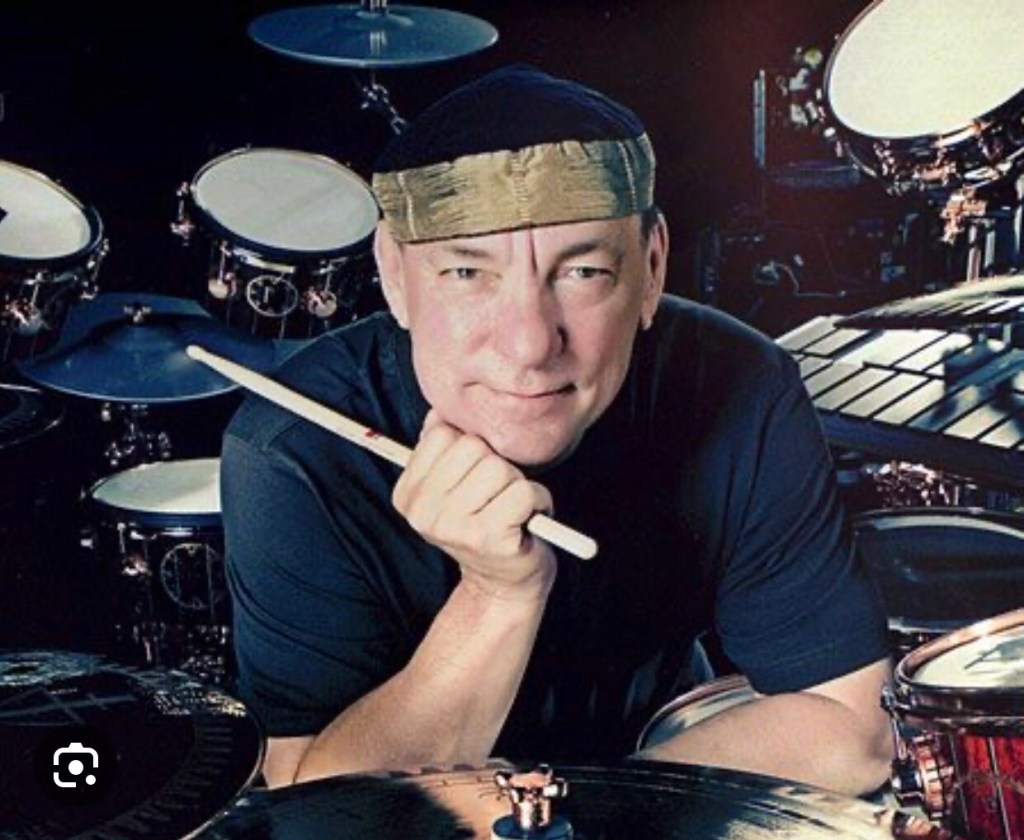
There are 9 links to Theme music within this blog:

Harold Adamson 1906-1980. Photo credit: legacy.com

Harold was a lyricist that included songs such as “The Theme from I Love Lucy” (https://youtu.be/VSvpFv0e_W4) which was popular from 1951-1957 and “ Around the World in 80 Days (https://youtu.be/UOKVH4TZS_I).” He wrote more than 50 theme songs in his career. He was inducted into the Songwriters Hall of Fame in 1972.

Freddy Cannon (1940- )
Photo credit: pixels.com

Freddy Picariello (stage name: Freddy Cannon) was born in Revere, Massachusetts, moving to the neighboring city of Lynn as a child. His father worked as a truck driver and also played trumpet and sang in local bands. Freddy grew up listening to the rhythm and blues music of Big Joe Turner, Buddy Johnson and others on the radio, and he learned to play guitar. After attending Lynn Vocation High School, he made his recording debut as a singer in 1958, singing and playing rhythm guitar on a single, “Cha-Cha-Do” by the Spindrifts, which became a local hit. He had also played lead guitar on a session for an R&B vocal group, the G-Clefs, whose record “Ka-Ding Dong” made No. 24 on the Billboard Hot 100 in 1956. At a young age he joined the National Guard, took a job driving a truck, married, and became a father. Inspired musically by Chuck Berry, Bo Diddley and Little Richard, he formed his own group, Freddy Karmon & the Hurricanes, which became increasingly popular in the Boston area, and began to develop a trademark strained singing style. He also became a regular on a local TV dance show, Boston Ballroom, and, in 1958, signed up to a management contract with Boston disc jockey Jack McDermott. With lyrics written by his mother, he prepared a new song which he called “Rock and Roll Baby”, and he produced a demo which McDermott took to the writing and production team of Bob Crewe and Frank Slay. They rearranged the song, rewrote the lyrics, and offered to produce a recording in return for two-thirds of the composing credits. The first recording of the song, now titled “Tallahassee Lassie” (https://youtu.be/wNc0YOTkIOY) (RQ 7) with a guitar solo by session musician Kenny Paulson, was rejected by several record companies, but was then heard by TV presenter Dick Clark who part-owned Swan Records in Philadelphia. Clark suggested that the song be re-edited and overdubbed to add excitement, by highlighting the pounding bass drum sound and adding hand claps and Freddy’s cries of “whoo!”, which later became one of his trademarks. The single was finally released by Swan Records, with the company president, Bernie Binnick, suggesting Freddy’s new stage name of “Freddy Cannon”. After being promoted and becoming successful in Boston and Philadelphia, the single gradually received national airplay. In 1959, it peaked at No. 6 on the Billboard Hot 100, becoming the first of his 22 songs to appear on the Billboard chart, and also reached No. 13 on the R&B singles chart. In the UK, where his early records were issued on the Top Rank label, it reached No. 17. “Tallahassee Lassie” sold over one million copies and was awarded a gold disc by the RIAA. His second single “Okefenokee” (https://youtu.be/Buh90ETiMaM) (RQ 7). Credited to Freddie Cannon, as were several of his other records. It only made No. 43 on the charts, but the next record, “Way Down Yonder In New Orleans”, a rocked-up version of a 1922 song, became a gold record and reached No. 3 in the pop charts in both the US and the UK, where it was the biggest of his hits. It also sold over one million copies. However, one of his biggest hits came in May 1962 with “Palisades Park” (https://youtu.be/OXz0L7K4Fo4) (RQ 10), written by future TV Gong Show host Chuck Barris. Today, this song is used by the Chicago White Sox whenever they cause a pitcher to be removed from a game (singing Na Na Na Hey Hey, Goodbye). Produced by Slay with overdubbed rollercoaster sound effects, it reached No. 3 on the Hot 100, No. 15 on the R&B chart, and No. 20 in the UK. This release also sold over one million copies, gaining gold disc status.

Monte Norman (1928- )
Photo Credit: note-store.com

Norman, Monte. “The Bond Theme” Post 49 (https://youtu.be/zcVqJh0qEMc) (RQ 6).

Les Elgart (1917-1995)
Photo Credit: discogs.com

Elgart, Les. “Bandstand Boogie” Post 1 (from 1954: https://youtu.be/yR1WPkLnnZo) (RQ 9).

Ray Evans (1915-2007) & Jay Livingston (1915-2001)
Photo Credit: filmmusicsociety.com

Evans, Ray (& Jay Livingston). “Bonanza” Post 56 (https://youtu.be/k9JGDq2jp5c) (RQ 9).

Neal Hefti (1922-2008)
Photo Credit: jazzwax.com

Hefti, Neal. “Batman Theme.” Theme Songs. 23 of 23. (https://youtube.com/shorts/J5kuCbzh2HE?feature=share).

Johnny Mandel (1925-2020)
Photo Credit: theguardian.com

Mandel, Johnny. “M.A.S.H. (Suicide is Painless)” Post 56 (https://youtu.be/ODV6mxVVRZk) (RQ 10).

Hugo Montenegro
Photo credit: Qobuz.com. Composer of film soundtracks. Most famous theme was from the movie “The Good, the Bad and the Ugly” in 1966. (https://youtu.be/i4IgJnhVAPM)
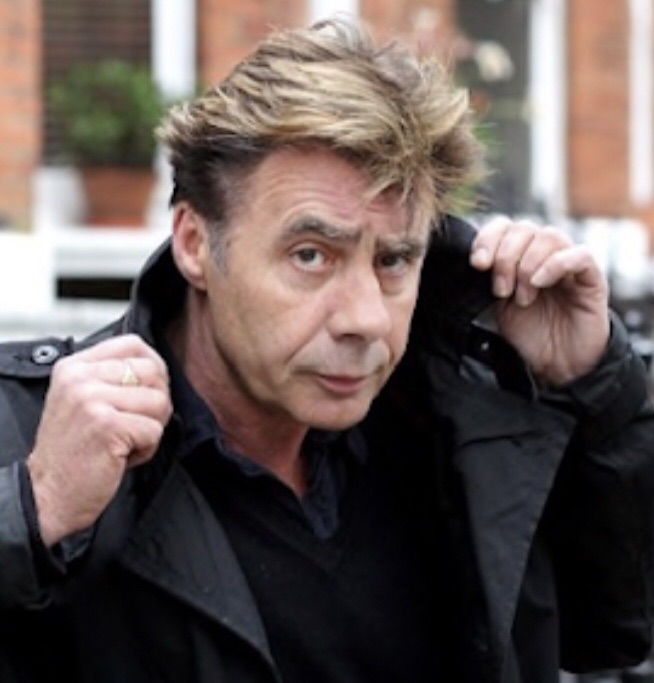
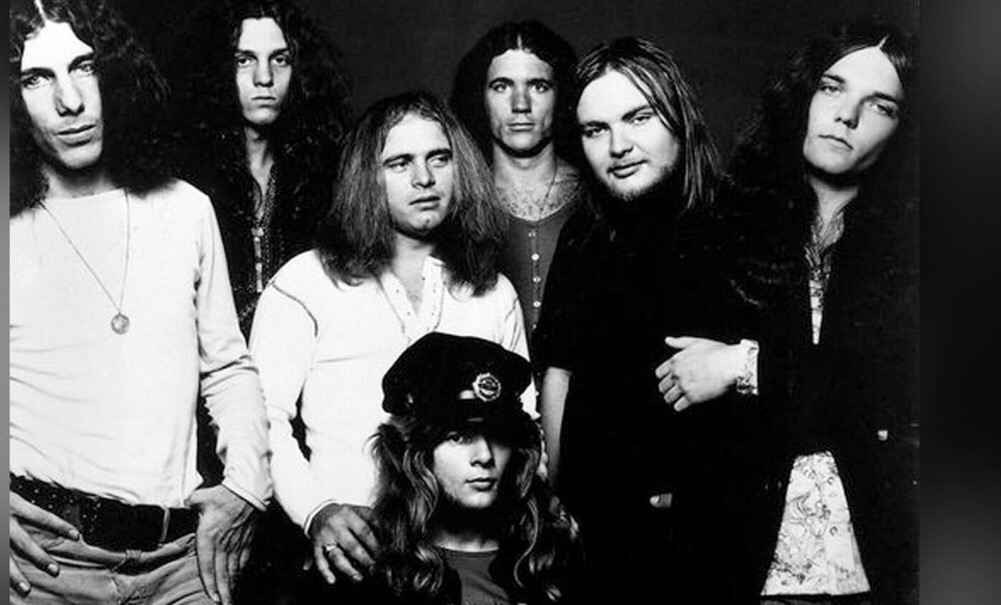
The Ventures (1958- )
Photo Credit: last.fm

The Ventures. “Hawaii-5-O” Post 21 (https://youtu.be/0pZrxxvB66k) (RQ 8).

Big Band (8 Bands) – 20 of 23 Genres

Photo credit: amazon.com

Big band music is a type of musical ensemble of jazz music that usually consists of ten or more musicians with four sections: saxophones, trumpets, trombones, and a rhythm section. Big bands originated during the early 1910s and dominated jazz in the early 1940s when swing was most popular.

There are 8 Big Bands within this blog:

Duke Ellington (1899-1974)
Photo Credit: jazz.fm

Ellington, Duke. “Satin Doll” Post 56 (https://youtu.be/wQ-n7jhs_K8) (RQ 10).

George Gershwin (1898-1937)
Photo Credit: bellperc.com

Gershwin, George. “Rhapsody in Blue” Post 56 (https://youtu.be/ynEOo28lsbc) (RQ 10).

Oscar Hammerstein (1895-1960)
Photo Credit: sincerelyoscar.com

Hammerstein, Oscar. “A Tribute” Post 56 (https://youtu.be/3SxEhF16cCQ) (RQ 9).

Bert Kaempfert (1923-1980)
Photo Credit: waybackattack.com

Kaempfert, Bert. “Golden Hits (Wonderland by Night)” Post 56 (https://youtu.be/K_WwLYjwd78) (RQ 10+).

Henry Mancini (1924-1994)
Photo Credit: singers.com

Mancini, Henry. “Greatest Hits” Post 56 (https://youtu.be/fAfE6S-bVus) (RQ 10+).

Cole Porter (1891-1964)
Photo Credit: cbsnews.com

Porter, Cole. “What is this Thing Called Love” Post 56 (https://youtu.be/qS1Qj9rzxXs) (RQ 9).

Arthur Schwartz (1900-1994)
Photo Credit: blogs.loc.gov.

Schwartz, Arthur. “Dancing in the Dark” Post 56 (https://youtu.be/4vPm8Ztp06Y) (RQ 9).

Max Steiner (1888-1971)
Photo Credit: feverup.com

Steiner, Max. “Casablanca” Post 56 (https://youtu.be/JsjPVNJlk_I) (RQ 10).

Doo Wop (25 Artists) – 19 of 23 Genres

Photo credit: goodreads.com

Doo Wop began in the 1940s. It was developed in African-American communities along the East Coast, stretching from Philadelphia to New York City and heading west into Cincinnati and Detroit. As it grew and spread, it was picked up and influenced by other cultures, including Italian-Americans and Latin-Americans.

There are 25 links of Doo Wop singers in this blog:


Lee Andrews & The Hearts. (1936-2016) Photo credit: AFRO American. Teardrops (https://youtu.be/5XDH5cHlqUM)
Paul Burnette (The Jarmels) 1959-1969
“The Way You Look Tonight”
https://youtu.be/R5HRm_lpB2Y
Photo credit: Eklablog
Danny & The Juniors
Photo Credit: 45worlds.com

Danny & The Juniors (1955-2019). Both David White and Joe Terranova passed in 2019. An example of their work: “At the Hop” Post 12 (https://youtu.be/SEPvoNA1OGw) (RQ 10).

The Dovells (1957-1975)
Photo Credit: imdb.com

The Dovells were an American doo-woo group, formed at Overbrook High School in Philadelphia, Pennsylvania, in 1957, under the name ‘The Brooktones’. The original members were Arnie Silver, Len Borisoff, Jerry Gross (alias Summers), Mike Freda, and Jim Mealey (alias Danny Brooks). Their first single “No, No, No” was a local hit for The Brooktones. Gross left the Brooktones in 1959 to form the group The Gems with Jerry Gross, Mark Stevens, Mike Freda, Warren Purdy, and Roland Scarinci. The remaining Brooktones signed to Parkway Records in 1960 and added Jerry Sirlen and William Shunkwiler to the group, while changing the band’s name to The Dovells. While rehearsing “Out in the Cold Again”, which turned out to be the B-side of “Bristol Stomp” (https://youtu.be/p962x7k61Kg) (RQ 9), Len called Jerry and asked for help with the harmonies. After two days of trying, Len asked Jerry to be part of the group and replace two of the other members. Sirlen and Shunkwiler were replaced by Gross and Freda. Mark went on to start his own group Tony & the Raindrops (“Our Love is Over”, a local hit), and later joined The Dovells in the 1960s. Warren Purdy went to work for the Boeing Corp., Roland Scarinci enlisted in The Marine Corps then went on to work for AT&T.

Dion & The Belmonts (1957-1966)
Photo Credit: singers.com

Dion (& The Belmonts). They were from The Bronx, NY. Dion finally left the group as he wanted to pursue rock ‘n roll. One of their best:“Wanderer” Post 12 (https://youtu.be/TNcdm3dkGEM) (RQ 10+).

Essex (1963-1964)
Photo Credit: doowopheaven.blogspot.com

Essex. Originally, Walter Vickers, Rodney Taylor, Billy Hill, Rudolph Johnson and lead singer Anita Humes were Marines stationed at Camp LeJeune in North Carolina. One of their songs: “Easier Said Than Done.” Post 1 (https://youtu.be/TT3ivugR2eY) ( RQ 9).

Virgil Johnson (1935-2013)
The Velvets
“Tonight Could Be the Night”
https://youtu.be/1gyz90zCGUY
Photo credit: Discogs
Earl Lewis (& The Channels) 1941-
“That’s My Desire”
https://youtu.be/uErSbuPUvkA
Photo credit: Discogs
Little Anthony & The Imperials (1958- )
Photo Credit: passthepaisley.com

Little Anthony & The Imperials. They were an American rhythm and blues/soul vocal group from New York City founded by Clarence Collins in the 1950s and named in part for its lead singer, Jerome Anthony “Little Anthony” Gourdine, who was noted for his high-pitched voice. A couple of their songs: “Goin Out of My Head” Post 56 (https://youtu.be/qah0t_maZRo) (RQ 10). “Tears on My Pillow” Post 36 (https://youtu.be/we2kmO24rgE) (RQ 10).

The Crestones
Pic credit: discogs. From the Chicago area. Biggest local hit: “She’s a Bad Motorcycle”. 1964. Doo Wop group. (https://youtu.be/Eb9CwKWLy94)
The Diamonds (1953- )
Photo Credit: Hollywoodreporter.com

The Diamonds. They were a Canadian vocal quartet that rose to prominence in the 1950s and early 1960s with 16 Billboard hit records. The original members were Dave Somerville, Ted Kowalski, Phil Levitt, and Bill Reed. A great song: “Little Darlin” Post 36 (https://youtu.be/WKa0XNV6bn4) (RQ 10+).

Barry Mann (1939- ) & Cynthia Weil (1940- )
Photo Credit: songwriteruniverse.com

Mann, Barry. Was an American songwriter and musician, and part of a successful songwriting partnership with his wife, Cynthia Weil. He has written or co-written 53 hits in the UK and 98 in the US. A sample song: “Who Put the Bomp.” Post 56 (https://youtu.be/aumW5e28xic) (RQ 10+).

Phil Phillips (Baptiste) 1926-2020
“Sea of Love”
https://youtu.be/lrkNRcyvtF4
Photo credit: KATC
Vito Joseph Picone (& The Elegants) 1941-
“Goodnight Goodnight”
https://youtu.be/hJ6yDo2hjro
Photo credit: YouTube
Bob Scholl (Mello Kings) 1938-1975
“Tonight Tonight”
https://youtu.be/AGgXvJezYp8
Photo credit: Kings Spotify
Teddy Scott (The G-Clefs) 1936-2018
“I Understand”
https://youtu.be/vuSnrw0d950
Photo credit: Color Radio
The Del-Vikings (1955-1965)
Photo Credit: singers.com

The Del-Vikings. From Pittsburgh. A song: “Come Go with Me” Post 12 (https://youtu.be/hF8URFxNx40) (RQ 9).

The Drifters (1953- )
Photo Credit: soulwalking.co.uk

The Drifters. They were originally formed as a backing group for Clyde McPhatter, formerly the lead tenor of Billy Ward and his Dominoes in 1953. The second group of Drifters formed in 1959 led by Ben E. King. Bill Pinkney, the last survivor of the original members of the The Drifters, died on (July 4, 2007). He was 81. Sample song: “Save the Last Dance for Me” Post 12 (https://youtu.be/n-XQ26KePUQ) (RQ 10).

The Elegants (1958-2012)
Photo Credit: deezer.com

The Elegants. They started in 1958 by Vito Picone, Arthur Venosa, Frank Tardogno, Carman Romano and James Moschello in South Beach, Staten Island, New York. One of their hits: “Little Star” Post 35 (https://youtu.be/HCPqcJmK8y8) (RQ 10).

The Fascinators (1958-1972)
Photo Credit: dailydoowop.com

The Fascinators. They came together as did many others by singing on street corners in New York City (for them, that was Brooklyn). Group members were Tony Passalacqua, Angelo LaGrecca, Nick Trivatto, Ed Wheeler, and George Cernacek. An example song: “Oh Rosemarie” Post 1 (https://youtu.be/QgM4Uh0XCrY) (yRQ 10).

The Monotones (1957-1962)
Photo Credit: soulwalking.co.uk

The Monotones. They are considered a one-hit wonder, as their only hit single was “The Book of Love”, which peaked at No. 5 on the Billboard Top 100 in 1958. “Book of Love” Post 35 (https://youtu.be/tmtr3HNerdM) (RQ 9).

The Paris Sisters
Priscilla (1945-2004)
Albeth (1933-2014)
Sherrell (1940)
“I Love How You Love Me”
https://youtu.be/gPgG8DqHCjk
Photo credit: The Arts Desk
The Penguins (1953-2012)
Photo Credit: open.spotify.com

The Penguins. An American doo-wop group of the 1950s and early 1960s, best remembered for their only Top 40 hit, “Earth Angel”, which was one of the first rhythm and blues hits to cross over to the pop charts. “Earth Angel” Post 35 (https://youtu.be/-j6OAEOcNCE) (RQ 10).

The Reflections (1963-1965)
Photo Credit: songkick.com

The Reflections. American blue-eyed soul/doo-wop group from Detroit, Michigan, United States. They had one hit single in 1964 called ” Romeo and Juliet”, written by Bob Hamilton and Freddie Gorman. “Just Like Romeo and Juliet” Post 35 (https://youtu.be/OGaBZuTixII) (RQ 10).

The Silouettes (1956-1968)
Photo Credit: soulwalking.co.uk

The Silouettes. From Philadelphia. An American doo wop/R&B group, whose single “Get a Job” was a number 1 hit on the Billboard R&B singles chart and pop singles chart in 1958. “Get a Job” Post 35 (https://youtu.be/hBKzAknJ6XQ) (RQ 9).

Dickie Threatt (The Five Keys) 1958-1961
“Close Your Eyes”
https://youtu.be/j7ymCZXq2Pw
Photo credit: Top40 Weekly

Opera (19 Artists) 18 of 23 Genres

Photo credit: operaanywhere.com

The history of Opera: In Florence (Italy), a small group of artists, statesmen, writers and musicians known as the Florentine Camerata decided to recreate the storytelling of Greek drama through music. Enter Jacopo Peri (1561–1633), who composed Dafne (1597), which many consider to be the first opera. Opera unites music, poetry, drama, and spectacle in the most elaborate and expensive of all art forms.

There are 19 links to Opera singers in this blog:

Emaine Beasha
Photo Credit: forumotion.com

Beasha, Emaine (13 yrs old). Born in Amman, Jordan. “Nesson Dorma” Post 37 (https://youtu.be/0sNuu6bjUq0) (RQ 9).

Laura Bretan
Photo Credit: networthlist.org

Bretan, Laura (19 yrs old). From Chicago, IL. “O Mio Bambino Cara” Post 37 (https://youtu.be/NN41tp2TH94) (RQ 10).

Victory Brinker
Photo Credit: highpostonline.com

Brinker, Victory (9 yrs old). From Latrobe, PA. “Juliet’s Waltz” Post 37 (https://youtu.be/vrRfBmMWpLY) (RQ 7).

Joyce DiDonato
Photo Credit: warnerclassics.com

DiDonato, Joyce (1969- ). From Prairie Village, KS.“Lascia e Piango” Post 39 (https://youtu.be/AkGY2lmWzVM) (RQ 9).

Placido Domingo
Photo Credit: accademialascala.it

Domingo, Placido (1941- ). From Madrid, Spain.“Perhaps Love” (with John Denver) Post 39 (https://youtu.be/toYfeN0ACDw) (RQ 8).

Melean Ernman
Photo Credit: songcontests.fandom.com

Ernman, Melean (1970- ). From Uppsala, Sweden. “LaVoix” Post 39 (https://youtu.be/5WH2OwJeMBE) (RQ 8).

Renee Flemming
Photo Credit: caa.com

Flemming, Renee (1959- ). From Indiana, PA.“Oxygen” Post 39 (https://youtu.be/mJC8LB_9mG0) (RQ 9).

Melanie Garcia
Photo credit: facebook.com

Garcia, Melanie (13 yrs old). From Valencia, Spain. “Viva Por Ella” Post 37 (https://youtu.be/0l-4zjkXXB4) (RQ 8).

Vittorio Grigolo
Photo Credit: operaliricaroma.it

Grigolo, Vittorio (1977- ). From Arezzo, Italy. “Cosi” Post 39 (https://youtu.be/yBSWBbyQWZ4) (Rq 9).

Claudia Harrison
Photo Credit: facebook.com

Harrison, Claudia (18 yrs old, surfer). From Canberra, Australia. “O Mio Bambino Cara” Post 37 (https://youtu.be/hxn3k7wmC8Y) (RQ 9).

Screaming Jay Hawkins
Photo credit: mjajazz.wi site.com. Operatic shock rock. “I Put a Spell on You” 1956. (https://youtu.be/MVpUvICxQq8)
Solomia Lukyanets
Photo credit: thefamouspeople.com

Lukyanets, Solomia (21 yrs old). From Kiev, Ukraine. “Time To Say Goodbye” Post 37 (https://youtube.com/watch?v=9C2T0kwhj3s&feature=share) (RQ 8).

Anna Netrebko
Photo Credit: deutschegrammophon.com

Netrebko, Anna (49 yrs old). From Krasnodar, Russia. “O Mio Bambino Cara” Post 39 (https://youtu.be/9YPRTMhEOPM) (RQ 9).

Top Ten Opera Songs
Photo Credit: youtube.com

Opera Songs. “Top 10” Post 48 (https://youtu.be/5ZDGPKcEPJ8) (RQ 9).

Luciano Pavarotti
Photo credit: csoarchieves.wordpress.com

Pavarotti, Luciano (1935-2007). From Modena, Italy. “Una Furtiva Lagrima” Post 48 (https://youtu.be/2J7JM0tGgRY) (RQ 9).

Peking Opera
Photo Credit: cchatty.com

Peking Opera. “Hello China” Post 48 (https://youtube.com/watch?v=PnMRIzpO4nU&feature=share) (RQ 8).

Sir George Solti
Photo credit: npg.org.uk

Solti, Sir George (1912-1997). From Budapest, Hungary. “Der Ring Des Nibelungen” Post 39 (https://youtu.be/yOp8-vpEK9I) (RQ 10.

Amira Willinghagen
Photo credit: amira-online.com

Willinghagen, Amira (18 yrs old). From Nijmegen, Netherlands. “Gabriella’s Song” Post 37 (https://youtu.be/rEilx2mbrO4) (RQ 10).

Jazz (24 Artists) – 22 of 23 Genres

Photo credit: dreamstime.com

Jazz music originated in the late-19th to early-20th century as interpretations of American and European classical music entwined with African and slave folk songs and the influences of West African culture. In doing research to identify great jazz musicians, I stumbled across Paul Thomson’s blog called oldtimemusic.com. He started this work in 1998. He along with eight other music experts (Art, No last name, Steve Marriott, John Melcher, Niall Flynn, Corey Hoffman, Jennifer Bell and Warren Barrett) support the blog including identifying 24 of the top all-time jazz music artists. They are summarized here in an unranked format:

Sweet Sheiks
Photo credit: Jazz in the Park

A band that has caught Pops Coffee’s eye on YouTube recently is called Sweet Sheiks. It seems that it normally comprises just five musicians – two young ladies and three gents. From the internet, I discovered this band was formed as recently as March 2016 and is based in Milwaukee. For those of you whose geography is as hazy as mine, let me tell you Milwaukee is in the State of Wisconsin and on the west shore of Lake Michigan, almost 100 miles north of Chicago. To put it another way, it’s just over 1000 miles north of New Orleans.

Sweet Sheiks do not exactly describe themselves as a traditional jazz band: they say they play ‘antique pop’. But their music certainly comes within what I consider to be the traditional jazz category. They claim to be ‘a toe-tapping five-some inspired by the popular music of the tens, twenties, and thirties’. They describe their music as ‘refreshingly vintage’ – and nobody could argue with that.

Some of the original members are:

Jen Müttin-Schrank: vocals, guitar, saw (played with violin bow), washboard

Ousia Lydian: violin and vocals (and whistling)

Garrett Burton: banjo

Andrew Spadafora: clarinet

Aaron Johnson: tuba

You will notice they do not normally have drums or a trombone or trumpet. But that’s just fine with me. I am not at all sure that the addition of any of these instruments would improve their performance. It would take an exceptional musician to fit in with their house style and to contribute anything more that might be welcome. As with so many of the young bands in America, it is such a joy to be able to hear all of the instruments clearly and to note what a great creative contribution each player is making to the overall sound. Andrew Spadafora’s clarinet improvisations are as good as the best you will hear in New Orleans, and the solid tuba-based rhythm, with guitar and banjo, is reminiscent of what Todd Burdick and his team produce in the engine room of Tuba Skinny. But I must say all five of these young musicians play extremely well, both as individuals and as team members. I am looking forward very much to watching how Sweet Sheiks develops.

Some examples of their tunes: “Lost My Gal from Memphis” https://youtu.be/pmPvmrWMEl4?feature=shared. Playlist: “St. James Infirmary, Doctor Jazz, Ouisa, Open for Tuba Skinny, Sweet Georgia Brown, Dreamboat, and Babyface”) https://youtube.com/playlist?list=PL-1XOy1tj1qXUkkUhBGwENd8QTZxn1SpM&feature=shared.

Louis Armstrong 1901-1971 Photo credit: IMDb

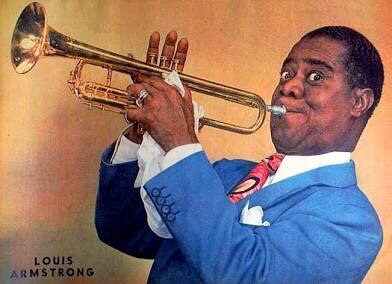
Armstrong’s career spanned five decades and several eras of jazz. He was best known as a master jazz trumpeter along with his distinctive gravelly voice. Four of his many songs make him particularly memorable: “What a Wonderful World, (https://youtu.be/e1FN047_LT0)” “Hello, Dolly, (https://youtu.be/YCM0APgpdZc)” ”Star Dust” and “La Vie En Rose.”

Ray Brown 1926-2002 Photo credit: South Carolina Public Radio

Ray was a jazz double bassist. He worked extensively with both Ella Fitzgerald and Oscar Peterson. At twenty years old he bought a one way ticket from Pittsburgh to NYC. There, he was introduced to Dizzy Gillespie who was looking for a bass player. He worked for Gillespie’s band from 1946-1951. During this period Ella Fitzgerald joined the band and she married Ray. Tho divorced in 1953, they continued to perform together. Then, from 1951-1965 he was a member of the Oscar Peterson Trio. In 1965 they performed in Montreal (https://youtu.be/UXJsPWLmOUQ). Later on, based out of LA, he concentrated on studio work.

John Coltrane. 1926-1967. Photo credit: artspur

John began as a professional saxophone player in 1945. His reputation was built around relentless practicing and experimenting with new ideas. His 1960’s band was thought to be one of the all time best jazz bands. He worked in the bebop and hard bopidioms early in his career, Coltrane helped pioneer the use of modes and was one of the players at the forefront of free jazz. In 1972, A Love Supreme (https://youtu.be/ll3CMgiUPuU) was certified gold by the RIAA for selling over half a million copies in Japan. This album was certified gold in the United States in 2001. Overall between 1957-1967, Coltrane produced twenty-five albums through four recording companies (Prestige, Blue Note, Atlantic and Impulse Record companies).

John Dankworth. 1927-2010. Photo credit: second hand songs

Early on John teamed up with Cleo Laine to created jazz music. Dankworth was their English jazz composer, saxophonist, clarinettist and writer of film scores. Cleo was his wife (married in 1957) and their jazz singer. In 1950 he formed an eight member group. Then in 1953 he formed a larger band or orchestra. This English group had a flowing, unforced, rhythmic drive that had virtually disappeared from American bands. Their recording of “African Waltz” (https://youtu.be/oGvgHEXg1Gw) in 1961 managed to chart No9 for 21 weeks. In the mid-sixties John branched out into doing themes for British TV including The Avengers and five others. Later on in his career he collaborated with Duke Ellington, Dizzy Gillespie, Benny Goodman and many others.

Miles Davis 1926-1991. Photo credit: NPR

Miles Davis was arguably the most influential jazz musician in the post-World War II period, being at the forefront of changes in the genre for more than 40 years. Born into a middle-class family, Davis started on the trumpet at age 13. His first professional music job came when he joined the Eddie Randall band in St. Louis in 1941. In the fall of 1944 Davis took a scholarship to attend the Juilliard School. In 1955, Davis assembled his first important band with John Coltrane, Red Garland, Paul Chambers, and Philly Joe Jones, adding Cannonball Adderley in 1958. In 1964, Davis assembled a new band of younger musicians, which became known as his second great quintet. This included Herbie Hancock, Tony Williams, Ron Carter, and Wayne Shorter. By this time, the Miles Davis Quintet was recording mostly originals, with all the band members contributing memorable tunes. Davis’ horn playing also changed, increasing the spacing of notes to create more suspense in the music. In 1959, they produced “Kind of Blue” (https://youtube.com/playlist?list=RDvDqULFUg6CY&playnext=1). This album is considered to be one of the best jazz albums ever.

Candy Dulfer 1969- Photo credit: SeatGeek

Dulfer is a Dutch jazz and pop saxophonist. She is the daughter of jazz saxophonist Hans Dulfer. She began playing at age six and founded her band Funky Stuff when she was fourteen. Her debut album “Saxuality” (https://youtube.com/playlist?list=OLAK5uy_ndorw5cVusXHPXFxrOeSDcznePvF-Wa08) received a Grammy nomination. She has performed and recorded with Hans Dulfer, Prince, Dave Stewart, Van Morrison, Angie Stone, Maceo Parker and Rick Braun and has performed live with Alan Parsons (1995), Pink Floyd (1990), and Tower of Power (2014).

Duke Ellington – 1899-1974 Photo credit: All About Jazz

Edward Kennedy “Duke” Ellington was an American jazz pianist, composer, and leader of his eponymous jazz orchestra from 1923 through the rest of his life. He created one of the most distinctive ensemble sounds in Western music and continued to play what he called “American Music.” Ellington’s fame rose to the rafters in the 1940s when he composed several masterworks, including “Concerto for Cootie,” “Cotton Tail” and “Ko-Ko.” Some of his most popular songs included “It Don’t Mean a Thing if It Ain’t Got That Swing,” “Sophisticated Lady,” “Prelude to a Kiss,” “Solitude” and “Satin Doll.” Perhaps Ellington’s most famous jazz tune was “Take the A Train,” (https://youtu.be/MQ_vOm-mAys) which was composed by Billy Strayhorn. It was Ellington’s sense of musical drama that made him stand out. His blend of melodies, rhythms and subtle sonic movements gave audiences a new experience—complex yet accessible jazz that made the heart swing.

Ella Fitzgerald – 1917-1996. Photo credit: She Made History

Ella Jane Fitzgerald was an American jazz singer, sometimes referred to as the “First Lady of Song”, “Queen of Jazz”, and “Lady Ella”. She was noted for her purity of tone, impeccable diction, phrasing, timing, intonation, and a “horn-like” improvisational ability, particularly in her scat singing. Her musical collaborations with Louis Armstrong, Duke Ellington, and The Ink Spotswere some of her most notable acts outside of her solo career. These partnerships produced some of her best-known songs such as:

“Dream a Little Dream of Me”, with Louis Armstrong (https://youtu.be/OAVZuSoP8dk).

“Cheek to Cheek”, with Louis Armstrong (https://youtu.be/20iOlPwz0J0)

“Into Each Life Some Rain Must Fall”, with the Ink Spots (https://youtube.com/playlist?list=RDPJ9IaplRrm4&playnext=1).

“It Don’t Mean a Thing (If It Ain’t Got That Swing)”. with Duke Ellington (https://youtu.be/0ScOUncmWOE).

Herbie Hancock – 1940- Photo credit: Alamny

Herbie Hancock will always be one of the most revered and controversial figures in jazz — just as his employer/mentor Miles Davis was when he was alive. Unlike Miles, who pressed ahead relentlessly and never looked back until near the very end, Hancock has cut a zigzagging forward path, shuttling between almost every development in electronic and acoustic jazz and R&B over the last third of the 20th century and into the 21st. Though grounded in Bill Evans and able to absorb blues, funk, gospel, and even modern classical influences, Hancock’s piano and keyboard voices are entirely his own, with their own urbane harmonic and complex, earthy rhythmic signatures — and young pianists cop his licks constantly. Having studied engineering and professing to love gadgets and buttons, Hancock was perfectly suited for the electronic age; he was one of the earliest champions of the Rhodes electric piano and Hohner clavinet, and would field an ever-growing collection of synthesizers and computers on his electric dates. Yet his love for the grand piano never waned, and despite his peripatetic activities all around the musical map, his piano style continued to evolve into tougher, ever more complex forms. He is as much at home trading riffs with a smoking funk band as he is communing with a world-class post-bop rhythm section — and that drives purists on both sides of the fence up the wall.

Having taken up the piano at age seven, Hancock quickly became known as a prodigy, soloing in the first movement of a Mozart piano concerto with the Chicago Symphony at the age of 11. After studies at Grinnell College, Hancock was invited by Donald Byrd in 1961 to join his group in New York City, and before long, Blue Note offered him a solo contract. His debut album, Takin’ Off, took off indeed after Mongo Santamaria covered one of the album’s songs, “Watermelon Man.” In May 1963, Miles Davis asked him to join his band in time for the Seven Steps to Heaven sessions, and he remained there for five years, greatly influencing Miles’ evolving direction, loosening up his own style, and, upon Miles’ suggestion, converting to the Rhodes electric piano. In that time span, Hancock’s solo career also blossomed on Blue Note, pouring forth increasingly sophisticated compositions like “Maiden Voyage,” “Cantaloupe Island,” “Goodbye to Childhood,” and the exquisite “Speak Like a Child” (https://youtu.be/x-cfaxKXIi0). He also played on many East Coast recording sessions for producer Creed Taylor and provided a groundbreaking score to Michelangelo Antonioni’s film Blow Up, which gradually led to further movie assignments.

Having left the Davis band in 1968, Hancock recorded an elegant funk album, Fat Albert Rotunda, and in 1969 formed a sextet that evolved into one of the most exciting, forward-looking jazz-rock groups of the era. Now deeply immersed in electronics, Hancock added the synthesizer of Patrick Gleeson to his Echoplexed, fuzz-wah-pedaled electric piano and clavinet, and the recordings became spacier and more complex rhythmically and structurally, creating its own corner of the avant-garde. By 1970, all of the musicians used both English and African names (Herbie’s was Mwandishi). Alas, Hancock had to break up the band in 1973 when it ran out of money, and having studied Buddhism, he concluded that his ultimate goal should be to make his audiences happy.

The next step, then, was a terrific funk group whose first album, Head Hunters, with its Sly Stone-influenced hit single, “Chameleon,” became the biggest-selling jazz LP up to that time. Now handling all of the synthesizers himself, Hancock’s heavily rhythmic comping often became part of the rhythm section, leavened by interludes of the old urbane harmonies. Hancock recorded several electric albums of mostly superior quality in the ’70s, followed by a wrong turn into disco around the decade’s end. In the meantime, Hancock refused to abandon acoustic jazz. After a one-shot reunion of the 1965 Miles Davis Quintet (Hancock, Ron Carter, Tony Williams, Wayne Shorter, with Freddie Hubbard sitting in for Miles) at New York’s 1976 Newport Jazz Festival, they went on tour the following year as V.S.O.P. The near-universal acclaim of the reunions proved that Hancock was still a whale of a pianist; that Miles’ loose mid-’60s post-bop direction was far from spent; and that the time for a neo-traditional revival was near, finally bearing fruit in the ’80s with Wynton Marsalis and his ilk. V.S.O.P. continued to hold sporadic reunions through 1992, though the death of the indispensable Williams in 1997 cast much doubt as to whether these gatherings would continue.

Hancock continued his chameleonic ways in the ’80s: scoring an MTV hit in 1983 with the scratch-driven, proto-industrial single “Rockit” (accompanied by a striking video); launching an exciting partnership with Gambian kora virtuoso Foday Musa Suso that culminated in the swinging 1986 live album Jazz Africa; doing film scores; and playing festivals and tours with the Marsalis brothers, George Benson, Michael Brecker, and many others. After his 1988 techno-pop album, Perfect Machine, Hancock left Columbia (his label since 1973), signed a contract with Qwest that came to virtually nothing (save for A Tribute to Miles in 1992), and finally made a deal with Polygram in 1994 to record jazz for Verve and release pop albums on Mercury. Well into a youthful middle age, Hancock’s curiosity, versatility, and capacity for growth showed no signs of fading, and in 1998 he issued Gershwin’s World. His curiosity with the fusion of electronic music and jazz continued with 2001’s Future 2 Future, but he also continued to explore the future of straight-ahead contemporary jazz with 2005’s Possibilities. An intriguing album of jazz treatments of Joni Mitchell compositions called River: The Joni Letters was released in 2007. In 2010 Hancock released his The Imagine Project album, which was recorded in seven countries and featured a host of collaborators, including Dave Matthews, Anoushka Shankar, Jeff Beck, the Chieftains, John Legend, India.Arie, Seal, P!nk, Juanes, Derek Trucks, Susan Tedeschi, Chaka Khan, K’NAAN, Wayne Shorter, James Morrison, and Lisa Hannigan. He was also named Creative Chair for the New Los Angeles Philharmonic. ~ Richard S. Ginell.

Billie Holiday – 1915-1959. Photo credit: SDBP Radio

Billie Holiday was an American jazz and swing music singer. Nicknamed “Lady Day” by her friend and music partner, Lester Young, Holiday had an innovative influence on jazz music and pop singing. Her vocal style, strongly inspired by jazz instrumentalists, pioneered a new way of manipulating phrasing and tempo. She signed a recording contract with Brunswick in 1935. Collaborations with Teddy Wilson produced the hit “What a Little Moonlight Can Do”, (https://youtu.be/w8llIYf5tVk) which became a jazz standard. Throughout the 1930s and 1940s, Holiday had mainstream success on labels such as Columbia and Decca. By the late 1940s, however, she was beset with legal troubles and drug abuse. After a short prison sentence, she performed at a sold-out concert at Carnegie Hall. She was a successful concert performer throughout the 1950s with two further sold-out shows at Carnegie Hall.

Jack Jones
Pop and jazz. Grammy for “Wives and Lovers” in 1964. Photo credit: Canvas Art Rocks (https://youtu.be/hEI7_bXRQW0)
Gene Krupa – 1909-1973. Photo credit: drummerworld

Eugene Bertram Krupa was an American jazz drummer, bandleader and composer who performed with energy and showmanship. His drum solo on Benny Goodman’s 1937 recording of “Sing, Sing, Sing” (https://youtu.be/9UlOhzLqIY0) elevated the role of the drummer from an accompanist to an important solo voice in the band. In collaboration with the Slingerland drum and Zildjian cymbal manufacturers, he was a major force in defining the standard band drummer’s kit. Krupa is considered “the founding father of the modern drumset” by Modern Drummer magazine.

Cleo Laine – 1927- Photo credit: theatregold memorabilia

Dame Cleo Laine, Lady Dankworth DBE is an English jazz and pop singer and an actress, known for her scat singing and for her vocal range. Though her natural range is that of a contralto, she is able to produce a G above high C, giving her an overall compass of well over three octaves. Laine is the only female performer to have received Grammy nominations in the jazz, popular and classical music categories. She is the widow of jazz composer and musician Sir John Dankworth. Laine auditioned successfully, at the age of 24, for John Dankworth’s small group, the Dankworth Seven, and later his orchestra, with which she performed until 1958. Dankworth and Laine married that year. During this period, she had two major recording successes. “You’ll Answer to Me” (https://youtu.be/ke37yLx8xoY) reached the British Top 10 while Laine was “prima donna” in the 1961 Edinburgh Festival production of Kurt Weill’s opera/ballet The Seven Deadly Sins, directed and choreographed by Kenneth MacMillan. In 1964 her Shakespeare and All that Jazz (https://youtu.be/gBADj2eTIuM) album with Dankworth was well received. Dankworth and Laine founded the Stables theatre in 1970 in what was the old stables block in the grounds of their home. It eventually hosted over 350 concerts per year.

Hugh Masekela
Photo credit: rekord.com. A South African jazz singer and trumpeter. Over 40 albums including one famous hit called “Grazing in the Grass” in 1968. (https://youtu.be/cDTYsgPwP1s)
Charlie Mingus – 1922-1979 Photo credit: ArtPhotoLimited

One of the most important figures in twentieth century American music, Charles Mingus was a virtuoso bass player, accomplished pianist, bandleader and composer. Born on a military base in Nogales, Arizona in 1922 and raised in Watts, California, his earliest musical influences came from the church– choir and group singing– and from “hearing Duke Ellington over the radio when [he] was eight years old.” He studied double bass and composition in a formal way (five years with H. Rheinshagen, principal bassist of the New York Philharmonic, and compositional techniques with the legendary Lloyd Reese) while absorbing vernacular music from the great jazz masters, first-hand. His early professional experience, in the 40’s, found him touring with bands like Louis Armstrong, Kid Ory and Lionel Hampton.

Eventually he settled in New York where he played and recorded with the leading musicians of the 1950’s– Charlie Parker, Miles Davis, Bud Powell, Art Tatum and Duke Ellington himself. One of the few bassists to do so, Mingus quickly developed as a leader of musicians. He was also an accomplished pianist who could have made a career playing that instrument. By the mid-50’s he had formed his own publishing and recording companies to protect and document his growing repertoire of original music. He also founded the “Jazz Workshop,” a group which enabled young composers to have their new works performed in concert and on recordings.

Mingus soon found himself at the forefront of the avant-garde. His recordings bear witness to the extraordinarily creative body of work that followed. They include: Pithecanthropus Erectus, The Clown, Tijuana Moods, Mingus Dynasty, Mingus Ah Um, The Black Saint and the Sinner Lady, Cumbia and Jazz Fusion, Let My Children Hear Music. He recorded over a hundred albums and wrote over three hundred scores.

Although he wrote his first concert piece, “Half-Mast Inhibition,” when he was seventeen years old, it was not recorded until twenty years later by a 22-piece orchestra with Gunther Schuller conducting. It was the presentation of “Revelations” (https://youtu.be/nHcF2NL9uqE) which combined jazz and classical idioms, at the 1955 Brandeis Festival of the Creative Arts, that established him as one of the foremost jazz composers of his day.

In 1971 Mingus was awarded the Slee Chair of Music and spent a semester teaching composition at the State University of New York at Buffalo. In the same year his autobiography, Beneath the Underdog, was published by Knopf. In 1972 it appeared in a Bantam paperback and was reissued after his death, in 1980, by Viking/Penguin and again by Pantheon Books, in 1991. In 1972 he also re-signed with Columbia Records. His music was performed frequently by ballet companies, and Alvin Ailey choreographed an hour program called “The Mingus Dances” during a 1972 collaboration with the Robert Joffrey Ballet Company.

He toured extensively throughout Europe, Japan, Canada, South America and the United States until the end of 1977 when he was diagnosed as having a rare nerve disease, Amyotrophic Lateral Sclerosis. He was confined to a wheelchair, and although he was no longer able to write music on paper or compose at the piano, his last works were sung into a tape recorder.

From the 1960’s until his death in 1979 at age 56, Mingus remained in the forefront of American music. When asked to comment on his accomplishments, Mingus said that his abilities as a bassist were the result of hard work but that his talent for composition came from God.

Mingus received grants from the National Endowment for the Arts, The Smithsonian Institute, and the Guggenheim Foundation (two grants). He also received an honorary degree from Brandeis and an award from Yale University. At a memorial following Mingus’ death, Steve Schlesinger of the Guggenheim Foundation commented that Mingus was one of the few artists who received two grants and added: “I look forward to the day when we can transcend labels like jazz and acknowledge Charles Mingus as the major American composer that he is.” The New Yorker wrote: “For sheer melodic and rhythmic and structural originality, his compositions may equal anything written in western music in the twentieth century.”

Thelonious Monk – 1917-1982 Photo credit: HorseSpirits Art Gallery

Thelonious Sphere Monk was an American jazz pianist and composer. He had a unique improvisational style and made numerous contributions to the standard jazz repertoire, including “‘Round Midnight” (https://youtu.be/IrAfjW5qiyo), “Blue Monk”, “Straight, No Chaser”, “Ruby, My Dear”, “In Walked Bud”, and “Well, You Needn’t.” Monk is the second-most-recorded jazz composer after Duke Ellington.

Monk’s compositions and improvisations feature dissonances and angular melodic twists and are consistent with his unorthodox approach to the piano, which combined a highly percussive attack with abrupt, dramatic use of switched key releases, silences, and hesitations.

Monk’s distinct look included suits, hats, and sunglasses. He also had an idiosyncratic habit during performances: while other musicians continued playing, Monk would stop, stand up, and dance for a few moments before returning to the piano.

Monk is one of five jazz musicians to have been featured on the cover of Time (the others being Louis Armstrong, Dave Brubeck, Duke Ellington and Wynton Marsalis).

Wes Montgomery – 1923-1968 Photo credit: Jazzziz magazine

John Leslie “Wes” Montgomery was an American jazz guitarist. Montgomery was known for an unusual technique of plucking the strings with the side of his thumb and his extensive use of octaves, which gave him a distinctive sound. Montgomery often worked with his brothers Buddy and Monk and with organist Melvin Rhyne. His recordings up to 1965 were oriented towards hard bop, soul jazz, and post bop, but around 1965 he began recording more pop-oriented instrumental albums that found mainstream success. His later guitar style influenced jazz fusion and smooth jazz.

According to jazz guitar educator Wolf Marshall, Montgomery often approached solos in a three-tiered manner: he would begin the progression with single note lines, derived from scales or modes; after a fitting number of sequences, he would play octaves for a few more sequences, finally culminating with block chords. He used mostly superimposed triads and arpeggios as the main source for his soloing ideas and sounds.[1]

Instead of using a guitar pick, Montgomery plucked the strings with the fleshy part of his thumb, using down strokes for single notes and a combination of up strokes and down strokes for chords and octaves. He developed this technique not for technical reasons but for the benefit of his neighbors. He worked long hours as a machinist before his music career began and practiced late at night. To keep neighbors from complaining, he played quietly by using his thumb. He earned two Grammy nominations: in 1965 for “Bumpin” (https://youtu.be/ER8Q504Vro8) and in 1969 “Willow Weep for Me” (https://youtu.be/WA9LgbV8oTc).

Charlie Parker – 1920-1955 Photo credit: All About Jazz

Charles Parker Jr., nicknamed “Bird” or “Yardbird”, was an American jazz saxophonist, band leader and composer. Parker was a highly influential soloist and leading figure in the development of bebop, a form of jazz characterized by fast tempos, virtuosic technique, and advanced harmonies. Parker was an extremely brilliant virtuoso and introduced revolutionary rhythmic and harmonic ideas into jazz, including rapid passing chords, new variants of altered chords, and chord substitutions. Primarily a player of the alto saxophone, Parker’s tone ranged from clean and penetrating to sweet and somber. Parker compositions, such as “Yardbird Suite”, “Ornithology” 1946 Grammy, “Bird Gets the Worm”, and “Bird of Paradise”, “Billies Bounce” 1945 Grammy, Charlie Parker with Strings 1950 Grammy, “Jazz at Massey Hall” 1953 Grammy (https://youtube.com/playlist?list=RDQMmQjmNbaxLjM&playnext=1). Parker was an icon for the hipsters culture and later the Beat Generation, personifying the jazz musician as an uncompromising artist and intellectual rather than just an entertainer. Although he produced many brilliant recordings during this period, Parker’s behavior became increasingly erratic. Heroin was difficult to obtain once he moved to California, where the drug was less abundant, so he used alcohol as a substitute.

Django Reinhardt – 1910-1953 Photo credit: Alamy

Jean Reinhardt, known by his Romani nickname Django, was a Romani-French jazz guitarist and composer. He was one of the first major jazz talents to emerge in Europe and has been hailed as one of its most significant exponents.

With violinist Stéphane Grappelli, Reinhardt formed the Paris-based Quintette du Hot Club de France in 1934. The group was among the first to play jazz that featured the guitar as a lead instrument. Reinhardt recorded in France with many visiting American musicians, including Coleman Hawkins and Benny Carter, and briefly toured the United States with Duke Ellington’s orchestra in 1946. He died suddenly of a stroke in 1953 at the age of 43.

Reinhardt’s most popular compositions have become standards within gypsy jazz, including “Minor Swing”, “Daphne” (https://youtu.be/UG9nm9yFgKE), “Belleville”, “Djangology”, “Swing ’42”, and “Nuages”. Jazz guitarist Frank Vignola says that nearly every major popular-music guitarist in the world has been influenced by Reinhardt.

Buddy Rich – 1917-1987. Photo credit: DRUM Magazine

Bernard “Buddy” Rich was an American jazz drummer, songwriter, conductor, and bandleader. He is considered one of the most influential drummers of all time. Rich was born and raised in Brooklyn, New York, United States. He discovered his affinity for jazz music at a young age and began drumming at the age of two.

He began playing jazz in 1937, working with acts such as Bunny Berigan, Artie Shaw, Tommy Dorsey, Count Basie, and Harry James. From 1942 to 1944, Rich served in the U.S. Marines. From 1945 to 1948, he led the Buddy Rich Orchestra. In 1966, he recorded a big-band style arrangement of songs from West Side Story (https://youtu.be/4PASeqo0oAE). He found lasting success in 1966 with the formation of the Buddy Rich Big Band, also billed as the The Big Band Machine. Between 1948-1985 he produced 48 albums.

Rich was known for his virtuoso technique, power, and speed. He was an advocate of the traditional grip, though he occasionally used matched grip when playing the toms. Despite his commercial success and musical talent, Rich never learned how to read sheet music, preferring to listen to drum parts and play them from memory.

Ronnie Scott – 1927-1996 Photo credit: New York Times

Ronnie Scott’s Jazz Club has been an enduring beacon of musical genius in London. Any self-respecting jazzhead had to make the pilgrimage to the venue during its 1960s heyday. Musicians, too: Miles Davis and Ella Fitzgerald played it, along with Buddy Rich and Dizzy Gillespie.

Scott, one of its benevolent owners, was as hallowed as the establishment itself, but remained a somewhat mysterious figure throughout his life. A charming tenor saxophonist with a warm demeanor and great comedic timing, he also had a gambling addiction and endured bouts of depression. Even those closest to him didn’t feel like they connected with him.

“He was a very hard person to know,” Paul Pace, the club’s current music bookings coordinator, said in an interview. “He was a very quiet, private man.”

Scott died in 1996 at the age of 69. The venue he opened with a fellow saxophonist, Pete King, is still holy ground among jazz supper clubs in the United Kingdom, and “Ronnie’s,” a new documentary getting a wider release in the United States this week, offers a multidimensional view of Scott and the nightclub through the perspective of journalists, friends and musicians who knew him — and a host of live performance footage. The film celebrates how the spot with narrow hallways and a tiny stage housed all sorts of grand performances, including Jimi Hendrix’s last gig before his 1970 death. And it reveals that the secret of the venue’s success largely was Scott, himself, who drew in patrons like he was an old friend who just happened to know the best players of his era. One of his best recordings was “Great Scott” (https://youtube.com/playlist?list=OLAK5uy_mTSjrm0ZuVPZFiL8HDSsMtuST7Yt9I_7A).

Paul Desmond (1924-1977)
Photo Credit: geni.com

Desmond, Paul (Dave Brubeck). “Take Five” (saxophone) Post 36 (https://youtu.be/l8ToDoj-pWM) (RQ 9).

Marv Johnson (1938-1993)
Photo Credit: picels.com

Johnson, Marv. “You Got What It Takes.” Jazz – 22 of 23 Genres. (https://youtu.be/nu0IyLWgDgs) (RQ 8).