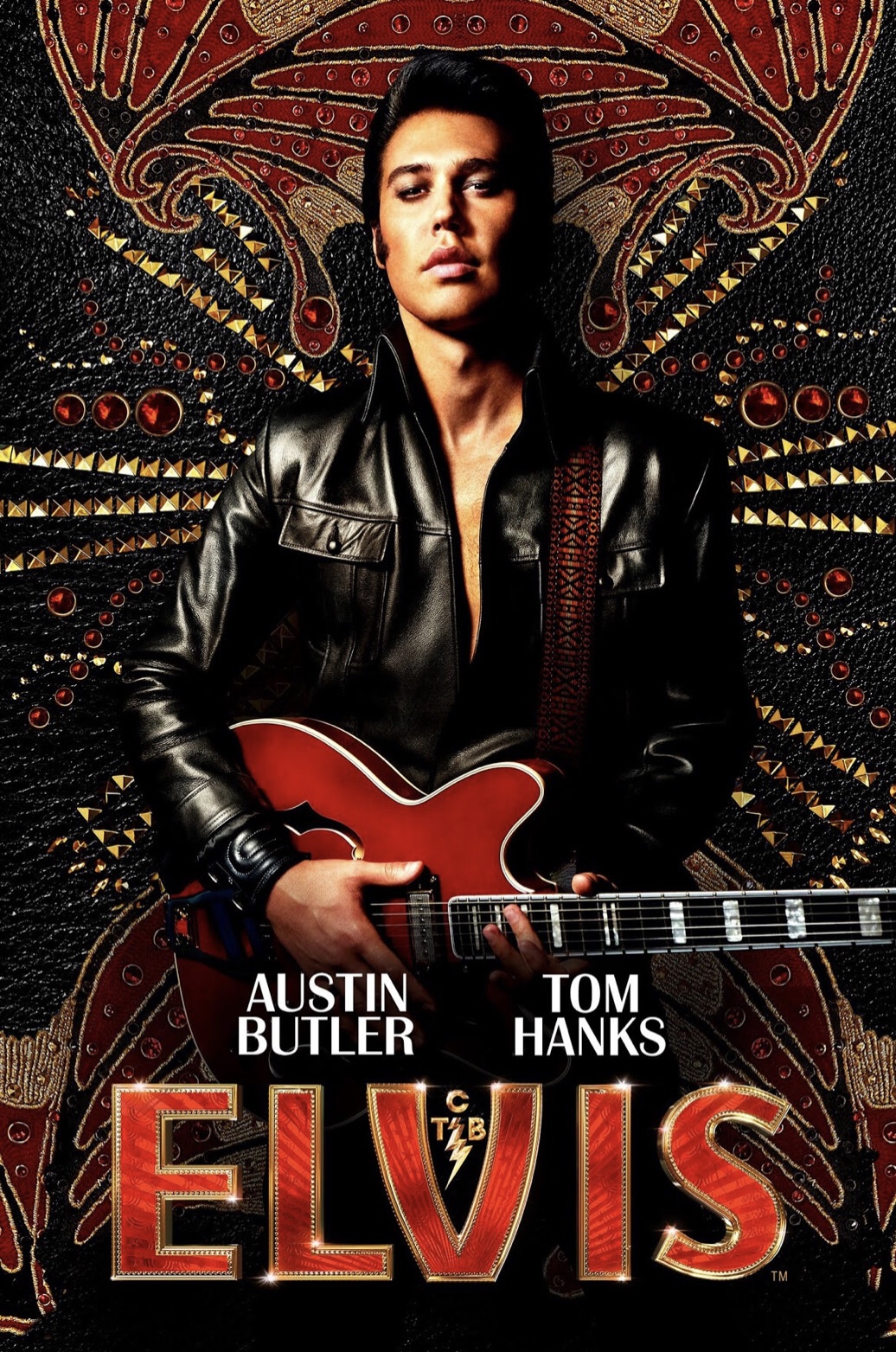
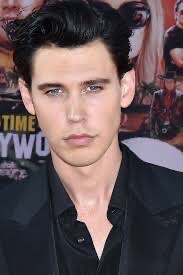
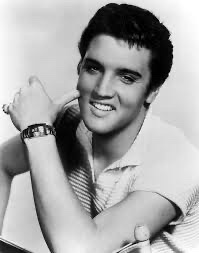
The film explores the life and music of Elvis Presley (Austin Butler), seen through the prism of his complicated relationship with his enigmatic manager, Colonel Tom Parker (Tom Hanks). The story delves into the complex dynamic between Presley and Parker spanning over 20 years, from Presley’s rise to fame to his unprecedented stardom, against the backdrop of the evolving cultural landscape and loss of innocence in America. Central to that journey is one of the most significant and influential people in Elvis’s life, Priscilla Presley (Olivia DeJonge).
Cascade Burn-In Disc (Version 2.0). $28.95. Created by Matthew Bond, Cascade Noise is used to burn-in audio electronics, audio cables and loudspeakers. What makes Cascade Noise really effective is the proprietary combination of pink noise and white noise, percussive pulses at 180 BPM, sweeping sine waves, and pulses of ascending and descending (cascading) multi-octave square waves. The phenomenon called ‘burn-in’ is the conditioning of an audio component with continued use. Cascade Noise is designed to completely condition the capacitive and diode-like effects within audio components and audio cables. In loudspeakers, Cascade Noise will break-in a loudspeaker’s drivers, wiring and crossover. The result is a more coherent and extended high frequency reproduction without glare or distortion. Contact information: matthewbondaudio.com or by phone at 541.727.7675.
The Recording Revolution (https://www.recordingrevolution.com) was founded by me, Graham Cochrane, a freelance recording and mix engineer living in Tampa, Florida. As a life long singer/songwriter and musician my passion for recording and mixing has grown from the bedroom studio, to university (where I studied audio production), to multi-million dollar studios, to fortune 500 software companies, and all the while freelancing for artists and bands world wide. If you’re looking for the truth about what it takes to get great sounding recordings and mixes in your home studio, then you’re going to love my way of thinking and teaching.
Whether you’re a semi-pro or a late night home studio adventurer, you probably want to make great sounding music and you don’t want to spend a boat load of money. Good thing you’re living through a true “revolution” in the recording industry. We live in an unprecedented age of recording music. With studio gear so affordable and computers becoming increasingly powerful, you can now have everything you need to record and produce top notch music in your home for practically next to nothing. This has opened doors for musicians and bands to push their creativity to new heights without the burden of being “on the clock” in a commercial studio. You likely already have all the gear you could need to make killer recordings. You just need the training. But who wants to sift through the thousands of books, magazines, interviews, online articles, videos, and blog posts to learn the best methods to recording and mixing?
There are (37) singers/bands that competed in this year’s contest (from thirty-seven countries). Here are the final results with the singer’s names, the song titles and YouTube links:
Loreen Lorine Talhaoui – 39 years old Photo credit: The Local Sweden
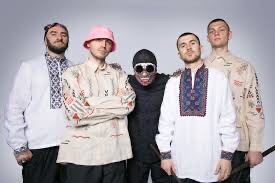
The winner in 2022 was the band Kalush which is an Ukrainian rap group formed in 2019. The group consists of founder and rapper Oleh Psiuk, multi-instrumentalist Ihor Didenchuk, and breakdancer MC KylymMen. Didenchuk is also a member of the electro-folk band Go_A, which represented Ukraine in the Eurovision Song Contest 2021. One of their hits is: “Stefania” (https://youtu.be/UiEGVYOruLk).
Photo Credit: Rolling Stone UK
History of Eurovision
The Eurovision Song Contest is one of the longest running television shows in the world and celebrated its 66th anniversary this year. The first show aired on 24th May 1956 and since then it has embedded itself in European tradition and is without doubt one of Europe’s most treasured TV shows and a guilty pleasure of many. With six decades of history, well over 1000 songs have been performed on the show by the likes of ABBA, Céline Dion, Cliff Richard and Julio Iglesias. But where did it all begin? It was started by the European Broadcasting Union (EBU) following a meeting in Monaco in 1955, when Marcel Bezençon, a Frenchman working for the EBU, came up with the idea of an international song contest based on the Italian Festival di Sanremo. It was initially conceived as a technological experiment in live television in the days before satellite TV, YouTube and Netflix but was such a huge success that it continued to air annually in Europe, as well as Australia, Canada, Egypt, Hong Kong, India, Jordan, Korea, New Zealand and the United States in more recent years. It continues to grow every year and if you’re a Eurovision fan then you may have noticed that Australia entered the contest (and performed very well) in the 2015 and 2016 shows, and it is anticipated that other non-EU countries may enter in the future, making it a truly global contest. In the early years of the competition, as only a small number of countries participated, all acts performed on the big night and then a televote was opened, allowing viewers to vote for their favourite act, with the exception of their own country. The winner of the public vote was crowned champion and the prize was the privilege of hosting the contest the following year. However, as the competition has grown with more countries entering acts (43 countries in total), there are now several knock-out rounds and semi-finals leading up to the main event, and currently only 26 acts perform on the night, although all 43 participating countries can vote for their favorite. Another change to the format in recent years has been the use of national juries, who professionally judge the acts, with their votes being added to the public vote. These panels were brought in to try to negate political voting, whereby neighboring countries voted for one another, as this was beginning to ruin the results of the show. In a twist to the 2016 contest, the votes of the national juries were presented first by representatives from each participating country, with the televoting points then being added and announced by the show hosts.
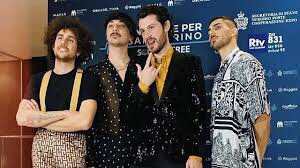
A sample of one country’s singers: Serbia
To give you an idea of the talent levels, I have included the singers from just one country: Serbia. The Serbia’s public broadcaster RTS has revealed the 36 songs competing in ‘Song For Eurovision 22’, alongside the running orders of the semi-finals, and a first look at the new logo! Below are the names of the songs and artists participating in Serbia’s national final but you won’t have to wait very long to hear them… you will be able to listen to all 36 on the RTS Pesma Evrovizije – Zvanični YouTube channel as of 14:00 CET on Tuesday 8 February. The participants will also present their songs on the RTS morning show on a daily basis, starting from Wednesday 9 February.
Song For Eurovision ’22, broadcast dates:
Thursday 3 March: Song for Eurovision ‘22(Semi-Final 1)
Friday 4 March: Song for Eurovision ‘22 (Semi-Final 2)
Saturday 6 March: Song for Eurovision ‘22(Grand Final) ⭐️
Each semi-final will feature 18 songs, with 9 songs qualifying from each for the grand final. In all shows, 50% of the final score will come from televotes and 50% from professional juries.
2. VIS Limunada – Pesma ljubavi (The Song of Love) (https://youtu.be/VBua89S33HY). A six member group. The melody reminds me of an old time favorite: “Mr. Tambourine Man.”
Photo credit: Festival Ulicnih Sviraca
Music: Miodrag Ninić 6 member group. Lyrics: Miodrag Ninić
Music: Zoran Babović Babonja Lyrics: Jelena Živanović (Jelena Zana)
The hosts for all three shows are well known to Eurovision fans in Serbia; Dragana Kosjerina and Jovan Radomir will greet us on the main stage, while Kristina Radenković and Stefan Popović will be in the green room.
Serbia in the Eurovision Song Contest
Serbia debuted as a newly independent nation in 2007, winning the Contest on its first attempt with the classic Balkan ballad Molitva by Marija Šerifović.
Thought it would be interesting for you to compare other sources of rating music. I’ve included fifteen different companies that have recently rated musicians historically over time. The first firms (1-4) most likely are well known to you. The others may or may not be familiar to you.
1. Rollingstone.com: “500 Best Songs of All Time.” Their first ranking came out in 2004. Their latest update was on September 15, 2021. Their No.1 rated song from 1967 is Aretha Franklin’s “Respect” (https://youtu.be/9iayJ8u4Qew).
2. Billboard.com: “Greatest of All Time Music.” They selected The Beatles as their No.1 group. I’ve included their 1965 recording of “Yesterday” for your enjoyment (https://youtu.be/NrgmdOz227I).
3. Spotify.com: “Greatest Music of All Time.” Their list was published in April of 2020. Their No.1 ranked artist was Chris Rea. He has sold over 30 million records. One of his popular 1986 recordings is called “On the Beach.” (https://youtu.be/-yXVufG5oV0).
4. Imdb.com: “Greatest Musicians of All Time.” Their list is not numbered (and, not in alphabetical order). The Beatles are the first band listed. So, I have included their 1995 album “Anthology” (https://youtu.be/bXqMLChVbik).
5. Ranker.com: “The Greatest Musical Artists of All Time.” While they include various popular bands, etc. their No.1 ranked musician is Ludwig van Beethoven. One of his most popular 1811 symphonies was “Piano Concerto No.5 in E Flat Major” (https://youtu.be/p3qfJQGngQc).
6. Musicgrotto.com: “51 Best Songs of All Time.” They ranked Nirvana’s 1991 “Smells Like Teen Spirit” No.1. (https://youtu.be/hTWKbfoikeg).
7. Thetoptens.com: “Greatest Music Artists of All Time.” Like Billboard and Imbd, they also rated The Beatles No.1 on their list. Here is their 1968 recording of “Hey Jude” (https://youtu.be/A_MjCqQoLLA).
8. Xpn.org: “All Time Greatest Songs.” Its their 2020 Countdown. Their theme is: Rhythms not Algorithms. They have an FM radio station (88.5). Their No.1 rated 1975 song is: “Thunder Road” by Bruce Springsteen (https://youtu.be/UDIDawmeeI0).
9. Joe.ie.com: “50 Most Iconic Songs of All Time.” Like Musicgrotto.com, they also rated Nirvanna’s1991 “Smells Like Teen Spirit” as their No.1 song. (https://youtu.be/hTWKbfoikeg).
10. Thedelite.com: “Top Rated Songs.” On May 14, 2021, they published that their No.1 rated song was “Imagine” in 1971 by John Lennon and the Plastic Ono Band. (https://youtu.be/YkgkThdzX-8).
12. Timeout.com: “Absolute Best Music Videos of All Time.” Their list was updated on January 17, 2022. As Popvortex rated 1982 “Thriller” by Michael Jackson No1 (for the 80s), so did Timeout. (https://youtu.be/sOnqjkJTMaA). This video was made in 1983.
13. Yardbarker.com: “50 Greatest Music Videos of All Time.” Their No.1 rated video was the 1965 song “Subterranean Homesick Blues” by Bob Dylan. (https://youtu.be/MGxjIBEZvx0).
14. Slantmagazine.com: “100 Greatest Music Videos of All Time.” Their ranking was updated on November 15, 2021. Steve Parron’s 1985 song “Take Me On” by A-lta was their No.1 recording (https://youtu.be/djV11Xbc914).
15. Rockonthenet.com: “100 Greatest Music Videos Ever Made.” Just like Popvortex and Timeout, Rockonthenet rated Michael Jackson’s 1982 “Thriller” No.1. (https://youtu.be/sOnqjkJTMaA).
America’s Got Talent (often abbreviated as AGT) is a televised American talent show competition, and is part of the global Got Talent franchise created by Simon Cowell. The program is produced by Fremantle USA and Syco Entertainment, distributed by the former, and broadcast on the NBC television network, premiering on June 21, 2006, after plans for a British edition in 2005 were suspended following a dispute within the British broadcaster ITV; production would later resume in 2007, following the success of the first season. Each season is mainly run during the network’s summer schedule, and has featured various hosts over the course of the program’s history; the current host is Terry Crews.
The Golden Buzzer is a concept that was introduced in Season 9 of America’s Got Talent. Each judge may press their Golden Buzzer only once during the season. In Season 9, the Golden Buzzer sent the act to the next round regardless of the other judges’ votes; its main purpose was to break ties. In Season 10, the Golden Buzzer was upgraded to send an act straight to the live shows. This method continues on for the next several seasons. From Season 11 onwards, the host can use the Golden Buzzer to send an act straight to the live shows. Here are (13) of the most talented singers when they received their golden buzzers:
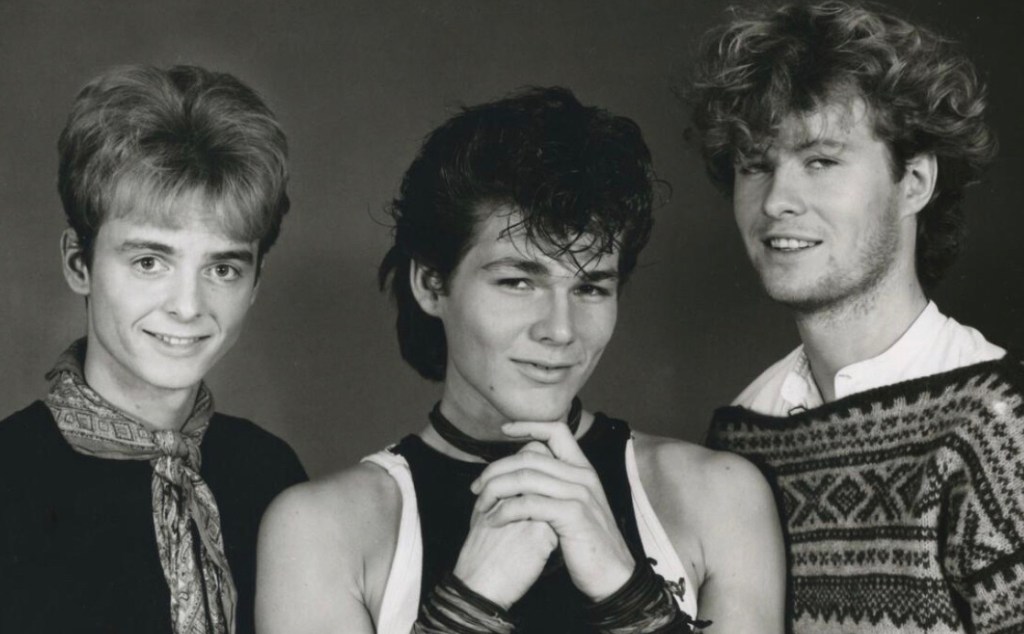
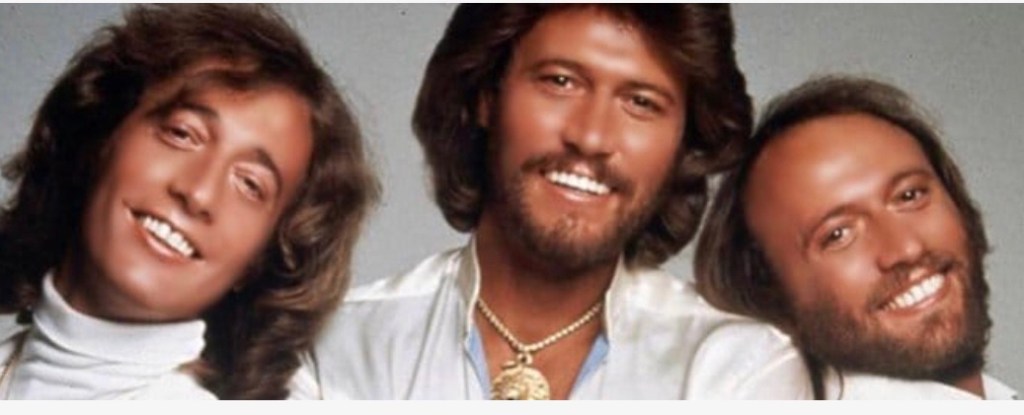
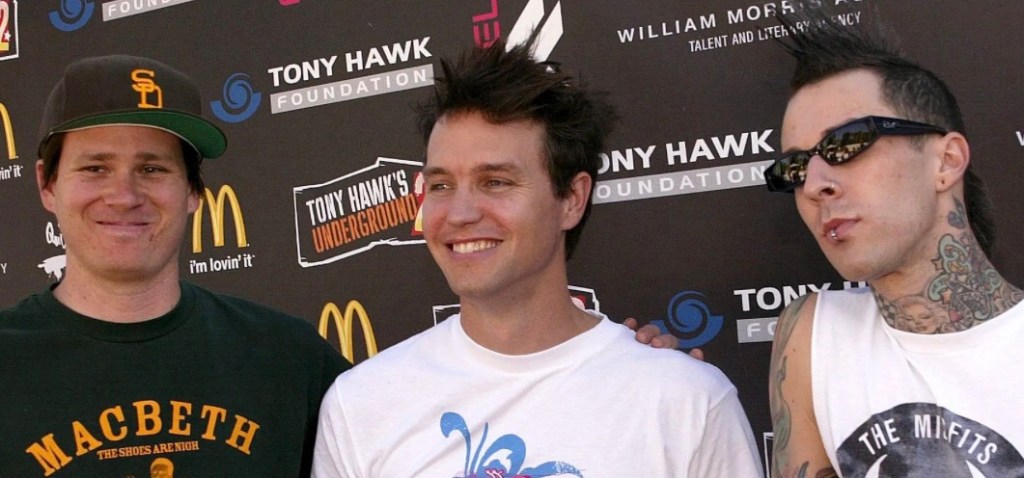
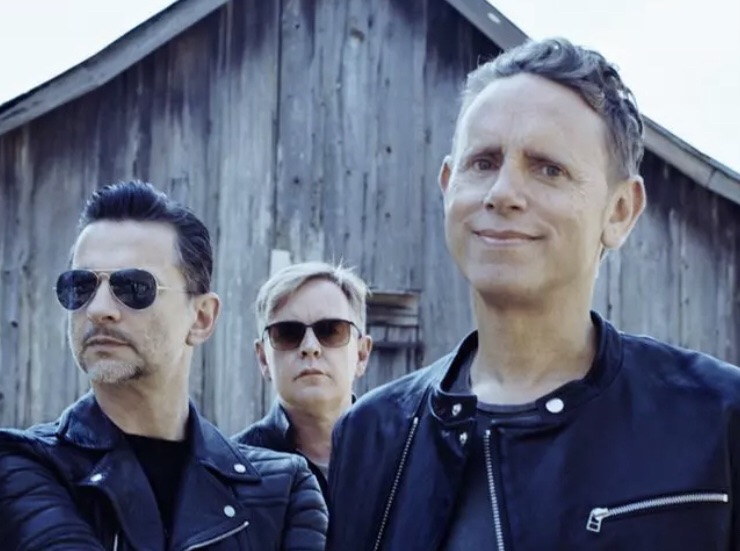
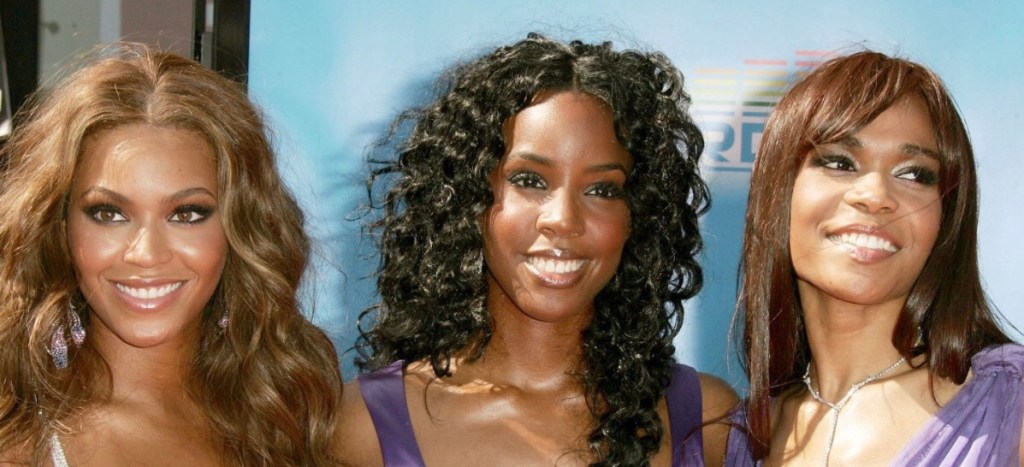
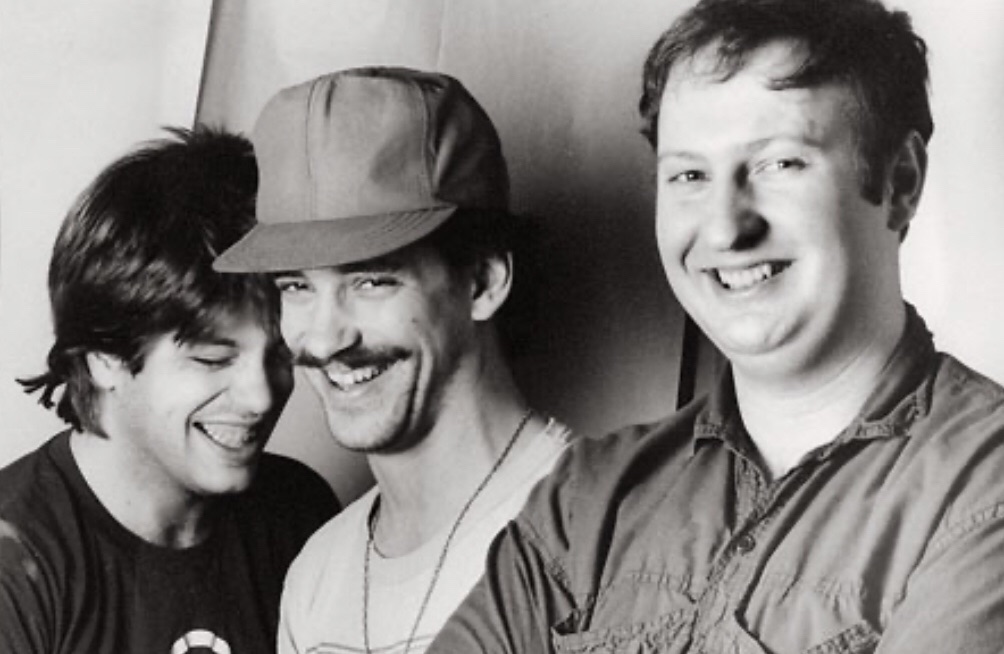
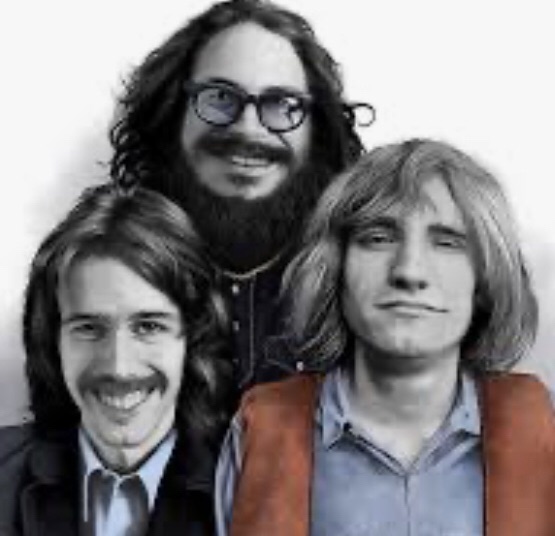
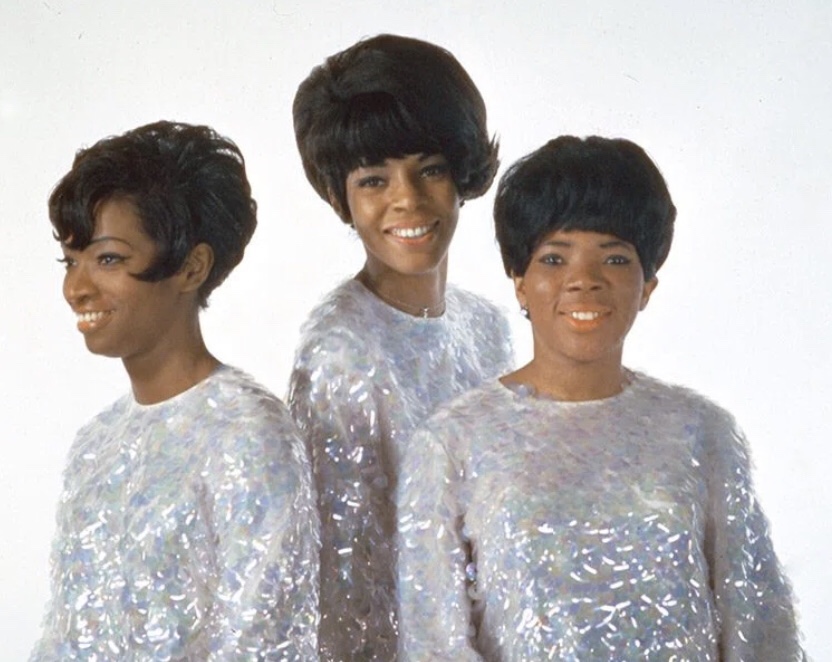
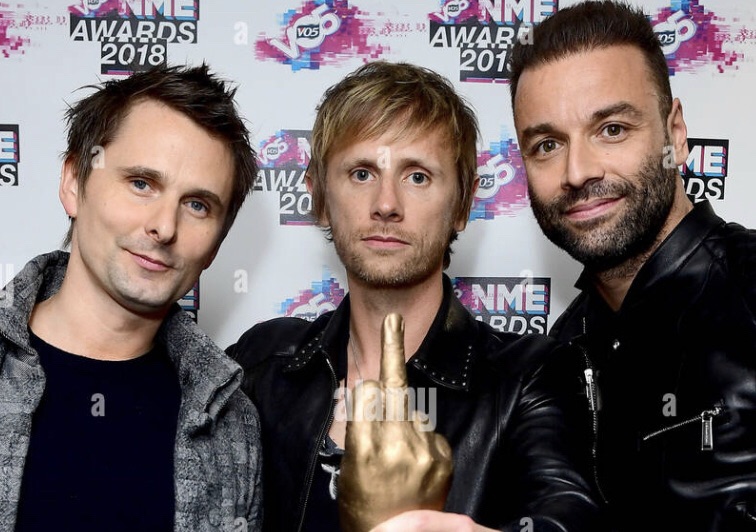
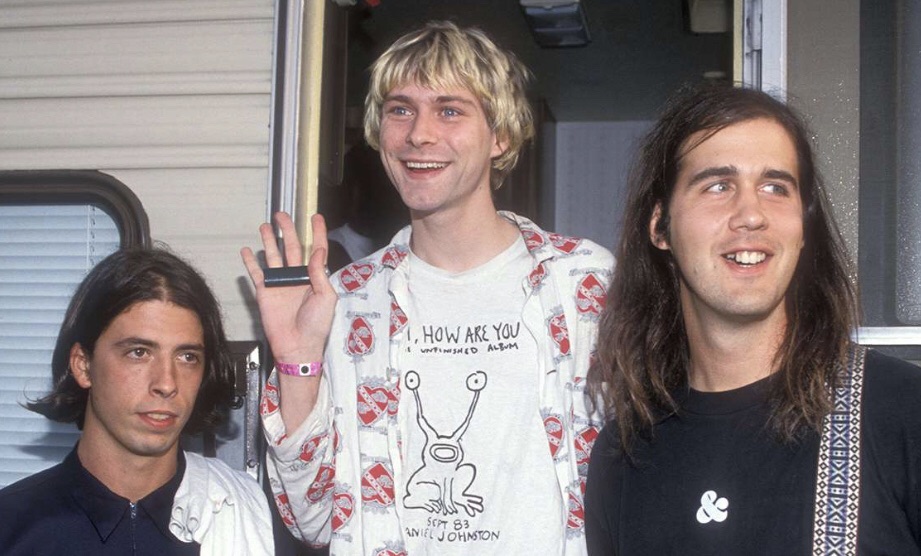
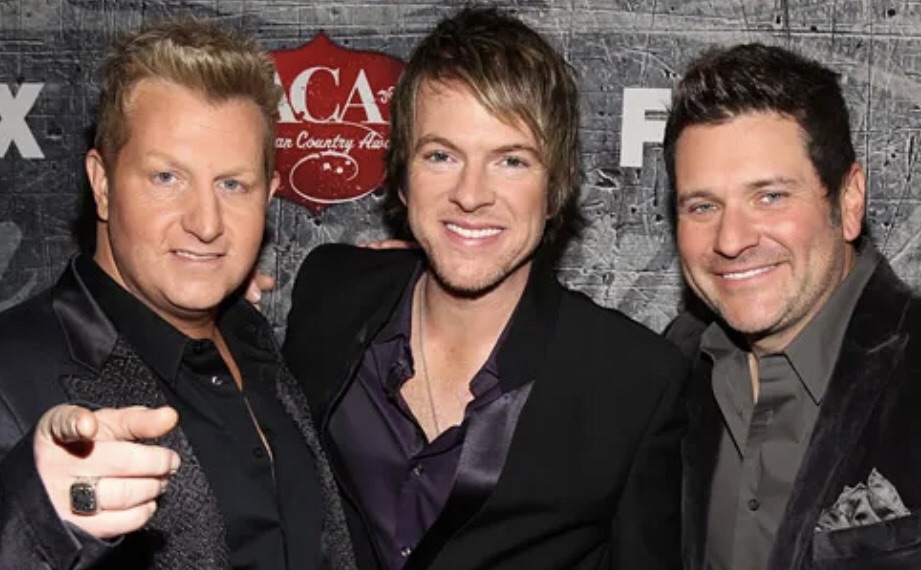
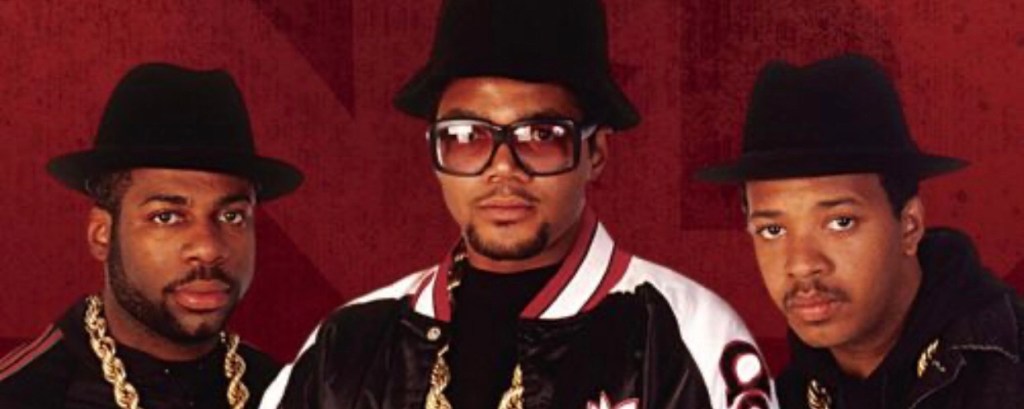
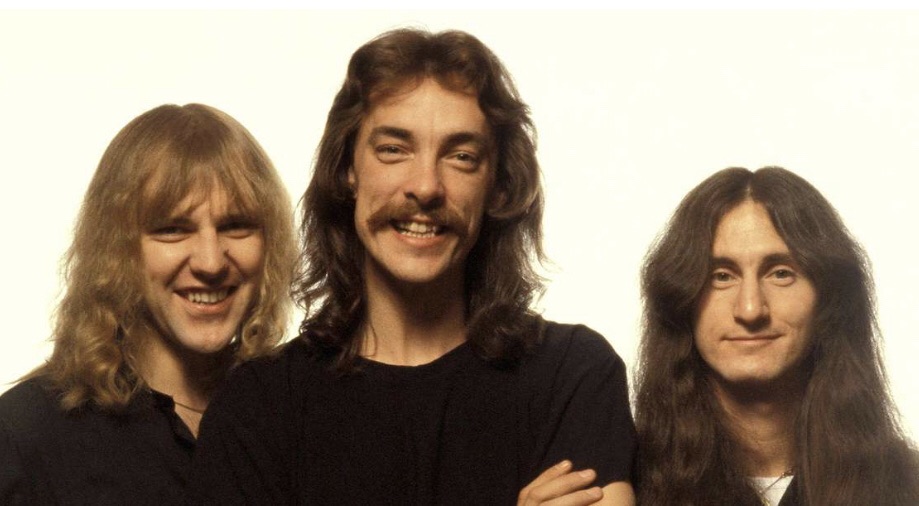
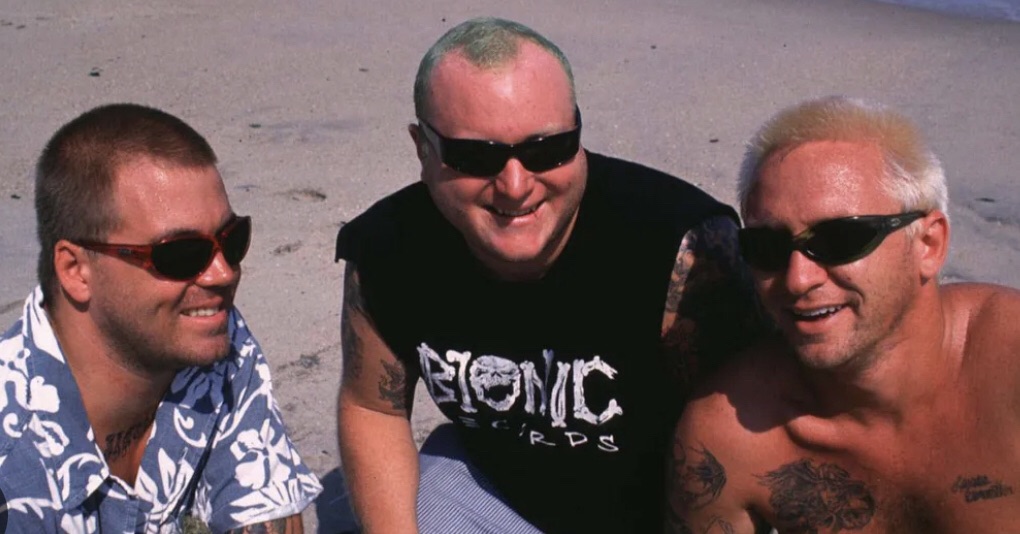
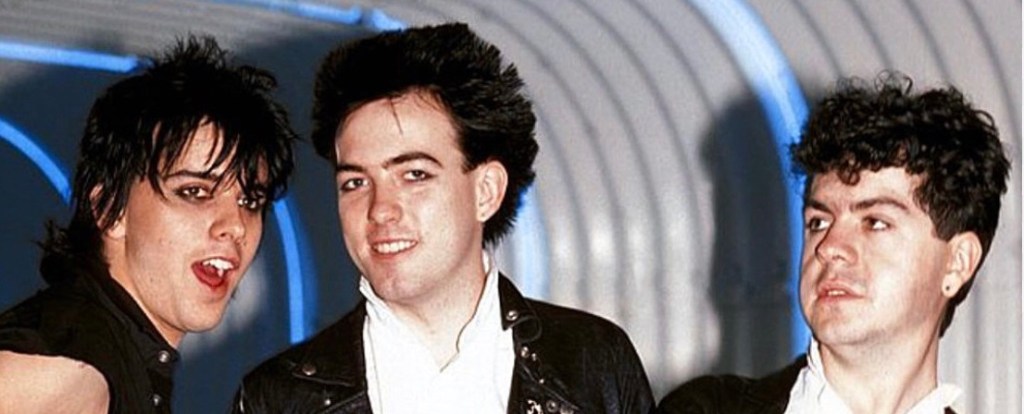
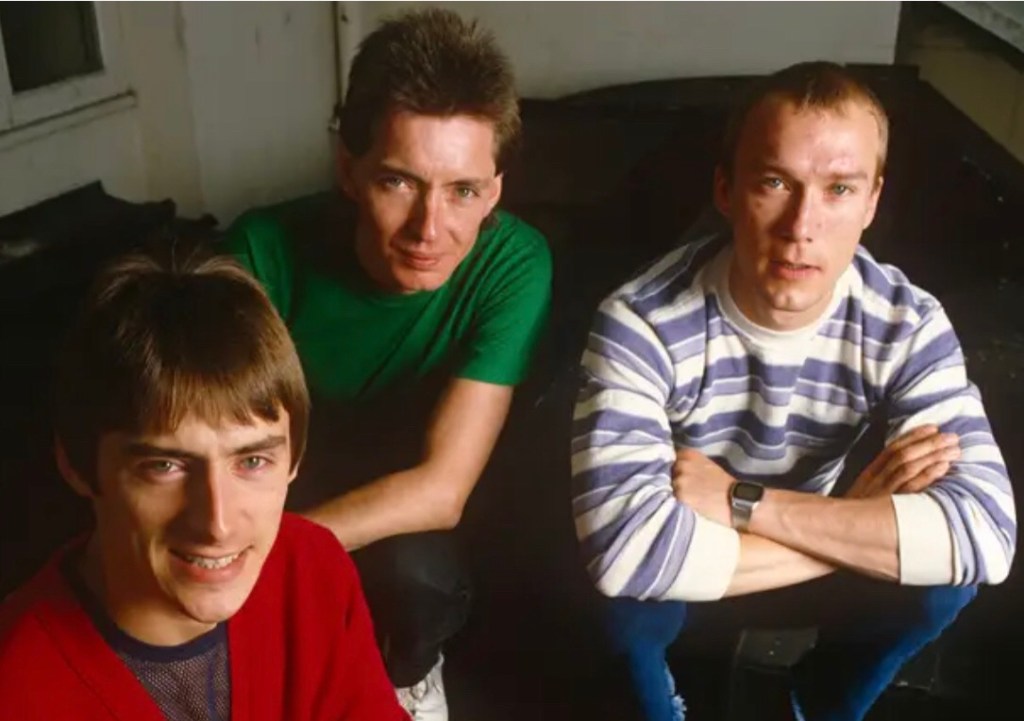
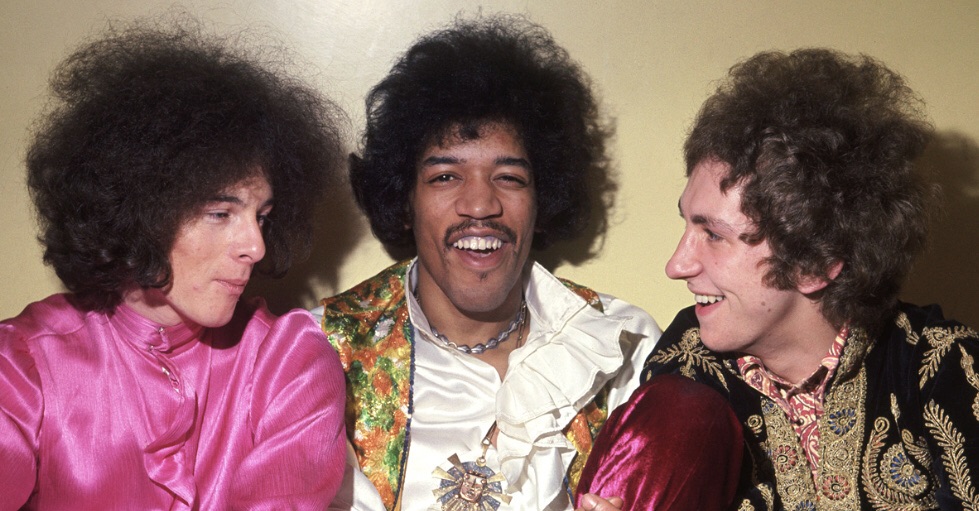
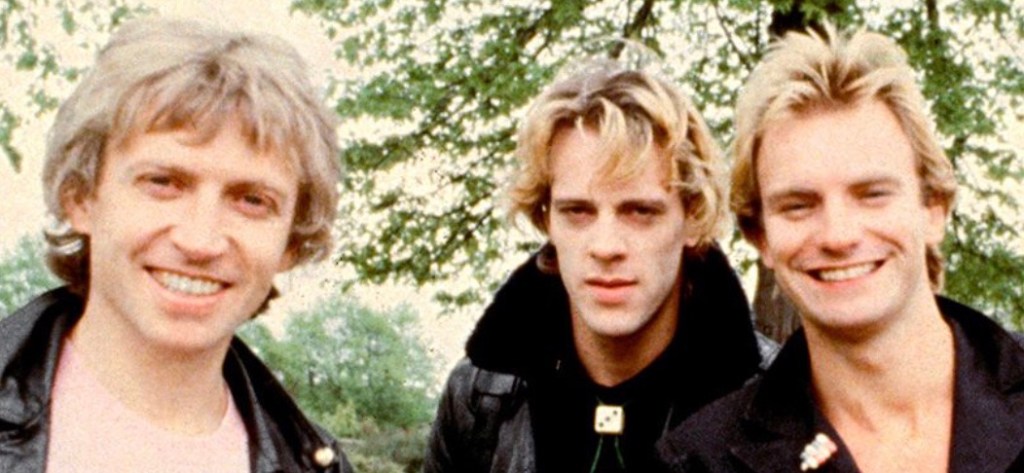
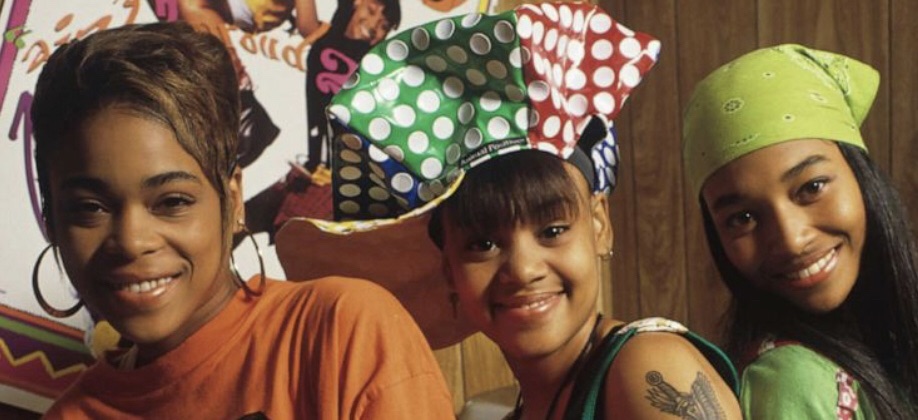
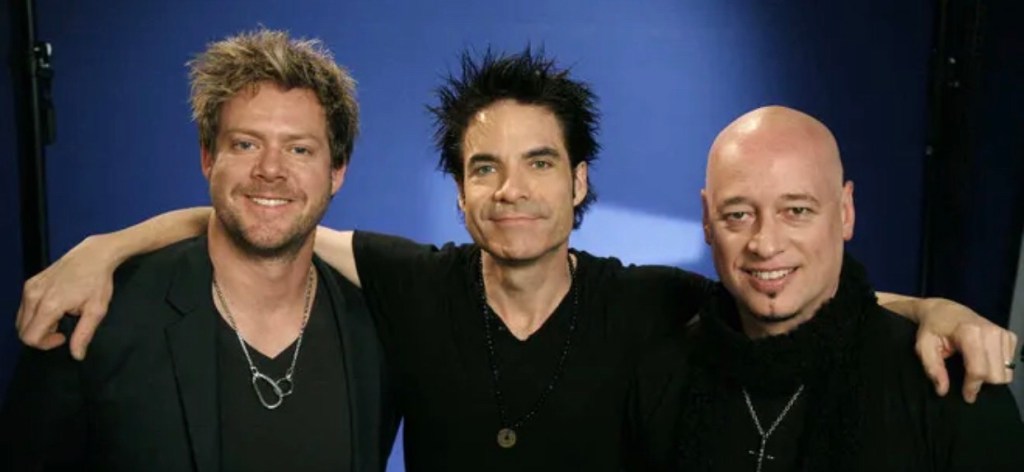
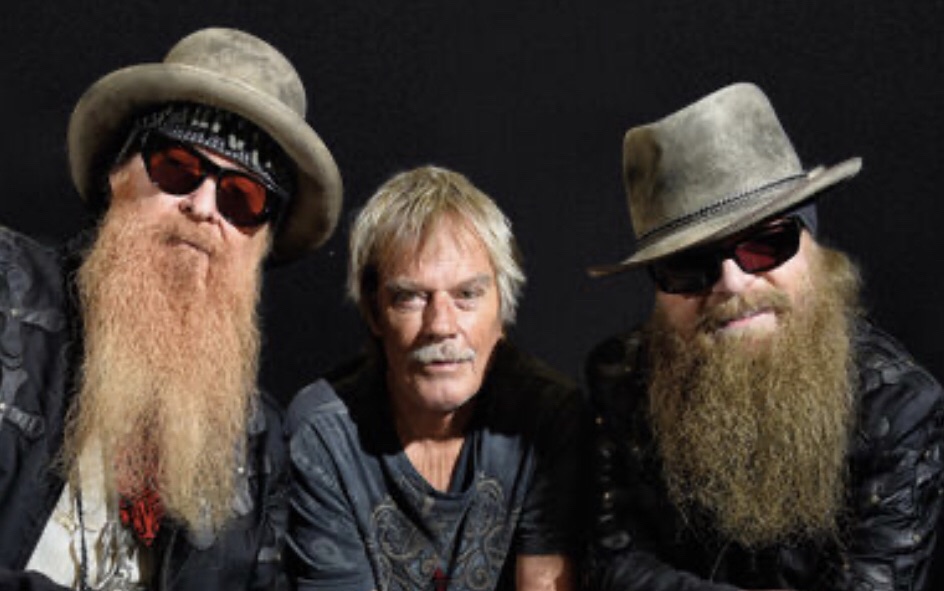
A-Ha 1985; The Bee Gees 1978; Black Motorcycle Club 2013; Blink- 182 1999; Chevelle 2002; Cream (Eric Clapton); Crisby, Stills & Bash 1969; DeCastro Sisters 1954; Depache Mode 2001; Destiny’s Child (Beyonce Knowles); Denning Sisters 1942; Dion & The Belmonts 1957; Dixie Chicks 1975; Double Trouble (Stevie Ray Vaughn); Emerson, Lake & Palmer; Fontane Sisters 1954; Genesis (Phil Collins) 1978; Goo Goo Dolls 1998; Grand Funk Railroad 1973; Green Day 2005; Haim 2017; Husker Du 1983; James Gang 1971; Kingston Trio 1958; Lambert, Henricks & Ross 1957; Manic Street Preachers 1988; Martha & The Vandellas 1957; Motorhead 1980; MUSE 2003; Nirvana 1991; Peter, Paul & Mary 1961; Rascal Flatts 2004; Run-D.M.C. 1986; RUSH 1976; Sublime 1996; The Andrew Sisters 1941; The Boswell Sisters 1930; The Cure 1986; The Jams 1980; The Jimi Hendrix Experience 1967; The Impressions (Jerry Butler) 1958; The Lettermen 1959; The McGuire Sisters 1959; The Police 1979; The Sangri-Las 1964; The Ronettes 1957; The Supremes 1959; The Three Degrees 1963; TLC 1994; Train 2001; Yeah Yeah Yeahs 2096 and ZZ Top 1983.
The DeCastro Sisters (1946-1954) began as a Latin-flavored trio and were protegees of Carmen Miranda. They eventually became more Americanized in their performances and added comedy. The biggest hit single for the group was “Teach Me Tonight” (https://youtu.be/A1o57qfBV54), in 1954. The song reached No. 2 in the United States, and the follow-up, “Boom Boom Boomerang (song)|Boom Boom Boomerang”, reached No. 17. The group is referenced in an episode of The Sopranos, “Do Not Resuscitate”, as one of the only music groups that matriarch Livia actually likes, along with Mario Lanza. The three original DeCastro Sisters — Peggy, Cherie and Babette — were raised in Havana, Cuba, in a family mansion that was seized by Fidel Castro during the Cuban revolution and is now used as the Chinese Embassy. Their mother, Babette Buchanan, was a Chicago-born Ziegfeld Follies showgirl who married the wealthy Cuban aristocrat Juan Fernandez de Castro, owner of a large sugar plantation in the Dominican Republic, where first daughter Peggy was born. De Castro later developed radio and television in Cuba with David Sarnoff, who was often a guest at their home and was also in charge of a planned project under the Batista regime to build a canal through Cuba, which never materialized.
Active from the late 1930s to 1955. In 1942, the sisters appeared regularly on NBC radio, and had made an appearance in the 1942 Ozzie Nelson film Strictly in the Groove. In 1943, the group was signed by Capitol Records to be that label’s answer to The Andrews Sisters, who recorded exclusively for Decca Records. Lucille (Lou) Dinning once said, “Let’s face it, the Andrews Sisters were way ahead of us. We tried our darndest to be as commercial as they were, but weren’t flashy enough. We were all kind of shy. We came from a farm in Oklahoma. We never took dancing lessons or anything.” The Dinnings sounded rather like The Andrews Sisters in fast-paced recordings such as the boogie-woogie influenced “Pig Foot Pete”, as well as “Down in the Diving Bell”, “The Hawaiian War Chant”, and “They Just Chopped Down the Old Apple Tree”, an “answer” song to “Don’t Sit Under the Apple Tree (With Anyone Else but Me)”. Their highest charted song (#5) was “Buttons and Bows”(https://youtu.be/WYbBgZrHmkg). The Dinning sound could also be compared, especially in slower ballads, to the soft blend of The Lennon Sisters, who appeared in the 1950s on The Lawrence Welk Show.
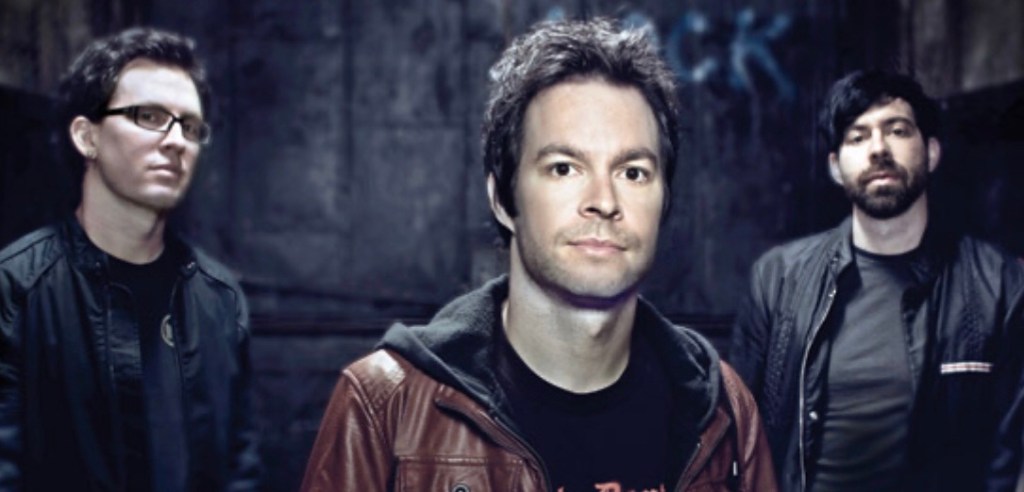
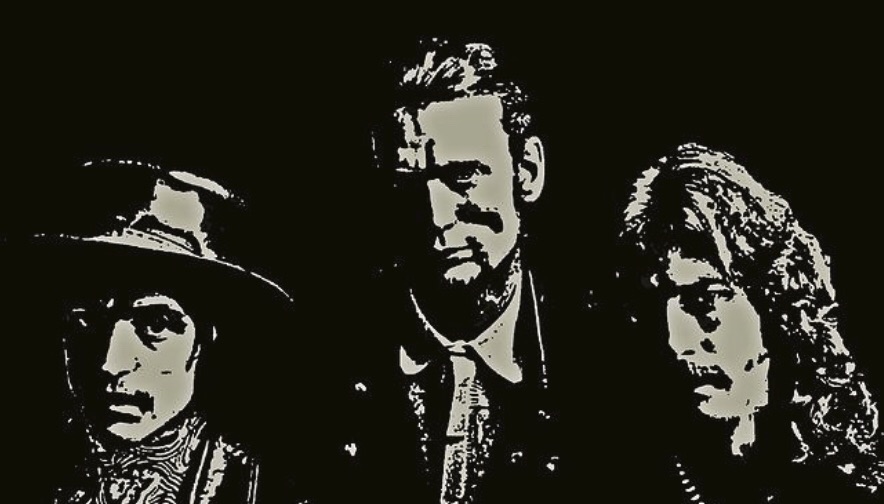
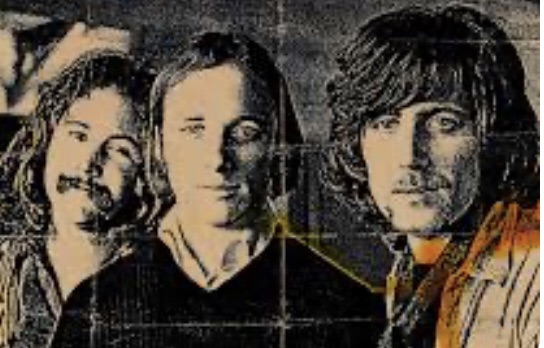
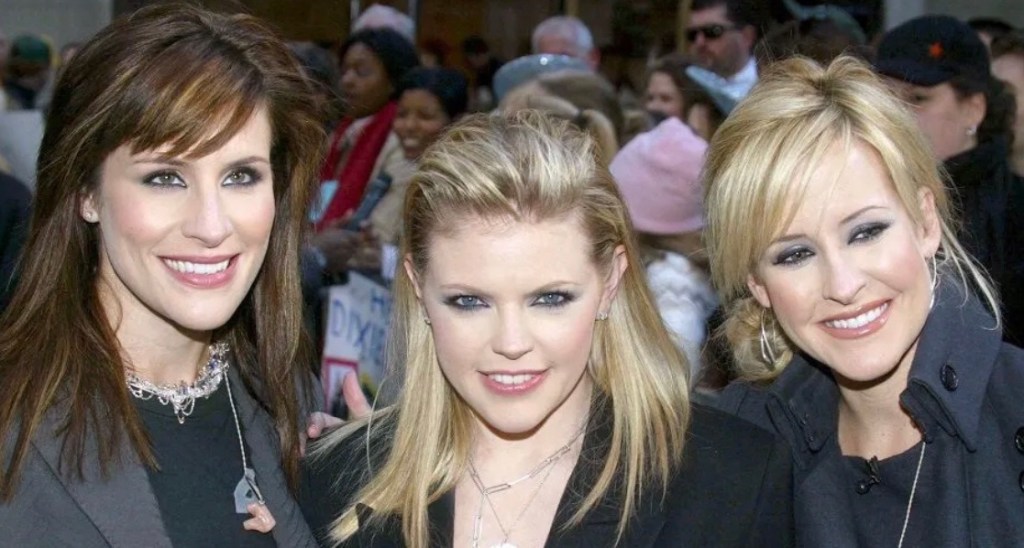
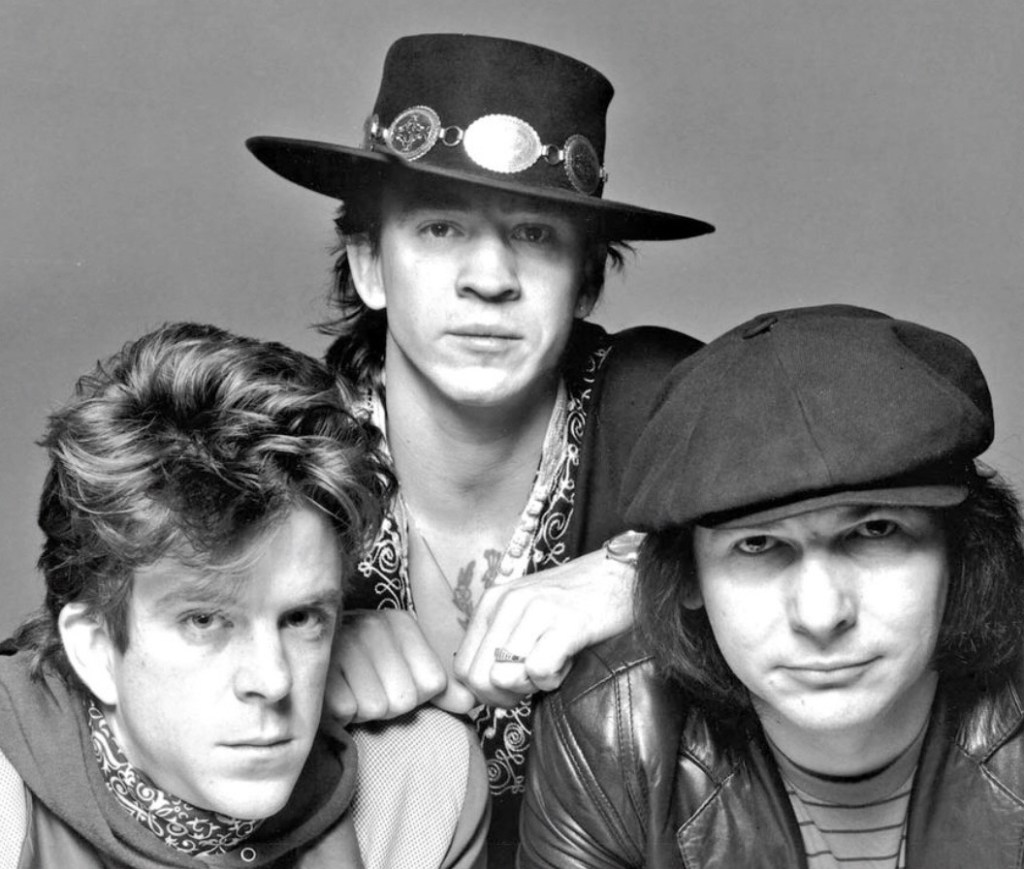
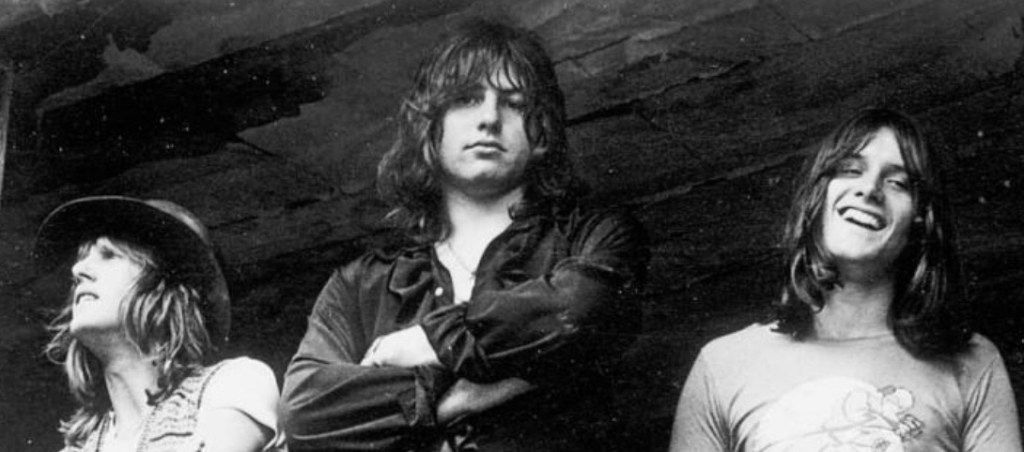
Dixie Chicks “Landslide” 1975 (cover of Fleetwood Mac song) https://youtu.be/J4_wXPZ1Bnk?feature=shared Photo credit: VarietyDouble Trouble (& Stevie Ray Vaughn) “Crossfire” 1989 https://youtu.be/t54xyIcgbks?feature=shared Note: He and his band were killed in a helicopter crash in East Troy, WI on August 27, 1990 after performing at the Alpine Valley Music Theatre. Photo credit: The Delete BinEmerson, Lake and Palmer “From the Beginning” 1972 https://youtu.be/Wp8UlgvCVlI?feature=shared Photo credit: The Arts Desk
The group chose the name of Fontaine from a French-Canadian great-grandmother. They cut two singles for Musicraft Records in 1946, and then worked on sustaining (non-sponsored) programs for NBC, meeting and working with Perry Como soon after he came to the network. They cut two No1 hits with Como: “You’re Adorable” and “Hoop Dee Doo.” Then, in 1954 recorded their last No1 hit: “Hearts of Stone”(https://youtu.be/krPfRvBiNrE). Word reached the sisters, then in Chicago for NBC, that “Supper Club” would be making cast changes; they were eager for a chance to join Como’s show, which also meant being closer to their home. Beginning in the summer of 1948, they were featured on his radio and TV show known as The Chesterfield Supper Club and later (1950–1954) as The Perry Como Show. The trio also did appearances on Chesterfield Sound Off Time when the program originated from New York; however, the television show lasted only one season.
The Kingston Trio is an American folk and pop music group that helped launch the folk revival of the late 1950s to late 1960s. The group started as a San Francisco Bay Area nightclub act with an original lineup of Dave Guard, Bob Shane, and Nick Reynolds. It rose to international popularity fueled by unprecedented sales of LP records and helped alter the direction of popular music in the U.S. The Kingston Trio was one of the most prominent groups of the era’s pop-folk boom that started in 1958 with the release of their first album and its hit recording of “Tom Dooley” (https://youtu.be/VhXuO4Gz3Wo) (RQ 9), which sold over three million copies as a single. The Trio released nineteen albums that made Billboard’s Top 100, fourteen of which ranked in the top 10, and five of which hit the number 1 spot. Four of the group’s LPs charted among the 10 top-selling albums for five weeks in November and December 1959,a record unmatched for more than 50 years, and the group still ranks in the all-time lists of many of Billboards cumulative charts, including those for most weeks with a number 1 album, most total weeks charting an album, most number 1 albums, most consecutive number 1 albums, and most top ten albums. In 1961, the Trio was described as “the most envied, the most imitated, and the most successful singing group, folk or otherwise, in all show business” and “the undisputed kings of the folksinging rage by every yardstick”. The Trio’s massive record sales in its early days made acoustic folk music commercially viable, paving the way for singer-songwriter, folk rock, and Americana artists who followed in their wake.
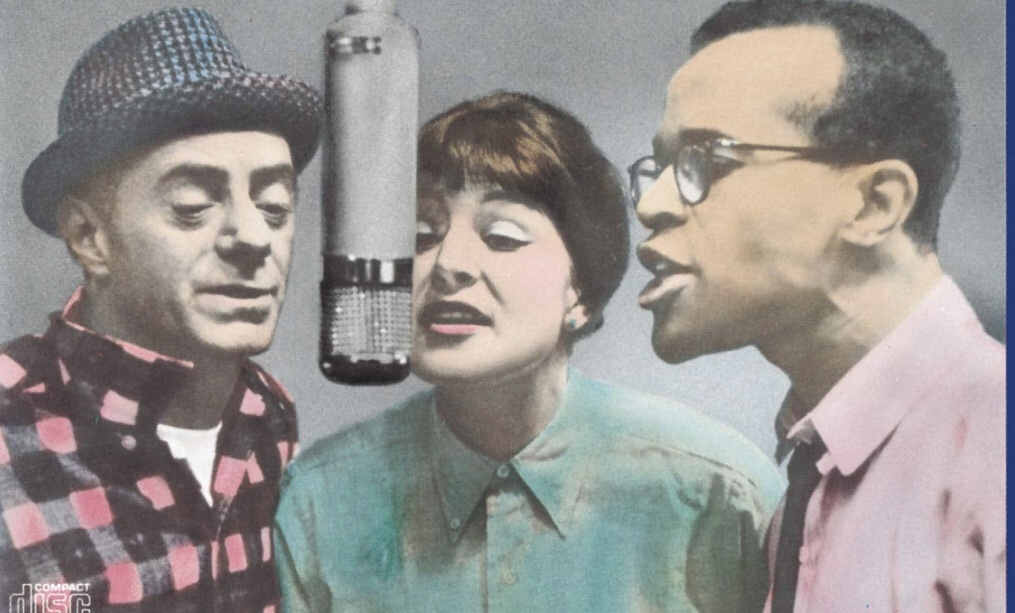
Lambert, Henricks & Ross (1957-1964) Photo Credit: amazon.com
Lambert, Henricks & Ross were formed in 1957 and recorded their first album Sing a Song of Basie for ABC-Paramount Records. The album featured versions of Count Basie standards and was successful enough that the Count Basie Orchestra collaborated with them on Sing Along With Basie (1959). Sing a Song of Basie was awarded a Grammy Hall of Fame Award in 1998. Beginning in 1959, the trio recorded three LPs with Columbia Records. They recorded a version of Ross’s 1952 song “Twisted”, featuring her lyrics set to a Wardell Graymelody. Their High Flying album won a Grammy Award for Best Performance by a Vocal Groupin 1962. They also recorded “Mornin’ (https://youtu.be/Bah68kQlnAQ). Lambert, Hendricks & Ross were voted Best Vocal Group in the Down Beat Readers Poll from 1959 to 1963.
Peter, Paul & Mary (1961-1970) One of three No1 hits: “Blowin in the Wind” https://youtu.be/1Hhi0i0UDS0 See Post #30 for greater details Photo Credit: americansongwriter.com
The Andrews Sisters (1925-1967) Photo Credit: singers.com
The Andrews Sisters were an American close harmony singing group of the swing and boogie-woogie eras. The group consisted of three sisters: contralto LaVerne Sophia (July 6, 1911 – May 8, 1967), soprano Maxene Anglyn (January 3, 1916 – October 21, 1995), and mezzo-soprano Patricia “Patty” Marie (February 16, 1918 – January 30, 2013). The sisters have sold an estimated 80 million records. Their 1941 hit “Boogie Woogie Bugle Boy” (https://youtu.be/sJTvO6XbaX4) can be considered an early example of jump blues. Other songs closely associated with the Andrews Sisters include their first major hit, “Bei Mir Bist Du Schön (Means That You’re Grand)” (1937), “Beer Barrel Polka (Roll Out the Barrel)” (1939), “Beat Me Daddy, Eight to the Bar” (1940), “Don’t Sit Under the Apple Tree (With Anyone Else but Me)” (1942), and “Rum and Coca Cola” (1945), which helped introduce American audiences to calypso.
The Boswell Sisters were an American close harmony singing trio of the jazz and swing eras, consisting of three sisters: Martha Boswell (June 9, 1905 – July 2, 1958), Connee Boswell (original name Connie, December 3, 1907 – October 11, 1976), and Helvetia “Vet” Boswell (May 20, 1911 – November 12, 1988). Hailing from uptown New Orleans, the group blended intricate harmonies and song arrangements featuring effects such as scat, instrumental imitation, ‘Boswellese’ gibberish, tempo and meter changes, major/minor juxtaposition, key changes, and incorporation of sections from other songs. They attained national prominence in the United States in the 1930s during the twilight of the Jazz Age and the onset of the Great Depression. Their lone No1 hit was: “The Object of My Affection” (https://youtu.be/aEZqNidWlfs).
The Boswell Sisters (1925-1936) Photo Credit: songbook1.wordpress.com
The Impressions – Jerry Butler (1958-2018) Their highest charted song (#3): “For Your Precious Love” https://youtu.be/i_yZIcLBqIU For more detailed information see Post #6 Photo Credit: deezer.com
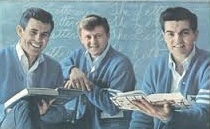
The Lettermen (1959- ) No36 Charted song in 1961: ”The Way You Look Tonight” https://youtu.be/Np6BbA6z3eE For more information see Post #36 Photo Credit: recordsale.de
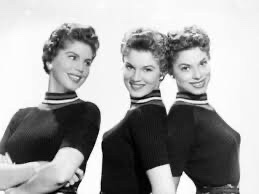
The McGuireSisters (1952-1968) No1 charted song: “Sincerely” https://youtu.be/mACgf6TXI7I For more information see Post #17 Photo Credit: extratv.com
The Shangri-Las (1963-1968) No1 Song: “Leader of the Pack” https://youtu.be/BWIf4Ifk6aQ For more information see Post# 14 Photo Credit: npr.org
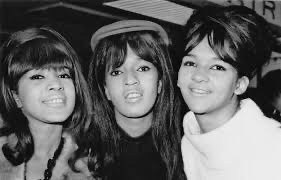
The Ronettes (1957-1967) No2 hit: “Be My Baby” (https://youtu.be/jSPpbOGnFgk) For more information see Post #51 Photo Credit: cbc.ca
The Supremes (1959-1977) One of twelve No1 hits: “Baby Love” https://youtu.be/Yd43nWkgUzg For more information see Posts #s 15 and 17 Photo Credit: theguardian.com
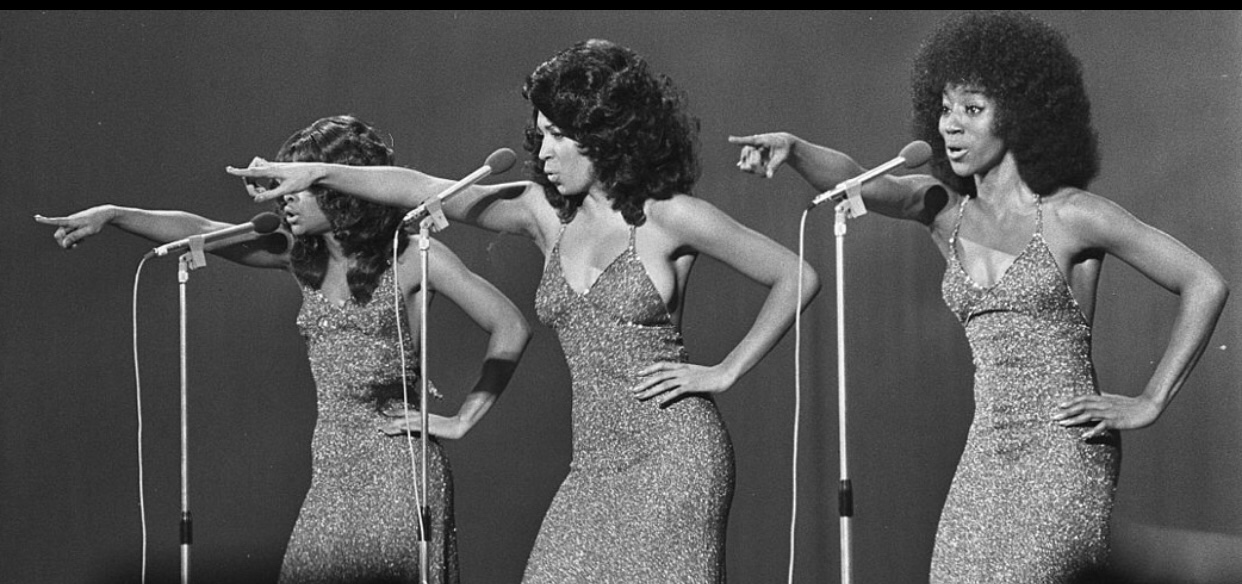
The Three Degrees (1963- ) Photo Credit: National Achieve – Den Haag
The Three Degrees is an American female vocal group formed circa 1963 in Philadelphia, Pennsylvania. Although 15 women have been members over the years, the group has always been a trio. The current line-up consists of Valerie Holiday, Helen Scott and Freddi Poole. Holiday has been a member since she first joined in 1967, while Scott has been a permanent member since 1976, having been in the group from 1963 to 1966. The group were particularly successful in the UK, achieving 13 Top 50 hit singles between 1974 and 1985. The original members were Fayette Pinkney, Shirley Porter and Linda Turner. Porter and Turner were soon replaced by Janet Harmon and Helen Scott. The line-up from 1967 to 1976 was Pinkney, Valerie Holiday and Sheila Ferguson, who would go on to sing lead on most of the group’s biggest hits. This line-up topped the US Hot 100 as featured vocalists on the MFSB single “TSOP (The Sound of Philadelphia)” in 1974, and had seven UK Top 40 hits, including the 1974 single “When Will I See You Again” (https://youtu.be/3R878g-SppU), which was a huge international hit, reaching the Top 5 in seven countries, including number two in the US and topping the UK Singles Chart. When Pinkney left the group in 1976, she was replaced by a returning Helen Scott. This line-up had four UK Top 20 hits, including “Woman in Love”, which reached number three in 1979. Ferguson left for a solo career in 1986.
NME is short for New Musical Express. NME is a British music, film and culture website and brand. Founded as a newspaper in 1952, with the publication being referred to as a ‘rock inkie’, the NME would become a magazine that ended up as a free publication, before becoming an online brand which includes its website and radio stations.
Recently NME selected their Top100 emerging artists. I listened to their most recent recordings/videos. Then, rated each song from 1-10 (10 being the best). Here are my top picks:
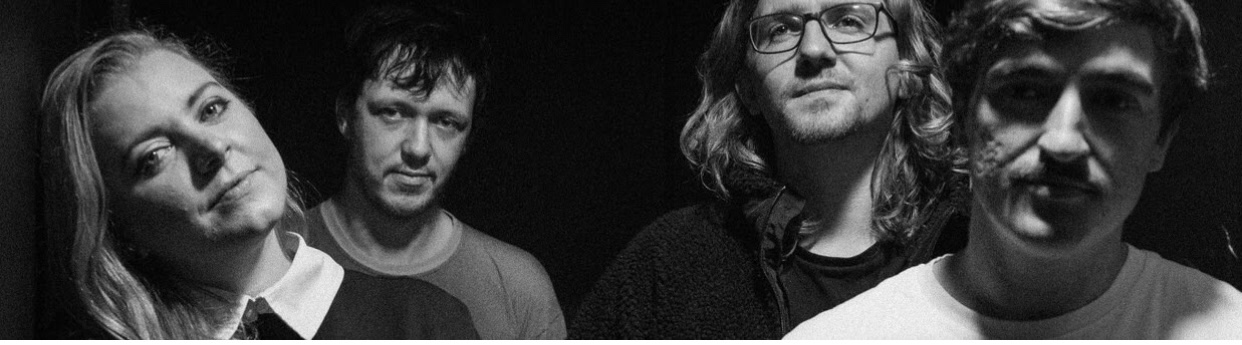
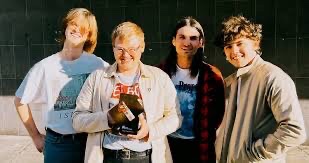
The Sprints (2019- ) From: Dublin, Ireland Photo credit: The Sprints band
This is the only band to receive a 10 rating from me. Atwood Magazine is proud to be premiering SPRINTS’ second single, “The Cheek” (https://youtu.be/IoWw4w-2Tq8) (RQ 9). The Irish punk band’s new track calls out these night-ruiners and barroom creeps on behalf of anyone who’s ever had a good time halted by them — and let’s be honest, who hasn’t? They can really play those guitars!
I also rated 13 artists/bands with a score of 9 (10 of the top 18 artists are from the UK):
Jany Green. From Anchorage, Alaska. Emerging is a bedroom pop-indie rock-soft rap mosaic privileging catchy guitar riffs and gooey bass lines. One of his tunes: “Little” https://youtu.be/6-vi0vGvRgo. California, USA.
The Lathums Photo credit: officialcharts.com
The Lathums (2018- ). An English indie band. A sample song: “All My Life” https://youtu.be/tnYe6hWqfI8. From Wigam, UK.
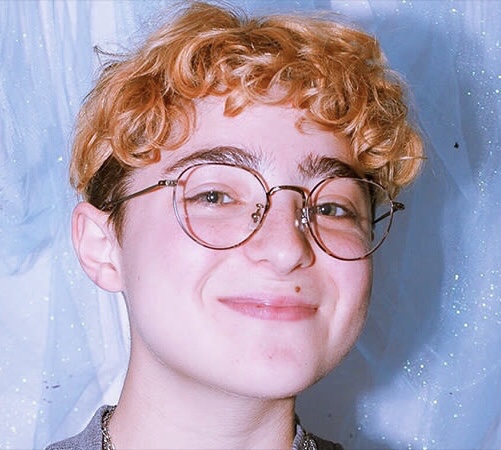
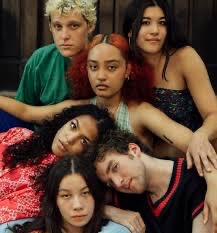
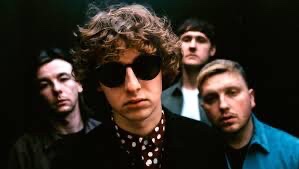
Michelle Band Photo Credit: transgressiverecords.com
Ezra Smoothboi (18 yrs old). The rising musician has been capturing the hearts and ears of listeners all over with their introspective and forward-thinking brand of indie-pop artistry. Sample song: “My Own Person” https://youtu.be/erbr-c8-QbY. From Wicklow, Ireland.
The Snuts Photo Credit: belefasttelegraph.co.uk
The Snuts. A Scottish indie rock band formed in 2015. A sample song: “Juan Belmonte” https://youtu.be/ob_WY0JwOek. From West Lothian, UK.
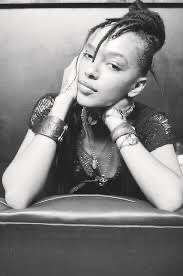
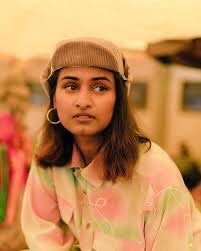
Tiana Major9 Photo Credit: teenvogue.com
Tiana Major9 – born: Tiana Thomas-Ambersley (26 yrs old). Is a British singer-songwriter from London, England. She is currently signed to Motown and gained worldwide recognition with the Grammy nominated single “Collide”, from the Queen & Slim soundtrack. One of her recordings:“Same Space?” https://youtu.be/DQ5xYwtZkK0.
There were four others that I gave a 8+ rating: Gracey (UK), Josie Man (UK), Lucy Deakin (UK) and Meet Me @ The Alter (USA). Daine, from Melbourne, Australia, is the youngest (17) on the list. I gave her song “My Way Out” (https://youtu.be/8JYw6ZyYl2I) a rating of 8.
It is interesting that almost 50% (45) of the artists were given ratings 6 or less. I was surprised at the number of poorly rated artists. Also, there were 24 (7) ratings and 11 (8s).
Dick Clark (American Bandstand) Photo Credit: fineartamerica.com
Theme music is a musical composition that is often written specifically for radio programming, television shows, video games, or films and is usually played during the title sequence, opening credits, closing credits, and in some instances at some point during the program. The soundtrack to the 1937 Walt Disney animated film Snow White and the Seven Dwarfs (https://youtube.com/playlist?list=PL8o0rvYOGGvVgxs5cD9n3Ue–7aVj2dg9) (RQ 10) was the first commercially issued film soundtrack.
There are 9 links to Theme music within this blog:
Harold Adamson 1906-1980. Photo credit: legacy.com
Harold was a lyricist that included songs such as “The Theme from I Love Lucy” (https://youtu.be/VSvpFv0e_W4) which was popular from 1951-1957 and “ Around the World in 80 Days (https://youtu.be/UOKVH4TZS_I).” He wrote more than 50 theme songs in his career. He was inducted into the Songwriters Hall of Fame in 1972.
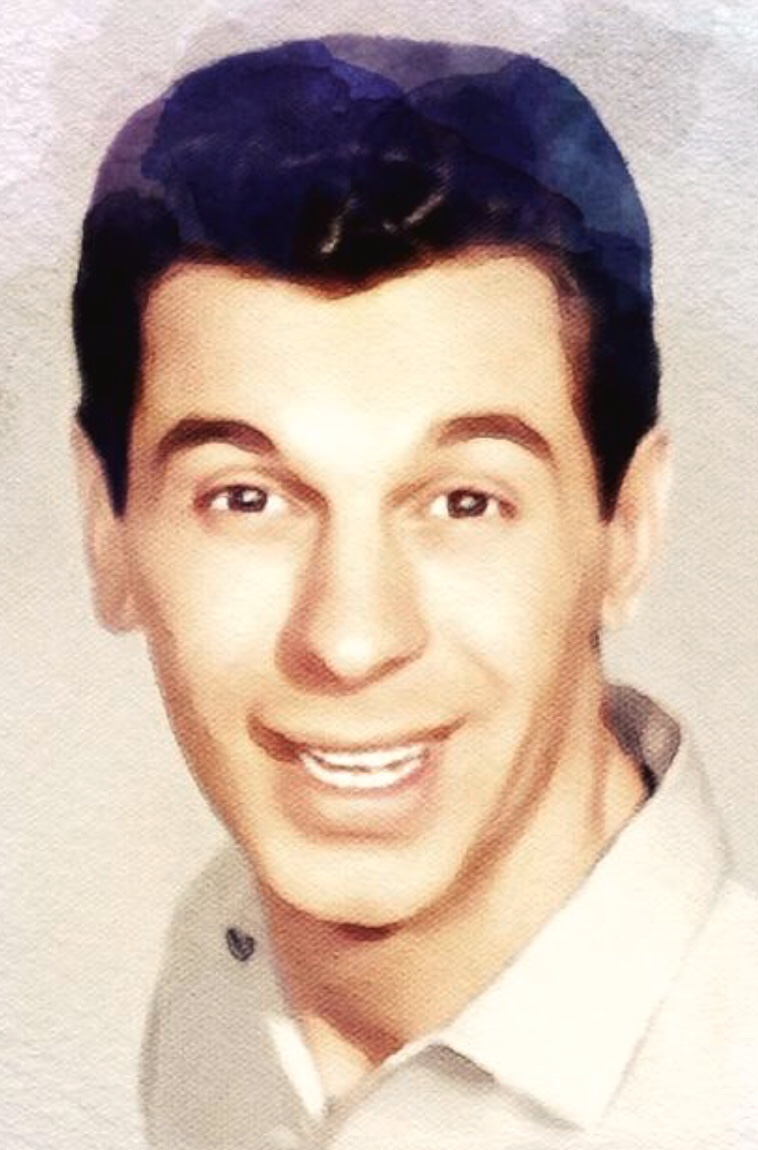
Freddy Cannon (1940- ) Photo credit: pixels.com
Freddy Picariello (stage name: Freddy Cannon) was born in Revere, Massachusetts, moving to the neighboring city of Lynn as a child. His father worked as a truck driver and also played trumpet and sang in local bands. Freddy grew up listening to the rhythm and blues music of Big Joe Turner, Buddy Johnson and others on the radio, and he learned to play guitar. After attending Lynn Vocation High School, he made his recording debut as a singer in 1958, singing and playing rhythm guitar on a single, “Cha-Cha-Do” by the Spindrifts, which became a local hit. He had also played lead guitar on a session for an R&B vocal group, the G-Clefs, whose record “Ka-Ding Dong” made No. 24 on the Billboard Hot 100 in 1956. At a young age he joined the National Guard, took a job driving a truck, married, and became a father. Inspired musically by Chuck Berry, Bo Diddley and Little Richard, he formed his own group, Freddy Karmon & the Hurricanes, which became increasingly popular in the Boston area, and began to develop a trademark strained singing style. He also became a regular on a local TV dance show, Boston Ballroom, and, in 1958, signed up to a management contract with Boston disc jockey Jack McDermott. With lyrics written by his mother, he prepared a new song which he called “Rock and Roll Baby”, and he produced a demo which McDermott took to the writing and production team of Bob Crewe and Frank Slay. They rearranged the song, rewrote the lyrics, and offered to produce a recording in return for two-thirds of the composing credits. The first recording of the song, now titled “Tallahassee Lassie” (https://youtu.be/wNc0YOTkIOY) (RQ 7) with a guitar solo by session musician Kenny Paulson, was rejected by several record companies, but was then heard by TV presenter Dick Clark who part-owned Swan Records in Philadelphia. Clark suggested that the song be re-edited and overdubbed to add excitement, by highlighting the pounding bass drum sound and adding hand claps and Freddy’s cries of “whoo!”, which later became one of his trademarks. The single was finally released by Swan Records, with the company president, Bernie Binnick, suggesting Freddy’s new stage name of “Freddy Cannon”. After being promoted and becoming successful in Boston and Philadelphia, the single gradually received national airplay. In 1959, it peaked at No. 6 on the Billboard Hot 100, becoming the first of his 22 songs to appear on the Billboard chart, and also reached No. 13 on the R&B singles chart. In the UK, where his early records were issued on the Top Rank label, it reached No. 17. “Tallahassee Lassie” sold over one million copies and was awarded a gold disc by the RIAA. His second single “Okefenokee” (https://youtu.be/Buh90ETiMaM) (RQ 7). Credited to Freddie Cannon, as were several of his other records. It only made No. 43 on the charts, but the next record, “Way Down Yonder In New Orleans”, a rocked-up version of a 1922 song, became a gold record and reached No. 3 in the pop charts in both the US and the UK, where it was the biggest of his hits. It also sold over one million copies. However, one of his biggest hits came in May 1962 with “Palisades Park” (https://youtu.be/OXz0L7K4Fo4) (RQ 10), written by future TV Gong Show host Chuck Barris. Today, this song is used by the Chicago White Sox whenever they cause a pitcher to be removed from a game (singing Na Na Na Hey Hey, Goodbye). Produced by Slay with overdubbed rollercoaster sound effects, it reached No. 3 on the Hot 100, No. 15 on the R&B chart, and No. 20 in the UK. This release also sold over one million copies, gaining gold disc status.
Monte Norman (1928- ) Photo Credit: note-store.com
Hugo Montenegro Photo credit: Qobuz.com. Composer of film soundtracks. Most famous theme was from the movie “The Good, the Bad and the Ugly” in 1966. (https://youtu.be/i4IgJnhVAPM)
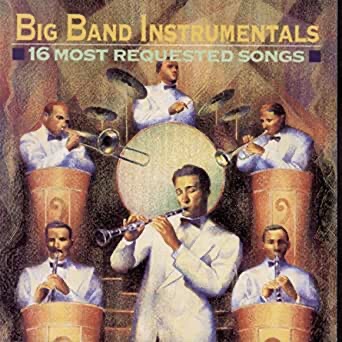
Big band music is a type of musical ensemble of jazz music that usually consists of ten or more musicians with four sections: saxophones, trumpets, trombones, and a rhythm section. Big bands originated during the early 1910s and dominated jazz in the early 1940s when swing was most popular.
Doo Wop began in the 1940s. It was developed in African-American communities along the East Coast, stretching from Philadelphia to New York City and heading west into Cincinnati and Detroit. As it grew and spread, it was picked up and influenced by other cultures, including Italian-Americans and Latin-Americans.
There are 25 links of Doo Wop singers in this blog:
Paul Burnette (The Jarmels) 1959-1969 “The Way You Look Tonight” https://youtu.be/R5HRm_lpB2Y Photo credit: Eklablog
Danny & The Juniors Photo Credit: 45worlds.com
Danny & The Juniors (1955-2019). Both David White and Joe Terranova passed in 2019. An example of their work: “At the Hop” Post 12 (https://youtu.be/SEPvoNA1OGw) (RQ 10).
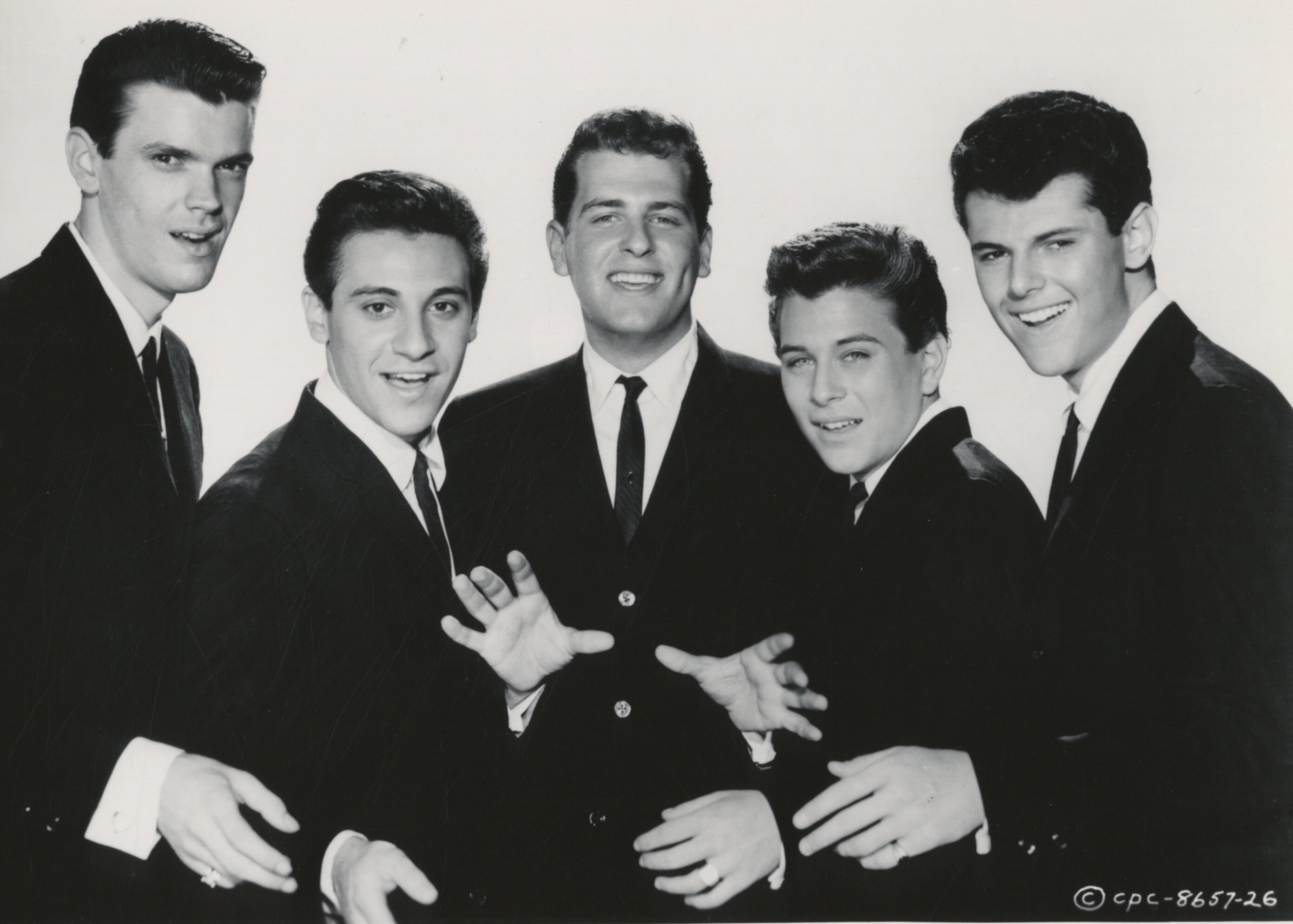
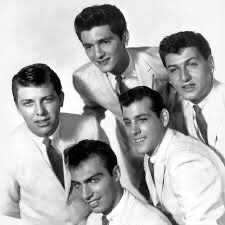
The Dovells (1957-1975) Photo Credit: imdb.com
The Dovells were an American doo-woo group, formed at Overbrook High School in Philadelphia, Pennsylvania, in 1957, under the name ‘The Brooktones’. The original members were Arnie Silver, Len Borisoff, Jerry Gross (alias Summers), Mike Freda, and Jim Mealey (alias Danny Brooks). Their first single “No, No, No” was a local hit for The Brooktones. Gross left the Brooktones in 1959 to form the group The Gems with Jerry Gross, Mark Stevens, Mike Freda, Warren Purdy, and Roland Scarinci. The remaining Brooktones signed to Parkway Records in 1960 and added Jerry Sirlen and William Shunkwiler to the group, while changing the band’s name to The Dovells. While rehearsing “Out in the Cold Again”, which turned out to be the B-side of “Bristol Stomp” (https://youtu.be/p962x7k61Kg) (RQ 9), Len called Jerry and asked for help with the harmonies. After two days of trying, Len asked Jerry to be part of the group and replace two of the other members. Sirlen and Shunkwiler were replaced by Gross and Freda. Mark went on to start his own group Tony & the Raindrops (“Our Love is Over”, a local hit), and later joined The Dovells in the 1960s. Warren Purdy went to work for the Boeing Corp., Roland Scarinci enlisted in The Marine Corps then went on to work for AT&T.
Dion & The Belmonts (1957-1966) Photo Credit: singers.com
Dion (& The Belmonts). They were from The Bronx, NY. Dion finally left the group as he wanted to pursue rock ‘n roll. One of their best:“Wanderer” Post 12 (https://youtu.be/TNcdm3dkGEM) (RQ 10+).
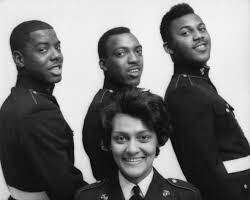
Essex. Originally, Walter Vickers, Rodney Taylor, Billy Hill, Rudolph Johnson and lead singer Anita Humes were Marines stationed at Camp LeJeune in North Carolina. One of their songs: “Easier Said Than Done.” Post 1 (https://youtu.be/TT3ivugR2eY) ( RQ 9).
Virgil Johnson (1935-2013) The Velvets “Tonight Could Be the Night” https://youtu.be/1gyz90zCGUY Photo credit: Discogs
Little Anthony & The Imperials (1958- ) Photo Credit: passthepaisley.com
Little Anthony & The Imperials. They were an American rhythm and blues/soul vocal group from New York City founded by Clarence Collins in the 1950s and named in part for its lead singer, Jerome Anthony “Little Anthony” Gourdine, who was noted for his high-pitched voice. A couple of their songs: “Goin Out of My Head” Post 56 (https://youtu.be/qah0t_maZRo) (RQ 10). “Tears on My Pillow” Post 36 (https://youtu.be/we2kmO24rgE) (RQ 10).
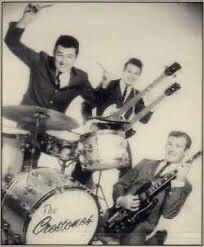
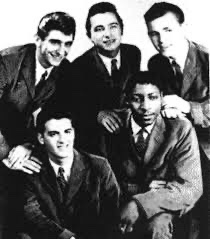
The Crestones Pic credit: discogs. From the Chicago area. Biggest local hit: “She’s a Bad Motorcycle”. 1964. Doo Wop group. (https://youtu.be/Eb9CwKWLy94)
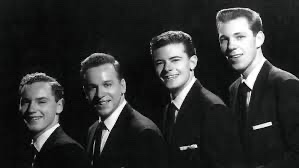
The Diamonds (1953- ) Photo Credit: Hollywoodreporter.com
The Diamonds. They were a Canadian vocal quartet that rose to prominence in the 1950s and early 1960s with 16 Billboard hit records. The original members were Dave Somerville, Ted Kowalski, Phil Levitt, and Bill Reed. A great song: “Little Darlin” Post 36 (https://youtu.be/WKa0XNV6bn4) (RQ 10+).
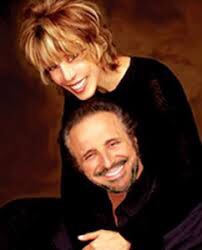
Barry Mann (1939- ) & Cynthia Weil (1940- ) Photo Credit: songwriteruniverse.com
Mann, Barry. Was an American songwriter and musician, and part of a successful songwriting partnership with his wife, Cynthia Weil. He has written or co-written 53 hits in the UK and 98 in the US. A sample song: “Who Put the Bomp.” Post 56 (https://youtu.be/aumW5e28xic) (RQ 10+).
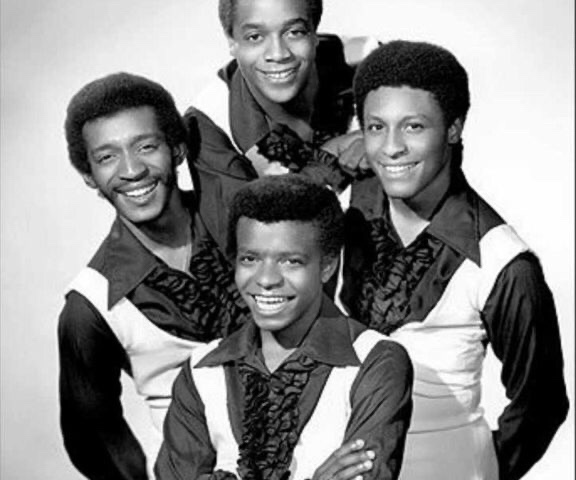
The Drifters (1953- ) Photo Credit: soulwalking.co.uk
The Drifters. They were originally formed as a backing group for Clyde McPhatter, formerly the lead tenor of Billy Ward and his Dominoes in 1953. The second group of Drifters formed in 1959 led by Ben E. King. Bill Pinkney, the last survivor of the original members of the The Drifters, died on (July 4, 2007). He was 81. Sample song: “Save the Last Dance for Me” Post 12 (https://youtu.be/n-XQ26KePUQ) (RQ 10).
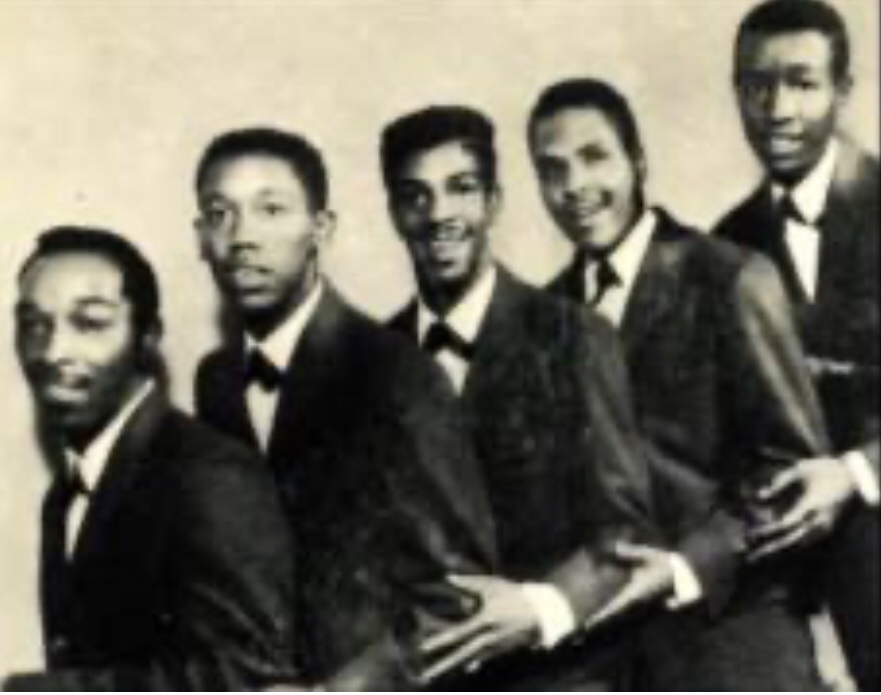
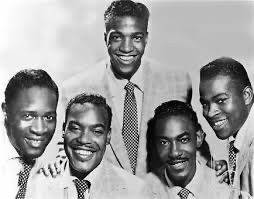
The Elegants (1958-2012) Photo Credit: deezer.com
The Elegants. They started in 1958 by Vito Picone, Arthur Venosa, Frank Tardogno, Carman Romano and James Moschello in South Beach, Staten Island, New York. One of their hits: “Little Star” Post 35 (https://youtu.be/HCPqcJmK8y8) (RQ 10).
The Fascinators (1958-1972) Photo Credit: dailydoowop.com
The Fascinators. They came together as did many others by singing on street corners in New York City (for them, that was Brooklyn). Group members were Tony Passalacqua, Angelo LaGrecca, Nick Trivatto, Ed Wheeler, and George Cernacek. An example song: “Oh Rosemarie” Post 1 (https://youtu.be/QgM4Uh0XCrY) (yRQ 10).
The Monotones. They are considered a one-hit wonder, as their only hit single was “The Book of Love”, which peaked at No. 5 on the Billboard Top 100 in 1958. “Book of Love” Post 35 (https://youtu.be/tmtr3HNerdM) (RQ 9).
The Paris Sisters Priscilla (1945-2004) Albeth (1933-2014) Sherrell (1940) “I Love How You Love Me” https://youtu.be/gPgG8DqHCjk Photo credit: The Arts Desk
The Penguins (1953-2012) Photo Credit: open.spotify.com
The Penguins. An American doo-wop group of the 1950s and early 1960s, best remembered for their only Top 40 hit, “Earth Angel”, which was one of the first rhythm and blues hits to cross over to the pop charts. “Earth Angel” Post 35 (https://youtu.be/-j6OAEOcNCE) (RQ 10).
The Reflections (1963-1965) Photo Credit: songkick.com
The Reflections. American blue-eyed soul/doo-wop group from Detroit, Michigan, United States. They had one hit single in 1964 called ” Romeo and Juliet”, written by Bob Hamilton and Freddie Gorman. “Just Like Romeo and Juliet” Post 35 (https://youtu.be/OGaBZuTixII) (RQ 10).
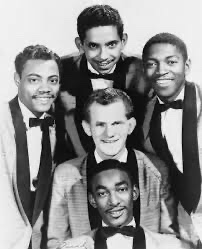
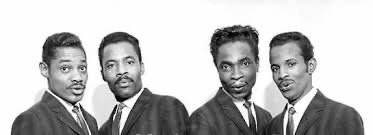
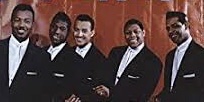
The Silouettes (1956-1968) Photo Credit: soulwalking.co.uk
The Silouettes. From Philadelphia. An American doo wop/R&B group, whose single “Get a Job” was a number 1 hit on the Billboard R&B singles chart and pop singles chart in 1958. “Get a Job” Post 35 (https://youtu.be/hBKzAknJ6XQ) (RQ 9).
Dickie Threatt (The Five Keys) 1958-1961 “Close Your Eyes” https://youtu.be/j7ymCZXq2Pw Photo credit: Top40 Weekly


























































































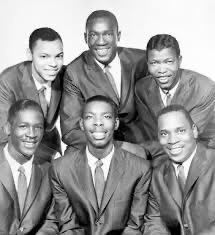
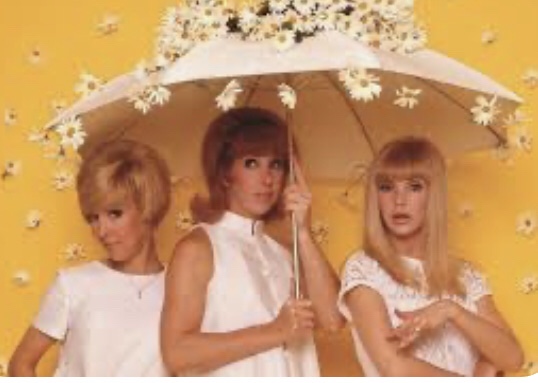
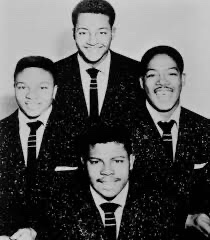
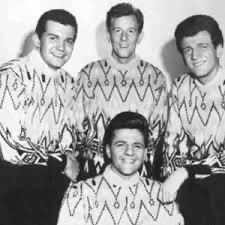
 All-Time Greatest Music