The history of Opera: In Florence (Italy), a small group of artists, statesmen, writers and musicians known as the Florentine Camerata decided to recreate the storytelling of Greek drama through music. Enter Jacopo Peri (1561–1633), who composed Dafne (1597), which many consider to be the first opera. Opera unites music, poetry, drama, and spectacle in the most elaborate and expensive of all art forms.
There are 19 links to Opera singers in this blog:
Emaine Beasha Photo Credit: forumotion.com
Beasha, Emaine (13 yrs old). Born in Amman, Jordan. “Nesson Dorma” Post 37 (https://youtu.be/0sNuu6bjUq0) (RQ 9).
Laura Bretan Photo Credit: networthlist.org
Bretan, Laura (19 yrs old). From Chicago, IL. “O Mio Bambino Cara” Post 37 (https://youtu.be/NN41tp2TH94) (RQ 10).
Jazz music originated in the late-19th to early-20th century as interpretations of American and European classical music entwined with African and slave folk songs and the influences of West African culture. In doing research to identify great jazz musicians, I stumbled across Paul Thomson’s blog called oldtimemusic.com. He started this work in 1998. He along with eight other music experts (Art, No last name, Steve Marriott, John Melcher, Niall Flynn, Corey Hoffman, Jennifer Bell and Warren Barrett) support the blog including identifying 24 of the top all-time jazz music artists. They are summarized here in an unranked format:
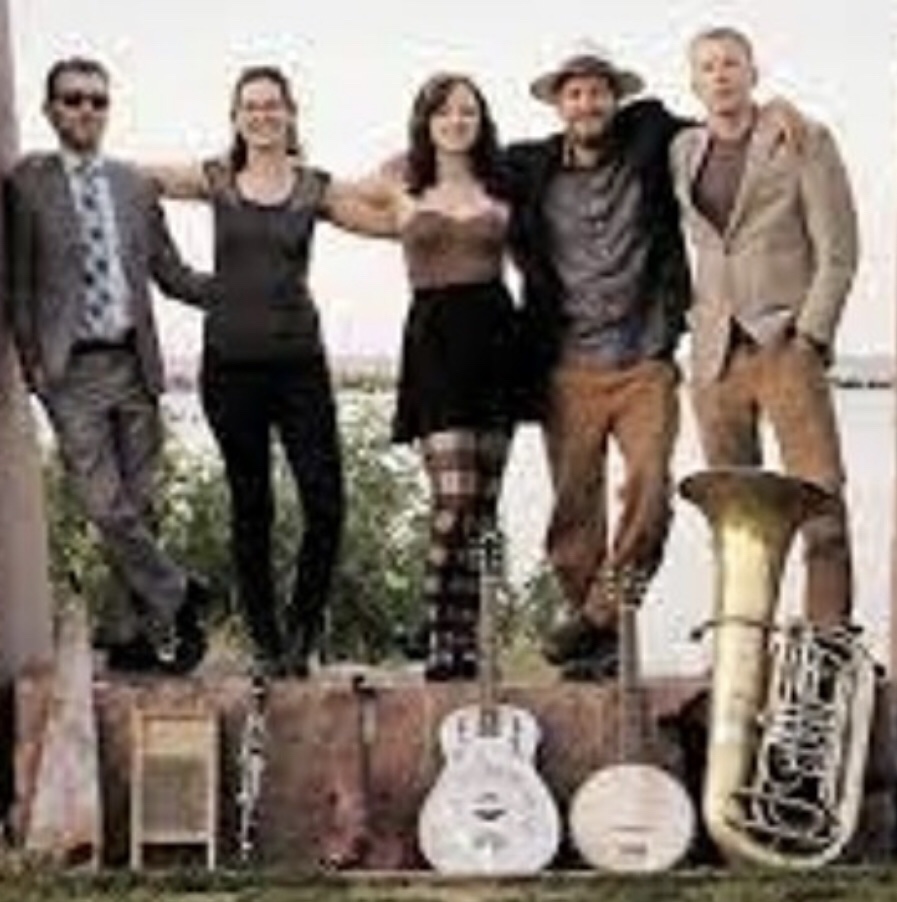
Sweet Sheiks Photo credit: Jazz in the Park
A band that has caught Pops Coffee’s eye on YouTube recently is called Sweet Sheiks. It seems that it normally comprises just five musicians – two young ladies and three gents. From the internet, I discovered this band was formed as recently as March 2016 and is based in Milwaukee. For those of you whose geography is as hazy as mine, let me tell you Milwaukee is in the State of Wisconsin and on the west shore of Lake Michigan, almost 100 miles north of Chicago. To put it another way, it’s just over 1000 miles north of New Orleans.
Sweet Sheiks do not exactly describe themselves as a traditional jazz band: they say they play ‘antique pop’. But their music certainly comes within what I consider to be the traditional jazz category. They claim to be ‘a toe-tapping five-some inspired by the popular music of the tens, twenties, and thirties’. They describe their music as ‘refreshingly vintage’ – and nobody could argue with that.
Some of the original members are:
Jen Müttin-Schrank: vocals, guitar, saw (played with violin bow), washboard
Ousia Lydian: violin and vocals (and whistling)
Garrett Burton: banjo
Andrew Spadafora: clarinet
Aaron Johnson: tuba
You will notice they do not normally have drums or a trombone or trumpet. But that’s just fine with me. I am not at all sure that the addition of any of these instruments would improve their performance. It would take an exceptional musician to fit in with their house style and to contribute anything more that might be welcome. As with so many of the young bands in America, it is such a joy to be able to hear all of the instruments clearly and to note what a great creative contribution each player is making to the overall sound. Andrew Spadafora’s clarinet improvisations are as good as the best you will hear in New Orleans, and the solid tuba-based rhythm, with guitar and banjo, is reminiscent of what Todd Burdick and his team produce in the engine room of Tuba Skinny. But I must say all five of these young musicians play extremely well, both as individuals and as team members. I am looking forward very much to watching how Sweet Sheiks develops.
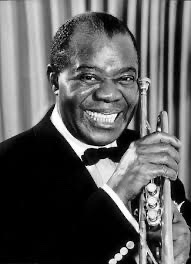
Armstrong’s career spanned five decades and several eras of jazz. He was best known as a master jazz trumpeter along with his distinctive gravelly voice. Four of his many songs make him particularly memorable: “What a Wonderful World, (https://youtu.be/e1FN047_LT0)” “Hello, Dolly, (https://youtu.be/YCM0APgpdZc)” ”Star Dust” and “La Vie En Rose.”
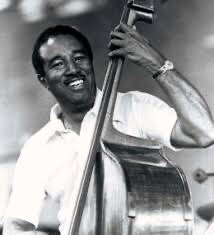
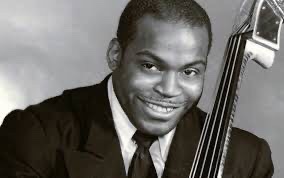
Ray Brown 1926-2002 Photo credit: South Carolina Public Radio
Ray was a jazz double bassist. He worked extensively with both Ella Fitzgerald and Oscar Peterson. At twenty years old he bought a one way ticket from Pittsburgh to NYC. There, he was introduced to Dizzy Gillespie who was looking for a bass player. He worked for Gillespie’s band from 1946-1951. During this period Ella Fitzgerald joined the band and she married Ray. Tho divorced in 1953, they continued to perform together. Then, from 1951-1965 he was a member of the Oscar Peterson Trio. In 1965 they performed in Montreal (https://youtu.be/UXJsPWLmOUQ). Later on, based out of LA, he concentrated on studio work.
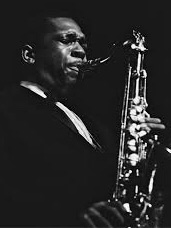
John Coltrane. 1926-1967. Photo credit: artspur
John began as a professional saxophone player in 1945. His reputation was built around relentless practicing and experimenting with new ideas. His 1960’s band was thought to be one of the all time best jazz bands. He worked in the bebop and hard bopidioms early in his career, Coltrane helped pioneer the use of modes and was one of the players at the forefront of free jazz. In 1972, A Love Supreme (https://youtu.be/ll3CMgiUPuU) was certified gold by the RIAA for selling over half a million copies in Japan. This album was certified gold in the United States in 2001. Overall between 1957-1967, Coltrane produced twenty-five albums through four recording companies (Prestige, Blue Note, Atlantic and Impulse Record companies).
John Dankworth. 1927-2010. Photo credit: second hand songs
Early on John teamed up with Cleo Laine to created jazz music. Dankworth was their English jazz composer, saxophonist, clarinettist and writer of film scores. Cleo was his wife (married in 1957) and their jazz singer. In 1950 he formed an eight member group. Then in 1953 he formed a larger band or orchestra. This English group had a flowing, unforced, rhythmic drive that had virtually disappeared from American bands. Their recording of “African Waltz” (https://youtu.be/oGvgHEXg1Gw) in 1961 managed to chart No9 for 21 weeks. In the mid-sixties John branched out into doing themes for British TV including The Avengers and five others. Later on in his career he collaborated with Duke Ellington, Dizzy Gillespie, Benny Goodman and many others.
Miles Davis 1926-1991. Photo credit: NPR
Miles Davis was arguably the most influential jazz musician in the post-World War II period, being at the forefront of changes in the genre for more than 40 years. Born into a middle-class family, Davis started on the trumpet at age 13. His first professional music job came when he joined the Eddie Randall band in St. Louis in 1941. In the fall of 1944 Davis took a scholarship to attend the Juilliard School. In 1955, Davis assembled his first important band with John Coltrane, Red Garland, Paul Chambers, and Philly Joe Jones, adding Cannonball Adderley in 1958. In 1964, Davis assembled a new band of younger musicians, which became known as his second great quintet. This included Herbie Hancock, Tony Williams, Ron Carter, and Wayne Shorter. By this time, the Miles Davis Quintet was recording mostly originals, with all the band members contributing memorable tunes. Davis’ horn playing also changed, increasing the spacing of notes to create more suspense in the music. In 1959, they produced “Kind of Blue” (https://youtube.com/playlist?list=RDvDqULFUg6CY&playnext=1). This album is considered to be one of the best jazz albums ever.
Candy Dulfer 1969- Photo credit: SeatGeek
Dulfer is a Dutch jazz and pop saxophonist. She is the daughter of jazz saxophonist Hans Dulfer. She began playing at age six and founded her band Funky Stuff when she was fourteen. Her debut album “Saxuality” (https://youtube.com/playlist?list=OLAK5uy_ndorw5cVusXHPXFxrOeSDcznePvF-Wa08) received a Grammy nomination. She has performed and recorded with Hans Dulfer, Prince, Dave Stewart, Van Morrison, Angie Stone, Maceo Parker and Rick Braun and has performed live with Alan Parsons (1995), Pink Floyd (1990), and Tower of Power (2014).
Duke Ellington – 1899-1974 Photo credit: All About Jazz
Edward Kennedy “Duke” Ellington was an American jazz pianist, composer, and leader of his eponymous jazz orchestra from 1923 through the rest of his life. He created one of the most distinctive ensemble sounds in Western music and continued to play what he called “American Music.” Ellington’s fame rose to the rafters in the 1940s when he composed several masterworks, including “Concerto for Cootie,” “Cotton Tail” and “Ko-Ko.” Some of his most popular songs included “It Don’t Mean a Thing if It Ain’t Got That Swing,” “Sophisticated Lady,” “Prelude to a Kiss,” “Solitude” and “Satin Doll.” Perhaps Ellington’s most famous jazz tune was “Take the A Train,” (https://youtu.be/MQ_vOm-mAys) which was composed by Billy Strayhorn. It was Ellington’s sense of musical drama that made him stand out. His blend of melodies, rhythms and subtle sonic movements gave audiences a new experience—complex yet accessible jazz that made the heart swing.
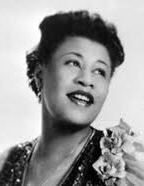
Ella Fitzgerald – 1917-1996. Photo credit: She Made History
Ella Jane Fitzgerald was an American jazz singer, sometimes referred to as the “First Lady of Song”, “Queen of Jazz”, and “Lady Ella”. She was noted for her purity of tone, impeccable diction, phrasing, timing, intonation, and a “horn-like” improvisational ability, particularly in her scat singing. Her musical collaborations with Louis Armstrong, Duke Ellington, and The Ink Spotswere some of her most notable acts outside of her solo career. These partnerships produced some of her best-known songs such as:
Herbie Hancock will always be one of the most revered and controversial figures in jazz — just as his employer/mentor Miles Davis was when he was alive. Unlike Miles, who pressed ahead relentlessly and never looked back until near the very end, Hancock has cut a zigzagging forward path, shuttling between almost every development in electronic and acoustic jazz and R&B over the last third of the 20th century and into the 21st. Though grounded in Bill Evans and able to absorb blues, funk, gospel, and even modern classical influences, Hancock’s piano and keyboard voices are entirely his own, with their own urbane harmonic and complex, earthy rhythmic signatures — and young pianists cop his licks constantly. Having studied engineering and professing to love gadgets and buttons, Hancock was perfectly suited for the electronic age; he was one of the earliest champions of the Rhodes electric piano and Hohner clavinet, and would field an ever-growing collection of synthesizers and computers on his electric dates. Yet his love for the grand piano never waned, and despite his peripatetic activities all around the musical map, his piano style continued to evolve into tougher, ever more complex forms. He is as much at home trading riffs with a smoking funk band as he is communing with a world-class post-bop rhythm section — and that drives purists on both sides of the fence up the wall.
Having taken up the piano at age seven, Hancock quickly became known as a prodigy, soloing in the first movement of a Mozart piano concerto with the Chicago Symphony at the age of 11. After studies at Grinnell College, Hancock was invited by Donald Byrd in 1961 to join his group in New York City, and before long, Blue Note offered him a solo contract. His debut album, Takin’ Off, took off indeed after Mongo Santamaria covered one of the album’s songs, “Watermelon Man.” In May 1963, Miles Davis asked him to join his band in time for the Seven Steps to Heaven sessions, and he remained there for five years, greatly influencing Miles’ evolving direction, loosening up his own style, and, upon Miles’ suggestion, converting to the Rhodes electric piano. In that time span, Hancock’s solo career also blossomed on Blue Note, pouring forth increasingly sophisticated compositions like “Maiden Voyage,” “Cantaloupe Island,” “Goodbye to Childhood,” and the exquisite “Speak Like a Child” (https://youtu.be/x-cfaxKXIi0). He also played on many East Coast recording sessions for producer Creed Taylor and provided a groundbreaking score to Michelangelo Antonioni’s film Blow Up, which gradually led to further movie assignments.
Having left the Davis band in 1968, Hancock recorded an elegant funk album, Fat Albert Rotunda, and in 1969 formed a sextet that evolved into one of the most exciting, forward-looking jazz-rock groups of the era. Now deeply immersed in electronics, Hancock added the synthesizer of Patrick Gleeson to his Echoplexed, fuzz-wah-pedaled electric piano and clavinet, and the recordings became spacier and more complex rhythmically and structurally, creating its own corner of the avant-garde. By 1970, all of the musicians used both English and African names (Herbie’s was Mwandishi). Alas, Hancock had to break up the band in 1973 when it ran out of money, and having studied Buddhism, he concluded that his ultimate goal should be to make his audiences happy.
The next step, then, was a terrific funk group whose first album, Head Hunters, with its Sly Stone-influenced hit single, “Chameleon,” became the biggest-selling jazz LP up to that time. Now handling all of the synthesizers himself, Hancock’s heavily rhythmic comping often became part of the rhythm section, leavened by interludes of the old urbane harmonies. Hancock recorded several electric albums of mostly superior quality in the ’70s, followed by a wrong turn into disco around the decade’s end. In the meantime, Hancock refused to abandon acoustic jazz. After a one-shot reunion of the 1965 Miles Davis Quintet (Hancock, Ron Carter, Tony Williams, Wayne Shorter, with Freddie Hubbard sitting in for Miles) at New York’s 1976 Newport Jazz Festival, they went on tour the following year as V.S.O.P. The near-universal acclaim of the reunions proved that Hancock was still a whale of a pianist; that Miles’ loose mid-’60s post-bop direction was far from spent; and that the time for a neo-traditional revival was near, finally bearing fruit in the ’80s with Wynton Marsalis and his ilk. V.S.O.P. continued to hold sporadic reunions through 1992, though the death of the indispensable Williams in 1997 cast much doubt as to whether these gatherings would continue.
Hancock continued his chameleonic ways in the ’80s: scoring an MTV hit in 1983 with the scratch-driven, proto-industrial single “Rockit” (accompanied by a striking video); launching an exciting partnership with Gambian kora virtuoso Foday Musa Suso that culminated in the swinging 1986 live album Jazz Africa; doing film scores; and playing festivals and tours with the Marsalis brothers, George Benson, Michael Brecker, and many others. After his 1988 techno-pop album, Perfect Machine, Hancock left Columbia (his label since 1973), signed a contract with Qwest that came to virtually nothing (save for A Tribute to Miles in 1992), and finally made a deal with Polygram in 1994 to record jazz for Verve and release pop albums on Mercury. Well into a youthful middle age, Hancock’s curiosity, versatility, and capacity for growth showed no signs of fading, and in 1998 he issued Gershwin’s World. His curiosity with the fusion of electronic music and jazz continued with 2001’s Future 2 Future, but he also continued to explore the future of straight-ahead contemporary jazz with 2005’s Possibilities. An intriguing album of jazz treatments of Joni Mitchell compositions called River: The Joni Letters was released in 2007. In 2010 Hancock released his The Imagine Project album, which was recorded in seven countries and featured a host of collaborators, including Dave Matthews, Anoushka Shankar, Jeff Beck, the Chieftains, John Legend, India.Arie, Seal, P!nk, Juanes, Derek Trucks, Susan Tedeschi, Chaka Khan, K’NAAN, Wayne Shorter, James Morrison, and Lisa Hannigan. He was also named Creative Chair for the New Los Angeles Philharmonic. ~ Richard S. Ginell.
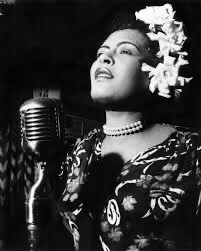
Billie Holiday – 1915-1959. Photo credit: SDBP Radio
Billie Holiday was an American jazz and swing music singer. Nicknamed “Lady Day” by her friend and music partner, Lester Young, Holiday had an innovative influence on jazz music and pop singing. Her vocal style, strongly inspired by jazz instrumentalists, pioneered a new way of manipulating phrasing and tempo. She signed a recording contract with Brunswick in 1935. Collaborations with Teddy Wilson produced the hit “What a Little Moonlight Can Do”, (https://youtu.be/w8llIYf5tVk) which became a jazz standard. Throughout the 1930s and 1940s, Holiday had mainstream success on labels such as Columbia and Decca. By the late 1940s, however, she was beset with legal troubles and drug abuse. After a short prison sentence, she performed at a sold-out concert at Carnegie Hall. She was a successful concert performer throughout the 1950s with two further sold-out shows at Carnegie Hall.
Jack Jones Pop and jazz. Grammy for “Wives and Lovers” in 1964. Photo credit: Canvas Art Rocks (https://youtu.be/hEI7_bXRQW0)
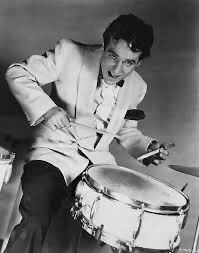
Eugene Bertram Krupa was an American jazz drummer, bandleader and composer who performed with energy and showmanship. His drum solo on Benny Goodman’s 1937 recording of “Sing, Sing, Sing” (https://youtu.be/9UlOhzLqIY0) elevated the role of the drummer from an accompanist to an important solo voice in the band. In collaboration with the Slingerland drum and Zildjian cymbal manufacturers, he was a major force in defining the standard band drummer’s kit. Krupa is considered “the founding father of the modern drumset” by Modern Drummer magazine.
Cleo Laine –1927- Photo credit: theatregold memorabilia
Dame Cleo Laine, Lady Dankworth DBE is an English jazz and pop singer and an actress, known for her scat singing and for her vocal range. Though her natural range is that of a contralto, she is able to produce a G above high C, giving her an overall compass of well over three octaves. Laine is the only female performer to have received Grammy nominations in the jazz, popular and classical music categories. She is the widow of jazz composer and musician Sir John Dankworth. Laine auditioned successfully, at the age of 24, for John Dankworth’s small group, the Dankworth Seven, and later his orchestra, with which she performed until 1958. Dankworth and Laine married that year. During this period, she had two major recording successes. “You’ll Answer to Me” (https://youtu.be/ke37yLx8xoY) reached the British Top 10 while Laine was “prima donna” in the 1961 Edinburgh Festival production of Kurt Weill’s opera/ballet The Seven Deadly Sins, directed and choreographed by Kenneth MacMillan. In 1964 her Shakespeare and All that Jazz (https://youtu.be/gBADj2eTIuM) album with Dankworth was well received. Dankworth and Laine founded the Stables theatre in 1970 in what was the old stables block in the grounds of their home. It eventually hosted over 350 concerts per year.
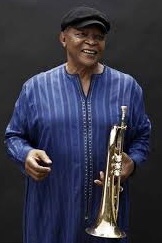
Hugh Masekela Photo credit: rekord.com. A South African jazz singer and trumpeter. Over 40 albums including one famous hit called “Grazing in the Grass” in 1968. (https://youtu.be/cDTYsgPwP1s)
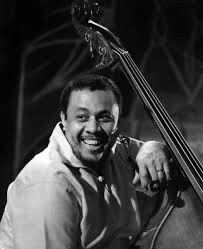
Charlie Mingus – 1922-1979 Photo credit: ArtPhotoLimited
One of the most important figures in twentieth century American music, Charles Mingus was a virtuoso bass player, accomplished pianist, bandleader and composer. Born on a military base in Nogales, Arizona in 1922 and raised in Watts, California, his earliest musical influences came from the church– choir and group singing– and from “hearing Duke Ellington over the radio when [he] was eight years old.” He studied double bass and composition in a formal way (five years with H. Rheinshagen, principal bassist of the New York Philharmonic, and compositional techniques with the legendary Lloyd Reese) while absorbing vernacular music from the great jazz masters, first-hand. His early professional experience, in the 40’s, found him touring with bands like Louis Armstrong, Kid Ory and Lionel Hampton.
Eventually he settled in New York where he played and recorded with the leading musicians of the 1950’s– Charlie Parker, Miles Davis, Bud Powell, Art Tatum and Duke Ellington himself. One of the few bassists to do so, Mingus quickly developed as a leader of musicians. He was also an accomplished pianist who could have made a career playing that instrument. By the mid-50’s he had formed his own publishing and recording companies to protect and document his growing repertoire of original music. He also founded the “Jazz Workshop,” a group which enabled young composers to have their new works performed in concert and on recordings.
Mingus soon found himself at the forefront of the avant-garde. His recordings bear witness to the extraordinarily creative body of work that followed. They include: Pithecanthropus Erectus, The Clown, Tijuana Moods, Mingus Dynasty, Mingus Ah Um, The Black Saint and the Sinner Lady, Cumbia and Jazz Fusion, Let My Children Hear Music. He recorded over a hundred albums and wrote over three hundred scores.
Although he wrote his first concert piece, “Half-Mast Inhibition,” when he was seventeen years old, it was not recorded until twenty years later by a 22-piece orchestra with Gunther Schuller conducting. It was the presentation of “Revelations” (https://youtu.be/nHcF2NL9uqE) which combined jazz and classical idioms, at the 1955 Brandeis Festival of the Creative Arts, that established him as one of the foremost jazz composers of his day.
In 1971 Mingus was awarded the Slee Chair of Music and spent a semester teaching composition at the State University of New York at Buffalo. In the same year his autobiography, Beneath the Underdog, was published by Knopf. In 1972 it appeared in a Bantam paperback and was reissued after his death, in 1980, by Viking/Penguin and again by Pantheon Books, in 1991. In 1972 he also re-signed with Columbia Records. His music was performed frequently by ballet companies, and Alvin Ailey choreographed an hour program called “The Mingus Dances” during a 1972 collaboration with the Robert Joffrey Ballet Company.
He toured extensively throughout Europe, Japan, Canada, South America and the United States until the end of 1977 when he was diagnosed as having a rare nerve disease, Amyotrophic Lateral Sclerosis. He was confined to a wheelchair, and although he was no longer able to write music on paper or compose at the piano, his last works were sung into a tape recorder.
From the 1960’s until his death in 1979 at age 56, Mingus remained in the forefront of American music. When asked to comment on his accomplishments, Mingus said that his abilities as a bassist were the result of hard work but that his talent for composition came from God.
Mingus received grants from the National Endowment for the Arts, The Smithsonian Institute, and the Guggenheim Foundation (two grants). He also received an honorary degree from Brandeis and an award from Yale University. At a memorial following Mingus’ death, Steve Schlesinger of the Guggenheim Foundation commented that Mingus was one of the few artists who received two grants and added: “I look forward to the day when we can transcend labels like jazz and acknowledge Charles Mingus as the major American composer that he is.” The New Yorker wrote: “For sheer melodic and rhythmic and structural originality, his compositions may equal anything written in western music in the twentieth century.”
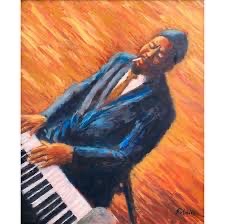
Thelonious Monk – 1917-1982 Photo credit: HorseSpirits Art Gallery
Thelonious Sphere Monk was an American jazz pianist and composer. He had a unique improvisational style and made numerous contributions to the standard jazz repertoire, including “‘Round Midnight” (https://youtu.be/IrAfjW5qiyo), “Blue Monk”, “Straight, No Chaser”, “Ruby, My Dear”, “In Walked Bud”, and “Well, You Needn’t.” Monk is the second-most-recorded jazz composer after Duke Ellington.
Monk’s compositions and improvisations feature dissonances and angular melodic twists and are consistent with his unorthodox approach to the piano, which combined a highly percussive attack with abrupt, dramatic use of switched key releases, silences, and hesitations.
Monk’s distinct look included suits, hats, and sunglasses. He also had an idiosyncratic habit during performances: while other musicians continued playing, Monk would stop, stand up, and dance for a few moments before returning to the piano.
Monk is one of five jazz musicians to have been featured on the cover of Time (the others being Louis Armstrong, Dave Brubeck, Duke Ellington and Wynton Marsalis).
John Leslie “Wes” Montgomery was an American jazz guitarist. Montgomery was known for an unusual technique of plucking the strings with the side of his thumb and his extensive use of octaves, which gave him a distinctive sound. Montgomery often worked with his brothers Buddy and Monk and with organist Melvin Rhyne. His recordings up to 1965 were oriented towards hard bop, soul jazz, and post bop, but around 1965 he began recording more pop-oriented instrumental albums that found mainstream success. His later guitar style influenced jazz fusion and smooth jazz.
According to jazz guitar educator Wolf Marshall, Montgomery often approached solos in a three-tiered manner: he would begin the progression with single note lines, derived from scales or modes; after a fitting number of sequences, he would play octaves for a few more sequences, finally culminating with block chords. He used mostly superimposed triads and arpeggios as the main source for his soloing ideas and sounds.[1]
Instead of using a guitar pick, Montgomery plucked the strings with the fleshy part of his thumb, using down strokes for single notes and a combination of up strokes and down strokes for chords and octaves. He developed this technique not for technical reasons but for the benefit of his neighbors. He worked long hours as a machinist before his music career began and practiced late at night. To keep neighbors from complaining, he played quietly by using his thumb. He earned two Grammy nominations: in 1965 for “Bumpin” (https://youtu.be/ER8Q504Vro8) and in 1969 “Willow Weep for Me” (https://youtu.be/WA9LgbV8oTc).
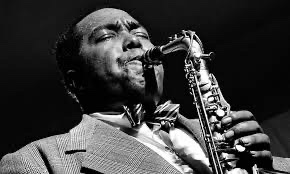
Charlie Parker – 1920-1955 Photo credit: All About Jazz
Charles Parker Jr., nicknamed “Bird” or “Yardbird”, was an American jazz saxophonist, band leader and composer. Parker was a highly influential soloist and leading figure in the development of bebop, a form of jazz characterized by fast tempos, virtuosic technique, and advanced harmonies. Parker was an extremely brilliant virtuoso and introduced revolutionary rhythmic and harmonic ideas into jazz, including rapid passing chords, new variants of altered chords, and chord substitutions. Primarily a player of the alto saxophone, Parker’s tone ranged from clean and penetrating to sweet and somber. Parker compositions, such as “Yardbird Suite”, “Ornithology” 1946 Grammy, “Bird Gets the Worm”, and “Bird of Paradise”, “Billies Bounce” 1945 Grammy, Charlie Parker with Strings 1950 Grammy, “Jazz at Massey Hall” 1953 Grammy (https://youtube.com/playlist?list=RDQMmQjmNbaxLjM&playnext=1). Parker was an icon for the hipsters culture and later the Beat Generation, personifying the jazz musician as an uncompromising artist and intellectual rather than just an entertainer. Although he produced many brilliant recordings during this period, Parker’s behavior became increasingly erratic. Heroin was difficult to obtain once he moved to California, where the drug was less abundant, so he used alcohol as a substitute.
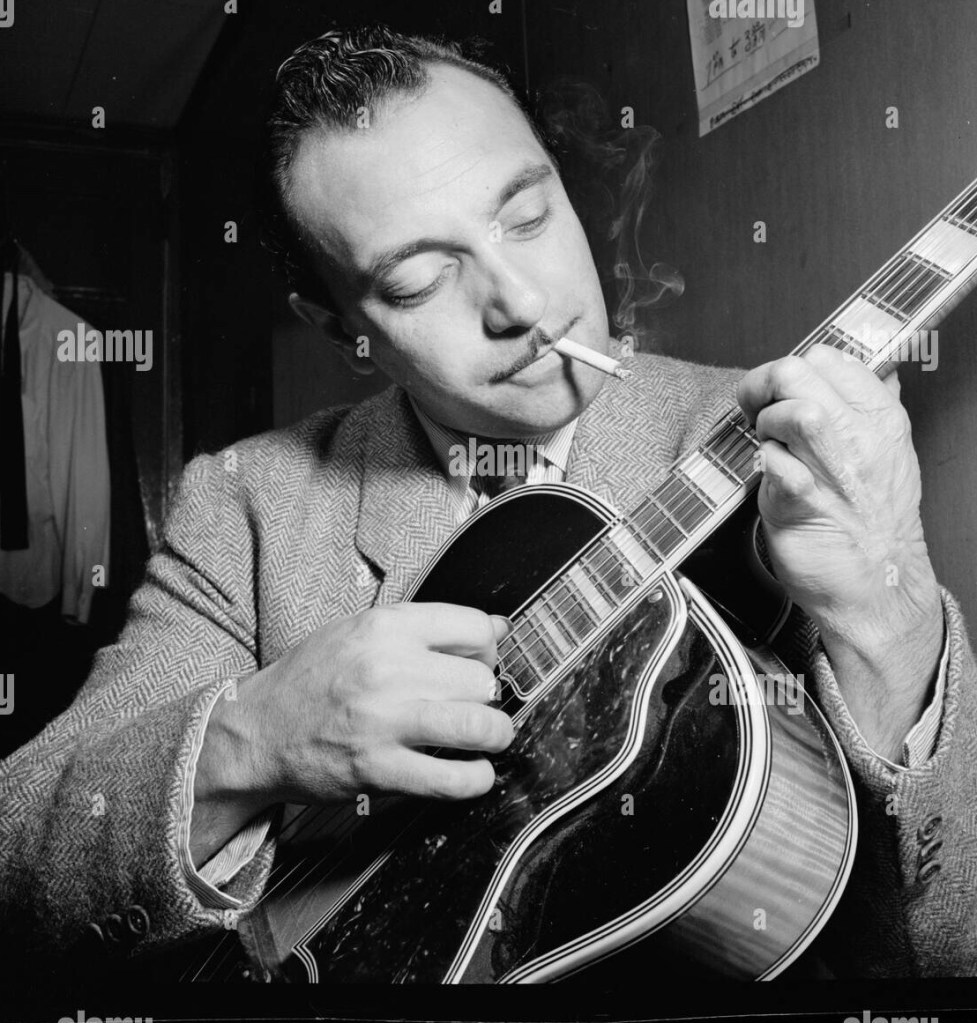
Django Reinhardt – 1910-1953 Photo credit: Alamy
Jean Reinhardt, known by his Romani nickname Django, was a Romani-French jazz guitarist and composer. He was one of the first major jazz talents to emerge in Europe and has been hailed as one of its most significant exponents.
With violinist Stéphane Grappelli, Reinhardt formed the Paris-based Quintette du Hot Club de France in 1934. The group was among the first to play jazz that featured the guitar as a lead instrument. Reinhardt recorded in France with many visiting American musicians, including Coleman Hawkins and Benny Carter, and briefly toured the United States with Duke Ellington’s orchestra in 1946. He died suddenly of a stroke in 1953 at the age of 43.
Reinhardt’s most popular compositions have become standards within gypsy jazz, including “Minor Swing”, “Daphne” (https://youtu.be/UG9nm9yFgKE), “Belleville”, “Djangology”, “Swing ’42”, and “Nuages”. Jazz guitarist Frank Vignola says that nearly every major popular-music guitarist in the world has been influenced by Reinhardt.
Bernard “Buddy” Rich was an American jazz drummer, songwriter, conductor, and bandleader. He is considered one of the most influential drummers of all time. Rich was born and raised in Brooklyn, New York, United States. He discovered his affinity for jazz music at a young age and began drumming at the age of two.
He began playing jazz in 1937, working with acts such as Bunny Berigan, Artie Shaw, Tommy Dorsey, Count Basie, and Harry James. From 1942 to 1944, Rich served in the U.S. Marines. From 1945 to 1948, he led the Buddy Rich Orchestra. In 1966, he recorded a big-band style arrangement of songs from West Side Story (https://youtu.be/4PASeqo0oAE). He found lasting success in 1966 with the formation of the Buddy Rich Big Band, also billed as the The Big Band Machine. Between 1948-1985 he produced 48 albums.
Rich was known for his virtuoso technique, power, and speed. He was an advocate of the traditional grip, though he occasionally used matched grip when playing the toms. Despite his commercial success and musical talent, Rich never learned how to read sheet music, preferring to listen to drum parts and play them from memory.
Ronnie Scott –1927-1996 Photo credit: New York Times
Ronnie Scott’s Jazz Club has been an enduring beacon of musical genius in London. Any self-respecting jazzhead had to make the pilgrimage to the venue during its 1960s heyday. Musicians, too: Miles Davis and Ella Fitzgerald played it, along with Buddy Rich and Dizzy Gillespie.
Scott, one of its benevolent owners, was as hallowed as the establishment itself, but remained a somewhat mysterious figure throughout his life. A charming tenor saxophonist with a warm demeanor and great comedic timing, he also had a gambling addiction and endured bouts of depression. Even those closest to him didn’t feel like they connected with him.
“He was a very hard person to know,” Paul Pace, the club’s current music bookings coordinator, said in an interview. “He was a very quiet, private man.”
Scott died in 1996 at the age of 69. The venue he opened with a fellow saxophonist, Pete King, is still holy ground among jazz supper clubs in the United Kingdom, and “Ronnie’s,” a new documentary getting a wider release in the United States this week, offers a multidimensional view of Scott and the nightclub through the perspective of journalists, friends and musicians who knew him — and a host of live performance footage. The film celebrates how the spot with narrow hallways and a tiny stage housed all sorts of grand performances, including Jimi Hendrix’s last gig before his 1970 death. And it reveals that the secret of the venue’s success largely was Scott, himself, who drew in patrons like he was an old friend who just happened to know the best players of his era. One of his best recordings was “Great Scott” (https://youtube.com/playlist?list=OLAK5uy_mTSjrm0ZuVPZFiL8HDSsMtuST7Yt9I_7A).
Rap music as a genre began at block parties in New York City in the early 1970s, when DJs began isolating the percussion breaks of funk, soul, and disco songs and extending them. … As rapping as an art form and a technique continued to develop.
NEW Adds:
Missy Elliot(1971- ) Photo credit: biography.com
Elliott has been referred to as the “Queen of Rap” by media outlets. She has sold over 30 million records in the United States. Her accolades include four Grammy Awards. The Mercury News ranked her the top female rapper of all time. She is the best-selling female rapper in Nielsen Music history, according to Billboard in 2017. She became the first female rapper inducted into the Songwriters Hall of Fame and received the MTV VMAs Michael Jackson Video Vanguard Awardfor her impact on the music video landscape. In 2020, Billboard ranked her at number five on the 100 Greatest Music Video Artists of All Time. In 2021, she was honored with a star on the Hollywood Walk of Fame. She is originally from Portsmouth, VA. One of her many top charted hits: “Hot Boyz” (https://youtu.be/FRkev5Aooms) (RQ 9).
Post Malone Photo Credit: vogue.com
Post Malone (1995- ). From Syracuse, NY. Known for his introspective songwriting. “White Iverson.” (https://youtu.be/SLsTskih7_I) (RQ 10).
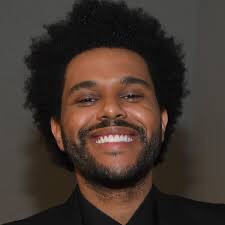
The Weeknd Photo credit: tmz.com
The Weeknd – Abel Makkonen Tesfaye (1990- ). From Toronto, Canada. One of his recordings: “The Hills.” (https://youtu.be/yzTuBuRdAyA) (RQ 10).
Kanye West Photo Credit: page.six.com
Kanye West (1977- ). Born in Atlanta and raised in Chicago. The rapper has sold more than 160M records and has won 22 Grammy Awards. Posts 32 and 33. “Gold Digger.” (https://youtu.be/6vwNcNOTVzY) (RQ 10).
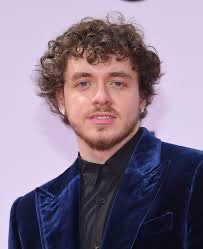
Jack Harlow (23 Years Old) Photo Credit: YouTube Screenshot
Jackman Thomas Harlow (born March 13, 1998) is an American rapper. He is signed to Don Cannon and DJ Drama’s record label Generation Now, an imprint of Atlantic Records. He is also the co-founder of his own musical collective, Private Garden. His first major breakthrough came with the release of his 2020 single “Whats Poppin”, (https://youtu.be/EoxkdcQAZmQ) (TQ 8) which peaked at number two on the US Billboard Hot 100. His first studio album, Thats What They All Say, was released on December 11, 2020, and debuted at number 5 on the US Billboard 200. In 2021, he was a guest on Lil Nas X’s “Industry Baby”; it became number one on the Hot 100, becoming Harlow’s highest charting song overall and his first chart topper.
Religious music (also sacred music) is any type of music that is performed or composed for religious use or through religious influence. It may overlap with ritual music, which is music, sacred or not, performed or composed for or as ritual. The introduction of church organ music is traditionally believed to date from the time of the papacy of Pope Vitalian in the 7th century.
Biggham, Rev. Milton. From Newark, NJ. He won Grammys for producing Rev. James Cleveland’s albums “Lord, Let Me Be an Instrument” (1980) and “Having Church” (1990). A sample: “What a Fellowship” Post 48 (https://youtu.be/wsNIT5fKzzs) (RQ 9).
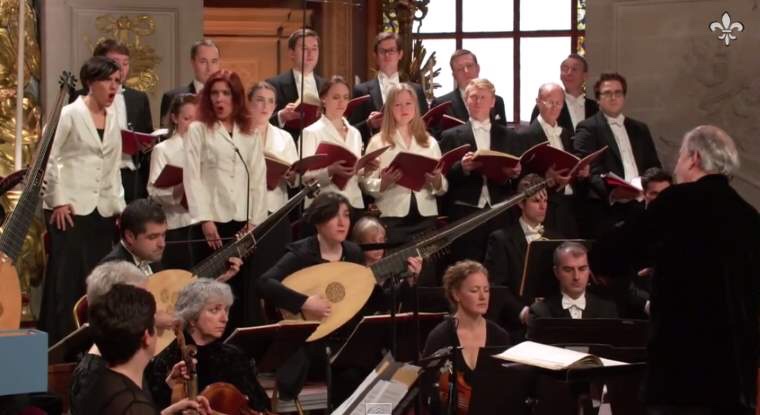
Collegium Vocale (1970- ) Photo credit:.com
Collegium Vocale (9 singers). Is a Belgian musical ensemble of vocalists and supporting instrumentalists, founded by Philippe Herreweghe.“Coventry Carole” Post 55 (https://youtu.be/Y-x-zS9ex58) (RQ 10).
Andra Day Photo Credit: cheatsheet.com
Day, Andra (37 yrs old). From Edmonds, WA. She is the recipient of various accolades, including a Grammy Award and a Golden Globe Award, in addition to nominations for an Academy Award and a Daytime Emmy Award. A sample song: “Rise Up” Post 37 (https://youtu.be/lwgr_IMeEgA) (RQ 10+).
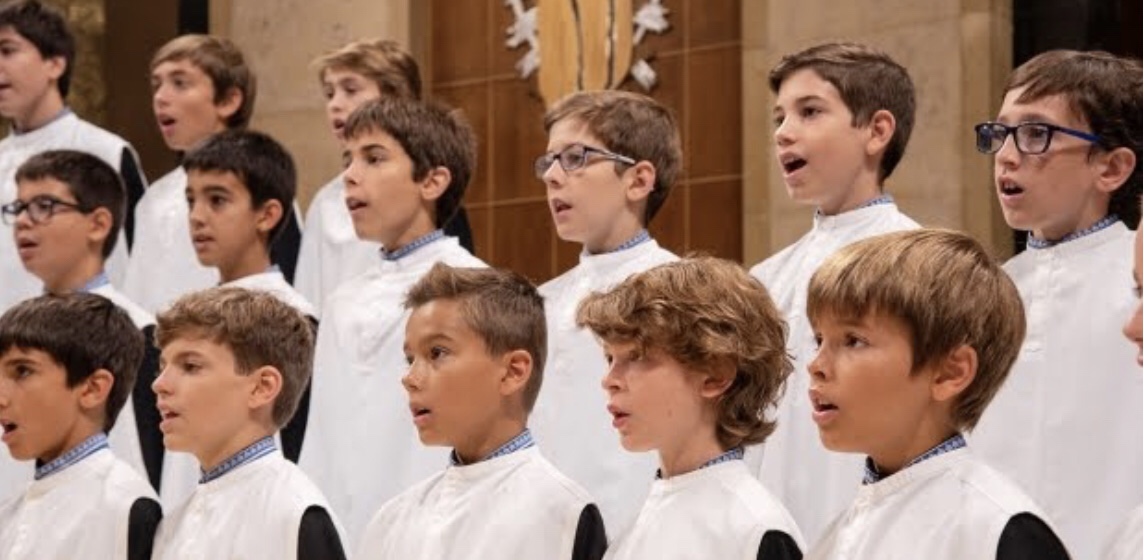
L’Escolania Choir Photo credit: es.aleteia.com
L’Escolania Choir – 33 boys, 1 female solo (1223- ). From Barcelona, Spain. A song of theirs: “Jo Em Rebel-Lo” Post 55 (https://youtu.be/up06KSoQgoM) (RQ 10).
Zan Fiskum Photo credit: m.facebook.com
Fiskum, Zan (25 yrs old). From Seattle, WA. Uses her haunting and beautifully controlled singing to craft ethereal and brooding folk/pop songs. A sample: “Forbidden Art” Post 37 (https://youtu.be/RqP9NoJ9EKo) (RQ 10).
Mahalia Jackson (1911-1972) Photo Credit: digital.mtsu.edu
Jackson, Mahalia. From New Orleans , LA. Obe of her famous songs: “Amazing Grace” Post 18 (https://youtu.be/ZJg5Op5W7yw) (RQ 7).
Louisa Johnson Photo Credit: short-biography.com
Johnson, Louisa (24 yrs old). From Thurrock, UK. In 2015, she won the twelfth series of The X Factor. A song of hers: “Forever Young” Post 37 (https://youtu.be/8Z9BE2Pz_VA) (RQ 10).
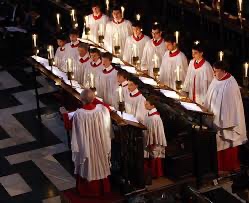
Kings College Choir Photo Credit: singers.com
Kings College Choir (1441- ). From Cambridge, England. A song of theirs: “Miserere Mei Deus” Post 55 (https://youtu.be/IX1zicNRLmY) (RQ 9).
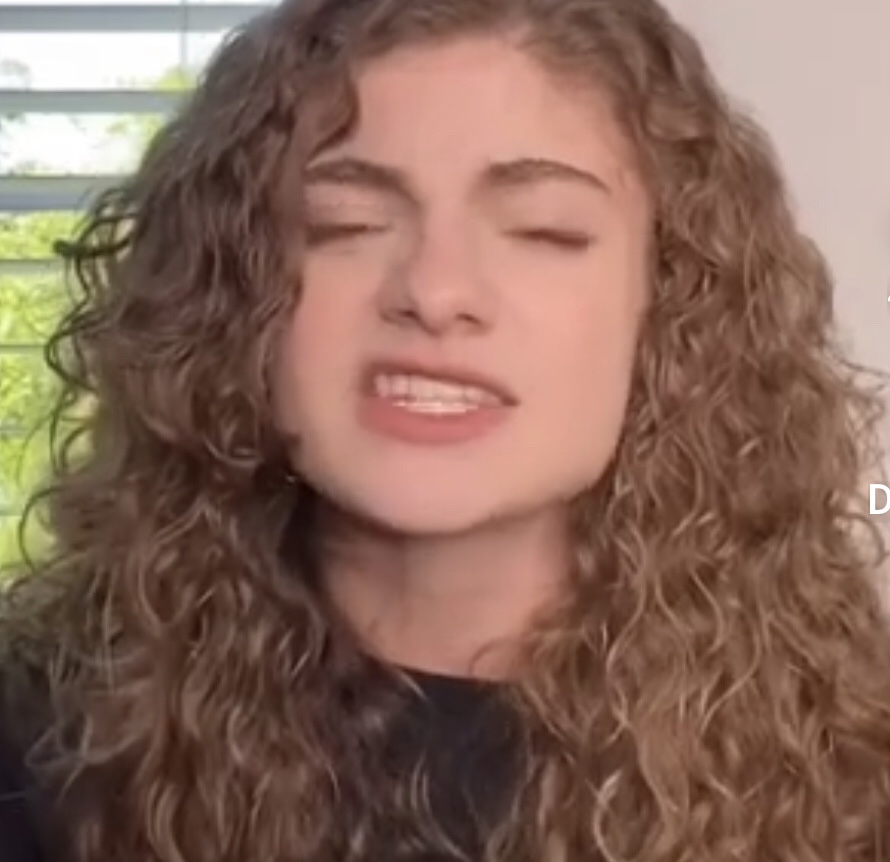
Rhena Marvanne Photo Credit: last.fm
Marvanne, Rhema (19 yrs old). From Carrollton, TX. She recorded this song seven years ago:“Amazing Grace” Post 37 (https://youtu.be/DDDlxmsciqY) (RQ 10).
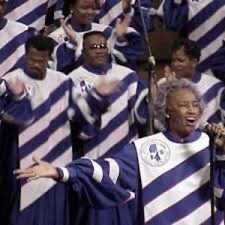
Mississippi Mass Choir Photo Credit: songkick.com
Mississippi Mass Choir (-988- ). Led by Moses Uvere. From Jackson, MS. “Old Time Church” Post 55 (https://youtu.be/MRTggpaBR6o) (RQ 7).
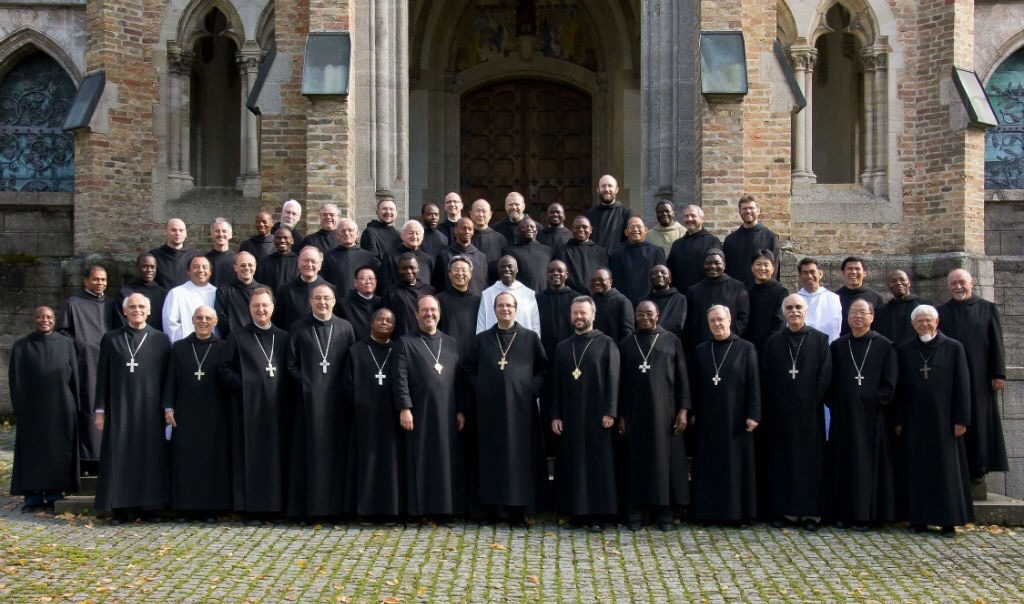
Monks of St. Ottilien Abby Photo credit: ottilien.org
Monks of St. Ottilien Abby (1887- ). From Landsburg, Germany. A recording of theirs: “Gregorian Chant” Post 48 (https://youtu.be/rly1kJOaUxs) (RQ 9).
Monteverdi Virginis Choir & Ensemble (1610- ). From Lower Manhattan, NY. “Desterae (1610)” Post 55 (https://youtu.be/ZVhsw-BIZOI) (RQ 9).
New College Oxford Choir Photo Credit: new.ox.ac.uk
New College Oxford – Mens/Boys Choir (1379- ). From Oxford, UK. “Miserere Mei Deus Allegri” Post 55 (https://youtu.be/ZfmTIRN3efs) (RQ 9).
Paul Jermaine Photo credit: theboot.com
Paul, Jermaine (1979- ). From Harriman, NY (100 miles north of NYC). He is the winner of season 2 of American talent competition The Voice. A song of his: “Butterfly Kisses” Post 53 (https://youtu.be/1zmj_AdF0po) (RQ 10).
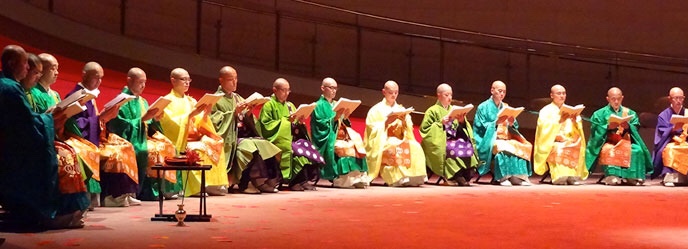
Shomyo. “Buddist Ritual Chant” Is derived from a Chinese adaptation of Indian Vedic chants and thought to have been elaborated in Japan in the 8th century by monks returning from China. Post 49. A sample recording: (https://youtu.be/Qe7Rer-q0eg) (RQ 8).
Rebecca Sayque Photo credit: mobile.twitter.com
Sayaque, Rebecca (12 yrs old, & violinist). From France. Won The Voice Kids in 2020. Her recording: “You Raise Me Up” Post 37 (https://youtu.be/8Wk2FGlEKHY) (RQ 10).
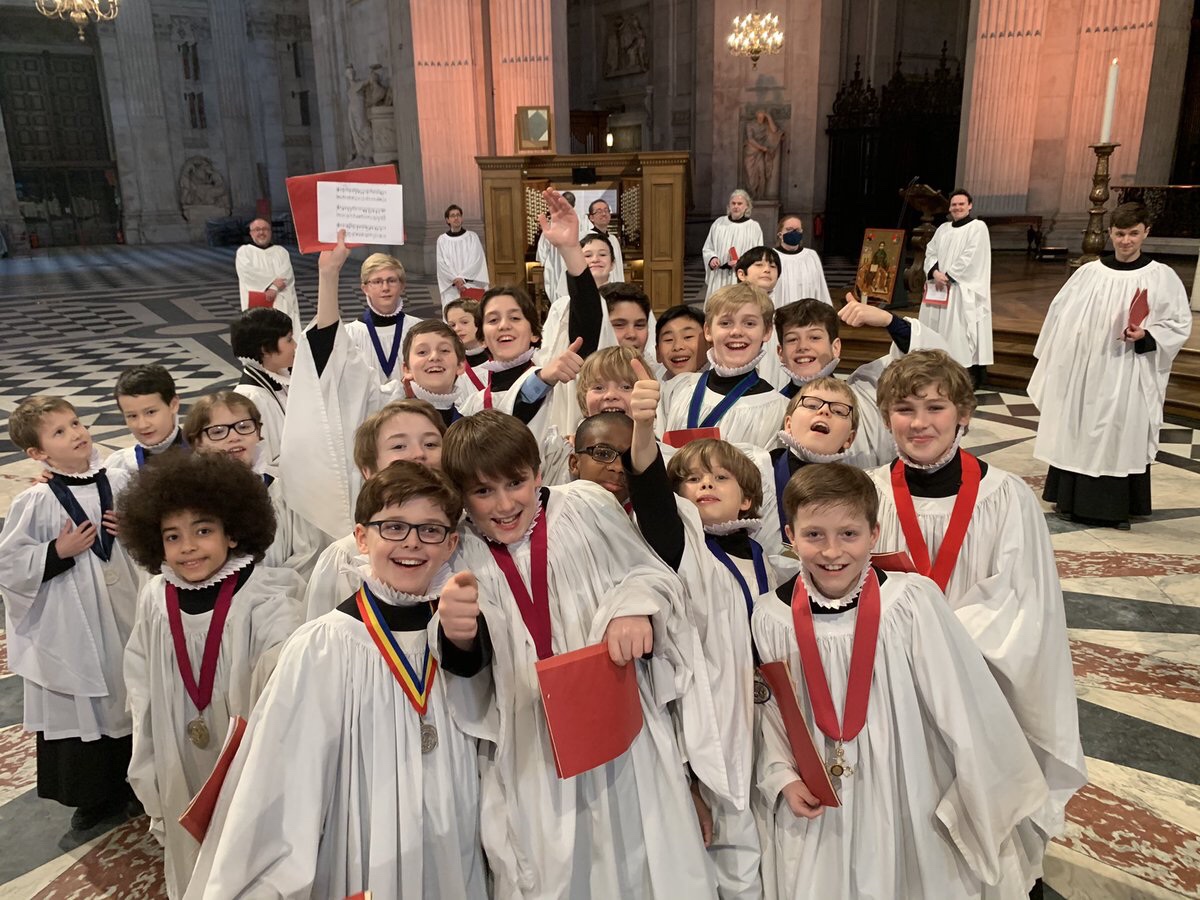
St. Paul’s Cathedral Choir Photo Credit: twitter.com
St. Paul’s Cathedral Choir. From Salisbury, UK. In 2025, St. Paul’s will admit girls for the first time since 1122. One recording: “The Lord Bless You” Post 55 (https://youtu.be/kSM3g8IgoZE) (RQ 9).
The Tabernacle Choir Photo credit: thechurchnews.com
Tabernacle Choir (used to be Morman). Located in Salt Lake City, Utah. 360 members. It is part of The Church of Jesus Christ of Latter-day Saints. It has performed in the Salt Lake Tabernacle for over 100 years. One of their recordings: “Amazing Grace” Post 55 (https://youtu.be/C2arm5ydeJc) (RQ 9).
Tallis Scholars Choir (1973- ). An Oxford, UK professional early music vocal ensemble normally consisting of two singers per part, with a core group of ten singers. They specialise in performing a cappella sacred vocal music. A sample recording: “Victoria’s First Lamination” Post 55 (https://youtu.be/f510B8GFZzI) (RQ 10).
The Cardinal’s Musick Choir Photo Credit: singers.com
The Cardinal’s Musick Choir (founded in London in 1989). The group is known for its extensive study of English Renaissance music. Members: 4 female and 6 male soloists). Sample recording: “Rehearsal” Post 55 (https://youtu.be/8bMiYnzkZx4) (RQ 10).
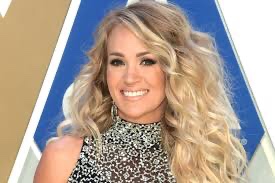
Carrie Underwood Photo credit: people.com
Underwood, Carrie (39 yrs old). She rose to prominence after winning the fourth season of American Idol in 2005. One of her famous songs: “Jesus Take the Wheel” Post 23 (https://youtu.be/lydBPm2KRaU) (RQ 10+).
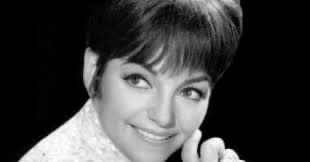
June Valli Photo Credit: fromthevaults.boppinbob.blogspot.com
Valli, June (1928-1993). From Fort Lee, NJ. Valli was also a co-star of “Your Hit Parade” for three years in the 1950’s. A sample recording: “Crying in the Chapel” (from 1953) Post 36 (https://youtu.be/HTEgs3TRgrA) (RQ 9).
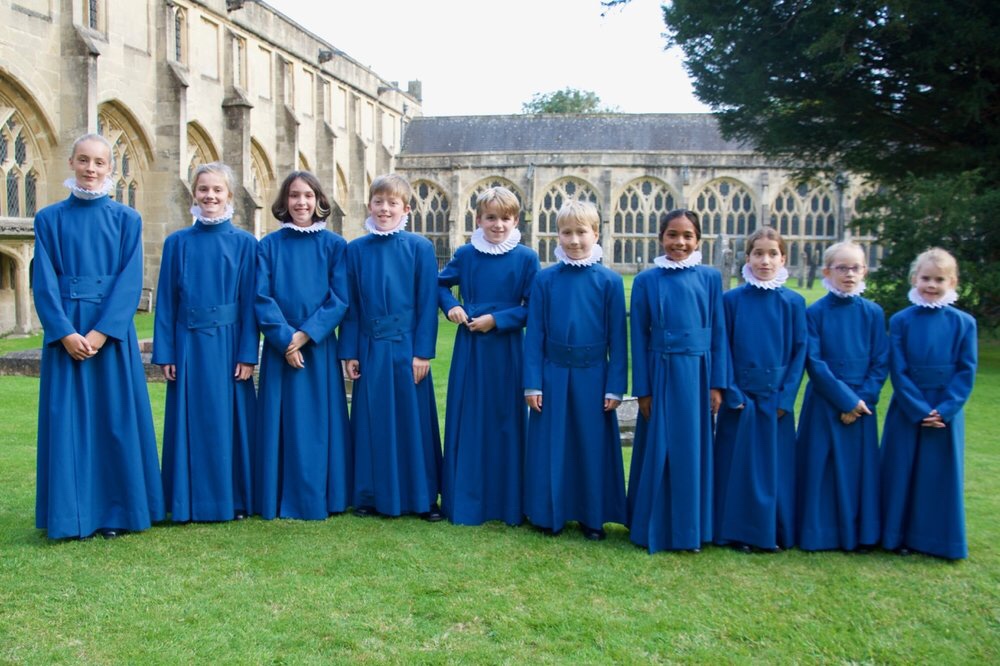
Wells Cathedral Choir Photo Credit: wcct.co.uk
Wells Cathedral Choir – The Choristers, 18 boys and 12 girls (909- ). From Wells, Sommerset, UK. The choir celebrated its 1100th birthday in 2009. Sample recording: “Oh Lord Support Us” Post 55 (https://youtu.be/C6snzF-i5Sw) (RQ 8).
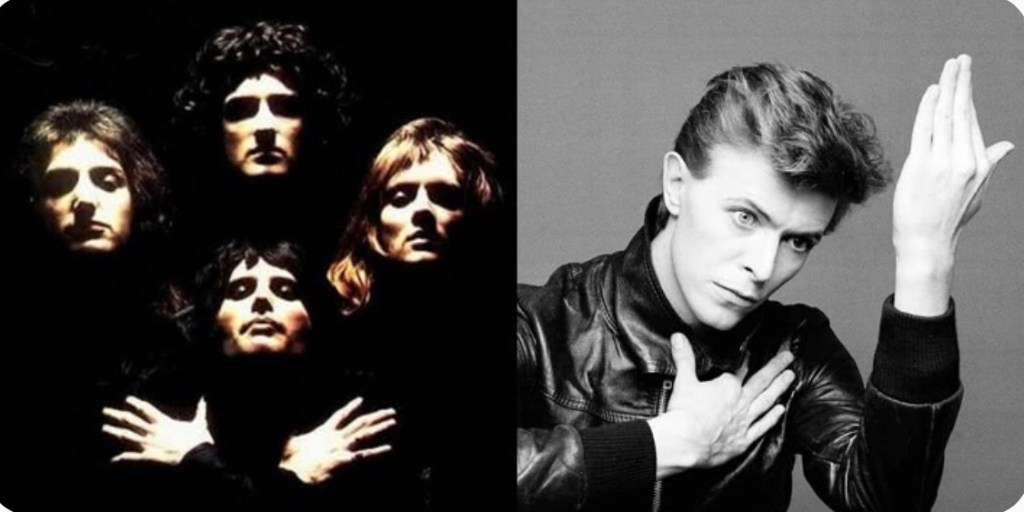
According to the RollingStone Magazine, the Duet with Queen and David Bowie “Under Pressure” (https://youtu.be/HglA72ogPCE) (RQ 7) was the best all-time. In July 1981, David Bowie headed over to Montreux’s Mountain Studio to record a track with Queen. He originally planned on singing on “Cool Cat,” but the session didn’t gel. Luckily, the four members of Queen and Bowie started jamming on a new piece that soon morphed into “Under Pressure.” The whole thing came together within a matter of hours, though there’s a dispute to this day over who exactly came up with the iconic bass line. The song became a worldwide hit, though the never performed it together live — even though Bowie’s set immediately followed Queen’s at Live Aid.
62 Duets are included in this blog:
Cassandra and Callahan Armstrong Photo Credit: tbnewswatch.com
Neville, Aaron & Linda Ronstadt. Linda has earned 11 Grammy Awards, three American Music Awards, two Academy of Country Music awards, an Emmy Award, and an ALMA Award. “Don’t Know Much” Post 6 (https://youtu.be/i_ElZaDt2D4) (RQ 10).
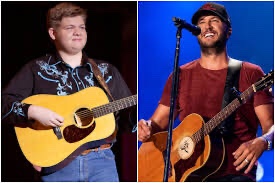
Alex Miller & Luke Bryan Photo credit: countrynow.com
In order to understand the significance of New Age music, it is necessary to understand the genre within the larger context of the New Age movement. The New Age movement is a loose conglomeration of alternative spiritualities and metaphysical religions that emerged in the 1960s. The roots of the New Age movement go back further, however, at least into the occult and new religious movements of the 19th century. Theosophy, New Thought, and Transcendentalism, among many others, attempted to incorporate notions drawn from Buddhism and Hinduism with Western occultism. Many new religions argued for a correspondence between consciousness and the physical world; that how one thought or felt had consequences in the real world.
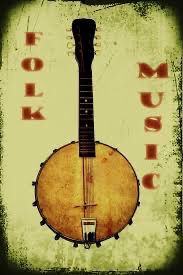
Folk music are songs originating among the people of a country or area, passed by oral tradition from one singer or generation to the next, often existing in several versions, and marked generally by simple, modal melody and stanzaic, narrative verse. a song of similar character written by a known composer.
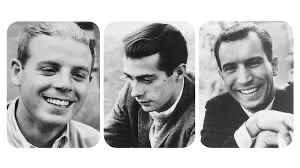
Chad Mitchell Trio Photo Credit: nostalgiamagazine.net
Chad Mitchell Trio (1958-1967). From Spokane, WA. “The Marvelous Toy” Post 51 (https://youtu.be/NZeUDAoNrvQ) (RQ 10).
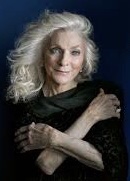
Judy Collins Photo credit: shorefire.com
Collins, Judy (1939- ). From Seattle, WA. Inspired audiences with sublime vocals, boldly vulnerable songwriting, personal life triumphs, and a firm commitment to social activism. “Both Sides Now” Post 36 (https://youtu.be/JYes4Em9u84) (RQ 9).
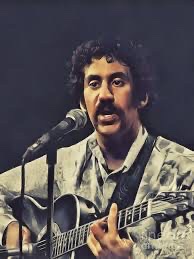
Jim Croce Photo Credit: pixels.com
Croce, Jim (1943-1973). From Philadelphia, PA. Croce, Maury Muehleisen (talented guitarist), George Stevens (comedian), agent Kenneth D. Cortose, road manager Dennis Rast and airplane pilot Robert N. Elliott were all dead, killed in a crash after barely lifting off at the Natchitoches (LA) Regional Airport. Croce was at the top of his career, only 30 at the time. One of several top hits: “Time in a Bottle” Post 36 (https://youtu.be/dO1rMeYnOmM) (RQ 10).
Donovan Photo credit: simple.wikipedia.com
Donovan – Phillips Leitch (1946- ). From Glasgow, UK. A Scottish musician, songwriter, and record producer. He developed an eclectic and distinctive style that blended folk, jazz, pop, psychedelic rock and world music. A great tune of his: “Catch the Wind” Post 36 (https://youtu.be/wgygMF4s-f4) (RQ 9).
Marianne Faithful Photo Credit: npg.org.uk
Faithful, Marianne (1946- ). From London, England. She achieved popularity in the 1960s with the release of her hit single “As Tears Go By” and became one of the lead female artists during the British Invasion in the United States. “As Tears Go By” Post 36 (https://youtu.be/-efIjZ_1yQg) (RQ 8).
Hagara Feinbier Photo credit: open.spotify.com
Feinbier, Hagara (active since 1991). From Bad Belzig, Germany. Participants in her music workshops frequently report how her vitality and openness helped them to (re-) discover their enthusiasm for singing. Hagara is passionate about enabling people to experience the healing power of their voices and encouraging them to sing (together) again as part of their everyday lives. One of her songs: “Navajo Happy Song” Post 48 (https://youtu.be/DkWsToBM-Cs) (RQ 8).
Friend and Lover Photo credit: Discogs.com. Folk music. “Reach Out of the Darkness”. No10 in 1968. (https://youtu.be/RBjQhEME0LQ)
Garnett, Gale (1942- ). A New Zealand–born Canadian singer best known in the United States for her self-penned, Grammy-winning folk hit “We’ll Sing in the Sunshine.” Post 35 (https://youtu.be/csWk7wu0iP4) (RQ 10). Garnett has since carved out a career as an author and actress.
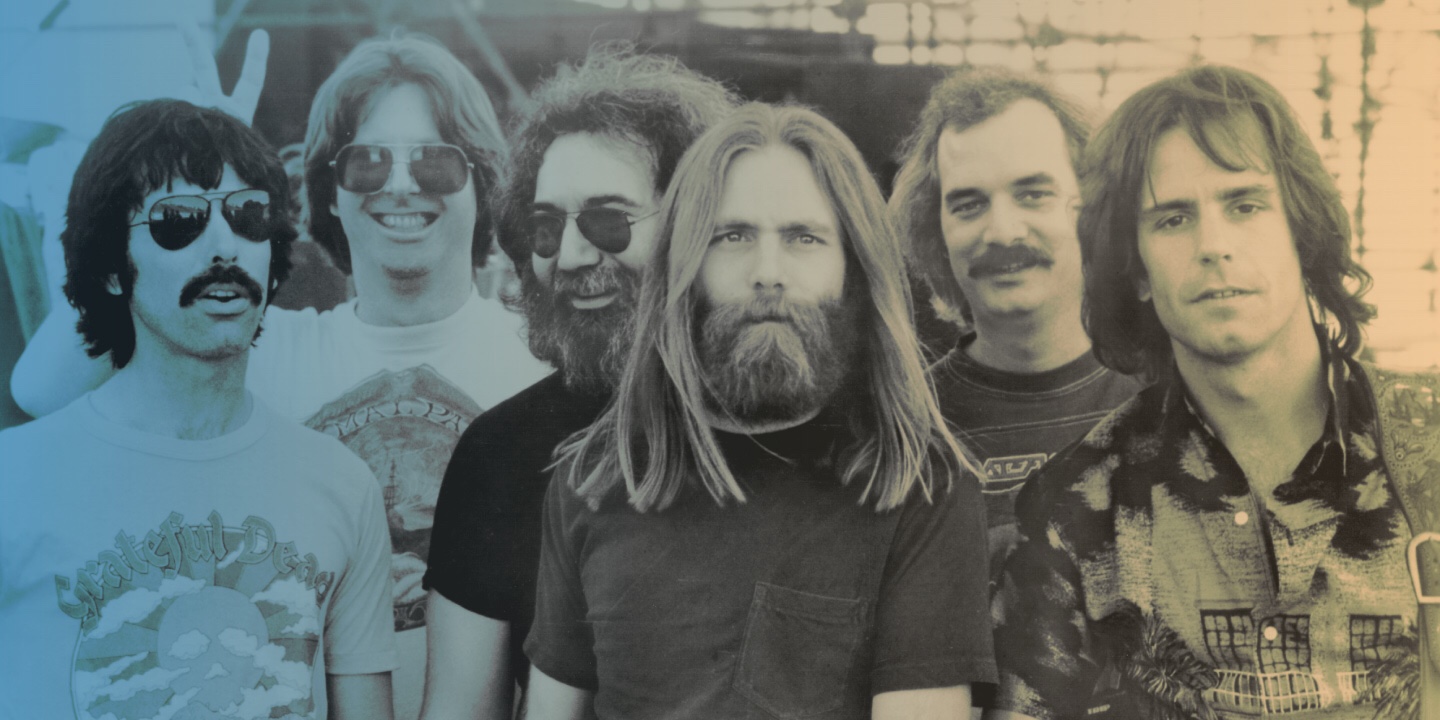
Grateful Dead (1965-1995). From Palo Alto, CA. The band is known for its eclectic style, which fused elements of rock, folk, country, jazz, bluegrass, blues, rock and roll, gospel, reggae, world music, and psychedelia; for live performances of lengthy instrumental jams that typically incorporated modal and tonal improvisation. A sample: “Uncle John’s Band” Post 2 (https://youtu.be/TSIajKGHZRk) (RQ 9).
Woodie Guthrie Photo credit: peoplesworld.org
Guthrie, Woodie (1912-1967). From Okemah, OK. His work focused on themes of American socialism and anti-fascism. His most famous tune:“We Shall Be Free” Post 18 (https://youtu.be/tnQGL9H_ioc) (RQ 8).
Tim Hardin Photo Credit: songsinger.info
Hardin, Tim (1941-1980). From: Eugene, OR. He started his music career in Greenwich Village which led to recording several albums in the mid- to late 1960s, and a performance at the Woodstock Festival. He died of a heroin/morphine overdose in Hollywood, California on December 29, 1980, at the age of 39, virtually forgotten by the public. “If I Were a Carpenter” Post 51 (https://youtu.be/GRiQ1F0FOTw) (RQ 8).
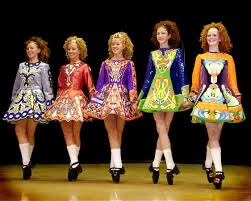
Irish Step Dancing. Its also called Riverdance, a style of dance characterized by a stiff upper body and quick foot movements. Combined with energetic movement and elaborate costumes, Riverdance has been wowing audiences for twenty years. There’s a reason why the vast majority of us give up our dreams of “Riverdance” stardom, however. That reason is that Irish step dancing is an extremely difficult skill, one that we’re all not quite talented enough to achieve. Post 48 (https://youtu.be/HgGAzBDE454) (RQ 8).
Japan Fisherman’sSong Photo Credit: alamy.com
Japan Fisherman’s Song. In the northern sea, only a board on the fishing boat separates the fishermen from the rough waves of winter. In such severe conditions, the strong fishermen sang the song to keep themselves awake during cold nights. Post 48 (https://youtu.be/j967wyK7-40) (RQ 8).
Bhimsen Joshi Photo credit: fineartamerica.com
Joshi, Bhimsen (1922-2011). From Rona, India. He is known for the khayal form of singing, as well as for his popular renditions of devotional music.“Hindustani” Post 48 (https://youtu.be/lLU5p5u9nWw) (RQ 7).
Carole King Photo credit: songhall.org
King, Carole (1942- ). From Manhattan, NY. Regarded as one of the most significant and influential musicians of all time, King is the most successful female songwriter of the latter half of the 20th century in the US, having written or co-written 118 pop hits on the Billboard Hot 100. One of her best: “I Feel the Earth Move” Post 36 (https://youtu.be/6913KnbMpHM) (RQ 8).
Latin Mambo Photo Credit: destenaire.com
Latin Mambo (1930- ). Mambo is a Cuban music style that derives from the danzón tradition. In many Latin American countries, the style is referred to as danzón-mambo. Mambo combines elements of popular Latin dance genres with the musical sophistication of the son Cubano genre—the bedrock of the broader musical style known as salsa. Cuban flutist Antonio Arcaño pioneered mambo music in the 1930s. Post 48 an example: (https://youtu.be/3SWZIESB8ko) (RQ 9).
Mento Hill & Gully Rider Photo credit: youtube.com
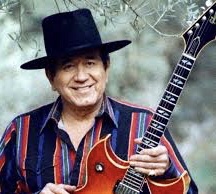
Trini Lopez Pic from The Guardian. His cover of Pete Seeger’s “If I Had a Hammer” earned him a gold record in 1963. He had 16 Top40 songs overall. He also designed Gibson guitars. (https://youtu.be/y7INpfQEPkE)
Mento Hill & Gully Rider (Reggae). Is a Jamaican folk song from the 19th Century written about the local fishermen who would risk their lives trying to catch whales. The “hill and gully” part is talking about the waves going up and down. Post 48 (https://youtu.be/tCpTkfYVHpQ) ((RQ 9).
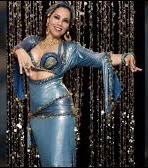
Morocco Gnawa Photo Credit: scenearabia.com
Morocco Gnawa (11th century- ). A body of Moroccan and West African Islamic religious songs and rhythms. Its well-preserved heritage combines ritual poetry with traditional music and dancing. Post 48 (https://youtu.be/bnixGjMhBJE) (RQ 8).
John Mayall Photo credit: vinylpussycat.com
Mayall, John (1933- ). From Macclesfield, UK. The discography of English blues rock musician John Mayall, including the band John Mayall & the Bluesbreakers, consists of 35 studio albums, 34 live albums, 24 compilation albums, four extended plays (EPs), 44 singles and four video albums. Mayall’s 36th studio album was released in 2019. One of many-many tunes: “Bare Wires” Post 6 (https://youtu.be/UwKfePSvbkY) (RQ 8).
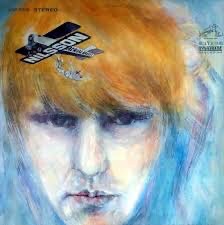
Harry Nilison Photo Credit: progrophy.com
Nilison, Harry (1941-1994). From Brooklyn, NY. His work is characterized by pioneering vocal overdub experiments, returns to the Great American Songbook, and fusions of Caribbean sounds. Like this: “Everybody’s Talkin.” Folk Music. 13 of 23 Genres. (https://youtu.be/BFKDyVPkonc) (RQ 10).
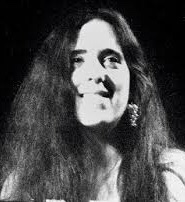
Nyro, Laura (1947-1997). Died at the age of 49 due to complications from ovarian cancer. From The Bronx, NY. Said Richard Williams: “Whatever role Laura Nyro chose to play – earth mother, soul sister, angel of the Bronx subways – she committed to it. With a soaring, open-hearted voice and ingeniously crafted compositions, Nyro transformed a range of influences into her own kind of art song. She made vertiginous shifts from hushed reveries to ecstatic gospel-driven shout-ups with an intensity and a courage that, as Elton John would point out, left its mark on many contemporaries who achieved greater commercial success.” A song example: “Wedding Bell Blues” Post 36 (https://youtu.be/jRhAtCjPGcM) (RQ 8).
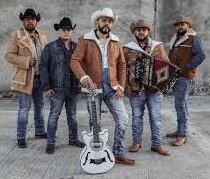
Obzesion Photo credit: faranduleo.com
Obzesion (2020). Obzesión truly represents the authentic and new Texas sound. “Mi Trokita” (Cumbia) Post 48 (https://youtu.be/BGNVOr-LIGE) (RQ 8).
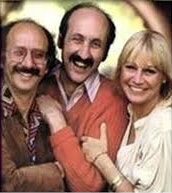
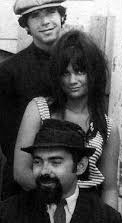
Peter, Paul & Mary Photo credit: fanpop.com
Peter (Yarrow), Paul (Stookey) & Mary (Travers) (1961-1970). Mary passed in 1972 at 72 from treatment for leukemia. From New York City. The term “folk music” has come to be virtually interchangeable with the group name, but when the words were written, they were meant less as a stylistic distinction than as a mission statement. “Lemon Tree” Post 30 (https://youtu.be/MLhYghzNfII) (RQ 10).
John Sabastian Photo Credit: bandsintown.com
Sabastian, John (1944- ). From Greenwich Village, NY. Is an American singer-songwriter, guitarist and harmonicist. He is best known as a founder of the Lovin’ Spoonful, as well as for his impromptu appearance at the Woodstock festival in 1969 and a U.S. No. 1 hit in 1976, “Welcome Back”. Another hit of his: “Younger Generation” (at Woodstock) Post 56 (https://youtu.be/I6U_kJby1Gk) (RQ 8).
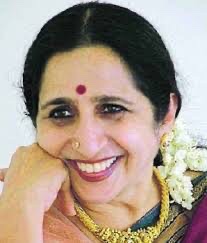
Aruna Sairam Photo Credit: dhanyasy.org
Sairam, Aruna (1952- ). From Mumbai, India. Is an Indian classical vocalist and carnatic music singer. She is a recipient of the Padma Shri award from the Government of India and has been elected as Vice Chairman of the Sangeet Natak Academy by the Government of India. Sample song: “Carnatic” Post 48 (https://youtu.be/spRQEectgB8) (RQ 7).
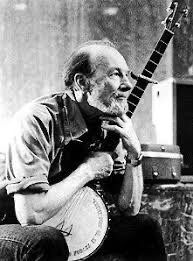
Pete Seeger Photo credit: pinterest.com
Seeger, Pete (1919-2014). From NYC. An American folk singer and social activist. A fixture on nationwide radio in the 1940s, Seeger also had a string of hit records during the early 1950s as a member of the Weavers, most notably their recording of Lead Belly’s “Goodnight, Irene” Other popular songs: “Industrial Ballads” (Peg & Awl) Post 48 (https://youtu.be/U2e7-bkWuyA) (RQ 9) and “We Shall Overcome” Post 18 (https://youtu.be/Kfo_W73n0hE) (RQ 7).
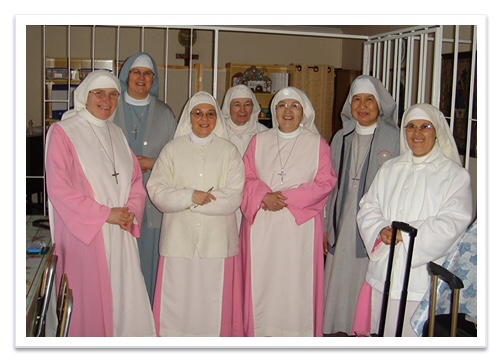
The group Siervas is comprised of Spanish-singing sisters (nuns) originally from Argentina, China, the Philippines, Chile, Venezuela, Ecuador, Peru, and Japan. They came to the community responding to God’s call to serve their brothers and sister, especially those who suffer the most, those who are most fragile, the sick, the poor, and the needy.
They had about a dozen members when they began in 2014, currently solidified at seven to nine. They are based in Lima, Peru.
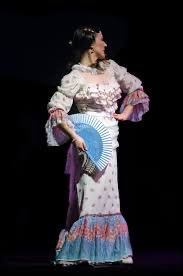
Spanish Flamenco. “Guajiras” Is a palo based on the Cuban Punto Guajira Cubana. It is in 12 beats and feels like it starts on 12. The guajira is a prime example of so-called cantes de ida y vuelta.The flamenco guajira is the adaptation to Melos flamenco of the Cuban point, the peasant point, a genre that brings together a series of songs called Guajiros that are grown in the rural areas of the island of Cuba. Post 48 (https://youtu.be/hgitRq_0410) (RQ 9).
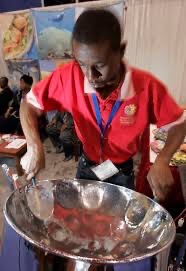
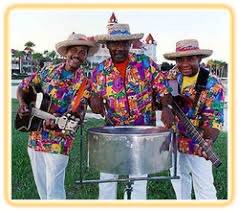
Steel Drum – Trinidad (1880-1937). From Trinidad and Tobago. The modern pan is a chromatically pitchedpercussion instrument made from 55 gallon industrial drums. Sounds like: “Sugar Bum Bum” Post 48 (https://youtu.be/KMoL_NSZbe4) (RQ 8).
Stone Ponies (Linda Ronstadt) Photo Credit: forums.stevehoffman.tv
Stone Ponies (1967). From Los Angeles, CA. A folk rock trio formed in Los Angeles, consisting of Linda Ronstadt on vocals, Bobby Kimmel on rhythm guitar and vocals, and Kenny Edwards on lead guitar. “Different Drum” (https://youtu.be/w9qsDgA1q8Y) (RQ 9).
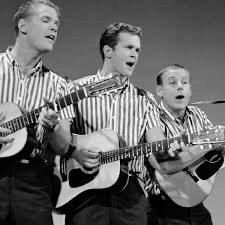
The Kingston Trio (1957-1967). From Palo Alto, CA. They would become one of the nation’s most popular bands, releasing five Number One albums, including a span in 1959 when four of the albums in the Top 10 belonged to the Kingston Trio. Bob Shane died in 2020 at 85 years old. The other two members (Nick Reynolds and Dave Guard) passed away previously. One if their many hits: “Tom Dooley” Post 33 (https://youtu.be/I8grIno58BM) (RQ 9).
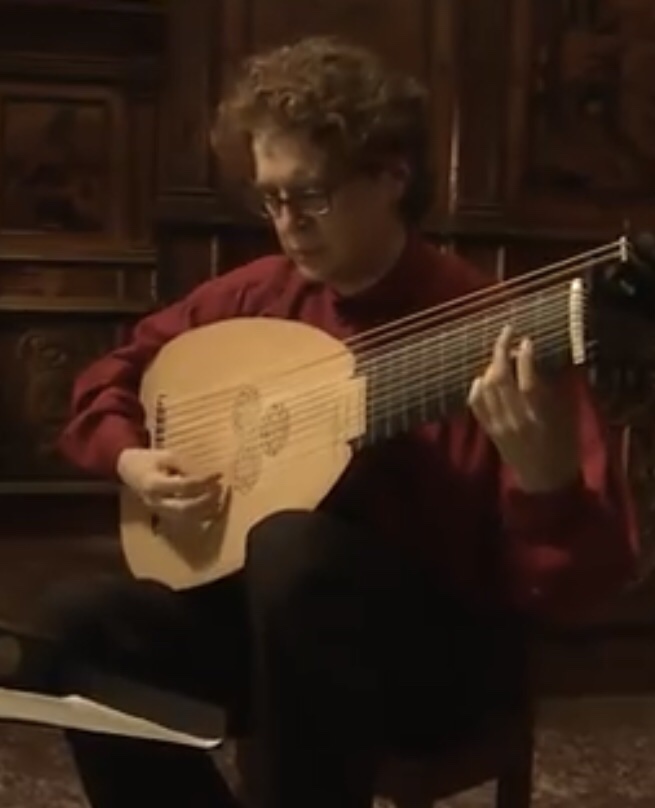
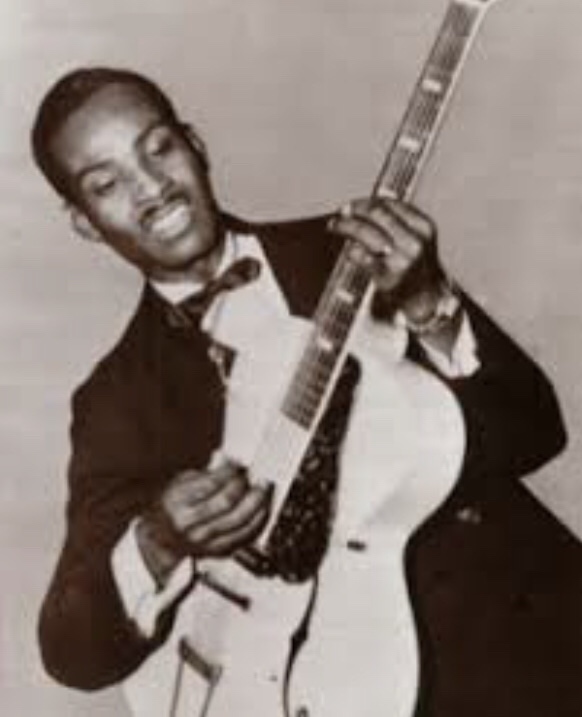
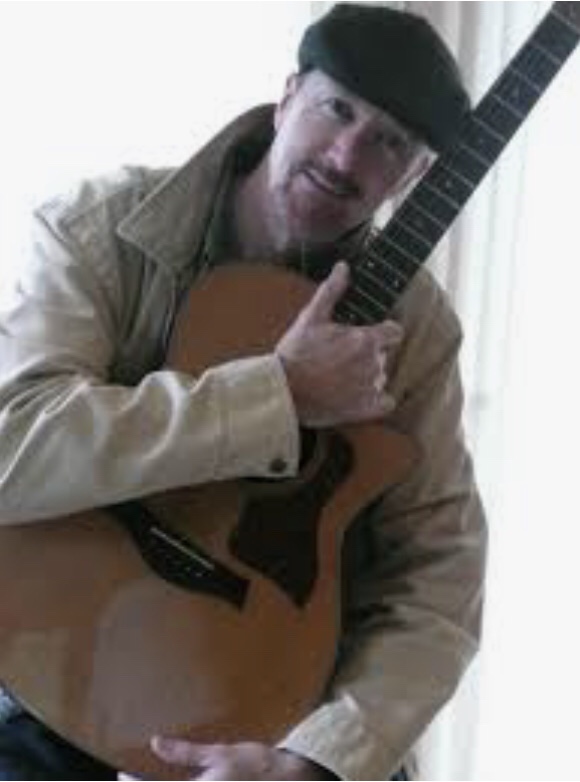
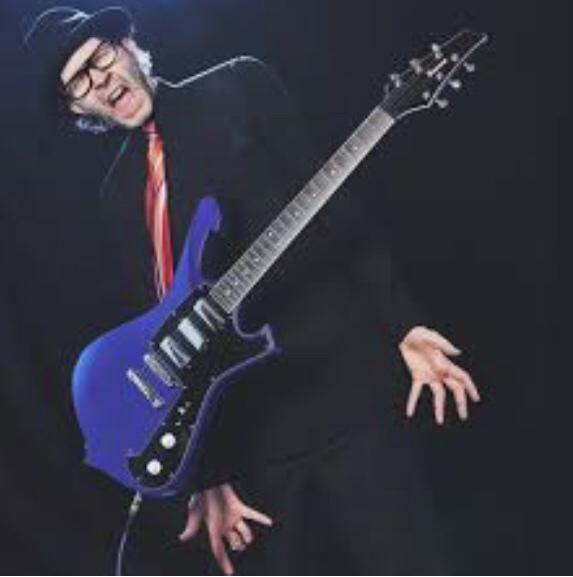
The guitar is a string instrument whose history dates as far back as 4000 years. Researchers associate it with the lute and oud, which are ancient string instruments. The materials used to make a guitar are plastic or wood, and in some cases, metal. Usually, this instrument has six strings. However, it can have as many as eighteen strings or as few as four. The name guitar originates from the ancient Greek word ‘kithara.’ The kithara was a popular string instrument in ancient Greece.
45 Guitar players highlighted in blog posts:
Erik Mongrain – 33 years old. From Montreal
Erik Mongrain taught himself guitar from the age of 14. As a boy, he was mostly interested in sports but picked up an interest in the guitar and began to teach himself to play by ear. Erik started out playing the electric guitar, but developed an interest in classical and acoustic guitar after hearing the work of Johann Sebastian Bach. He taught himself to read music and began composing. Today he is considered to be one of the best acoustical guitarists of the 2000s.
Mongrain was inspired early on by the work of Metallica, Jimi Hendrix, and Kurt Cobain. When he was 18, he heard the work of guitarist Don Ross and he thought: “This was a new revelation to me. I finally found my niche.” After that, he was heavily influenced by the work of Michael Hedges, and also began to experiment with a technique known as lap tapping (https://fb.watch/nQR3SIeiHN/?mibextid=T3FBdp).
Mongrain plays live shows in the United States, Japan, Germany, Canada, and England. He started out busking in the streets, before he was discovered in Spain; His music is featured in a documentary produced by Lance Trumbull for the Everest Peace Project. He was featured on the cover of Guild Guitar Company Magazine. Erik was featured in Le Journal de Montréal and many other acoustic guitar magazines. His first full-length album, Fates, was released in December 2006 on his website as a series of individually buyable/downloadable songs. The physical CD was released in June 2007 (May for Japan).
In 2007, Mongrain went on a tour around the world, particularly in Europe, Asia and America. He performed also at the famous Montreal International Jazz Festival and at the “Studio-théâtre” of the Place des Arts of Montreal where the live performance was recorded. Mongrain was invited for the premiere of the « World Music Heritage », a drive by Gontiti on the national Japanese network (NHK).
The iVideosongs company have filmed four clips including Equilibrium. The clips are tutorials of Mongrain’s lap tapping style, downloadable on the company’s Web site.
His “AirTap!” video has been viewed over 7 million times on YouTube. On October 21, 2008, Mongrain launched his second album “Equilibrium” which contained nine new compositions. The album was recorded in July 2008 in “The Dragon Crossing studios” owned by Paul Reed Smith (PRS Guitars) and located in Annapolis, Maryland. Musicians such as Michael Manring on fretless bass and Bill Plummer on synthesizers contributed to the album.
The origins of the blues are poorly documented, but it is believed that after the American Civil War (1861–65), formerly enslaved African Americans and their descendants created this genre while working on Southern plantations, taking inspiration from hymns, minstrel show music, work songs and field hollers, and ragtime, etc.
31 Blues artists within this blogpost:
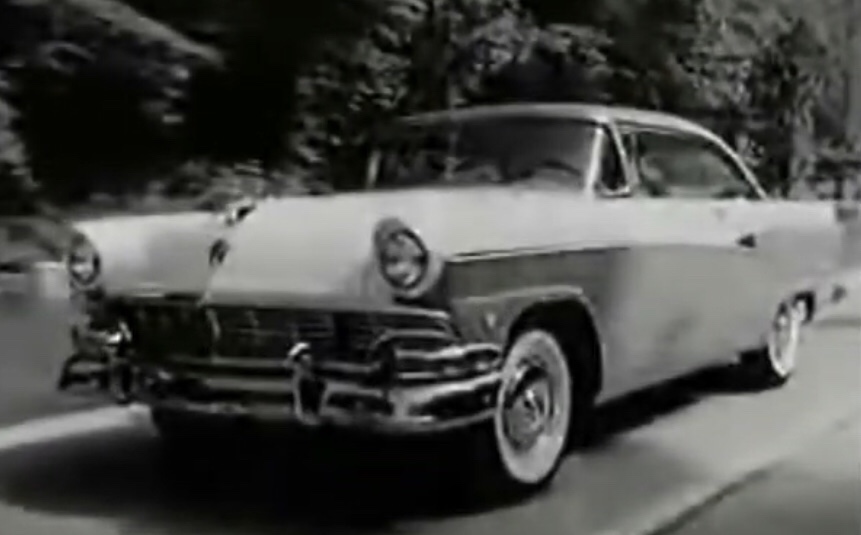
1959 Ford
“The Clouds” is a 1959 instrumental by The Spacemen, an instrumental studio group. The single released on the Alton label, was the only chart hit by The Spacemen. “The Clouds” (https://youtu.be/zZ87IKPKr1g) hit number one on the R&B chart for three non consecutive weeks, and also peaked at number forty-one on the Hot 100.
Charles Brown Photo credit: aaregistry.org
Brown, Charles (1922-1999). American singer and pianist whose soft-toned, slow-paced nightclub style influenced West Coast blues in the 1940s and 1950s. “Trouble Blues” Post 18 (https://youtu.be/wq8N7wGR0lE) (RQ 9).
Paul Butterfield – Blues Band Photo Credit: jazzmusicarchives.com
Butterfield, Paul – Blues Band (1942-1987). American blues harmonica player, singer and band leader. After early training as a classical flautist (playing the flute), he developed an interest in blues harmonica. Also played electric lead guitar. “Born in Chicago”Post 12 (https://youtu.be/TzfVrmkbaUc) (RQ 8).
Cooke, Sam (1931-1964). Considered the most important soul singer in history, along with being the inventor of soul music, African American singer Sam Cooke was the most popular and beloved performer in both the black and white communities during his times! Unfortunately, on December 11, 1964, in response to a reported shooting, officers of the Los Angeles Police Department were dispatched to the Hacienda Motel, where they found musician (the 33 yr old) Sam Cooke dead on the office floor, shot three times in the chest by the motel’s manager, Bertha Franklin. The authorities ruled Cooke’s death a case of justifiable homicide, based on the testimony of Ms. Franklin, who claimed that Cooke had threatened her life after attempting to rape a young woman with whom she had earlier checked in. In the years since his death, the circumstances surrounding Cooke’s shooting have been called into question by his family and others. Two of his best recordings: “Twistin the Night Away” Post 12 (https://youtu.be/zTArYTvpLZA) (RQ 9). “Having a Party” (1962) https://youtu.be/OmMbN_MrlTQ.
Country Joe & The Fish Photo Credit: discogs.com
Country Joe & The Fish (1965-1970). An American psychedelic rock band formed in Berkeley, California, in 1965. The band was among the influential groups in the San Francisco music scene during the mid-to-late 1960s. An example recording: “Not So Sweet Martha Lorraine” Post 6 (https://youtu.be/ha-3Dg-PP1U) (RQ 9).
Willie Dixon Photo Credit: americanbluesscene.com
Dixon, Willie (1915-1992). Born in Vicksburg, VA. American blues musician, vocalist, songwriter, arranger and record producer. He was proficient in playing both the upright bass and the guitar, and sang with a distinctive voice, but he is perhaps best known as one of the most prolific songwriters of his time. A recording: “I Can’t Quit You Baby” Post 18 (https://youtu.be/4GO2nU57Ldk) (RQ 10).
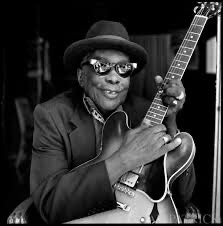
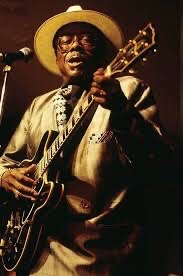
John Lee Hooker Photo credit: b-l-u-e-s.com
Hooker, John Lee (1917-2001). From Tutwiler, MS. An American blues singer, songwriter, and guitarist. The son of a sharecropper, he rose to prominence performing an electric guitar-style adaptation of Delta blues. Hooker often incorporated other elements, including talking blues and early North Mississippi Hill country blues. A sample song:“Boom Boom” Post 38 (https://youtu.be/o_6SlT3Yy10) (RQ 8).
J. J. Jackson (1941-2004) Photo Credit: SoundCloud
Jackson first gained prominence while working at WBCN in Boston in the late 1960s, then at KLOS in Los Angeles for ten years. Jackson was one of the first DJs to introduce Americans to The Who and Led Zeppelin. In 1976, he was featured in a voice-only performance as a DJ of the fictional KGYS radio in the movie Car Wash. He was a music reporter for KABC-TV when he was tapped as one of MTV’s original “fab five.” As a VJ, Jackson hosted the long-awaited and much anticipated “unmasking” of KISS. He was one of the few African Americans to DJ an “album rock” radio station. One of his hits: “But It’s Alright” (1966). https://youtu.be/7eHicYDEyJ0.
James Elmore Photo Credit: recordshopx.com
James, Elmore (1928-1963). He was known as “King of the Slide Guitar” and was noted for his use of loud amplification and his stirring voice. A song of his:“Dust My Broom” Post 18 (https://youtu.be/5jcGY7NbaQw) (RQ 9).
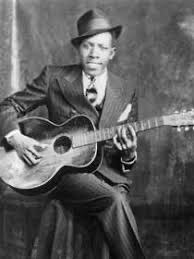
Robert Johnson Photo credit: roadsidesmerica.com
Johnson, Robert (1911-1938). From Hazlehurst, MS. His landmark recordings in 1936 and 1937 display a combination of singing, guitar skills, and songwriting talent that has influenced later generations of musicians. He is now recognized as a master of the blues, particularly the Delta blues style. Sampling of his music: “Cross Roads Blues” Post 18 (https://youtu.be/GsB_cGdgPTo) (RQ 8).
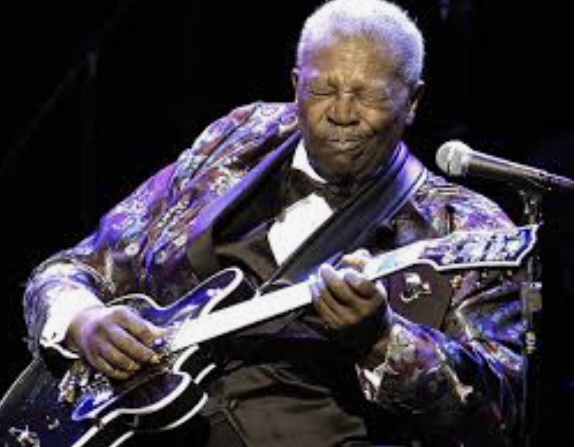
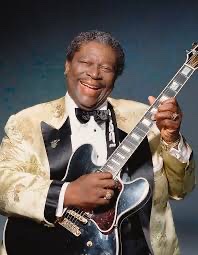
B.B. King Photo Credit: photos.com
King, B. B. (1925-2015). From Berclair, MS. He introduced a sophisticated style of soloing based on fluid string bending, shimmering vibrato and staccato picking that influenced many later blues electric guitar players. A great example of his music: “The Thrill is Gone” Post 38 (https://youtu.be/SgXSomPE_FY) (RQ 8).
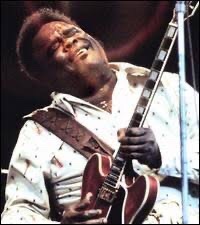
Freddie King Photo Credit: mentalitch.com
King, Freddie (1934-1976). From Gilmer, TX. Mostly known for his soulful and powerful voice and distinctive guitar playing. A sample of his work: “Have You Ever Loved a Woman” Post 18 (https://youtu.be/CiUPyrMA78Q) (RQ 7).
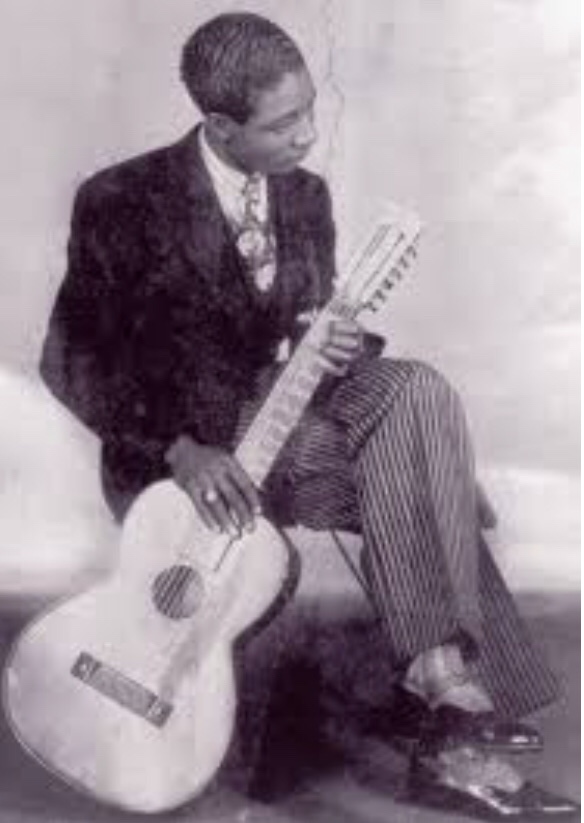
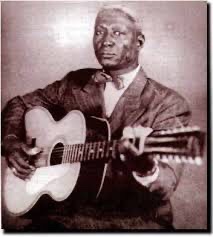
Lead Belly Photo Credit: mudcat.org
Lead Belly – Huddie William Ledbetter (1888-1949). From Mooringsport, LA. Notable for his strong vocals and virtuosity on the twelve-string guitar. An example of his music: “Good Night Irene” Post 18 (https://youtu.be/9JqLlBSHW-A) (RQ 8).
Barbara Lynn Photo credit: visitportarthurtx.com
Lynn, Barbara (1942- ). She is from Beaumont, TX. Left handed lead guitarist. American rhythm and blues and electric blues guitarist, singer and songwriter. She is best known for her R&B chart-topping hit: “You’ll Loose a Good Thing” Post 36 (https://youtu.be/-fk6lgA10MQ) (RQ 9).
Dave Mason Photo Credit: patriotledger.com
Mason, Dave (1946- ). From Worcester, UK. An English singer-songwriter and guitarist from Worcester, who first found fame with the rock band Traffic. One of his songs: “Fellin Alright” Post 36 (https://youtu.be/bOQSBRMYJms) (RQ 9).
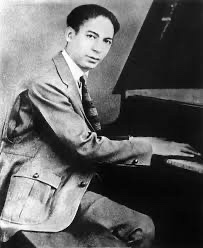
JellyRoll Morton Photo credit: bibliolore.com
Morton, Jelly Roll – Ferdinand Joseph LaMothe (1890-1941). From New Orleans, LA. An American ragtime and jazz pianist, bandleader, and composer. Morton was jazz’s first arranger, proving that a genre rooted in improvisation could retain its essential characteristics when notated. “All my fellow musicians were much faster in manipulations, I thought than I, and I did not feel as though I was in their class. So he used a slower tempo to permit flexibility through the use of more notes.” A song example: “Creepy Felling” Post 18 (https://youtu.be/A_msjBRjRBo) (RQ 7).
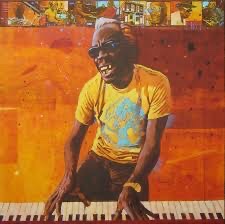
Professor Longhair Photo Credit: saatchiart.com
Professor Longhair – Henry Roeland “Roy” Byrd (1918-1980). From Bogalusa, LA. He helped shape the sound of New Orleans rhythm and blues from the mid-1940s. An example: “Gone So Long” Post 18 (https://youtu.be/gGGq3QCn9Dc) (RQ 9).
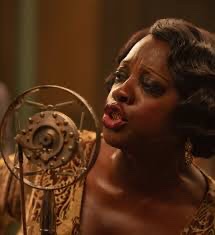
Ma Rainey Photo Credit: npr.org
Rainey, Ma Gertrude (1886-1939). From Columbus, GA. She bridged earlier vaudeville and the authentic expression of southern blues, influencing a generation of blues singers. A sampling of her work: “Deep Moaning Blues” Post 18 (https://youtu.be/Lmi-1h_xNKw) (RQ 8).
Della Reese Photo credit: pilotonline.com
Reese, Della – Delloreese Patricia Early (1931-2017). From Black Bottom, Detroit. An American jazz and gospel singer, actress, and ordained minister whose career spanned seven decades. One of her famous hits: “Come Rain or Come Shine” Post 36 (https://youtu.be/DYK2m2n38lI) (RQ 8).
Jimmy Rodgers Photo Credit: bobcorritore.com
Rodgers, Jimmy (1924-1997). From Ruleville, MS. An American Chicago blues singer, guitarist and harmonica player, best known for his work as a member of Muddy Waters’s band in the early 1950s. A hit of his: “That’s All Right” Post 18 (https://youtu.be/VMElkWHNz7s) (RQ 8).
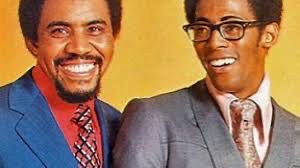
Jimmy & David Ruffin Photo credit: youtube.com
Ruffin, Jimmy (1936-2014) & David (1941-1991). Born in Whynot, MS. It’s a little heartbreaking that Jimmy Ruffin will only be remembered by most folks, if at all, as the voice that asked “What Becomes Of The Broken Hearted.” On the upside, as is often the case with soul singers of his era, fans in the UK gave him a lot more credit than that and he was able to enjoy a bigger career overseas than we offered him at home. David Ruffin songs proved that the Motown singer most remembered for his time with The Temptations. A song example: “When My Love Hand Comes Down” Post 11 (https://youtu.be/DeCBP4eu3iM) (RQ 8).
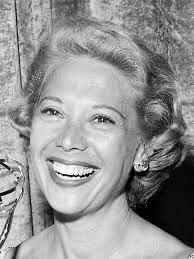
Dinah Shore Photo Credit: emmys.com
Shore, Dinah (1916-1994). From Winchester, TN. An American singer, actress, and television personality, and the top-charting female vocalist of the 1940s. She rose to prominence as a recording artist during the Big Band era. Not her usual style: “Blues in the Night” Post 36 (https://youtu.be/CNyUlQ8T9ns) (RQ 7).
Bessie Smith Photo credit: caseychilds.com
Smith, Bessie (1894-1937). From Chattanooga, TN. Nicknamed the “Empress of the Blues”, she was the most popular female blues singer of the 1920s and 1930s. Her career was cut short as she lost her life at only 43 in a car accident. A sample: “St. Louis Blues” Post 18 (https://youtu.be/cwRbsULaQIo) (RQ 7).
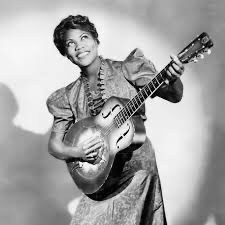
Sister RosettaTharpe Photo Credit: marshall.com
Tharpe, Sister Rosetta (1915-1973). From Cotton Plant, AR. She attained popularity in the 1930s and 1940s with her gospel recordings, characterized by a unique mixture of spiritual lyrics and electric guitar that was extremely important to the origins of rock and roll. Have a listen: “Down by the Riverside” Post 18 (https://youtu.be/DiYz23NUdXA) (RQ 9).
The Soul Stirrers Photo Credit: soulwalking.co.uk
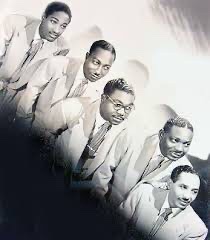
The Soul Stirrers (active 1926-1960s). From Trinity, TX. The group was a pioneer in the development of the quartet style of gospel, and a major influence on soul, doo wop, and Motown, some of the secular music that owed much to gospel. Sam Cooke was a member. A sampling: “I’m a Soldier” Post 18 (https://youtu.be/PsqFieU26s8) (RQ 8).
Big Joe Turner Photo credit: shazam.com
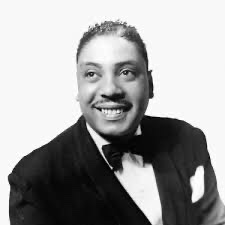
Turner, Big Joe – Joseph Vernon (1911-1985). From Kansas City, MO. According to songwriter Doc Pomus, “Rock and roll would have never happened without him.” An American blues singer, or “shouter,” whose music included jazz, rhythm and blues, and boogie-woogie. One of his hits: “Shake, Raddle and Roll” Post 16 (https://youtu.be/rJoTiZ0tHYc) (RQ 7).
Ward, Singing Sammy – James T. Woodley (1932-1995). Ian Levine stated of Ward that: “He was almost impossible to record, as he couldn’t stick to any melody at all, and merely improvised in a bluesy voice.” From Birmingham, AL. His best recording: “Who’s the Fool” Post 35 (https://youtu.be/G2Fma9MxTzg) (RQ 10+).
Walker, T-Bone – Aaron Thibeaux (1920-1975). From Linden, TX. An American blues musician, composer, songwriter and bandleader, who was a pioneer and innovator of the jump blues, West Coast blues, and electric blues sounds. A song of his: “Woman You Must Be Crazy” Post 18 (https://youtu.be/J6-sADWSsF4) (RQ 10).
Little Walker Photo Credit: en.wikipedia.com
Walker, Little – Marion Walter Jacobs (1930-1968). From Marksville, LA. A great harmonica player. An American blues musician, singer, and songwriter, whose revolutionary approach to the harmonica had a strong impact on succeeding generations, earning him comparisons to such seminal artists as Django Reinhardt, Charlie Parker and Jimi Hendrix. He was subjected to numerous beatings throughout his life, leaving his face and body bruised, battered, and scarred. Walter continually pushed his body to its limit, which ultimately resulted in his premature death at 37. A sample of his music: “Sad Hours” Post 19 (https://youtu.be/vgTu_CzBZ3k) (RQ 10).
Muddy Waters Photo credit: facebook.com
Waters, Muddy – McKinley Morganfield (1913-1983). From Issaquena County, MS. An important figure in the post-war blues scene, and is often cited as the “father of modern Chicago blues.” One of his songs: “Cold Weather Blues” Post 48 (https://youtu.be/bkLRKs4_oOc) (RQ 9). Also his Greatest Hits (1964) https://youtu.be/lZqZXSGQasE.
Howlin Wolf Photo Credit: iheart.com
Wolf, Howlin-Chester Arthur Burnett (1910-1976). From Whites, MS. He moved to Chicago in adulthood and became successful, forming a professional rivalry with fellow bluesman Muddy Waters. A song of his: “Smokstack Lightening” Post 18 (https://youtu.be/QS33LNHXpXM) (RQ 8).
Jimmy Yancy Photo Credit: artsy.net
Yancy, Jimmy (1894-1951). From Chicago, IL. An American boogie-woogie pianist, composer, and lyricist. One reviewer described him as “one of the pioneers of this raucous, rapid-fire, eight-to-the-bar piano style” A really good recording: “The Bluesman Series (How Long Blues)” Post 18 (https://youtu.be/iNi6nK1LF1c) (RQ 7).
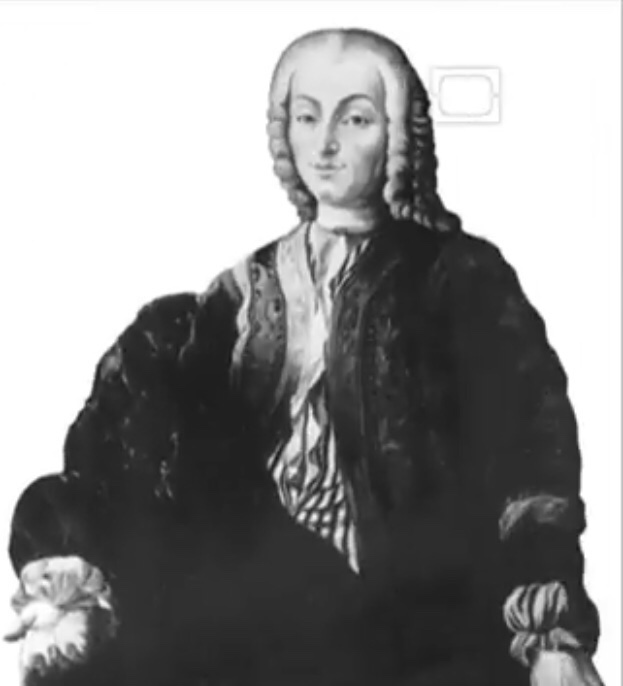
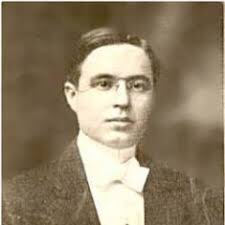
The piano was invented by Bartolomeo Cristofori (1655-1731) of Italy. Cristofori was unsatisfied by the lack of control that musicians had over the volume level of the harpsichord. He is credited for switching out the plucking mechanism with a hammer to create the modern piano in around the year 1700.
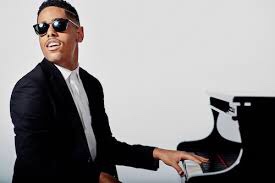
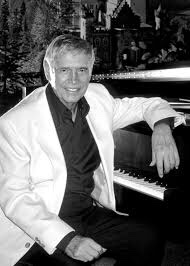
Here are two playlists for the ease of your listening enjoyment:
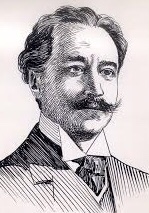
Castro, Ricardo. A Mexican concert pianist and composer, considered the last romantic of the time. “Cello concert in C minor” (https://youtu.be/hfZQG6EW94s).
Bartolomeo Cristofori1655-1731 Photo credit: Stuff of Genius
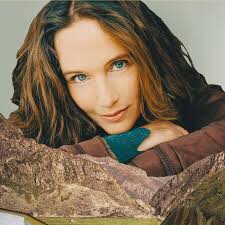
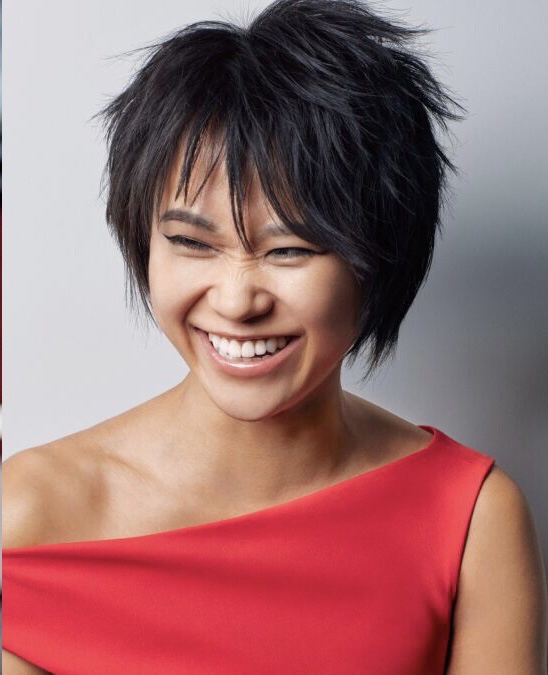
Grimaud, Helene. A French classical pianist and the founder of the Wolf Conservation Center in South Salem, New York. “Brahams Concerto” Post 45 (https://youtu.be/306f3rWN10g) (RQ 8).
























































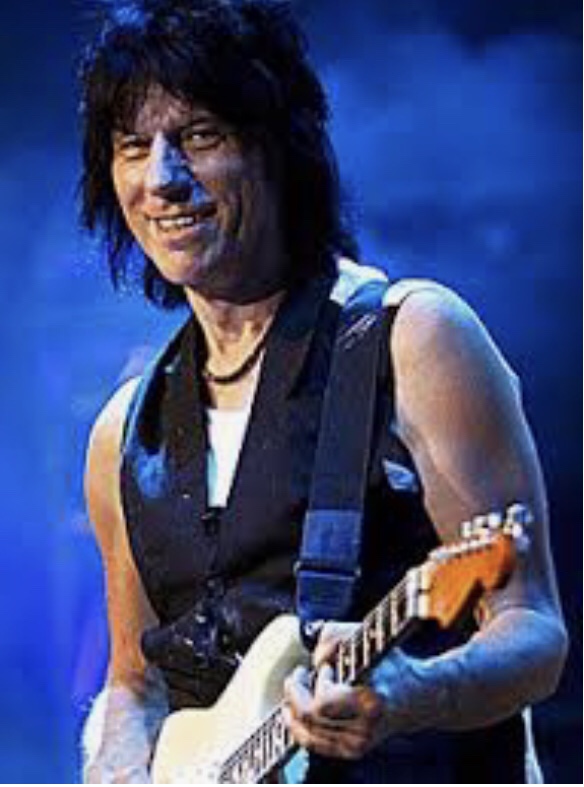
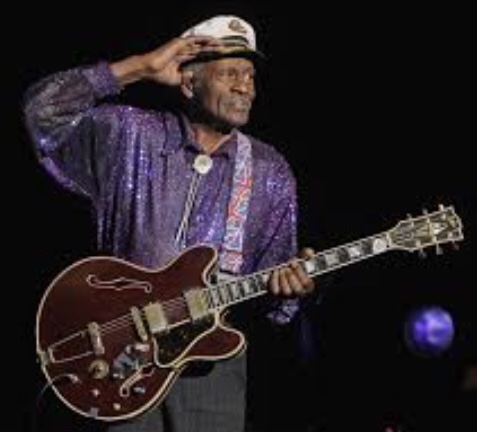
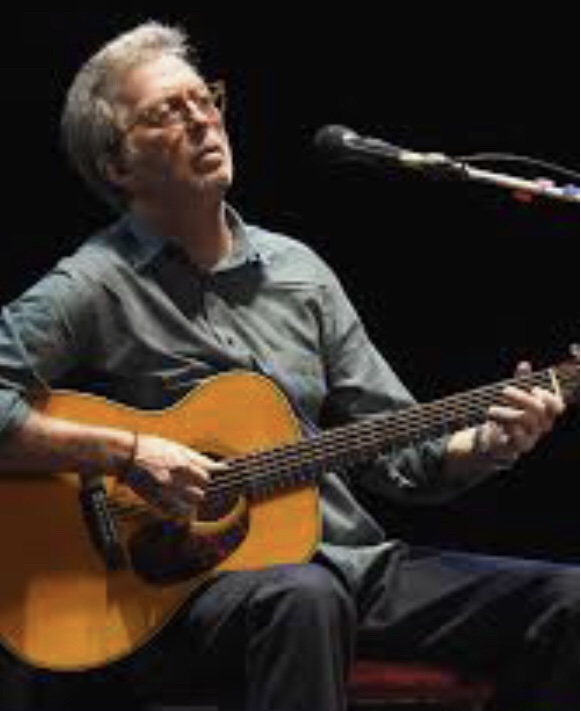
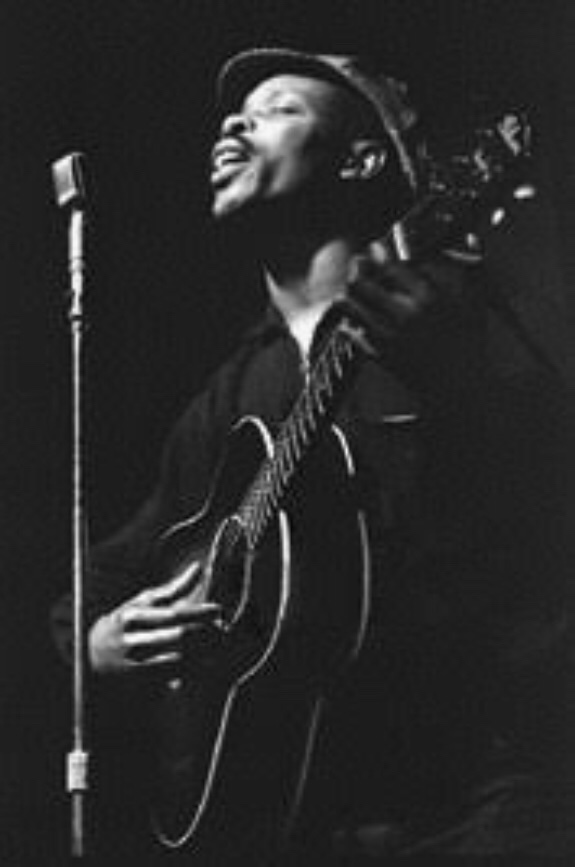




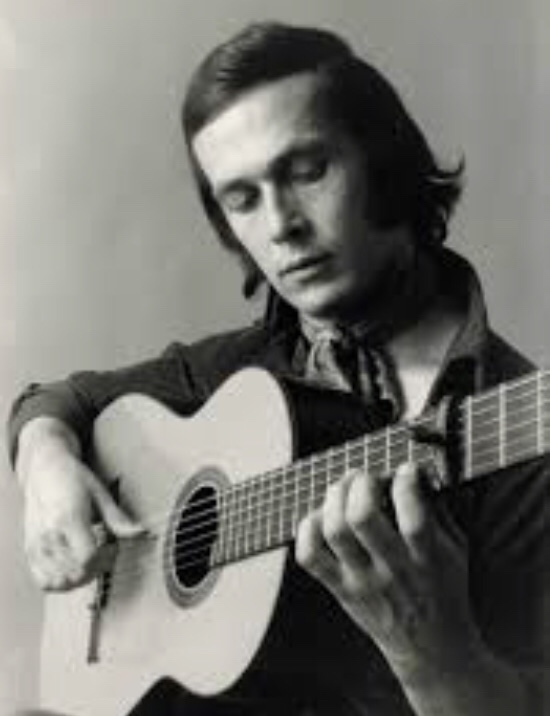
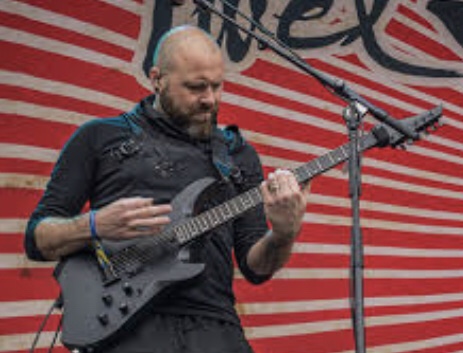
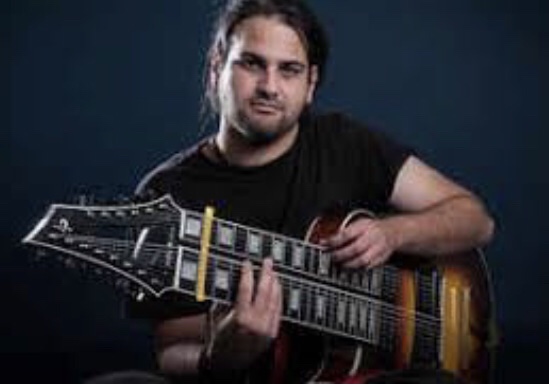
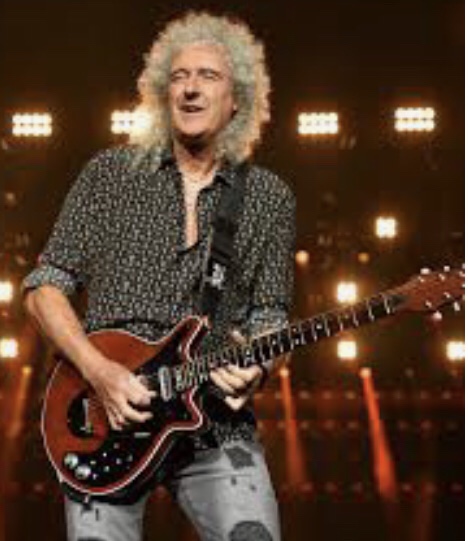




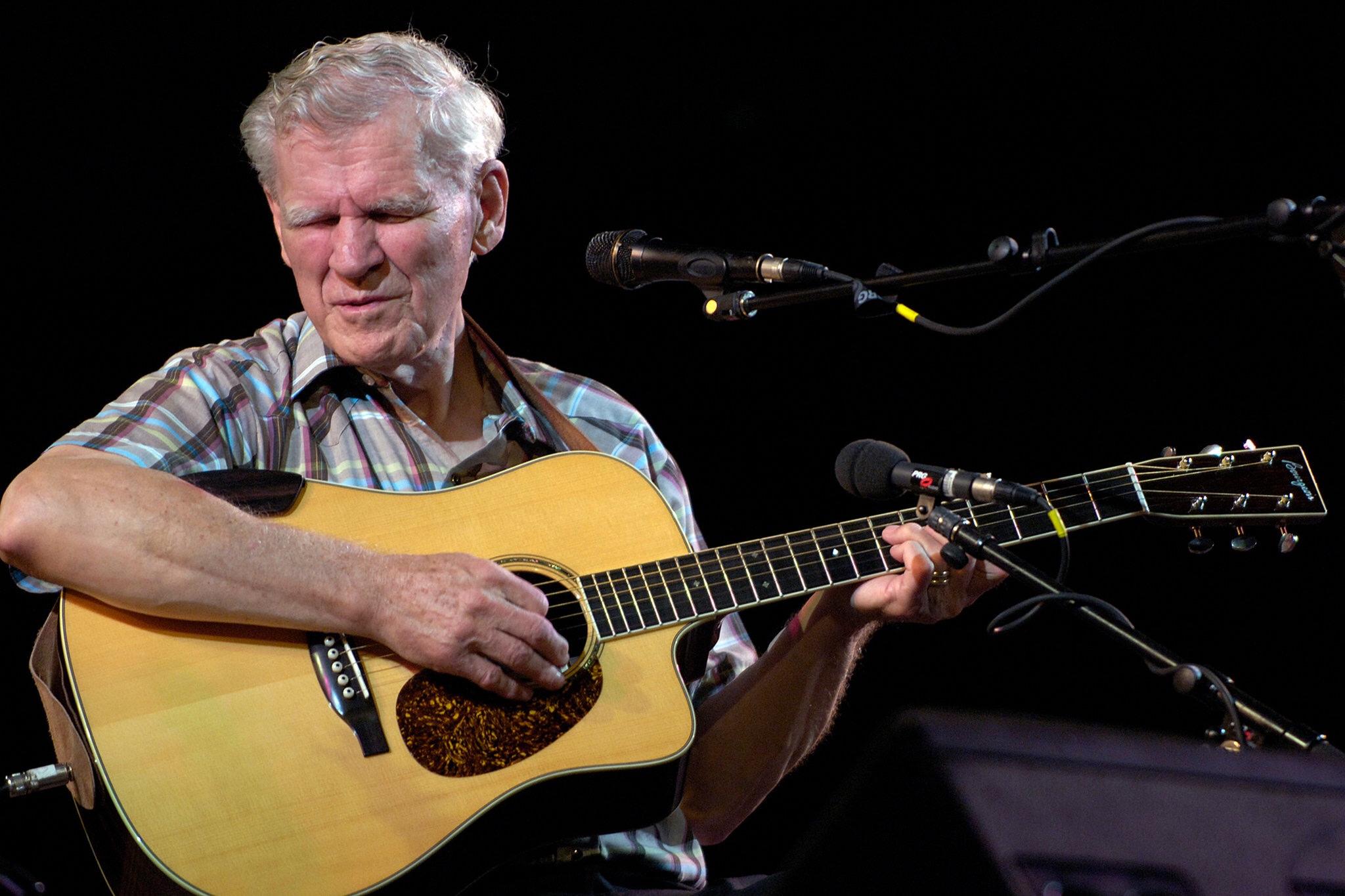
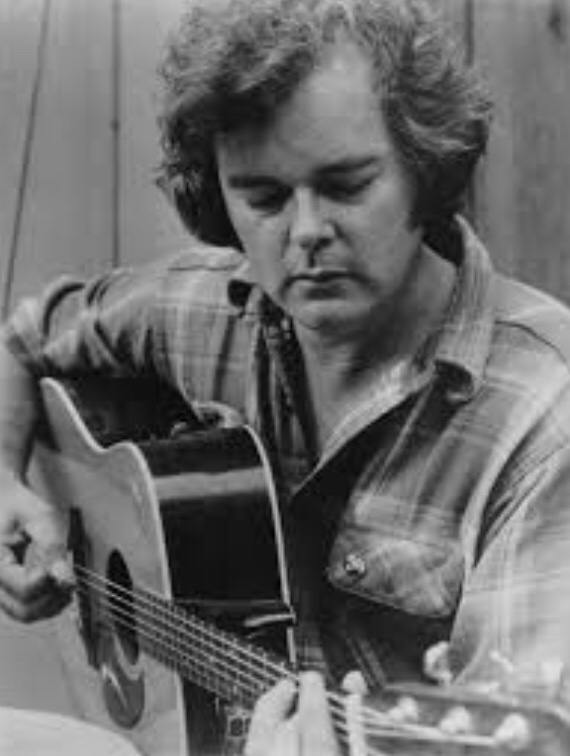
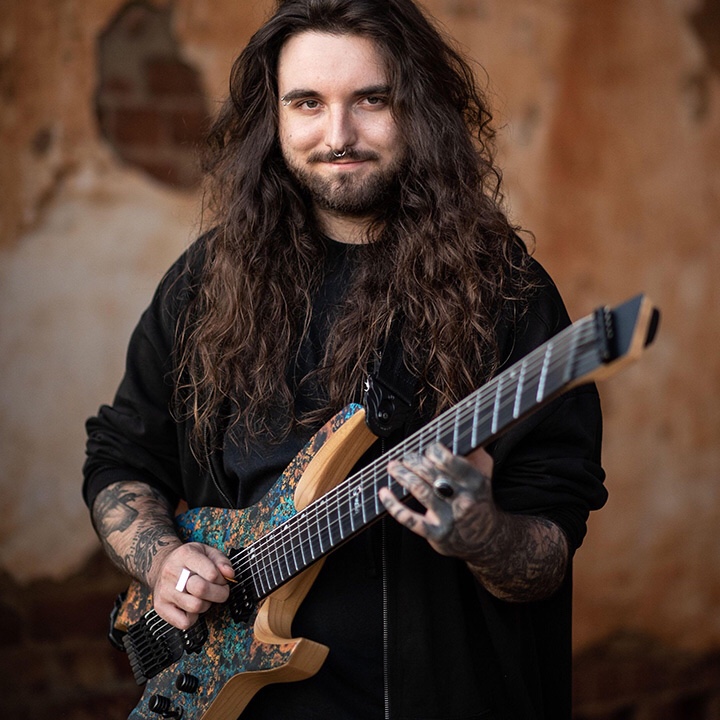






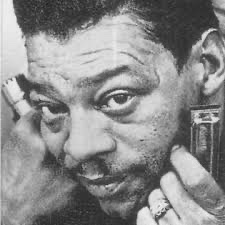
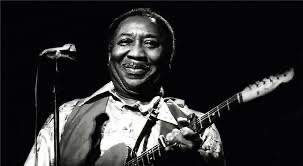
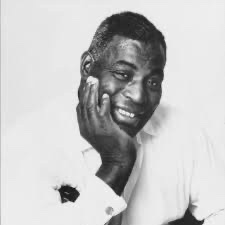



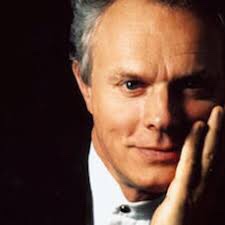




















 All-Time Greatest Music