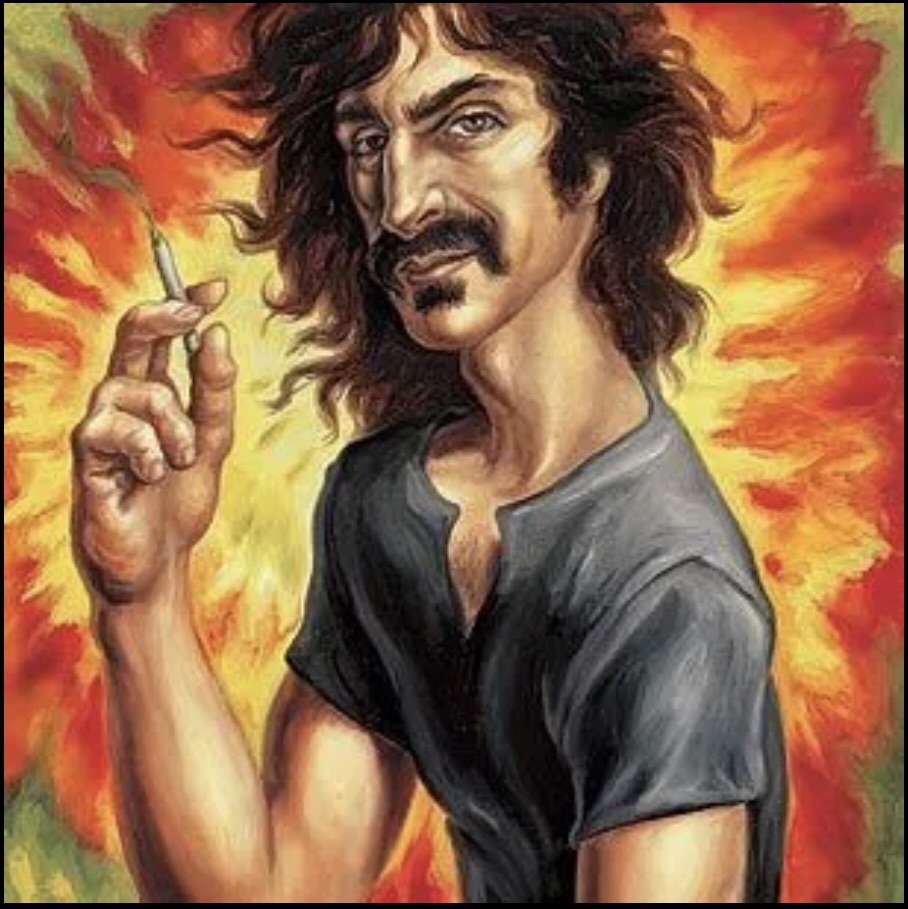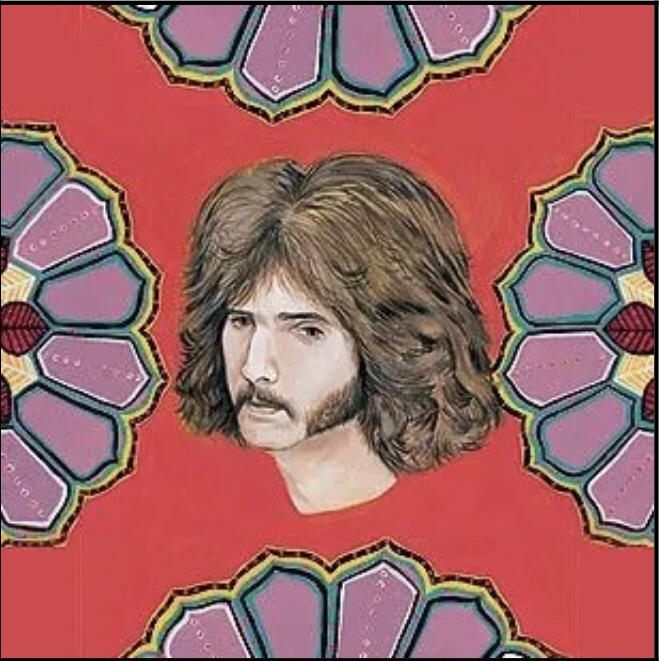
Rollingstone No71 Frank Zappa

By Trey Anastasio, singer-songwriter and best known for being the lead guitarist for the rock Band Plish (1983-present).

Illustrator: Owen Smith

In the early years of Phish, people often said we were like “Frank Zappa meets the Grateful Dead” — which sounds very bizarre. But Zappa was incredibly vital to me, as a composer and guitarist. I think he was the best electric-guitar player, other than Jimi Hendrix. Zappa conceptualized the instrument in a completely different way, rhythmically and sonically. Every boundary that was possible on the guitar was examined by him.

I’ll never forget the first time I saw him live, in New York, when I was in high school. He would leave his guitar on a stand as he conducted the band. And he would not pick up the guitar until everything was totally together. There would be this moment — this collective breath from the audience — as he walked over, picked it up and started playing the most ripping, beautiful solo. When he played, he was in communion with the instrument.

I also saw Zappa at Memorial Auditorium in Burlington, Vermont, on his last tour, in 1988. He did this guitar solo in “City of Tiny Lites” where everybody in the band dropped out except drummer Chad Wackerman. I was in the balcony near the side of the stage. When Zappa turned his back on the audience to play with Chad, I saw this huge smile on his face. But this was also the guy who did 87orchestral pieces like The Yellow Shark. It’s hard to believe somebody could do so many different things.

Zappa was a huge influence on how I wrote music for Phish. Songs like “You Enjoy Myself” and “Split Open and Melt” were completely charted out because he had shown me it was possible. And when I played at Bonnaroo with my 10-piece band, we did two covers, “The Devil Went Down to Georgia” and “Sultans of Swing.” In both songs, I had the horn section play the guitar solos, note for note. I never would have thought of doing that if I hadn’t seen Zappa do “Stairway to Heaven” in Burlington with the horns playing Jimmy Page’s entire guitar solo, in harmony.

Frank Zappa’s greatest hits playlist:

https://open.spotify.com/playlist/73YMgdF1X7feDGQ2ZwA3uC?si=IM7rRZATT4Gz28WNRSYnxw&pi=yZB5CaCXRpye8

There is a whole generation of musicians coming up who can’t play their instruments. Because of stuff like Pro Tools, they figure they can fix it all in the studio. With Frank, his musicians were pushed to the absolute brink. Phish tried hard to do that too: to take our four little instruments and do as much as we could with them. I would not have envisioned that without him.

Zappa gave me the faith that anything in music was possible. He demystified the whole thing for my generation: “Look, these are just instruments. Find out what the range is, and start writing.”

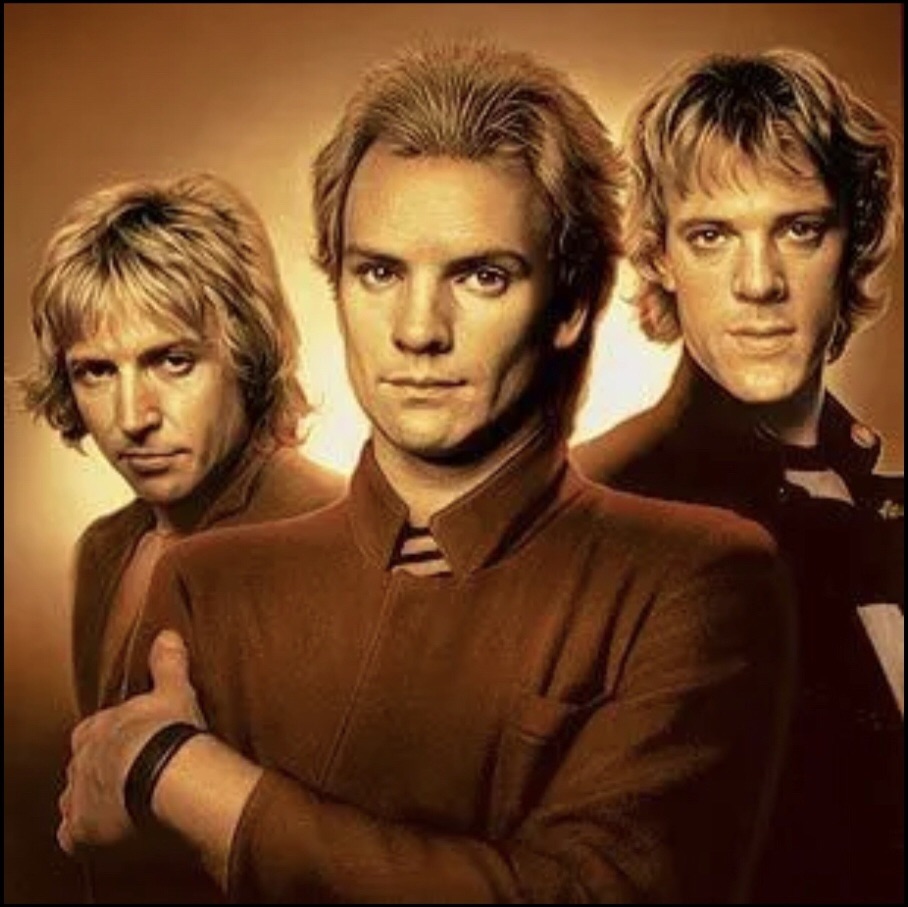
Rollingstone No70 The Police

(This is the seventeenth artist that made this Top100 list but didn’t start releasing records until 1977. So, they are not part of the 1960s generation).

By Brandon Flowers, he is best known for being the lead vocalist of the rock band The Killers which he co-founded in 2001. Using his captivating voice and stage presence he created such hits as “Mr. Brightside.”

Illustrator: Tim O’Brien

Oscar Wilde said that an artist has succeeded if people don’t understand his work but they still like it. By that standard, the Police were a huge success. Their songs are universal — they’re part of all of our lives. You hear them on both pop and classic-rock stations, and they’ll be played on the radio in Germany 100 years from now. At the same time, everything they did was really smart and worked on a few levels; you could love a particular song, then realize a year later that you had totally missed the meaning.

Take “Every Breath You Take.” It’s a great trick — it’s impossibly catchy, people play it at their weddings, but it’s a stalker song. “Roxanne” is blatantly about a hooker — it’s not about how Sting loves her and broke her heart, it’s just about how she’s a hooker. People don’t realize how unique that is. All of us are lucky to have heard songs as good as “Message in a Bottle,” “Walking on the Moon” and “King of Pain” on the radio. Sting already had a career and a degree when the Police made it; he wasn’t afraid of sounding like a grown-up.

My favorite is “Don’t Stand So Close to Me,” the one about the teacher and the young girl. That kind of storytelling has fallen out of pop music, for the most part. “Don’t Stand” would be great to listen to no matter what the lyrics were — it could have just been about some girl — but the story makes it spooky and powerful. My favorite line is “Wet bus stop/She’s waiting/His car is warm and dry” — he communicates the entire song with those 11 words.

The Police greatest hits playlist:

https://open.spotify.com/playlist/7KOWhTRkKr7zqIfx5Exu3N?si=EWZZigpCSie3J9PWz4RSWg&pi=h-79CGVPRgixb

Of course, the Police were amazing musicians. They were professionals who came up during the punk era and found their messages later on. I’m a big fan of how they used reggae. Bands like the Clash had already mixed it with punk, but the Police did it flat-out — it was like reggae for music geeks. Sting played bass and sang, which you don’t see very often. He commanded both the rhythm section and melodies in the band. Stewart Copeland is a great drummer — you have to be to give songs like “Roxanne” and “So Lonely” their drive and also throw that reggae in there. Andy Summers has both great technique and rhythmic sense. It’s amazing how many rock bands with serious grooves are made up of skinny English dudes.

The Police matured really quickly. All bands should pay attention to that. You should always try to keep moving forward.

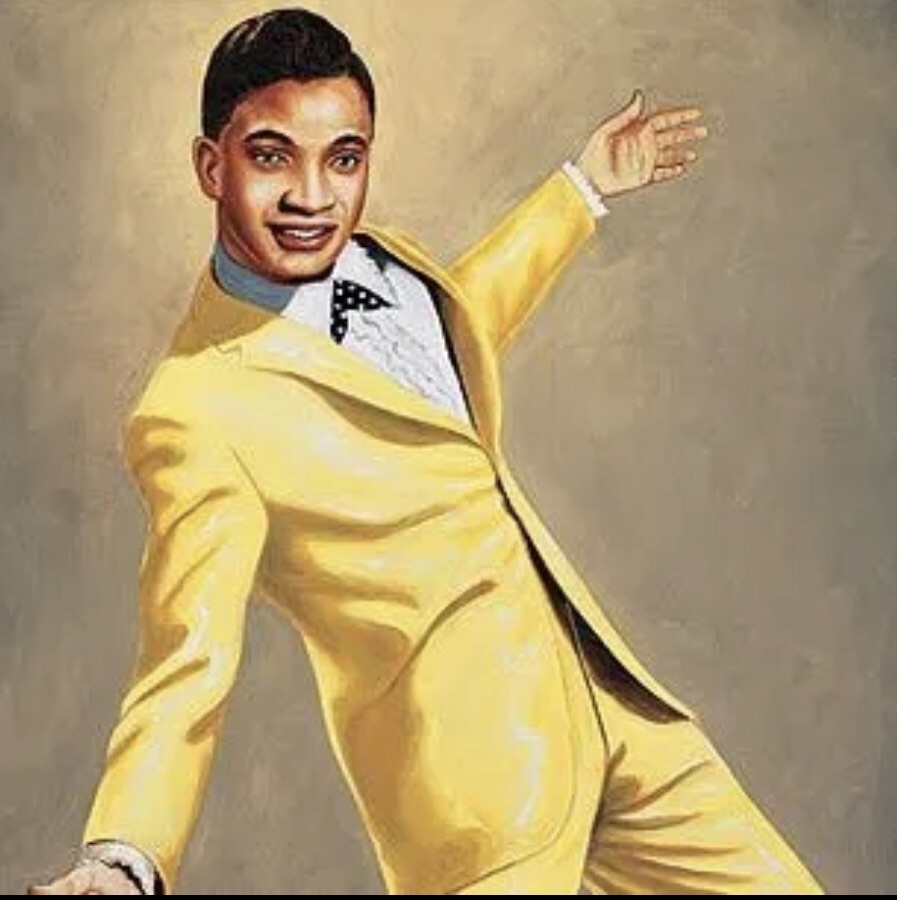
Rollingstone No69 Jackie Wilson

By Peter Wolf, an American best known as the lead singer of The J. Geils Band from 1967 to 1983. He had several popular songs including “Live Stinks.”

Illustrator: Charles Miller

Jackie Wilson was key in helping bridge the gap between an old-style R&B and a new incarnation of soul. Even Elvis Presley knew why Wilson was called “Mr. Excitement”: I heard that seeing Wilson perform made the King want to hide under the table. The most spectacular Jackie Wilson show I ever saw was at Harlem’s famed Apollo Theater, around 1960. When he took the stage, adorned in a magnificent white suit, he spread his arms open wide, as if trying to embrace the entire room. He started singing the opening notes of his song “Doggin’ Around.” The audience broke into screams. Even the way he casually held his hands while singing was hypnotic. His dancing was spellbinding — twists and splits that left me in total disbelief. Quickly soaked in sweat (nobody knew how to sweat as good as Jackie Wilson), he took off his jacket and pretended he was going to throw it to the crowd, creating a pure sexual enchantment. There were real women in that audience who knew what they wanted. And what they wanted was Jackie Wilson.

Jackie Wilson’s greatest hits playlist:

https://open.spotify.com/playlist/0SpXGhg6RjT8U14iW4kPCJ?si=1n8uFs-SSjeHEsoJloo8pg&pi=eOsBEtCNR6Can

He seemed destined for such greatness, and yet his life ended up playing itself out like some cheap B-grade film noir. There was violence — a crazed woman once shot him — as well as tax problems, drugs, divorce and mob associations that made demands he couldn’t refuse. While performing at the Latin Casino, in Cherry Hill, New Jersey, he had a massive coronary and hit his head hard as he fell. At the hospital, he lapsed into a coma. He remained in that state for eight years, as the people around him fought over his estate, before he died in 1984.

I had the honor of inducting Jackie Wilson into the Rock and Roll Hall of Fame. As I waited backstage to present my speech, I was approached by three women arguing with one another as to who should be the one to go onstage and claim the award that was to be given to Jackie. Mr. Excitement would still not have peace.

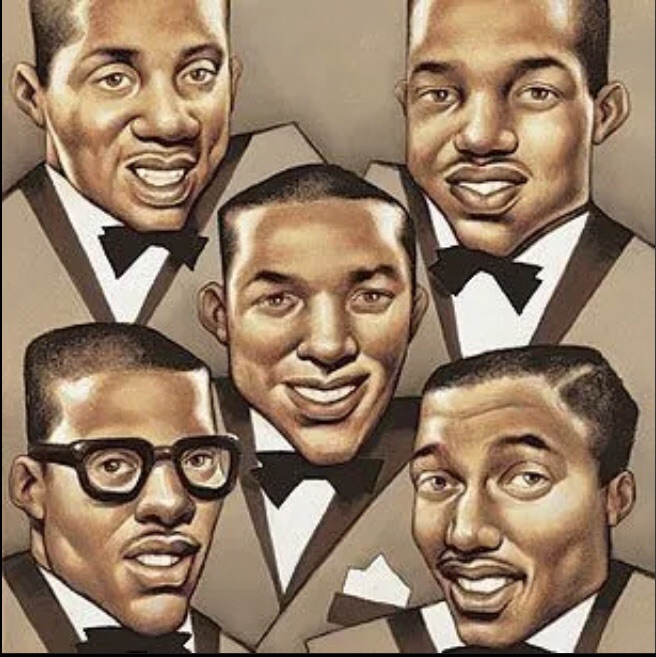
Rollingstone No68 The Temptations

By Rod Stewart (from London), got his start with the Dimensions and was focused on playing the harmonica as well as singing. Then sang with Long John Baldry and the Jeff Beck Group in 1967 before going solo. In the early 1970s he had several hits including “Maggie May.”. He was very popular selling more than 120M records worldwide.

Illustrator: Anita Kunz

I was on holiday with my parents in the late Sixties when I heard “I Wish It Would Rain.” I lived in England, where it f__king rains all the time, so it was appropriate. But that’s also when I fell in love with David Ruffin’s tenor — it jumped out of the speakers and ravished my soul.

Whether it was Ruffin or Dennis Edwards or Eddie Kendricks or Paul Williams singing lead, the Trmpts were always an all-star vocal band. Throughout the Sixties and Seventies, the Tempts had an unprecedented string of hits: “My Girl,” “The Way You Do the Things You Do,” “Ain’t Too Proud to Beg,” “Just My Imagination.” Later on, they broke ground with the psychedelic soul of “Cloud Nine.” I remember listening to the high-hat rhythms on that record over and over with the guys in the Jeff Beck Group. We’d try to change every one of our songs to try and capture their drumbeats.

The Temptations greatest hits playlist:

https://open.spotify.com/playlist/6um7i7l8zFDe8jF8SkGX9f?si=qBPxg_r7Qxyt20v5D-1XpQ&pi=4bllylUxS5SCL

When I got home from holiday, I immediately bought Wish It Would Rain. At that time I was very much into folk music and turning the corner into R&B, and I’ll never forget seeing that cover, with all the Tempts dressed as Foreign Legionnaires, sitting in the desert. Their outfits were wonderful — I blame them for teaching me to wear loud colors. They also came up with the cutting-edge dance routines. Nobody moved like the Tempts.

I’d later become friends with David Ruffin — when our bands would play in Detroit, Ruffin would come to every show and we’d sing “(I Know) I’m Losing You,” a Temptations cover off my album Every Picture Tells a Story.His voice was so powerful — like a foghorn on the Queen Mary. He was so loud.

My children grew up loving the Temptations, and we tried to see them every time they came to town. They would always pick me out of the audience with a spotlight, trying to get me up to the stage. But I never did. I’m too frightened.

Rollingstone No67 Cream

By Roger Waters (an English musician), in 1965 he founded the rock band Pink Floyd. He was their bassist. He departed Pink Floyd in 1985. By the early 1980s, Pink Floyd became one of the most acclaimed and commercially successful groups in popular music.

Illustrator: Mark Gagnon.

I was in my third year of classes at a place in London called the Regent Street Polytechnic School of Architecture, which is where I met Nick Mason and Rick Wright. At the end of each term we would have a show, and this time we had Cream

— in a small hall where I had once played Happy Loman in Death of a Salesman, which is beside the point.

The curtain drew back and the three of them started playing “Crossroads.” I had never seen or heard anything like it before. I was simply staggered by the amount of equipment they had: by Ginger Baker’s double bass drum, by Jack Bruce’s two 4-by-12 Marshall amps and by all of Eric Clapton’s gear. It was an astounding sight and an explosive sound.

Cream’s greatest hits playlist:

https://open.spotify.com/playlist/1Dcze9jgIuRFxILnMxzJzs?si=K8rI7ysdRfWdYEEJNM9Bwg&pi=oPmo_KEJQZqjg

Two-thirds of the way through their set, one of them said, “We’d like to invite a friend of ours from America out onstage.” It was Jimi Hendrix, and that was the first night he played in England. He came on and did all that now-famous stuff, like playing with his teeth. That ticket cost about a pound or so. It might have been the best purchase I ever made.

After that, Pink Floyd started to go professional, and we would run into Cream on the road. They affected so many people. Jimmy Page must have looked at Cream and thought, “F__k me, I think I’ll do that,” and then put together Led Zeppelin. Along with the Beatles, they gave those of us entering the business at that time something to aspire to that wasn’t pop but was still popular.

I remember Ginger Baker was insane back then, and I’m sure he still is. He hit the drums harder than anyone I’ve ever seen, with the possible exception of Keith Moon. And Ginger hit them in a rhythmic style all his own that was extraordinary. Eric Clapton we don’t have to talk about — it’s obvious how amazing he is. Then there’s Jack Bruce — probably the most musically gifted bass player who’s ever been.

Cream were very innovative within the context of all the music coming from the West Coast of the U.S. at that time, from bands like the Doors and Love. Apart from being a great blues band, Cream had a real good go at so many other styles, even if some of it sounds a little silly now. There are songs on all the Cream albums that amaze me still, like “Crossroads,” “Sunshine of Your Love,” “White Room” and “I Feel Free.” They were desperately trying to write material that was truly progressive and original. And they achieved that.

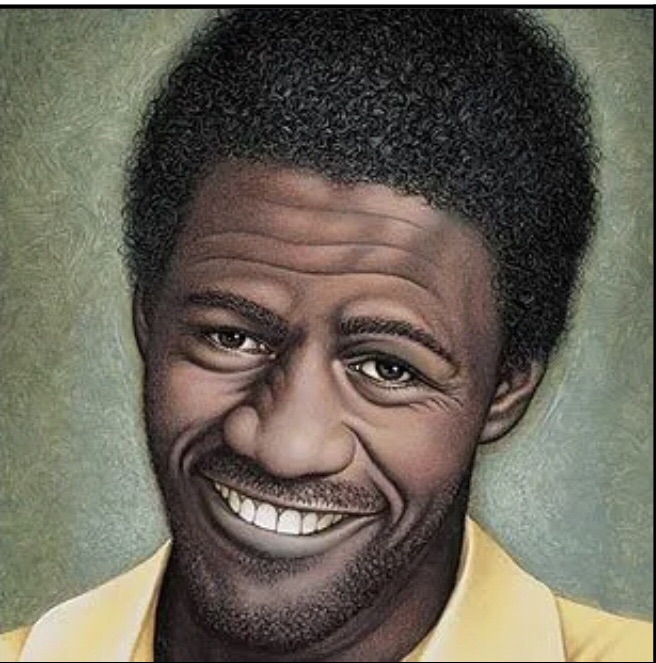
Rollingstone No66 Al Green

(This is the sixteenth artist that began producing music in 1971. So, he just missed being included in the 1960s generation).

By Justin Timberlake, is a singer, songwriter, actor, record producer and dancer. A male solo act, called “Prince of Pop.” Has sold 117M records worldwide including his first album “Justified” in 2002.

Illustrator: Braldt Bralds.

Al Green has helped overpopulate the world. He’s got some serious babymaking music. But what makes him such an inspiration is the raw passion, the sincerity and the joy he brings to his music. People are born to do certain things, and Al was born to make us smile. You hear his voice and it lights everything up. Every time one of his songs starts playing — whether it’s “You Ought to Be With Me,” “I’m Still in Love With You,” “Love and Happiness” or, of course, “Let’s Stay Together” — when the stomp starts and the guitar comes in, you know you’re in for something full of sweet love. His songs weren’t as political as Marvin Gaye and Donny Hathaway. But if those guys were speaking to you, Al Green was speaking for you.

Al Green’s greatest hits playlist:

https://open.spotify.com/album/6W0V8B0fJItvOwC8v114rZ?si=TMc1vNI8TmerRFCphJlg5w

Al Green’s voice will always remind me of driving the back roads of Memphis with my parents, listening to cassette tapes. Hearing Al as a kid made me want to become a singer and showed me that it was OK to have a softer, more falsetto voice. I really related to that, because I never had a big, boisterous, American Idol showstopping voice. Al, he was a crooner. The way he would squeeze out a note can’t be trained and can’t be imitated.

Behind him was this incredible band. On songs like “Tired of Being Alone,” the horns are tasteful and restrained but completely funky. I always loved the way the mistakes were kept in on his albums, like the way the band is almost out of sync at the beginning of “Love and Happiness.” Even his messes are beautiful.

Eventually I found out this man I idolized lived five minutes from me in my hometown. Then, years later, I went to the White House (back when Clinton was in office), and Al was there performing. He sang Sam Cooke’s “A Change Is Gonna Come,” and the audience wept. After I released my first solo album, I was doing a TV special in Memphis, and I called him and asked if he’d grace us with his presence. We sang “Let’s Stay Together” on that stage, and it was a milestone in my short, unimportant career. I learned something incredible: Everything always has to be about the show. But Al Green is the show, and when you watch him perform, you see something honest and soulful and amazing.

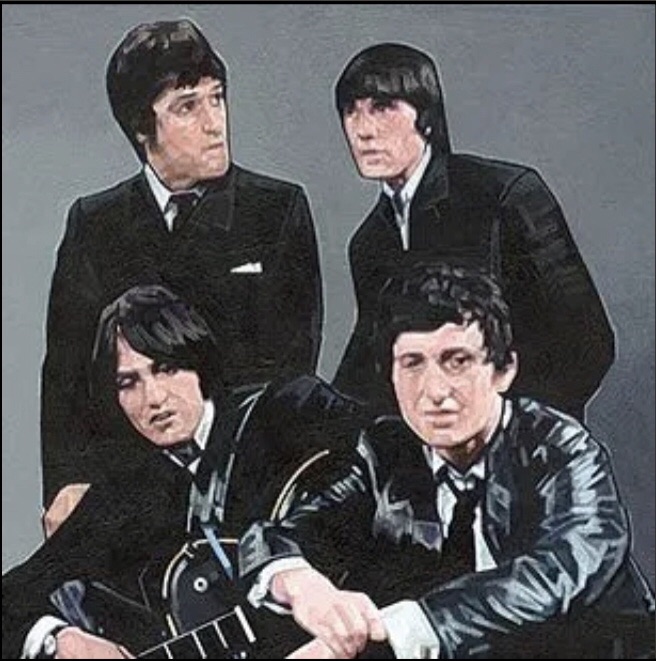
Rollingstone No65 The Kinks

By Peter Buck, known best as the lead guitarist for the band R.E.M (formed in 1980). He bought his first Kay guitar at thirteen for $17. His first real guitar was a late 60s Epiphone. It was the first guitar that the chords sounded like I heard on a record.

Illustrator: Christopher Kasch.

I’ve got pretty much every note the Kinks recorded on my iPod — certainly everything through 1980. And it all sounds good. The Kinks are the only major band from the Sixties I can think of that didn’t go psychedelic, didn’t do any of that crap that all of the other big bands did at the time. When everyone was writing song cycles about Eastern mysticism, Ray Davies was writing about a two-up/two-down flat in some English suburb. Ray wrote songs about the things that were important to him. He invented his world and gave it life. And in that world, people weren’t wearing Nehru jackets, smoking pot and jamming for 24 hours a day. The Kinks created a different world — and I’m glad they did it.

When I first heard Village Green Preservation Society, in 1971, I got this picture in my head of small-town English life: village greens, draft beer. But when R.E.M. went to England in 1985, I drove through Muswell Hill — and it certainly wasn’t romantic-looking. I had this picture of a gorgeous vista — when it’s really a kind of grimy area. I realized these songs were all acts of imagination, that Ray was commemorating an England that was slipping away. There is a great air of sadness in those songs.

I am amazed at how great the Kinks’ records sounded — even though, when you listen closely, there is very little going on in them. Village Green is the best example: Unlike a lot of records of its time, it’s not stuffed with a ton of instruments. And yet the songs are perfectly realized, well arranged.

The Kinks greatest hits playlist:

https://open.spotify.com/playlist/4MxUwpaZnDS7lOdtDGHRPD?si=5XgawcAAR5WpcviSYSB58w&pi=xTq4P0_5QnmTx

Ray wrote “You Really Got Me” on piano. Then he gives it to his brother Dave, this teenage maniac, who turns it into a demented guitar part. I read that an interviewer once asked Dave if he thought the Kinks had gone heavy metal in the Eighties. He said, “It wasn’t called heavy metal when I invented it.” When R.E.M. started out, Dave’s solo on that song was the only solo I knew how to play. So whenever I had to do a solo, I would just play that.

The Kinks slipped into rock history through the back door. All of those great albums that we talk about now, like Face to Face, Something Else by the Kinks and Village Green — nobody bought those records in the Sixties. But those of us who love those records — and a lot of us are musicians — have loved them for decades.

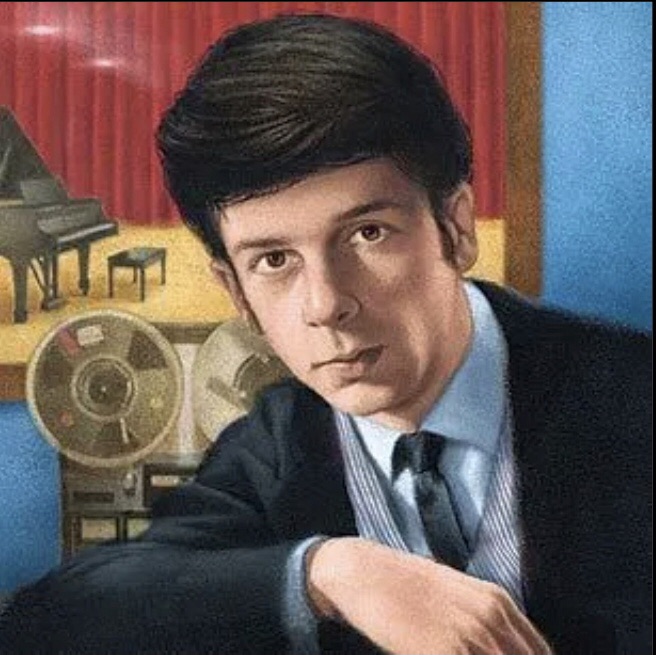
Rollingstone No64 Phil Spector

By Jerry Wexler, a music journalist and producer. He coined the term “rhythm and blues.” He signed some of the biggest acts of the time including: Ray Charles, The Allman Brothers, Chris Conner, Aretha Franklin, Led Zepplin, Wilson Pickett, Dire Straights, Dusty Springfield and Bob Dylan.

Illustrator: Rob Day.

There are three kinds of record producers. The first kind is the documentarian — someone like Leonard Chess, who goes into a bar on the South Side of Chicago, sees Muddy Waters with a six-piece combo, then pulls him into the studio the next day and says, “Play what you played last night.” The second is the type who serves the artist; I would be so brash as to include myself in that category, along with John Hammond, Ahmet and Nesuhi Ertegun, and Bob Thiele — music fans who try to develop great singers.

Then there’s the producer who does it all. Phil Spector could be the greatest of these. For Spector, the song and the recording were one thing, and they existed in his brain. When he went into the studio, it came out of him, like Minerva coming out of Jupiter’s head. Every instrument had its role to play, and it was all prefigured. The singer was just one tile in this intaglio. Songs such as the Righteous Brothers’ “You’ve Lost That Lovin’ Feelin'” and Ike and Tina Turner’s “River Deep, Mountain High” had wonderful singers, but they were tiles. Phil would get the track ready, then call upon the artist and say, “OK, now sing.” There were songwriter-producers before him, but no one did the whole thing like Phil.

Phil Spector’s greatest hits playlist:

https://open.spotify.com/album/5NKKNLuM9Y0thrHgX709mp?si=n8DQpwVLTU2mvLWkcVRTRg

When I first met him, he was very young, sleeping on the couch at the Atlantic Records offices and using the switchboard after hours. He was brash, cocky and talented. I remember that if I would vouchsafe an opinion about something when we were together in the studio — a snare drum on a bridge of a song, or whatever — Phil would say, “Oh, man, I came here from California to make hits.” It meant, “Shut the f__k up and get out of my face.” But like Dizzy Dean used to say, “If you can do it, it ain’t bragging,” and Phil can do it: play piano and guitar, compose and produce.

His music is impeccable. Where it comes from, I don’t know.

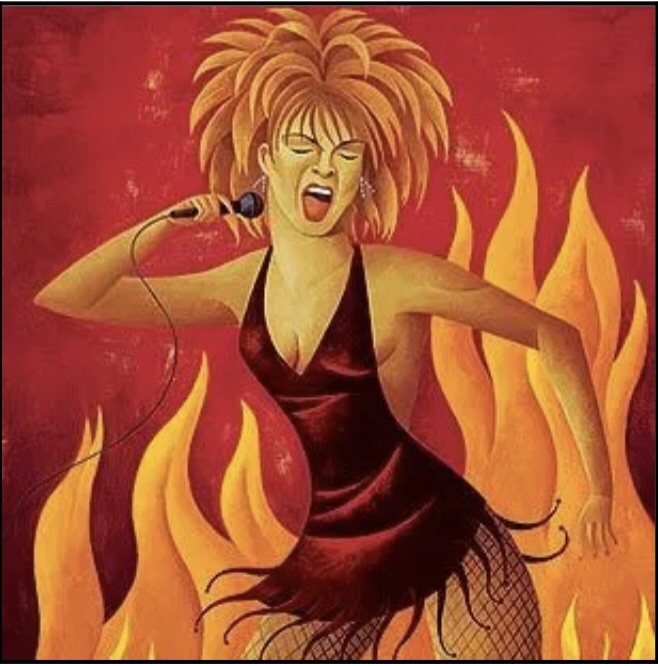
Rollingstone No63 Tina Turner

By Janet Jackson, the youngest of ten children in the famous Jackson family including Michael. She was exposed to the entertainment industry from a young age (including TV shows Good Times 1977-1979 and Fame 1984-1985). By 1982 she became a pop icon while recording such hits as “Control” and “Rhythm Nation.”

Illustrator: Jody Hewgill.

Tina Turner has become more than just a musical superstar and sex symbol, though she is definitely both of those things. For me — and I imagine for millions of others — Tina now stands as an enduring symbol of survival and of grace. Her music is a healing thing.

Remember that famous introduction to “Proud Mary,” when Tina talks about liking things “nice and … rough”? We all know that she faced some rough times in her life. But the reality is that life never threw her anything that she couldn’t handle. One of Tina’s big hits is called “We Don’t Need Another Hero.” Yet Tina has become a heroic figure for many people because of her tremendous strength. Tina doesn’t seem to have a beginning or an end. I felt her music was always there, and I feel like it always will be.

The story of Tina’s rise and fall with Ike Turner is well-known. You can see what it was like in the movie What’s Love Got to Do With It. But I believe it’s time to put the Ike story to rest. The truth is that when Tina came back in the Eighties, she became much bigger than she was the first time around. Tina’s story is not one of victimhood but one of incredible triumph.

Tina Turner’s greatest hits playlist:

https://open.spotify.com/album/4tBgSGhZoBOCfrNqPKg2dC?si=xgjI3P2DTd-osyYUlhZuiA

In the beginning, Tina’s music was based on hard times and harsh realities. Think about a song like “Nutbush City Limits.” That was her story. But over the years, her story changed, and her music reflected those changes beautifully. Tina has the ability to dream, get out, get over and get on with it. She’s transformed herself into an international sensation — an elegant powerhouse. But wherever she may be, whether it’s in Spain, Asia or Egypt, she’s never forgotten her humble beginnings. Tina Turner knows who she is, and to this day, she remains one of the true greats. In every sense, the woman has legs.

Rollingstone No62 Joni Mitchell

By Jewel, grew up yodeling with her father Atz Kilcher. At fifteen, she studied operatic voice. In 1995 she released “Pieces of You” album with “Who Will Save Your Soul” on it. It went twelve times platinum.

Illustrator: Gerard Dubois

Joni Mitchell is a bigger icon than she is a star. Bob Dylan and Keith Richards became so famous that they’re stars and icons. Joni is still unknown to lots of people. The impact she had wasn’t flashy. But she influenced people who became stars.

I remember a friend in high school playing me “A Case of You,” from Blue. I could tell that Joni was a painter by the way she wrote lyrics. She describes smells and sounds and uses fewer words to transmit more feeling. Her melodies are about shapes. The singing lines are slow, steep plateaus. One of the things I learned from Joni: If you can tell the story and keep things moving, you don’t need to return to the chorus on time.

What she writes is closer to journalism: On Blue, you hear everything she experienced, the highs and the lows. It’s such a lonely album — not in the “I don’t have any friends” sense but in the sense that you’re a little bit removed, and always watching. It takes a lot of courage to be that honest, especially as a woman. When she did it, it was a fluffy time — pretty girls singing about pretty things.

Joni Mitchell’s greatest hits playlist:

https://open.spotify.com/playlist/4ZZaHAQUAuES0MS3Lc1ANA?si=RycvrSLdS36kBCwDlBDjKg&pi=WypuZJCMQvCIu

Joni had an edginess that not many women expressed then. Joni Mitchell never made a big deal out of being a woman. She had such a strong sexuality, but she didn’t feel the need to deny that part of her in order to be taken seriously. She also didn’t play it up — although many of her songs are about sex.

I met her at a Vanity Fair photo shoot. Stevie Wonder introduced us. He took my hand — I guess I led him to her — and he said, “Joni, I’d like you to meet Jewel.” I just shook her hand and tried to swallow. I didn’t have anything to say to her. Her influence on me is so obvious. I hope she can hear it.