This post includes artists with last names ending with “U – Z”
This is the last of my major artists posts which support my claim that the 1950-60s was the greatest era for music. These 1960s artists (and one from 2020) included are: The Yardbirds, The Young Rascals, Frank Zappa, Led Zeppelin and The Zombies.
Yardbirds Photo credit: The Five Yardbirds – 1965
Yardbirds, The. 1963-1968
From London. They sang blues and rock. They are known for starting the careers of Eric Clapton, Jimmy Page and Jeff Beck (were on the list of Rolling Stone’s magazine Top100 guitarists of all time). They produced four hits in the mid-1960s including: “For Your Love.” (https://youtu.be/HU5zqidlxMQ) (RQ 6). They split up in 1968. Afterward, members Relf and McCarty formed Renaissance and Jimmy Page formed Led Zeppelin. They have been inducted into the Rock & Roll HOF.
Young Rascals Photo credit:“Groovin: On Second Thought” 1967
Frank Zappa Photo credit: 2019 Spain Music Festival – AXS
Zappa, Frank (Mothers of Invention). 1955-93
Frank Zappa and the Mothers of Invention are from Baltimore, MD. They played hard rock and blues. Their music trademark was that they were characterized by nonconformity, freeform, improvisation, sound experiments, musical virtuosity and satire of the American culture. Produced 60 albums while alive and 50 were recorded posthumously. A sample of his work: “ Don’t Eat Yellow Snow” (https://youtu.be/TLIppgE45wM) (RQ 8). He was a strong believer of self-education. Also, was inducted into the Rock & Roll HOF.
Led Zeppelin Photo credit: illustration by Kate Goodvin
Zeppelin, Led. 1968-80
The Led Zepplin was formed in London. Their hit song in 1969 was: “Whole Lotta Love” (https://youtu.be/HQmmM_qwG4k) (RQ 10+). Then, in 1971, their top hit was: “Stairway to Heaven.” (https://youtu.be/QkF3oxziUI4) (RQ 10+). The members were: Robert Plant, guitarist Jimmy Page, bass/keyboarder John Paul Jones, and drummer John Bonham. From 1969-79 they produced ten albums that nine were charted Top10s. The group disbanded when Bonham died from alcohol-related asphyxiation in 1980. The group was considered to be one of the greatest music artists in the history of audio recording. They sold between 200-300M records and were awarded 4 Grammys. The group is a member of the Rock & Roll HOF.
The Zombies “Nice Guys Finish First” Photo credit: Blurt Schoolkids Records
Zombies, The. 1962-present
The Zombies are from St. Albans, UK (northwest suburb of London). Group was led by vocalist Colin Blonstone and keyboardist Rod Argent. The group produced nineteen singles. Of these, in 1964, they recorded: “She’s Not There.” (https://youtu.be/it68QbUWVPM) (RQ 10+). The song charted No2. Again in 1965, they had two more hits: “Time of Season” (https://youtu.be/qzpPy9hJYA8) (RQ 9) and “Tell Her No” (https://youtu.be/q4nmxz5bQhk) (RQ 10+) were also successful. They have been inducted into the HOF.
I will complete the 1950 & 1960s artists listing with the last names ending with “V” & and “W.”
Included here are: Martha and the Vandellas, The Ventures, Jerry Wallace, Gene Watson, The Who, Billy Williams, Jackie Wilson, Nancy Wilson, Bill Withers, Stevie Wonder and Betty Wright and Charles Wright:
Martha and the Vandellas Photo credit: Doo Wop Heaven – December 31, 1972
Vandellas, Martha & The. 1957-1972
Formed in 1957 by friends Annette Beard, Rosalind Ashford, and Gloria Williams. The group eventually included Martha Reeves, who moved up in ranks as lead vocalist of the group after Williams’ departure in 1962. The group signed with and eventually recorded all of their singles for Motown’s Gordy imprint.
During their nine-year run on the charts from 1963 to 1972, Martha and the Vandellas charted over twenty-six hits and recorded in the styles of doo-wop, R&B, pop, blues, rock and roll and soul. Ten Vandellas songs reached the top ten of the Billboard R&B singles chart including two R&B number ones, and six Top Ten Pop Hits on the Billboard Hot 100. Selected members of the group were inducted into the Rock and Roll Hall of Fame in 1995.
The Ventures Photo credit: The Best Classic Bands
The Ventures. 1958-Present
The Ventures were formed in Tacoma, Washington in 1958. The group members were: Don Wilson (rhythm guitar), Bob Bogle (bass), Nokie Edwards (lead guitar) and Mel Taylor (drums). The group helped popularize the electric guitar in the U. S, in the 1960s. They produced thirty-eight albums beginning in 1960. Overall they charted 14 songs on the Billboard Hot 100. Their record “Walk Don’t Run” (https://youtu.be/owq7hgzna3E) (RQ 6) is considered the best all time instrumental (recognized by the Grammy Hall of Fame). They also recorded “Hawaii-5-O”(https://youtu.be/0pZrxxvB66k) (RQ 8) for it’s theme song. Their use of “fuzz and flanging” guitar techniques was a first. With over 100M records sold, they are considered the best all time instrumental band. The were strong in the U.S. marketplace through 1970, then fell off with only continuing to be popular in Japan. They were inducted into the Rock and Roll HOF in 2008.
Jerry Wallace Photo credit: peoplepill.com
Jerry Wallace (December 15, 1928 – May 5, 2008) was an American country and popsinger. Between 1958 and 1964, Wallace charted nine hits on the Billboard Hot 100, including the No. 8 “Primrose Lane” that was later used as the theme song for the television series The Smith Family. He made his debut on the country music charts in 1965, entering it thirty-five times between then and 1980. In that timespan, Wallace charted within the country Top Ten four times. His only number one song was “If You Leave Me Tonight I’ll Cry” (https://youtu.be/Znwb8Gu-MlA) (RQ 10), a song which gained popularity after it was used in an episode of the 1970s TV series Night Gallery. Jerry Wallace’s long time Manager was Ron Blackwood.
Gene Watson Photo credit: biography
Gary Gene Watson (born October 11, 1943) is an American country music singer. He is most famous for his 1975 hit “Love in the Hot Afternoon,” his 1981 #1 hit “Fourteen Carat Mind,” and his signature 1979 song “Farewell Party.” Watson’s long career has included five number one hits, 21 top tens, and 48 charted singles including “The Old Man and His Horn” (https://youtu.be/5LDyz_9ERJY) (RQ 10). His self-titled Gene Watson album was released in 1969 through Wide World Records.
The Who Photo credit; Getty Images – July 1969
Who, The. 1964-Present
The Who was formed in London in 1964. The group members were: Roger Daltrey (lead singer), Pete Townshend (singer, guitarist), John Entwistle (bass) and Keith Moon (drums). They were considered one of the most influential bands in the 20th century selling more than 100M records. They were unique displaying pop art (including auto-destructive) and mod movements such as destroying guitars and drums while performing on stage. Their first successful single was “I Can’t Explain” (https://youtu.be/UHedUYM8yus) (RQ 9) in January 1965. It reached the Top10 in the UK. This tune was followed up by another three singles: “My Generation” (https://youtu.be/qN5zw04WxCc) (RQ 8), “Substitute” (https://youtu.be/eswQl-hcvU0) (RQ 7) and “Happy Jack” (https://youtu.be/52cQeFBU2Kw) (RQ 10+). In 1967, while performing at the Monterey Pop Festival, the released a Top10 hit: “I Can See for Miles” (https://youtu.be/kb5mRBMZbYo) (RQ 10+). As a part of 1969’s rock opera Tommy, they recorded another top hit: “Pinball Wizard” (https://youtu.be/4AKbUm8GrbM) (RQ 10+). In 1971, Townshend, feeling pressure to create another hit, came up with: “Won’t Get Fooled Again” (https://youtu.be/SHhrZgojY1Q) (RQ 10). Afterward, Townshend became weary of touring so the group split up in 1983. In the late eighties and nineties the group occasionally got together but in 2002, Entwistle passed on which further put on damper on late stage career performing. They are members of the Rock and Roll and Grammy HOFs. Plus, overall their albums are considered to be the Top500 of all time by Rolling Stone magazine.
Billy Williams Photo credit: vintagemusic.fm
Wilfred “Billy” Williams (December 28, 1910 – October 12, 1972) was an American singer. He had a successful cover recording of Fats Waller’s “I’m Gonna Sit Right Down And Write Myself A Letter” (https://youtu.be/uPE3uaPMkUE) (RQ 10)in 1957. The record sold over one million copies, and was awarded a gold disc. His trademark hook for his songs was to shout “Oh, Yeah” at the end of lyrics.
Jackie Wilson Photo credit: Broadway World July 18, 2018
Wilson, Jackie. 1955-75
Jackie Wilson is grom Detroit. R&B genre. Known as the “black Elvis.” He produced 50 charted singles, 16 Top10s and 2 Grammys. He is a Rock & Roll HOF member. First hit was “Danny Boy” (https://youtu.be/sS9xhiudphU) (RQ 9) while with Dominos (for three years). In 1957, he had two hits: “Stardust” (https://youtu.be/YSR31a4SZEs) (RQ 10+) and “Deep Purple.” Had six solo hits with top being: “Lonely Teardrops” (https://youtu.be/2nEfuE8Pw4U) (RQ 8). This was a No1 R&B gold and sold >1M copies. He was in one movie called Go Johnny Go where he sang “You Better Know It” (https://youtu.be/9EAmj5Y3Y3o) (RQ 9).
811 music artists & groups lost their master recordings in a fire…
Master Recordings Lost – June 2, 2008 City News Service June 12, 2019
A firefighter examines charred metal at the Universal Studios Hollywood backlot in Los Angeles on June 2, 2008. This was a day after a fire destroyed a warehouse facility housing tens of thousands of master recordings from some of the most important artists in music history. The fire was started by a worker using a blowtorch to warm asphalt shingles being applied to a building facade.
I am looking up each of the 811 artists and groups that lost the master recordings back in 2008. The names are listed here alphabetically by their last names. Also, I have added the years the artists were active, the genre of their music and some of their career highlights. Once complete, they will represent the total of 811. (The spreadsheet cited in the next paragraph has a final total of 824 listings. That is due to Aerosmith, Chuck Berry, Betty Everett, Aretha Franklin, Leslie Gore, Burl Ives, Elton John, Eartha Kitt, Michael MacDonald, The McGwire Sisters, Orleans Band, Les Paul, Tommy Roe, Brenda Russell, Dinah Shore, LeRoy VanDyke, Rick Wakeman and Neil Young have more than one song included).
Rather than continuing with the listing below, I have created an Excel spreadsheet with each artist’s or band name, their hometown, some specific unique comments, and a YouTube link to at least one of their best recordings. Here is the direct link:
From Jacksonville. Name originated when police gained entry into a warehouse they were practicing in by shooting off the lock. Produced 12 albums. Third album: “Rockin Into the Night” charted at No43. Had other songs but only “Caught Up in You” charted high at No1 (https://youtu.be/zg21Rkew874) (RQ 10).
50 Cent. 1996-Present. Rap
Sold over 30M records. Considered to be one of the best rappers in the world. Won one Grammy. “Snoop Dog” (https://youtu.be/UDApZhXTpH8) (RQ 8).
He had a string of hit singles in the mid-1950s iincluding “Work Song” (https://youtu.be/yKYQkUaRMAI) (RQ 7). Alexander died of an accidental self-inflicted gunshot wound at the age of 25.
Adams, Bryan. 1975-Present. Rock
Bryan Guy Adams (born 5 November 1959) is a Canadian guitarist, singer, composer, record producer, photographer, and philanthropist. With several number 1 singles and albums in various countries, Adams has sold between 75 and 100 million records worldwide. Including “Run to You” (https://youtu.be/nCBASt507WA) (RQ 10). According to Nielsen Music Canada’s 2019 Year-End Report, Adams was the most played artist on Canadian radio stations between 2010 and 2019.
Adderley, Nat. 1955-1995. Jazz
He was the younger brother of saxophonist Julian “Cannonball” Adderley, whom he supported and played with for many years. Adderley’s composition “Work Song” (1960) (https://youtu.be/MmwsQ_dHrFM0 (RQ 9) is a jazz standard, and also became a success on the pop charts after singer Oscar Brown Jr. wrote lyrics for it.
Aerosmith. 1970-Present. Rock
From Boston. Called “The Badboys.” First five albums achieved platinum status. Had two top singles: in 2011: “Dream On” (https://youtu.be/L9srmft6STc) (RQ 10+) and in 2013 “Walk This Way” (https://youtu.be/4c8O2n1Gfto) (RQ 10+). Between 1979-81, internal conflict and drug abuse led to a breakup. The group got together again in the 90s and produced another nine Top20 songs. They included a No1 hit: “I Don’t Want To Miss a Thing.” They became the best sellingAmerican group of all-time selling more than 150M records (25 Gold and 4 Grammys).
Akins, Rhett. 1992-Present. Country
Thomas Rhett Akins Sr. (born October 13, 1969) is an American country music singer and songwriter. Signed to Decca Records between 1994 and 1997, he released two albums for that label (1995’s A Thousand Memories and 1996’s Somebody New), followed by 1998’s What Livin’s All About on MCA Nashville. Friday Night in Dixie was released in 2002 on AudiumEntertainment. Overall, Akins’s albums have accounted for fourteen singles on the Billboard Hot Country Songs, including the number one “Don’t Get Me Started” (https://youtu.be/oYgQFuBJEIU) (RQ 9) from 1996.
Albam, Manny. 1956-1966. Jazz
Manny Albam (June 24, 1922 – October 2, 2001) was an American jazz saxophonist, composer, arranger, record producer, and educator. Albam wrote arrangements for Leonard Bernstein’s score for the musical West Side Story in 1957. “America” https://youtu.be/YhSKk-cvblc) (RQ 7).
Alexandria, Lorez. 1957-1996. Vocal Jazz
Lorez Alexandria, born Dolorez Alexandria Turner (August 14, 1929 – May 22, 2001) was an American jazz and gospel singer, described as “one of the most gifted and underrated jazz singers of the twentieth century”. She became established in the midwestbefore moving to Los Angeles in the mid-1960s. She recorded 24 albums including the classic re-arranged song “Over the Rainbow” (https://youtu.be/LUfnDsbUkys) (RQ 10+).
Henry James “Red” Allen (January 7, 1908 – April 17, 1967) was an American jazz trumpeter and vocalist whose style has been claimed to be the first to fully incorporate the innovations of Louis Armstrong. An example of his work: “A World on a String” (https://youtu.be/JahE_nkOj6g) (RQ 9).
Allen, Steve. TV and radio host
Almond, Mark. 1970-1981. Jazz, Pop
Mark Almond was a jazz-influenced English pop group of the 1970s and early 1980s, sometimes also called The Mark-Almond Band. The core members were Jon Mark, who sang lead and played guitar, percussion, and harmonica and Johnny Almond who played saxophone, flute and bass flute and sang back-up. Greatest airplay song: “What Am I Living For” (https://youtu.be/7FPQymvfYo8) (RQ 7).
Ames Brothers. 1948-1963. Pop
From Malden, MA (a northern suburb of Boston). Formed group with three brothers and one cousin. Their first hit was: ”Rag Mop.” (https://youtu.be/KM8Ak7z_hiU) (RQ 7). In 15 years they charted 49 songs. They have been inducted into the Vocal HOF.
Ammons, Gene. 1943-1974. Jazz (tenor sax)
Eugene “Jug” Ammons (April 14, 1925 – August 6, 1974), also known as “The Boss.” From Chicago. Recorded 90 albums. An acclaimed hit was “The Happy Blues” (https://youtu.be/_JBHAAaYzMY) (RQ 9). He was an American jazz tenor saxophonist. The son of boogie-woogie pianist Albert Ammons. Gene Ammons is remembered for his accessible music, steeped in soul and R&B.
Anderson, Bill. 1958-Present. Country
Bill Anderson (born James William Anderson III; November 1, 1937) is an American country music singer-songwriter and producer. He also has been credited as a television personality and author. As a songwriter, his compositions have been covered by various music artists since the late 1950s, including Ray Price and George Strait. As a singer, his soft-spoken singing voice was given the nickname “Whispering Bill Anderson” by music critics and writers. He had seven number one hits including “Still” (https://youtu.be/gmmy1Idr1aw) (RQ 5).
Anderson, John. 1959-1965. Jazz trumpeter
John Anderson (January 31, 1921 – August 18, 1974) was a jazz trumpeter. Born in Birmingham, Alabama, he studied at the Los Angeles Conservatory of Music and the Westlake College of Music. He did a good deal of work in the West Coast jazz with Stan Kenton and others. Produced three albums including “Everyday I Have the Blues” with Count Basie (https://youtu.be/L31pDORVifQ) (RQ 8).
Andrews, Lee (& The Hearts). 1954-2000. Doo Wop
Were an American doo-wop quintet from Philadelphia, Pennsylvania, United States, formed in 1953. They recorded on the Gotham, Rainbow, Mainline, Chess, United Artists, Grand and Gowen labels. Managed by Kae Williams, in 1957 and 1958 they had their three biggest hits, “Tear Drops” (https://youtu.be/taBMfRd_RQA) (RQ 8), “Long Lonely Nights” and “Try the Impossible”.
Anka, Paul. 1955-Present. Pop, Soft Rock
Paul Albert Anka OC (born July 30, 1941) is a Canadian-American singer, songwriter and actor. Anka became famous with hit songs like “Diana”, “Lonely Boy”, “Put Your Head on My Shoulder” (https://youtu.be/uvxagNIBVLU) (RQ 8), and “(You’re) Having My Baby”.
Silver Apples were an American electronic rock group from New York, active between 1967 and 1970, before reforming in the mid-1990s. It was composed of Simeon (born Simeon Oliver Coxe III, June 4, 1938 – September 8, 2020), who performed on a primitive synthesizer of his own devising; and, until his death in 2005, drummer Danny Taylor. “Gypsy Love” (https://youtu.be/czBBf2HIZ50) (RQ 2).
Arden, Toni. 1946-1958. Pop
Arden was born in New York City. Her father, Phillip Ardizzone, was a singer with the Metropolitan Opera and La Scala. Her brother, Jan Arden, was also a singer. The siblings teamed up for night club performances in the late 1950s. “I Can Dream Can’t I” (https://youtu.be/Lc2hwvbcQOA) (RQ 9)
Joan Anita Barbara Armatrading (Born December 9, 1950) is a British singer-songwriter. A three-time Grammy Award nominee. Armatrading has also been nominated twice for BRIT Awards as Best Female artist. She received an Ivor Novello Award for Outstanding Contemporary Song Collection in 1996. “Willow” (https://youtu.be/Kl3i1GMuyeU) (RC 8).
Wishbone Ash are a British rock band who achieved success in the early and mid-1970s. Known for their extensive use of twin lead guitars. “Wishbone Ash – Vas Dis” (https://youtu.be/6wAv0TplhNY) (RQ 7).
Asia. 1981-Present. Rock
This supergroup was formed in London. The members came from King Crimson, Yes, Boggles and Emerson-Lake-and Palmer. There initial album “Asia – Heat of the Moment” (https://youtu.be/wmFbFKu4Xnc) (RQ 9) was charted No 1 in several countries. They had one new single that charted Top40 on the Billboard Hot 100.
Asleep at the Wheel. 1970-Present. Country
The group was from West Virginia and based in Austin. They earned 9 Grammys. They produced 20 albums and charted 21 singles. Their top hit was: “The Letter that Johnny Waller Read” (https://youtu.be/qbyXBUEOy5A) (RQ 10) which peaked at No10.
Audioslave. 2007-2017. Hard Rock
From Glendale, CA (10 miles northwest of LA). The group blended 70s hard rock with 90s alternative rock. Were also unique in that they only used guitars, drums and vocals in their recordings. In just six years, they earned 3 Grammy nominations and sold more than 8M records. Songs included: (2003) “Like a Stone” (https://youtu.be/glO58_4sXWM) (RQ 9) and (2005) “Doesn’t Remind Me.”
Austin, Patti. 1955-Present. R&B, Pop
Austin was born in Harlem, New York, to Gordon Austin, a jazz trombonist. She was raised in Bay Shore, New York on Long Island. Quincy Jones and Dinah Washington have referred to themselves as her godparents. She had an R&B hit in 1969 with “Family Tree”. She sang backing vocals on Paul Simon’s 1975 number-one hit “50 Ways to Leave Your Lover” (https://youtu.be/ABXtWqmArUU) (RQ 10+). The jazz label CTI released her debut album, End of a Rainbow, in 1976. She sang “The Closer I Get to You” for Tom Browne’s album Browne Sugar, a duet with Michael Jackson for his album Off the Wall, and a duet with George Benson on “Moody’s Mood for Love”.
Average White Band. 1972-Present. Soul
From Scotland. Known for producing a mix of soul and disco style music. Best known for the instrumental track: “Pick Up the Pieces” (https://youtu.be/FnH_zwVmiuE) (RQ 8) which charted No1 in the U.S. Produced 35 singles and 29 albums.
Axton, Hoyt
Hoyt Wayne Axton (March 25, 1938 – October 26, 1999) was an American folk music singer-songwriter, guitarist, and a film and television actor. He became prominent in the early 1960s. He established himself on the west coast as a folk singer with a earthy style and powerful voice. He sang a duet with Linda Ronstadt” When the Morning Comes” (https://youtu.be/bIlNGz-t1IU) (RQ 9).
Ayler, Albert. 1952-1970. Jazz (Sax)
Known as an avant-garde jazz sax player. Considered to be the most innovative sax player in history. His timbre (or, tone) is of the highest quality possible. “Ghosts” (https://youtu.be/dtiSA2RKDzc) (RQ 7).
Artists with the last names starting with B:
Bacharach, Burt. 1950-Present. Pop
Burt Freeman Bacharach (born May 12, 1928) is an American composer, songwriter, record producer, and pianist who has composed hundreds of pop songs from the late 1950s through the 1980s, many in collaboration with lyricist Hal David. A six-time Grammy Award winner and three-time Academy Award winner, Bacharach’s songs have been recorded by more than 1,000 different artists. He wrote 73 Top40 songs including “This Guy’s in Love with You” (https://youtu.be/2dDGnl8_Dzg) (RQ 10+).
Baez, Joan. 1958-Present. Folk
Joan Chandos Baez ( born January 9, 1941) is an American singer, songwriter, musician and activist. Her contemporary folk music often includes songs of protest or social justice. Baez has performed publicly for over 60 years, releasing over 30 albums (the first three achieved gold record status). “Greatest Hits” (https://youtu.be/n-GueIOVNvk) (RQ 10+).
Bailey, Razzy. 1966-Present. Country
Rasie Michael Bailey (born February 14, 1939) is an American country music artist. Known professionally as Razzy Bailey. “I Hate Hate“ (https://youtu.be/kD0o6u4N9zc) (RQ 6).
Baja Marimba Band. 1963-1973. Jazz
Formed by Julius Wechten, a marimda (a percussion instrument with wooden bars on a table) player. He was a session man for Herb Alpert & the Tijuana Brass. Recorded hits: “The Lonely Bull” and “Spanish Flea” (https://youtu.be/6ejfXcRIkPU) (RQ 7). In total, he recorded 28 singles and 19 albums.
Baker, Chet. 1949-1988. Cool Jazz
Chesney Henry “Chet” Baker Jr. (December 23, 1929 – May 13, 1988) was an American jazz trumpeter and vocalist. He is known for major innovations within the cool jazz subgenre leading him to be nicknamed the “prince of cool”. Baker earned much attention and critical praise through the 1950s, particularly for albums featuring his vocals. Recorded 27 albums.”It Could Happen to You” (https://youtu.be/y9PuBOFOVys) (RQ 9).
Ballard, Florence. 1959-1976. R&B
Founding member of the Supremes. She was a part of the quartet that produced ten No1 hits. She was removed from the group in 1976 and, afterward, failed as a soloist. She died from a heart attack at 32. “Yesterday” (https://youtu.be/xGtNQmpG8xY) (RQ 7).
Ballard, Hank (& The Midnighters). 1951-2003. R&B
Hank Ballard (born John Henry Kendricks; November 18, 1927 – March 2, 2003) was an American R&B singer and songwriter, the lead vocalist of The Midnighters and one of the first rock and roll artists to emerge in the early 1950s. He played an integral part in the development of the genre, releasing the hit single “Work With Me, Annie” (https://youtu.be/uh1QddgybCg) (RQ 6).
Barbieri, Gato (Argentina). 1961-2016. Jazz (tenor sax)
Leandro “Gato” Barbieri (28 November 1932 – 2 April 2016) was an Argentine jazz tenor saxophonist who rose to fame during the free jazz movement in the 1960s and is known for his Latin jazz recordings of the 1970s. His nickname, Gato, is Spanish for “cat”. Made Latin recordings. 41 albums. “Last Tango in Paris” (https://youtu.be/Z8dPNHriiZA) (RQ 7).
Barry, Len (& The Dovells). 1958-2020. Blue-eyed soul
Leonard Borisoff (June 12, 1942 – November 5, 2020), known professionally as Len Barry, was an American vocalist, songwriter, and record producer. Upon his discharge from military service, Barry returned home to Philadelphia and formed the Dovells. Barry was the lead singer, appearing on all of the group’s best selling records, such as “Bristol Stomp”, “Hully Gully Baby”, and “You Can’t Sit Down” (https://youtu.be/_t_Fso_F1lw) (RQ 8).
Basie, Count. 1924-1984. Pop & Jazz
William James “Count” Basie (August 21, 1904 – April 26, 1984) was an American jazz pianist, organist, bandleader, and composer. In 1935, Basie formed his own jazz orchestra, the Count Basie Orchestra, and in 1936 took them to Chicago for a long engagement and their first recording. He led the group for almost 50 years, creating innovations like the use of two “split” tenor saxophones, emphasizing the rhythm section, riffing with a big band, using arrangers to broaden their sound, and others. He won nine Grammy Awards. “Dance Along with Basie” in 1960 (https://youtu.be/teIhBzRxATM) (RQ 10+).
Bass, Fonttella. 1961-2012. Soul
Her most famous song in 1965 was “Rescue Me” (https://youtu.be/x7BeGDZewHs) (RQ 10). She recorded ten other charted songs. She was nominated for a Grammy award.
Bechet, Sidney. 1908-1957. Jazz
Sidney Joseph Bechet (May 14, 1897 – May 14, 1959) was an American jazz saxophonist, clarinetist, and composer. He was one of the first important soloists in jazz, beating trumpeter Louis Armstrong to the recording studio by several months. His erratic temperament hampered his career, and not until the late 1940s did he earn wide acclaim. “The Sheik of Araby” (https://youtu.be/tTq8cOi1FCs) (RQ 4).
Beck. 1989-Present. Rock
Beck Hansen (born Bek David Campbell; July 8, 1970) is an American musician, singer, songwriter, and record producer. He rose to fame in the early 1990s with his experimental and lo-fi style, and became known for creating musical collages of wide-ranging genres. “Loser” (https://youtu.be/YgSPaXgAdzE) (RQ 3).
Beefheart, Captain (Magic Band). 1964-1982. Blues
Don Van Vliet (born Don Glen Vliet;January 15, 1941 – December 17, 2010) was an American singer, songwriter, multi-instrumentalist, and visual artist best known by the stage name Captain Beefheart. He conducted a rotating ensemble called the Magic Band, with whom he recorded 13 studio albums between 1964 and 1982. “Ditty Wa Ditty” (https://youtu.be/yXXFj5wzLFA) (RQ 3).
Bell, Archie (& The Drells). 1966-1981. Funk
From Houston. Had nine charted songs between 1968-76. One of the best was: “Tighten Up” (https://youtu.be/Wro3bqi4Eb8) (RQ 10). This tune earned a gold record from RIAA. They had moderate showings in the late 70s.
Bell, Vincent. 1955-2019. Pop
Vincent Edward Gambella (July 28, 1932 – October 3, 2019), known as Vinnie Bell, was an American session guitarist, and pioneer of electronic effects in pop music. “Pop Goes the Electric Sitar” (https://youtu.be/dfcwC11a0jQ) (RQ 3).
Bellson, Louie. 1931-2009. Jazz
Was an American jazz drummer. He was a composer, arranger, bandleader, and jazz educator, and is credited with pioneering the use of two bass drums. At age 17, he triumphed over 40,000 drummers to win the Slingerland National Gene Krupa contest. in 1942, he worked with big bands throughout the 1940s, with Benny Goodman, Tommy Dorsey, Harry James, and Duke Ellington. In 1952, he married jazz singer Pearl Bailey. “The Hawk Talks” https://youtu.be/qpvOccBtVl0?feature=shared.
Benoit, David. 1976-Present. Jazz (piano)
David Bryan Benoit (born August 18, 1953) is an American jazz pianist, composer and producer, based in Los Angeles, California, United States. Benoit has charted over 25 albums since 1980, and has been nominated for three Grammy Awards. “Waiting for Spring” (https://youtu.be/q5c-7Hw6d8s) (RQ 8). No1 album of 25.
Benson, George. 1954-Present. Jazz
George Washington Benson (born March 22, 1943) is an American guitarist, singer, and songwriter. He began his professional career at the age of 19 as a jazz guitarist.From Pittsburgh. Album “Breezin” (https://youtu.be/14pitnJlcv4) (RQ 10) was certified triple-platinum, hitting no. 1 on the Billboard album chart in 1976.
Berlin. 1970-Present. Jazz fusion
Jeffrey Arthur Berlin (born January 17, 1953) is an American jazz fusion bassist. He came to prominence in the 1970s as a member of the band Bruford led by drummer Bill Bruford. He first came to international attention in 1977 when he was handpicked by British musician Bill Bruford for his debut album “Feels Good to Me” (https://youtu.be/LLaCZ5yGWAE) (RQ 10).
Bernstein, Elmer. 1951-2004. Conductor
Elmer Bernstein (April 4, 1922 – August 18, 2004) was an American composer and conductor known for his film scores. In a career that spanned more than five decades, he composed “some of the most recognizable and memorable themes in Hollywood history”, including over 150 original movie scores, as well as scores for nearly 80 television productions.Won an Oscar for his score for: “Thoroughly Modern Millie.” (https://youtu.be/cRhPsOwpF5E) (RQ 10).
Berry, Chuck. 1953-2007. Rock
Charles Edward Anderson Berry (October 18, 1926 – March 18, 2017) was an American singer, songwriter and guitarist, and one of the pioneers of rock and roll music. Nicknamed the “Father of Rock and Roll”, Berry refined and developed rhythm and blues into the major elements that made rock and roll distinctive with songs such as “Maybellene” (https://youtu.be/75RiHJGfyUE) (RQ 7) (1955), “Roll Over Beethoven” (https://youtu.be/sij1R6cjh4A) (RQ 7) (1956), “Rock and Roll Music” (https://youtu.be/7gZwSPTKe7M) (RQ 10) (1957) and “Johnny B. Goode” (https://youtu.be/Uf4rxCB4lys) (RQ 10) (1958). A total of 45 singleswere recorded.
Bettencourt, Nuno (Extreme). 1985-Present. Glam metal
Nuno Duarte Gil Mendes Bettencourt (born September 20, 1966) is a Portuguese-American guitarist, singer-songwriter, and record producer. He became known as the lead guitarist of the Boston rock band Extreme. “More than Words” (with Steven Tyler) (https://youtu.be/dxpeQTUBTeQ( (RQ 10+)
Bilge, Mary J. 1991-Present. R&B, Hip Hop
Mary Jane Blige (born January 11, 1971) is an American singer-songwriter, actress, and philanthropist. Her career began in 1991 when she was signed to Uptown Records. She went on to release 13 studio albums, eight of which have achieved multi-platinum worldwide sales. Blige has sold 50 million albums in the United States and 80 million records worldwide. Blige has won nine Grammy Awards: (1996) “I’ll Be There for You”, (2003) “He Thinks I Don’t Know” and “Whenever I Say Your Name” with Sting, (2007) “Be Without You” (https://youtu.be/8XNaPX6MKlU) (RQ 10+) and “The Breakthrough,” (2008) “Disrespectful” with Chaka Khan and “Never Gonna Break My Faith,” and in (2009 ) “Growing Pains” Plus, she won four American Music Awards, twelve Billboard Music Awards and has also received three Golden Globe Award nominations.
Bishop, Stephen. 1975-Present. Blues, rock
Earl Stephen Bishop (born November 14, 1951) is an American singer-songwriter, actor, and guitarist. His biggest hits include “On and On”, “It Might Be You” (in Tootsie) (https://youtu.be/Y9AVoIROBt0) (RQ 10) and “Save It for a Rainy Day”. He has appeared in and contributed musically to many motion pictures
Bizkit, Limp. 1994-Present. Nu Metal
Limp Bizkit is an American rap rock band from Jacksonville, Florida. Their lineup consists of Fred Durst (lead vocals), Sam Rivers (bass, backing vocals), John Otto (drums, percussion), DJ Lethal (turntables), and Wes Borland (guitars, vocals). Their music is marked by Durst’s angry vocal delivery and Borland’s sonic experimentation. Borland’s elaborate visual appearance, which includes face and body paint, masks and uniforms, also plays a large role in the band’s live shows. The band has been nominated for three Grammy Awards, sold 40 million records worldwide. “Nookie, “Significant Other” and “Take a Look Around” (https://youtu.be/HtPL2YhK6h0) (RQ 7) were the records that were nominated.
Blackstreet. 1993-2003. R&B
BLACKstreet is an American R&B group founded in 1993 by record producers Thomas R. Taliaferro, Chauncey “Black” Hannibal, and Teddy “Street” Riley. Their debut album, Blackstreet, featured the singles: “Booti Call”, “Before I Let You Go” and “Joy”. “Booti Call” and “Before I Let You Go” were both Top 40 hits, with “Before I Let You Go” hitting the Top 10. In 1996, they released their sophomore album Another Level. It was a breakthrough success due to the top single “No Diggity” (https://youtu.be/3KL9mRus19o) (RQ 9), which was a No. 1 hit on the Billboard Hot 100 in November 1996. In 1998, Blackstreet won the Grammy Award for Best R&B Performance by a Duo or Group with Vocals.
Blaine, Hal. 1949-2019. Pop
Hal Blaine (born Harold Simon Belsky; February 5, 1929 – March 11, 2019) was an American drummer and session musician, estimated to be among the most recorded studio drummers in the history of the music industry,claiming over 35,000 sessions and 6,000 singles. His drumming is featured on 150 US top 10 hits, 40 of which went to number one, as well as many film and television soundtracks. He can be heard on the Ronettes 1963 single “Be My Baby” (https://youtu.be/jSPpbOGnFgk) (RQ 8)
Blakey, Art. 1942-1990. Jazz (drummer)
Spent 35 years with the group Jazz Messengers. He has been inducted into the Jazz and Grammy HOFs. Created 86 albums. “Moanin” (https://youtu.be/uKOoxgI_xfQ) (RQ 9).
Bland, Bobby “ Blue”. 1961-2003. Blues
Robert Calvin Bland (January 27, 1930 – June 23, 2013), known professionally as Bobby “Blue” Bland, was an American blues singer. Bland developed a sound that mixed gospel with the blues and R&B. He was described as “among the great storytellers of blues and soul music who created tempestuous arias of love, betrayal and resignation, set against roiling, dramatic orchestrations, and left the listener drained but awed. He had 23 No1 hits including his last: “That’s the Way Love Is” (https://youtu.be/P5mFapKWF54) (RQ 6).
Blink-182. 1992-Present. Punk
An American rock band formed in Poway, California, in 1992. Since 2015, the line-up of the band has consisted of bass guitarist and vocalist Mark Hoppus, drummer Travis Barker, and guitarist and vocalist Matt Skiba. Founded by Hoppus, guitarist and vocalist Tom DeLonge, and drummer Scott Raynor, the band emerged from the Southern California punk scene of the early 1990s. The trio has sold over thirteen million albums in the United States, and over 50 million albums worldwide. They recorded eight albums. In 1997, “Dude Ranch” (https://youtu.be/xXMaYD2bwXo) (RQ 7) earned a gold record.
Blossoms, Gin. 1987-Present. Alternative Rock
Gin Blossoms is an American rock band formed in 1987 in Tempe, Arizona. They rose to prominence following the 1992 release of their first major label album, “New Miserable Experience”, and the first single released from that album, “Hey Jealousy”. “Hey Jealousy”(https://youtu.be/ah5gAkna3jI) (RQ 8) became a Top 25 hit and went gold, and “New Miserable Experience” eventually went quadruple platinum; four other charting singles were released from the album.
Blues Traveler. 1987-Present. Rock
Blues Traveler is an American rock band that formed in Princeton, New Jersey in 1987. The band’s music spans a variety of genres, including blues rock, psychedelic rock, folk rock, soul, and Southern rock. They are known for extensive use of segues in live performances, and were considered a key part of the re-emerging jam band scene of the 1990s. Most familiar with the group from their Top 40 singles: “Most Precarious” No1 (https://youtu.be/GIh3Rn-WwFA)(RQ 10+), “Back in the Day” No2, “Girl Inside My Head” No 3 and “But Anyway” No5.
Bo, Eddie (and the Soul Finders). 1959-2009. Blues (piano)
Edwin Joseph Bocage (September 20, 1930 – March 18, 2009), known as Eddie Bo, was an American singer and pianist from New Orleans. Schooled in jazz, he was known for his blues, soul and funk recordings, compositions, productions and arrangements. He debuted on Ace Records in 1955 and released more single records than anyone else in New Orleans other than Fats Domino. Eddie Bo worked and recorded for more than 40 different record labels. He recorded over 50 singles, most minor hits. He had one national chart hit: “Hook and Sling” (https://youtu.be/8pBymavidvA) (RQ 9) which reached No13 on Billboard.
Boingo, Oingo. 1979-1995. New Wave
Oingo Boingo was an American new wave band, formed by songwriter Danny Elfman in 1979. The band emerged from a surrealist musical theatre troupe, The Mystic Knights of the Oingo Boingo, that Elfman had led and written material for in the years previous. The band’s body of work spanned 17 years, with various genre and line-up changes. Their best-known songs include: “Only a Lad”, “Dead Man’s Party” and “Weird Science” No45 (https://youtu.be/Jm-upHSP9KU) (RQ 9).
Boone, Pat. 1954-Present. Pop
Patrick Charles Eugene Boone (Born June 1, 1934) is an American singer, composer, actor, writer, tv personality, motivational speaker and spokesman. He was a successful pop singer in the United States in the 1950s and early 1960s. He sold more than 45 million records, had 38 Top40 hits and appeared in more than 12 Hollywood films. He had one No1 (1956) “I’ll Be Home” (https://youtu.be/1AhoXkV24NQ) (RQ 10) and four No2s: (1957) “Don’t Forbid Me” and “Love Letters in the Sand” (1958) “A Wonderful Time Up There” and (1962) “ Speedy Gonzales.”
Boston. 1975-Present. Rock
Boston is an American rock band from Boston, Massachusetts, which had its most notable successes during the 1970s and 1980s. Centered on multi-instrumentalist founder and leader Tom Scholz, who played the majority of instruments on the debut album, and lead vocalist Brad Delp, the band is a staple of classic rock. Boston’s best-known songs include “More Than a Feeling” No5, “Peace of Mind”, “Foreplay/Long Time”, “Rock and Roll Band”, “Smokin”, “Don’t Look Back” No4, “A Man I’ll Never Be”, and “Amanda” No1 (https://youtu.be/S4mCIsmiAWc) (RQ 10+). The band has sold more than 75 million records worldwide, including 31 million albums in the United States.
Boswell, Connee. 1920s-1930s. Jazz
Constance Foore “Connee” Boswell (December 3, 1907 – October 11, 1976) was an American female vocalist born in Kansas City but raised in New Orleans, Louisiana. With sisters Martha and Helvetia “Vet”, she performed in the 1920s and 1930s as the trio The Boswell Sisters. They started as instrumentalists but became a highly influential singing group during this via their recordings and film and television appearances. Connee herself is widely considered one of the greatest jazz female vocalists and was a major influence on Ella Fitzgerald who said, “My mother brought home one of her records, and I fell in love with it….I tried so hard to sound just like her.” No1 Hit (1935): “The Object of My Affection” (https://youtu.be/oslbxm1MA9E) (RQ 10)
Boyd, Eddie. 1930-1990s. Blues (piano)
Edward Riley Boyd (November 25, 1914 – July 13, 1994) was an American blues pianist, singer and songwriter, best known for his recordings in the early 1950s, including the number one R&B chart hit “Five Long Years”.20 albums. No1 hit: “Five Long Years” (https://youtu.be/5aP3xSAdNc4) (RQ 7).
Bradley, Jan. 1960s. Soul
Jan Bradley (born Addie Bradley, July 6,1943) is an American soul singer. After graduating from high school, she auditioned for Curtis Mayfield, and soon recorded the Mayfield penned “We Girls”, which became a hit regionally in the midwest (on Talty’s Formal Records label). Several singles followed, and another Mayfield song originally issued on Formal. “Mama Didn’t Lie” (https://youtu.be/mShChmuFv60) (RQ 6) was released nationally in the U.S. by Chess Records in 1963 and hit No8 on the R&B and No14 on the Billboard Hot 100.
Bradley, Owen. 1940s, 50s, 60s. Country
William Owen Bradley (October 21, 1915 – January 7, 1998) was an American musician and record producer who, along with Chet Atkins, Bob Ferguson, Bill Porter, and Don Law, was one of the chief architects of the 1950s and 1960s Nashville sound in country music and rockabilly. The singers Bradley produced made unprecedented headway into radio, and artists such as Kitty Wells, Patsy Cline, Brenda Lee, Loretta Lynn, Lenny Dee, and Conway Twitty became household names nationwide. Pop singers like Buddy Holly and Gene Vincent also recorded with Bradley in his Nashville studio. “Coal Miner’s Daughter” (https://youtu.be/f9eHp7JJgq8) (RQ 10).
Brand, Oscar. 1962-2019. Folk
Oscar Brand (February 7, 1920 – September 30, 2016) was a Canadian-born American folk singer-songwriter and author. In his career, spanning 70 years, he composed at least 300 songs and released nearly 100 albums. “Hootenanny A Go-Got” (https://youtu.be/7syMivuctIg) (RQ 5).
Braun, Bob. 1981-1991. TV and radio host
Brennan, Walter. 1925-1974. Actor and singer
Brennan’s success with The Real McCoys led to him making a few recordings, the most popular being “Old Rivers” (https://youtu.be/MDYsw4t2rAI) (RQ 10) about an old farmer and his mule, which was released as a single in 1962 by Liberty Records with “The Epic Ride of John H. Glenn” on the flip side. “Old Rivers” peaked at number five in the U.S. Billboard chart, making the 67 year-old Brennan the oldest living person to have a Top 40 hit at the time, in fact, the oldest living person to have a top 5 hit. Received three Adademy Awards for his acting in movies.
Brenston, Jackie (and The Delta Cats). 1950s and 60s. R&B
Jackie Brenston (August 24, 1930 – December 15, 1979) was an American R&B singer and saxophonist, who recorded, with Ike Turner’s band, the first version of the pioneering rock-and-roll song “Rocket 88” (https://youtu.be/Gbfnh1oVTk0) (RQ 8).
Brewer, Teresa. 1949-1999. Pop
Teresa Brewer (born Theresa Veronica Breuer, May 7, 1931 – October 17, 2007) was an American singer whose style incorporated pop, country, jazz, R&B, musicals, and novelty songs. She was one of the most prolific and popular female singers of the 1950s, recording nearly 600 songs. In (1953) “Til I Waltz with You Again” (https://youtu.be/WZkTC0YmfVY0) (RQ 10+).
Brickell, Edie, (& The Bohemians). 1985-Present. Alternative Rock
Edie Brickell & New Bohemians is an alternative rock jam band that originated in Dallas, Texas, in the mid-1980s. The band is widely known for their 1988 hit “What I Am” (https://youtu.be/tDl3bdE3YQA) (RQ 10) from the album Shooting Rubberbands at the Stars. Their music contains elements of rock, folk, blues, and jazz.
Brim, John. 1994-2000. Blues
John Charles Brim (April 10, 1922 – October 1, 2003)] was an blues guitarist, songwriter, and singer. He wrote and recorded the song “Ice Cream Man” (https://youtu.be/-FXzfXBHXW8) (RC 7). It was later covered by the band Van Halen on its first album.
Broadnax, Willmer “Little Ax”. 1960s. Gospel
Willmer M. Broadnax (December 28, 1916 – June 1, 1992]), also known as “Wilbur”, “Willie”, and “Wilmer”, was an American hard gospel quartet singer during the golden age of traditional black gospel. His most common nickname was “Little Axe,” due to both his small stature and his brother William “Big Axe” Broadnax, who was a popular baritone. “You Are My Sunshine” (https://youtu.be/ziJhLHDaWLA) (RQ 8) (1963).
Brooks, Lonnie. 1953-2017. Blues
Lonnie Brooks (born Lee Baker Jr., December 18, 1933 – April 1, 2017) was an American blues singer and guitarist. The musicologist Robert Palmer, writing in Rolling Stone, stated, “His music is witty, soulful and ferociously energetic, brimming with novel harmonic turnarounds, committed vocals and simply astonishing guitar work. “Two Headed Man” (https://youtu.be/F2kSQ1ceEUA) (RQ 7).
Broonzy, Big Bill. 1927-1958. Blues
Big Bill Broonzy (born Lee Conley Bradley, June 26, 1903 – August 14, 1958) was an American blues singer, songwriter and guitarist. His career began in the 1920s, when he played country blues to mostly African-American audiences. Through the 1930s and 1940s he successfully navigated a transition in style to a more urban blues sound popular with working-class African-American audiences. “Key to the Highway” (https://youtu.be/KN_f0WVsHuw) (RQ 9).
Brown, Bobby. 1981-Present. R&B
Starting a solo career, Brown enjoyed commercial and critical success with his second album Don’t Be Cruel (1988) which spawned five Billboard Hot 100 top 10 singles including the number one hit “My Prerogative”, and the Grammy Award-winning “Every Little Step” https://youtu.be/P0FKzPfsxA4) (RQ 10+). In 1989, Brown contributed two songs to the soundtrack of Ghostbusters II. In 1992, Brown married singer Whitney Houston, with whom he had a daughter named Bobbi Kristina Brown.
Brown, Clarence “Gatemouth”. 1972-2005. Blues
Clarence “Gatemouth” Brown (April 18, 1924 – September 10, 2005) was an American musician from Louisiana and Texas known for his work as a blues musician, as well as other styles of music. He spent his career fighting purism by synthesizing old blues, country, jazz, Cajun music and R&B styles. He won a Grammy Award for Best Traditional Blues Album in 1983 for his album, “Alright Again!” (https://youtu.be/9QHrE8St6d4) (RQ 9).
Brown, Lawrence. 1932-1970. Jazz trombone
Lawrence Brown (August 3, 1907 – September 5, 1988) was a jazz trombonist from California who achieved recognition with the Duke Ellington orchestra. Brown worked throughout his career as a session musician, as well as recording his own solo efforts. “Blue Cellophane” (https://youtu.be/X1JkLifJoAs) (RC 10+) 1945.
Brown, Les. 1936-2000. Bandleader
Lester Raymond Brown (March 14, 1912 – January 4, 2001) was an American jazz musician who led the big band Les Brown and His Band of Renown for nearly seven decades from 1938 to 2000. “Sentimental Journey” 1945 with Doris Day (https://youtu.be/a5cUU3vA6R8) (RQ 9).
Brown, Marion. 1962-1990. Jazz
Marion Brown (September 8, 1931 – October 18, 2010) was an American jazz alto saxophonist, composer, writer, visual artist, and ethnomusicologist. He is best known as a member of the 1960s avant-garde jazz scene in New York City, playing alongside musicians such as John Coltrane, Archie Shepp, and John Tchicai. He performed on Coltrane’s landmark 1965 album Ascension. Allmusic reviewer Scott Yanow called him “one of the brightest and most lyrical voices of the 1960s avant-garde. “Why Not” (https://youtu.be/9kEuCzzpB8c) (RQ 10) 1967.
Brown, Marshall. 1950s. Jazz
Brown graduated from New York University with a degree in music. He was a band teacher in New York City schools, and one of his school band’s performed at the Newport Jazz Festival in the 1950s.[With George Wein, he went to Europe to look for musicians for the International Youth Band. In the late 1950s he started the Newport Youth Band. “The Ruby Braff-Marshall Brown Sextet” (1959) (https://youtu.be/MxW0y_gEyPU) (RQ 8).
Brown, Mel. 1967-2006. Blues
Mel Brown (October 7, 1939 – March 20, 2009) was an American-born blues guitarist and singer. He is best remembered for his decade long backing of Bobby Bland, although in his own right, Brown recorded over a dozen albums between 1967 and 2006. “Eighteen Pounds of Unclean Chitlins” (https://youtu.be/1JkbfYGapZM) (RQ 8).
Brown, Michael (Left Banke). 1960s, early 70s. Pop
Michael Brown (born Michael David Lookofsky, April 25, 1949 – March 19, 2015) was an American keyboardist and songwriter, most notable for his work with the Left Banke. He was born in Brooklyn, New York, the son of violinist and arranger Harry Lookofsky. “Walk Away Renee” (https://youtu.be/9_QVUfZv92U) (RQ 9).
Brubeck, Dave. 1940-2012. Jazz (piano)
David Warren Brubeck (/ˈbruːbɛk/; December 6, 1920 – December 5, 2012) was an American jazz pianist and composer, considered one of the foremost exponents of cool jazz. Many of his compositions have become jazz standards including “In Your Own Sweet Way” and “The Duke”. Brubeck’s style ranged from refined to bombastic, reflecting both his mother’s classical training and his own improvisational skills. 112 albums. “Time Out” (https://youtu.be/_1d-Axi4mhY) (RQ 10) was the first jazz album to sell 1M .
Buffett, Jimmy. 1973-Present. Country
James William Buffett (born December 25, 1946) is an American singer-songwriter, musician, author, actor, and businessman. He is best known for his music, which often portrays an “island escapism” lifestyle. Together with his Coral Reefer Band, Buffett has recorded hit songs including “Margaritaville”(https://youtu.be/CICf8xoLyG8) (RQ 10) Ranked 234th on the Recording Industry Association of America’s list of “Songs of the Century” and “Come Monday”.
Burnett, Carol. 1955-Present. Comedian
Burnett, T-Bone. 1972-Present. Country
Joseph Henry “T Bone” Burnett III (born January 14, 1948) is an American record producer, musician, and songwriter. Burnett rose to fame as a guitarist in Bob Dylan’s band during the 1970s. He has received multiple Grammy awards for his work in film music: “Proof Through the Night” (https://youtu.be/5mF1oJMl2u0), ”Cold Mountain” (2004), “Walk the Line” (2005), and “Crazy Heart” (2010); and won another Grammy for producing the studio album “Raising Sand” (2007).
Burnette, Johnny. 1952-1964. Rock & Roll
John Joseph Burnette (March 25, 1934 – August 14, 1964) was an American singer-songwriter of rockabilly and pop music. In 1952, he and his brother, Dorsey Burnette, and their friend Paul Burlison formed the band that became known as the Rock and Roll Trio. The wrote songs for Rickey Nelson: “Believe What You Say” No 4 (https://youtu.be/zSfdc5LKbzc) (RQ 6), “It’s Late”, “Waitin’ in School”, and “Just a Little Too Much” No 9.
The Music Hall of Fame recognizes musical instrument player excellence…
Photo credit: Carstickers.com – Moloko88
Over time, the need to recognize exceptional musicians for playing their instruments was identified. There have been five artists recognized from the 1940s, twelve from the 1950s, three from the 1960s and two from the 1970s. Once again, this shows that the majority were from the 1950-1960s which also supports my view that this is the best era for music in history. Here is the list (which includes guitar players, bass players, saxophone players, piano and organ players, studio engineers and even a harmonica player):
Little Walker Photo credit: Harmonica.com Michael Rubin – March 20, 2020
Little Walker. 1945-1968 Harmonica (electric blues in Chicago). Blues Harmonica Legend – “Sad Hours” (https://youtu.be/CxZmxL0velc) (RQ 10).
Hal Blaine Photo credit: Drummer’s Resource Nick Rufini – March 13, 2019
Hal Blaine. 1949-2019 Studio drummer. (6000 singles, 35,000 sessions). Featured in the Beach Boys hit: “Good Vibrations” (https://youtu.be/Eab_beh07HU) (RQ 10).
Tim Doud Photo credit: Sonicscoop David Silverstein – July 27, 2017
Tom Dowd. 1947-1987 Wizard capturing sound on taped interview. “Sonic sorcerer.” Grammy Award winner. (https://youtu.be/Hi4ElCcx9D8) (RQ 10+)
Cosimo Matassa Photo credit: i-Italy – “All Things Italian in America” George de Stefano – September 12, 2014
Cosimo Matassa. 1950-1960s Studio engineer. Career highlights and induction into Hall of Fame. (https://youtu.be/yGCE3-9iwvw) (RQ 9)
D.J. Fontana Photo credit: Tylerpaper.com June 15, 2015
D. J. Fontana. 1950-1960s. Interview and master drummer (for Elvis). “Hound Dog” (https://youtu.be/X8v8E7H4OW0) (RQ 8)
King Curtis Photo credit: BBC – MusicBrainz August 13, 1971
Scotty Moore Photo credit: Memphis Music Hall of Fame “He gave us grounding. He was the BEACON” Keith Richards – June 2016
Scotty Moore. 1950-2009. Interview with Innovative studio engineer and guitarist (for Elvis and Chet Atkins) “That’s Alright Mama” (https://youtu.be/xoV8MN9EVFg) (RQ 9).
James Burton Photo credit: Vintage Guitar Magazine September 2014
James Burton. 1952 – Guitarist (for Ricky Nelson). Solo with Elvis: “Steam Roller Blues.” (https://youtu.be/oM8PesCZCmY) (RQ 9).
Ringo Starr. 1957- Drummer (for the Beatles, considered to be the most popular group in history of music). “A Compilation” (https://youtu.be/_ZoZAGn1-ug) (RQ 8)
Spooner Oldham Photo credit: Roots of American Music Trail musictrail.una.edu
Spooner Oldham. 1960- Keyboard player and songwriter (for Percy Sledge). “Do Right Woman, Do Right Man.” (https://youtu.be/tNkfedM4GRk) (RQ 10).
Glyn Johns Photo credit: Bobby Owsinski – Music Production Blog November 27, 2018
Glyn Johns. 1960-1970s Studio engineer (Rolling Stones, Led Zeppelin, Eagles, etc). Talks About Working with The Beatles, Led Zeppelin, The Who, etc. (https://youtu.be/ge28VPi8Z_A) (RQ 10).
Steve Douglass Photo credit: Rock & Roll Hall of Fame 2003
Steve Douglass. 1962-1993 Tenor sax (for Ventures and Jan & Dean). “Wear Your Love Like Heaven.” (https://youtu.be/pC1kKxiJzV0) (RQ 10).
Nile Rogers Photo credit: rollingstone.com C. Brandon – January 7, 2013
Nile Rodgers. 1972- Guitarist. Greatest influence on rock since the 1970s. “I’m Comin’ Out.” (https://youtu.be/jhMHmYrJBqw) (RQ 9).
The E Street Band Photo credit: discogs.com Bruce Springsteen & The E Street Band
Photo credit: Rock Guitar Abstract Image of Rock & Roll – Etsy
The Music Hall of Fame has recognized many artists from 1989-1955 that were identified as “Early Influencers” upon Rock and Roll. You will recognize four people on the list between the years 1919-1937 from earlier posts: Louis Armstrong (1919-1971), Les Paul (1928-2009), Nat King Cole (1934-1965) and Hank Williams (1937-1952). Here is the complete list:
Ma Rainey Photo credit: The Great Outdoorsman “Early Days on the Mic”
Bessie Smith 1912-1937. Photo credit: NPR Music: “Influenced a Century of Pop Music” Maureen Mahon – August 15, 2019 “St. Louis Blues” (https://youtu.be/JpVCqXRlXx4.). (RQ 3)
Louis Armstrong Photo credit: NPR History “Satchamo in His Adolescence” (RQ 10) Scott Simon – June 22, 2019
A quick summary of 1950-69 greatest era for record production statistics to date…
MICHAEL JACKSON Photo credit: PopSugar – August 29, 2017
Well, the obvious thing that supports my claim is that the bottomline subtotals of musical artists and groups from the 1950s-1960s seriously outweighs the total numbers from the 1970s, 1980s, 1990s and 2000s. For example, the 50s-60s era included 86 plus 108 respectively. In comparison, the 70s has 61, the 80s has 30, the 90s has 39 and the 2000s has only 18. The artists and groups were taken from the existing Music Hall of Famers. Due to the required 25 years wait to be inducted, artists from the 1995-2020s were identified from research from primarily RIAA (Recording Industry Association of America). Also, I occasionally accessed Billboard, AllMusic, Pitchfork, ClassicsToday, MusicRadar and Wikipedia.
When you start looking at comparing individual female and male artists per decade, once again the 50-60s look to be favorites (based upon albums sold). The one exception is the top female artists during 80s-90s outnumber the 50s-60s. A quick summary, for comparison purposes, is: the 50s have *Tina Turner with 200M albums sold along with Aretha Franklin with 75M. Then, in the 60s, Barbara Streisand has a total of 140M. Gladys Knight, in the 70s, had 24 albums recorded (unknown album sales total). But, in the 80s, three female artists had more than 100M sold: Mariah Carey (174M), Whitney Houston (134M) and Celine Dion* (131M). Also, in the 90s, there were three more individual artists that continue to trend higher than the 50-60s: Madonna (179M), Kanye West (136M) and Pink (75M). The 2000s had two female artists with more than 200M: Rihana (278M) and Taylor Swift (207M).
The dominant male artists from the 50s-60s far outweigh those from the 70s, 80s, 90s and 2000s. For example, Elvis had sold more than a billion records. In addition, in the 50s, Andy Williams sold (100M) and Roy Orbison sold 67M. Plus, in the 60s Michael Jackson (243M), Billy Joel (150M), Elton John (189M) added to the totals. This compares positively to the 80s total for Bruce Springstein (104M) and Prince (68M). In the 90s Lil Wayne (106) and Justin Timberlake (69M) were the top producers. Last, in the 2000s, the numbers are up with Drake (300M), Justin Bieber (182M), Ed Sheeran (182M) and Bruno Mars (157M).
The female groups from the 50-60s once again produced more records than in later decades. The McGuire Sisters (67 singles, unknown number of record sales) and The Shirelles (100M) dominated the 50s. Then, in the 60s, The Supremes (100M) led the category. These two decades far outweighed the 70s-2000s as the Dixie Chicks (30M) were the only female group that stood out.
Male groups from the 50-60s also showed greater record production levels. In the 50s, the Ventures (110M) led the decade. Then in the 60s, five male groups stood out: The Beatles (279M) were No1. Then, three had 100M: The Beach Boys, The Rolling Stones and The Doors. The Temptations also deserve to be mentioned with 65 albums recorded (unknown total record sales). In comparison, the 70s, 80s, 90s and 2000s lagged behind. The 70s two bands stood out: The Eagles (150M) and Queen (146M). The 80s had one band: U2 (110M). And, in the 90s, two bands led with: Eminem (233M, which competes with the 60s) and The Maroon Five (110M). The 2000s had one band: The Dave Matthews Band (35M).
Seven groups are represented here with last names ending with T: The Royal Jesters, The Temptations, Hank Thompson, Conway Twitty, The Turbins, Ike and Tina Turner and The Turtles add significantly to the 1950 & 1960s era of the best music ever…
The Royal Jesters Photo credit: mysanantonio.com
A Chicano soul group, The Royal Jesters formed in San Antonio, Texas in 1958. The original lineup featured Louis Escalante, Henry Hernandez, Oscar Lawson, and Mike Pedraza, all of whom met at Sidney Lanier High School in their hometown’s west side. Across several decades, the group’s lineup went through numerous changes, including the additions of Dimas Garza (aka Dimas III) and Joe Jama. Hernandez remained the lone founding member. Inspired by their Mexican roots, doo wop, and eventually early Motown, the Royal Jesters became part of San Antonio’s cultural fabric as frequent performers and recording artists. They issued their debut single, “My Angel of Love,” in 1959, and followed it with several additional 45s for the Cobra and Jox labels, as well as their own Jester, prior to their debut album, We Go Together (https://youtu.be/qEQgw1xFqXI) (RQ 9), in 1965. While they were beloved local stars, the Royal Jesters nonetheless evolved, switched from songs with predominantly English lyrics to strictly Spanish-language material, and embraced Tejano with a fusion of soul, rock, polka, and Mexican folk. Additional singles, as well as a pair of albums — Yo Soy Chicano (1971) and Their Second Album (1975) — were released during the ’70s. From the latter part of that decade and forward, the Royal Jesters were infrequently active. Later albums included Tribute (1996) and Odyssey: The Journey (2005). The Numero label anthologized the group’s pre-Tejano years with English Oldies (2015).
The Temptations Photo credit: Ramblin’ With Roger October 30, 2016
Temptations, The. 1960-present
In Detroit, the group was formed in 1960. The members five singers/dancers were: Otis Williams, Al Bryant and Melvin Franklin (from Otis Williams and the Distants) and Eddie Kendricks and Paul Williams of the Primes. Eddie and Paul had been singing doo-wop together since gradeschool. Their first two singles were:
When Kendricks and Paul Williams left in 1971, the lineup changed many times. The band was known for their choreography, distinct harmonies and classy dress styles. In 1984, a totally new group of faces recorded:
Over their career, they produced four No1 singles and fourteen No1 R&B singles. Three of their songs (“My Girl, Just My Imagination and Papa was a Rollin’ Stone”) (https://youtu.be/C_CSjcm-z1w) (RQ 9) were included in the Top500 songs that formed the Rock and Roll HOF. Having sold tens of millions of records, they were among the most successful groups in popular music history.
Hank Thompson Photo credit: alancrackett.com
Born in Waco, Texas, United States, Hank Thompson was interested in music from an early age, and won several amateur harmonica contests. He decided to pursue his musical talent after serving in the United States Navy in World War II as a radioman and studying electrical engineering at Princeton University before his discharge. He had intended to continue those studies on the GI Bill following his 1946 discharge, and return to Waco. Later that year, after having regional hits with his first single “Whoa Sailor” for Globe Records, Dallas (Globe 124) and almost simultaneously “California Women” for another Dallas label (Blue Bonnet 123), he chose to pursue a full-time musical career. 1952 brought his first number-one single, “The Wild Side of Life” (https://youtu.be/YUYnmOuEZEY) (RQ 10), which contained the memorable line, “I didn’t know God made honky-tonk angels”. (This line inspired songwriter J. D. “Jay” Miller to write the 1952 answer song “It Wasn’t God Who Made Honky Tonk Angels”, which became the first hit single for pioneer female country vocalist Kitty Wells.) Other hits for Thompson followed in quick succession in the 1950s and 1960s. Thompson began singing in a plaintive honky-tonk style similar to that of Ernest Tubb, but, desiring to secure more engagements in the dance halls of the Southwest, he reconfigured his band, the Brazos Valley Boys, to play a “light” version of the Western swing sound that Bob Wills and others made famous, emphasizing the dance beat and meticulous arrangements. From 1947 to 1964, he recorded for Capitol Records, then joined Warner Bros. Records, where he remained from 1966 through 1967. From 1968 through 1980, he recorded for Dot Records and its successors, ABC Dot and MCA Records. In 1997, Thompson released Hank Thompson and Friends, a collection of solo tracks and duets with some of country music’s most popular performers. In 2000, he released a new album, Seven Decades, on the Hightone label. The title reflected his recording history from the 1940s to 2000s.Thompson was elected to the Country Music Hall of Fame in 1989, and was inducted into the Nashville Songwriters Hall of Fame in 1997. He continued touring throughout the U.S. until shortly before he became ill. Often, he worked with a reconstituted version of the Brazos Valley Boys that included a few original members.
Conway Twitty Photo credit: alancacket.com
Conway Twitty was born Harold Lloyd Jenkins on September 1, 1933, in Friars Point, in Coahoma County, in northwestern Mississippi. The Jenkins family were of Welsh descent. He was named by his great-uncle, after his favorite silent movie actor, Harold Lloyd. The Jenkins family moved to Helena, Arkansas, when Jenkins was 10 years old. In Helena, Jenkins formed his first singing group, the Phillips County Ramblers. Jenkins had his own local radio show every Saturday morning. He also played baseball, his second passion. He received an offer to play with the Philadelphia Phillies after high school, but he was drafted into the United States Army. He served in the Far East and organized a group called the Cimmerons to entertain his fellow soldiers. Wayne Hause, a neighbor, suggested that Jenkins could make it in the music industry. Soon after hearing Elvis Presley’s song “Mystery Train”, Jenkins began writing rock and roll material. He went to the Sun Studios in Memphis, Tennessee, and worked with Sam Phillips, the owner and founder, to get the “right” sound. None of Jenkins’ Sun recordings were released at the time, but Roy Orbison did record his composition “Rockhouse” which was issued on SUN 251 (flipside “You’re My Baby”) in 1956. Allegedly, in 1957, Jenkins decided that his real name was not memorable enough and sought a better show business name. In The Billboard Book of Number One Hits, Fred Bronson states that the singer was looking at a road map when he spotted Conway, Arkansas, and Twitty, Texas, and chose the name Conway Twitty. Also, in 1957, under his new name, he recorded briefly for Mercury Records, releasing two unsuccessful singles. In 1958, using his new stage name, Twitty’s fortunes improved while he was with MGM Records, and an Ohio radio station had an inspiration, refraining from playing “I’ll Try” (an MGM single that went nowhere in terms of sales, radio play, and jukebox play), instead playing the B-side, “It’s Only Make Believe” (https://youtu.be/ZNE2txcAyl0) (RQ 10), a song written between sets by Twitty and drummer Jack Nance when they were in Hamilton, Ontario, playing at the Flamingo Lounge. The record took nearly one year to reach and stay at the top spot on the Billboard pop music charts in the United States and number 1 in 21 other countries, becoming the first of nine top-40 hits for Twitty. It sold over four million copies and was awarded a gold discby the RIAA. That same year, country singer Tabby West of ABC-TV’s Ozark Jubilee heard Twitty and booked him to appear on the show.
The Turbans Photo credit: doo wop eklablog
The Turbans were an American doo-wop vocal group that formed in Philadelphia, Pennsylvaniain 1953. The original members were: Al Banks (lead tenor), Matthew Platt (second tenor), Charlie Williams (baritone), and Andrew “Chet” Jones (bass). They came from Downtown Philadelphia (around Bainbridge and South Street). Around Christmas of 1954, they won first prize in a talent contest singing their rendition of “White Christmas”. This created interest among the local record companies, and in the late spring of 1955, they cut a demo record. Herman Gillespie, the group’s first manager, took the demo record to Al Silver at Herald Records in New York City. They signed a contract in July 1955, and gained a new manager, Allen Best. Best worked for Shaw Artist. During July 1955, the Turbans had their first Herald recording session, and later that month their first record, pairing “Let Me Show You (Around My Heart)” as the “A” side with “When You Dance” as the flip side, was released. Although “Let Me Show You” became a regional hit in Atlanta, Cleveland Pittsburgh, Detroit, Boston, and New Orleans, interest began to grow in “When You Dance”. At first it started to break in New York City, Philadelphia, Washington D.C. and Baltimore, until finally, in November, it hit the national R&B and Pop charts. “When You Dance” (https://youtu.be/sM5OhzKE4ys) (RQ 10) reached #3 on the R&B chart, and remained there for about two months. It only rose to #33 on the pop chart, but stayed there for about five months, so it was counted as a significant hit.
Big Joe Turner Photo credit: The Pendergast Years
Joseph Vernon “Big Joe” Turner Jr. (May 18, 1911 – November 24, 1985) was an American blues shouter from Kansas City, Missouri. According to songwriter Doc Pomus, “Rock and roll would have never happened without him.” His greatest fame was due to his rock-and-roll recordings in the 1950s, particularly “Shake, Rattle and Roll” (https://youtu.be/rJoTiZ0tHYc), but his career as a performer endured from the 1920s into the 1980s.
Tina Turner Photo credit: Getty Images – Wembly Arena March 14, 1985
Turner, Ike & Tina 1959-present
Ike Turner was born in 1931 in Clarksdale, MS (about 80 miles southwest of Memphis). Anna May Bullock (changed her name to Tina Turner) was born in East St. Louis in 1941. Tina was only 18 (in 1959) when she met Ike and began singing together. They recorded “A Fool in Love” (https://youtu.be/l0sAgm9Vz50) RQ 10+) that year (No2 R&B hit). Over the next two and one half years they recorded five Top10 R&B hits including four new records:
These songs were driven by Tina’s gyrating, prancing and thrilling voice. In 1969, they achieved worldwide popularity when they opened for the Rolling Stones. All expectations were fulfilled in 1971 when they recorded “Proud Mary.” (https://youtu.be/02QUmKVsyFY) (RQ 9). To their demise, Ike had many problems off stage. He was a drug addict and mentally and physically abused Tina and their children. In 1975, after an unsuccessful suicide attempt, Tina walked out on him. Once divorced they were moderately successful after that, but Ike’s problems continued. However, later in the 90s, Tina returned to the stage and earned over $20M including doing shows in Las Vegas. Both Ike snd Tina were inducted into the Rock and Roll HOF in 1991.
The Turtles Photo credit: Hubbard Radio – Michael Ochs Achieves
There is one more group in which their name begins with “T.” The group is called The Turtles…here is their information:
The group was formed by vocalists Howard Kaylan and Mark Volmar in Westchester, LA. They were originally called the Crossfires. Howard and Mark joined hands with their high friends Al Nichol, Chuck Portz, Don Murray and Jim Tucker. After uniting with local club owner Reb Foster, they renamed themselves the Tyrtles which was purposely misspelled, but was quickly changed to the Turtles. Their initial success came by recording Bob Dylan’s “It Ain’t Me Babe” (https://youtu.be/jrfpj9P_Mys) (RQ 10) in late 1965. It reached a Top10 chart rating along with their next two: “Let Me Be” (https://youtu.be/jGjKXJOHhFs) (RQ 10+) (Top30) and “You Baby” (https://youtu.be/lHpU9tAGQ7M (RQ 10)(Top20).
Their next few singles didn’t chart. In early 1966, Murray and Portz quit the group (replaced by Joel Larson, John Barbata and Chip Douglas). Their next song hit the big time: “Happy Together.” (https://youtu.be/mRCe5L1imxg) (RQ 8). It replaced the Beatle’s “Penny Lane” as No1 on the charts. 1967 proved to be their most successful year. “She’d Rather Be With Me” (https://youtu.be/EhzRutA-OaA) (RQ 10+) reached No3.
Late in 1968, within their album “The Turtles Present the Battle of the Bands,” they recorded two charted singles: “Elenore” (https://youtu.be/JeAtre3Bxg8) (RQ 10+) and “You Showed Me” (https://youtu.be/Ul3K_e-ZgiE) (RQ 10+). Both songs reached No6. The 1970’s was wind down and band breakup for the Turtles. Kaylan and Volkman ended up doing vocals for both Mothers of Invention and T.Rex. They got back together in the early 1980s with doing their “Happy Together” tour.
There are three more dynamic singing groups to add to those that have last names ending with S. They are a significant part of the 1960s era which I believe is a big of the best music of all-time: Huey Smith, The Spencer Davis Group, Steppenwolf, Morris Stoloff and The Supremes…
Huey “Piano“ Smith Photo credit: toppermost.co.uk
Huey Smith was born in the Central City neighborhood of New Orleans. He was influenced by the innovative work of Professor Longhair. He became known for his shuffling right-handed break on the piano that influenced other Southern players. Smith wrote his first song “Robertson Street Boogie”, named after the street where he lived, on the piano, when he was eight years old. He performed the tune with a friend, with the two billing themselves as Slick and Dark. Smith attended McDowell High School and Xavier University of Louisiana in New Orleans. When Smith was fifteen, he began working in clubsand recording with his flamboyant partner, Eddie Jones, who rose to fame as Guitar Slim. When Smith was eighteen, in 1952, he signed a recording contract with Savoy Records, which released his first known single, “You Made Me Cry”. In 1953 Smith recorded with Earl King. In 1955, Smith became the piano player with Little Richard’s first band in sessions for Specialty Records. The same year he also played piano on several studio sessions for other artists, such as Lloyd Price. Two of the sessions resulted in hits for Earl King (“Those Lonely Lonely Nights”) and Smiley Lewis (“I Hear You Knocking”). In 1956, Smith recorded for Ace Records’ with his Rhythm Aces. The A-side of the record was “Little Liza Jane”, backed with “Everybody’s Whalin'”. On the session, in addition to Smith on piano, were sax man Lee Allen, Earl King on guitar, and Earl Palmeron drums. The Rhythm Aces consisted of vocalists Dave Dixon, Roland Cook, and Issacher “Izzycoo” Gordon. Mac Rebennac, also known as Dr. John, said, “And Huey was catching the real second line on ‘Little Liza Jane’. Of course he had the right cats doing it, but he had that instinct for getting it. And with Dave Dixon and Izzycoo (Gordon) singing on it, man, he couldn’t get no better.” Gordon, who also sang with another notable New Orleans vocal group The Spiders, recorded Smith’s Latin-tinged “Blow Wind Blow” under the name “Junior” Gordon in 1956. In 1957, he formed a band, Huey “Piano” Smith and His Clowns, with sometime vocalist Bobby Marchan, and signed a long-term contract with Ace Records, represented by former Specialty record producer Johnny Vincent. Smith and the Clowns recorded “Rockin’ Pneumonia and the Boogie Woogie Flu” with singers Sidney Rayfield (Huey’s barber) and eighteen-year-old “Scarface” John Williams joining him on vocals. Not caring for the sound of his own voice, Huey instructed Williams to move closer to the microphone. “Get in closer, John,” he said. “I’m trying to get a hit out of this.” The record was issued as “Rockin’ Pneumonia and the Boogie Woogie Flu (https://youtu.be/-WWlwgoAxPE) (RQ 8)by Ace Records’ John Vincent. The record sold over one million copies, achieving gold disc status.
The Spencer Davis Group Photo credit: Audio Music – Greatest Hits – 1967
Spencer Davis Group. 1963-present
They are a British group that formed in 1963 in Birmingham, England (which is about half way in between Liverpool and London in the central part of the country). The initial group members were: Spencer Davis (guitar), Steve Winwood (keyboard, guitar), Steve’s brother Muff (bass guitar) and Pete York (Bass). Muff came up with the group’s name as he said Spencer was the only member who liked doing interviews while we all stayed in bed. Their four best known songs were: “Somebody Help Me” (https://youtu.be/UlLRgcjUkvw) (RQ 6) and “Keep on Running” (https://youtu.be/TyZrK9meebo) (RQ 5) both No1s in England (written by reggae musician Jackie Edwards). These singles, due to lack of promotion, didn’t get airplay in the U.S. They introduced a special medley of tribute singles in Germany based after a 1913 operetta (Spencer had studied music in West Germany in the early 60s) . Their other two were: “I’m a Man” (https://youtu.be/POCUgBSVENQ) (RQ 8) and “Gimmie Some Lovin” (https://youtu.be/ko3m0NBbq1o) No2 in the U.S. and No7 in the UK. These two records sold more than one million copies and were awarded gold record status. In 1966, the group also starred in a British musical comedy movie: “The Ghost Goes Gear.” Steve Winwood left in 1967 to form Traffic then joined Blind Faith before going out on his own to become a solo artist. After 1968, the group became inactive (with exception of recording a couple unproductive singles) and reformed a couple of times without the Winwood brothers.
Steppenwolf Photo credit: CDA Casino – May 24, 2018
Steppenwolf 1968-72
The group was formed in late 1967 in LA by lead singer John Kay. His other band members were: Goldy McJohn (keyboard), and Jerry Edmonton (drummer). The band was named after the German novel “Der Steppenwolf.” They all had been previously with a Canadian band called The Sparrows. Michael Monarch (guitarist) and Rushton Moreve (bass) were recruited from the LA area via notices placed in local musical instrument stores. The group sold more than 25M records worldwide including eight gold albums, 12 Billboard Hot100 singles. Six were Top40 including:
After 1972, personalities clashed and the group split up whereby Kay continued with the group from 1980-2015. The band was nominated for the Rock and Roll HOF in 2017 but were not inducted.
Morris Stoloff Photo credit: projects.latimes.com
Morris Stoloff worked as music director at Columbia Pictures from 1936 to 1962. Among space age popfans, he is best remembered for his 1956 Top 10 hit that paired the swing era tune “Moonglow” (https://youtu.be/MLStsAY2fDI) (RQ 10) with the love theme from the movie Picnic, the medley called “Moonglow and Theme from Picnic“. It sold over one million copies, and was awarded a gold disc by the RIAA. Stoloff was born in Philadelphia, Pennsylvania. A child prodigy on the violin, Stoloff was taken under the wing of W. A. Clark. After studying with Leopold Auer for several years, Stoloff was touring the U.S. as a featured soloist at the age of 16, and joined the Los Angeles Philharmonic a year later as its youngest member ever.
The Supremes Photo credit: The Meridian Star – May 26, 2018
Supremes, The. 1959-1977
The quartet was initially formed in Detroit in 1959 was called The Primettes. The original group members were: Diane Ross, Florence Ballard, Mary Wilson and Betty McGlown all lived in the Brewster-Douglass public housing project. In 1958, while in junior high, Ballard begun discussions with her friends and classmates to form the Primettes. Their first recording using Lu Pine Records was: “Tears of Sorrow” (https://youtu.be/w4OPDynjTTs) (RQ 3) and “Pretty Baby” (https://youtu.be/ZK5CmbFbYII) (RQ 3) on the backside. The record didn’t catch on. They continued on though with doing hand claps and background vocals for Marvin Gaye and Mary Wells. In 1960, the group signed on with Motown Records as The Supremes. Gordy Berry, their manager at Motown had given the girls a list of band names to consider: besides The Supremes, the others were The Darlenes, The Sweet Ps, The Melodees, The Royaltones and The Jewelettes.
Even though Diane thought that the name The Supremes was too masculine, they went with it. Between 1961-63, the group released six singles that didn’t chart. As a result, they were initially jokingly being referred to as “The No Hit Supremes.” By December of 1963, they recorded their first charted song (No23): “When Lovelight Starts Shining Through His Eyes” (https://youtu.be/QE0qaIk8LRo) (RQ 9) Ross, Ballard and Wilson initially sang lead for songs, but Berry Gordy ended up choosing Diane. In the spring of 1964, they recorded “Where Did Our Love Go” (https://youtu.be/qTBmgAOO0Nw) (RQ 10+). It reached No1 on the charts in the U.S. The song was initially intended for the Marvelettes but the Motown producers coerced them into doing it as the ladies didn’t like the song. Afterward, Diane ended up going by Diana in 1965. Next, the ladies recorded four No1 hits in a row:
“Stop in the Name of Love” was nominated for a Grammy Award in 1965 for the Best R&B Song. The whole “look”of the Supremes were very well orchestrated. Starting with Maxine Powell’s Motown finishing school, a vocal style focusing of femininity, detailed makeup, sophisticated (but simple) and graceful dance routines, and wearing high fashion gowns and wigs. Time and the Detroit News commented on their polished presentation techniques. They also commented that they didn’t scream or wail incoherently and nine out of ten words in their lyrics can be understood by listeners. By the end of 1966, they produced three more No1 hits singles:
Their album “Supremes A Go-Go” outsold the Beatles “Revolver.” In 1967, there was tension brewing as other Motown performers felt that Betty Gordy was placing too much attention on Diana (as evidenced ny the groups name that changed to: Diana Ross and the Supremes). Ss a result Ballard became depressed feeling pushed aside by Diana. She began abusing alcohol. Even so, the group recorded two more singles in the first quarter of 1967: “Love is Here and Now Your Gone” (https://youtu.be/X4z2iubQPgo) (RQ 10) and “The Happening” (https://youtu.be/Z4IFtxQfLWg) (RQ 10). However, as a group, the Supremes began to implode. The Supremes recorded somewhere between a total of 50-100M records. It is difficult to put a number on the dollars earned or the net worth of the Supremes. For example, it is estimated that Diana’s net worth is 250M.
This post addresses the greatest of all-time singing groups and artists from the 1960s that have last names starting with S: Sagittarius, Shep and the Limelites, The Staple Singers, Sam and Dave, Sam the Sham and the Pharaohs, The Shangri-Las, The Shirelles, Simon and Garfunkel, Percy Sledge, Sly and the Family Stone and Sonny and Cher are included…
Sagittarius Photo credit: discogs
Sagittarius was an American sunshine pop studio group formed in the late-1960s, devised by the record producer and songwriter, Gary Usher.
Usher had been involved with music as a songwriter since the early 1960s (including writing lyrics for some of Brian Wilson’s earliest songs), and soon branched out into production work. After considerable success as a producer, he eventually became a staff producer for Columbia Records. It was at this position that, during 1967, he produced Chad & Jeremy. They had played him several songs, which he felt lacked any commercial potential. He had heard a demo around that time for a song called “My World Fell Down” (https://youtu.be/81skBnAAdcQ) (RQ 9) also recorded by the British pop group The Ivy League), and he played it for them, thinking that it was a sure-fire hit. They balked at the idea of covering the song, and Usher felt that he would do it himself.
He brought in Los Angeles session musicians, as well as drafting friends such as Beach Boystouring alumni Glen Campbell (who did the lead vocal on the track) and Bruce Johnston and singer-turned-producer Terry Melcher for vocals. He finished the recording by adding a musique concrète bridge. He presented it to Columbia executives under the group name Sagittarius, named after his astrological sun sign.
The single, reached number 70 in the Billboard Hot 100. When there was pressure from Columbia for the group to tour, it was revealed that a group did not exist. Usher did, however, start working on an album for Columbia under the Sagittarius name. Most of this work was done in conjunction with Curt Boettcher.
Usher had met Boettcher when he was working with a group that he led and produced called The Ballroom. They were signed to Warner Bros. Records, and they recorded an album which was not released at the time. Usher, however, was impressed enough by Boettcher’s talents that he utilized him as a songwriter, musician, and producer (two of the album’s tracks were the same recordings made for the unreleased Ballroom album, though they appeared in stereo) throughout the album.
Prior to releasing an album, another single appeared, with the song “Hotel Indiscreet” as the A-side. The B-sides for some of the Sagittarius singles consisted of instrumentalsthat Usher had originally recorded for another studio project. As was the case with “My World Fell Down”, the bridge featured an unrelated comedy bit by The Firesign Theatre, another Usher discovery, but unlike the previous single, it failed to chart.
In 1968, the Present Tense album was released. Because Clive Davis disliked the usage of musique concrete in the two singles, Usher removed these segments from the album versions. The album version of “My World Fell Down” featured a few bars of additional music between the first and second verses, that did not appear in the single version, and both were mixed in stereo for the album. The single “Another Time” written and sung by Curt Boettcher was released from the album and charted in some markets.
However, in 1969, Usher left his job at Columbia Records in order to start his own label, Together Records. Usher started work on another Sagittarius album, The Blue Marble, but this time, he contributed more as a musician, particularly as a vocalist. As he had done with the Byrds album The Notorious Byrd Brothers, Usher made extensive use of a Moog synthesizer throughout the record. Boettcher contributed lead vocals on two songs, “Will You Ever See Me” and a cover of the Beach Boys song “In My Room”, but his involvement was otherwise minimal. “In My Room” was issued as a single and became a minor hit, peaking at number 86 on the Hot 100. However, the album failed to chart. Several more non-album singles were released by Together Records, before the end of the label.
Shep and the Limelites Photo credit: deepdiscount.com
Shep and the Limelites was an American doo-wop trio of the early 1960s, composed of James “Shep” Sheppard (September 24, 1935 – January 24, 1970), Clarence Bassett (March 13, 1936 – January 25, 2005) and Charles Baskerville (July 6, 1936 – January 18, 1995). They are best known for their 1961 hit recording, “Daddy’s Home” (https://youtu.be/AIGla91-qmk) (RQ 10) co-written by Sheppard.
Staple Singers Photo credit: Wolfgang’s Music Fillmore Auditorium – April 18, 1968
Staple Singers. 1948-1994
An American gospel, soul and rock group from Chicago. Roebuck “Pops” Staples (born in Drew, Mississippi) formed the group with his children Cleotha, Pervis, Mavis, and Yvonne. They are best known for their songs: “Respect Yourself, I’ll Take You There, If You’re Ready Come Go With Me and Lets Do It Again.” Their first public appearance was in the Mount Zion Church on Chicago. starting in 1952, they began recording with: “Uncloudy Day” and Will the Circle Be Unbroken” which were best sellers. In 1967, they moved toward mainstream audiences with:
Both records sold more than a million copies and were certified gold. Spike Lee used the record in his movie Crooklyn (in 1994). In 1972, “I’ll Take You There” (https://youtu.be/Qsl4A9hZEto) (RQ 10) topped the charts. Then in 1973, “If You’re Ready Come Go With Me,” (https://youtu.be/_pUSe3zmd_Y) (RQ 8) reached No1 in the R&B charts and No9 on the Billboard chart. They went bankrupt in 1975, but still released “Let’s Do It Again” (https://youtu.be/NIS4P8xbPtg) (RQ 8). It was their second No1 hit. They were elected into the HOF in 1999 and received a Lifetime Achievement Award.
Sam (Moore) and Dave (Prater) “Soul Man” Photo credit: Pass the Paisley
Sam & Dave. 1961-81
The singers are originally from Miami, Florida. The tenor voice was Sam Moore and the baritone Dave Prater. Sam & Dave were HOF inductees in the Rock and Roll, Vocal Group, the Memphis Music, and Rhythm & Blues associations. Their recordings won multiple Grammys and gold records and were considered to be the most successful soul duo of their time (1961-81). Their “call-and-response” top recordings included:
Overall they had 10 consecutive Top20 singles and three consecutive Top10 LPs. They helped pave the way for the acceptance of soul music by white pop audiences. “Soul Man” (https://youtu.be/1cSyZY1dBpI) (RQ 8) was a No1 pop hit and was recognized by the Grammy Hall of Fame as being the most influential song over a 50 year time period. It was also featured in the movie “Soul Men” in 2008. Nicknamed “Double Dynamite” for their gritty, gospel-infused performances. The pair were known to have a tumultuous relationship and did not speak to each other off stage for 13 of their 20 performing years!
Moore had continuing issues with Prater (drug use, touring fatigue, and having a desire to do his own thing) that ultimately led to their breakup. In 1970-71, Moore toured on his own at which time he married Joyce McRae. Joyce helped him through this difficult time in a lengthly battle with drug addition.
Sam the Sham & the Pharaohs Photo credit: Sixties Beat Blog
Sam The Sham & The Pharaohs 1961-present
Domingo “Sam” Samudio, was from Dallas, Texas. He began performing (singing and learned to play the guitar) in the second grade. After high school, he joined the Navy snd spent six years in Panama. After being discharged, he enrolled at the University of Texas-Arlington where he studied voice for two years before dropping out. Immediately afterward he became a carny (worked at a carnival).
In 1961, Sam formed the Pharaohs, the name inspired from the costumes worn in Yul Brynner’s portrayal of a pharaoh in the 1956 movie The Ten Commandments.
In late 1964, they recorded the first and greatest hit: “Wooly Bully” (https://youtu.be/uE_MpQhgtQ8) (RQ 8). The recording ended up selling three million copies, made No2 on the chart and was awarded a gold disc. The recording lingered on the Top40 charts for 18 weeks, the most for any single in 1965.
Their next two releases were moderately successful: “Ju Ju Hand (https://youtu.be/ZDQfDdBUmbc) (RQ 4) and “Ring Dang Doo” (https://youtu.be/Xt6QnGxBeLw) (RQ 5). Late in 1965 the band had a financial dispute and formed a new group. This new set of band members recorded a new successful record: “Li’l Red Riding Hood” (https://youtu.be/_FA85RO89HA) (RQ 8). In August of 1966, the recording peaked at No2 for two weeks. The group produced a series of four “novelty tunes” after Riding Hood that didn’t go anywhere.
The Shangri-Las “A Date With Betty Weiss” Photo credit: Russell Raynor – April 7, 2015
Shangri-Las, The. 1963-1989
From NYC. Formed in Andrew Jackson High School in Queens in 1963. Two sets of sisters were the initial members of the group: Mary and Betty Weiss and twins Margie and Mary Ann Ganser. After doing a variety and teen hops, their first recording was done in December of 1963: “Simon Says” (https://youtu.be/QevN976qdLs) (RQ 4).
At first the girls performed without a name, but when they signed their first deal they began calling themselves the Shangri-Las (after a restaurant in Queens, NY). The girls shared the lead singing roles in their songs. Betty sang lead for:
In April 1964, the girls were still teenagers (Mary 15, Betty 17). They had their first hit: “Remember Walking in the Sand” (https://youtu.be/V5YxtweUxrA). It charted No5 in the U.S. Before the final recording was produced. Billy Joel (an unknown at the time) was working as a session musician played in the demo of the song. Their record producer, George Morton, featured lavish productions.
This proved to be the case for their second recording: “Leader of the Pack” (https://youtu.be/5Ge8_6rtQvs) (RQ 9). It reached No1 on the charts. Heavy orchestration and sound effects were used including roaring motorcycles and breaking glass.
The sudden success that the girls were experiencing caused them to leave their high school. By the end of 1964 the group was established touring with the likes of: The Beatles, The Rolling Stones, The Drifters, James Brown, Hermans Hermits, Del Shannon and others. They also did college dates with bands like The Young Rascals and the Animals. In 1966, two releases failed to crack the Top50 in the U.S. But the group remained popular in England and Japan. However, Mary left the group which was the beginning of the end of the group.
Del Shannon Classic Rock & Roll Photo credit: Pinterest
Shannon, Del 1934-90
His name at birth was: Charles Weedon Westover. He was an American rock/country singer and songwriter who played the guitar. He was best known for his No1 hit: “Runaway” (https://youtu.be/0S13mP_pfEc). (RQ 8).
He was born in Grand Rapids, Michigan and grew up in nearby Coopersville. In 1954, he was drafted into the army and, while in Germany, played guitar in a band called “The Cool Flames.” After his discharge, he returned to Battle Creek, MI and worked selling carpet and drove a truck for a furniture factory. On evenings and weekends he played part time rhythm guitar for the local group The Moonlight Ramblers led by singer Doug DeMott.
In 1958 DeMott was fired for drunkenness and Westover took over as lead singer. He gave himself the stage name of Charlie Johnson and renamed the band “Big Little Band Show.” In early 1959 he added keyboarder Max Crook who also played the musitron (his own invention which was like an early synthesizer). The group took some early recordings to Ollie McLaughlin, an Ann Arbor disc jockey. McLaughlin took their demos to Harry Balk of Talent Artists in Detroit.
In July of 1960, Westover and Crook signed to be composers and recording artists for BigTop Records. Balk suggested another new name. They came up with Del Shannon which was derived from a wrestler’s pseudonym (Mark Shannon) and Del from his favorite car (a Cadillac Coupe de Ville).
They began by flying to NYC, but found their initial recording sessions were not successful. Then they re-recorded one of their earlier songs “Little Runaway” using their musitron. In January of 1961 they made a recording called “Runaway” which reached No1 on the charts.
After these songs Shannon began losing his popularity in the U.S., but not in the UK. He was the first artist to record a Beatles cover version song of their “From Me To You” (https://youtu.be/nzoRrWB0xSY) (RQ 4).
In August if 1963 his relationships soured with Bigtop so he tried writing two more songs under two of his own new labels: Berlee snd Amy. Their recordings were:
In late 1964, he produced a demo recording session for a young Bob Seger, who later on became famous. Also he recorded an album with his idol Hank Williams music called: “Del Shannon sings Hank Williams” “Your Cheatin Heart” (https://youtu.be/DnWohbtj4XE) (RQ 10).
In 1967-68 he recorded an album with two uncharted singles: “Thinkin It Over and Gemini.” At this point Shannon turned his focus to working with other artists. He discovered country singer Johnny Carver who went on to record 20 hit songs. Then he also discovered the band Smith and arranged their hit “Baby It’s You.” In 1970 he produced Bryan Highland’s million dollar hit: “Gypsy Woman” (https://youtu.be/StC5lwA2snM) (RQ 9). His career faltered in the late 70s and 80s.
The Shirelles Photo credit: Tune Find – March 11, 2010
Shirelles, The 1957-82
In the 1960s, this all girl group gained popularity with their rhythm and blues, doo-wop and soul music style. They were from Passiac, New Jersey (about twenty miles west of the Bronx, NY). The girls were schoolmates: Shirley Owens, Doris Coley, Addie Harris and Beverly Lee.
They got their start in 1957, where at their high school, they did a talent show and sang their first single: “Met Him on a Sunday” (https://youtu.be/Q0D_qkha5wU) (RQ 7).
Soon afterward, working with Luther Dixon, they rose to fame with: “Tonight’s the Night” (https://youtu.be/n0-W7Uiic5o) (RQ 8). A classmate referred them to Florence Greenberg, the owner of Tiara Records (who recorded their songs). Subsequently, they recorded seven Top 20 hits.
They were described as having a naive schoolgirl sound using strings and baiao (i.e. Native Brazillion music using a syncopated double meter based rhythm around the pulse of the zabumba, a flat, double-headed bass drum played with a mallet in one hand and a stick in the other, each striking the opposite head of the drum for alternating high and low notes).
In 1963, their single: “Foolish Little Girl” (https://youtu.be/8zAX5StHD6A) (RQ 8) reached the Top10. Their acceptance by both black and white audiences was new to the era. Unfortunately, the ladies learned that the trust, supposedly created by Greenberg where their royalties were to held in a safe place, did not exist! This caused a series of lawsuits and a disbanding of the group. In 1996, they were inducted into the HOF.
SIMON & GARFUNKEL Photo credit: Live for Live Music January 24, 2020 loop
Simon & Garfunkel. 1956-70.
From Queens, NY. The duet’s names were: Paul Simon (singer-songwriter) and Art Garfunkel (singer). They met in grade school where they learned how to harmonize. In 1957, they created their first song: “Hey Schoolgirl” (https://youtu.be/Bsqt5jXFkYU) (RQ 5) as they were doing their best sounding like their favorite band, The Everly Brothers (under the group name of: Tom and Jerry).
In 1963, they were signed by Columbia Records as Simon and Garfunkel. Their first recording was: “Wednesday Morning, 3am” (https://youtu.be/gzmgJ_ZOqrE) (RQ 8). The record sold poorly so the group disbanded.
However, in June of 1965, they regrouped and recorded “Sounds of Silence.” (https://youtu.be/4fWyzwo1xg0) (RQ 10). The record charted No1 and was a smash hit on U. S. radio. They were one of the best selling groups in the 1960s.
Percy Sledge Photo credit: Alabama Hall of Fame April 10, 2010
Sledge, Percy 1941-2015
Was an American soul, R&B and gospel singer. Was born in Lighten, Alabama (located about 100 miles northwest of Birmingham).
His most remembered and best song was: “When a Man Loves a Woman.” (https://youtu.be/dsQriJbxYBU) (RQ 10+). It was No1 on all the charts in 1966 and was awarded a million-selling gold disc. Sledge said he was motivated to write the song when his girlfriend left him after losing his job.
In the early sixties he worked as an orderly at Colbert County Hospital in Sheffield, Alabama. He worked weekdays at the hospital and toured on weekends in the SE part of the U.S. He met record producer Quinn Ivy during the mid-sixties. His emotional, soulful singing style was a perfect fit for the series of ballads produced by Ivy.
He became an international concert favorite including averaging more than 100 concerts per year in South Africa. He continued into the 90s producing the album “Blue Night” which received a Grammy nomination for Contemporary Blues. Next, in 2004, he recorded a live album with his band Sunset Drive called “Percy Sledge and Sunset Drive – Live in Virginia.” In 2007, he was inducted into the Louisiana HOF, His last tour was with Cliff Richard’s “Soulicious” tour in 2011 where he performed “ I’m Your Puppet” (https://youtu.be/yQBpfziG1Xo) (RQ 4).
Sly & the Family Stone Photo credit: JamBase – Documentary January 2, 2019
Sly & The Family Stone 1966-83
The group was from SanFrancisco. They represented a combination of funk, soul, rock and psychedelic music. It’s makeup was: led by Sly Stone (Singer, songwriter, producer that played multiple instruments), his brother Freddie (singer & guitarist), his sister Rose (singer and keyboard), Cynthia Robinson (trumpet), Gregg Errico (drummer), Jerry Martini (saxophone), and Larry Graham (bass).
It was the first American group to have been racially integrated. Starting in 1968, they recorded a string of Top10 Billboard hits including:
In 1971-73, they moved toward a darker and less commercial sound such as: “There’s a Riot Going On and Fresh.” These songs failed to chart. By 1975, drug problems led to a dissolution of the group.
They were inducted into the Rock and Roll HOF in 1993. One odd incident happened at the final public appearance for Sly at the 2006 Grammy Award Show…three minutes into singing “I Want to Take You Higher” (https://youtu.be/BqWQzOzK3kw) (RQ 9) he waved and exited the stage leaving his band to finish the song!
SONNY & CHER Photo credit: Publicity Photo – 1971
Sonny (1935-1998) & Cher 1946-present
The married duet were Salvatore (Sonny) Bono and Cherilyn Sarkisian (Cher for short). Sonny was born in Detroit, Michigan and Cher was born in El Centro, California. They met in a LA coffee shop when Cher was only 16 (Sonny was 27).
They started their careers as R&B backing singers for record producer Phil Spector in the mid-sixties. Cher then was a session singer backing up the Ronette’s “Be My Baby,” the Righteous Brother’s: “You’ve Lost That Loving Feeling,” and Darlene Love’s “A Fine, Fine Boy.” Their early recordings were:
These recordings received very little attention. In September of 1964, they released “Baby Don’t Go” (https://youtu.be/BjHSOzVU5j0) (RQ 9) which became their first regional hit. In the summer of 1965, they then released their first album: “Look At Us.”
The album included “I Got You Babe” (https://youtu.be/BERd61bDY7k) (RQ 10) which eventually peaked on the charts at No2.
In the same timeframe, they regularly appeared on ten of the most popular tv entertainment shows including the Ed Sullivan Show and American Bandstand, etc.
They also appeared as themselves in the movie: “Wild on the Beach” singing “Its Gonna Rain” (https://youtu.be/YNRJHFKJidU) (RQ 6) They produced their second studio album in April of 1966 called: “The Wondrous World of Sonny and Cher” “Summertime” (https://youtu.be/qAtprpOmt9o) (RQ 9). It peaked on the charts at No34. They setup concert tours around the world that were sold out.
In the late 60s, Cher released some popular singles including: “Bang Bang” (https://youtu.be/i-wk7-pRqCo) (RQ 10).
In 1967, they released their third album called: “In Case You’re in Love.” Within the album, it contained two hit singles:
While their success in recording/touring started to dry up in the late 60s, they celebrated the birth of their child (Chasity Sun Bono) on March 4, 1969. Shortly after Chastity was born, the couple was officially married.
They did record two songs in conjunction with their tv show “The Sonny and Cher Comedy Hour.” They were:
The couple was divorced on June 6, 1975. They did temporarily try to unite in 1976, but it failed. After 1978, Sonny ultimately managed to be elected into the U.S. House of Representatives. Sonny ended up dying from hitting a tree while skiing on January 5, 1998 at the Heavenly Ski Resort in Lake Tahoe. Cher has become a Grammy Award, winning solo singer and a Academy Award winning actress. Even today (2020) she is still touring and putting on fabulous shows at 74! My wife and I witnessed her show in Nashville in 2018. She looked great, danced well and her voice was outstanding at 72 years old! At the end of the three hour show she said, “What is your Grandma doing tonight?”
An American duet, from LA, featuring Bill Medley and Bobby Hatfield. Bill and Bobby were in different groups before they met. Hatfield was in the Variations out of Anaheim, CA. Medley was in the Paramours from Santa Ana. Barry Rillera, who was in Hatfield’s band, suggested that Bill and Bobby go see each others show and then perform together. The rest is history. Bill and Bobby formed the new Paramours which recorded one song together: “She’s Walking Away” (https://youtu.be/zkK_894ylEY) (RQ 7). The group failed to have success, so they made up their duet and the Righteous Brothers in 1963. Medley and Hatfield had contrasting singing styles…Medley sung the low parts with his base- baritone voice. Hatfield took on the high register with his tenor voice. Their first major hit was: “You’ve Lost that Lovin Feelin” (https://youtu.be/xbg1gkWb0Wo) (RQ 10+). Their other notable hits in the mid-sixties were: “
They recorded an album in 1971 called: “Rebirth” after splitting up in 1968. After producing this album they disbanded. In the 1970s Medley had some success as a solo artist, but no songs that charted. The exception was Medley recorded “I’ve Had the Time of My Life” with Jennifer Warnes (https://youtu.be/4BQLE_RrTSU) (RQ 10) in 1988. The song won a Grammy Award for the Best Pop Performance by a Duo. In 2003, the twosome were inducted into the Rock and Roll HOF by Billy Joel.
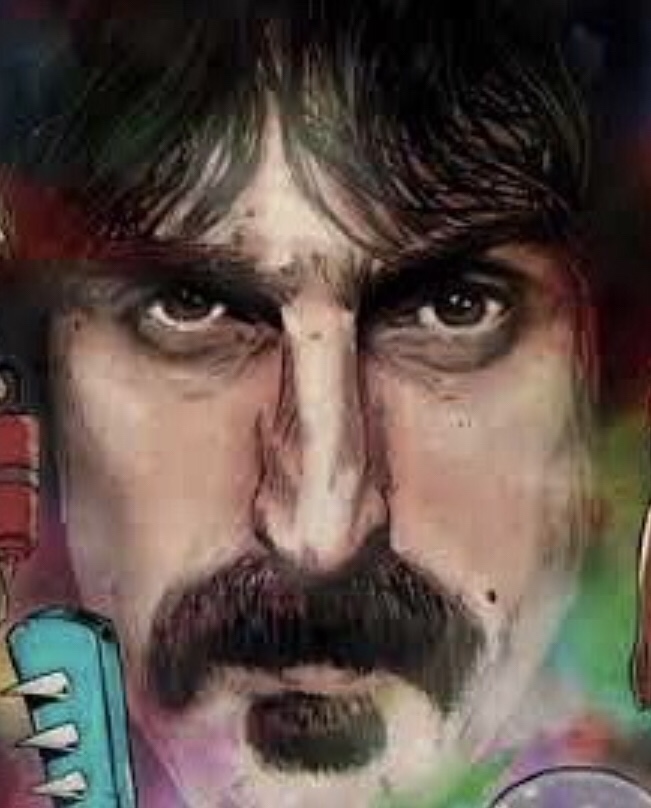

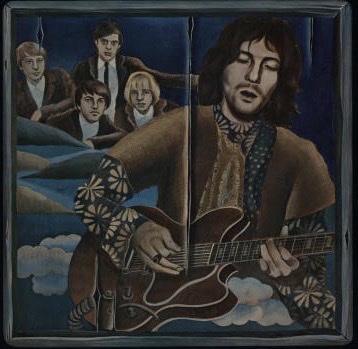
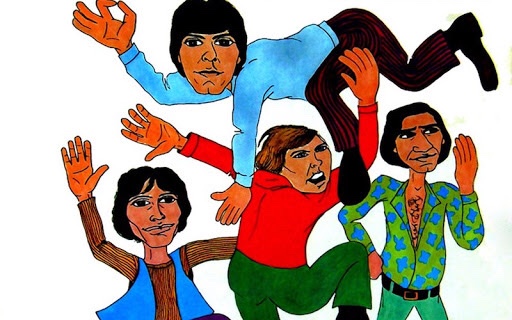
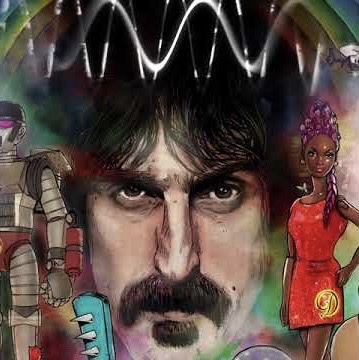



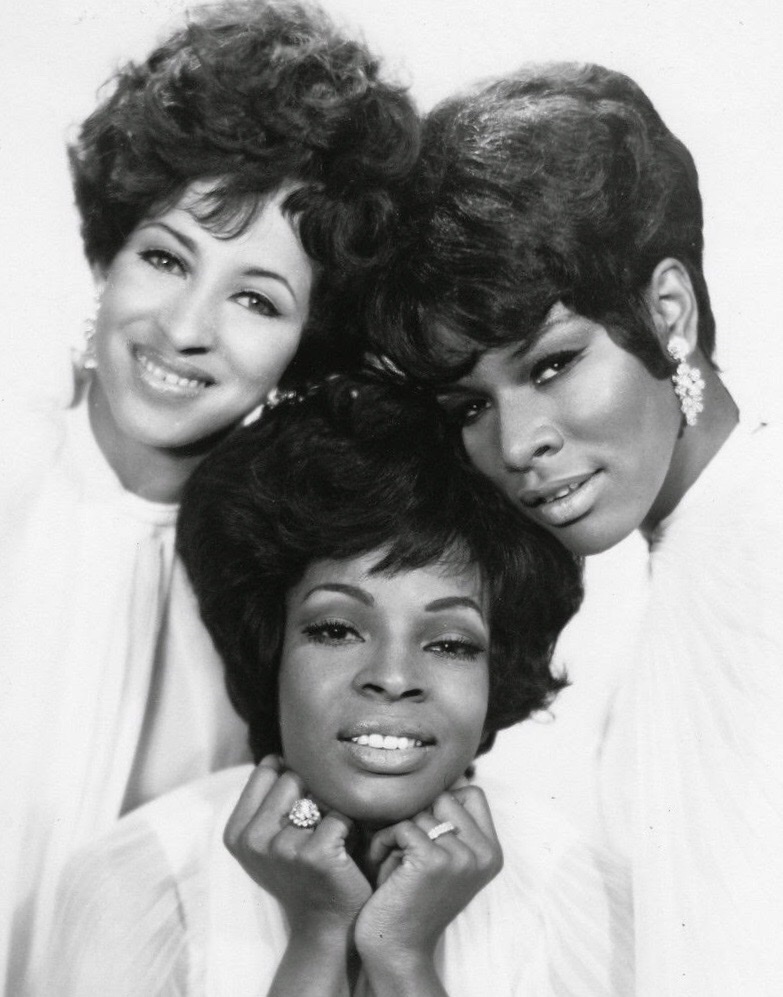
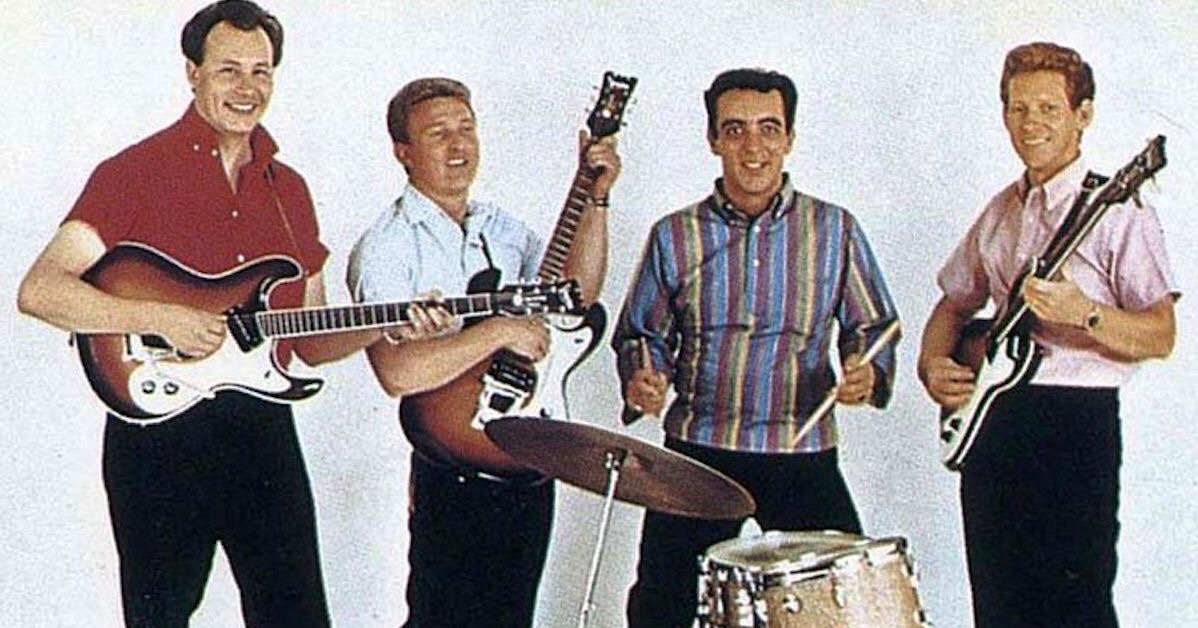
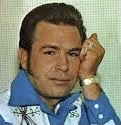
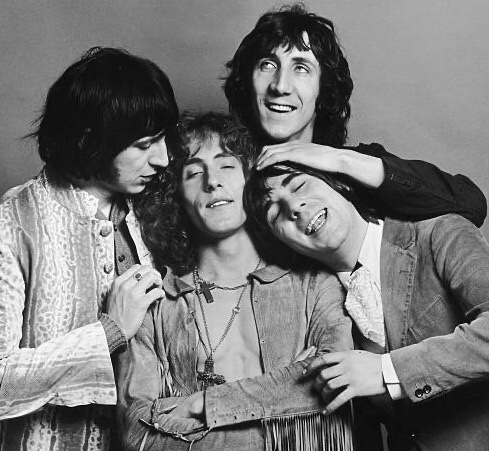
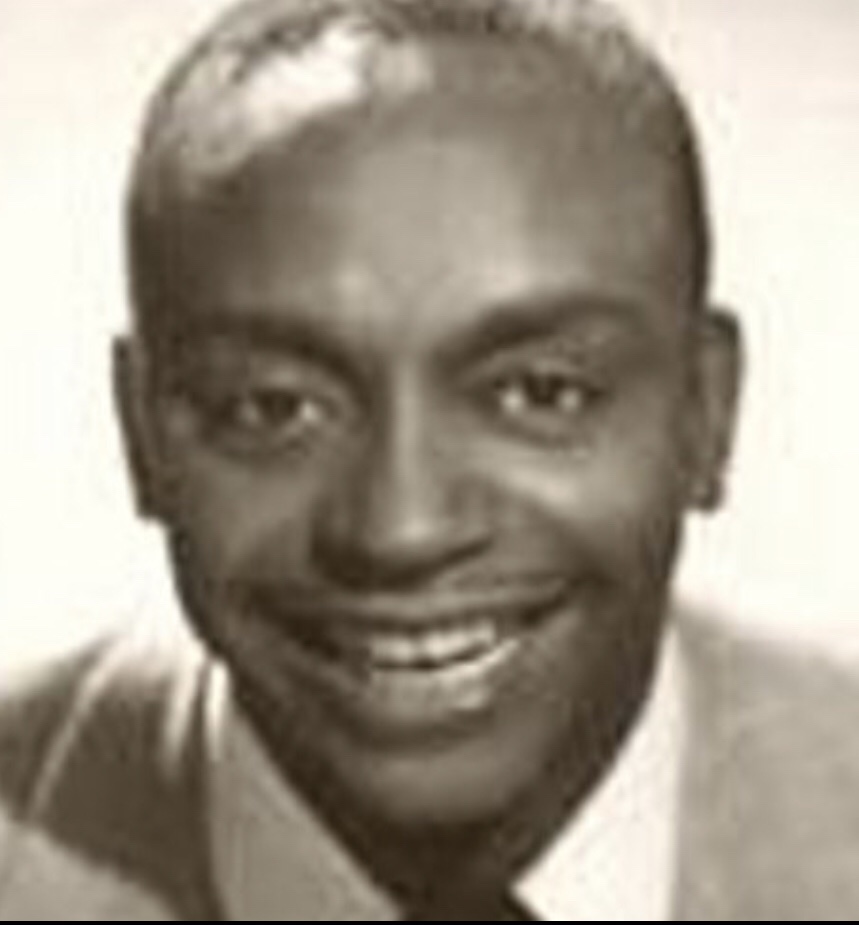
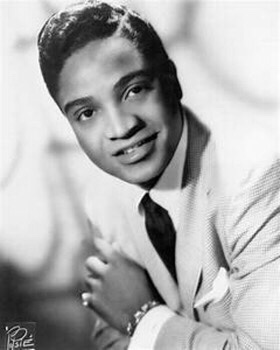





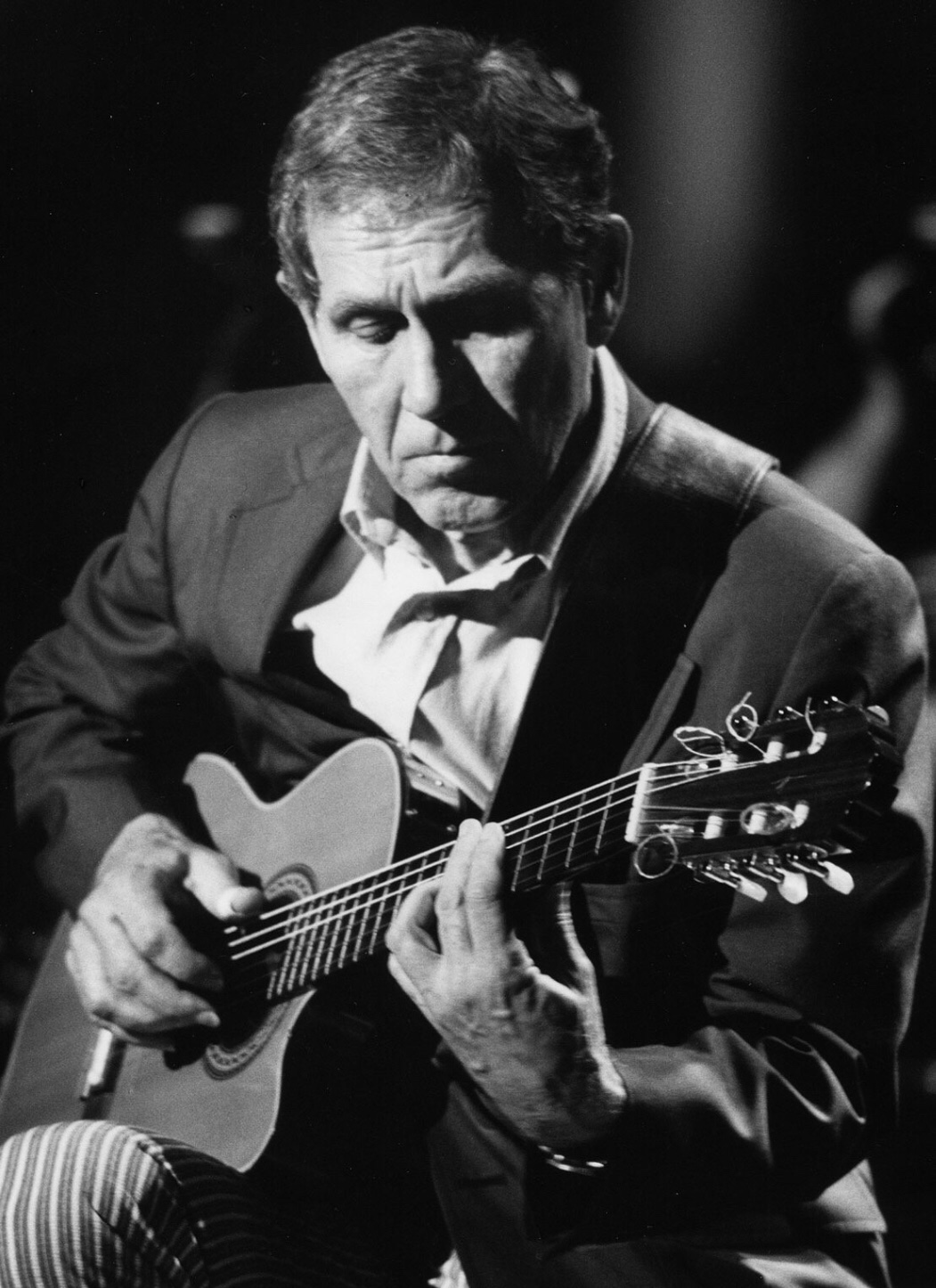

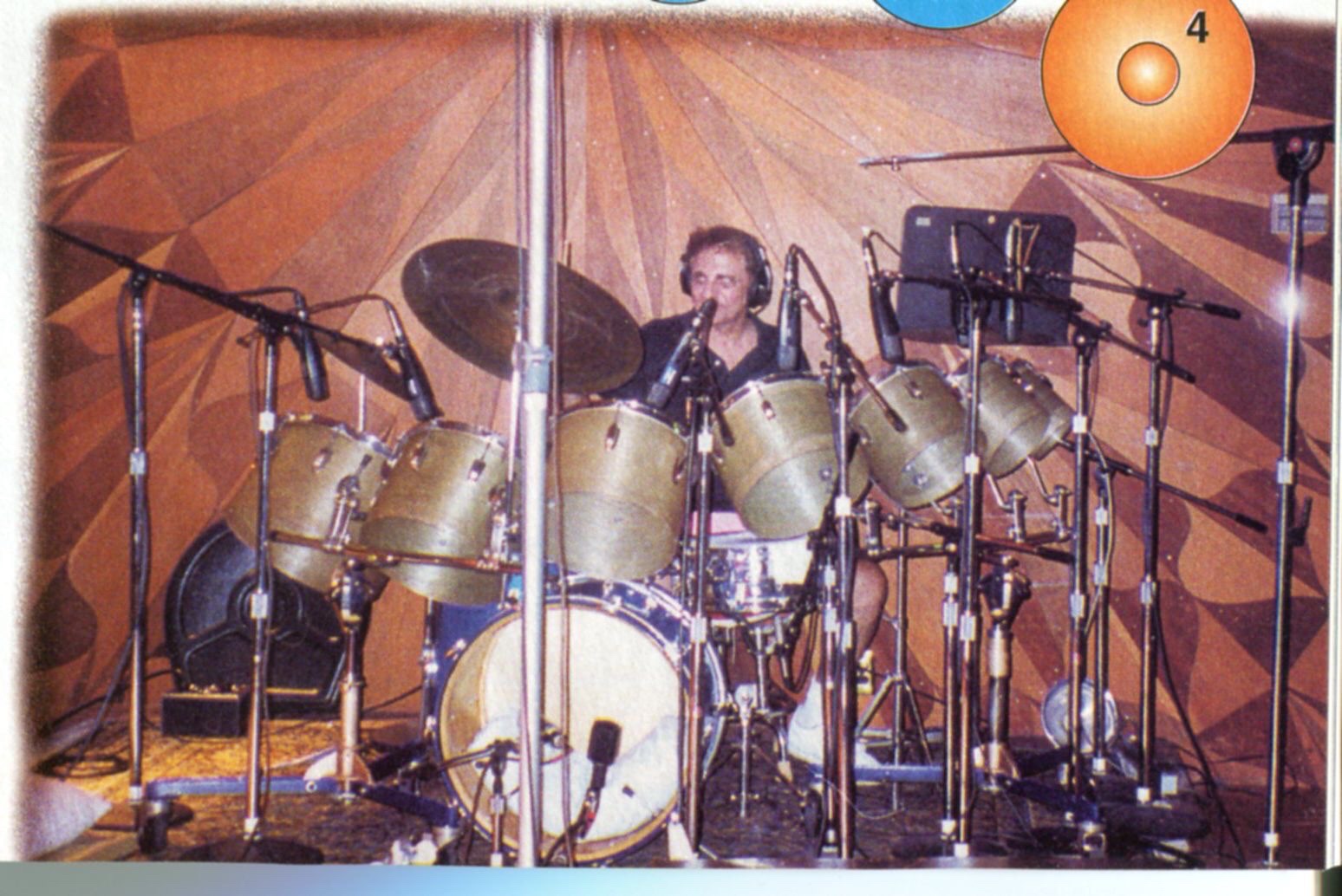
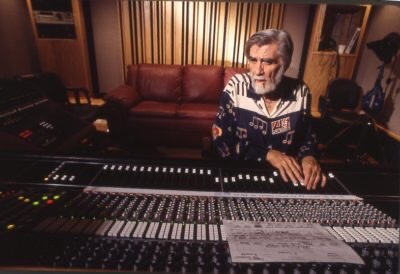
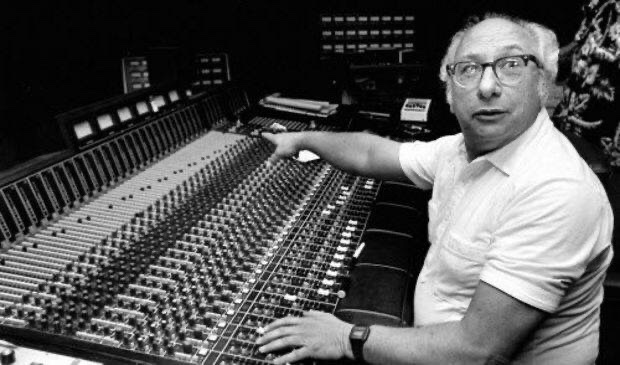
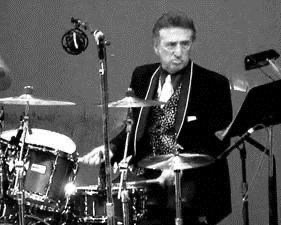

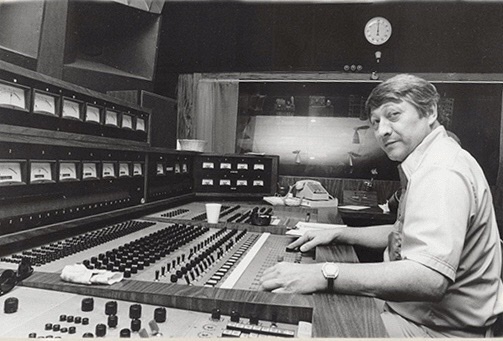
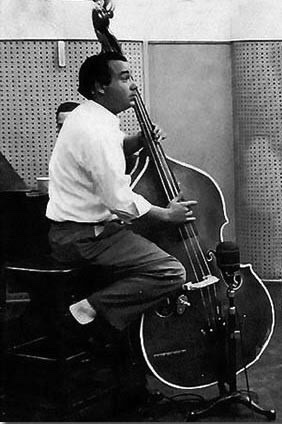
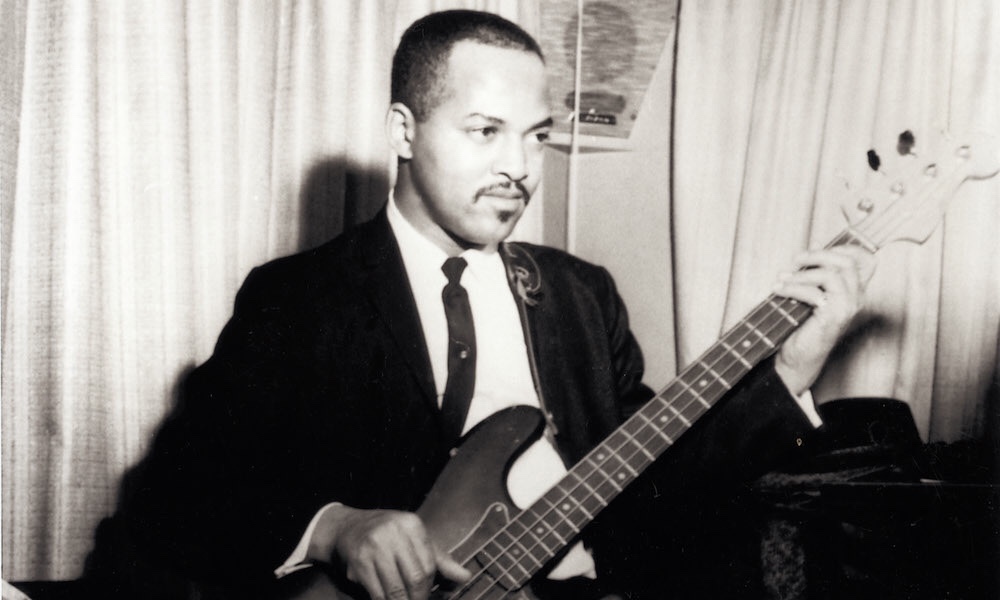
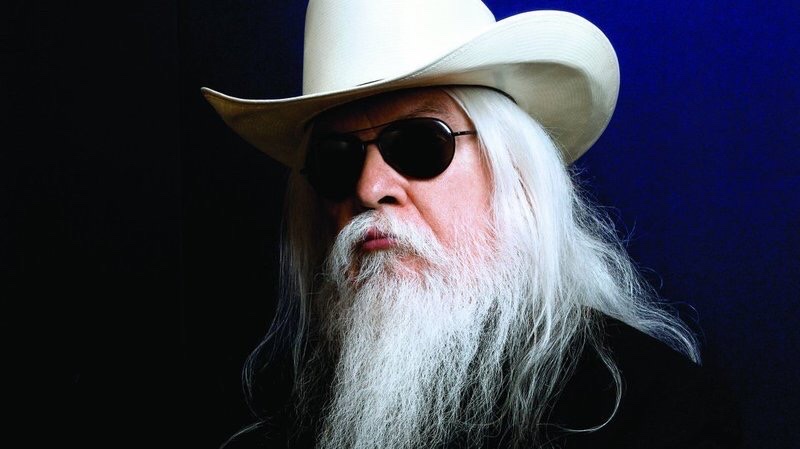


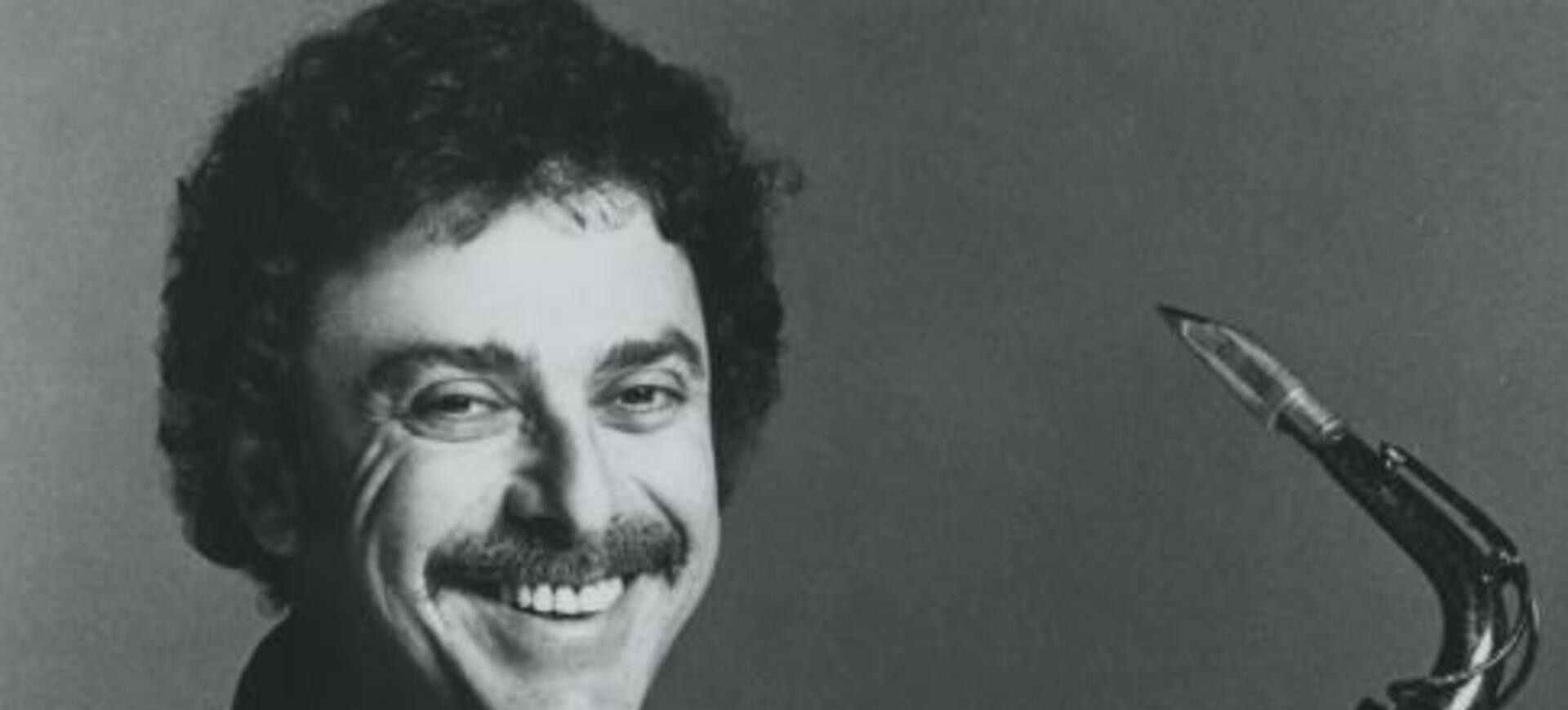

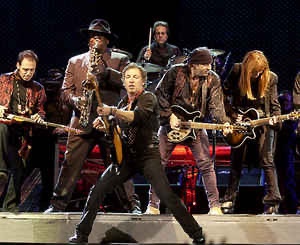
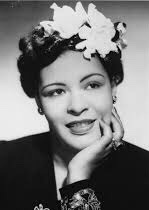

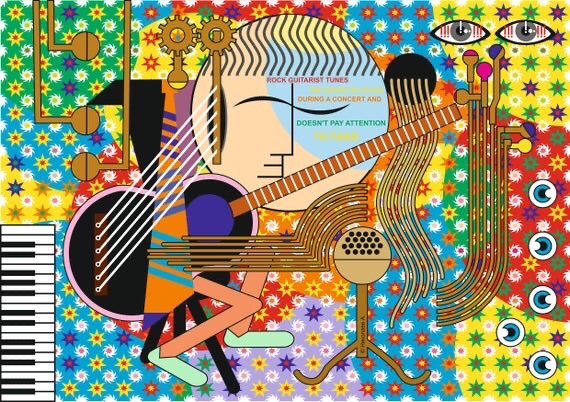
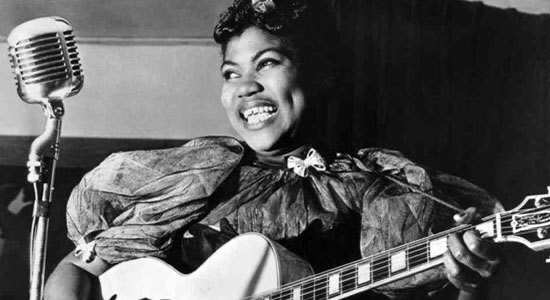
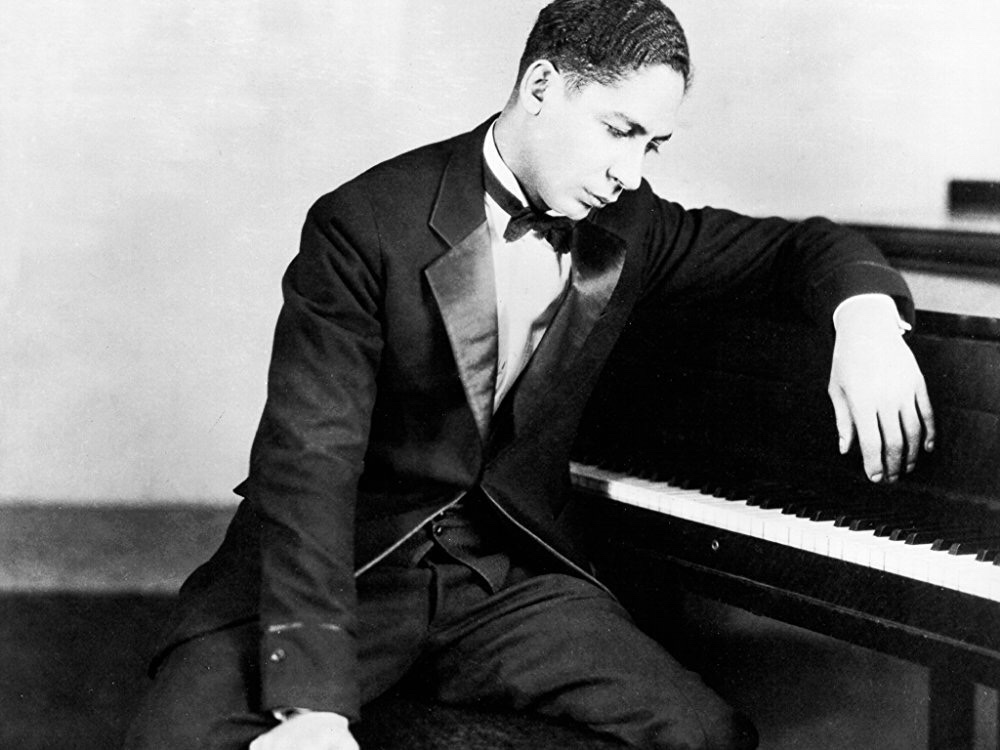
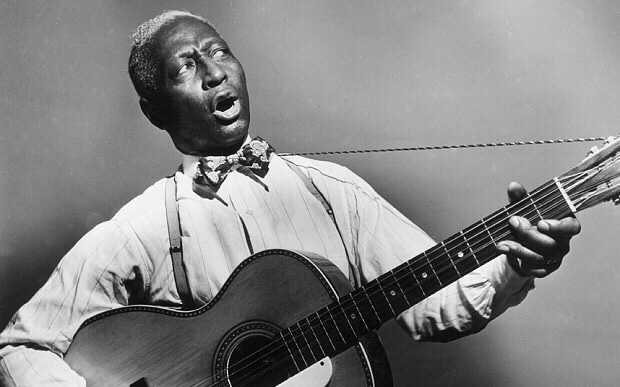
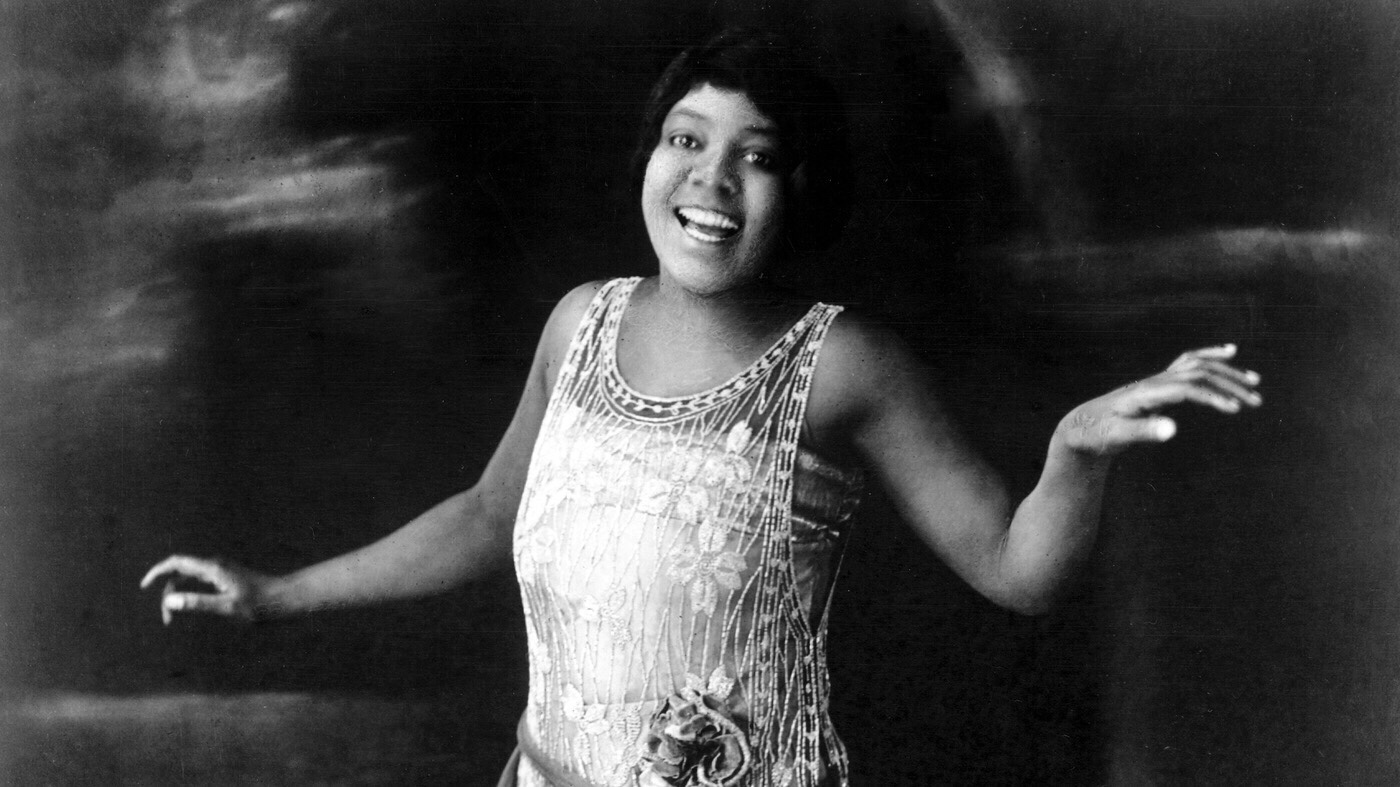
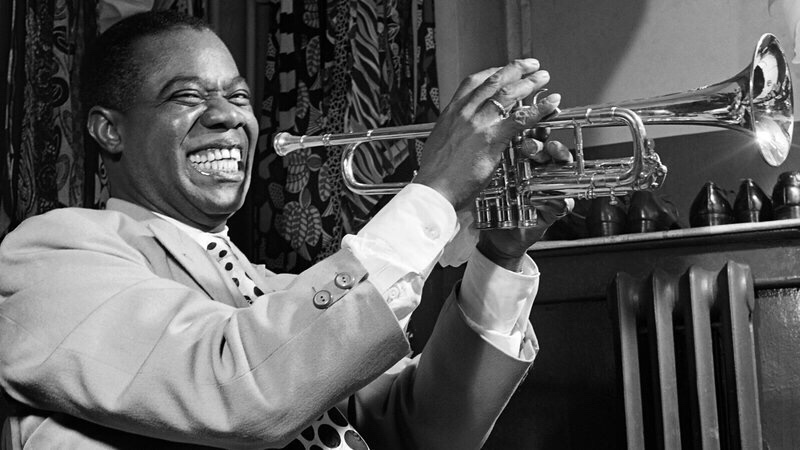
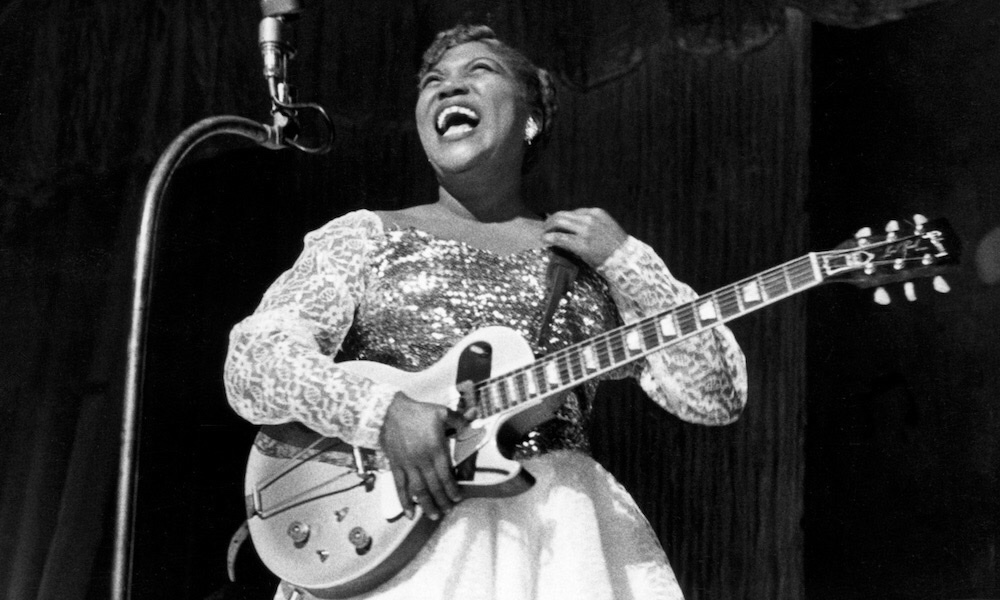
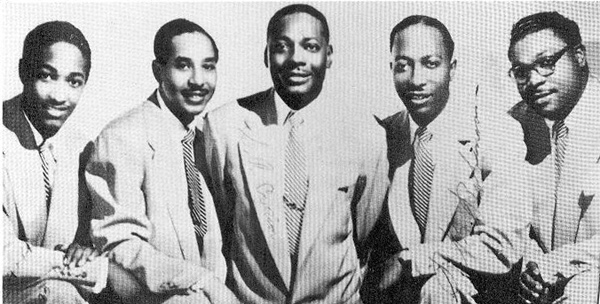
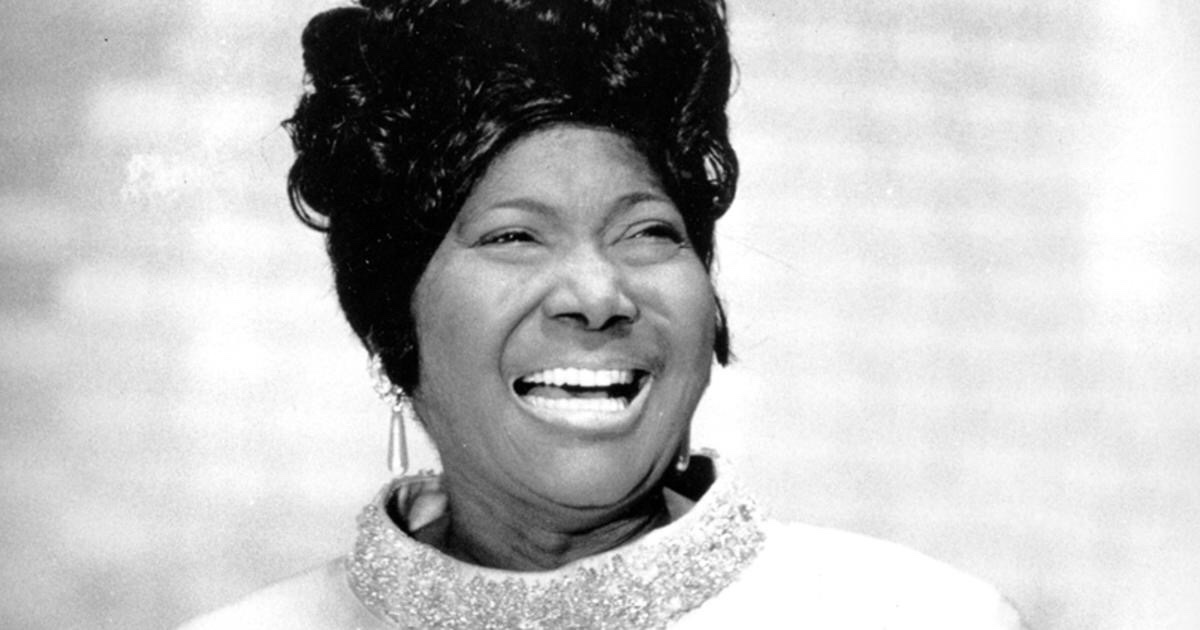
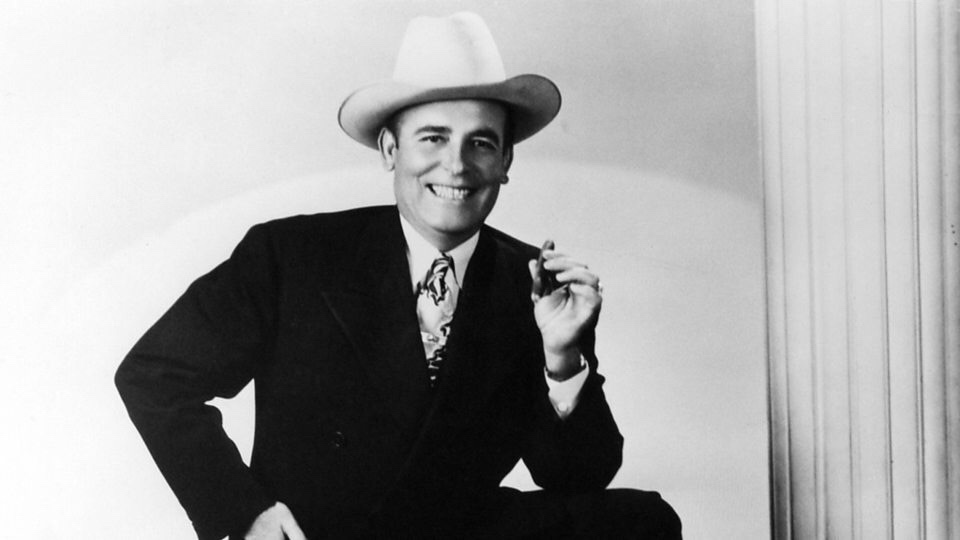
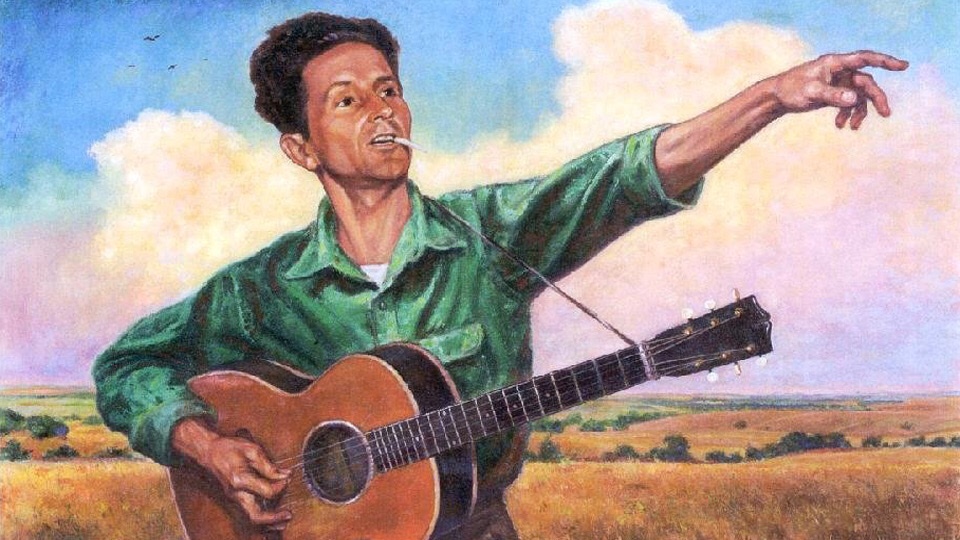
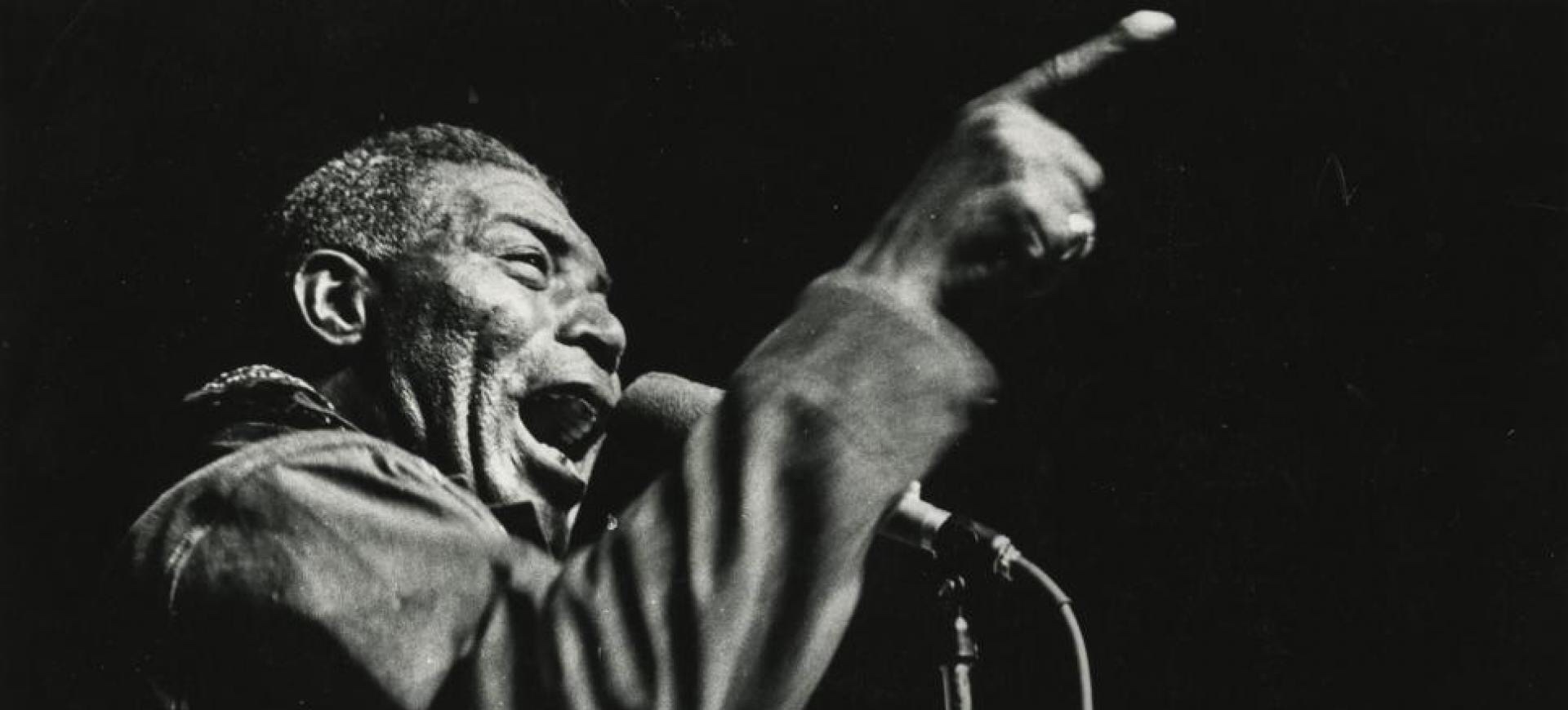
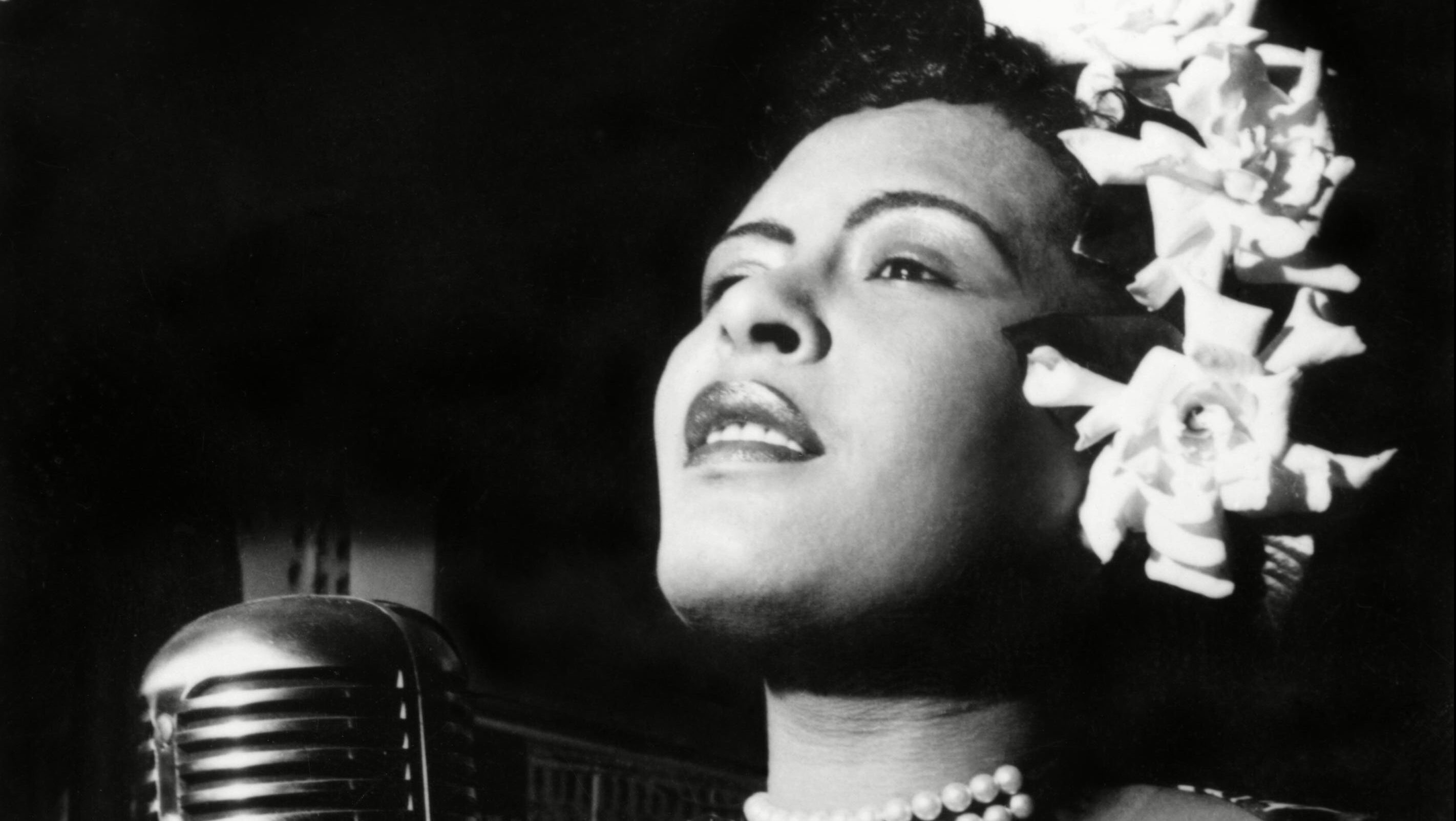
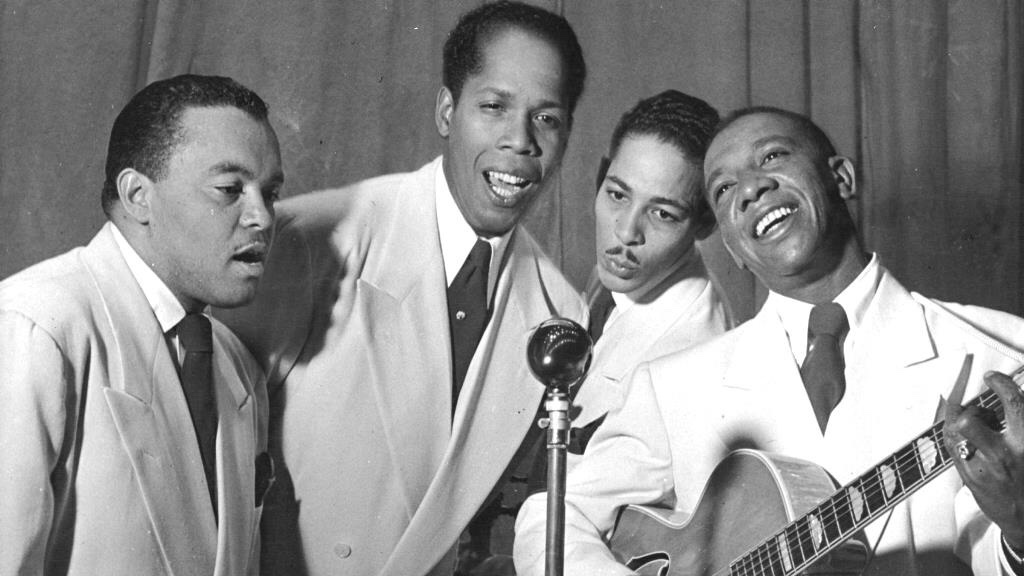
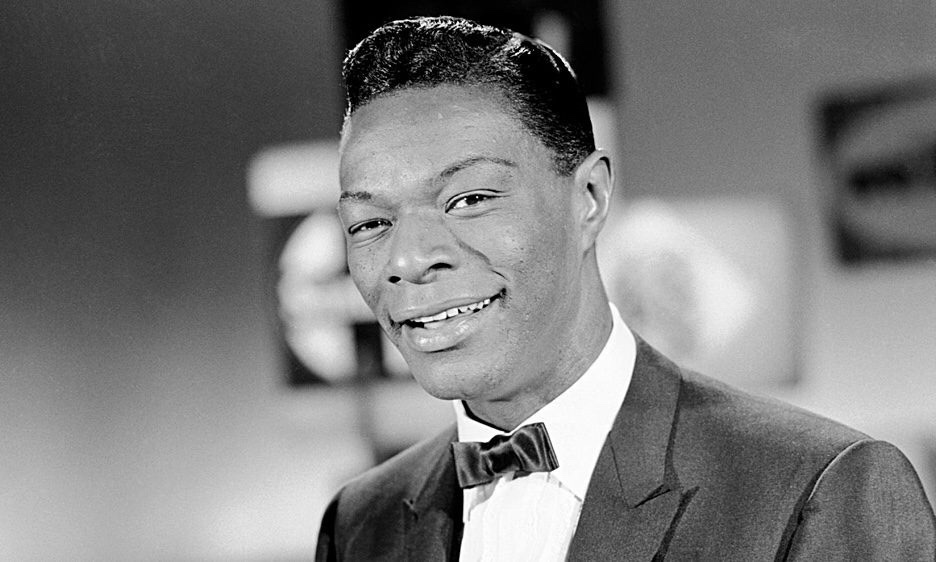
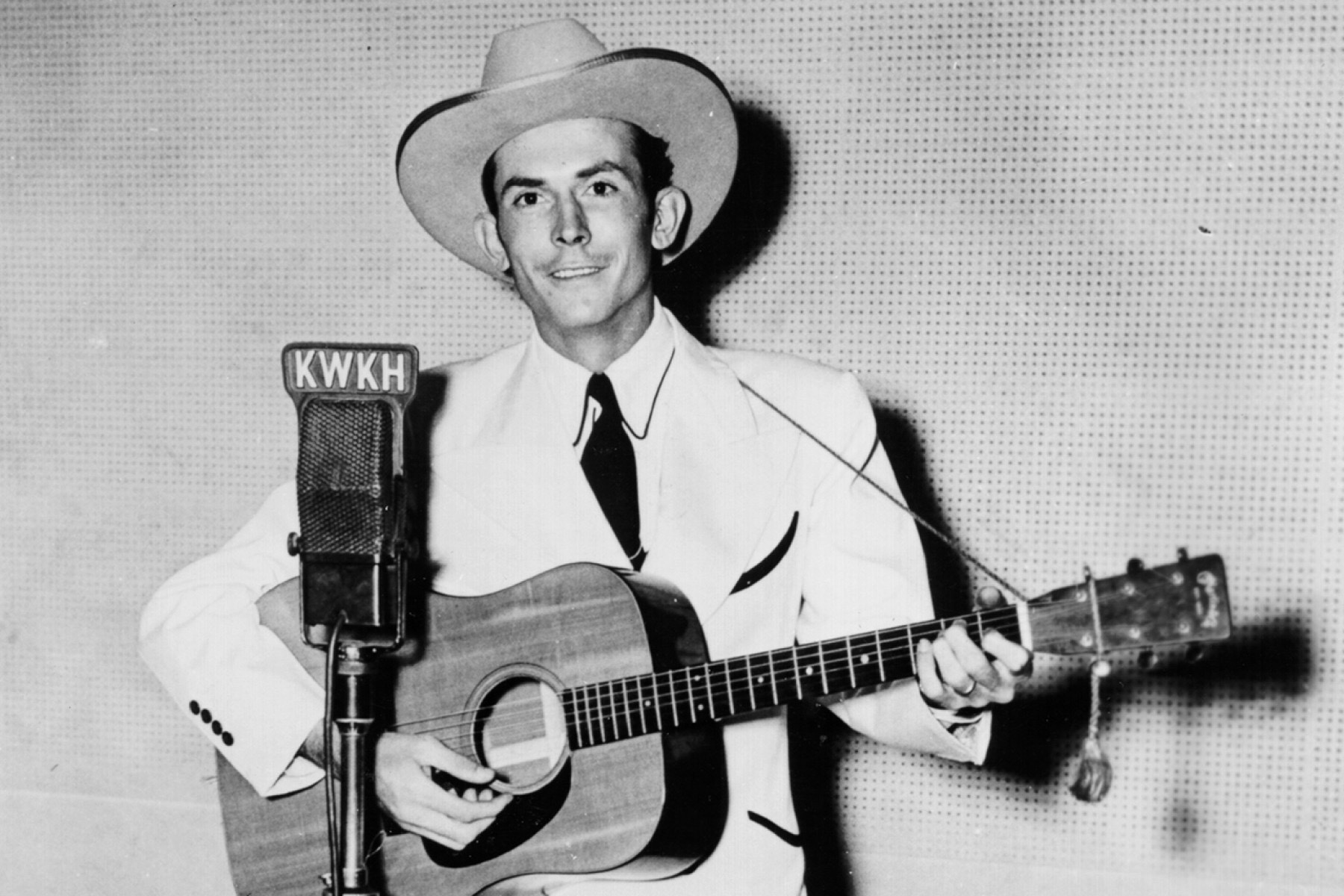
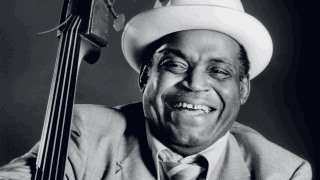

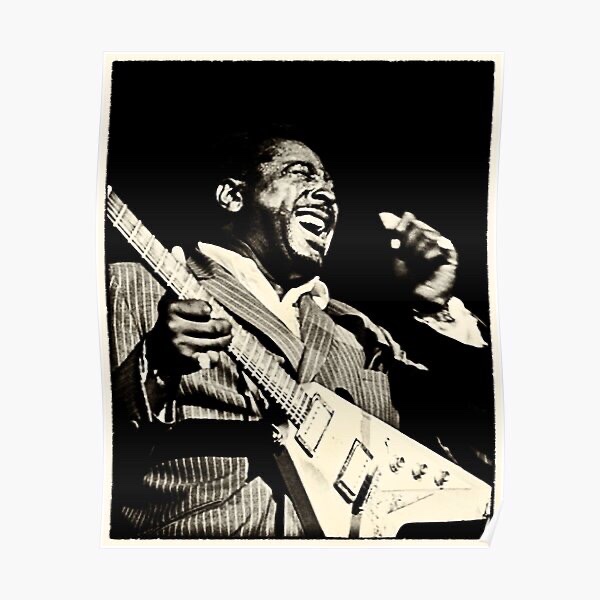
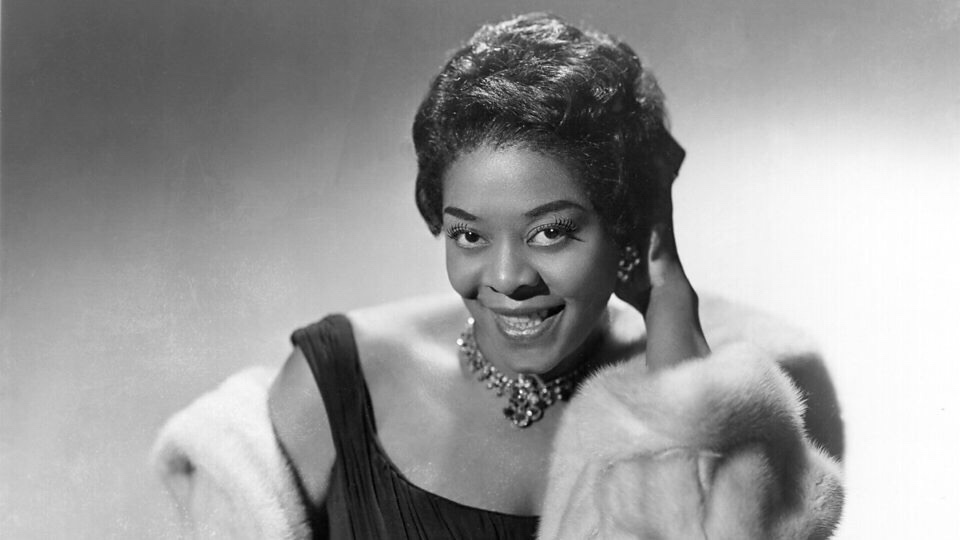
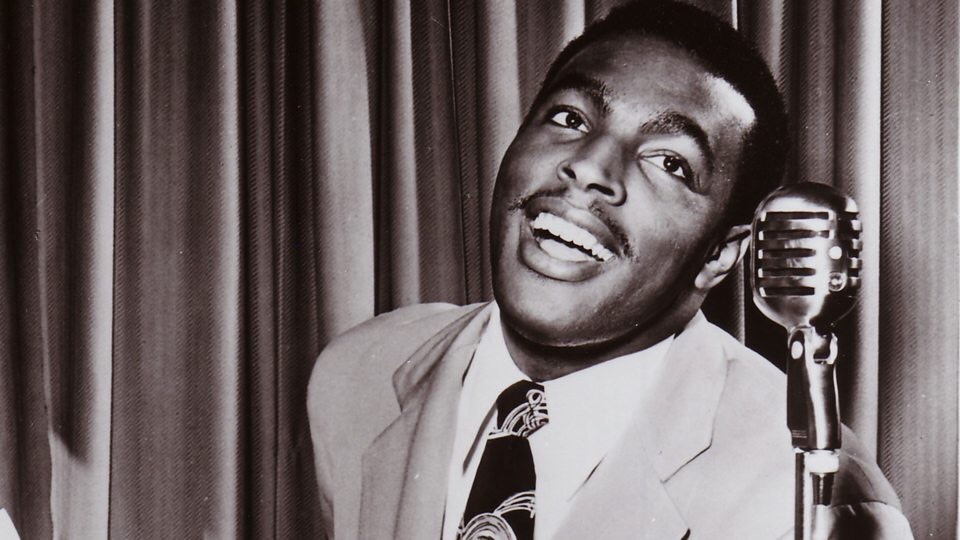
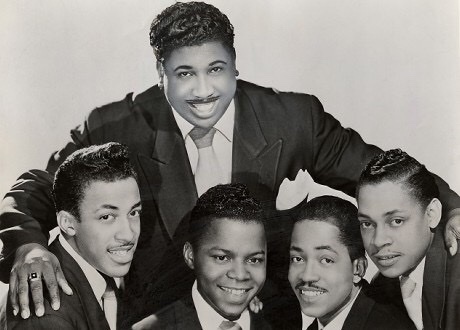
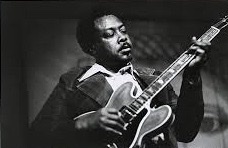
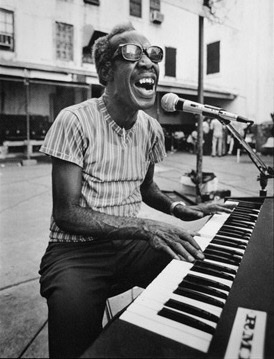
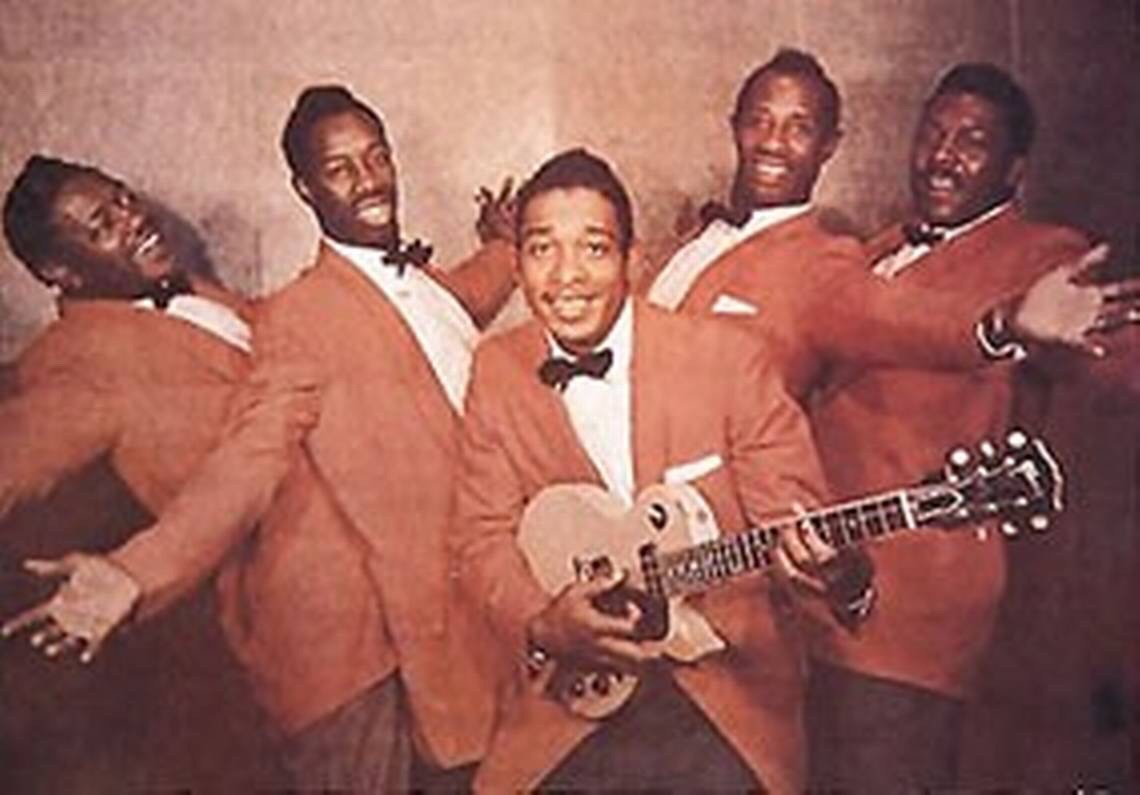
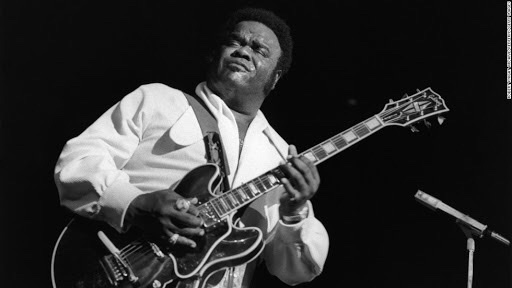
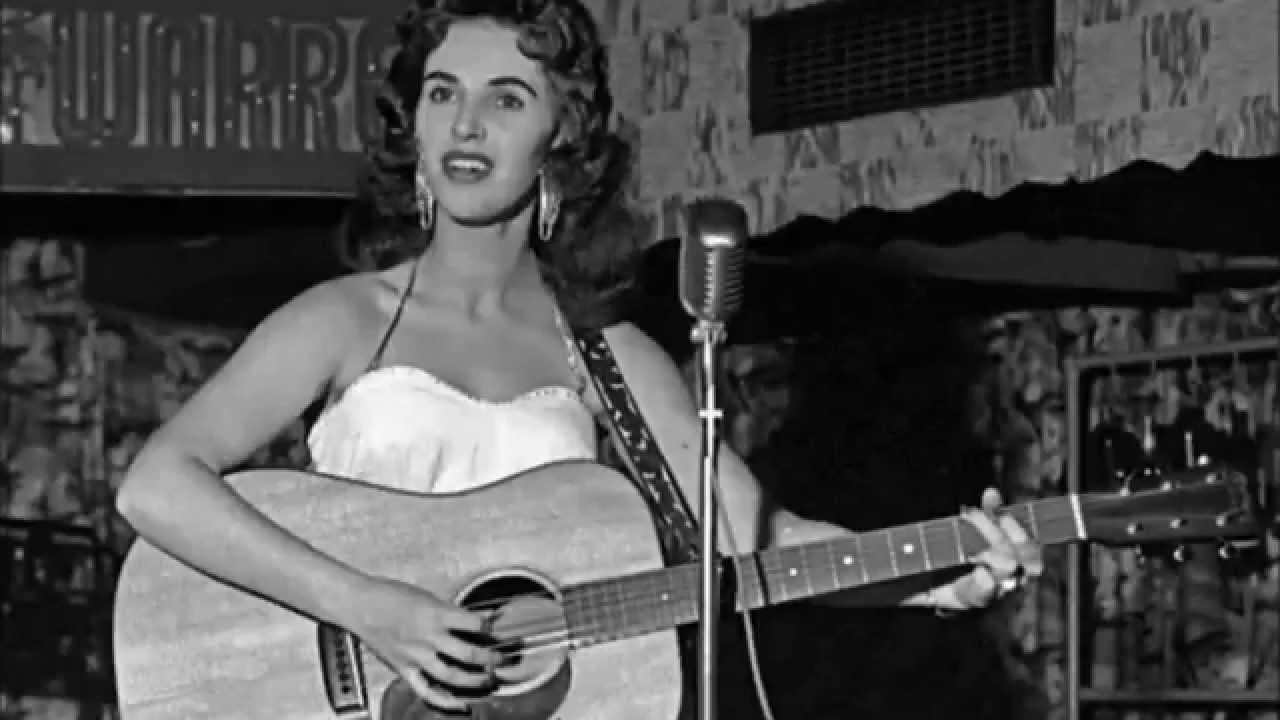

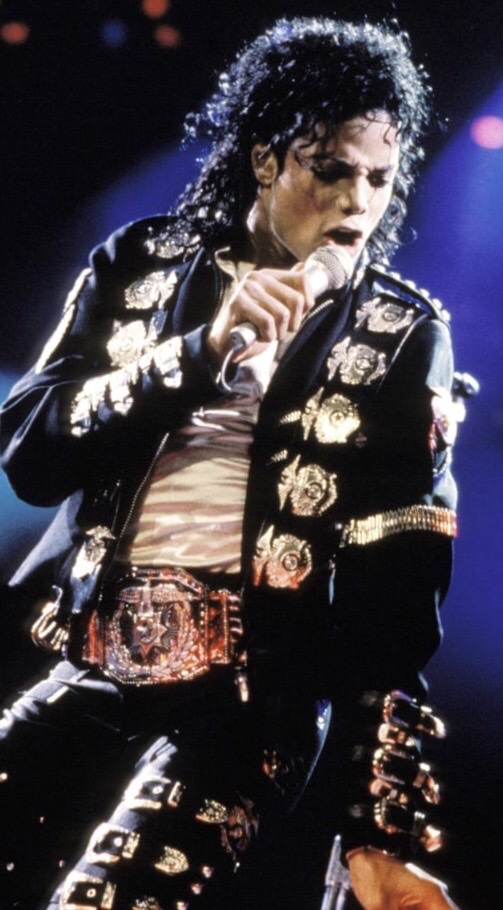
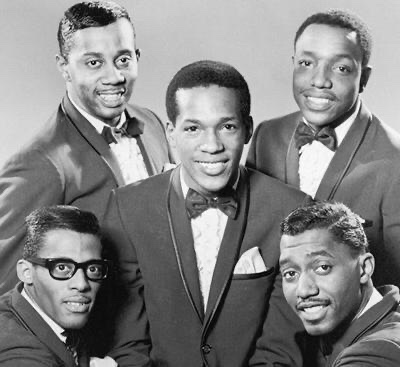
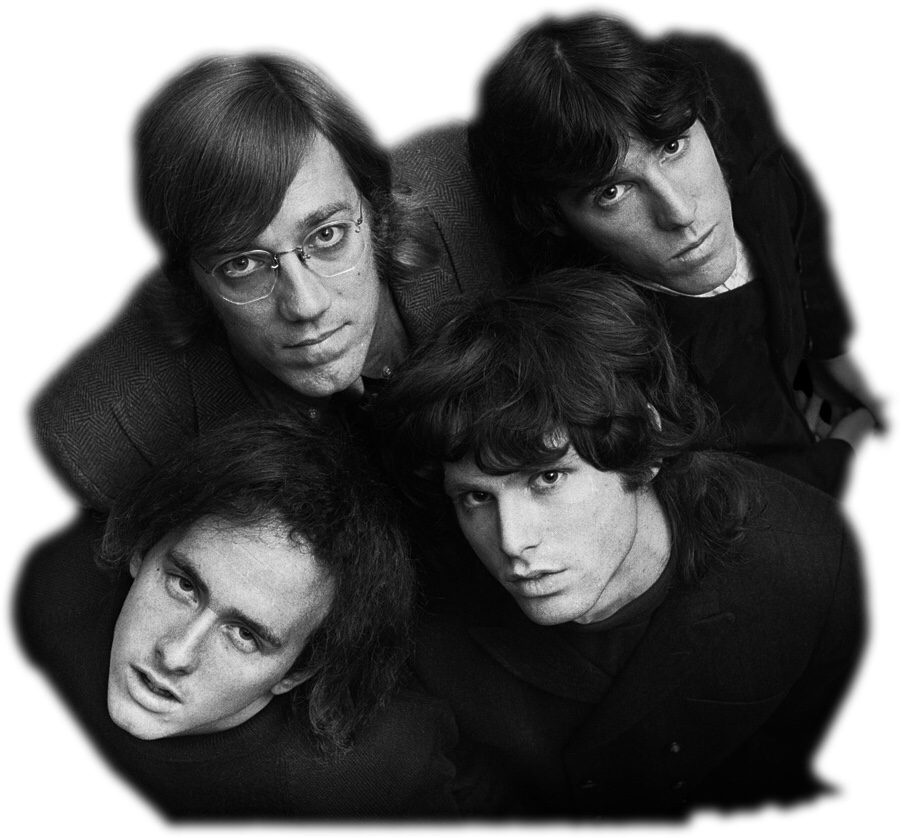
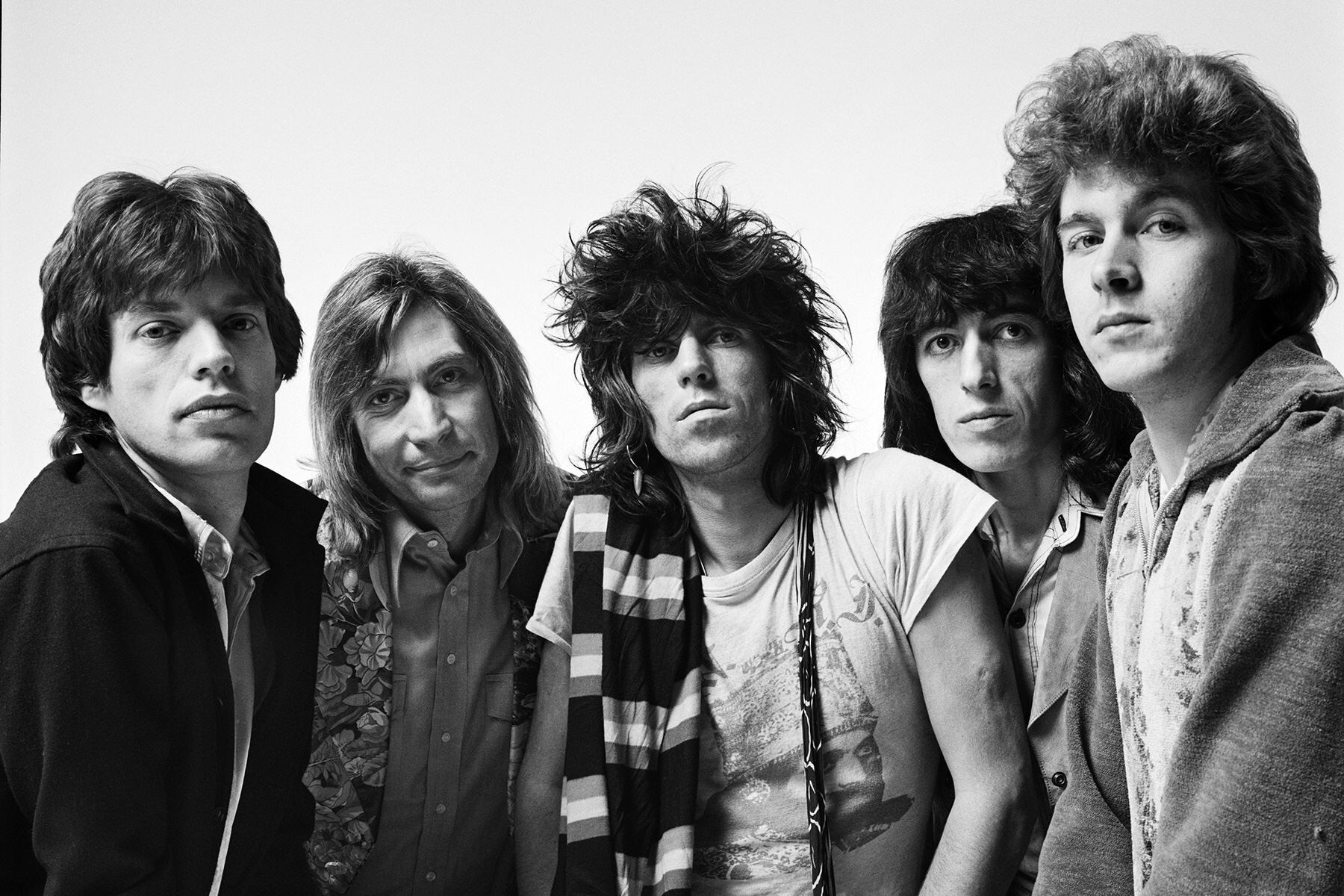
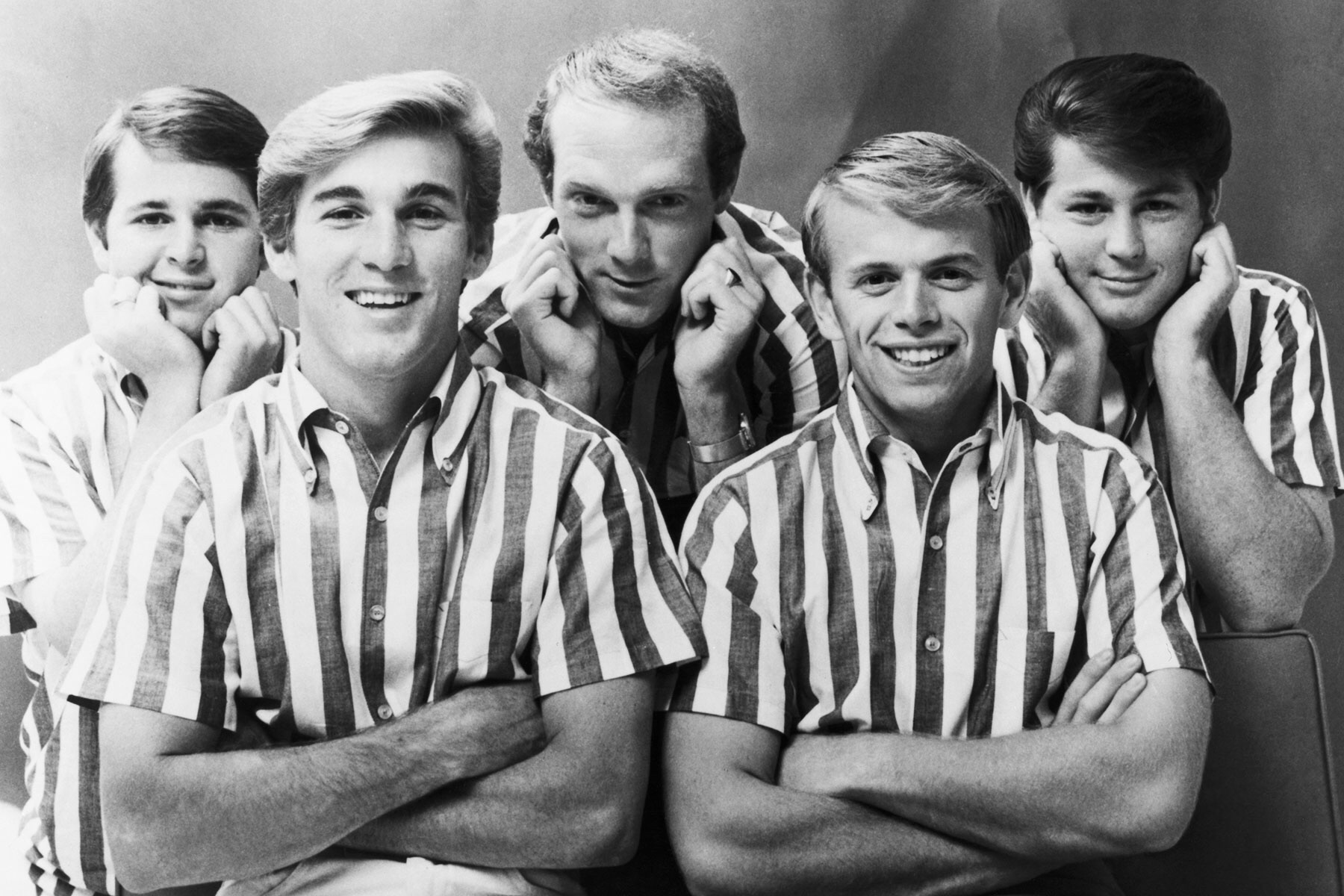

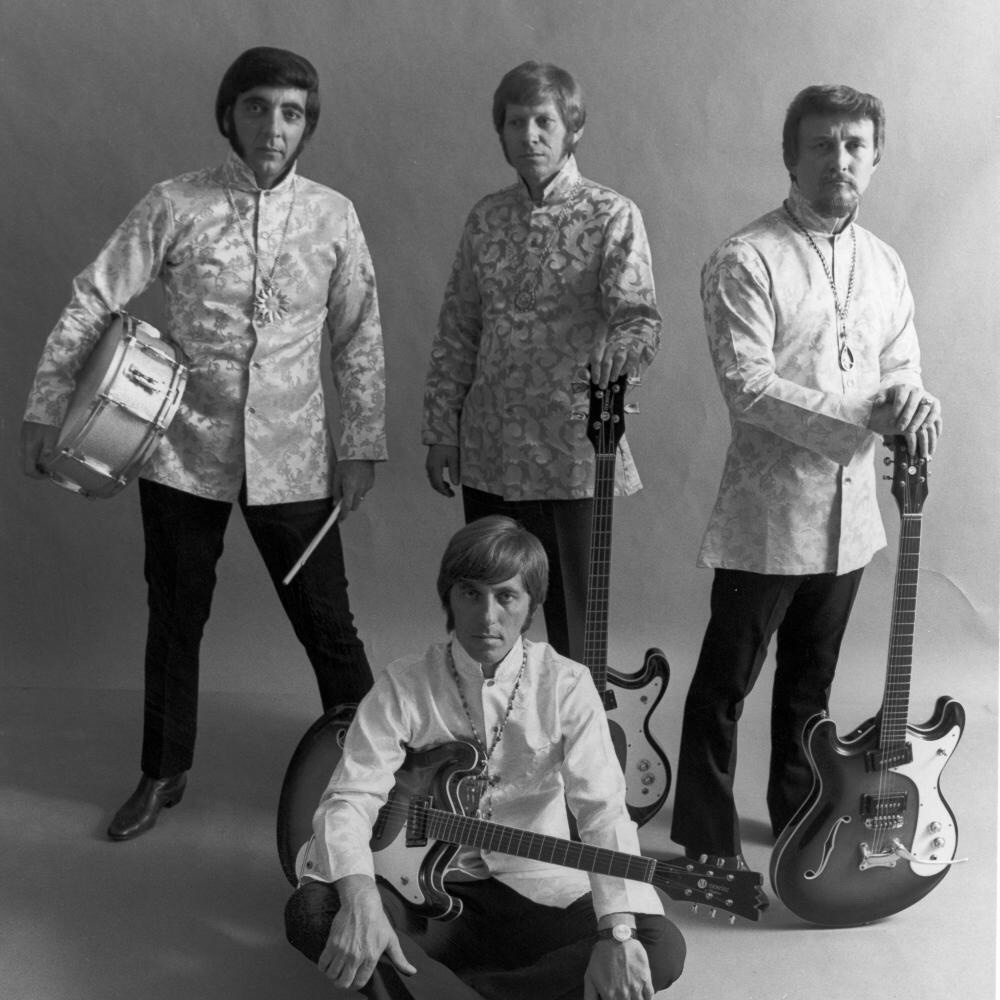

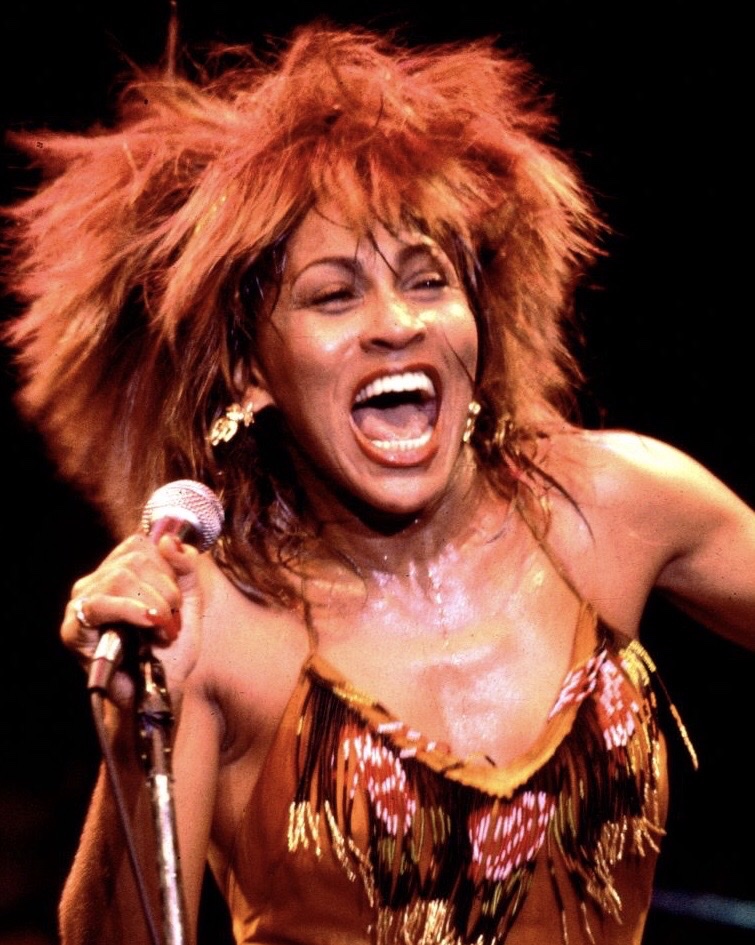
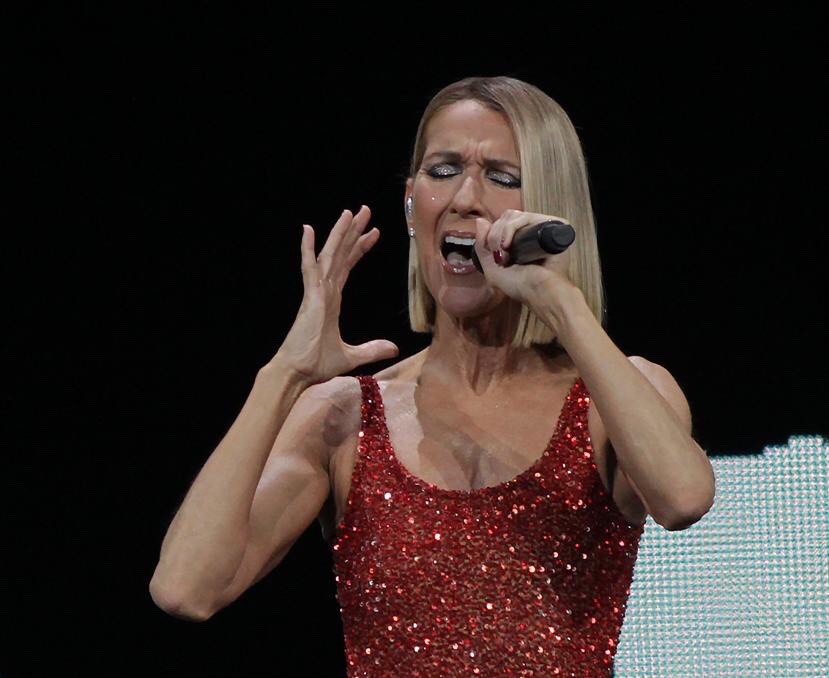
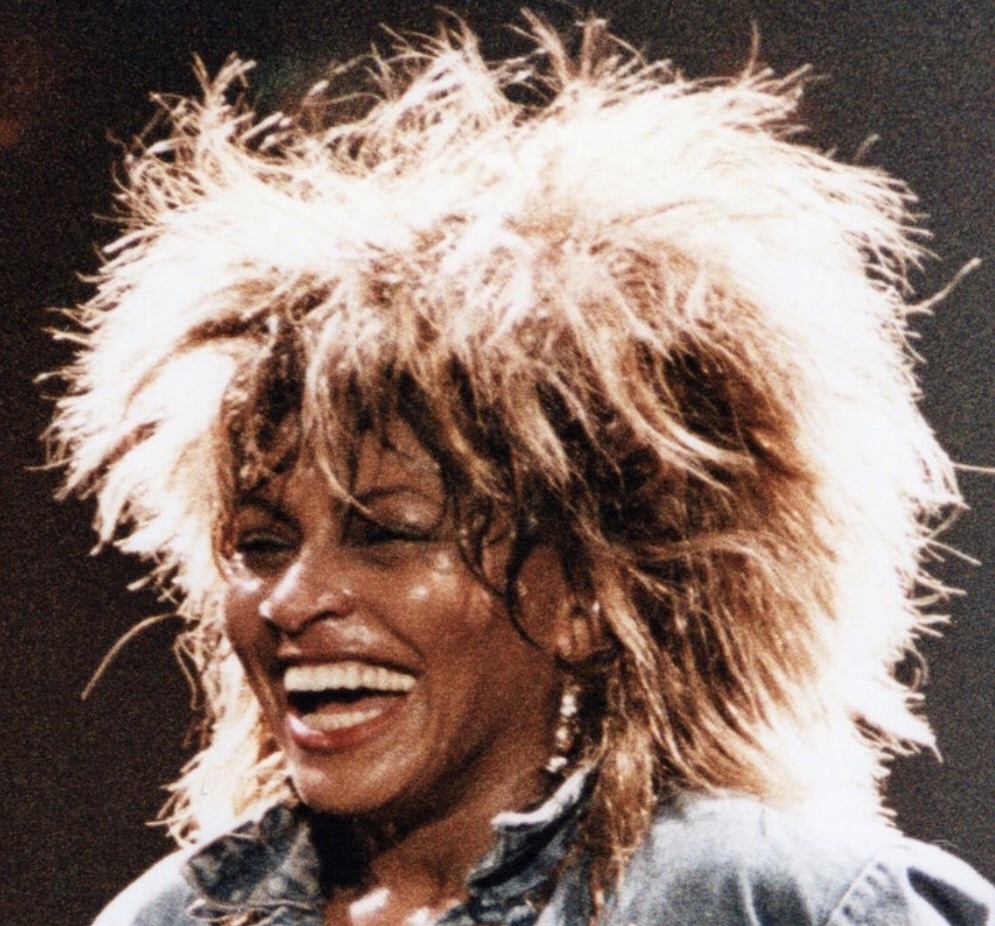

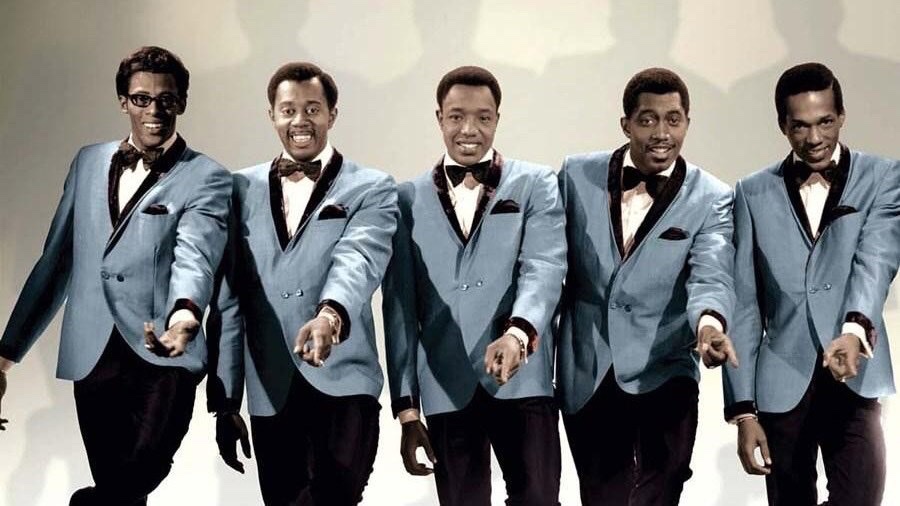
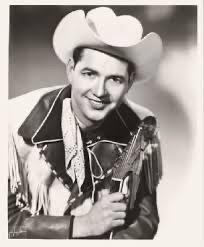
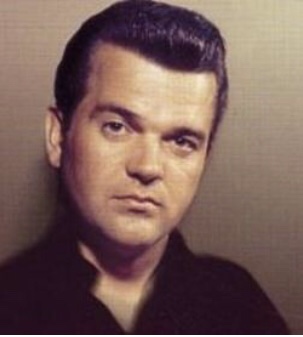
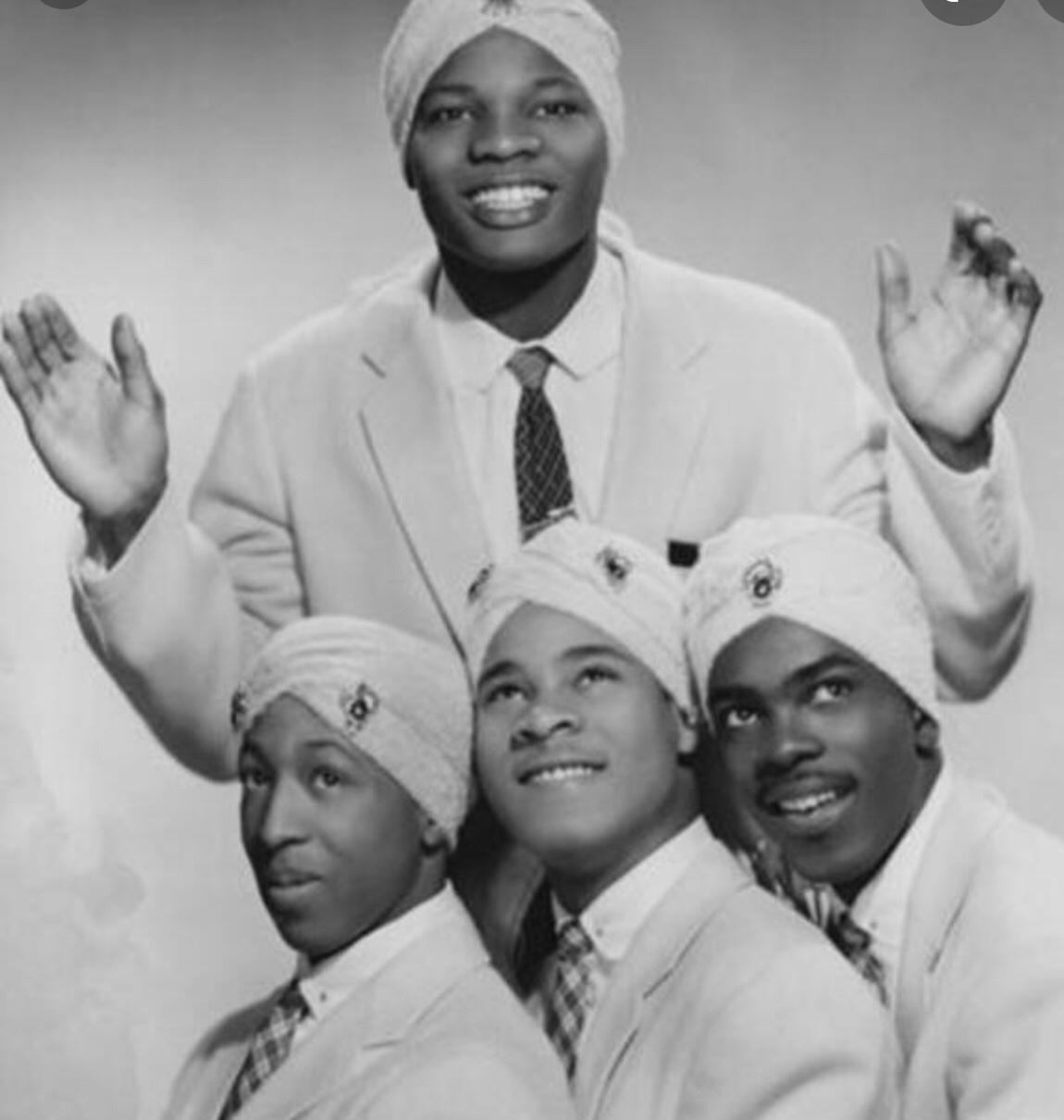
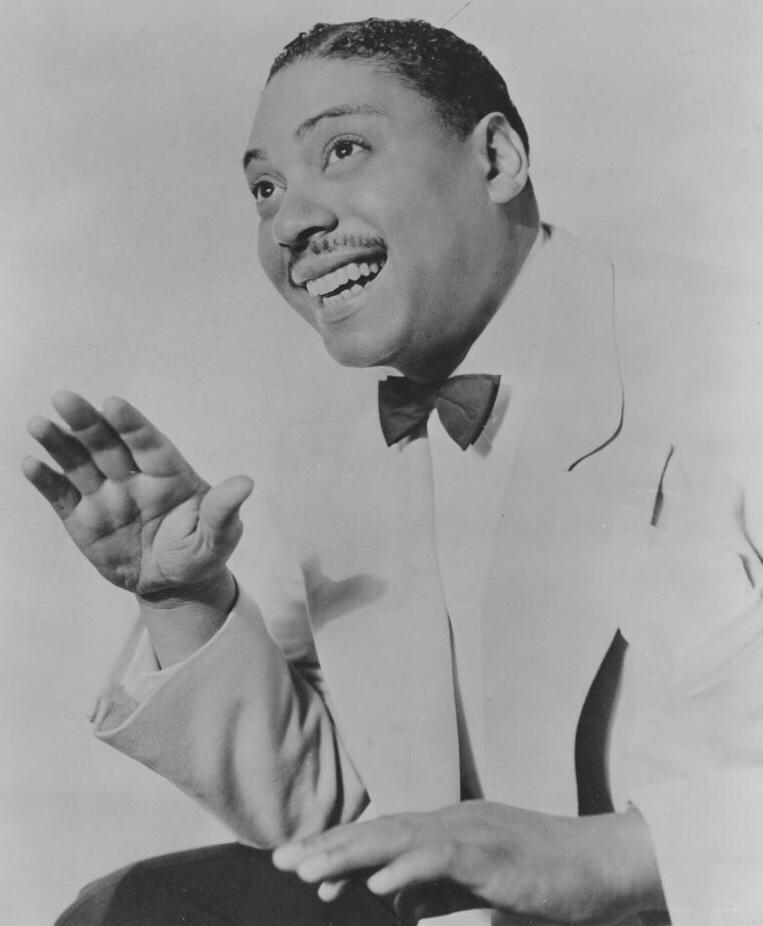
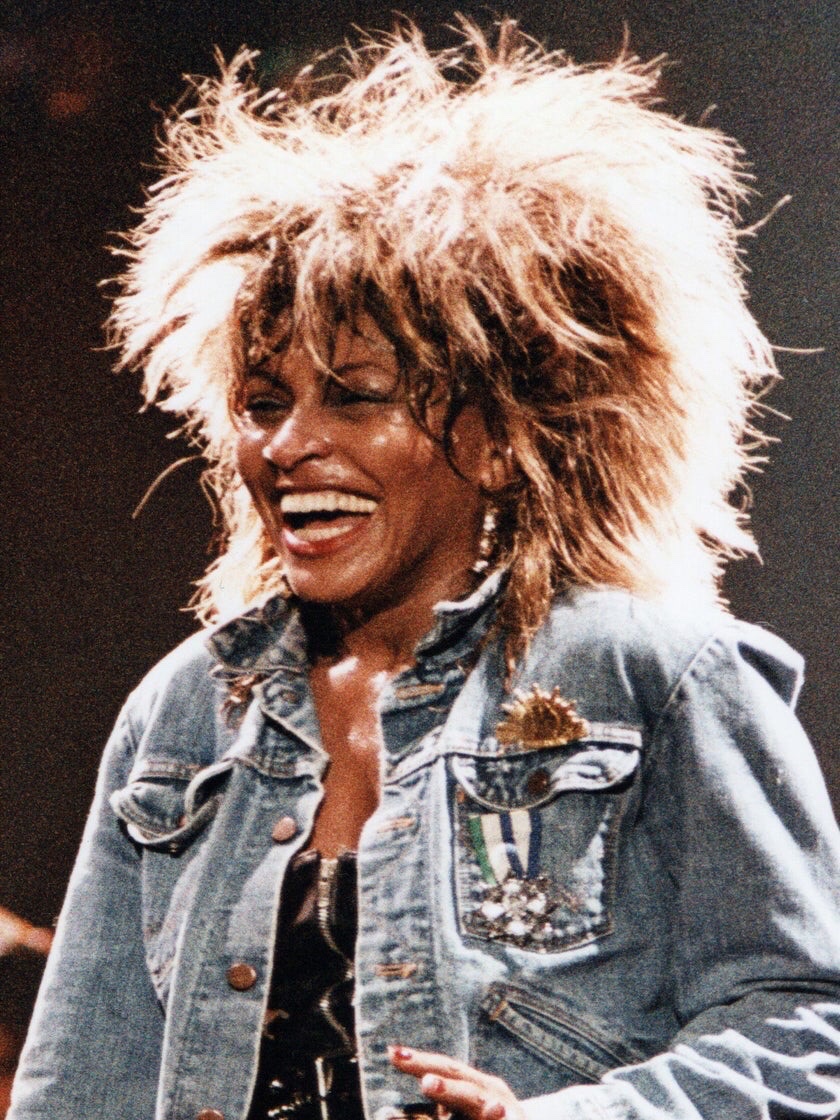
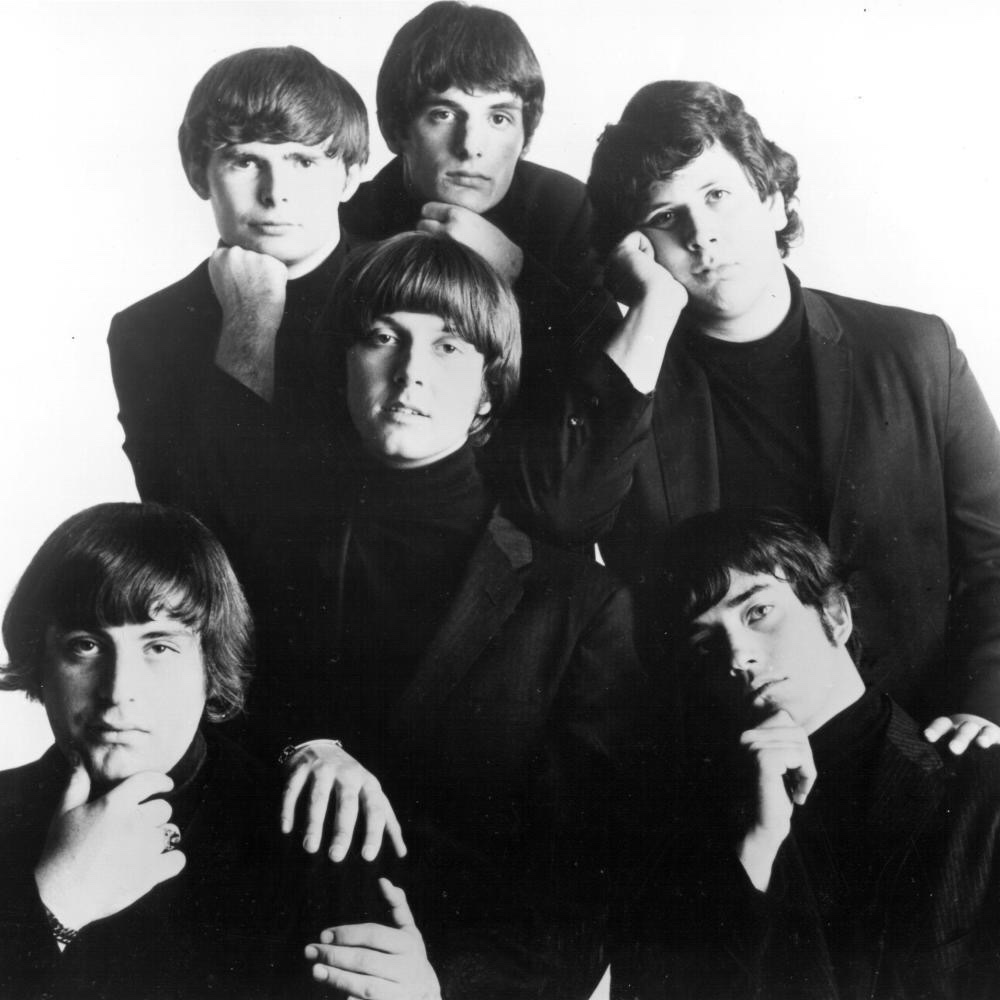
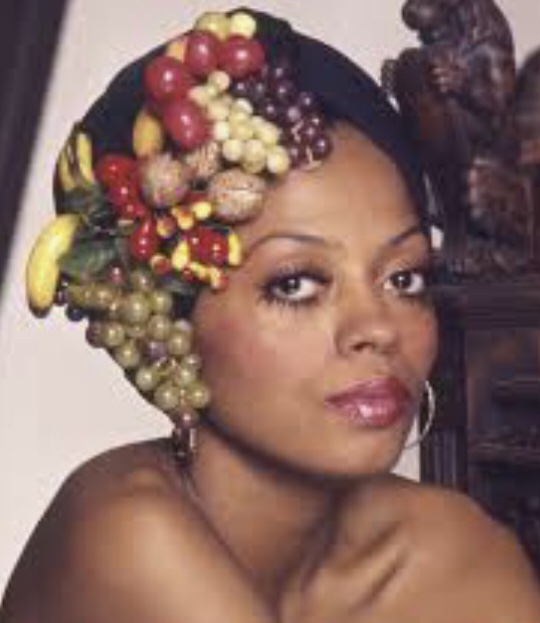

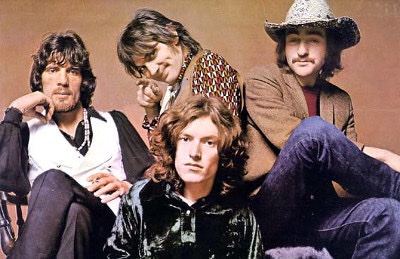
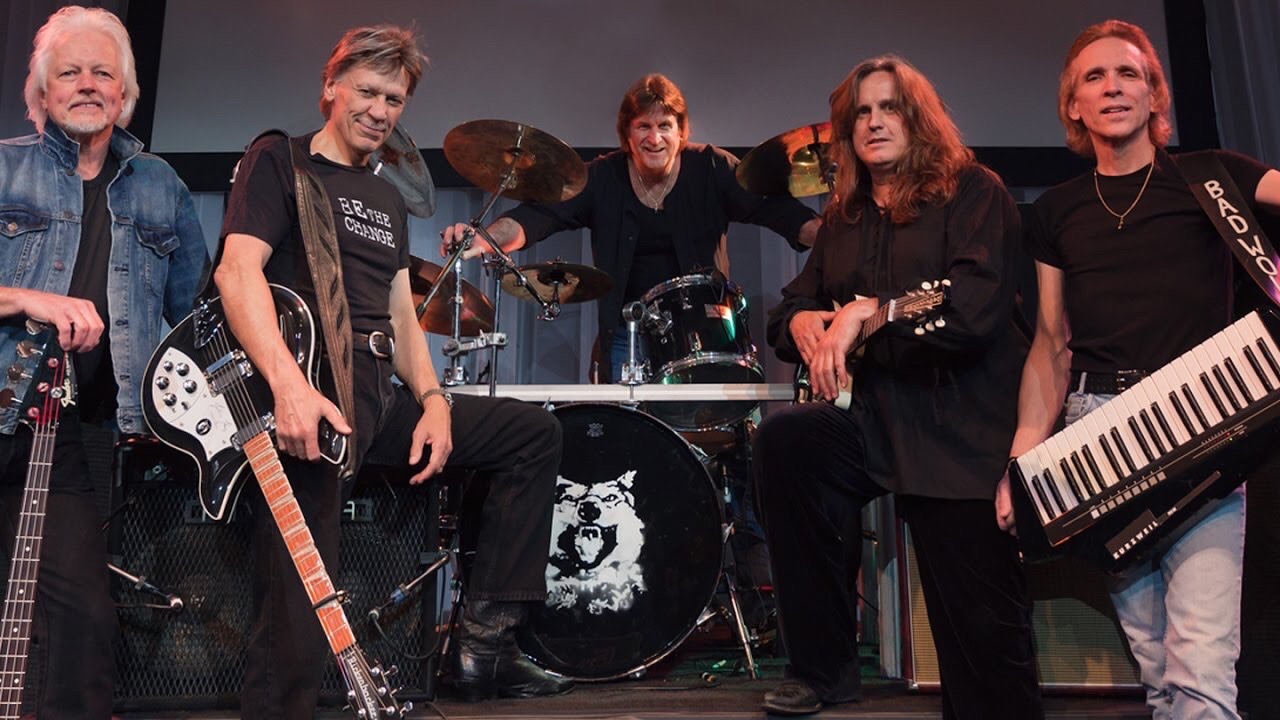
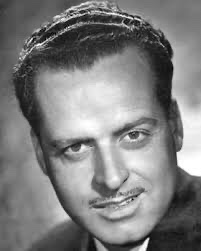

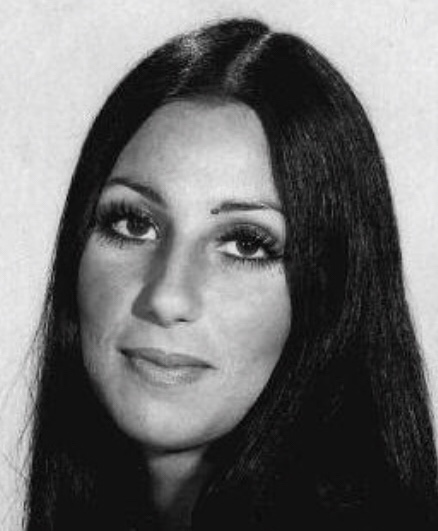

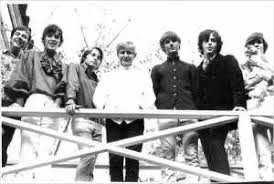
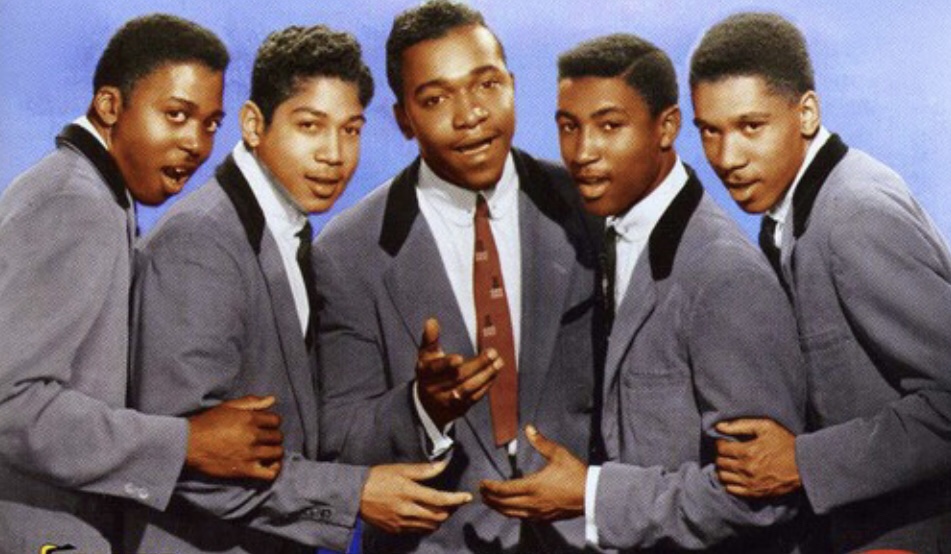
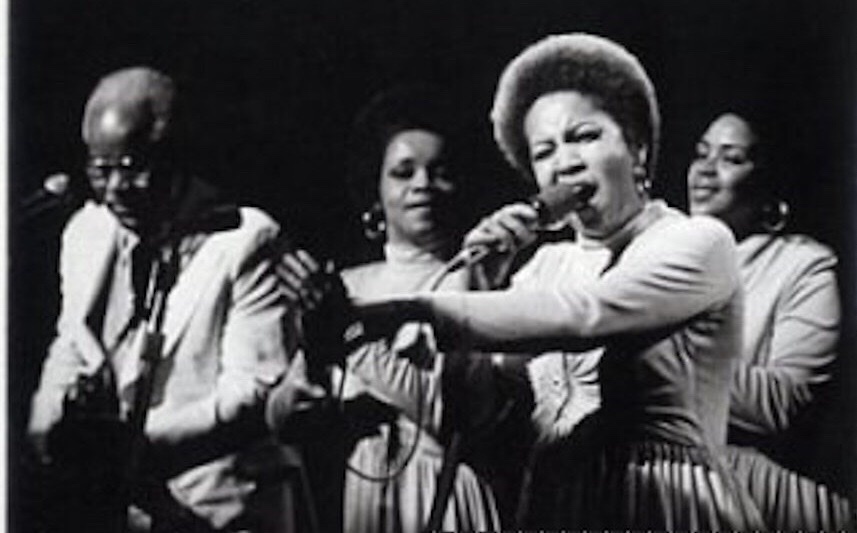
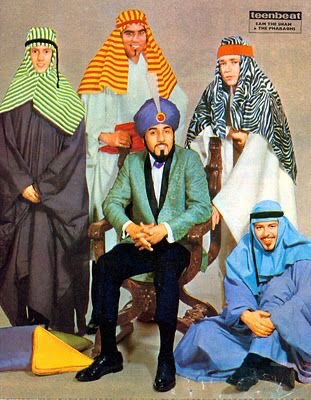
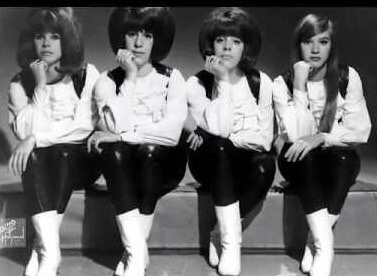
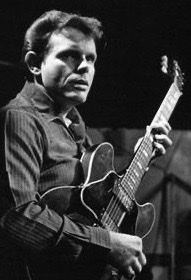
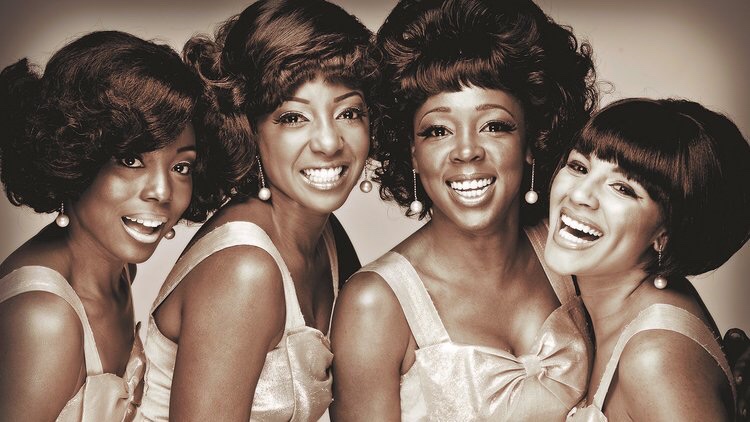
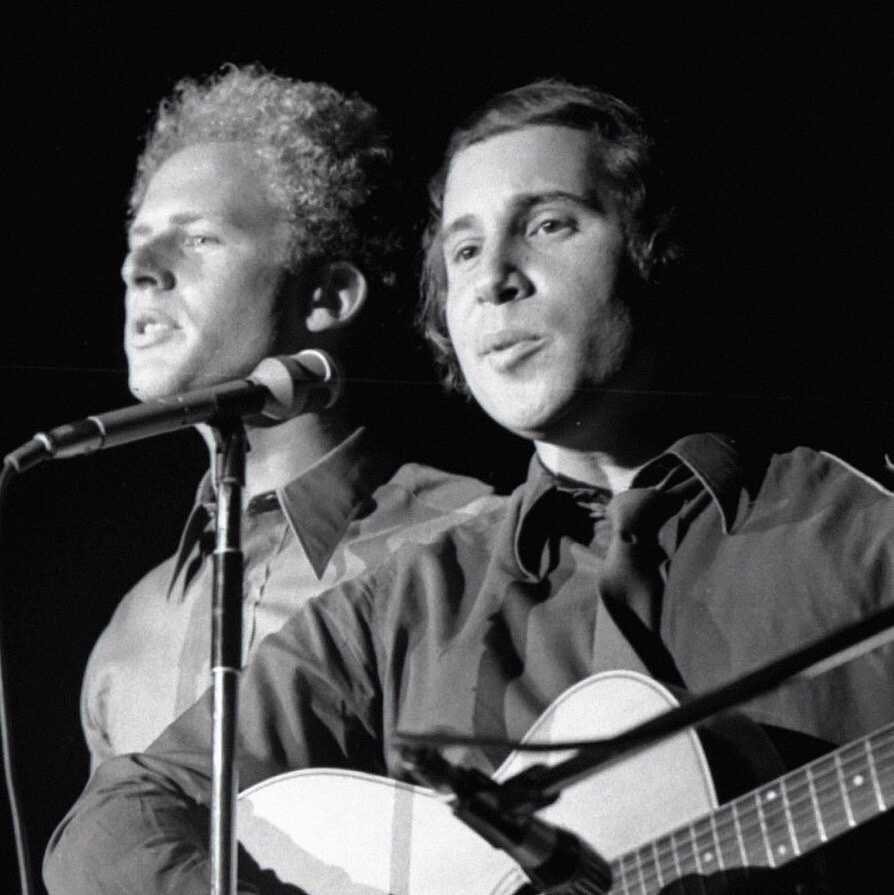
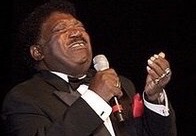
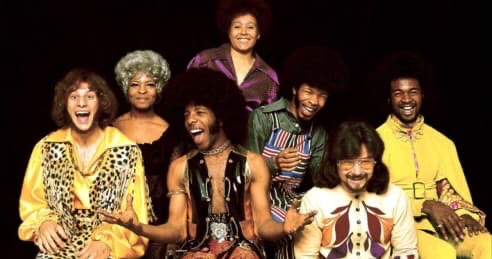
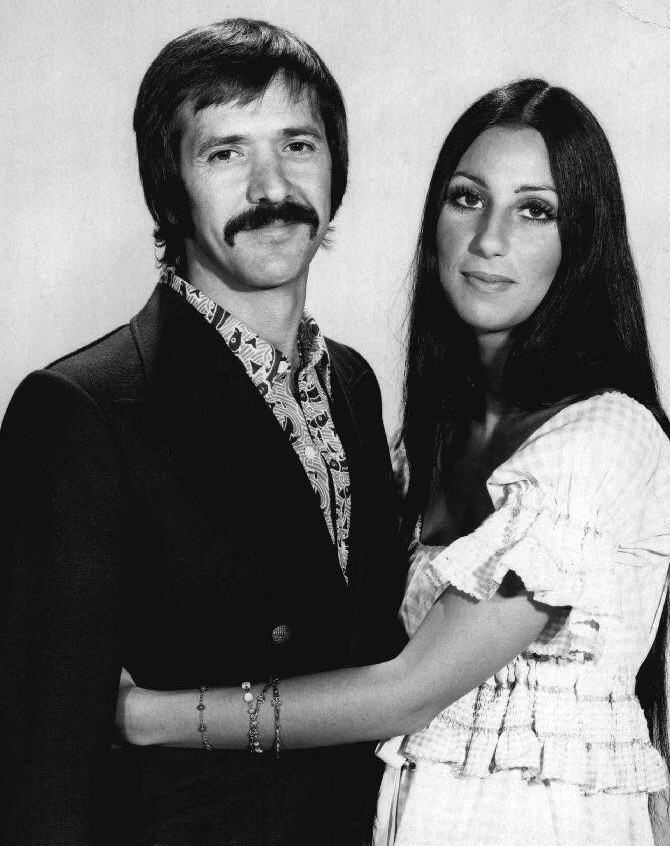

 All-Time Greatest Music