Music is not only about charting recordings and signing lucrative contracts. This post documents 100s of cool musical performances, many of which will not generate any income at all. I have rated each song’s overall quality of recording (10 being the highest and 1 the lowest possible score). They come to us from Six Geographical Areas: Africa Asia Caribbean Sea Europe Latin & South America North America African – 21 Music Types We can learn and appreciate the uniqueness of individual musical styles from the people of Africa.“Afrobeats” NAIJA 2020 https://youtu.be/FrCUPRHNhOw (RQ 8) Photo credit: YouTube screenshot“Benga” Library of Congress (Kenya) https://youtu.be/Bn4WOvCjoMc (RQ 7) Photo credit: YouTube screenshot“Chimurenga” Thomas Mapfumo (https://youtu.be/ISgeA3yZ-ww) (RQ 9) Photo credit: YouTube screenshot“Ethio-jazz” Malutu https://youtu.be/mB5uUEr7pIA (RQ 6) Photo credit: YouTube screenshot“Gnawa-Ethno-Pop” Morocco https://youtu.be/bnixGjMhBJE (RQ 8) Photo credit: YouTube screenshot
Pope Saint Gregory I (590-604 AD) “Gregorian Chant” Named After Him Photo credit: Catholic.org
Gregorian Chant is the central tradition of Western plainchant , a form of monophonic unaccompanied sacred song in Latin (and occasionally Greek) of the Roman Catholic Church. Gregorian chant developed mainly in western and central Europe during the 9th and 10th centuries, with later additions and redactions. An example of Gregorian Chant: “Monks of the Abbey of St Ottilien, Germany” (https://youtu.be/rly1kJOaUxs) (RQ 10). Although popular legend credits Pope Gregory I with inventing Gregorian chant, scholars believe that it arose from a later Carolingian synthesis of Roman chant or Gallican chant. Some scholars speculate that it was named in honor of the contemporary Pope Gregory II. Nevertheless, the lore surrounding Pope Gregory I was sufficient to culminate in his portrayal as the actual author of Gregorian Chant.
Gregorian chant has in its long history been subjected to a series of redactions to bring it up to changing contemporary tastes and practice. The more recent redaction undertaken in the Benedictine Abbey of St. Pierre, Solesmes, has turned into a huge undertaking to restore the allegedly corrupted chant to a hypothetical “original” state. Early Gregorian chant was revised to conform to the theoretical structure of the modes. In 1562–63, the Council of Trent banned most sequences. Guidette’s Directorium chori, published in 1582, and the Editio medicea, published in 1614, drastically revised what was perceived as corrupt and flawed “barbarism” by making the chants conform to contemporary aesthetic standards. In 1811, the French musicologist Alexandre-Etienne Choron as part of a conservative backlash following the liberal Catholic orders’ inefficacy during the French Revolution, called for returning to the “purer” Gregorian chant of Rome over French corruptions.
Photo credit: Deposit PhotosJohn Lennon & Yoko Ono Picture credit: Pinterest
John Winston Lennon (9 October 1940 – 8 December 1980) was an English singer, songwriter, musician and peace activist. He achieved worldwide fame as the founder, co-lead vocalist, and rhythm guitarist of the Beatles. His songwriting partnership with Paul McCartney remains the most successful in history. In 1969, he started the Plastic Ono Band with his second wife, Yoko Ono (1933-born in Tokyo, Japan). They were married in the same year. After the Beatles disbanded in 1970, Lennon continued a career as a solo artist and as Ono’s collaborator. Very sadly, John was murdered in 1980 at only 40 years of age. When I began writing this blog about a year ago, I included a picture of John as well as a quote from one of his No1 hits: “Imagine.” In these times, particularly here in the United States of America, listening to Imagine’s lyrics sure makes you feel the need for a much bigger brotherhood among all of us on this earth. Have a listen and try to put yourselves into John’s shoes and dream along with him: “Imagine” (https://youtu.be/YkgkThdzX-8 (RQ 10).
Prior to jumping right into the All Time Greatest Guitar players I believe it is fitting to take time to reflect upon the history of the guitar. It is noteworthy to mention that the evolution of the guitar dates back to 1257 AD (or before) in western Europe which it was then called an Oud.
Oud – The Iberian Cantigas Photo credit: acousticmusic.org
By 1480 AD, a drawing of Wolfegg Castle is shown below playing a lute 223 years after the oud. Its early frets were made from gut material. He was known to be one of the first finger players. An example of a current lute player (John Dowland) is “Lachwimae:” (https://youtu.be/ogTbZAYh5pw).
In just seven years, or in 1487, the vihuela (or viola, the English translation) was being played in Spain. So this predecessor to the guitar was referred to todays viola played in orchestras with a bow. The design looked like this (see photo below):
Vihuela – 1487
Ninety-seven years later, or in 1581, Belchior Dias built a Renaissance guitar in Lisbon, Portugal.
Renaissance Vihuela Guitar– 1581 Belchoir Dias (luthier)
I have included 82 guitar players within the All-Time Greatest Guitar players (if there is a number after their names, this is their ranking by RollingStone magazine):
Duane Allman (9), Vincente Amigo (flamenco), Chet Atkins (21), Jeff Beck-Yardbirds (5), Chuck Berry (7), Richie Blackmore (50), Mike Bloomfield (42), Joe Bonamassa, James Burton (19), Charlie Christian, Eric Clapton (2), Fitzroy Coleman, Ry Cooder (31), Steve Cooper (39), Paco de Lucia (virtuoso), Bo Didley (27), Don Donato, Eddie Durham, Mark Fisher, Jerry Garcia (46), Billy Gibbons (32), Paul Gilbert, David Gilmour (14), Jonny Greenwood (48), Buddy Guy (23), Jimi Hendrix (1), Andrew Higgs, George Harrison-Beatles (11), John Lee Hooker (35), Elmore James (30), Tony Iommi (25), Sarah Joanne, Ledward Kaapana, Albert King (13), B.B. King (6), Freddie King (15), Eddie Lang, Steve Mackay, Felix Martin, Brian May (26), Jeronimo Maya (flamenco), Curtis Mayfield (34), Ramon Montoya (virtuoso), Scotty Moore (29), Tom Morello (40), Ichika Nito (26), Mark Nopfler (44), Jimmy Page-Led Zepplin (3), Charley Patton, Les Paul (18), Lore Paz-Ampeuro, Prince (33), Randy Rhodes (36), Johnny Romano (28), Mick Ronsin (41), Sabicas (virtuoso), Ando San Washington, Carlos Santana (20), Stephan Stills (47), Hubert Sumlin (43), Mick Taylor (37), The Edge (38), Vanny Tonon, Amin Toofani, Pete Townsend-The Who (10), Derek Trucks (16), Eddie Van Halen (8), Stevie Ray Vaughn (12), Muddy Waters (49), Doc Watson, Mason Williams, Link Wray (45), Kris Xenopoulos, Angus Young (24), Neil Young (17), Frank Zappa (22).
Ichika Nito (born: July 7, 1994 [age 26]), is a Japanese musician and record producer. He has made many songs and albums, but got most of his popularity through YouTube. Ichika used to upload original music and covers, but switched to original and short videos with a meme title. With over 1.7 million subscribers on YouTube, the beautiful melodies and skills of guitarist Ichika Nito have entranced people worldwide. We learn more about his goal to create soul-stirring music.
Joe Bonamassa Photo credit: bluesblastmagazine.com
Joseph Leonard Bonamassa (born May 8, 1977) is an American blues rock guitarist, singer and songwriter. He started his career at age 12, when he opened for B.B. King. In the last 13 years Bonamassa has put out 15 solo albums through his independent record label J&R Adventures, of which 11 have reached number 1 on the Billboard Blues chart. Bonamassa has played alongside many notable blues and rock artists, and earned a Grammy Award nomination in 2013. Among guitarists, he is known for his extensive collection of vintage guitars and amplifiers. On December 6, 2013, Bonamassa and Beth Hart were nominated for a Grammy Award for their 2013 collaborative album Seesaw (https://youtu.be/UX2MSLMjorQ) (RQ 9) in the Best Blues Album category.
Bonamassa’s album Different Shades of Blue (Hey Baby – New Rising Sun) (https://youtu.be/oUIGbxQgGv0) (RQ 8) is his first solo studio album since So, It’s Like That to showcase only original songs (with the exception of a brief instrumental Jimi Hendrix cover.) Bonamassa wrote the album in Nashville with three songwriters: Jonathan Cain of Journey; James House, known for his work with Diamond Rio, Dwight Yoakam, and Martina McBride; and Jerry Flowers, who has written for Keith Urban. Bonamassa sought to create serious blues rock in the project instead of three-minute radio hits. The album was recorded at a music studio in the Palms Hotel in Las Vegas. The album charted at number 8 on the Billboard 200, number 1 on the Blues Chart, and number 1 on the Indie Chart. In May 2015, Bonamassa won a Blues Music Award in the ‘Instrumentalist – Guitar’ category.
Charlie Christian Photo credit: openculture
Charles Henry Christian (July 29, 1916 – March 2, 1942) was an American swing and jazz guitarist. Christian was an important early performer on the electric guitar and a key figure in the development of bebop and cool jazz. He gained national exposure as a member of the Benny Goodman Sextet and Orchestra from August 1939 to June 1941. An example of his work was “Rose Room” (https://youtu.be/x4H7M2YFK0s) (RQ 8). His single-string technique, combined with amplification, helped bring the guitar out of the rhythm section and into the forefront as a solo instrument. For this, he is often credited with leading to the development of the lead guitar role in musical ensembles and bands. John Hammond and George T. Simon called Christian the best improvisational talent of the swing era. In the liner notes to the album Solo Flight: The Genius of Charlie Christian (Columbia, 1972), Gene Lees wrote that “Many critics and musicians consider that Christian was one of the founding fathers of bebop, or if not that, at least a precursor to it.” Christian’s influence reached beyond jazz and swing. In 1990, he was inducted into the Rock and Roll Hall of Fame in the category Early Influence.In 2006 Oklahoma City renamed a street in its Bricktown entertainment district “Charlie Christian Avenue” (Christian was raised in Oklahoma City and was one of many musicians who jammed along the city’s “Deep Deuce” section on N.E. Second Street).
Eddie Durham Photo credit: allaboutjazz
Eddie Durham (August 19, 1906 – March 6, 1987) was an American jazz guitarist who was one of the pioneers of the electric guitar in jazz. He was a guitarist, trombonist, composer, and arranger for the orchestras of Bennie Moten, Jimmie Lunceford, and Count Basie. With Edgar Battle he composed “Topsy”, which was recorded by Count Basie and became a hit for Benny Goodman. In 1938, Durham wrote “I Don’t Want to Set the World on Fire” with Bennie Benjamin, Sol Marcus, and Eddie Seiler. During the 1940s, Durham created Eddie Durham’s All-Star Girl Orchestra, an African-American all female swing band that toured the United States and Canada. From 1929, Durham started experimenting to enhance the sound of his guitar using resonators and megaphones. In 1935, he was the first to record an electrically amplified guitar with Jimmie Lunceford in “Hittin’ the Bottle” (https://youtu.be/V_JimSuysoE) (RQ 9) that was recorded in New York for Decca. In 1938, Durham recorded single string electric guitar solos with the Kansas City Five (or Six), which were both smallish groups that included members of Count Basie’s rhythm section alongside with the tenor saxophone playing of Lester Young.
Eddie Lang Photo credit: wbhfh
Eddie Lang (born Salvatore Massaro, October 25, 1902 – March 26, 1933) is known as the father of jazz guitar. During the 1920s, he gave the guitar a prominence it previously lacked as a solo instrument, as part of a band or orchestra, and as accompaniment for vocalists. He recorded duets with guitarists Lonnie Johnson and Carl Kress and jazz violinist Joe Venuti, and played rhythm guitar in the Paul Whiteman Orchestra and was the favoured accompanist of Bing Crosby. He is the son of an Italian-American instrument maker, Lang was born in Philadelphia, Pennsylvania, and grew up with violinist Joe Venuti. His first instrument was violin when he was seven. He performed on violin in 1917 and became a member of a trio. In 1920, he dropped the violin for banjo and worked with Charlie Kerr, then Bert Estlow, Vic D’Ippolito, and Billy Lustig’s Scranton Siren Orchestra. A few years later, he dropped the banjo for guitar when he became a member of the Mound City Blue Blowers led by Red McKenzie. He recorded one of the first solos in 1924 on “Deep 2nd Street Blues” (https://youtu.be/qD9i2rt1trQ) (RQ 7). His performances with McKenzie’s band drew attention, and he found many jobs as a freelance guitarist. Before Lang, the guitar hadn’t been a prominent instrument in jazz bands and dance orchestras. Lang and Joe Venuti recorded with Roger Wolfe Kahn and Jean Goldkette and performed with the Adrian Rollini Orchestra. Lang recorded with blues guitarist Lonnie Johnson under the name Blind Willie Dunn to hide his race and as a tribute to blues guitarist Blind Lemon Jefferson. He also worked with Frankie Trumbauer, Hoagy Carmichael, Annette Hanshaw, Red Nichols, Jack Pettis, Bessie Smith, and Clarence Williams.
Charley Patton Photo credit: fdleone
Charley Patton (April 1891 – April 28, 1934), also known as Charlie Patton, was an American Delta blues musician. Considered by many to be the “Father of the Delta Blues”, he created an enduring body of American music and inspired most Delta blues musicians. The musicologist Robert Palmer considered him one of the most important American musicians of the twentieth century. Patton was born in Hinds County, Mississippi, near the town of Edwards, and lived most of his life in Sunflower County, in the Mississippi Delta. Most sources say he was born in April 1891, but the years 1881, 1885 and 1887 have also been suggested. Patton’s parentage and race also are uncertain. His parents were Bill and Annie Patton, but locally he was regarded as having been fathered by former slave Henderson Chatmon, several of whose children became popular Delta musicians, as solo performers and as members of groups such as the Mississippi Sheiks. Biographer John Fahey described Patton as having “light skin and Caucasian features.” Patton was considered African-American, but because of his light complexion there has been much speculation about his ancestry over the years. One theory endorsed by blues musician Howlin’ Wolf was that Patton was Mexican or Cherokee. It is now generally agreed that Patton was of mixed heritage, with white, black, and Native ancestors. Some believe he had a Cherokee grandmother; however, it is also widely asserted by historians that he was between one-quarter and one-half Choctaw. In “Down the Dirt Road Blues”, Patton sang of having gone to “the Nation” and “the Territo'”, referring to the Cherokee Nation’s portion of the Indian Territory(which became part of the state of Oklahoma in 1907), where a number of Black Indians tried unsuccessfully to claim a place on the tribal rolls and thereby obtain land. In 1897, his family moved 100 miles (160 km) north to the 10,000-acre (40 km) Dockery Plantation, a cotton farm and sawmill near Ruleville, Mississippi. There, Patton developed his musical style, influenced by Henry Sloan, who had a new, unusual style of playing music, which is now considered an early form of the blues. Patton performed at Dockery and nearby plantations and began an association with Willie Brown. Tommy Johnson, Fiddlin’ Joe Martin, Robert Johnson, and Chester Burnett (who went on to gain fame in Chicago as Howlin’ Wolf) also lived and performed in the area, and Patton served as a mentor to these younger performers. Robert Palmer described Patton as a “jack-of all-trades bluesman”, who played “deep blues, white hillbilly songs, nineteenth-century ballads, and other varieties of black and white country dance music with equal facility”. He was popular across the southern United States and performed annually in Chicago; in 1934, he performed in New York City. An example of his work: “Spoonful Blues”(https://youtu.be/EyIquE0izAg) (RQ 6). Unlike most blues musicians of his time, who were often itinerant performers, Patton played scheduled engagements at plantations and taverns. He gained popularity for his showmanship, sometimes playing with the guitar down on his knees, behind his head, or behind his back. Patton was a small man, about 5 feet 5 inches tall (1.65m), but his gravelly voice was reputed to have been loud enough to carry 500 yards without amplification; a singing style which particularly influenced Howlin’ Wolf (even though Jimmie Rodgers, the “singing brakeman”, has to be cited there primarily). Patton settled in Holly Ridge, Mississippi, with his common-law wife and recording partner, Bertha Lee, in 1933. His relationship with Bertha Lee was a turbulent one. In early 1934, both of them were incarcerated in a Belzoni, Mississippi jailhouse after a particularly harsh fight. W. R. Calaway from Vocalion Records bailed the pair out of jail, and escorted them to New York City, for what would be Patton’s final recording sessions (on January 30 and February 1). They later returned to Holly Ridge and Lee saw Patton out in his final days.
Amin Toofani Photo credit: seeitlive.co
Amin Toofani, the guitarist who got fame with his song called, Gratitude, is from Pakistan —- but wait wait – all fingers actually point to it that he is from present day Iran. Iran (especially areas of Kerman and Seestan and Balochistan and western Punjab now in Pakistan) had no borders and had open areas and people were in and out for daily business and they knew the languages very well. His name is also quite Pakistani which make things confusing. Anyways now according my knowledge he is from Iran not from Pakistan. His well known song played at the Harvard HKS Talent Show called “Gratitude” (https://youtu.be/k4ixAfJ1LuI) (RQ 7).
Fitzroy Coleman Photo credit: issuu.com
On July 26, 2016, Trinidad and Tobago lost one of its greatest musicians — the brilliant guitarist Fitzroy Coleman — at the age of 93. Coleman had an inimitable style of playing; it was perhaps one of the qualities that made the popular website DigitalDreamDoor.com rank him Number 93 on its list of the world’s greatest jazz guitarists, alongside more internationally acclaimed greats like Wes Montgomery and Django Reinhardt. Trinidadian sound engineer Robin Foster, who knew Coleman well, posted several photos of the guitarist, as well as videos of past performances, one of which showed him backing Mahalia Jackson, recorded by the BBC in the early 1960s. In a telephone interview, Foster described Coleman as a “genius” — and, as many geniuses are, he was a “very emotional” man, Foster said, adding that injustices affected Coleman deeply. Foster confirmed that two of the most renowned classical guitarists in the world, John Williams and Julian Bream, once told Coleman that they considered him “the greatest chord player of all time”. As a young man, Coleman was in high demand to perform at social events for the who’s who of Trinidad society, as well as the American soldiers who were stationed on the island during World War II. A musical autodidact, he left Trinidad in 1945 and went to London to be part of a Caribbean band. While there, he was a regular fixture on the BBC, accompanying great talents such as Tony Bennett, Lena Horne, and Eartha Kitt, as well as established calypsonians such as Lord Kitchener and Roaring Lion. An example of his work: “This Can’t Be Love” (https://youtu.be/dr5UM8kkss0).
Ledward Kaapana (born August 25, 1948) is a Hawaiian musician, best known for playing in the slack key guitar style. He also plays steel guitar, ukulele, autoharp and bass guitar, and is a baritone and falsetto vocalist. His professional breakthrough came when he was a part of the Hui ‘Ohana (means “Family Group”), with his twin brother, Nedward Kaapana, and his cousin, falsetto-great Dennis Pavao. Hui ‘Ohana released fourteen albums, each of which was a commercial and critical success. Kaapana left the group eventually, then released six albums as the leader of another trio, “I Kona” (https://youtu.be/dVq93FRWI-g) (RQ 9) and performed with the Pahinui Brothers, Aunty Genoa Keawe, David Chun, Barney Isaacs and Uncle Joe Keawe. His first solo album, Lima Wela (means “Hot Hands”), was released in 1983; the album won the Na Hoku Hanohano (means “Honored Stars”) Award for “Instrumental Album of the Year” in 1984. He released Simply Slack Keyin 1988, and Led Live in 1994 on Dancing Cat Records. He has performed and recorded with acoustic lap-steel player Bob Brozman, and released several more albums on the Dancing Cat label from the late 1990s onward. One of the greatest living slack key masters, Ledward has deep roots in the older styles, using only index finger and thumb picks to combine traditional musical phrases, some modern influences, and spontaneous improvisation to create beautiful multipart arrangements that are simultaneously old and new. Nashville great Chet Atkins was so impressed by Ledward’s playing that he paid him the ultimate country music compliment by giving Ledward his guitar. Ledward has played at the Smithsonian Folklife Festival in Washington, D.C., and made many tours of North America; his fans frequently refer to themselves as “Led Heads.”
Paul Gilbert Photo credit: guitar-muse.com
Paul Brandon Gilbert is an American hard rock and heavy metal guitarist (born in 1966 in Carbondale, IL). He is best known for being the co-founder of the band Mr. Big. He was also a member of Racer X, with whom he released several albums. In 1996, Gilbert launched a solo career, for which he has released numerous solo albums, and featured in numerous collaborations and guest appearances on other musicians’ albums. When interviewed about his musical and stylistic influences, Paul Gilbert mentions many different artists, including: Randy Rhoads, Kim Mitchell, Eddie Van Halen, Yngwie Malmsteen, Tony Iommi, Alex Lifeson, Jimmy Page, Johnny Ramone, Robin Trower, Ritchie Blackmore, Pat Travers, Gary Moore, Michael Schenker, Judas Priest, Akira Takasaki, Steve Clark, Jimi Hendrix, Kiss, and The Ramones. On many occasions, Gilbert has stated that his uncle Jimi Kidd was vital in heavily fueling Gilbert’s childhood interest in playing guitar. Gilbert grew up a great fan of Todd Rundgren, Cheap Trick and The Beatles, artists who frequently influence his songwriting style. He stated on the Space Ship Live DVD that George Harrison is one of his favorite guitar players. Guitar World magazine declared him one of 50 of the world’s fastest guitarists of all time (his five favorite guitars: https://youtu.be/SQmU185CzGA), along with Buckethead, Eddie Van Halen, and Yngwie Malmsteen. Gilbert composes music in a wide variety of styles, including pop, rock, metal, blues, and funk. However, Gilbert is perhaps best known for his fast playing speed and stylistic versatility. He is noted in particular for his efficient, staccato-like picking technique. He combines fast picking and legato techniques in the same phrase, usually instinctively. When teaching/demonstrating a particular phrase, he has to think about what he is actually doing with his right hand in order to explain it. Despite being famous for his heavy metal work and his rapid right hand ability, Gilbert has since dissociated himself from that style of playing, instead gravitating towards blues and melodic ideas. Gilbert has been voted fourth-best on GuitarOne magazine’s “Top 10 Greatest Guitar Shredders of All Time”. He has also ranked in Guitar World’s “50 Fastest Guitarists of All Time” list.
Mason Williams Photo credit: Rhino
Mason Douglas Williams (born August 24, 1938) is an American classical guitarist, composer, singer, writer, comedian, and poet, best known for his 1968 instrumental “Classical Gas” (https://youtu.be/mREi_Bb85Sk) (RQ 10+) and for his work as a comedy writer on The Smothers Brothers Comedy Hour, The Glen Campbell Goodtime Hour, and Saturday Night Live.
Doc Watson Photo credit: law.marquette.edu
Arthel Lane “Doc” Watson (March 3, 1923 – May 29, 2012) was an American guitarist, songwriter, and singer of bluegrass, folk, country, blues, and gospel music. Watson won seven Grammy awards as well as a Grammy Lifetime Achievement Award. Watson’s fingerstyle and flatpicking skills, as well as his knowledge of traditional American music, were highly regarded. Blind from a young age, he performed with his son, guitarist Merle Watson, for over 15 years until Merle’s death in 1985 in an accident on the family farm. His music was recognized by winning eight Grammy Awards:
1973 Best Ethnic or Traditional Recording (Including Traditional Blues): Doc Watson for Then and Now “Bonaparte’s Retreat” (https://youtu.be/3U2ndKyjCLc) (RC 10).
1974 Best Ethnic or Traditional Recording: Merle Watson & Doc Watson for Two Days in November.
1979 Best Country Instrumental Performance: Doc Watson & Merle Watson for “Big Sandy/Leather Britches”.
1986 Best Traditional Folk Recording: Doc Watson for Riding the Midnight Train.
1990 Best Traditional Folk Recording: Doc Watson for On Praying Ground.
2002 Best Traditional Folk Album: Doc Watson & David Holt for Legacy.
2004 Lifetime Achievement Award.
2006 Best Country Instrumental Performance: Bryan Sutton & Doc Watson for “Whiskey Before Breakfast” track from Not Too Far from the Tree by Bryan Sutton.
In 1986, Watson received the North Carolina Award and in 1994 he received a North Carolina Folk Heritage Award. He is a recipient of a 1988 National Heritage Fellowship awarded by the National Endowment for the Arts, which is the United States government’s highest honor in the folk and traditional arts. In 2000, Watson was inducted into the International Bluegrass Music Hall of Honor in Owensboro, Kentucky. In 1997, Watson received the National Medal of Arts from U.S. president Bill Clinton. In 2010, he was awarded an honorary doctor of music degree from Berklee College of Music in Boston, Massachusetts.
These are the 10 guitarists you need to hear in 2020. (Peter Hodson of guitarworld)
On the lookout for jaw-dropping new talent? Here are 10 fresh guitarists to keep an ear out for in 2021:
Sometimes I start from a melodic idea or a chord progression, so I’ll choose one or the other, then I try to focus more on the sound itself, because sometimes I don’t know what will happen! Sometimes I’ll start with the guitar with no effects, or from a specific sound, like an Eventide harmonizer or modulation. I see sound as color; I try to put my emotions and feelings into my music. If I’m in more of a dark metal mood, I might experiment with more creepy, horror sounds. It depends on the mood. Here is a sample of his play: a cover of Jimi Hendrix’ “Little Wing” (https://youtu.be/NxBvXWCjTLI) (RQ 8).
Sarah Joanne – U.S.A. Photo credit: screenshot
I am very eclectic. I like experimenting with a wide range of clean and distorted sounds in every song. My band, Anchor Thought (track examples from the 2020 NAMM show: (https://youtu.be/T0iULTs3N8k) (RQ 7), put out our first EP this year, Cosmonaut,and it ranges from soft piano to metal to ambient, and I like that flexibility. I don’t write with expectations; whatever comes out, comes out, and if I like it, it will fit.
Dan Donato – U.S.A. Photo credit: Kurt Ozan
My style is a definite in individuality with an intense passion for discipline of technical ability and an evergreen love for the passion we all feel when we first begin. That fuel of beginning contains so much of it. I want to always lay in a great medium between the tourist/purist dynamic. Here is a sample solo from Robert’s Western World in Nashville: https://youtu.be/oqz7csdvkkA (RQ 5). He was 19 at the time.
Less philosophically speaking, my style is a combination of old-style country players like Jerry Reed, Chet Atkins and Brent Mason along with the intention of psychedelic-era players like Jimi Hendrix and Jerry Garcia. But I also was born in the Nineties, so John Mayer has equity of inspiration in nearly everything I pluck on the guitar.
Felix Martin – Venezuela Photo credit: Mary Escalona
My style of playing consists of playing two guitars as one. Mixing two chords, two melodies, chord-melody and lots of percussion techniques spread on both fretboards. I grew up in a small town in Venezuela, and I learned without the internet, books or teachers. This was a difficult process but at the same time it made me create a few techniques on my own. For some reason, tapping was always easier for me than fingerstyle guitar, so I basically spent all my high school days practicing and developing my tapping technique, which later I applied to two guitars. In 2011 (ten years ago) he performed “High Spirit” at the Berkeley College of Music: https://youtu.be/4isMaD8yTyU (RQ 7).
Mark Fisher – Australia Photo credit: Peter Hodgson
My style is melodic acoustic fingerstyle, extended techniques with songwriting, thoughtful lyrics and a vocal connection that makes you feel the story behind it all. A style that needs to be seen, not just heard. A good example of this can be witnessing his use of embracing the body of his guitar with his forearm to achieve a dramatic accentuation in sound. Here he is recently playing “Psychedelic Sunday” at the Loma Club: (https://youtu.be/U0z5wPkZFdU) (RQ 8).
It took me lots of practice and experimentation to get were I am today. Sourcing inspiration and knowledge from others. I always try to do what is best for the song – which means it’s notabout a particular technique, being showy or theory or speed. I reach for being the opposite of all that. I make things as easy for myself as I can, so again, I can focus on delivering music as a story, message or statement. That’s what people remember more.
Andrew Higgs – Australia Photo credit: Jake Brown
My style comes from King of the North (Australia), it’s blues-based riffs and scales, tuned low and played really hard. I was raised in the very healthy Adelaide hard rock and punk scene of the mid to late Nineties. What I took from that schooling was the ‘leave it all out on the stage’ vibe. So I play with a lot of attack and put everything into a live performance. While playing with his Andrew Higgs Band at the Grace Darling Hotel (about ten years ago), he played “Riverside” (https://youtu.be/FsWYd8vGZbM) (RQ 6).
I really try to perform the songs, not just play them, and I feel this is reflected in my playing and singing. If I’m not exhausted afterwards, I didn’t do it right. The most unique thing about KOTN is based around how I have to play and arrange songs within the confines of my 3 From 1 guitar pedal. It’s a multi-amp interface that essentially lets me make one guitar sound like lead, rhythm and bass. Using this is an instrument in itself.
Ando San Washington – U.S.A. Photo credit: Felix Martin
My style is based upon how I produce music. I combine hip-hop beats with progressive guitar elements to create a fresh new sound or genre. I like to call it prog-hop. I also like to incorporate thumping in my writing. A lot of my music is based on thumping, and what makes it unique is how I incorporate thumping with hip-hop beats. Here he is playing “Yuh” (https://youtu.be/E6spYutPbKg) (RQ 8). Notice how he utilizes playing primarily both hands on the fretboard!
I blend a lot of different chords to create an interesting sequence of melody and harmony. I do a lot of tapping, glitch tapping, hybrid picking and finger picking. So the technique side of my guitar playing and style is very fun and effective when I create new and unique sounds with some of the beats I produce. I want to keep expanding upon this prog-hop idea. I think it’s such a new sound for the guitar world. And I think the guitar has a lot to bring to the hip-hop world!
My style is based on two different trends. One refers to the clean sounds, which are inspired by phrases coming from jazz, as chord melodies, but just a little more modern since I use many techniques such as fingerstyle, tapping and thumping. The other is a little more aggressive and more connected to the sounds of metal. I always take into account long intervals too. Here she is at the 2019 NAMM show playing “Lilith” (https://youtu.be/J_BoA0u-4_8) (RQ 6).
My type of play originates by carefully listening to a bunch of modern guitarists. I got inspired by José Macario, Felix Martin and Mateus Asato, among others. I always keep in mind that to be active in the music industry, you have to be as innovative and creative as your inspirations are. I think of players like José, Felix and Mateus daily to inspire my own sound.
Kris Xenopoulos – South Africa Photo credit: Claudine Van Der Wait
Its hard to describe my playing because it’s such an amalgamation of everything I’ve ever heard, but maybe imagine a neoclassical jazz-fusion and death metal guitarist that listens to pop and hip-hop. I’m very into modern guitar techniques like multi-finger tapping, thumping, hybrid, sweep and economy picking. I’m also influenced by microtonal genres like Indian classical music. Here is an example of his play “Vulvodynia” (https://youtu.be/zHBQFF0pAt0) (RQ 8).
In my playing, I’ve always tried to take influence from everything I’ve ever heard, whether it be bad or good. The bad helps me discover what I don’t want to sound like, and when you let everything you’ve ever heard influence you – as opposed to a few different bands – you end up sounding more like yourself.
Stevic Mackay – Australia Photo credit: Rohan Hayes
My style can be described as “whatever-I-want-core?” Or, A deformed mutant constructed from the DNA scrapings of multiple, much better guitar players. Relegated to perpetually float in an underground formaldehyde tank in the dark; escape was only possible through an oversight in the tank’s engineering; concentrated piss taking can erode the structural integrity of mutant formaldehyde tanks.
My style escaped and aimlessly wandered the night like a drunken windmill. It eventually befriended a wise pigeon who took my style under its wing. Many years later on its death bed, the pigeon told its greatest student (my style) that pigeons don’t actually like pigeon holes… They just go in there to shit and then go somewhere else. Here he is building custom tones: https://youtu.be/rdv37YpvDV4. (RQ 6).
From that day on, my style didn’t consider pigeon holes to have any significance. So I guess my style is “escaped mutant trained by an unconventional pigeon” style.
Guitar player roles…
Guitar players sometimes lead the way, other times lay the groundwork for sound behind the scene…their ax take on different personalities:
RollingStone Magazine has ranked the Top100 guitar players. Here is the top 1-25:
Next, are guitar players ranked 26-50:
Here is the RollingStone link to their Top100 guitar players:
In Spain, guitars take on different personalities: Flamenco guitars can cost over $20,000
Listen to how these flamenco guitar playersmake complicated picking and strumming sound beautiful:
Paco de Lucia Photo credit: veojam.com
Francisco Gustavo Sánchez Gómez (21 December 1947 – 25 February 2014), known as Paco de Lucía was a Spanish virtuoso flamenco guitarist, composer, and record producer. A leading proponent of the new flamenco style, he was one of the first flamenco guitarists to branch into classical and jazz. A good example if Lucia’s work is “Entre dos aguas” (https://youtu.be/2oyhlad64-s) (RQ 10) Richard Chapman and Eric Clapton, authors of Guitar: Music, History, Players, describe de Lucía as a “titanic figure in the world of flamenco guitar”, and Dennis Koster, author of Guitar Atlas, Flamenco, has referred to de Lucía as “one of history’s greatest guitarists”.
Ramon Montoya Photo credit: worldmusiccentral.org
Ramón Montoya (November 2, 1879, Madrid, Spain – July 20, 1949), was a Flamenco guitarist and composer. He was the single most influential flamenco guitarist of the 20th century. His innovations made possible the solo careers of such later greats as Sabicas and Manitas de Plata. In 1936, Ramon played “Siguiriya Gitana” (https://youtu.be/ZVC1ng2dtdo) (RQ 7).
Sabicas (proper name: Agustín Castellón Campos) (16 March 1912 – 14 April 1990) was a Spanish flamenco guitarist of Romani origin. One example of his work would be: “Fantasia” (https://youtu.be/ZnFtLjQ_rr8) (RQ 9). Sabicas was instrumental in the introduction of flamenco to audiences outside of Spain and the Spanish-speaking world. He was probably best known for his technical skills: blazingly fast picados (scales), fast arpeggios, quality composition for the many forms of flamenco, and infallible rhythm, which was critical when playing with a dancer. He was also considered to have perfect pitch.
Vincente Amigo Photo credit: World Music Central
Vicente Amigo Girol (born 25 March 1967) is a Spanish flamenco composer and guitarist, born in Guadalcanal near Seville. He has played as an accompanying guitarist on recordings by flamenco singers Camaron de la Isla, and Luis de Cirdoba, and he has acted as a producer for Remedios Amaya and Jose Merce. His album Ciudad de las Ideas won the 2001 Latin Grammy for the Best Flamenco Album and the 2002 Ondas award for the best Flamenco work. An example of his work: “Tres Notas Para Decir Te Quiero” (https://youtu.be/_TzhCp9HNz8) (RQ 10+).
Jeronimo Maya Photo credit: El Violero Blogspot
Jerónimo Maya, a real guitar genius, and a direct descendant from the guitarist Ramón Montoya, started his musical career at the early age of 5. He was immediately recognized as a gifted child by the audience and the flamenco community, and whose worth was recognized by great masters, such as Sabicas or Paco de Lucia. His playing is full of personality and character, as well as virtuosity. His complex harmonies and his conception of music are definitely forward-thinking. One of the examples of his works is: “Bulerias” (https://youtu.be/gwlNewS94c4) (RQ 8). He has accompanied many singers: Diego el Cigala, Chano Lobato, Esperanza Fernández, Estrella Morente, José de la Tomasa, and more frequently his uncle Ricardo Losada el Yunque, Ginesa Ortega or Paco del Pozo, as well as sharing stage with artists such as Paco de Lucia, Camarón de la isla or Sabicas, who were friends as well as colleagues.
Lets talk piano history a bit before looking at 45 pianists that have been the best in our world. The piano’s ancestry can be traced back through various instruments such as the clavichord, harpsichord, and dulcimer. But if it were traced back even further, one would find that the piano is a descendant of the monochord. In other words, based on its ancestry the piano can be classified as a string instrument. Although the piano can be classified as a string instrument due to the fact that the sounds come from the vibration of strings, it can also be classified as a percussion instrument because a hammer strikes those strings. In this way it is similar to a dulcimer. The dulcimer is an instrument that originated in the Middle East and spread to Europe in the 11th century. It features a simple resonating box with strings stretched on top of it. Much like a piano, a small hammer is used to hit the strings, which is why the dulcimer is considered to be a direct ancestor of the piano.
German Scheitholtz Dulcimer – 900 AD
The piano is also considered to be a part of the keyboard family. The history of instruments with keyboards dates far back and originates from the organ, which sends bursts of air through pipes to make sound. Craftsmen improved upon the organ to develop an instrument that was a step closer to the piano, the clavichord. The clavichord first appeared in the 14th century and became popular during the Renaissance Era. Pressing a key would send a brass rod, called a tangent, to strike the string and cause vibrations that emit sound over a range of four to five octaves.
Clavichord – 14th century Photo credit: Christian Kintz
Created in Italy in around 1500, the harpsichord later spread to France, Germany, Flanders, and Great Britain. When a key is pressed, a plectrum attached to a long strip of wood called a jack plucks the string to make music. This system of strings and soundboard, and the overall structure of the instrument resemble those that can be found in a piano.
Harpsichord -1500
The piano was invented by Bartolomeo Cristofori (1655-1731) of Italy.
Bartolomeo Cristofori
Cristofori was unsatisfied by the lack of control that musicians had over the volume level of the harpsichord. He is credited for switching out the plucking mechanism with a hammer to create the modern piano in around the year 1700. The instrument was actually first named “clavicembalo col piano e forte” (literally, a harpsichord that can play soft and loud noises). This was shortened to the now common name, “piano.”
Bartolomeo Cristofori Forte Piano – 1700 Photo credit: metmuseum
Pianists and keyboard players are the heart and soul of a band…among history’s best…
Photo credit: skoove.com
Here are our 45 world’s best pianists and keyboard player (individual stories follow):
Oleg Akkuratov (blind), Dmitri Alexeev, Alessio Bax, Ricardo Castro, Frederico Colli, Michael Dalbeuto, Keith Emerson (Lake & Palmer band), Helene Grimaud, Sofya Gulyak, Tieran Hamasyan, Marc-Andre Hamelin, Jan Hammer, Anna Han, Herbie Hancock, Ian Hobson, Ilya Itin, Ethan Iverson, Sunwook Kim, Jon Kimura-Parker, Lang Lang, Jon Lord (Deep Purple band), Louis Lorte, Radu Lupu, Kate Liu, Eric Lu, Brad Mehloau, Thelonious Monk, Rafael Orozco, Vladimir Ovchinnikov, Ian Pace, Murray Perahia, Oscar Peterson, Artur Pizarro, Michael Roll, Jordan Rudness, Dimitris Sgourus, Anntti Siirala, Art Tatum, Anna Tsybuleva, Rick Wakeman (Yes band), Yuta Wang, Roger Williams, Matthew Whitaker (blind), Bernie Worrell, Richard Wright (Pink Floyd band).
Roger Williams Photo credit: rogerwilliamsmusic.com
Roger Williams (born Louis Jacob Weertz, October 1, 1924 – October 8, 2011) was an American popular music pianist. Described by the Los Angeles Times as “one of the most popular instrumentalists of the mid-20th century”, and “the rare instrumental pop artist to strike a lasting commercial chord,” Williams had 22 hit singles – including the chart-topping “Autumn Leaves” in 1955 (https://youtu.be/88Js16yeHl4) (RQ 10) and “Born Free” in 1966 (https://youtu.be/npDeOGxwgoQ) (RQ 10) and another 38 hit albums between 1955 and 1972.
Anna Han and Kate Liu
Here are two younger pianists from the U.S.A.: Anna Han and Kate Liu. They are two competitors vying to win the 20th Leeds contest held every three years. The Leeds is one of the world’s foremost music competitions. Since the first competition in 1963, it has attracted the world’s finest young pianists, drawn by the opportunities offered by the outstanding prize package, the challenge of demanding repertoire, a stellar jury – and a warm welcome from the City of Leeds.
In April of this year, there are just over 60 pianists competing from the following countries: Armenia (1), Austria (1), Belgium (1), Bulgaria (1), Canada (2), China (9), Croatia (1), Denmark (1), France (4), Germany (2), Iran (1), Israel (1), Italy (3), Japan (5), Kazakhstan (1), Lithuania (1), Morocco (1), Peru (1), Poland (2), Romania (1), Russia (4), Slovenia (1), South Korea (5), Tajikistan (1), Turkey (1), United Kingdom (4), Ukraine (3) and the USA (3).
Anna Han (24 years old) The Washington Post says Anna Han is as “prodigiously gifted… a display of imagination, taste and pianistic firepower far beyond her years,” Anna strives to deliver heartfelt performances through a variety of classical piano repertoire. She has given solo, concerto, and chamber performances in such venues as the John F. Kennedy Center for the Performing Arts, Alice Tully Hall, the Phillips Collection in Washington D.C., The Kosciuszko Foundation, SubCulture New York, New World Center in Miami, the Lied Center of Kansas, Canisius College, Scottsdale Center for the Arts, and the Warsaw Philharmonic Chamber Hall in Poland. She has soloed with the Chandler Symphony Orchestra, the Downtown Sinfonietta (in White Plains, New York), the Hilton Head Symphony Orchestra, the Kansas Sinfonietta, Music Academy of the West Festival Orchestra, the MusicaNova Symphony Orchestra, the Phoenix Symphony Orchestra, the West Valley Symphony, and the Verde Valley Sinfonietta. An example of her work: Bach: French suite No.2 in C minor (https://youtu.be/7XXwveIs1ns) RQ 8.
Han is currently an emerging artist resident at the Lunenburg Academy of Music Performance, where she has performed nearly five hours of Beethoven’s solo and chamber music in live, in-person concerts since October as part of their Beethoven anniversary celebration. She looks forward to three more concerts before the end of the season in December. Highlights of the previous year included solo recitals at the Bohemian National Hall, Fairfield University’s Quick Center for the Arts, Rockefeller University’s Caspary Auditorium, and the Salmagundi Club; appearances at the Kneisel Hall Chamber Music School and Festival and Four Seasons Chamber Music Festival Winter Workshop; and concerto performances with the Hilton Head Symphony Orchestra and West Valley Symphony Orchestra. She was the third prize winner of the 2019 Hilton Head International Piano Competition, as well a semi-finalist at the 2019 China International Music Competition. She was also awarded a 2019 Salon de Virtuosi Career Grant.
An avid chamber musician, Anna spent three summers at the Kneisel Hall Chamber Music School and Festival, four winters at Juilliard ChamberFest, and two winters at the Four Seasons Chamber Music Festival. She is a founding member of the Munin Piano Trio, along with violinist Rebecca Benjamin and cellist Frankie Carr. Additionally, she has done a broad exploration of ensembles, such as piano quartet, piano quintet, and clarinet trio, performing in venues from Alice Tully Hall to the New York Bar Association to Brayton Hall in the Caribbean Island of Turks and Caicos. A passionate advocate for the traditional masterpieces that have enchanted audiences for centuries, she has also explored new avenues of musical expression with an array of collaborators. Recently, she has presented the surprising sound palette of John Corigliano’s Chiaroscuro (1997) for two pianos tuned a quarter tone apart; Charles Wuorinen’s Metagong (2008) for two pianos and two percussion; a series of original arrangements of works for organ and piano duo in collaboration with organist Daniel Ficarri; Jerome Begin’s Strange Gardens (2015) for 2 pianos, 2 bass clarinets, 2 percussion, and vocoder; and Ludwig van Beethoven’s Cello Sonata No. 3 in A major, Op. 69 as a fortepianist. She commissioned Malaysian composer Tengku Irfan [What’s Up, Kid? (2018)], expanding the literature available for clarinet, cello, and piano trio.
Born in Mesa, Arizona, Anna began her musical journey in a class of four year olds at the East Valley Yamaha Music School. Classes in improvisation, ear training, composition, and other general musical skills at Yamaha would continue to supplement her training in early years. Anna started taking private piano lessons at age five with Mr. Fei Xu at New Century Conservatory in Chandler, Arizona. Over the following 13 years, he trained and inspired her to rapidly and thoughtfully learn demanding repertoire, developing a technique that undergirded her growing career at a young age. When she was eleven, she became the national first place winner of the Baldwin Junior Piano division of the 2007 Music Teachers National Association Competition, having barely made the age cutoff. In the same year, she made her orchestra debut with the Chandler Symphony Orchestra, playing Liszt’s Piano Concerto No. 1.
In the following years, Anna swept prizes at numerous international piano competitions, including the New York International Piano Competition, New Orleans International Piano Competition for Young Artists, the Gina Bachauer International Junior Piano Competition, the Missouri Southern International Piano Competition, and the International Institute for Young Musicians (IIYM) International Piano Competition, where she remains the only person in its 15-year history to have won first prize twice. She was named a Silver Award Winner by the National YoungArts Foundation in 2013, and a United States Presidential Scholar in the Arts in 2014. Her performances of Chopin earned her recognition as a scholarship recipient from the National Chopin Foundation of the United States and as a semi-finalist at the Ninth National Chopin Piano Competition of the United States.
Anna received her Bachelor and Masters degrees at The Juilliard School under the tutelage of Robert McDonald, where she developed much of her interest in both chamber music and teaching. As a sophomore, she became the winner of the 2016 Juilliard Gina Bachauer Piano Competition, and received the Kovner Fellowship the following year. She received the William Schuman Prize for outstanding achievement and leadership in music upon graduation in 2020.
Kate Liu (26 years old)
Kate was born on May 23,1994. She is from Winnetka, Illinois and has been playing the piano since she was 4 years old.
Liu has gained international acclaim after winning the Bronze Medal and Best Mazurka Prize at the 17th International Fryderyk Chopin Competition in Warsaw, Poland. She was also awarded the audience favorite prize voted by the Polish public on the Polish National Radio.
As a soloist, Kate has performed in many important venues, such as the Seoul Arts Center, Tokyo Metropolitan Theatre, Carnegie’s Weill Hall, Severance Hall in Cleveland, La Maison Symphonique de Montréal, Warsaw National Philharmonic, Kennedy Center in Washington, D.C., Shanghai Concert Hall, Osaka Symphony Hall, Polish National Radio Symphony Orchestra Hall, Phillip’s Collection, and others. She has collaborated with orchestras including the Cleveland Orchestra, Warsaw Philharmonic Orchestra, Orchestre Symphonique de Montréal, Polish Radio Orchestra, Poznan Philharmonic, Yomiuri Nippon Symphony Orchestra, Daegu Symphony Orchestra, Rochester Philharmonic, Hilton Head Symphony Orchestra, and Evanston Symphony Orchestra. Her debut album of works by Chopin was released on the Fryderyk Chopin Institute label in 2016. An example of her work: Beethoven: Sonata No. 31 Op. 110. (https://youtu.be/30QpoqPRQH8) RQ 9.
Born in Singapore, Kate began playing the piano when she was four years old and moved to the United States when she was eight. Early on in her career, she won 1st Prizes at the Third Asia-Pacific International Chopin Competition and the New York International Piano Competition. She received a Bachelor’s degree from the Curtis Institute of Music and is currently pursuing graduate studies at The Juilliard School with Robert McDonald and Yoheved Kaplinsky. Her previous private studies were at the Music Institute of Chicago with Alan Chow, Micah Yui and Emilio del Rosario.
Oleg Borisovich Akkuratov is a Russian pianist, jazz improviser and singer who suffers from amaurosis – complete blindness. He is a virtuoso performer of jazz and classical works and a laureate of the Prize of the President of the Russian Federation for young cultural workers (2019). Recently (February 17, 2021), he played and sang “Baby I Love You” during his The Voice audition (https://youtu.be/mQx5APB-yzY) (RQ 10).
Akkuratov (32 years old) was born on October 21, 1989, in the city of Yeisk, Krasnodar Territory. Blind from birth, at the age of four, the boy began to show extraordinary musical abilities, playing the melodies he heard on the piano. The teachers of the Yeisk School of Music immediately took the boy to the 1st grade. And two years later he entered a specialized music school for blind and visually impaired children in the city of Armavir, Krasnodar Territory. Later, in parallel with his studies at school, Oleg studied at the Moscow State College of Music of Variety and Jazz Art, in the class of teacher Mikhail Okun. Akkuratov entered the pop and jazz department of the Institute of Music of the Moscow University of Culture and Art after graduating from the College of Music in 2008. In 2015, Akkuratov graduated with honors from the Rostov State Conservatory in 2017 – Postgraduate studies in chamber music. During his studies, Akkuratov took part in concerts and became a laureate of various music competitions, including international ones. Previously, he lived in the village of Morevka near Yeisk. He worked as a soloist of the Russian Opera Theater, artistic director and soloist of the Eisk Jazz Orchestra MICH-Band (piano).
Akkuratov took part in a concert with the opera singer Montserrat Caballe, performed with Evelyn Glennie. He took part in the world premiere of the international charitable action “Thousands of Cities of the World”, performed at the residence of the Pope as the UNESCO World Consolidated Choir.
Oleg plays jazz and classical pieces. He sings in many languages: English, German, French, Spanish, Portuguese, Japanese, Chinese, Korean and others. Lyudmila Gurchenko dedicated her debut directorial work to Akkuratov – the film “Colorful Twilight” shot in 2009. November 24, 2009, was the hero of Andrey Malakhov program “Let them talk”.
In 2013, Oleg Akkuratov began to work closely with People’s Artist of Russia Igor Butman. As a member of the Igor Butman Quartet and the Moscow Jazz Orchestra, Akkuratov toured Latvia, Israel, the Netherlands, Italy, India, the USA and Canada and many other countries.
In 2013, Oleg Akkuratov performed at the Igor Butman festival “Triumph of Jazz”. In May of the same year, Akkuratov, along with double bass player Keith Davis, drummer Mark Whitfield and saxophonist Francesco Kafiso, took part in Igor Butman’s international project “The Future of Jazz” and the projects “Chereshnevy Les” in Moscow, “Aquajazz. Sochi Jazz Festival” in Sochi.
In March 2014, his performance completed the closing ceremony of the XI Paralympic Games in Sochi. In April 2015, at the invitation of Winton Marsalis, Akkuratov performed at the Rose Hall of New York’s Lincoln Center with the Jazz at Lincoln Center Orchestra. On February 1, 2017, in the Svetlanov Hall of the Moscow International House of Music, Akkuratov’s first big solo concert with Igor Butman’s participation took place. In October of the same year, Akkuratov, as part of his own trio, performed for several thousand guests of the 19th World Festival of Youth and Students in Sochi.
In 2018, Oleg took part in the Gala Concert of the International Day of Jazz organized by UNESCO, was awarded the Moscow Mayor’s Prize, and also took second place at the prestigious Sarah Vaughan International Jazz Vocal Competition, held in the homeland of jazz, in the USA.
Art Tatum (1909-1956) Photo credit: philsternarchieves.com
Saxophonist Benny Green wrote that Tatum was the only jazz musician to “attempt to conceive a style based upon all styles, to master the mannerisms of all schools, and then synthesize those into something personal.” Tatum was able to transform the styles of preceding jazz piano through virtuosity: where other pianists had employed repetitive rhythmic patterns and relatively simple decoration, he created “harmonic sweeps of colour unpredictable and ever-changing shifts of rhythm. Musicologist Lewis Porter identified three aspects of Tatum’s playing that a casual listener might miss: the dissonance in his chords; his advanced use of substitute chord progressions; and his occasional use of bitonality (playing in two keys at the same time). He recorded commercially from 1932 until near his death. He recorded nearly 400 titles, if airchecks and informal, private recordings. An example of one of his recordings: “The Best of Art Tatum” (https://youtu.be/IZERfh28Od0) (RQ 10).
Thelonious Sphere Monk was an American jazz pianist and composer. He had a unique improvisational style and made numerous contributions to the standard jazz repertoire. Monk is the second-most-recorded jazz composer after Duke Ellington. Monk’s compositions and improvisations feature dissonances and angular melodic twists and are consistent with his unorthodox approach to the piano, which combined a highly percussive attack with abrupt, dramatic use of switched key releases, silences, and hesitations. An example of one of his many works is: “Monk’s Dream” (https://youtu.be/icFRHJ9VZaw) (RQ 10+).
Herbert Jeffrey Hancock is an American pianist, keyboardist, bandleader, composer, and actor. Hancock started his career with Donald Bryd. He shortly thereafter joined the Mikes Davis Quintet, where he helped to redefine the role of a jazz rhythm section and was one of the primary architects of the post-bop sound. In the 1970s, Hancock experimented with jazz fusion, funk and electro styles. One of his greatest recordings: “Just Around the Corner.” (https://youtu.be/ogKDBbi2thA). (RQ 10+).
Oscar Peterson (1925-2007) Photo credit: jazziz.com – Lean Crowley
Oscar Emmanuel Peterson, was a Canadian jazz pianist, virtuoso and composer. He was called the “Maharaja of the keyboard” by Duke Ellington, simply “O.P.” by his friends, and informally in the jazz community as “the King of inside swing.” He released over 200 recordings, won eight Grammy Awards, and received numerous other awards and honours. He is considered one of the greatest jazz pianists, and played thousands of concerts worldwide in a career lasting more than 60 years. “If You Could See Me Now” (https://youtu.be/14P5rwe7ark) (RQ 10) is an excellent example of one if his best recordings.
Today’s best on the keyboard…
Matthew Whitaker (blind & only 19 years old!) Photo credit: dlmediamusic.com
Matthew Whitaker (born April 3, 2001) is an American jazz pianist. Blind since birth, he has performed at venues including Carnegie Hall, the Kennedy Center, Lincoln Center and the Apollo Theater, where, at 10, he was the opening performer for Stevie Wonder induction into the Apollo Theater’s Hall of Fame. Whitaker is the subject of Thrive, a 13-minute documentary about “the prodigious talent and irrepressible spirit of a musically precocious 12-year-old blind boy.”
On March 6, 2017, he released his first album, Outta the Box. Other musicians on the album include Christian McBride, Dave Stryker, Will Calhoun, Sammy Figueroa, Melissa Walker, and James Carter. In April 2017, Whitaker performed on the Ellen Degeneres Show and competed on Fox’s Showtime at the Apollo, winning first place. Whitaker has toured Europe, the Middle East and Asia. An example of one of his recordings: “Live Session for Jazz FM” (https://youtu.be/Ir6zixUUo7g) (RQ 10).
Another Eight Famous KeyboardPlayers:
Fromthe UK:
Jon Lord Photo credit: last.fm
John Douglas Lord (9 June 1941 – 16 July 2012) was an English orchestral and rock composer, pianist, and Hammond organ player known for his pioneering work in fusing rock with classical or baroque forms, especially with Deep Purple. In 1968, Lord co-founded Deep Purple, a hard rock band of which he was regarded as the leader until 1970. Together with the other members, he collaborated on most of his band’s most popular songs. One of his best solos was “Lazy” (https://youtu.be/ANSUu5GwWOY) (RQ 10).
Rick Wakeman Photo credit: The Music Aficionado
Richard Christopher Wakeman (born 18 May 1949) is an English keyboardist, songwriter, producer, television and radio presenter, actor and author. He is best known for being in the progressive rock band Yes across five tenures between 1971 and 2004 and for his solo albums released in the 1970s. His solo (unnamed) was simply unbelievable: (https://youtu.be/WV-gddts3I0) (RQ9).
Richard Wright Photo credit: redbrick
Richard William Wright (28 July 1943 – 15 September 2008) was an English musician who was a co-founder, keyboardist, and vocalist in the progressive rock band Pink Floyd, performing on all but one of their albums and playing on all of their tours. One of his best solos was “Fat Old Son” (https://youtu.be/xOx03KOi4W4) (RQ 8).
Keith Emerson Photo credit: mu:zines
Keith Noel Emerson (2 November 1944 – 11 March 2016) was an English keyboardist, songwriter, and composer. He played keyboards in a number of bands before finding his first commercial success with the Nice in the late 1960s. He became internationally famous for his work with the Nice, which included writing rock arrangements of classical music. After leaving the Nice in 1970, he was a founding member of Emerson, Lake & Palmer, one of the early progressive rock super groups. Emerson, Lake & Palmer were commercially successful through much of the 1970s, becoming one of the best-known progressive rock groups of the era. Emerson wrote and arranged much of ELP’s music on albums such as Targus (1971) and Brain Salad Surgery (1973), combining his own original compositions with classical or traditional pieces adapted into a rock format. One of his greatest solos was “Fanfare of the Common Man” (https://youtu.be/yRbiYJYVWH8) (RQ 8).
From Prague, Czechoslovakia:
Jan Hammer Photo credit: soundonsound
Jan Hammer (born 17 April 1948) is a Czech-American musician, composer and record producer. He first gained his most visible audience while playing keyboards with the Mahavishnu Orchestra in the early 1970s, as well as his film scores for television and film including “Miami Vice Theme” and “Crocket’s Theme” (https://youtu.be/TRCQmNMOqUY) (RQ 10), from the 1980s television program, Miami Vice. He has continued to work as both a musical performer and producer, expanding to producing film later in his career.
From the United States:
Jordan Rudess Photo credit: sonicperspectives
Jordan Rudess (born Jordan Charles Rudes; November 4, 1956) is an American keyboardist and composer best known as a member of the progressive metal bands Dream Theater and the super group Liquid Tension Experiment. An example of his work was at “Live At Budokan” (https://youtu.be/_klj5ji8NVo) (RQ 9).
Bernie Worrell Photo credit: nytimes.com
George Bernard Worrell, Jr. (April 19, 1944 – June 24, 2016) was an American keyboardist and record producer best known as a founding member of Parliament-Funkadelic and for his work with Talking Heads. He is a member of the Rock and Roll Hall of Fame, inducted in 1997 with fifteen other members of Parliament-Funkadelic. Worrell was described by Jon Pareles of The New York Times as “the kind of sideman who is as influential as some bandleaders.” Great example of his work is when he utilizes a Moog Sub Phatty: (https://youtu.be/YX4b7gnb7bs) (RQ 10).
Fibonacci by Steinway & Sons – $2,400,000
Classical Piano Players – Best in our World
Louis Lortie(from Canada) Photo credit: victoriarowsell.co.uk
Louis Lortie, (born 27 April 1959) is a Canadian pianist. An international soloist, with over 45 recordings on the Chandos Records label, Lortie is particularly known for his interpretations of Ravel, Chopin and Beethoven. Lortie won First Prize in the Rerruccio Busoni International Piano Competition in 1984. In the same year, he won the fourth place prize at the Leeds Competition. He was named an Officer of the Order of Canada, and was made a Knight of the National Order of Quebec as well as receiving an honorary doctorate from Universite Laval. An example of his work: Beethoven’s “Piano Sonata No17 in D minor.” (https://youtu.be/4gMBXfRs43M) (RQ 10).
Tigran Hamasyan (born July 17, 1987) is an Armenian jazz pianist. He plays mostly original compositions, which are strongly influenced by the Armenian folk tradition, often using its scales and modalities. In addition to Tigran’s folk influence, he is influenced by American jazz traditions and to some extent, as on his album Red Hail, by progressive rock. His solo album A Fable is most strongly influenced by Armenian folk music. Even on his most overt jazz compositions and renditions of well-known jazz pieces, his improvisations often contain embellishments based on scales from Middle Eastern/South Western Asian traditions. An example of his work: “New Maps” (https://youtu.be/mo7miuAHBbo) (RQ 10+).
Yuja Wang (from China) Photo credit: palau.musica.cat
Yuja Wang (born February 10, 1987) is a Chinese classical pianist. She was born in Beijing, began studying piano there at age six, and went on to study at the Central Conservatory of Music in Beijing and the Curtis Institute of Music in Philadelphia. By the age of 21, she was already an internationally recognized concert pianist, giving recitals around the world. She has a recording contract with Deutsche Gramophone. In an interview with the Los Angeles, she said: “For me, playing music is about transporting to another way of life, another way of being. An actress does that.” She lives in New York City. An example of her work: “Shubert/Liszt, etc.” (https://youtu.be/6Ypx9fH-OHk) (RQ 8).
Brad Mehldau(from the USA) Photo credit: discogs.com
Bradford Alexander Mehldau (born August 23, 1970) is an American jazz pianist, composer, and arranger. Aspects of pop, rock, and classical music, including German Romanticism, have been absorbed into Mehldau’s writing and playing. Through his use of some traditional elements of jazz without being restricted by them, simultaneous playing of different melodies in separate hands, and incorporation of pop and rock pieces, Mehldau has influenced musicians in and beyond jazz in their approaches to writing, playing, and choice of repertoire. Mehldau’s performances often employ unusual rhythmic meters; for example, he plays his arrangement of “All Things You Are” on Art of the Trio 4 in 7/4 time, and “I Didn’t Know What Time It Was” on Art of the Trio 1 in 5/4. An example of one of his works: “Empty Concertgebouw Sessions” (https://youtu.be/5NTmoL_vogQ) (RQ 10).
Ethan Iverson (from the USA) Photo credit: musicsprings.wordpress.com
Ethan Iverson (born February 11, 1973) is a pianist, composer, and critic was best known for his work in the avant-garde jazz trio The Bad Plus with bassist Reid Anderson and drummer Dave King. In 2017, the Bad Plus announced that Iverson would be leaving the Bad Plus and that Orrin Evans would replace him. In the autumn of 2019 on the ECM label Iverson, with trumpeter Tom Harrell, released quartet album Common Practice recorded at the historic New York jazz club the Village Vanguard. He currently studies with John Bloomfield and serves on the faculty at New England Conservatory. An example of his work: “Thrift Store” (https://youtu.be/TDbAQ56QIpk) (RQ 10+).
Helene Grimaud (from France) Photo credit: The SanDiego Story
Hélène Grimaud (born 7 November 1969) is a French classical pianist and the founder of the Wolf Conservation Center in South Salem, New York. In 1987, she launched her professional career with a solo recital in Paris and in 1988 she made her debut with the Orchestre de Paris under Daniel Barenboim. Grimaud made her debut with the New York Philharmonic, under Kurt Masur, in 1999, and her Carnegie Hall debut, playing the Schumann concerto, in 2002. She performed repeatedly at the BBC Proms, including at the Last Night of the BBC Proms in London in September 2008, playing the piano part of Beethoven’s Choral Fantasia. Critics have praised Grimaud’s willingness to reinterpret works and take chances, and compared her to Glenn Gould. An example of her works: “Brahms – Piano Concerto No. 1.” (https://youtu.be/2ji8cTeL6OY) (RQ 10).
There are 100s of other exceptionally talented pianists that could be mentioned, but I will include four more here:
Marc-Andre Hamelin Photo credit: ninalarge.com
Marc-Andre Hamelin. (born September 5, 1961), is a Canadian virtuoso pianist and composer. He is recognized worldwide for the originality and technical proficiency of his performances of the classic repertoire. He has received 11 Grammy Award nominations. An example of his works: “Variations on a Theme by Paganini” (https://youtu.be/3N1przkk5tA). (RQ 9).
Lang Lang Photo credit: well-tempered ear
Lang Lang. (born 14 June 1982) is a Chinese concert pianist who has performed with leading orchestras in China, the United States, Europe, and elsewhere. Active since the 1990s, he was the first Chinese pianist to be engaged by the Berlin Philharmonic and Vienna Philharmonic orchestras. An example of his works: “Fur Elise.” (https://youtu.be/s71I_EWJk7I) (RQ 10).
Dimitris Sgouros Photo credit: crunchbase
Dimitris Sgouros. (Born 30 August 1969) is a Greek classical pianist. Widely acclaimed for his prodigious musical talent as a boy. He graduated from Royal Academy of Music in London with the highest marks the institution had ever awarded. Besides his musical talents, Sgouros has undertaken postgraduate studies in mathematics at the University of Oxford. Sgouros is one of the world’s leading concert pianists. One of his works: “Liszt – Etudes d’exècution transcendante Nos. 1 & 2” (https://youtu.be/9XqzDwuDaiQ) (RQ 10+).
Ian Pace Photo credit: Alchetron
Ian Pace. (born in 1968) is a British pianist. Pace studied at Chetham’s School of Music. The Queen’s College, Oxford and the Juilliard School in NewYork. His main teacher was the Hungarian pianist Gyorgy Sandor. He is particularly well known for playing music of the 20th and 21st centuries, especially contemporary British, French, German and Italian music. Also, as a musicologist, his areas of speciality are 19th-century performance practice, music and society, the work of Theodor Adorno, and post-1945 modernism. Pace is also known for his leftist views on music and musicology and his advocacy of modernist aesthetics. An example of his works: “Maxim Kolomiiets – Rejection.” (https://youtu.be/pTR-kaQFmFg) (RQ 8).
Conductor: Andres Orozco-Estrada Photo credit: The Guardian
Andrés Orozco-Estrada (born 14 December 1977) is a Colombian violinist and conductor, with dual nationality in Columbia and Austria. In January 2013, the Houston Symphony appointed Orozco-Estrada as its next music director, as of the 2014–2015 season. Before taking up the Houston post, he and the orchestra recorded Dvorak’s Seventh Symphony. His current contract with the Houston Symphony is until the 2021–2022 season.
STRING SECTION:
First Violin: Itzhak Perlman Photo credit: University of Mary Washington
Itzhak Perlman (born 31 August 1945) is an Israeli-American violinist, conductor, and music teacher. Over the course of his career Perlman has performed worldwide, and throughout the United States, in venues that have included a State Dinner at the White House honoring Queen Elizabeth II, and at the Presidential Inauguration of President Obama. He has conducted the Detroit Symphony Orchestra, the Philadelphia Orchestra, and the Westchester Philharmonic. An example of his work: Beethoven’s Violin Concerto (https://youtu.be/cokCgWPRZPg) (RQ 10). In 2015, he was awarded the Presidential Medal of Freedom. He has been awarded 16 Grammy Awards and a Grammy Lifetime Achievement Award and four Emmy Awards.
First Violin: Nicola Benedetti Photo credit: classicfm.com
Nicola Joy Nadia Benedetti (born 20 July 1987) is a Scottish classical violinist. In September 2012, she performed at the Last Night of the Proms, playing Violin Concerto No1 by Mac Bruch. That same year, Benedetti was loaned the 1717 “Gariel” Stradivarius by London banker and London Symphony Orchestra Board member Jonathan Moulds. In July of 2019 she recorded “Marsalis’ Violin Concerto in D minor (https://youtu.be/lTsAkAHMvf4) (RQ 10). Apart from solo performances, Benedetti performs in a trio with the German cellist Leonard Elschenbroich and the Russian pianist Alexei Grynyuk.
Second Violin: Rachel Barton-Pine Photo credit: The Violin Channel
Rachel Barton Pine (born Rachel Elizabeth Barton, October 11, 1974) is an American violinist. She debuted with the Chicago Symphony at age 10, and was the first American and youngest ever gold medal winner of the International Johann Sebastian Bach Competition. The Washington Postwrote that she “displays a power and confidence that puts her in the top echelon.” An example of her work: “Tchaikovsky’s Violin Concerto 1st movement” (https://youtu.be/hdcpb_mUIrQ) (RQ 8).
Second violin: Mark O’Conner Photo credit: EarRevelant
Mark O’Connor is an American violinist and composer whose music combines bluegrass, country, jazz and classical. O’Connor has released 45 albums, of mostly original music, over a 45-year career. He has recorded and performed mostly his original American Classical music for decades. Born: August 5, 1961 (age 59 years), In Seattle, WA. An example of his work: “In the Cluster Blues.” (https://youtu.be/r4kvzWLSDT4) (RQ 8).
Viola Section: Lawrence Power Photo credit: Bachtrack
Lawrence Power is a British violist, born 1977, noted both for solo performances and for chamber music with the Nash Ensemble and Leopold String Trio. Power started out as a violist (rather than beginning studies on the violin and switching to viola) at his primary school aged eight. When 11, Power entered the Junior Department of the Guildhall School of Music and Drama in London studying with Mark Knight. Later Power spent a year at the Juilliard School with Karen Tuttle. Power has had a prominent career as a chamber musician, as violist in the Nash Ensemble and the Leopold String Trio. An example of his work: “Salonen’s Pentatonic Étude for solo viola” (https://youtu.be/f3ngHLgnvc8) (RQ 10). He has made guest appearances at international music festivals such as in Edinburgh, Aldeburgh, Verbier, Vancouver, and Oslo.
Dr. Claudine Bigelow is head of viola studies and chamber music coordinator at the Brigham Young University School of Music in Provo, Utah. She has performed in Europe, the US and New Zealand, and continues to be an active recitalist. As a soloist and chamber musician, she can be heard on the Tantara label. She has been privileged to collaborate with Manahem Pressler, Orli Shaham, Ralph Matson, Paul Katz, Brant Bayless, as well as the Fry Street and Avalon String Quartets. Occasionally she gives presentations and one example of one at BYU was titled ”Creativity.”(https://youtu.be/LARQf2CjDJ0).
Claudine has played with the viola sections of the National and Utah Symphonies, Smithsonian Chamber Orchestra, National Chamber Orchestra and at the National Gallery of Art in Washington D. C. Every summer she performs with the Grand Teton Music Festival. Her varied performances have been broadcast on radio and television, including PBS, NPR’s “Performance Today,” and KBYU-FM and KBYU-TV. Her studio recording work for television and film has been affiliated with LA East and LDS Motion Picture Studios.
In 2012, Claudine was chosen to be a Fulbright Senior Scholar, where she served as artist-in-residence at the Te Kōkī New Zealand School of Music in Wellington.
Cello Section: Yo-Yo Ma Photo credit: Smithsonian Magazine
Yo-Yo Ma (born October 7, 1955) is an American cellist. Born in Paris, France to Chinese parents and educated in New York City, United States. Ma was a child prodigy, performing from the age of four and a half. He graduated from The Juilliard School and Harvard University, and has performed as a soloist with orchestras around the world. A sample of his work: “Bach: Cello Suite No. 1 in G Major” (https://youtu.be/1prweT95Mo0) (RQ 10). He has recorded more than 90 albums and has received 18 Grammy Awards.
Natalia Grigoryevna Gutman (born 14 November 1942 in Kazan), is a Russian cellist. She began to study cello at the Moscow Music School with R. Sapozhnikov. She was later admitted to the Moscow Conservatory, where she was taught by Galina Kozolupova amongst others. She later studied with Mstislav Rostropovich.
Distinguished at important international competitions, she has carried out tours around Europe, America and Japan, being invited as a soloist by great conductors and orchestras. At one notable recital, she was accompanied by Sviatislav Richter in the Chopin Cello Sonata. Always attentive to music from the 20th century, she regularly performs works by contemporary composers. She has recorded Shistakovich’s Cello Concerto for RCA records and Dvorak’s Cello Concerto with Wolfgang Sawallisch conducting the Philadelphia Orchestra for EMI records. Another example of her work: “Bach Cello Suite No1” (https://youtu.be/J7QA7zE5Hg0) (RQ10). A great supporter of chamber music and contemporary music, she founded the Musikfest Kreuth with her husband, Oleg Kagan, in 1990. She continued the festival in memory of Kagan, who died in 1990.
Standup Bass Section: Christian McBride Photo credit: zimbio
Over the last 3 decades, Grammy-winning bassist Christian McBride has become one of the most requested, most recorded and most respected figures in the music world. Born in Philadelphia and educated at Juilliard, he left music school at the age of 17 to tour with Bobby Watson; he quickly became one of the most in-demand players on the US jazz scene. One of his best performances was: “Shake and Blake” (https://youtu.be/oQ93lI0LNuM) (RQ 9).
In a Jazzfuel interview, he talked about his early days as a sideman with the jazz greats. “I learned a little bit from every band leader I’ve ever worked with. Freddie Hubbard was much different than Benny Golson. Benny Golson was much different than Joe Henderson and Benny Green.”
Double Bass Section: Daria Shorr Photo credit: Facebook Home
Russian bassist Daria Shorr plays her composition “Siberia” (https://youtu.be/hjGbUuX4_Zw) (RQ 10). The bass playing is fantastic and video work is amazing. Our Virtuoso Orchestra will need Daria’s artistry and uniqueness. Daria’s comments about creating the video are as follows: “The exhibition of Buryat artist Zorikto Dorzhiev has inspired me to create this composition. He prompted me to realize how rich, original and unique the Russian culture is. Every nation in Russia has its own way, history, their own joy and pain but they are all united by huge and wonderful land. I wanted to show you through this video the unity and that we are all the children of our homeland. And no matter how huge our land is, we are all part of this country, of our history and culture. We are equally great-all of us. I decided to name my composition “Siberia” – this is the symbol of togetherness – both territorial and spiritual.”
Sharon Bezaly (born 1972) is a flutist. Bezaly was born in Israel, but lives presently in Sweden. She has been an international performer since 1997, when she began her solo flute career. She made her solo debut at 13 with Zubin Mehta and the Israel Philharmonic. A sample of her work: “F. Doppler Hungarian Fantasy” (https://youtu.be/ZQpjASd6PZQ) (RQ 8). Since then, 16 composers from 12 countries in five continents have written 20 concertos for her, on top of which are many composers with chamber and solo works, all dedicated to her. As a side note, her flute was made by Muramatsu Flutes out of 24-carat gold!
Flute section: Sir James Galway Photo credit: Musical Instrument Hire Co
Sir James Galway, (born 8 December 1939) is an Irish virtuoso flute player from Belfast, nicknamed “The Man with the Golden Flute.”He has established an international career as a solo flute player. In 2005, he received the Brit Award fir Outstanding Contribution to Music at the Classic Brit Awards. In addition to his performances of the standard classical repertoire, he features contemporary music in his programmes, including new flute works commissioned by and for him by many composers. An example of his work is this classic Irish tune “Danny Boy” (https://youtu.be/xv1rI1kFvwA) (RQ 9). Galway still performs regularly and is one of the world’s best-known flute players. His recordings have sold over 30 million copies.
.
Oboe Section: Eugene Izotov Photo credit: SF Gate
Eugene Izotov (born 1973) is a Russian-born oboist and recording artist. He is currently the Principal Oboist of the San Francisco Symphony appointed by Michael Tilson Thomas in 2014. He is the first Russian–born oboist in any major U.S. symphony orchestra. He has previously served as the Principal Oboist of the Chicago Symphony (an example of his work: “Mozart Oboe Concerto”https://youtu.be/3DI3z2Tgz3U) (RQ 10), Principal Oboist of the Metropolitan Opera, Principal Oboist of the Kansas City Symphony, and has appeared as guest Principal Oboe with the Boston Symphony, Los Angeles Philharmonic, and New York Philharmonic. He studied with American oboist Ralph Gomberg at Boston University, from which he received the Distinguished Alumnus Award. In addition to being recognized as one of the world’s premiere orchestral oboists, Izotov has been awarded top prizes at international competitions for solo oboists in Moscow (1990), Saint Petersburg (1991), New York (1995) and the First Prize at the 2001 Fernand Gillet International Oboe competition.
Elaine Douvas (born 1952) has been Principal Oboe of the Metropolitan Opera Orchestra in New York City since 1977. An example of her work: “Richard Strauss: Oboe Concerto PART 1” (https://youtu.be/zJQbjd12U7A) (RQ10). She is also Instructor of Oboe and Chairman of the Woodwind Department at The Juillard School. She also serves on the faculty of Mannes College The New School for Music in New York City, the Bard College Conservatory of Music in Annandale-on-Hudson, NY, the Aspen Music Festival and School, Le Domaine Forget Academie (Quebec), and the Hidden Valley Music Seminars (Carmel, CA). She was born in Detroit, Michigan. Her primary studies were with John Mack at the Cleveland Institute of Music and at the Interlochen Arts Academy with Don Jaeger, Jay Light, and Robert Morgan. Prior to joining the Met, she was Principal Oboe of the Atlanta Symphony under Robert Shaw.
Clarinet Section: Martin Frost Photo credit: harrisonparrott.com
Martin Fröst (born 14 December 1970) is a Swedish clarinetist and conductor. An example of his solo clarinet work is: “Klezmer Dances” (https://youtu.be/o7OaQMiJc3o) (RQ 10). This is one of the coolest performances I have ever seen and listened to (regardless of the instrument played or the genre of music)! It is simply amazing!
Frost is currently principal conductor of the Swedish Chamber Orchestra. Fröst’s work in contemporary music includes collaborations with Anders Hillborg, Krzysztof Penderecki, Kalevi Aho, Rolf Martinsson, Brent Sorensen, Victoria Borisova-Ollas, Karin Rehnqvist and Sven-David Sandstrom. In May 2014, he received the Léonie Sonning Music Prize, the first clarinetist so honoured.
Fröst was artistic leader of the Vinterfest music festival for 10 seasons, concluding his tenure in 2015. He became joint artistic director of the Stavanger International Chamber Music Festival in 2010, and served in that until 2015. He has been a conductor-in-association with the Norrkoping Symphony Orchestra. In May 2017, the Swedish Chamber Orchestra announced the appointment of Fröst as its next principal conductor, effective with the 2019–2020 season, with an initial contract of 3 seasons.
Sabine Meyer was born (1959) in Crailsheim, Baden-Wurttemberg, Germany. Meyer began playing the clarinet at an early age. Her first teacher was her father, also a clarinetist. She studied with Otto Hermann in Stuttgart and then with Hans Deinzer at the Hichschule fur Musik and Theater Hanover, along with her brother, clarinetist Wolfgang Meyer, and husband, clarinetist Reiner Wehle, who played later in the Munich Philharmonic. She began her career as a member of the Bavarian Radio Symphony Orchestra and the Berlin Philharmonic, where her appointment as one of the orchestra’s first female members caused controversy. An example of her solo work: “Mozart: Clarinet Concerto” (https://youtu.be/Q7LctOkceuo) (RQ 10).
Herbert von Karajan, the orchestra’s music director, hired Meyer in September 1982, but the players voted against her at the conclusion of her probation period by a vote of 73 to 4. The orchestra insisted the reason was that her tone did not blend with the other members of the section, but other observers, including Karajan, believed that the true reason was her gender. In 1983, after nine months, Meyer left the orchestra to become a full-time solo clarinetist.
Klaus Thunemann (born April 19, 1937) is a German bassoonist. Thunemann was born in Magdeburg, Germany. He originally studied piano but from the age of 18 focused on the bassoon. He was a student at the Hochschule für Musik in Berlin, where he studied under Willy Fugmann. Upon graduation Thunemann was engaged by the North German Radio Symphony Orchestra of Hamburg where he served as principal bassoonist from 1962 to 1978. During this time he also appeared frequently in chamber music and as a soloist.
Thunemann has made an extensive discography, recording the bassoon repertoire of Vivaldi, Mozart and others for labels including Philips Records and Deutsche Grammophon. A sample of his work: “(8) Vivaldi Bassoon Concertos” (https://youtu.be/eHdu7meKk00On) (RQ 10+). He has collaborated with many artists including pianist Alfred Brendel, oboist Heinz Holliger, and the chamber group I Musici. From 1978 he focused on a teaching career in addition to his solo work. Thunemann served on the faculties of the Hochschule für Musik, Theater und Medien Hannover, the Hochschule für Musik Hanns Eisler in Berlin, Madrid’s International Institute of Chamber Music and the Reina Sofía School of Music in Madrid.
Upon his retirement from teaching in Germany, the German government honored Thunemann in 2006 with the Order of Merit of the Federal Republic of Germany (the Federal Cross of Merit, Verdienstorden der Bundesrepublik Deutschland). Thunemann has continued to perform occasionally as a bassoon soloist. In October 2008 he appeared at the Jerusalem International Chamber Music Festival playing the Bassoon Sonata by Saint-Saëns.
Judith LeClair joined the New York Philharmonic as Principal Bassoon in 1981, at the age of 23. Since then, she has made more than 50 solo appearances with the Orchestra, performing with conductors such as Sir Colin Davis, Sir Andrew Davis, Alan Gilbert, Christopher Hogwood, Rafael Kubelik, Erich Leinsdorf, Lorin Maazel, Kurt Masur, Zubin Mehta, André Previn, John Williams, and Andrey Boreyko.
Ms. LeClair is a graduate of the Eastman School of Music, where she studied with K. David Van Hoesen. She made her professional debut with The Philadelphia Orchestra at age 15, playing Mozart’sSinfonia concertante with colleagues from the Settlement Music School in Philadelphia, where she studied with Shirley Curtiss. Before joining the New York Philharmonic, she was Principal Bassoonist for two seasons with the San Diego Symphony and San Diego Opera.
Active as a chamber musician, she has performed with numerous leading artists and has participated in leading festivals around the country. She has given solo recitals and master classes at the Eastman School of Music, Northwestern University, New England Conservatory, Oberlin College, University of Michigan, Ohio University, and the University of Colorado at Boulder. Every August she gives a solo recital and week-long master class at the Hidden Valley Music Seminar in Carmel Valley, California. She performed with the Philharmonic Woodwind Quintet of New York, formed in 2001 with her colleagues from the New York Philharmonic wind section. They gave recitals throughout the country and on the Orchestra’s foreign tours.
In April 1995 Ms. LeClair premiered The Five Sacred Trees, a concerto written for her by John Williams and commissioned by the New York Philharmonic as part of its 150th Anniversary celebration. She later performed the concerto with the San Francisco Symphony and with the Royal Academy Orchestra in London. She recorded it for Sony Classical with the London Symphony Orchestra in June 1996, with Mr. Williams conducting. This, along with her solo New York Legends CD for Cala Records, was released in March 1997. Her newest CD, Works for Bassoon (https://youtu.be/Z1L_RJBnVHg) (RQ 10+) was released in the spring of 2010.
Ms. LeClair is on the faculty of The Juilliard School, and she will join the faculty of the Manhattan School of Music in fall 2014. She lives in New Jersey with her husband, pianist Jonathan Feldman, and their son, Gabriel.
Arturo Sandoval is a Cuban-American jazz trumpter, pianist, and composer. While living in his native Cuba, Sandoval was influenced by jazz musicians Charlie Parker, Clifford Brown and Dizzy Gillespie. In 1977 he met Gillespie, who became his friend and mentor and helped him defect from Cuba while on tour with the United Nations Orchestra. An example of his kwork: “Funky Cha Cha” (https://youtu.be/KRBapxrFxu0) (RQ 10). Sandoval became an American naturalized citizenin 1998. His life was the subject of the film For Love or Country: The Arturo Sandoval Story (2000) starring Andy Garcia.
Trumpet Section: Chris Botti Photo credit: Scottish Rite Auditorium
Christopher Stephen Botti (born: October 12, 1962) is an American trumpeter and composer. In 2013, Botti won the Grammy Award in the Best Pop Instrumental Album category, for the album “Impressions.” An example of his work: “When I Fall in Love” (https://youtu.be/HJheZYZTVmE) (RQ 10). He was also nominated in 2008 for his album “Italia” and received three nominations in 2010 for the live album “Chris Botti In Boston.”
French Horn Section: Sarah Willis Photo credit: The Arts Desk
Sarah Willis (born in Maryland in 1969) is now a British French Horn player. She is a member of the Berlin Philharmonic, and is a presenter of TV and online programs about classical music. Willis is the host of the regular online series Horn Hangouts, which are streamed live on her website and archived on her YouTube channel. The series includes interviews with famous musicians, as well as tips on playing the instrument. She credits the series with helping to create an online community of horn players around the world. Willis has recorded a number of CDs as member of the Berlin Philharmonic, as soloist, and as part of chamber ensembles. A unique example of her work was recorded on the streets of Havanna, Cuba: “Mozart Mambo” (https://youtu.be/m1FSR3wKgrk) (RQ 7).
French Horn Section: Zdenek Tylsar Photo credit: YouTube screenshot
Zdenek Tylsar (and his brother) are the leading exponents of a long Czech tradition of French horn-playing. An example of his work: “Richard Strauss Horn Concerto No.2 E flat major” (https://youtu.be/S4QWb8UXpm8) (RQ 10). Both graduated at the Janáček Academy of Musical Arts and after winning prizes in prestigious competitions in Europe became members of the acclaimed Czech Philharmonic Orchestra. Their repertoire comprises a wide range of works from Haydn and Mozart to contemporary music. They also have a special interest in Czech music by composers such as Rosetti and Reicha.
PERCUSSION SECTION
Percussion Section: Trilok Gurtu Photo credit: Valter Percussion
Trilok Gurtu (born: October 30, 1951 in Mumbai, India). He is an Indian percussionist and composer whose work has blended the music of India with jazz fusion and world music. An example if his very unique abilities to blend numerous percussion applications into one recording: “A Master of Percussion” (https://youtu.be/6L4QKQMdO8Q) (RQ 8). He has worked with Terje Rypdal, Gary Moore, John McLaughlin, Jan Garbarek, Joe Zawinul, Michel Bisceglia, Bill Laswell, Maria João & Mário Laginha, and Robert Miles.
Percussion Section: John Bonham Photo credit: RollingStone
John Henry Bonham (31 May 1948 – 25 September 1980) was an English musician and songwriter, best known as the drummer for the English rock band Led Zeppelin. Esteemed for his speed, power, fast bass drumming, distinctive sound, and feel for the groove, he is regarded as one of the greatest and most influential rock drummers in history. A mostly self-taught drummer, Bonham’s influences included Max Roach, Gene Krupa and Buddy Rich. Bonham was also close with Vanilla Fudge drummer Carmine Appice, who introduced him to Ludwig drums. While primarily known for his hard rock style during his lifetime, Bonham’s reputation as a drummer has grown beyond hard rock following his death; he is now seen as one of the greatest drummers of all time. Known as one of the best drum solos of all time lasting just over fifteen minutes is: “Moby Dick” (https://youtu.be/r9-42mu1D9Y) (RQ 8).
A sad ending to his life at only 32 years old…on 24 September 1980, Bonham was picked up by Led Zeppelin assistant Rex King to attend rehearsals at Bray Studios for a tour of North America, to begin 17 October in Montreal, Canada – the band’s first since 1977. During the journey, Bonham asked to stop for breakfast, where he drank four quadruple vodka screwdrivers (16 shots between 400 and 560 ml, also equivalent to 9–13 American standard drinks). He then continued to drink heavily after arriving at rehearsals. The band stopped rehearsing late in the evening and then went to Page’s house, the Old Mill House in Clewer, Windsor. After midnight on 25 September, Bonham fell asleep; someone took him to bed and placed him on his side. Led Zeppelin tour manager Benji LeFevre and John Paul Jones found him unresponsive the next afternoon. Bonham was later pronounced dead at 32 years old. The famous band disbanded a few months later. At some point, I plan to replace him, but this acknowledges his No1 ranking as a drummer…
GUEST ARTIST SECTION
Pianist: Louis Lortie Photo credit: victoriarowsell.co.uk
Louis Lortie, (born 27 April 1959) is a Canadian pianist. An international soloist, with over 45 recordings on the Chandos Records label, Lortie is particularly known for his interpretations of Ravel, Chopin and Beethoven. Lortie won First Prize in the Rerruccio Busoni International Piano Competition in 1984. In the same year, he won the fourth place prize at the Leeds Competition. He was named an Officer of the Order of Canada, and was made a Knight of the National Order of Quebec as well as receiving an honorary doctorate from Universite Laval. An example of his work: Beethoven’s “Piano Sonata No17 in D minor.” (https://youtu.be/4gMBXfRs43M) (RQ 10).
Harpsichord: Ketil Are Haugsand Photo credit: Gabriele Paque
Ketil Are Haugsand (born: June 13, 1947 in Oslo, Norway) started his musical studies in Trondheim and Oslo, and later studied in Prague and Haarlem. In 1973, he earned his solo diploma. In 1975, he was awarded the Prix d’Excellence at the Amsterdam Conservatory, where he studied under Gusray Leonhardt.
Haugsand is now a world-renowned harpsichordist and has toured extensively in Europe, Israel and the United States. Major recordings include Johann Sebastian Bach’s Goldberg Variations and several recordings with the Norwegian Baroque Orchestra. One of his best current recordings is: “Prelude and fugue in G major” (https://youtu.be/H3Pmr8wa4vw) (RQ 9). Currently he is a Professor of Music at the Norwegian Academy of Music from 1974–95. Since 1995, he has been a professor at the Hochschule fur Musik (Academy of Music) in Cologne, Germany.
Matthew Whitaker (born April 3, 2001) is a 19 year old American jazz pianist. Blind since birth, he has performed at venues including Carnegie Hall, the Kennedy Center, Lincoln Center and the Apollo Theater, where, at 10, he was the opening performer for Stevie Wonder induction into the Apollo Theater’s Hall of Fame. Whitaker is the subject of Thrive, a 13-minute documentary about “the prodigious talent and irrepressible spirit of a musically precocious 12-year-old blind boy.”
On March 6, 2017, he released his first album, Outta the Box. Other musicians on the album include Christian McBride, Dave Stryker, Will Calhoun, Sammy Figueroa, Melissa Walker, and James Carter. In April 2017, Whitaker performed on the Ellen Degeneres Show and competed on Fox’s Showtime at the Apollo, winning first place. Whitaker has toured Europe, the Middle East and Asia. An example of one of his recordings: “Live Session for Jazz FM” (https://youtu.be/Ir6zixUUo7g) (RQ 10).
Banjo: Alison Brown Photo credit: WHRN
Alison Brown (born: August 7, 1962 in Hartford, CT). She is an American banjo player, guitarist, composer, and producer. She has won and has been nominated for several Grammy awards and is often compared to another banjo prodigy, Béla Fleck, for her unique style of playing. In her music, she blends jazz, bluegrass, rock, blues as well as other styles of music. One of her live performances with her quartet was: “Going to Glasgow” (https://youtu.be/SEKcRF4iab8) (RQ 7).
Mandolin: Chris Thile Photo credit: The Boston Globe
Christopher Scott Thile (born: February 30, 1981 in Oceanside, CA). He is an American mandolinist, singer, songwriter, composer, and radio personality, best known for his work in the progressive acoustic trio Nickel Creek and the acoustic folk and progressive bluegrass quintet Punch Brothers. Also, he is capable of playing a classical style as this example shows: “Bach: Sonata No. 1 in G Minor” (https://youtu.be/j3lH_Tevw5o) (RQ 7). He also is a 2012 MacArthur Fellow.
Stéphane Grappelli (26 January 1908 – 1 December 1997), born Stefano Grappelli, was a French-Italian jazz violinist who founded the Quintette du Hot Club de France with guitarist Django Reinhardt in 1934. It was one of the first all-string jazz bands. He has been called “the grandfather of jazz violinists” and continued playing concerts around the world well into his eighties. Here’s one of his songs: “Uptown Dance” (https://youtu.be/3mXIZRiF9YY) (RQ 10).
Grappelli played on hundreds of recordings, including sessions with Duke Ellington, jazz pianists Oscar Peterson, Michel Petrucciani and Claude Bolling, jazz violinists Svend Asmussen, Jean-Luc Ponty, and Stuff Smith, Indian classical violinist L. Subramaniam, vibraphonist Gary Burton, pop singer Paul Simon, mandolin player David Grisman, classical violinist Yehudi Menuhin, orchestral conductor Andre Previn, guitar player Bucky Pizzarelli, guitar player Joe Pass, cello player Yo Yo Ma, harmonica and jazz guitar player Toots Thielemans, jazz guitarist Henri Crolla, bassist Jon Burr and fiddler Mark O’Conner.
Claudio Constantini holds an international and multi-faceted career as a performer of two instruments, the piano and the bandoneón, as well as being a composer in worldwide demand. Born and raised in Lima (Perú) into a musician´s family, Constantini´s unique style is defined by its solid classical roots paired with a passion for popular music genres, among which Latin American music and improvisation play a key role. He has performed worldwide in top venues (such as Amsterdam´s Concertgebouw, The Berlin Philharmonie, Vienna´s Musikverein, The Los Angeles Opera house, among many others. Active in chamber music, he regularly collaborates with great artists such as Leticia Moreno, Ksenija Sidorova, and Rafael Aguirre, among others. His latest Album AMERICA with piano music of George Gershwin and Astor Piazzolla has won him numerous outstanding reviews worldwide and has been nominated for a Latin Grammy (2019)in the category of “Best Classical Album.” He is also in the process recording the complete piano Works of Claude Debussy, of which he has already released two albums. The first volume was selected among the 10 best albums of the year 2015 by Fanfare magazine (USA) and the second won him several recognitions. He has also collaborated in over a dozen productions for various artists. Constantini has taught masterclasses at several institutions in Europe and abroad. He organizes the yearly “Primavera Pianistica” masterclasses and competition in Belgium, aimed at young pianists who wish to develop their artistry further. He initiated his piano studies with his father (Gerardo Constantini) and later received his bachelor´s degree in Finland, his master´s degree in The Netherlands, and finally the diplome de concert in Paris, all of which earned him the highest distinctions. He was a pupil and eventually assistant of maestro Aquiles Delle Vigne, disciple of legendary pianists Claudio Arrau and Gyorgy Cziffra.
Scheduled every three years. Next up: April 2021.
The Leeds is one of the world’s foremost music piano competitions. Since the first Competition in 1963, it has attracted the world’s finest young pianists, drawn by the opportunities offered by the outstanding prize package, the challenge of demanding repertoire, a stellar jury – and a warm welcome from the City of Leeds. Competitors are limited by age between 19-29. Initially 60 players are chosen for the worldwide contest. There is no fee for their auditions which will be held in New York City, Singapore and London beginning in April of 2021 (only scheduled every three years).
A bold new vision, launched in 2016 by Co-Artistic Directors Paul Lewis and Adam Gatehouse, has seen The Leeds spread its wings. Internationally, in 2018 First Rounds were held in Berlin, New York and Singapore. And for the first time the whole Competition was broadcast online with medici.tv, attracting over 1 million views across more than 190 countries.
Locally, the Leeds Piano Festival took place in Leeds and London and partnerships have been built and strengthened. Our Leeds roots are deepened with Piano+, an imaginative programme of city-wide activity, and our year-round Learning & Engagement work.
The Leeds is led by Adam Gatehouse, who became sole Artistic Director in 2019, and is honoured to have the support of Murray Perahia as Patron and Lang Lang as Global Ambassador.
Eric Lu Photo credit: highresaudio.com
Eric Lu (born December 15, 1997) is a Chinese-American classical pianist. At 20 years old, he won the First Prize and the gold medal at the Leeds International Piano Competition in 2018. He performed the “Concerto No. 4, Op. 58” (2018 Leeds Final): https://youtu.be/r8WC4g23nuo (RQ 9) for the win.
Anna Tsybuleva Photo credit: daily sabah.com
Anna Tsybuleva (born 12 August 1990) is a Russian classical pianist. She won the Leeds International Piano Competition in 2015. She Played Saint-Saens – “Etude en forme de Valse” (https://youtu.be/2Rn0swlNKuc) (RQ 9) for the win.
Which Composer do you like and why? The men and amazing women follow…
Photo Credit (for all portraits): thetoptens.com/greatest-classical-composers/
Beethoven 1770-1827 (56 years old at death)
Ludwig van Beethoven composed music in the transitional period between the Classical and the Romantic eras, and his work has been divided into (roughly) three periods. The first period, between 1794 and 1800, is characterized by traditional 18th-century technique and sounds. The second period, between 1801 and 1814, is marked by an increased use of improvisatory material. The third period, between 1814 and 1827, featured a wide range of musical harmonies in and textures. Beethoven’s second period was his most prolific. He composed many of his most famous pieces—including the Eroica Symphony (https://youtu.be/2AsUSY5rXuMRQ 10) in 1805.
Mozart 1756-1791 (35 years old at death)
Wolfgang Amadeus Mozart was an Austrian composer, widely recognized as one of the greatest composers in the history of Western music. With Haydn and Beethoven he brought to its height the achievement of the Viennese Classical school. Unlike any other composer in musical history, he wrote in all the musical genres of his day and excelled in every one. His taste, his command of form, and his range of expression have made him seem the most universal of all composers; yet, it may also be said that his music was written to accommodate the specific tastes of particular audiences. He wrote several successful operas. Mozart also composed a number of symphonies and sonatas. His last symphony—the Jupiter Symphony—is perhaps his most famous. Mozart completed the Jupiter Symphony (https://youtu.be/C6EOb86YdIs) (RQ 10+) in 1788, just three years before his death. At his death, Mozart left incomplete his Requiem in D Minor, K 626. The requiem was later completed by Mozart’s student, Franz Xaver Sussmayr.
Bach 1685-1750 (65 years old at death)
Johann Sebastian Bach had a prestigious musical lineage and took on various organist positions during the early 18th century, creating famous compositions like “Toccata and Fugue in D minor.” Some of his best-known compositions are the “Mass in B Minor (The English Concert choir)” (https://youtu.be/7F7TVM8m95Y) (RQ 10) the “Brandenburg Concertos” and “The Well-Tempered Clavier.” Bach died in Leipzig, Germany, on July 28, 1750. Today, he is considered one of the greatest Western composers of all time. He was a magnificent baroque-era composer, Johann Sebastian Bach is revered through the ages for his work’s musical complexities and stylistic innovations.
Tchaikovsky 1840-1893 (53 years old at death)
Pyotr Ilyich Tchaikovsky was a Russian composer whose works included symphonies, concertos, operas, ballets, chamber music, and a choral setting of the Russian Orthodox Divine Liturgy. Tchaikovsky’s most popular compositions include music for the ballets Swan Lake – Kirov Ballet (1877) (https://youtu.be/9rJoB7y6Ncs) (RQ 8), The Sleeping Beauty (1889), and The Nutcracker (1892). He is also famous for the Romeo and Juliet overture (1870).
Chopin 1810-1849 (39 years old at death)
Frederic Chopin was a Polish-born pianist and composer of matchless genius in the realm of keyboard music. As a pianist, his talents were beyond emulation and had an impact on other musicians entirely out of proportion to the number of concerts he gave — only 30 public performances in 30 years of concertizing. His most famous piece was “The Nocturnes, Op. 9” (https://youtu.be/-gDinVAmtA0) (RQ 9) are a set of three nocturnes written by Frédéric Chopin between 1830 and 1832, published in 1832, and dedicated to Madame Marie Pleyel. The second nocturne of the work is regarded as Chopin’s most famous piece.
Vivaldi 1678-1741 (63 years old at death)
Antonio Lucio Vivaldi was born on March 4, 1678, in Venice, Italy. His father, Giovanni Battista Vivaldi, was a professional violinist who taught his young son to play as well. Through his father, Vivaldi met and learned from some of the finest musicians and composers in Venice at the time. Vivaldi was an innovator in Baroque music and he was influential across Europe during his lifetime. As a composer, virtuoso violinist, pedagogue, and priest, his life and genius influenced a number of notable artists. The Four Seasons (https://youtu.be/zzE-kVadtNw) (RQ 10), a series of four violin (Janine Jansen, featured violinist) concerti, is his best-known work and a highly popular Baroque piece. I wonder if Frankie Valli got the idea for his band name from Vivaldi?
Schubert 1797-1828 (31 years old at death)
Franz Peter Schubert was an Austrian composer of the late Classical and early Romantic eras. Despite his short lifetime, Schubert left behind a vast oeuvre, including more than 600 secular vocal works, seven complete symphonies, sacred music, operas, incidental music and a large body of piano and chamber music. His most famous song that he composed was “Ave Maria.” One of the favorite recording artists of this song was Barbara Bonney (https://youtu.be/l5cF5GGqVWo) (RQ 10). She recorded the song in 1994.
Haydn 1732-1809 (77 years old at death)
Franz Joseph Haydn is considered the father of the classical symphony and string quartet, and an innovator in the composition of piano sonatas and trios. It was Haydn’s voice which first took him to Vienna to begin singing in a choir. He is often called the “Father of the Symphony” and “Father of the String Quartet” because of his important contributions to these genres. He was also instrumental in the development of the piano trio and in the evolution of sonata form. Haydn was an extremely prolific composer, and some of his most well-known works include the London Symphonies, The Creation, Trumpet Concerto, and Cello Concerto No. 2 in D Major (https://youtu.be/5tAvhIyw-BY) (RQ 10+). His compositions are often characterized as light, witty, and elegant.
Brahms 1833-1897 (64 years old at death)
Johannes Brahms was a German composer and pianist and is considered a leading composer in the romantic period. His best known pieces include his Academic Festival Overture and German Requiem. Born in Hamburg into a Lutheran family, Brahms spent much of his professional life in Vienna. He wrote in many genres, including symphonies, concerti, chamber music, piano works, and choral compositions, many of which reveal the influence of folk music. He surprised his audiences by programming much work of the early German masters such as Heinrich Schütz and J. S. Bach, and other early composers such as Giovanni Gabrieli; more recent music was represented by works of Beethoven and Felix Mendelssohn. Brahms also wrote works for the choir, including his Motet, Op. 29. Throughout Johannes Brahms’s career there is a variety of expression—from the subtly humorous to the tragic—but his larger works show an increasing mastery of movement and an ever-greater economy and concentration. Some of his best-known compositions included Symphony No. 3 in F Major (https://youtu.be/2tB2SLLnPZg) (RQ 10+), Wiegenlied, Op. 49, No. 4, and Hungarian Dances.
Handel 1685-1759 (74 years old at death)
George Frideric Handel, a German-born English composer of the late Baroque era, was known particularly for his operas, oratorios, and instrumental compositions. He wrote the most famous of all oratorios, Messiah (1741). Most music lovers have encountered George Frideric Handel through holiday-time renditions of the (The Orchestra of the Antipodes) Messiah’s ‘Hallelujah’ (https://youtu.be/JH3T6YwwU9s) (RQ 10+) chorus or his Music for the Royal Fireworks. Even though Handel was very interested in music, his father (who was a barber and surgeon) was not. There’s a story that Handel smuggled a clavichord — a VERY quiet instrument — into the house so that he could practice in secret. Handel’s father insisted that his son become a lawyer, until the day that Handel sat down at the keyboard and dazzled a duke. The duke convinced Handel’s father to let his son study music.
Photo credits for all of these female composers: classicfm.com
Not only a composer of some 70 works, Hildegard von Bingen was a writer, mystic and visionary. As a Benedictine Abbess, she founded two monasteries. One of her compositions, the Ordo Virtutum, is the oldest surviving morality play. It features melodies for the human soul and 16 virtues, but the Devil for once doesn’t get any of the best tunes – he has a speaking role. One example of her works (Sequentina, artist): “Canticles Of Ecstasy” (https://youtu.be/Ei88J4lERbk) (RQ 10).
A Singer, lutenist, poet and teacher, Francesca Caccini was the daughter of the great Renaissance composer, Giulio Caccini. She became one of the most influential female European composers but very little of her music survives. Her stage work, ‘La liberazione di Ruggiero’, is considered to be the first opera by a woman. One example of her works (Capella di Santa Maria, artist): “Il primo libro delle Musiche” (https://youtu.be/DmHhvpbxoNM) (RQ 10+).
Barbara Strozzi was said to be ‘the most prolific composer – man or woman – of printed secular vocal music in Venice’ in the middle of the 17th century. Her unique output only contains secular vocal music, with the exception of just one volume of sacred songs. The large majority of her works were written for soprano. One example of her (Roberta Invernizzi, soprano) works: “Sino alla morte” (https://youtu.be/3iW7014VGpI) (RQ 10).
At 16, Isabella Leonarda entered a convent where she stayed for the rest of her life. She was one of the most productive woman composers of her time, as well as a teacher for the other nuns. Her ‘Sonate da chiesa’ was historic in that it was an instrumental composition rather than vocal. She is one of only two Italian women known to have written instrumental music. An example (Elena Russo, cello) of one of her works: “Sonata duodecima” (https://youtu.be/lSKkglNwQEU) (RQ 10).
Louise Farrenc received piano lessons from masters such as Ignaz Moscheles and Johann Nepomuk Hummel. Following her marriage, she interrupted her studies to play concerts with her husband, the flautist Aristide Farrenc. Despite her brilliance as a performer and composer, she was paid less than her male counterparts for nearly a decade. Only after the triumphant premiere of her Nonet for wind and strings – in which the violinist Joseph Joachim took part -did she demand and receive equal pay. An example (Cappella Coloniensis, radio recording) of one of her works: “Nonet in E-flat major, Op.38” (https://youtu.be/v4p1q0mNjoo) (RQ 8).
Sister of the composer Felix Mendelssohn, Fanny Mendelssohn composed more than 460 works, including a piano trio and several books of piano pieces and songs. A number of her works were originally published under Felix’s name. Her piano works are often in the style of songs and carry the title, ‘Song without Words.’ This style of piece was successfully developed by Felix, though some assert that Fanny preceded him in the genre. “Notturno in G minor” (Heather Schmidt, pianist) (https://youtu.be/ti1eZ2B63Ro) (RQ 8).
The wife of Robert Schumann and herself one of the most distinguished pianists of her time, Clara Schumann enjoyed a 61-year concert career. Her father Friedrich Wieck taught her to compose and she wrote her Piano Concerto at the age of 14. She largely lost confidence in her composing in her mid-30s. ‘I once believed that I possessed creative talent, but I have given up this idea;’ she said, ‘a woman must not desire to compose — there has never yet been one able to do it. Should I expect to be the one?’ An example of one of her works (Jozef de Beenhouwer, pianist): “Complete Piano Works” (https://youtu.be/xhDFHqOLgeQ) (RQ 9).
Teresa Carreno, a Venezuelan pianist, singer and composer, performed for Abraham Lincoln at the White House in 1863 and at several of Henry Wood’s promenade concerts. She composed at least 40 works for piano, two for voice and piano, two for choir and orchestra, and two pieces of chamber music. Her song ‘Tendeur’ was a hit in her time. Remarkably, a crater on Venus is named after her. An example if one of her works (Teresa Carreno, pianist): “Ballade No. 1 in G minor Op. 23” (https://youtu.be/_SCoheEblp0) (RQ 9).
Cecile Chaminade was composing from an early age, even playing some of her music to Georges Bizet when she was eight. She wrote mostly pieces for piano and salon songs, which were hugely popular in America. She composed a Konzertstück for piano, the ballet music to ‘Callirhoé’ and other orchestral works. The composer Ambroise Thomas once said of her, ‘This is not a woman who composes, but a composer who is a woman.’ An example of one of her works: “Arabesque No.1, Op.61” (https://youtu.be/gaV2unQNWA0) (RC 10).
Amy Beach, America’s first successful female composer, was an accomplished pianist who agreed, after her marriage, to limit her piano performances to one charity recital a year. After her husband died, she toured Europe as a pianist, playing her own compositions to great acclaim. Her music is mainly Romantic, although in her later works she experimented with more exotic harmonies and techniques. Her most famous works include the Mass in E-flat major and the Gaelic Symphony. An example (Neeme Jarvi, Detroit Symphony Orchestra) of one of her works: “Symphony in E-minor, Op.32” (https://youtu.be/VmLU1CfHcJw) (RQ 9).
Who are the great symphonies of today?
Photo credit: New York Classical Review
Gramophone story by: Mariss Jansons, Chief Conductor:
Of course I knew the Royal Concertgebouw from records long before I ever conducted them. I loved the early Mengelberg recordings and later those with Bernard Haitink. Standing on the podium before the musicians, I always appreciate just how special they are. Their approach to music-making goes far beyond questions of sound; it is so profound, so deep, so noble. They create with you a unique atmosphere, they make you feel that you have entered a very special world.
They have an understanding of each composer like an actor understands his roles – they interpret, and shift into the appropriate character. It comes from a hunger to comprehend what is behind the notes. Notes are after all only signs, and if you only follow the signs they won’t get you there. Yet very few orchestras in the world have that quality of knowing the depth and the character of the music. We have many technically good orchestras these days. But this musicial intelligence, allied to the orchestra’s very personal sound, makes the Concertgebouw stand out.
In rehearsals the players talk with you on a fascinating level about interpretation. So often rehearsals can be simply about organisation: you are expected to come in and say only, “Here a little louder, here a little softer,” which is all very primitive. The Concertgebouw players expect something extra from you, an interesting interpretation, illuminating ideas, a fantasy. If you offer them that, they play with a passion as though for a new piece rather than a work they have played a million times before. This is what the players want – that higher level, when you forget about the notes and play the image, the idea.
All the truly great orchestras boast an individual sound, which is far from the norm today. When I took over the Concertgebouw, journalists asked me what I would change. I said, “Nothing for the moment. It’s my task to find out their special qualities and preserve them. Then, if through a natural process my own individuality adds something – and theirs to me – that will be fine.” I would never set out to change the Concertgebouw. We continue to learn together. A sample of their work: Debussey’s “La Mer” (https://youtu.be/fe1pB9KqHRg) (RQ 9).
Gramophone story by Fergus McWilliam (a horn player for the Berliner Philharmoniker):
Contrary to popular mythology, I don’t think there is any such thing as a recognisable orchestral sound. However, you can recognise an orchestra by its way of playing. I have surprised myself on a number of occasions, turning on the radio in the car or in the kitchen, hearing an orchestra mid-flight and immediately knowing that it’s us. It has to do with the priorities of the players – we Berlin Phil musicians play passionately and emotionally, throwing ourselves gung-ho into the music – and that is evident even across the airwaves.
I have been a member of the orchestra for 23 years under three music directors (Herbert von Karajan, Claudio Abbado and Simon Rattle), and during that time we have changed and developed. Indeed, it would be a sad case if we had failed to do so. I think any institution that wears its traditions proudly on its chest must necessarily be aware that tradition is a living process. A performing tradition is not to be mummified, like a fly in a piece of amber or an exhibit behind glass in a museum, but instead is something that lives. By definition, it must evolve and adapt.
One of the principal points we addressed when considering where to take the orchestra after Abbado was whether we wanted to move forward into the 21st century, or back into the past. Abbado had already done the pioneering work. When he took on the job after Karajan he was stepping into immensely big shoes, but he managed to achieve a pretty radical revolution, which influenced orchestras throughout the world. He would take a fairly traditional programme and present it in a certain way, causing the audience to sit up, take notice and really clean out their ears. And within a fairly short space of time other orchestras were attempting more daring programmes, too – as if they had simply been waiting for someone to take the lead. Now that we have Simon Rattle, we do perform a greater number of contemporary works. Many musicians around the world haven’t quite come to terms even with the 20th century yet, but Simon is a conductor for the 21st century.
As a musician, if I had been reduced to playing nothing but Brahms and Beethoven – magnificent works as they are – that would be a very thin diet. I have enjoyed the journey and adventure with this orchestra immensely because my musical education has benefited consistently year on year by pushing the envelope. It’s a tremendously rewarding and uplifting working environment – not the kind of high-pressure situation where you worry every day whether you will be good enough. I certainly don’t feel there is a Damoclean sword over my head, but it’s none the less a challenging environment. In meeting these challenges we orchestral musicians experience greater satisfaction and are able to raise the bar again – but it does require total commitment from every single player.
Gramophone story by Wihelm Sinkovicz (The classical music critic for Die Presse):
It must be admitted that the Vienna Philharmonic, for all its deserved fame, does not always sound like the best orchestra in the world. It plays too many concerts, for one thing, and too many of those are with conductors unable or unwilling to bring the best out of the players. Sometimes, as when Valery Gergiev comes to visit, they can even sound brutal, like a second-rate symphony band. Sometimes the playing sounds boring, as long as maestri such as Daniel Harding address the orchestra’s possibilities without any apparent artistic concept.
But – and it’s a very big but – when the right conductor is before those players, it is a different matter entirely. When cultivated and inspiring interpreters such as Christian Thielemann, Franz Welser-Möst or the fabulous Bertrand de Billy (in opera as well as in concert) work with a sense of its deep well of musicality, the Vienna Philharmonic can sound like no other orchestra.
As it benefits from its daily activities in the opera house, the orchestra is able to form the smoothest transitions, the finest modulations of sound. That makes it incomparable, at least from time to time – whenever it exercises its option to be so.
Gramophone story by Marin Alsop, a regular guest conductor for the London Symphony Orchestra:
The LSO stands out from all the orchestras I’ve worked with because of its totally unique work ethic. The players are always ‘on’, whether it’s 9am or 9pm, whether they’ve been working flat-out all week or whether they’ve just come back from their holiday. You start work and they’ll immediately light up in a way I’ve never experienced anywhere else.
The LSO style is well known – there’s snappiness and vitality, a precision and a drive, and they give their all, especially when it comes to volume. Where does it come from? Well, they certainly have extraordinary versatility: they can play anything! But there’s an attitude that goes with that – they have the same openness to every project that comes their way. They have the vocabulary to be true to every style of sound that’s required. They’re constantly adapting.
They also benefit from great management, people who share with the musicians a curiosity about new things, and don’t shy away from new challenges. And as the players are involved in many of the decision-making processes, they choose to work with people who share their philosophy. They’re scrappers too – they love putting things together and the range of music-making they tackle is colossal! You always get the sense that they’re there because they want to be – there’s never any sense of grind. And that contributes to the immediacy of the experience.
Gramophone story by: Emanuel Ax is a pianist with the Chicago Symphony Orchestra:
I have been playing with the Chicago Symphony for such a long time that I feel like a member of the family. When I performed with them for the first time I was 26 years old and they couldn’t have been nicer – they are just adorable people. As a student I had often heard them at Carnegie Hall under Solti, so playing a Liszt concerto with him conducting was like a fantasy come true.
But I have to say that each time I play with them it’s special. Last year I did a Brahms concerto under Haitink, and that was amazing. I am still at the point where I have a kind of thrill when I get to go on stage with a great orchestra, and they are incredibly talented, a very exciting group of players. I don’t think I have ever heard more brilliant Strauss and Mahler than I have heard in Chicago.
As an orchestra they have this gleaming brass sound that I think they are justly famous for. Some people criticise them for failing to balance that incredible brilliance, but I believe they are an orchestra that responds to what you ask them to do. When Solti was conducting them, he encouraged that brilliant sound, whereas when I heard them under Barenboim they sounded like a fantastically rich and deep European orchestra, so I think they are capable of pretty much anything. Chicago, like all great orchestras, have a kind of pride in themselves, regardless of who is on the podium, and this is an important element in maintaining a high standard.
Gramophone story by: Mariss Jansons, Chief Conductor for the Bavarian Radio Symphony Orchestra:
Here is an orchestra that is not only very brilliant – it doesn’t have any weaknesses at all. They are enormously spontaneous and emotional performers, playing every concert like it could be their last. They give everything, more than a hundred per cent.
But the orchestra has a secret to its success.
As a radio orchestra, all of its concerts are recorded. Therefore all the players are at once accustomed to the idea that they must be technically perfect and unfazed by the presence of microphones – so, with the playing quality almost a given, they also concentrate on interesting and involved interpretation. They are trained to do both, which yields enormous results. In addition, they play a lot of contemporary music. That keeps them sharp; their sight-reading, for instance, is phenomenal. For me, as a conductor, it’s like driving a Rolls Royce. The orchestra can cope with everything.
Gramophone story by Mark Swed, chief music critic for the LA Times:
In refinement of tone, impeccable intonation, ensemble tautness and the sheer warmth of sound, the Cleveland Orchestra is the Concertgebouw and Vienna Philharmonic practically rolled into one. America’s so-called European orchestra, it was made great by George Szell, an Old World autocrat, in the years following Second World War. No American-born music director before or after Szell moved to Cleveland. Most of the major commissions these days come from overseas. At the moment, Cleveland is a better place to find out what Oliver Knussen, Matthias Pintscher or the young Austrian Johannes Maria Staud are up to than is New York.
But nothing, in fact, could be more American than Cleveland’s orchestra. That it remains one of the world’s best in an economically struggling Midwestern city is the American can-do spirit in operation. Franz Welser-Möst, who is in his fifth season as music director, has his detractors. They call for a return to 20th-century predictability. Welser-Möst, instead, is moving Cleveland into the 21st century through his questing interpretations and inventive programmes. Nearly every week brings something current or a novelty from the past to the elegant and intimate Severance Hall. Though an Austrian, Welser-Möst has demonstrated a restless curiosity about American music, including the maverick tradition in the west, which is mostly ignored east of the Mississippi.
Even Welser-Möst’s detractors usually admit that his orchestra continues regularly to produce its trademark sound that’s hard not to love. The orchestra tours extensively and plays several weeks a season in Miami, helping out in Florida’s orchestra-deficient capital. And Welser-Möst now has a contract running through to 2018, which allows him the luxury of making long-term plans, assuring a stability not to be found elsewhere in the orchestral world.
Gramophone story by: Leonard Slatkin, was a principal guest conductor of the Los Angeles Philharmonic Orchestra between 2005 and 2007:
I tend to think of a great orchestra as either one that has such a distinctive sonic personality that it sets itself apart, or one that is defined as special by the repertoire it plays. With Los Angeles, it’s probably the latter that you think about. In his years at the helm, Esa-Pekka Salonen has vastly broadened the scope of what the orchestra plays. You are almost as likely to hear them play a work by Steven Stucky as one by Beethoven.
So by now the LA Philharmonic is famous for its excursions into contemporary music. That gives them the ability to handle the technical demands of the repertoire in an important way. It also means that they’re very open to new thoughts and ideas.
So each conductor coming to that orchestra can place his or her individual stamp on the music, as opposed to a default interpretation that the orchestra provides. If, for instance, you go to conduct the Vienna Philharmonic in a Brahms symphony, it’s more than likely that you’ll get the Vienna Philharmonic’s performance of that Brahms symphony. It’s not like that with LA.
Their new hall is also a vital factor in their success. You can’t be a truly great orchestra unless you have a hall that gives you an environment in which to be unique, either in the repertoire that you choose to play or through the kind of sound you create. That hall may not be to everyone’s taste, but in point of fact Disney Hall has given this orchestra a real chance to bloom. They can do things they couldn’t do before because they were limited in terms of stage space – and they can do new things sonically because the hall is much more conducive to a wider sonic palette.
I expect Gustavo Dudamel’s arrival as chief conductor to continue the good times, and his upbringing in Venezuela will help him. He’ll probably introduce concepts he’s grown up with, trying to make music ever more a part of the community. And he can help the orchestra make a connection with Los Angeles’ large Hispanic population, a new audience that maybe hasn’t yet been fully reached out to.
A sample of their works: rehearsal of Tchaikovsky’s “Romeo and Juliet Overture” (https://youtu.be/MEeLl9-l63w). (RQ 10+).
Photo credit: NewYorkArts.net
Gramophone story by James Jolly, Editor-in-Chief of Gramophone:
For an orchestra that is only celebrating its 25th birthday this year, the Budapest Festival Orchestra has risen to the top with extraordinary speed. But then it’s an extraordinary set-up – a group of superb musicians who play with a passion and commitment that beggars belief. The combination of Iván Fischer, the orchestra’s founder and music director ever since, and these fine players has elevated music-making to a level that astonishes and delights with equal measure. This is not an ensemble in which the players fall into an easy routine – they know that their reputation relies on their continuing to deliver at white heat at every performance. Watching the BFO rehearse or record is like glimpsing chamber-music-making on a big scale, each player deeply concerned about his or her contribution to the whole. And in Fischer they have not a dominant ego, but a facilitator of remarkable sensitivity.
Gramaphone story by: Violinist Nikolaj Znaider who returned to conduct and play with the Staatskapelle in January 2009, for concerts marking Mendelssohn’s 200th anniversary:
This is one of the very few orchestras with its own distinctive sound. By which I mean a sound that is, perhaps more than with any other orchestra, immediately recognisable. This has to do with the orchestra’s heritage, somewhat with the fact that it was isolated during the Cold War, and also with the players’ awareness of this sound and their own wish to preserve it. And so the players pass on the knowledge of how to produce it to their pupils, who often succeed them in the orchestra.
I admit, my name is Nikolaj Znaider and I’m an addict. I’m addicted to this orchestra, and to the intoxicating, central European sound it creates today and that can be heard even on those old recordings under Wilhelm Furtwängler from the 1940s and ’50s. It’s an orchestral sound that almost no longer exists elsewhere. It’s hard to describe, because to do that one must become subjective, but I would aesthetically define it as a dark, wooden quality.
Less subjectively, the Dresden players play music the way I believe it should be played – with what is invariably called “a chamber-music quality”. That of course simply means actively listening to what goes on around you and relating what you do to that. With certain orchestras, definitely this one, you sense that every musician takes responsibility not just for their own part but for the music as a whole.
As I grow and develop, increasingly I have a need for that act of creating something that does not yet exist – something that must be brought into the physical world from the metaphysical. To do that it’s not enough to play my solo violin part; it is vital to play with a great conductor and a great orchestra, with people who have musical vision and share that need to express collectively something in the music.
So I play with the Staatskapelle whenever I can. Recently I have started sitting in the orchestra for a concert’s second half. Last year we played some dates in Dresden and each time after the interval I sat with them to play Beethoven’s Seventh Symphony. To be in the midst of this group of people thinking and breathing as one, while still acting as individuals taking responsibility for their part in the whole, is the ideal. I can’t imagine any list of the world’s great orchestras without the Dresden Staatskapelle at or near the top.
Abby Road Recording Studio – London Studio 3’s Control Room With it’s SSL J-Series desk Photo credit: soundonsound.com
After carefully listening to 100s of recordings of all types of music, it has become relatively easy for me to distinguish high quality from low quality.
You will find, in brackets, a rating for each recording immediately after it’s web link. The best possible score is a 10+ (the lowest is a 1). An example would be: (RQ 10). RQ is short for Recording Quality. This is my attempt to identify professionally well done recordings vs others. Scores less than 9 will tend to be a bit subjective although they do represent recording “grades” that are less than excellent or even good. The numbers will not align to how good of a song it is. This is particularly true when the video was done during a live performance. I have included many live performances as I think it really adds to fully appreciating the song when you place the singers faces, etc with their voices. If you listen with ear buds or head phones, it makes the quality “jump out at you.” All of the 9’s and 10’s are simply unbelievable!
Reviewing the history of recording techniques and methods made my head spin a bit. You can segment the technology recording history into four primary era categories by decades:
Acoustic 1877-1925
Electrical 1925-1945
Magnetic 1945-1975
Digital 1975-Present
We have come a long way from the: “Edison phonograph, the Scott phonautograph, the Cros photo engraver, the Berliner metal recorder, the pantograph, the UK gramophone, the Vicktrola, the BBC magnetic tape recorder, the AEG stereo tape recorder, and the Brush-Ampex-3M commercial recorders.”
The well known names of Les Paul and Bing Crosby jump started our use of recording music. This was followed up by Phil Spector’s use of 3-track recording devices during the Motown years. And, Tom Doud, of Atlantic Records was using multi-track systems in the 1950s. In London, *Abby Road Studios (https://www.abbeyroad.com/about-us) worked with The Beatles and Rolling Stones using their 4-track recording systems.
After the trendy compact audio cassettes and 8-tracks recorders faded, digital methods replaced all of the analogue technology in the 1980s. Plus, Dolby Labs introduced technology aimed at dividing the frequency spectrum into several bands. Ultimately this increased the dynamic range signal-to-noise ratios.
Since then, almost everywhere pros and individual enthusiasts turned to hard-disc based systems. The has allowed young emerging talented singers to interface with YouTube, Spotify and others to establish a name for themselves.
As you listen to the recordings within my blog, it is a good thing to appreciate what it takes to produce a good recording. Several factors are involved. For example:
Controlling dB level of the beat
Archiving documentation properly
Balancing the kick fader (the foundation of backbeat)
Cleaning up audacity
Digitizing analogue recordings
Expert user of Ableton and ProTool software (or similar)
Keeping your live and control rooms separated
Locating a comfortable range for your peaks
Proper pre-amp utilization
Properly setup input gain to avoid clipping
Separation of melodies and then recording
Setting up your recording suite (including midi keyboards)
The proper use of LED bulbs
Twenty Four Bit Audio Recording
Uncompressed Wave Formatting
Understanding high gain in relationship to distortion
Understanding the effects of pulse-code modulation
Use of echo chambers
Using compressors to maintain the ratio of a limiter
Using condenser, cardioid, omni and figure 8 microphones
Using effective noise reduction processes
Using proper output levels
When to blast live room with cold air to help keep room quiet
*Note: there are at least seven top of line studios besides Abby Road in London:
Graham Cockrane, owner of Recording Revolution, created two mini-courses that will walk you through step-by-step how to record and mix a song from scratch.
The two video courses are completely free and will get you recording and mixing if you’re just starting out.
You get to watch as I record and mix a real song from scratch using the cheapest equipment and a free DAW!
17. HiFiMAN Pro Wireless. $199. 9.1 rating. Amazon
18. One Odio Bluetooth, over ear. $44.99. 9.7 rating. Amazon
FINDING HIGH QUALITY SOUND IN OUR RECORDINGS
After researching the existing 43 blog posts, we identified 556 songs with a recording quality (RQ) grade of either a 10 or 10+. If you want to quickly find a song with the highest recording quality, I have listed each of the 556 songs with the names of the artists as well as the blog post number that you will find links to allow for quick selections. There are a total of 27 alphabetized charts that follow:
New “10” Adds (Bacharach-Beatles):
American Folk. North American music. 48. The Darlings.
Bach, JoHann. 44. Mass in B Minor.
Balada. Latin and South American music. 48. Las Mejeres Baladas.
Bavarian Radio Symphony Orchestra. 44. Symphony No9.
New “10” Adds (Beatles – Booker):
Beethoven, Ludwig. 44. Erotica Symphony.
Berlinger Philharmoniker. 44. Symphony No9.
Blues. North American music. 48. 30 Greatest
New “10” Adds (Boone – Byrds):
Bonney, Barbara. 44. Ave Maria.
Brahms, Johannes. 44. Symphony No3 in F Major.
Bretan, Laura. 37. “Believe” and “O mio babbino caro.”
Budapest Festival Orchestra. 44. Carmen Fantasy Op. 25.
New “10” Adds (Canned Heat – Chin):
Caccini, Francesca. 44. Il Primo Libro.
Chaminade, Cecile. 44. Arabesque No1 Op.61.
Chicago Symphony Orchestra. 44. Beethoven’s No9 Symphony.
New “10” Adds (Chin – Cryus):
Clapton, Eric. 46. Old Love.
Cleveland Symphony Orchestra. 44. Adagio from Symphony No9.
Cumbia. Latin and South American music. Mexicana – Alex Rice.
New “10” Adds (Diagle – Dylan):
Desmond, Paul (& The Dave Brubeck Quartet). 36. “Take Five.”
New “10” Adds (Eagles – Exciters):
New “10” Adds (Fabres – Freeman):
Fifth Dimension, The. 36. “Medley: Aquarious/Let the Sunshine In.”
New “10” Adds (Gabor – Houston):
Girol, Vicente. 46. Tres Notas Para Decir To Quiero.
Grimaud, Helene. 45. Brahms Piano Concert No1.
Hamaasyan, Tigran. 45. New Maps.
Hammer, Jan. 45. “Crockett’s Theme.”
Hancock, Herbie. 45. Just Around the Corner.
Handl, George. 44. Hallelujah.
New “10” Adds (Impressions – Jan and Dean):
Iverson, Ethan. 45. Thrift Store.
New “10” Adds (Jefferson – Konstantinov):
New “10” Adds (Lady Gaga – Lynne):
Lang Lang. 45. Fur Elise.
LA Philharmonic. 44. Romeo and Juliet Overture.
Leonaroa, Isabella. 44. Sonata Duodecima.
Lord, Jon. Deep Purple. 45. “Lazy.”
Lucia, Paco de. 46. Entre dos agues.
New “10” Adds (MacKampa-Monroe):
Mambo. Caribbean music. 48. “Latin 10.”
Mariachi. Latin and South American music. 48. Happy Mexican.
Monk, Thelonious. 45. Monk’s Dream.
New “10” Adds (Moody Blues – Neville):
Mozart, Wolfgang. 44. Jupiter Symphony.
New “10” Adds (Oldham – Platters):
Opera. European music. 48. Must Know 10.
Peterson, Oscar. 45. If You Could See Me Now.
New “10” Adds (Playlist – Pucket):
Punjabi. 48. Asian music. “San Fer.”
New “10” Adds (Queen – Robinson):
Ranchera. Latin and South American music. 48. Corrido De Juanto.
New “10” Adds (Robinson – Ryder):
Richards, Keith. 46. Sympathy for the Devil.
Rock and Roll. North American music. 48. 100 Best.
Rubin, Carter. 37. “Before You Go.” “Up from Here.” “Rainbow Connection.” “You Say.” and “Here.”
New “10” Adds (Sam and Dave – Skomorekova):
Schubert, Franz. 44. Ave Maria.
New “10” Adds (Skynyard – Streisand):
Small Faces. 36. Itchycoo Park.
Soca. Caribbean music. 48. Best of Osocity.
Spiral Starecase. 36. More Today than Yesterday.
Staatskapelle Dresden. 44. Symphony No2.
Storzzi, Barbara. 44. Sino Alla Morte.
New “10” Adds (Supremes – Swift):
New “10” Adds (Talbot – Turtles):
Tatum, Art. 45. The Best of Art Tatum.
The American Breed. 36: “Bend Me Shape Me.”
The Left Bank. 36. Timeless Recordings from the 1950s and 1960s. “Walk Away Renee.”
Tjano. North American music. 48. Puro Family.
Townsend, Pete. 46. El Salvador.
New “10” Adds (U2 – Z):
Vallenatto. Latin and South American music. 48. Romantices.
Vivaldi, Antonio. 44. Four Seasons.
von Bingen, Hildegard. 44. Canticles of Ecstasy.
V-Pop. Asian music. 48. Bong Bong Bang Bang.
Whitaker, Matthew. 45. Live Session for Jazz FM.
Worrell, Bernie. 45. “Minimorg synthesizer.”
Zouk. Caribbean music. 48. Ou Le-Kassay.
Top 100 Artists
Of the Top 100 artists, twenty six of them were recording after 1970. On the other hand, seventy-four began actively recording during the 1950s and 1960s! This supports the fact that the 1950s and 1950s were the greatest era for music. Here is a link to the RollingStone report published on December 3, 2010 (for each artist a well known peer from the music industry wrote very detailed background reports giving their insights into the individual artist’s career and why they deserved the ranking): https://www.rollingstone.com/music/music-lists/100-greatest-artists-147446/.
Here is the list of the Top100 artists and the years they were active:
Once I transferred the RollingStone data into an Excel format, I was able to associate points to each of the 500 recordings. The point subtotals in the chart below are separated out between the 1940, 1950, 1960, 1970, 1980, 1990 and early 2000s. The data supports my belief in that about 60% of the best highly rated songs were generated from the artists within the 1950s and 1960s. The point subtotals are derived by giving each song a specific point total depending upon their overall rating. So, starting with the number one song of the 500, it was given the best possible score of 500. Then, proceeding down to 499, the second highest rated song was given 499 points. This continued correspondingly downward to the lowest rated song which was given a score of one.
Comparison of Songs from 1940s – 2000s
In case you are interested, here is a quick summary of the most productive artists beginning with the best overall on top (their point totals are in the middle column and the total number of highly rated songs are in the right hand column):
I would think Frankie Valli and The Four Seasons would have made this list (with their No1 hits: “Sherry,” “Rag Doll,” Walk Like a Man” and several other Top10 hits like “Lets Hang On” and “Oh What a Night.”)Photo and story credit: soundcharts.com Dmitry Pastukhov
What Does the Future Hold? Music Trends & Expert Predictions for 2020 (and Beyond)
The development of A.I. (i.e. Artificial or Automated Intelligence) will automate a whole host of expensive, time-consuming, and complicated processes across music creation and advertising, cutting out the middlemen and democratizing the industry.
A.I. tools like A.I-mediated composition (Amper, Popgun, etc.) and voice synthesis will change the way music distribution works and make it easier and more affordable for thousands of musicians all over the globe to create high-quality, professional-sounding music.
Even today, artists have to compete with an enormous amount of other artists. As of 2019, over 40,000 tracks are added to Spotify every single day — and there’s every reason to believe that this figure will continue to grow. The AI-enabled music creation will open up the gates even further — but as the number of songs continues to grow, the audience attention will remain a finite resource.
That is a massive challenge — especially for record labels that have to make right bets, while the music market grows increasingly saturated.
A.I. will also make it easier to create and deliver the right messages to the right audience at the right time. On the music business side, it will help artists reach their audience more efficiently, and thus, drive more income.
Advertisers can harness the power of A.I. to better tailor ads to the preferences and tastes of listeners. Algorithms will use consumer data to display adaptive ad-content linked to the specific moment, location, and user, making branded content fit seamlessly into our consumption patterns. Better personalized ads will generate more ROI and more revenue for artists that will target the communications to reach the right audiences at the right moment.
Music production, event planning, playlist recommendation: machine learning will make it all simpler (and more effective). Machine learning is the fuel of the future, that will transform everything — from metadata management and music composition to the way people listen to music.
Voice queries will allow listeners to effortlessly listen to music that suits their immediate mood or preference without having to interact with text interfaces and toggle through albums or playlists.
The democratization driving today’s music streaming trends will be linked to the local markets. In these developing territories, music consumption will be different from the one we see today. This new flux of streaming users coming from all around the globe will increasingly place the music industry’s focus on the local repertoire.
Some of the local markets will experience rapid, significant shifts as a result of complexity of their current system. Contextual playlists will transform how listeners discover music, and generative music (music, created by algorithms and computer systems) will increasingly cater to listeners looking for mood-specific playlists.
We’ve already seen apps like Endel going viral in Japan, and we can predict that other solutions will emerge — for example, meditation apps might employ generative algorithms to power their ambient playlists.
Now, that’s not news to anyone — the streaming economy has unbundled music, and the album format has been in decline for years in a row. Now, we are not the ones to proclaim “the death of an album” — that’s an exaggeration to say the least. The album is not going anywhere — even the millennial demographics are still engaging with the format, as the recent Deezer study (research.deezer.com) revealed.
However, music listeners increasingly discover new music through recommendation algorithms and playlists across streaming platforms. In the coming years, traditional albums will play a supporting role — while the song will take center stage, and become the staple of music creation and promotion.
Barriers that once existed between various media and creative industries like music, fashion, and film are now melting down, and this trend will only quicken in the future. Platforms like Amazon and Apple not only stream music, but finance and stream television shows and films (which, along with Netflix, are beginning to displace traditional studios). There are new music brands that are breaking the mold of traditional major labels, melding various different areas of media and creative endeavors into a single brand of artistry.
Now, 10 years ago new media content platforms competed for consumer’s spare time. Spotify, YouTube, Netflix and alike have grown as they took over the consumers available time and unaddressed attention. Those were the moments of people looking out of the window, their daily commute and so on. In 2020, however, the attention economy has peaked — meaning that there’s not much in terms of that down-time left.
Various content platforms and services have successfully taken over the entirety of the consumer’s available attention — which means that the further growth of any platform is only possible through decline of others, as the consumer shifts their attention from one platform to another.
The post-peak attention economy is a huge challenge for music — and a big reason music industry has to collaborate more — not only internally, but also with other crossing over into other platforms and formats like video and video games. With the advent of video streaming services like YouTube, Twitch, and TikTok, the music and gaming industries are overlapping more than ever.
Apps like TikTok allow listeners to use and repurpose music in unique, collaborative ways will break down barriers between genres (and between creators). That is something that already exists in the underground electronic scene — and it will touch on other genres in the years to come.
Labels and producers traditionally held power to make (or at least influence) the artistic decisions. However, social media has empowered artists to create a personal brand and connect with fans directly — without any label interference. This will lead to labels taking more of a Venture Capital (VC) -like approach, handling the financials — while the artist (and their manager) focuses on artistic direction and brand-building.
Social media and music streaming services like Spotify and Pandora have skewed the balance of power away from labels and back towards artists. In turn, music managers will begin running more and more aspects of an artist’s career.
In the new music ecosystem, managers will increase their share of the work in artist development, both as promoters and additional D.A.’s (rather than just promoting the interests of the artist).
In just 20 years or so the internet has completely reshaped the music business, and we’re still only in the early stages of this transformation. Democratization and collaboration will become the order of the day: artists will be able to create professional-quality music on the spot. Streaming will conquer new markets, giving millions of people unlimited access to music. The trend of democratization will be powered by emerging markets, rather than the traditional ones, that rule over the industry today.
Artists will connect with new audiences, both far-flung and right at home. Music will be used and repurposed in ever more creative and unique ways. Old barriers between media will break down. All of these processes are already well underway. Getting a peek into the future is just a matter of understanding the shifts that are happening now.
Understanding these trends and how they will change the way music is created, promoted and consumed is extremely important. This is the context in which the music industry will develop in the years to come — and having a good idea of these tectonic shifts is instrumental to success in the industry as fast-paced as the music business.
However, what’s even more important is to make a link between the macro- and micro-level and understand how those structural changes affect your career and the careers of the artists you work with. Here’s where Soundcharts can help. We gather artist’s data across dozens of platforms and mediums, from social media to streaming platforms and radio airplay, to bring you a complete overview of any career.
Photo and story credit: chartmetric.com
Music analytics service Chartmetric has released their semi-annual report on music industry trends, and is reflecting on one of the most turbulent periods in the industry’s recent history.
TikTok, of course, looms large in their analysis, and the report points out both the importance of the platform as a discovery mechanism, but also that TikTok is “far from a music consumption platform.”
If TikTok is the point of discovery and virality, then long-form consumption of trending songs takes place elsewhere. Top trending TikTok song, Conkarah’s “Banana” had 25 million posts in the first six months of 2020, which translated into 87 million listens on Spotify and a combined 31 million views on Youtube. But that doesn’t mean TikTok users then flock by default to follow the artist on other platforms. On Spotify, Conkarah had a (very respectable) 57,105 followers by the end of June.
The industry, it notes, is only just starting to figure out how to best use TikTok, and its high impact will surely continue in the short term. For now, it’s the starting point for many artist teams to create excitement around a song. Extending interest around the artist across platforms is a separate challenge, and suggests a compartmentalised approach to artist growth.
But tastes and consumption habits change quickly (insert obligatory MySpace reference here) and that extends to genre too. Rock music is looking a bit green around the gills, with Chartmetric noting that “rock artists are virtually non-existent in terms of top growth percentages,” on the platforms they look at.
Those looking to the long-term future may spot an opportunity here: rock music hasn’t become bad overnight, and streaming catalogues are full of classic songs – so how can it be reinvigorated for today’s audience? Viral TikTok videos featuring rock music may require some creative thinking.
Some of the data points are a fascinating insight into how success in the modern music industry happens: you may have suspected beabadoobee was set for bigger things back in January when she had 1.5 million monthly listeners, but would you have gambled on 1,932% growth to just under 30 million in June? And would you have guessed that the most-synced track on TV would be The Who’s 42-year old Who Are You, getting twice as many syncs as Lizzo’s “Juice”?
Photo credit: thelondoneconomic.com International House, 24 Holborn Viaduct, London EC1A 2BN, United Kingdom Story by: Grant Bailey – July 17, 2020
The coronavirus pandemic has had a devastating effect on the music industry short-term. Live music revenue, which was predicted to generate almost £30bn for the industry in 2020, is set to take a 75 per cent hit globally. Small- and mid-sized venues are having to head back to the drawing board to develop new ways to cover their overheads, and artists and management are feeling the hole in their income widen with each cancelled show.
This month has been monumental for the UK music industry. Thanks to initiatives such as #LetTheMusicPlay, and a nationwide push to raise awareness of our slowly suffocating arts and heritage sectors, the government has stepped in with an injection of capital to the tune of £1.57bn. And with Boris Johnson’s latest announcement, larger venues could begin to see progress towards opening up their doors for audiences again as early as autumn.
But the future of the industry across the globe remains uncertain. As is evident to any fan, so much of our relationship with music and the scenes we love depends on social interaction and sharing a space together, an experience which will be hindered until the COVID-19 pandemic is brought under control.
What endures for now, is a shared desire to see the music industry, and live music in particular, repaired and restored.
To speculate on the future of the music industry at large we have pulled together insights from figures across the sector, providing a snapshot of the situation as they see it now. Each of these experts have seen their base of operations impacted by the cataclysmic, but in some ways catalytic, events of 2020 so far.
Their views are at once pragmatic, passionate and reverent for an industry which is more than a product, and an integral part of our society and identity. No keystone of music is left unturned: from revolutions in streaming to the uncertain but exciting future of live music, licensing and fan interaction.
Will Evans, CEO at Spitfire Audio, believes a post-pandemic world will provide new opportunities for talent from outside major metropolitan centres looking to enter the music sector: “I think there’ll be greater opportunities to plug-into talented people who want to work in music, and who will do a great job, but aren’t interested in being in a major city. I’ve seen a lot of migration over the years where the promise of a higher quality of living has won over a number of brilliant music industry employees.”
Carlotta de Ninni, CEO at The Creative Passport, believes this period of upheaval will herald a second digital wave – as was experienced when music streaming was first coming to prominence – causing a sea-change in the way we consume live music:
“We are experiencing a second digital wave. The first happened with the transition from physical records to downloads and streaming. Now it’s the turn of the live and concert sector.
“New technologies, from 5G to VR (i.e., augmented reality and/or virtual reality) and the intersection between gaming and live performances, are really fuelling new opportunities and creating new business models for virtual concerts and experiences.
“What we must ensure is that these new business models and revenue streams will be fair and remunerative not only for industry players, but also and especially for the music makers themselves.”
Pascal de Mul, CEO of Exit Live, shares the view that COVID-19 presents an opportunity to clean house in an industry which, in its current form, does not adequately serve the artists, fans and the relationship between the two parties:
“The COVID-19 pandemic has highlighted problems that were already apparent in the music industry and rapidly accelerated changes that were long overdue.
“An individual may listen to 150 hours of music per month via their subscription, including hours of playlists curated by others. This has totally diluted the connection with individual artists and bands. The subscription fee is also spread so thinly across so many music producers that most artists are underpaid.
“We believe that the fallout of COVID-19 has helped rekindle an appreciation of live music and for reconnecting with artists on a more personal level. We see a bright future where fans are able to access unique live performances which were previously inaccessible to them and where artists receive a fair income stream for their live music recordings.
“We are very hopeful. The love of music cannot be tamed. Live music will find a way.”
Paul Sampson, CEO at Lickd, takes the view that artists will feel the personal and physical benefit post-pandemic, as fans shift their expectations for the live music experience and the toll it takes on performers:
“Beyond COVID-19 virtual events will remain popular and become more common-place. Not only do they free artists from the constraints of ticket limitations and the physical exhaustion of global touring but, as the tech improves, artists will be able to perform as reality-bending extensions of themselves. I predict we’ll see more and more collaboration between the gaming and music industries over the coming years.”
John Funge, CEO at The Music Fund, takes a more hardline stance on the growth of virtual gigs, putting the nascent format in direct competition with the live experience:
“Many artists don’t enjoy touring, and being on the road is not something they look forward to. They tour because it is a way to grow the fan base and make money outside of streaming. But if technology can make fans spend online, and connect with artists directly, why tour?
“The cost of running an online concert is much lower, which leads to interesting new possibilities. For example, we’ve seen many artists use online concerts to raise money for a cause. For artists with a large fan base, they can host an Instagram live show from their living room and can easily raise tens of thousands of dollars. This was unthinkable in the physical world.”
Susie Meszaros, violist of the Chiligirian String Quartet, turns her focus to the safety and social element at the heart of live performance, particularly in the classical space:
“Classical chamber music concerts are by definition intimate. We play on acoustic instruments to audiences of a few hundred people at most, in a variety of venues ranging from city concert halls to tiny rural churches. The proximity of performer to audience is a vital part of that special atmosphere and experience.
“So here we are now, barred from sharing the same space and surroundings with our listeners. Some performances are taking place in empty concert halls and being live-streamed to paying audiences, such as the Wigmore Hall concerts. Some performances to greatly reduced and distanced audiences secure sponsorship for the seats that can’t be used.
“But for the vast majority of musicians who tour around smaller venues it has put a complete halt to their livelihoods. Musicians valiantly and imaginatively organise online performances, but without the clout of well established concert promoters this is simply not financially viable.”
To close, Christian Henson, Composer and co-founder of Spitfire Audio, encapsulates the emotional argument for live music, a pursuit we must fight to preserve:
“If there’s one thing that COVID-19 has reaffirmed for me is that music isn’t an industry, it isn’t a luxury item, or something you add to your cart before checkout. It isn’t a choice, or lifestyle purchase, a fashion item nor indeed an accessory to life.
“Music is a fundamental human need and no matter what hardship befalls us, what adversity we face, the need to make and listen to music will never ever cease.
“I hope in these difficult months ahead we can act and behave as a family and support each other whilst our businesses naturally transform. The businesses we create to monetise music will always have to change and mutate, but in direct contradiction of Mr. Don Maclean – the music itself will never die.”
Using Cups to Create Rhythm
Anna Cooke Kendrick (born August 9, 1985) is an American actress and singer. She began her career as a child in theater productions. Her first starring role was in the 1998 Broadway musical High Society, for which she earned a nomination for the Tony Award for Best Featured Actress in a Musical. She made her film debut in the musical comedy Camp (2003), and rose to prominence for her role in The Twilight Saga (2008–2012). Kendrick achieved further recognition for the comedy-drama film Up in the Air (2009), which earned her a nomination for the Academy Award for Best Supporting Actress, and for her starring role in the Pitch Perfect film series (2012–17). Within the movie, she recorded “When I’m Gone” (https://youtu.be/cmSbXsFE3l8) (RQ 10+). It is commonly referred today as the “Cup Song.”Kendrick also had prominent roles in films such as the action comedy Scott Pilgrim vs the World (2010), the comedy drama 50/50 (2011), the crime drama End of Watch (2012), the musical fantasy Into the Woods (2014), the drama Cake (2014), the comedy Mike and Dave Need Wedding Dates (2016), the animated comedy Trolls (2016), the comic thriller A Simple Favor (2018), the fantasy comedy Noelle (2019), and the animated sequel Trolls World Tour (2020). She also sang on various soundtracks for her films and published a memoir, Scrappy Little Nobody, in 2016.
Arina Danilova was born on December 25, 2003 (age 17) in Russia. She is a celebrity youtube star. She is a YouTube content creator and social media influencer who rose to fame by publishing video blogs on her self titled YouTube channel. She has gone on to garner more than 2.2 million subscribers on the platform. An example: “Quizas, Quizas, Quizas” https://youtu.be/W2IARSo9t0Q (RQ 10).
Lots of school children are singing the “cup song.” Which one is your favorite?
After you watch these kids sing and tap the cups etc., don’t you think that their ability to carry a note, stay in rhythm, harmonize, move their bodies (swaying and nodding) to a varying degree? Like I’ve said before, it is amazing to listen to good music and realize that, for some, singing beautifully comes so natural and relatively easy. It is really important that such awards like Grammys recognize artists that write songs as well those that excel at playing instruments (not just singing). But, it is my belief, that whether you excel at singing, playing an instrument and/or writing music, you most probably were born with these talents.
Aboriginal Didgerido. Post 48: Music Categories in Our World – Asian – Australian.
Acapella (No19). 56th Post: A Capella.
A-Capella. 48th Post: Music Categories in Our World – European.
Accentus (No8) & Orchestra. 56th Post: Choral.
Adams, Faye. 36th Post: Timeless Recordings from the 1950s and 1960s. “Shake a Hand.”
Afrobeats. Post 48: Music categories in our world – African.
Akkuratov, Oleg. 45th Post: Piano and Keyboard Players. “Baby I Love You.”
Ainae. (21) 53rd Post: The VOICE “Best Part”. RQ 9. Team Kelly.
Alake, Zania (34) 53rd Post: The VOICE “Sweet Love”. RQ 10+. Team John.
Alana (22 years old). #21. 52nd Post: American Idol “Bust Your Windows.”
Alliaj, Gala (15 years old). 37th Post: Who are the young singers of today that will be famous in the future? “Don’t Know Why” and “Make You Feel My Love.” She also has been a professional model for over ten years.
Altinkaya, Shamaiah (<15 years old). 37th Post: Who are the young singers of today that will be famous in the future? “Winner Takes All.”
Amaya, Carmen. Post 48: Music Categories in Our World. European – Spain (flamenco singer). “Alegrias.”
American Folk. Post 48: Music Categories in Our World – North American.
Amigo, Vincent Girol. Post 48: Music Categories in Our World. European flamenco guitar. “Tees Notas Para Decir Te Quiero.” (RQ 10+). Also, Post 46: Guitar Players.
Anka, Paul. 51st Post: Classics Forever. Diana, Lonely Boy, Your Head on My Shoulder,
Anthony, Cam (19) 53rd Post: The VOICE “Lay Me Down” RQ 10. Team Blake.
Anthony, Durrell (22) 53rd Post: The VOICE “What’s Going On” RQ 10+. Team John.
Dabrowska, Anna (16). 37th Post: Young Singers. “Swiat sie pomyl.”
Divine, Diana. 54th Pist: Dance in the 1950s & 60s.
Donovan (Phillips Leitch). Post 42. Artist Spotlight. “Catch the Wind.” 1965.
Douvas, Elaine. Post 44. Greatest Artists of All-Time. Member: Virtuoso Orchestra. “Richard Strauss: Oboe Concerto PART 1.”
Dowland, John. 46th Post: Guitarists. Lute player. “Lachwimae.”
Doyle, Rio (16) 53rd Post: The VOICE “When We Were Young” RQ 10. Coach John.
Drew, Patti. 12th Post: Last Names (A-D). “Tell Him.”
Drum and Bass. 48th Post: Music Categories in Our World – European.
Duboc, Anna (13 Years Old). Post 37. Who are the singers of today that will be famous in the future? “Ballad.”
Duke, Patty. 36th Post: Timeless Recordings from the 1950s and 1960s. “Don’t Just Stand There.”
Durham, Eddie. 46th Post: Guitarists. “Hittin the Bottle.”
Elgard, Lee. 1st Post: Last Names (E-F). “Bandstand Boogie.”
Ellis, Shirley. 36th Post: Timeless Recordings from the 1950s and 1960s. “The Name Game.”
Eminem – Lesley Gore
New artist adds:
Emerson, Keith (Lake & Palmer). 45th Post: Piano and keyboard players are the heart and soul of a band. “Fanfare of the Common Man.”
Escolania de Montserrat (30 singers). 56th Post: Choral.
Estonian Philharmonic (46 boys). 56th Post: Choral.
Ethio-Jazz. Post 48: Music categories in our world – African.
Euro-Disco. 48th Post: Music Categories in Our World – European.
Everett, Betty. 36th Post: Timeless Recordings from the 1950s and 1960s. “The Shoop Shoop Song.”
Everhart, Hanna (17 years old) #22. 52nd Post: American Idol “Wrecking Ball.”
Everly Brothers (Don and Phil). 1st Post: Which identifies the greatest singers and groups of all-time (last names starting with E and F). The artists and groups represented are: The Everly Brothers, Pink Floyd, The Four Seasons, The Four Tops and Aretha Franklin. “Bye Bye Love.”
Fabares, Shelly. 36th Post: Timeless Recordings from the 1950s and 1960s. “Johnny Angel.”
Face (No24). 56th Post: A Cappella.
Faithfull, Marianne. 36th Post: Timeless Recordings from the 1950s and 1960s. “As Tears Go By.”
Farmer, Darci Lynne. 37th Post: Who are the young singers of today that will be famous in the future? “Summertime.”
Farrell, Keegan (21) 53rd Post: The VOICE “She Will Be Loved.” Coach Blake.
Feliciano, Jose. 36th Post: Timeless Recordings from the 1950s and 1960s. “Light My Fire.”
Fifth Dimension, The. 36th Post: Timeless Recordings from the 1950s and 1960s. “Medley: Aquarious/Let the Sunshine In.”
Figueroa, Jose (34) 53rd Post: The VOICE “At This Moment” RQ 10. Coach Nick.
Fisher, Eddie. 1st Post: E-F Last Names. “I NeedYou Now.”
Fischer, Helene (37 years old). Post 37: Promising Young Singers. “Atemlos durch die Nacht.”
Fisher, Miss Toni. 36th Post: Timeless Recordings from the 1950s and 1960s. “The Big Hurt.”
Fiskum, Zan (23 yrs old). Post 37. Who are the young singers of today that will be famous in the future? “Always Remember Us This Way.”
Fitzgerald, Ella. 36th Post: Timeless Recordings from the 1950s and 1960s. “Dream a Little Dream of Me.”
Flamenco. 48th Post: Music Categories in Our World – European.
Fleming, Davon. Post 50: Diamonds in the Rough. “Me and Mr. Jones.”
Floyd, Eddie. Motown/Soul/R&B. “Knock on Wood.”
Ford, Mary (and Les Paul). 36th Post: Timeless Recordings from the 1950s and 1960s. “Vaya Con Dios.”
Fosse, Bob. 54th Post: Dance Types 50s & 60s: The Frug.
Four Jacks and a Jill. 51st Post: Classics Forever. “Master Jack
Francis, Connie. 36th Post: Timeless Recordings from the 1950s and 1960s. 29th Post: M $ Records Book. “Who’s Sorry Now?”
Fred, John & His Playboy Band. Post 36. Timeless recordings from the 1950s and 60s. “Judy in Disguise.”
London Philharmonic Orchestra. Post 44: Lets Give Credit to the Greatest. Andris Nelsons. “Bolero.”
Lord, John. 45th Post: Piano and keyboard players are the heart and soul of a band. Deep Purple. “ Lazy.”
Lortie, Louis. 45th Post: Pianists and keyboard players are the heart and soul of a band. “Piano Sonata No17 in D minor.” Also, Post 44. Greatest Artists of All-Time. Member: Virtuoso Orchestra.
Darlene Love – Mextoon
New artist adds:
Lucia, Paco De. Post 46: Guitar Players. “Entre Dos Aguas.” (RQ 10).
Lu, Eric. Post 44: Lets Give Credit to the Greatest. Won Leeds in 2018. “Concerto No4 Op. 58.”
Lukyanets, Solomia (19 years old). Post 37: Who Are the Young Singers that Will Be Successful in the Future. “Time to Say Goodbye.”
Lyman, Frankie. 29th Post: M$ Records Book. “Why Do Fools Fall in Love.”
Lynn, Barbara. 36th Post: Timeless Recordings from the 1950s and 1960s. “You’ll Lose a Good Thing.”
Lynn, Loretta. 36th Post: Timeless Recordings from the 1950s and 1960s. “Coal Miners Daughter.”
Lynn, Vera. 36th Post: Timeless Recordings from the 1950s and 1960s. “My Son, My Son.”
Lynne, Gloria. 36th Post: Timeless Recordings from the 1950s and 1960s. “ I Wish You Love.”
Ma, Yo-Yo. Post 44. Greatest Artists of All-Time. Member of Virtuoso Orchestra. “Bach: Cello Suite No. 1 in G Major.”
Mac, Rachel (15) 53rd Post: The VOICE “Let Him Fly.”
Mach, Leila (15 years old) Bad Cut. 52nd Post: American Idol “If It Ain’t Got You.”
Maciejczak, Marcin (14 years old). 37th Post: Who are the young singers of today that will be famous in the future? “I’ll Never Love Again.”
MacKampa, Jordan (25 yrs old). 37th Post: Who are the young singers of today that will be famous in the future? “Magic”
Madigan, Betty. 36th Post: Timeless Recordings from the 1950s and 1960s. “Joey.”
Majika. Post 48: Music categories in our world – African.
Maley, Manon (17 yrs old). Post 37. Who are the singers of today that will be famous on thefuture? “Writings on the Wall.”
Mambo. Post 48: Music categories in our world – Caribbean.
Mana’O Company. Post: 48: Music Categories in Our World. North American – Hawaiian. “Drop Baby Drop.” (RQ 10+).
Manhattan Transfer (No3). 56th Post: A Cappella.
March, Little Peggy. 36th Post: Timeless Recordings from the 1950s and 1960s. “I Will Follow Him.”
Mariachi. 48th Post: Music Categories in Our World – Latin and South American.
Marshall, Andrew (21) 53rd Post: The VOICE “Gravity” RQ 10.
Martin, Dean. 29th Post: M$ Dollar Book. “ That’s Amore.”
Mason, Barbara. 36th Post: Timeless Recordings from the 1950s and 1960s. “Yes, I’m Ready.”
Mason, Dave. 36th Post: Timeless Recordings from the 1950s and 1960s. “We Just Disagree.”
Mathis, Johnny. 29th Post: M$ Records Book. “Chances Are.”
Naturally (No20). 56th Post: A Cappella.
Maya, Jeronimo. Post 46: Guitar Players. “Bulerias.”
Mbalex. Post 48: Music categories in our world – African.
McBride, Christian. Post 44. Greatest Artists of All-Time. Member: Virtuoso Orchestra. “Shake and Blake.”
McGuire Sisters (Ruby, Dottie & Phyllis). 36th Post: Timeless Recordings from the 1950s and 1960s. “Sincerely.”
Mehldau, Brad. 45th Post: Pianists and keyboard players are the heart and soul of a band. “Empty Concertgebouw Sessions.”
Mendelssohn, Fanny. Post 44: Lets Give Credit to the Greatest. “Notturno in G Minor.”
Mento. Post 48: Music categories in our world – Caribbean.
Mercer, Johnny. 7th Post: Last Names (L, M and N). “Moon River.“
Mercy. 35th Post: One Hit Wonders. “Love” (Can Make You Happy).
Merengue. Post 48: Music categories in our world – Caribbean.
Mesitzo. 48th Post: Music Categories in Our World – Latin and South American.
Metro Vocal Group (No12). 56th Post: A Cappella.
Metts, Hunter (22 years old). #12. 52nd Post: American Idol “July.”
Meyer, Sabine. Post 44. Greatest Artists of All-Time. Member: Virtuoso Orchestra. “Mozart: Clarinet Concerto.”
Mickey and Sylvia – Luciano Pavarotti
New artist adds:
Midler, Bette. 36th Post: Timeless Recordings from the 1950s and 1960s. “The Rose.”
Miles, Allegra (17 yrs old). Post 37. Who are the young singers of today that will be famous in the future? “Use Somebody.”
Miller, Alex (17 Years Old). Post 37: Promising Young Singers. Original: “I’m Over You, So Get Over Me.”
Miller, Jody. 36th Post: Timeless Recordings from the 1950s and 1960s. “Queen of the House.”
Mimi and Josy. Post 37. Promising Young Singers. “Creep.”
Mintz, Claud (20 yrs old). Post 37. Who are the young singers of today that will be famous in the future? “Just to Forget.”
Mississippi Mass Choir (75 singers). 56th Post: Choral.
Modig, Ryleigh (18) 53rd Post: The VOICE “When the Party’s Over” RQ 10+.
Monique, Dana (41) 53rd Post: The VOICE “Freeway of Love.”
Monk, Thelonious. 45th Post: Pianists and keyboard players are the heart and soul of every band. “Monk’s Dream”
Monroe, Marilyn. 36th Post: Timeless Recordings from the 1950s and 1960s. “Diamonds Are a Girl’s Best Friend.”
Montiel, Sara. (Flamenco singer). Post 48: Music Categories in Our World. European-Spain. “La Violetera.”
Moon, Arei (28 yrs old). Post 37. Who are the young singers of today that will be famous in the future? “Finesse.”
Monet-McCants, Victoria (27 yrs old). 37th Post: Who are the young singers of today that will be famous in the future? “Jaguar.”
Montoya, Ramon. Post 46 Guitar Players and Post 48: Music categories in our world. European flamenco guitar. “Solea.”
Monteverdi Choir (No1) & Orchestra. 56th Post:
Morgan, Jane. 36th Post: Timeless Recordings from the 1950s and 1960s. “The Day the Rains Came.”
Morgan, Jaye. P. 36th Post: Timeless Recordings from the 1950s and 1960s. “That’s All I Want from You.”
Morozov, Artyom ( <15 years old). 37th Post: Who are the young singers of today that will be famous in the future? “Who Wants to Live Forever.”
Morris, Maren (31 years old). Post 37: Young Singers. “The Bones.”
Northwell Health Nurse Choir. 56th Post: Chiral.
Motherload. 35th Post: One Hit Wonders.“When I Die.”
Mountain. 51st Post: Classics Forever. Woodstock Festival. “Beside the Sea.”
Mozart, Wolfgang. Post 44: Lets Give Credit to the Greatest. “Jupiter Symphony.”
Mroz, Pete. (45) 53rd Post: The VOICE “Can’t Find My Way Home” RQ10.
Mysterians, ? and the. Post 35. 1950s and 60s One Hit Wonders. “96 Tears.”
Na’Auao, Sean. Post: 48: Music Categories in Our World. North American – Hawaiian. “Fish and Poi.” (RQ 10+).
Ndombolo. Post 48: Music categories in our world – African.
New College – Oxford (No20). 56 Post: Chor
Nilisson, Harry. Folk Music – 13 of 23 Genres. “Everybody’s Talking.”
Nordic/Norse. Post 48: Music Categories in Our World. Scandinavian. “Folkvanger” and “Volur.” (RQ 10).
Northwell Health Nurse Choir. 56th Post: Choral.
Nunes, Clara. (singer). Post 48: Music Categories in Our World. Latin & South American. “Fiera de Mangaio.” (RQ 10).
Nyro, Laura. 36th Post: Timeless Recordings from the 1950s and 1960s. “Wedding Bell Blues.”
O’Conner, Mark. Post 44. The Greatest Artists of All-Time. Member: Virtuoso Orchestra. “In the Cluster Blues.”
Olayan, Liahona (16 years old) #17. 52nd Post: American Idol “Me Too.”
Oliver-Swofford, William. Male Soloists – 6 of 23 Genres.
Opera. 48th Post: Music Categories in Our World – European.
Otis, Johnny. 8th Post: Last Names (O & P). Willie and the Hand Jive.”
Pace, Ian. 45th Post: Pianists and keyboard players are the heart and soul of a band. “Maxim Kolomiiets.”
Page, Patti. 29th Post: M$ Records Book. “Tennessee Waltz.”
Palm Wine. Post 48: Music categories in our world – African.
Parks, Arlo (20 yrs old). 37th Post: Who are the young singers of today that will be famous in the future? “Sophie.”
Parx, Tayla (27 yrs old). Name at birth: Taylor Monet Parks. Post 37. Who are the young singers of today that will be famous in the future? “We Need to Talk.”
Rababah. Post 48: Music categories in our world – African.
Rabbone, Jordan (16 years old). Post 37: Promising Young Singers. “What About Us.”
Rafi. Post 48: Music categories in our world. Asian.
Raga Rock. Post 48: Music categories in our world. Asian.
Ramm, Lisa Marie (15 year old). Post 37: Who are the young singers of today that will be famous in the future? “Run.”
Ramsey, Mason(14 years old). 37th Post: Who are the young singers of today that will be famous in the future? “Famous.”
Ranchero. 48th Post: Music Categories in Our World – Latin and South American.
Ray, Cecil (20 years old). #24. 52nd Post: American Idol “Beyond”
Red, Kona. Post: 48: Music Categories in Our World. North American – Hawaiian. “Ho’Aikane.” (RQ 10+).
Regala, Joshua (15 yrs old). Post 37. Who are the singers of today that will be famous on the future? Duet with girlfriend (Marby). “You Are the Reason.”
Reggaeton. 48th Post: Music Categories in Our World – Latin and South American.
Little Richard – Freddie Scott
New artist adds:
Reese, Della. 36th Post: Timeless Recordings from the 1950s and 1960s. “Rhapsody in Black.”
Reggae. Post 48: Music categories in our world – Caribbean.
Regina, Elis. (singer) Post 48: Music Categories in Our World. Latin & South American. “Como Nossos Pais.” (RQ 9).
Scott, Linda. 36th Post: Timeless Recordings from the 1950s and 1960s. “I’ve Told Every Little Star.”
Pete Seeger – Edwin Starr
New artist adds:
Sayaque, Rebecca. (10 yrs old) Post 37. Who are the young singers of today that will be famous in the future? “You Raise Me Up.”
Schoenburg, Arnold Choir (No19. 56th Post: Choral.
Schubert, Franz. Post 44: Lets Give Credit to the Greatest. “Ave Maria.”
Schumann, Clara. Post 44: Lets Give Credit to the Greatest. “Complete Piano Works.”
Sedaka, Neil. Post 36. All time artists of the 1950s and 1960s. Neil recorded ten number one songs.
Serenko, Joanna (18 years old). 37th Post: Who are the young singers of today that will be famous in the future? “Lean on Me.”
Sgouros, Dimitris. 45th Post: Pianists and keyboard players are the heart and soul of a band. “Liszt-Etudes Nos 1 & 2.”
Shaabi. Post 48: Music categories in our world – African.
Sha Na Na. 51st Post: Classics Forever. Woodstock Frstival. “Duke of Earl.”
Shankar, Ravi. 51st Post: Classics Forever. Woodstock Testival. Tabla Solo In I
Sharp, Dee Dee. 36th Post: Timeless Recordings from the 1950s and 1960s. “MashedPotatoes.”
Sheldon, Blake, Coach 53rd Post: The VOICE Biography.
Shep and the Limelites. 14th Post: Last Names (S). “Daddys Home.”
Shepard, Jean. 36th Post: Timeless Recordings from the 1950s and 1960s. “Second Fiddle to an Old Guitar.”
Shore, Dinah. 36th Post: Timeless Recordings from the 1950s and 1960s. “Blues in the Night.”
Shorr, Daria. Post 44. Greatest Artists of All-Time. “Siberia.”
Simioni, Marina. (29 years old). Post 37: Promising Young Singers. “Team.”
Simone, Nina. 36th Post: Timeless Recordings from the 1950s and 1960s. “I Loves You Porgy.”
Simpson, Cody (23 years old). 37th Post: Who are the young singers of today that will be famous in the future? “Golden Thing.”
Sinatra, Frank. 29th Post: M$ Records Book. “Young at Heart.”
Sinatra, Nancy. 36th Post: Timeless Recordings from the 1950s and 1960s. “These Boots Are Made for Walkin.”
Sinclair, Bradley 53rd Post: The VOICE “You Say You Won’t Let Go” RQ 10. Coach Nick.z
Ska. Post 48: Music categories in our world – Caribbean.
Skomorokhova, Taisiya (8 yrs old). Post 37. Today’s young singers with potential to be famous in the future. 2020 Russia’s Voice for Kids finalist. “Goomba Boomba.”
Small Faces. 36th Post: Timeless Recordings from the 1950s and 1960s. “Itchycoo Park.”
Smith, Connie. 36th Post: Timeless Recordings from the 1950s and 1960s. “Once a Day.”
Smith, Keely. 36th Post: Timeless Recordings from the 1950s and 1960s. “That Old Black Magic.”
Soca. Post 48: Music categories in our world – Caribbean.
Soloman, Victor (22) 53rd Post: The VOICE “Glory”. RQ 10. Coach John.
Somali Jazz. Post 48: Music categories in our world – African.
Sophie, Alanis (19 Years old) #10. 52nd Post: American Idol “Uninvited.”
Soul, Jimmy. “If You Wanna Be Happy.” Rock and Roll – 1 of 23 Genres.
Spence, Willie (21 years old) #13. 52nd Post: American Idol “I Was Here.”
Spiral Starecase. 36th Post: Timeless Recordings from the 1950s and 1960s. “More Today than Yesterday.”
Springfield, Dusty. 36th Post: Timeless Recordings from the 1950s and 1960s. “You Don’t Have to Say You Love Me.”
Staatskapelle Dresdin. Post 44: Lets Give Credit to the Greatest. Nikolaj Znaider. “Symphony No2.”
Stafford, Jo. 36th Post: Timeless Recordings from the 1950s and 1960s. “You Belong to Me.”
Ringo Starr – The Box Tops
New artist adds:
Starr, Kay. 36th Post: Timeless Recordings from the 1950s and 1960s. “Wheel of Fortune.”
Steel Pan. Post 48: Music categories in our world – Caribbean.
Stefani, Gwen. 42nd Post: Music categories in our world. Caribbean Ska “Sunday Morning.”
Steinfeld, Hailee (23 yrs old). Post 37. Who are the singers of today that will be famous on the future? Already a famous singer (“Love Myself”) and actor.
Stern, Raine (22) 53rd Post: The VOICE “Electric Feel.” Coach Nick
Stevens, Connie. 36th Post: Timeless Recordings from the 1950s and 1960s. “Sixteen Reasons.”
Stevens C, Dodie. 36th Post: Timeless Recordings from the 1950s and 1960s. 29th Post: M$ Records Book. “Pink Shoe Laces.”
Stevens, Ray. 51st Post: Classics Forever. “Everything Thing is Beautiful.”
Stile Antico (No18). 56th Post: Choral.
Storm, Gayle. 36th Post: Timeless Recordings from the 1950s and 1960s. “I Hear You Knocking.”
St. Paul’s Cathedral, England (20 singers). 56th Post: Choral.
Straight No Chaser (No10). 56th Post: A Cappella.
Stone Ponies (Linda Ronstadt lead singer). Folk Music – 13 of 23 Genres. “Different Drum.”
Street Corner Symphony (No21). 56th Post: A Cappella.
Streisand, Barbara. 36th Post: Timeless Recordings from the 1950s and 1960s. Five No1 recordings including: “ The Way We Were.”
Strozzi, Barbara. Post 44: Lets Give Credit to the Greatest. “Sino Alla Morte.”
Swann, Bettye. 36th Post: Timeless Recordings from the 1950s and 1960s. “Make Me Yours.”
Swing. Post 48: Music Categories in Our World – North American.
Swingle Singers (No2). 56th Post: A Cappella.
The Bryds – The Four Aces
Sydney, “Uke.” Post 37. Young Successful Singers. “Billy Jean.”
New artistadds:
Tabernacle Choir. 56th Post: Choral
Take 6 (No6). 56th Post: A Capella.
Tango. 48th Post: Music Categories in Our World – Latin and South American.
Tatum, Art. 45th Post: Pianists and keyboard players are the heart and soul of every band. “The Best of Art Tatum.”
Tchaikovsky, Pyotr. Post 44: Lets Give Credit to the Greatest. “Swan Lake.”
Ten Years After. 51st Post: Classics Forever. Woodstock Festival. “I’m Going
Thabelo, Nachdem. Post 37: Young Singers. “Halo.”
The American Breed. Post 36: Timeless Recordings from the 1950s and 1966s. “Bend Me Shape Me.”
The Big Bopper. 51st Post: Classics Forever. “Chantilly Lace.”
The Browns. 12th Post: Last Names (A-D). “The Three Bells.”
The Capitals. 36th Post: Timeless Recordings from the 1950s and 1960s. “Cool Jerk.”
The Cardinals Musick (No3). 56th Post: Choral.
The Chad Mitchell Trio. 51st Post: Classics Forever. “The Marvelous Toy.”
The Champs. 35th Post: 1950’s and 60’s “One Hit Wonders.” “Tequila.”
The Chiffons. 51st Post: Classics Forever. He’s So Fine.”
The Chordettes. 51st Post: Classics Forever. “Mr. Sandman.”
The Clovers. 51st Post: Classics Forever. “Love Potion No9.”
The Contours. 36th Post: Timeless Recordings from the 1950s and 1960s. “Do You Love Me.”
The Crew-Cuts. 51st Post: Classics Forever. “Sh-Boom.”
The Critters. 51st Post: Classics Forever. “Mr. Dieingly Sad.”
The Delphonics. 51st Post: Classics Forever. “La La Means that I Love You.”
The Diamonds. 54th Post: Dance Types 50s & 60s The Stroll.
The Dovells. Doo Wop 19 of 23 Genres. “Bristol Stomp.”
The Dunedin Consort (No11) & Orchestra. 56th Post: Choral.
The Elegants. 35th Post: One Hit Wonders. “Little Star.”
The Essex. 1st Post: Last Names (E & F). “Easier Said Than Done
The Exciters. 36th Post: Timeless Recordings. “Tell Him.”
The Fascinators. 1st Post: Last Names (E-F). “Oh Rosemarie.”
The Five Satins. 36th Post: Timeless Recordings from the 1950s and 1960s. “In the Still of the Night.”
The Four Aces. 1st Post: Last Names (E & F). “Love is a Many Splendored Thing.”
The Guess Who. 51st Post: Classics Forever. “These Eyes” and “No Time.”
The Four Seasons – The Orioles
New artist adds:
The Happenings. 51st Post: Classics Forever.“Goodnight My Love” & “See You in September”
The Idea of North (No17). 56th Post: Choral.
The Impalas. 35th Post: 1950’s and 60’s “One Hit Wonders.” “Sorry.”
The Ink Spots. 51st Post: Classics Forever. Seven No1s including “To Each His Own.”
The King’s Singers (No5). 56th Post: A Capella
The Knickerbockers. 36th Post: Timeless Recordings from the 1950s and 1960s. “Lies.”
The Left Banke. 36th Post: Timeless Recordings from the 1950s and 1960s. “Walk Away Renee.”
The Lettermen. 36th Post: Timeless Recordings from the 1950s and 1960s. “When I Fall in Love.”
The Monotones. 35th Post: 1950’s and 60’s One Hit Wonders. “Book of Love.”
The Orions. 54th Post: Dance Types 50s & 60s: The Wah Watusi.
The Orions – The Turtles
New artist adds:
The Penguins. 35th Post: One Hit Wonders. “Earth Angel.”
The Philharmonic (No8). 56th Post: A Capella.
The Platters. Post 36. Timeless recordings of the 1950s and 60s. “Smoke Gets Into Your Eyes.”
The Poni-Tails. Post 35: One Hit Wonders. “Born Too Late.”
The Puppini Sisters (No15). 56th Post: A Cappella.
The Ramrods. 10th Post: Last Names (R, continued). “Ghost Riders in the Sky.”
The Real Group (No4). 56th Post: A Cappella.
The Rip Chords. 35th Post: One Hit Wonders. “Hey Little Cobra.”
The Ronettes. 51st Post: Classics Forever. “Be My Baby.”
The Royal Jesters. Post 16: Last Names (T). “We Go Together.”
The Tallis Scholars (No13). 56th Post: Choral.
The Teddy Bears (and Phil Spector with Annette Kleinbard, lead singer). Post 35. 1950’s and 60’s One Hit Wonders. “To Know Him Is To Love Him” sold 2.5M records in 1958!
The Tremelos. Post 36: Timeless Recordings from the 1950s and 1960s. “Silence is Golden.”
The Tymes. Motown/Soul/R&B 3 of 23 Genres. “So Much in Love.”
The Seeds. Post 36. Timeless Recordings of the 1950s and 60s. “Pushin To Hard.”
The Silhouettes. 35th Post: 1950’s and 60’s One Hit Wonders. “Get a Job.”
The Sixteen (No4). 56th Post: Choral.
The Tonettes. 51st Post: Classics Forever. “O What a Baby.”
The Turbans. 16th Post: Last Names (T). “When You Dance.”
The Ventures – Grace Vanderwall
New artist adds:
The Virtues. Rock and Roll 2 of 23 Genres. “Guitar Boogie Shuffel.”
The Voca People (No18). 56 Post: Choral.
The Vogues. 36th Post: Timeless Recordings from the 1950s and 1960s. “Turn Around, Look at Me.”
Thile, Christopher Scott. Greatest Artists of All-Time. Member: Virtuoso Orchestra. “Bach: Sonata No. 1 in G Minor.”
Timmons, Courtney. Post 50. Diamonds in the Rough. “Soulmate” duet with Billy Walker.
Thomas, Carla. 36th Post: Timeless Recordings from the 1950s and 1960s. “Gee Whiz.”
Thomas, Irma. 36th Post: Timeless Recordings from the 1950s and 1960s. “Wish Someone Would Care.”
Thompson, Ayoni (20 yrs old). Who are the young singers of today that will be famous in the future? “Wife You Up.”
Thompson, Hank. 16th Post: Last Names (T). “The Wild Side
Thompson, Sue. 36th Post: Timeless Recordings from the 1950s and 1960s. “Norman.”
Thunemann, Klaus. Post 44. Greatest Artists of All-Time. Member: Virtuoso Orchestra. “(8) Vivaldi Bassoon Concertos.”
Tilghman, Todd (42 yrs old). Post 37. Who are the young singers of today that will be famous in the future? “We’ve Got Tonight.”
Tjano. Post 48: Music Categories in Our World – North American.
Toaopoba, Koncnr (9). Post 37: Young Singers. “Listen.”
Wells, Kitty. 36th Post: Timeless Recordings from the 1950s and 1960s. “Makin Believe.”
West, Dottie. 36th Post: Timeless Recordings from the 1950s and 1960s. “Here Comes My Baby.”
Westminster Abby (No16). 56th Post: Chorus.
Wheeler, Kenzie (22) 53rd Post: The VOICE “Don’t Close Your Eyes” RQ 10+.
Whitaker, Matthew. 45th Post: Pianists and keyboard players are the heart and soul of every band. “Live Session for Jazz FM.” And, Post 44. Greatest Artists of All Time. Member: Virtuoso Orchestra.
Whitman, Slim. 36th Post: Timeless Recordings from the 1950s and 1960s. “Indian Love Call.”
Williams, Billy. 21st Post: Last Names (V-W). “I’m Gonna Sit Right Down.
This post deals with comparing singer’s earnings in pop versus opera. Specific examples show Taylor Swift and Beyonce Knowles in relationship to 11 of the best all-time opera singers (several of which have successfully crossed over into pop which is rare):
Diana Damrau, Joyce DiDonato, Placido Domingo, Melena Ernman, Renee Fleming, Vitterio Grigolo, Dmitri Hvorostovsky, Anna Netrebko, Luciano Pavarotti, Patricia Racette, and Kesenia Varela.
Ksenia Varela – 9 Years Old Photo credit: osidenews.com August 7, 2020
A gifted 9 yr-old singer’s career heading??
I have come to realize that there are many gifted singers in all age groups. Although, a handful of these singers have so much “God-given” ability that they can end up with earning a tremendous amount of money through their recording studio contracts, record sales, etc.
Earnings in opera vs pop…
This brings me to wondering about why some young and extremely talented singers choose opera versus “pop” career paths. According to Careers in Music, an opera singer can expect to make between $60-200K per year (with an average salary of $70K).
According to Rupert Christiansen of The Telegraph, Joyce DiDonato could net as much as E40,000 over a six week timeframe “Lascia ch’io pianga” (https://youtu.be/PrJTmpt43hg) (RQ 10). Luciano Pavarotti, considered to be the best tenor of all time “Ave Maria” (https://youtu.be/XpYGgtrMTYs) (RQ 10+), it is said that he was paid as much as $300,000 per performance in his prime. He passed away in 2007 from pancreatic cancer. Of course, Joyce and Luciano represent the “ cream of the crop.” In contrast to the earnings potential of the best opera singers, the highest 2019 earnings for pop singers are: Taylor Swift $185,000,000 “You Belong to Me” (https://youtu.be/VuNIsY6JdUw) (RQ 10) and Beyonce Knowles $81,000,000 “Single Ladies” (https://youtu.be/4m1EFMoRFvY) (RQ 10+).
So, you take a look and listen to Ksenia Verala at age 9, you wonder what career path you would choose if you were her.
Ksenia Melania Varela, age 9, is now residing in Oceanside CA. Ksenia was born in Hayward California and began singing at age 5. Ksenia is currently learning classical and opera vocals under the International performing artist and music educator Rebecca Steinke in San Diego.
Ksenia’s Recent accomplishments:
Vocals Gold medalist Team USA in the 2020 World Championship of Performing Arts in the 15 and under age group. “Competition Practice session.”
Vocals First place winner in the 2020 International Grande Music Competition in New York in the 7 to 9 age group.
Vocals First place winner in the American Protégé International Vocals 2020 competition in the 12 and under age group. Scheduled to play in Carnegie Hall May 2021.
Examples of Opera Greats Crossing Over into Other Genres…
Luciano Pavarotti (1935-2007) Photo credit: britannica.com October 20, 2020
Besides Pavarotti (“I Hate You Then I Love You” Duet with Celine Dion (https://youtu.be/otAu5twqDpk) (RQ 10+), other opera greats successfully crossed over into a variety of musical genres according to Operawire. Some of which I will highlight in this post include: Anna Netrebko, Placido Domingo, Renee Fleming, Malena Ernman, Vittorio Grigolo, Patricia Racette, Diana Damrau and Dmitri Hvorostovsky.
Anna Netrebko (1971-Present) Photo credit: The Metropolitan Opera
Anna has stepped outside of typical opera settings in recent years. She performed “O mio babibdo caro” (https://youtu.be/g0Kcg7WEJME) (RQ 10) at Martin Scorsese’s 30th annual Kennedy Center Honors program in 2006. She also performed the Olympic Anthem at the 2014 Winter Olympics opening ceremonies.
Placido has worked outside of the opera stage with many outstanding Pop artists including John Denver “Perhaps Love” (https://youtu.be/dDra-5DG3JE) (RQ 10+), Ana Gabriel, Pandora, II Vole, and Julio Iglesias.
Renee Fleming 1959-Present Known as the “Peoples Diva” Photo credit: C.A.A. Speakers
Renee has done a wide variety of singing outside of the operetic opera genre. She has done “Living on Love” on Broadway. She recently sang the National Anthem before the Super Bowl. And, she recorded a rock album called “Dark Hope.” One song was “Oxygen” (https://youtu.be/mJC8LB_9mG0) (10+) which she did not use her operetic voice at all. In case you’d like to enjoy Renee’s classical opera-style voice, check this out: “Casta Diva” (https://youtu.be/Rg4L5tcxFcA). (RQ 10+). Enjoy!
Melena Ernman 1970-Present Photo credit: 2009 Eurovision Song Contest
Melena has built her singing career around working with fabulous conductors including Daniel Bavenboom, William Christie and Daniel Harding. She has a very unique ability to easily switch between using her operetic style and pop voice within the same song! She recently competed in Eurovision stretching into the pop genre by singing “LaVoix” (https://youtu.be/xE9Pl3mqRbo) (10+) which has become a huge hit in Sweden.
It is noteworthy to mention that Vittorio was a pop superstar before becoming an opera singer! An example of his earlier works is “Bedshaped” (https://youtu.be/UqVQ4ABIbSs) (RQ 10+) that he performed during the Miss Universe Pagent in 2006. He and Lionel Richie sang a duet “Prom in the Park.” He also has been nominated for a Grammy for singing “Maria” (https://youtu.be/QLTvv8YRONE) (RQ 8) from West Side Story.
There are three other opera singers who would fall into “The Best of the Rest” in terms of crossing over into other genres of music. Patricia Racette, recorded a cabaret album “Diva on Detour” (https://youtu.be/kX1nczK1ciA) (RQ 10). Diana Damrau recorded an album “Forever” (https://youtu.be/fFhukDpQOW8) (10) which is from the Little Mermaid and the Sound of Music. Last, Dmitri Hvorostovsky, from Russia, participates in new wave concerts with Adia Garifullina singing “Deja Vu” (https://youtu.be/NRSuJljjEHw) (RQ 9).
After reading and listening to all of these wonderful singers, it reinforces the thought that, when the time comes, Ksenia Vareia will have plenty of options to choose from to go along with her operetic voice she is now developing!
The Carpenters Karen (1950-1983) Richard (1946- ) Photo credit: LiveAbout
While reading through my All-Time Greatest Music (1950-60s) blog, many references have been made to artists winning Grammy Awards. At this point I thought it would be wise to provide you with an overview about the history of the Grammy Awards. Later on in this post I will also look into other awards like the Tony Award (or, the Antoinette Perry Award) and OBIE Awards.
Started in 1959
Beginning in 1959, the idea grew out from what were called Gramophone Awards. So, that was sixty-two years ago. Back then, the Oscars and Emmy Awards were recognizing leading artists in film and television but not music.
The Walk of Time Project kindled the emergence of the Grammy Award as a way to honor the music industry’s most talented composers, songwriters and musicians. The first Grammy Award event (May 4, 1959) included 28 categories. In 2019 there were 84!
20 Genres honored
Today there are (20) genres that are being considered for Grammy Awards:
Alternative American Roots, Children’s, Classical, Comedy, Contemporary Instrumental, Country, Dance & Electronics, Gospel & Contemporary Christian, Jazz, Latin, Musical Theater, New Age, Pop, Raggae, Rap, Rhythm & Blues, Rock, Spoken Word, and World Music.
4 Awards Across Genres
In addition to Awards based upon genres, there are four major awards given across all genres including: Best New Artist, Song of the Year, Album if the Year and Record of the Year.
Lifetime Achievement Awards
Plus, there have been “Lifetime Achievement“ Awards given to an artist that made an impact on the music industry overall. To date, there have been (22) Lifetime Achievement Awards given:
The Beatles (2014), Johnny Cash (1999), Ray Charles (1987), Bing Crosby (1963), Neil Diamond (2018), The Doors (2007), Bob Dylan (1991), Ella Fitzgerald (1967), Aretha Franklin (1994), Emmylou Harris (2018), Jimi Hendrix (1992), B.B. King (1987), Led Zeppelin (2005), John Lennon (1991), Jerry Lee Lewis (2005), Willie Nelson (2000), Dolly Parton (2011), Queen (2018), The Rolling Stones (1986), Frank Sinatra (1965), Tina Turner (2018), and Hank Williams (1987).
Best All-Time Song Awards
The Grammy Hall of Fame also has recognized (35) significant musical composition and songs by well- known artists:
Aerosmith Photo credit: timesofisrael.com Jessica Steinberg – May 14, 2017
Overall, one man, one woman and one group have been awarded the most overall Grammy Awards. The man is Sir Georg Solti, a orchestral and operatic conductor (1912-1997). He was born in Hungary. His grand total Grammy Awards is 31! He has made 250 recordings and 45 complete sets of orchestra performances. Here is his photo:
The woman with the greatest number of Grammy Awards (27) is Alison Krauss (1971-Present). Alison was born in Champaign, Illinois. She is a county/bluegrass performer with 736 single and 14 album recordings! Here is a photo of her:
Alison Krauss “Please Read the Letter” https://youtu.be/rjs0p5FWpzc (RQ 9) Photo credit: grammy.com Lior Philips – March 25, 2019
The group with the most Grammy Awards (22) is U2 (1976-Present). The group hails from Dublin, Ireland. The group members are: Bono, Adam Clayton, Larry Mullen Jr., and The Edge. Here is a photo of the group:
U2 “I Still Haven’t Found What I’m Looking For” https://youtu.be/e3-5YC_oHjE (RQ 10) Photo credit: indulgexpress.com September 18, 2019
U2 (1976- ) Band members (from left to right): Adam Charles Clayton 1960- From Oxfordshire, England Bono (Paul David Hewson) 1960- From Dublin, Ireland The Edge (David Howell Evans) 1961- From Essex, England Laurence Joseph Mullen Jr. 1961- From Dublin, Ireland Photo credit: Forbes
The Tony Award recognizes excellence in live Broadway Theatre. The 79th annual award was held in 2019. The awards (40) are presented by the American Theatre Wing and The Broadway Wing at an annual ceremony in Midtown Manhattan. There are four specific awards that recognize singing:
1. The Best Performance by a Leading Actor in a Musical. Santino Fontana won this award in 2019 for Tootsie, “Unstoppable” (https://youtu.be/WWWR6tQJiX8) (RQ 5).
2. The Best Performance by a Featured Actor in a Musical.
3. The Best Performance by a Leading Actress in a Musical. Stephanie Block won this award in 2019 for The Cher Show “I Found Someone” (https://youtu.be/k9n5EAJ4Xds) (RQ 9).
4. The Best Performance by a Featured Actress in a Musical. Angela Lansbury was one of the most recognized all time in this category in Mame (1966) (https://youtu.be/Fi15Nmvdb7w) (RQ 4) wear World (1969), Gypsy (1975), Sweeney Todd (1979) and A Little Night Music (2010).
The awards were founded by Brock Pemberton are named after Antoinette “Tony” Perry. an actress, producer and theatre director who was co-founder and secretary of the American Theatre Wing. The trophy consists of a medallion, with a face portraying an adaptation of the comedy and tragedy masks, mounted on a black base with a pewter swivel.
For Off Broadway
The Obie Awards honor the highest calibre of off-Broadway and off-off Broadway theatre to recognize brave work, champion new material, and advance careers in theatre.
For more than sixty years, the Village Voice has put off and off-off Broadway on the map by recognizing the artistic power of downtown theatre. The Voice was a forum for heated artistic discussion, including theatre reviews, that sparked awareness and excitement for New York’s emerging theatre movement. Alongside the publication, The Voice developed the Obie Awards in 1955 to celebrate the important work being staged south of Broadway. The Obie Awards honor the boundary-pushing theatre seen in the city’s intimate performing spaces, supporting an incubator for emerging work, with an award that validates off-Broadway as a league of its own.



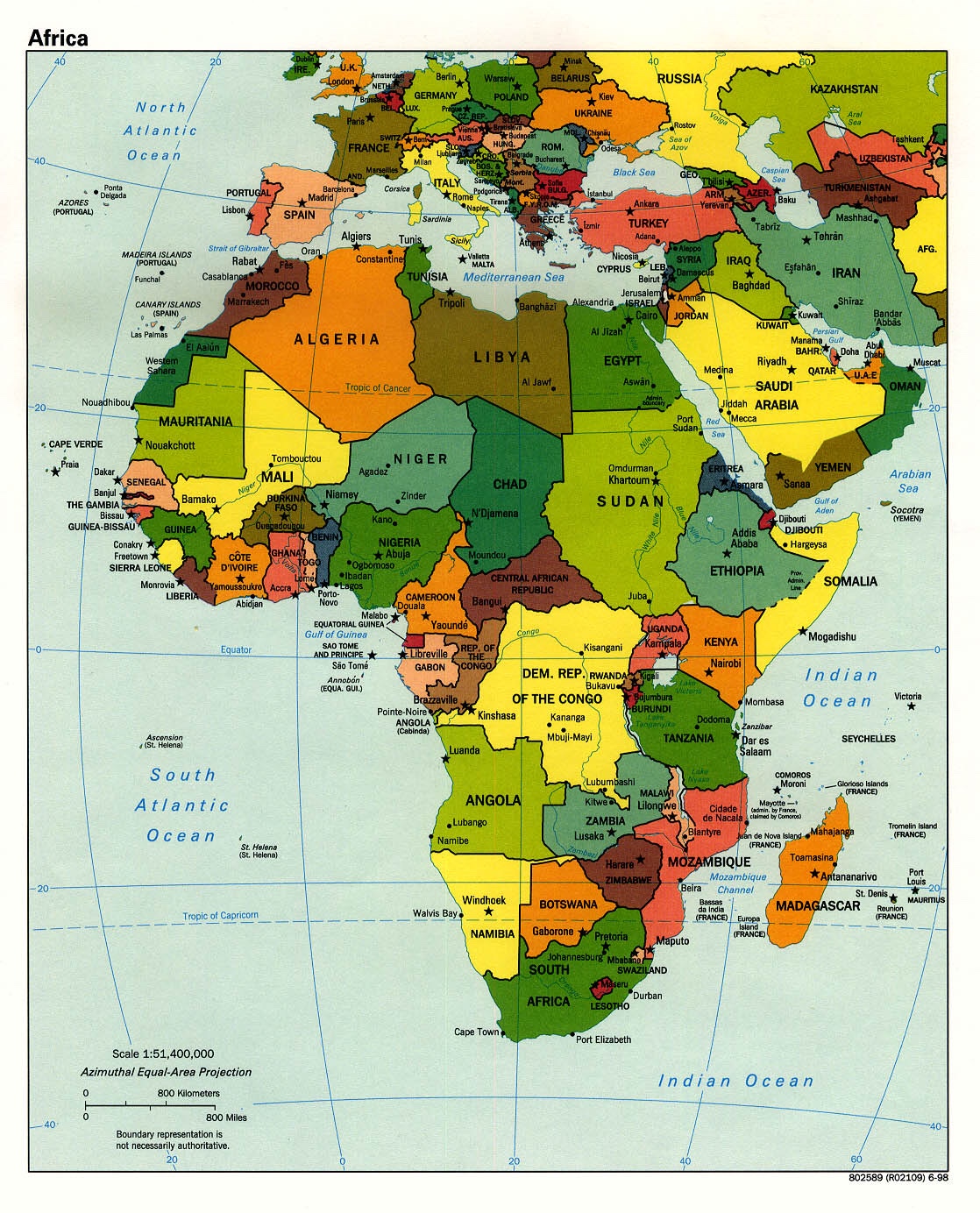
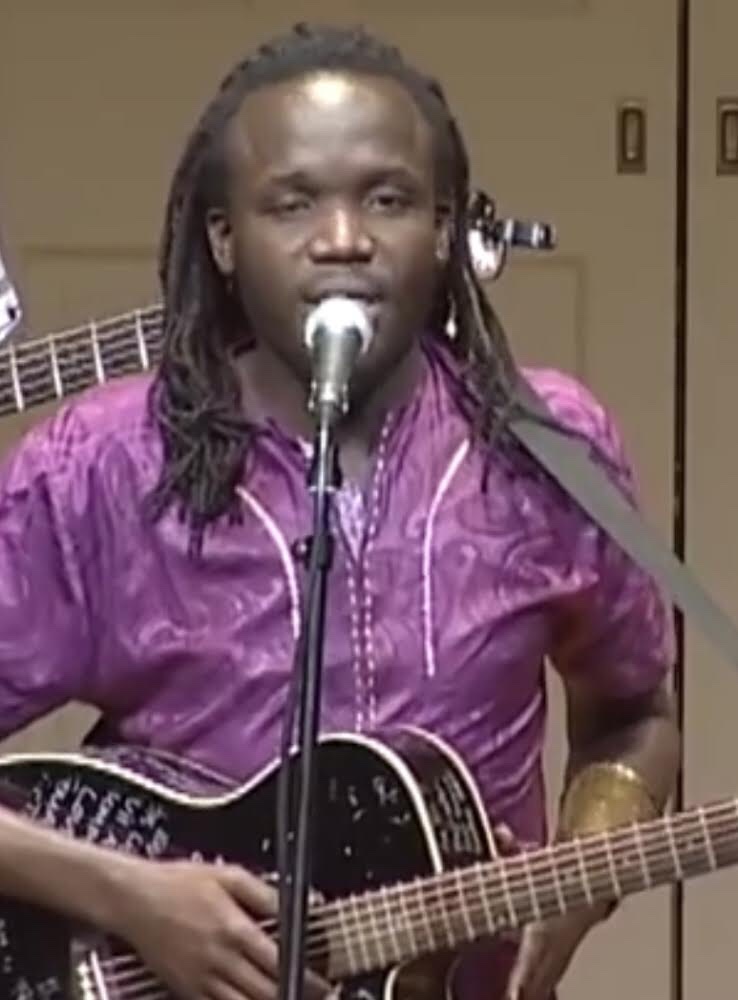

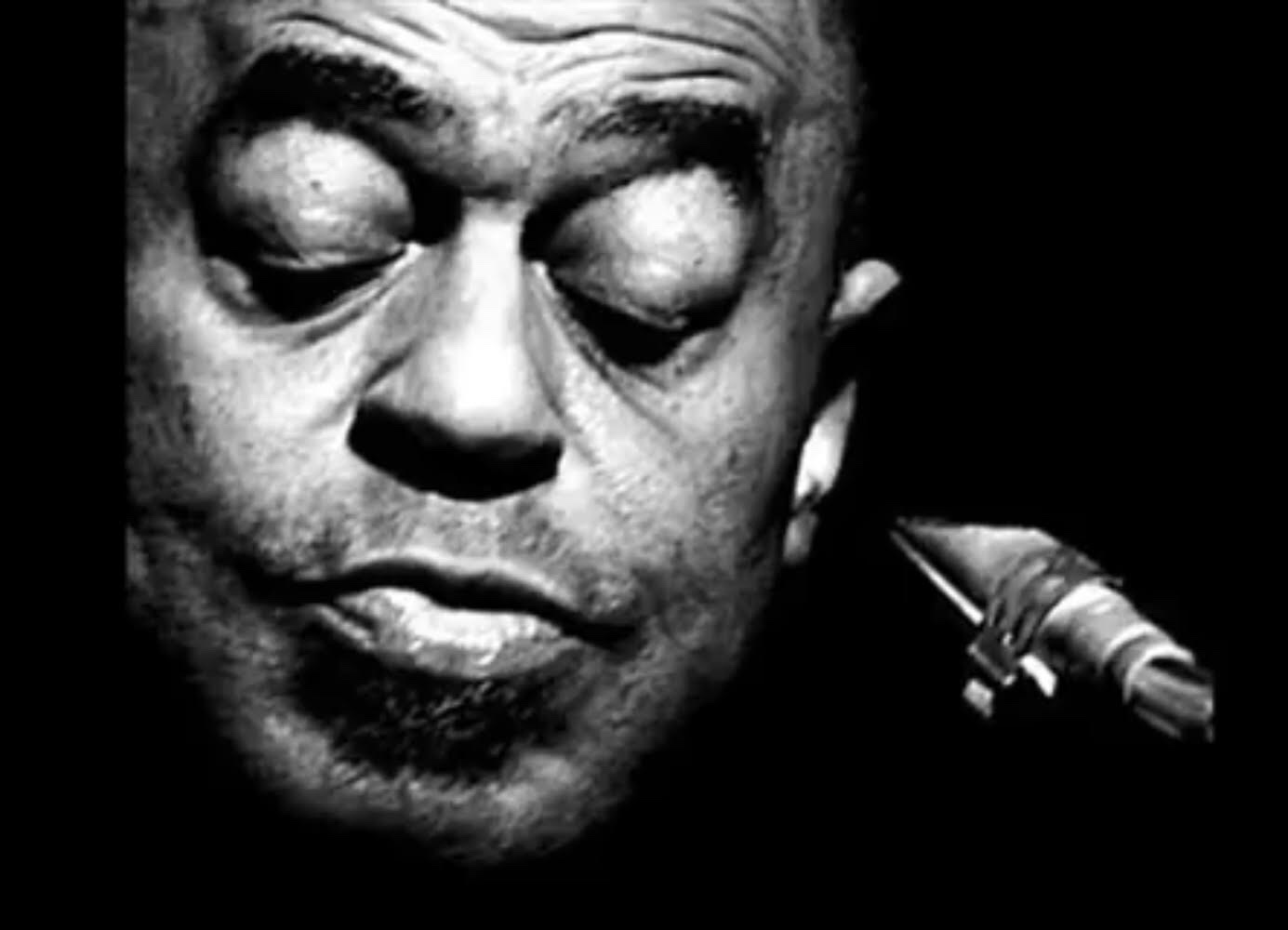





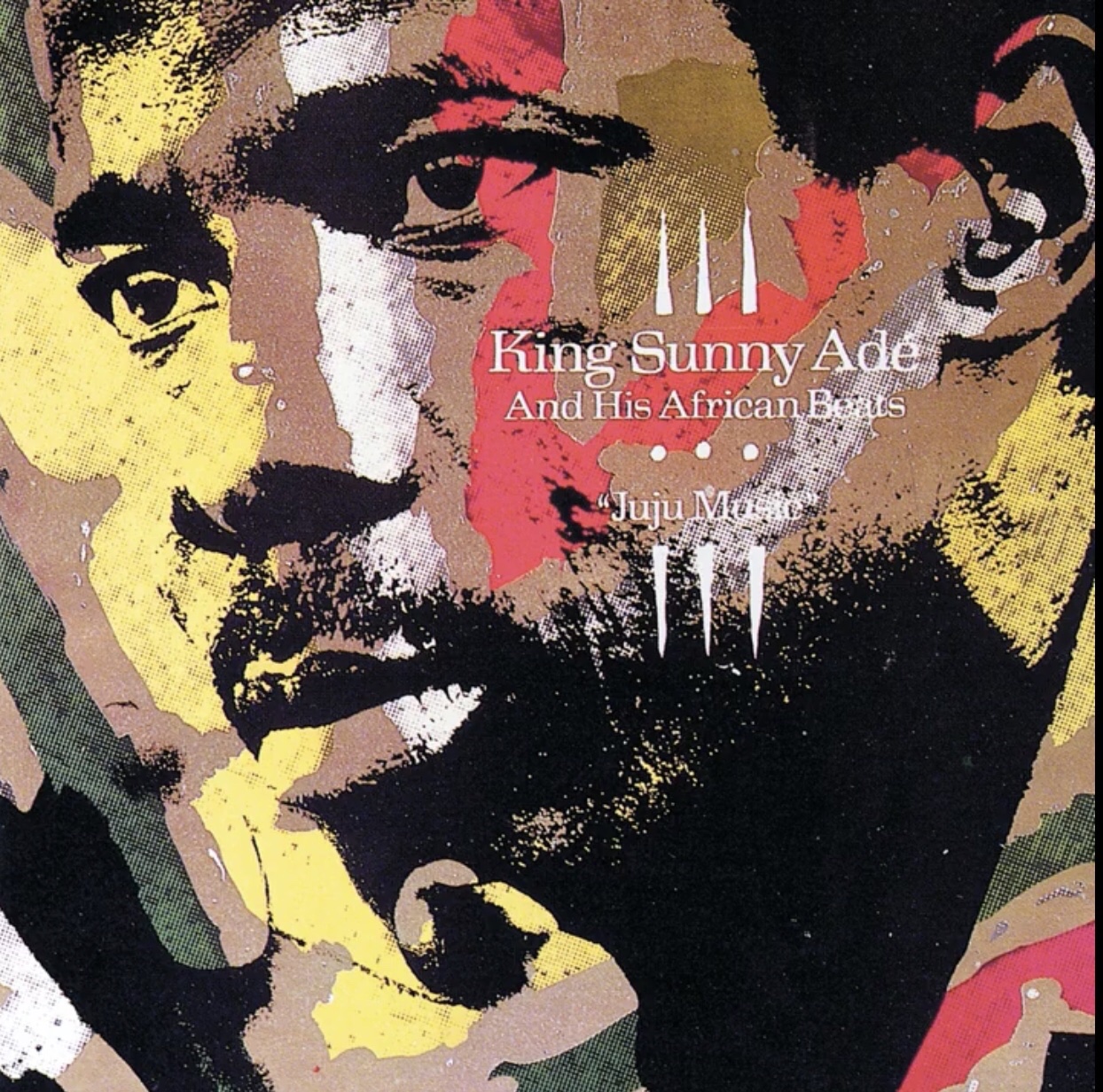
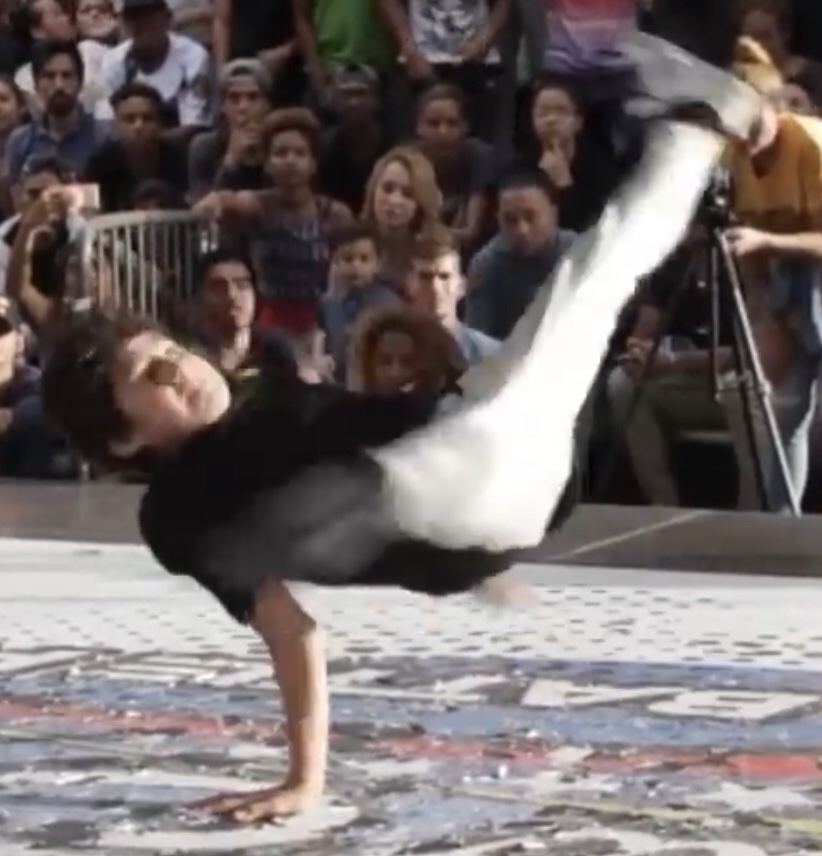

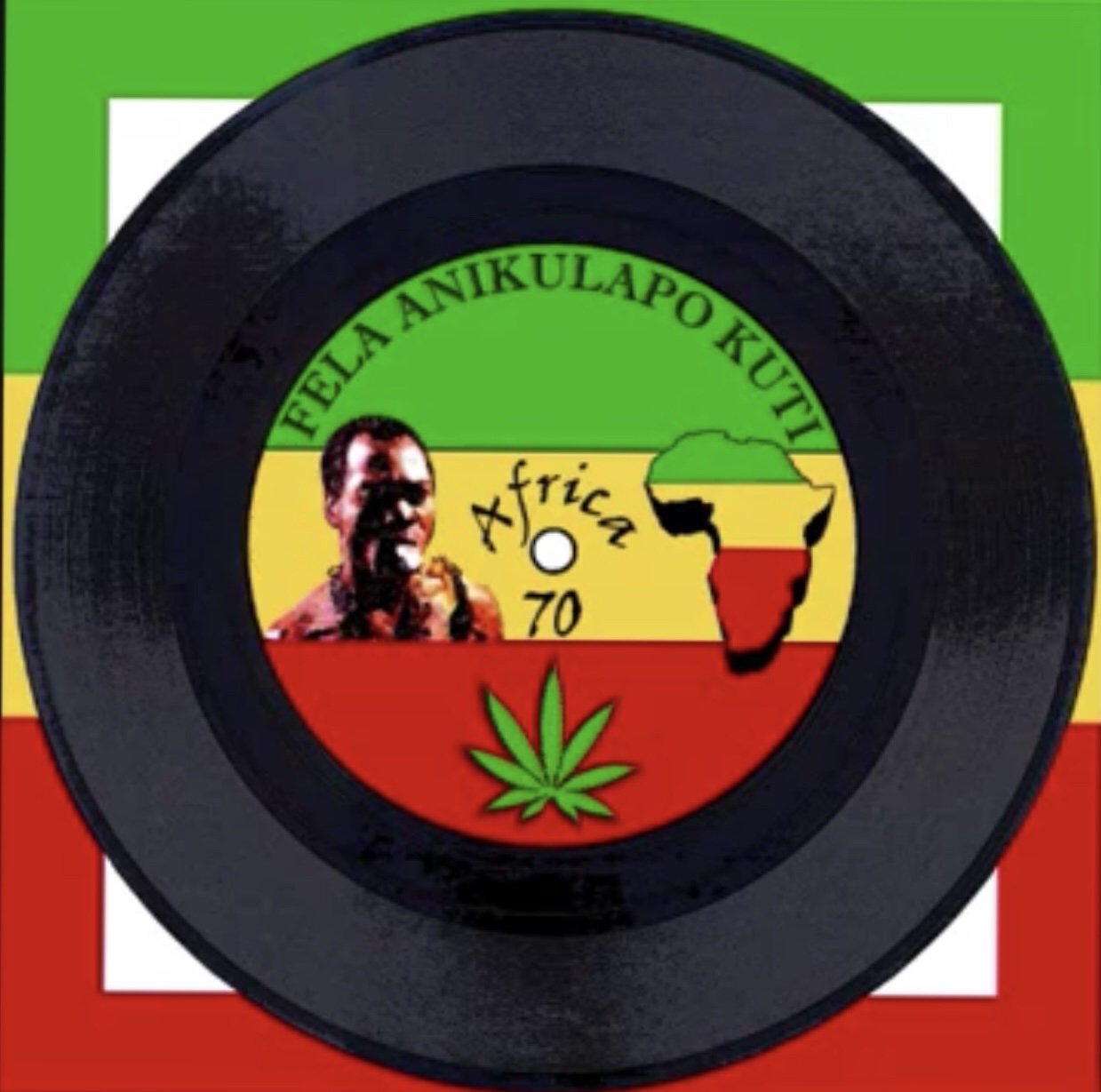



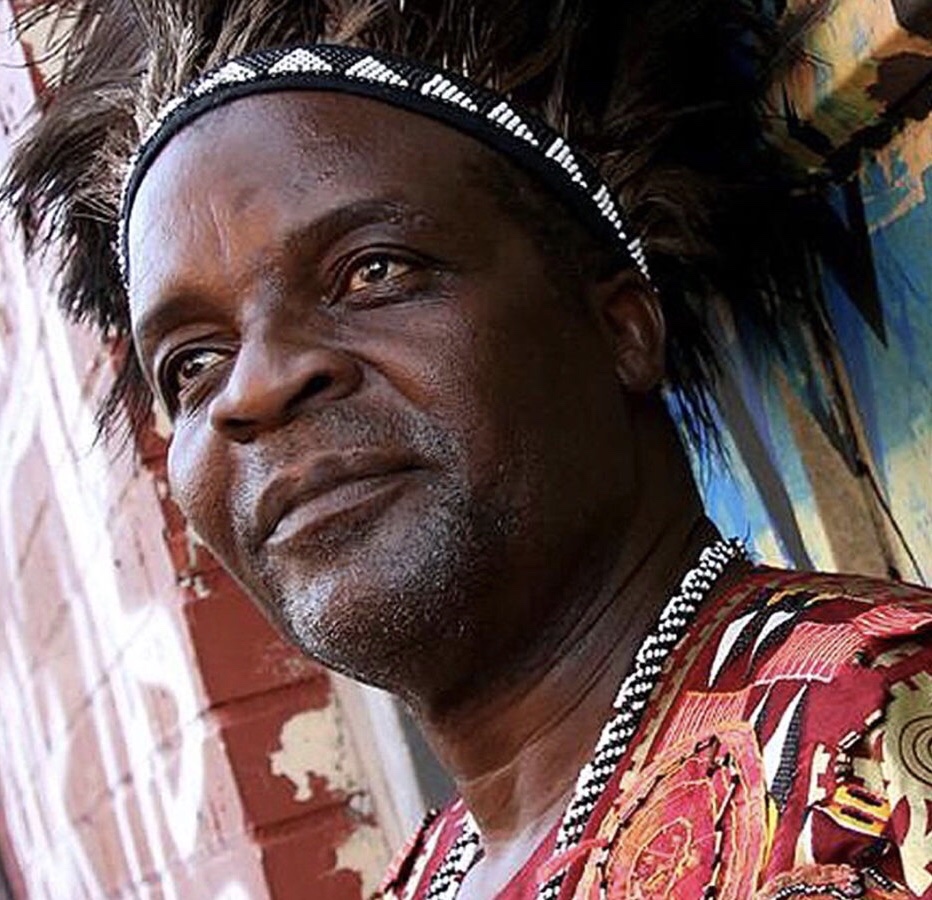

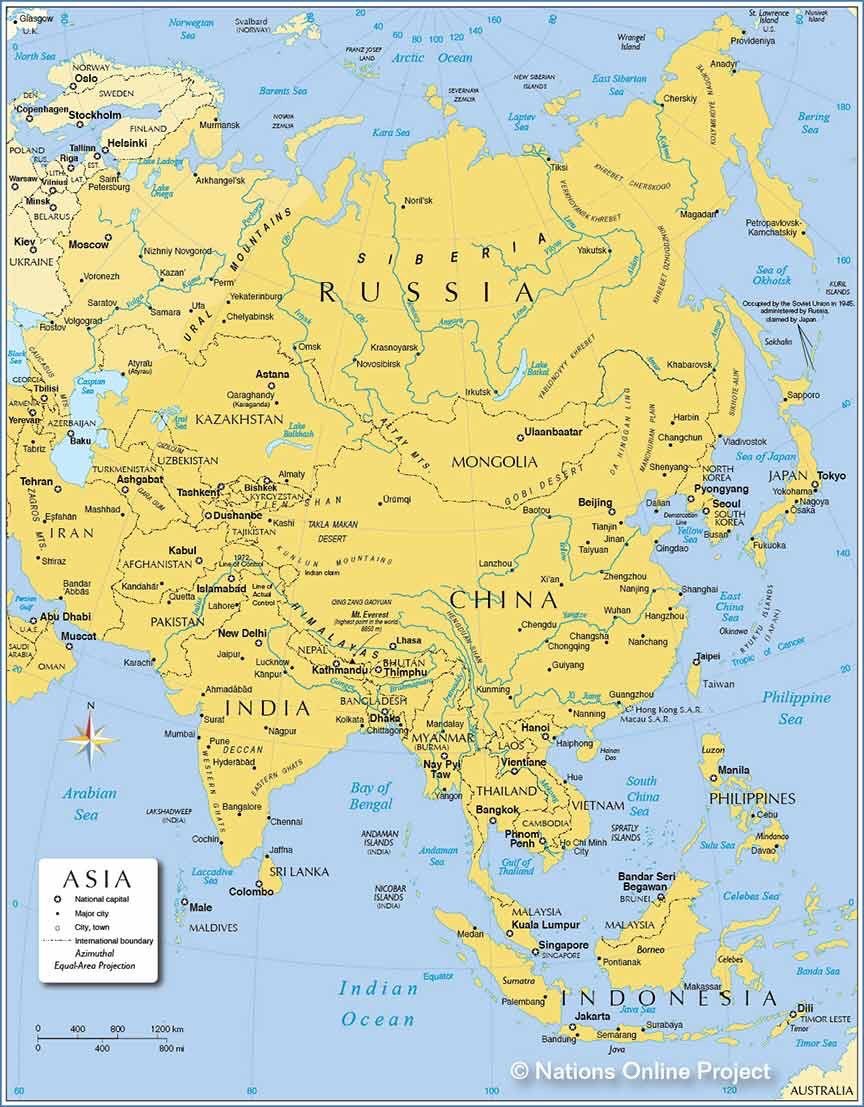
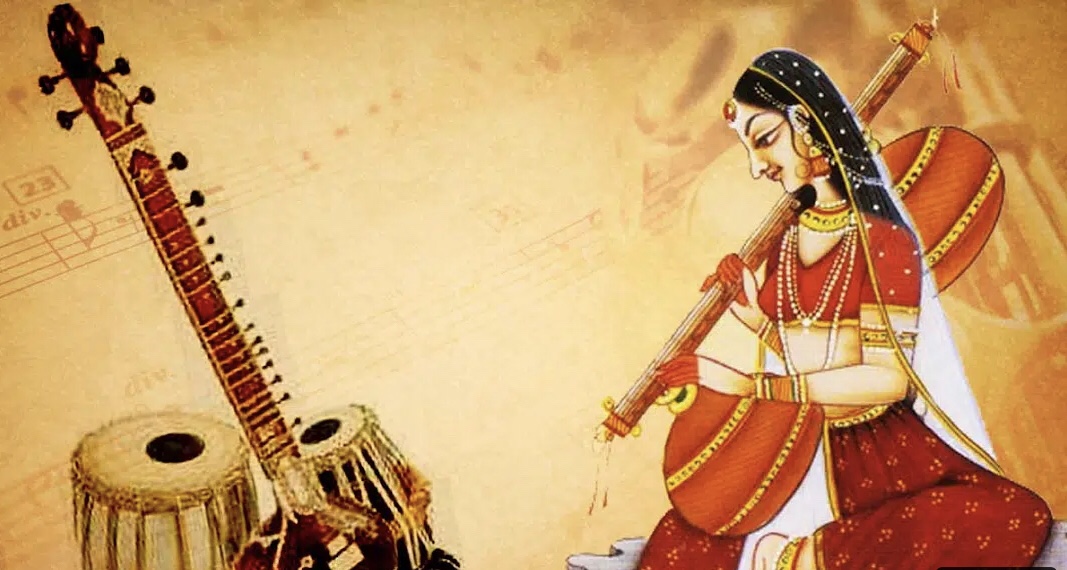
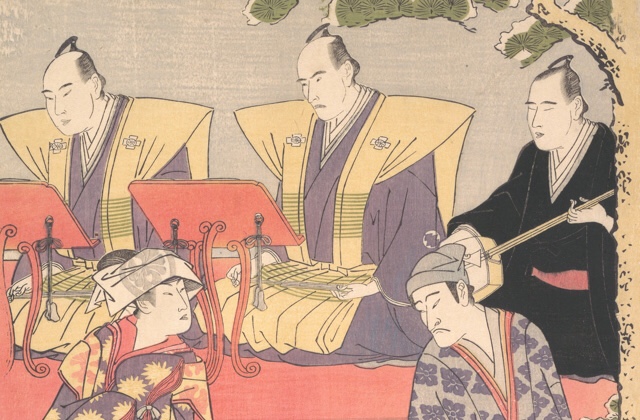

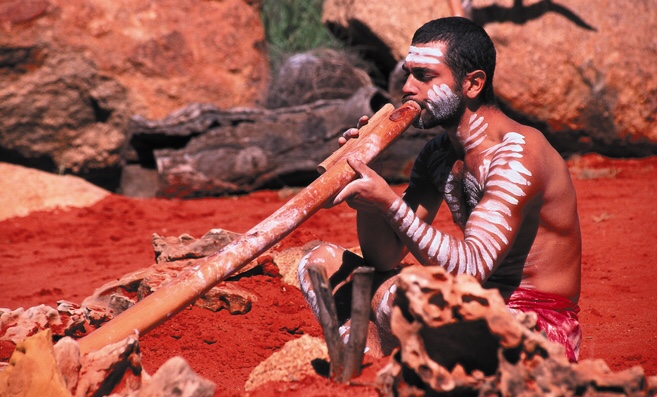


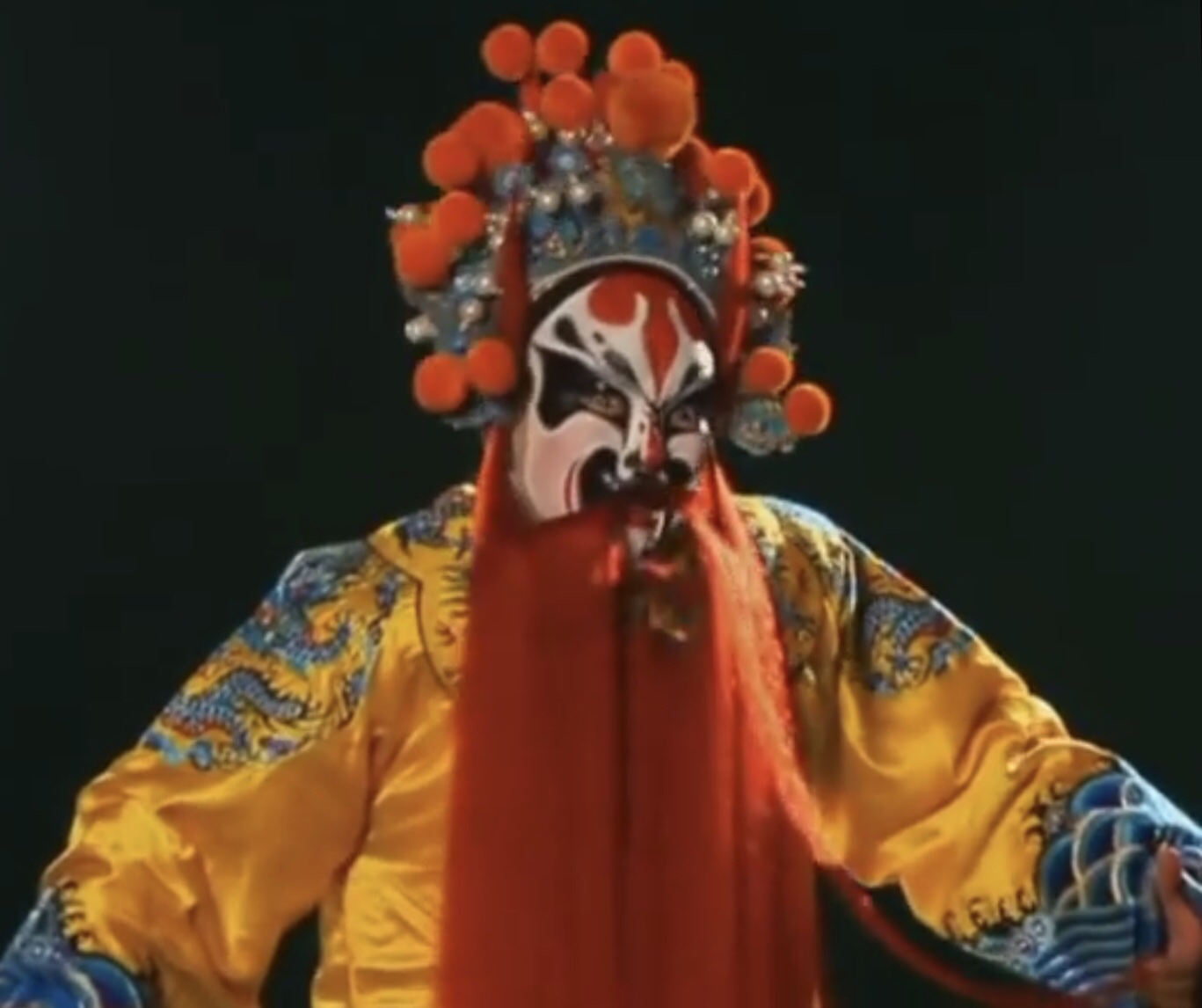

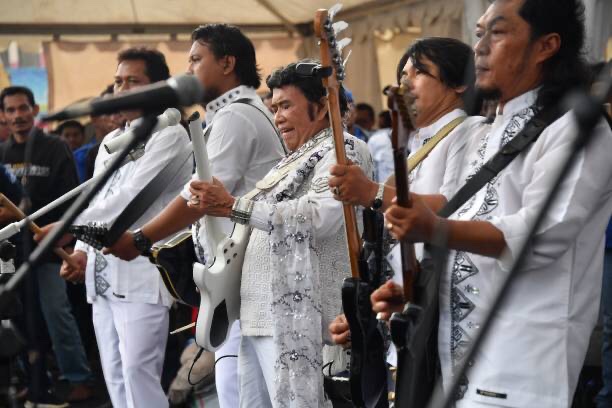








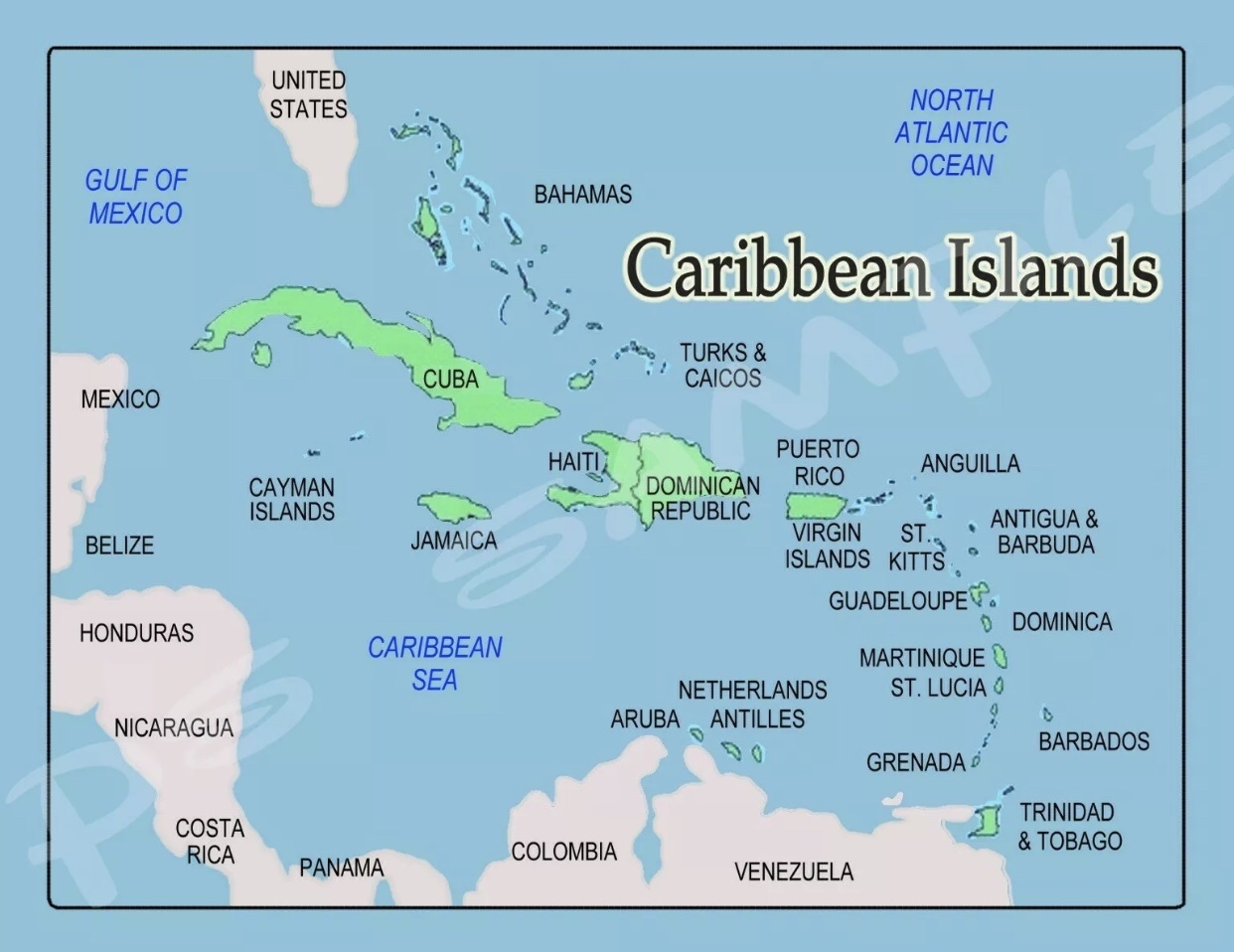






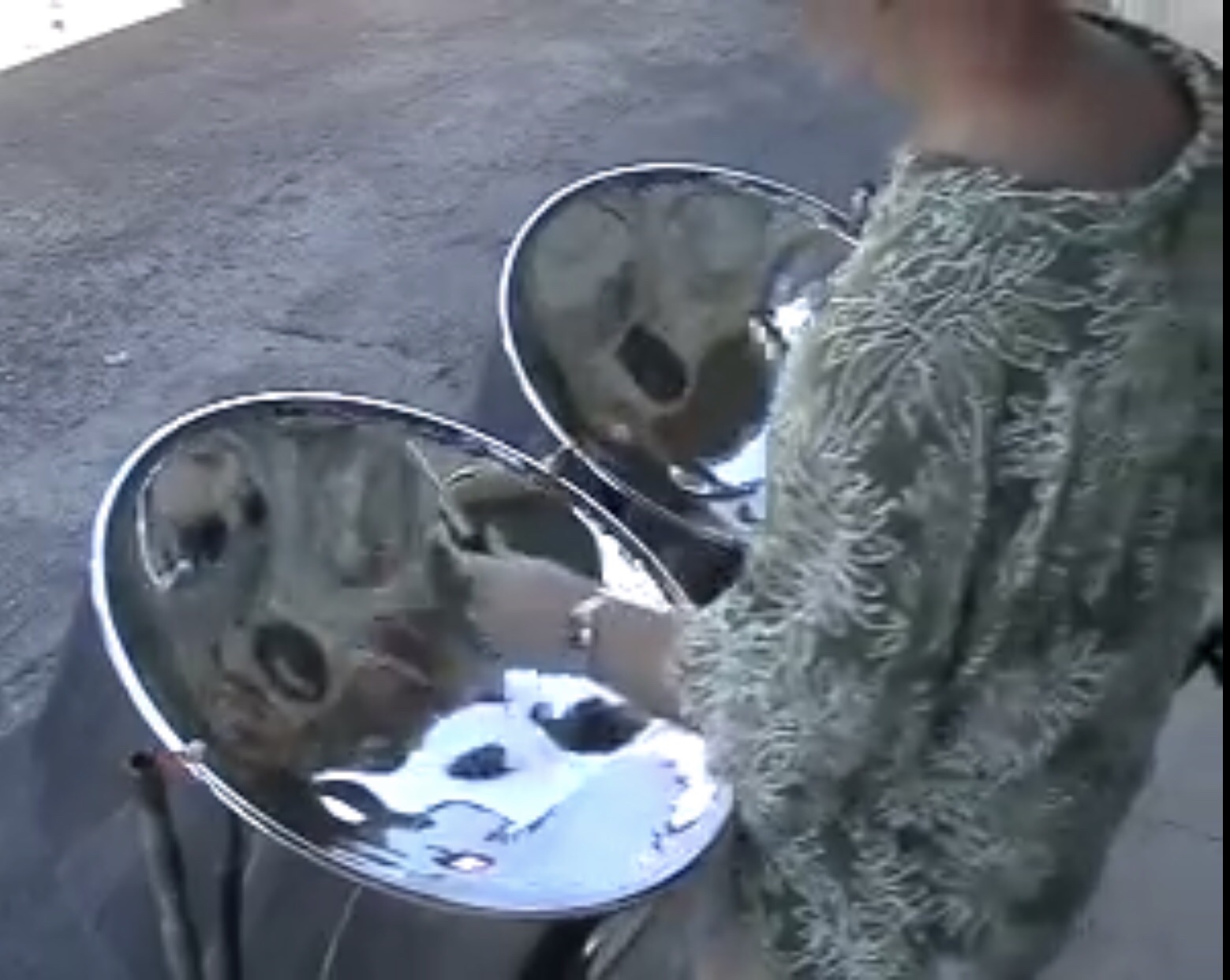
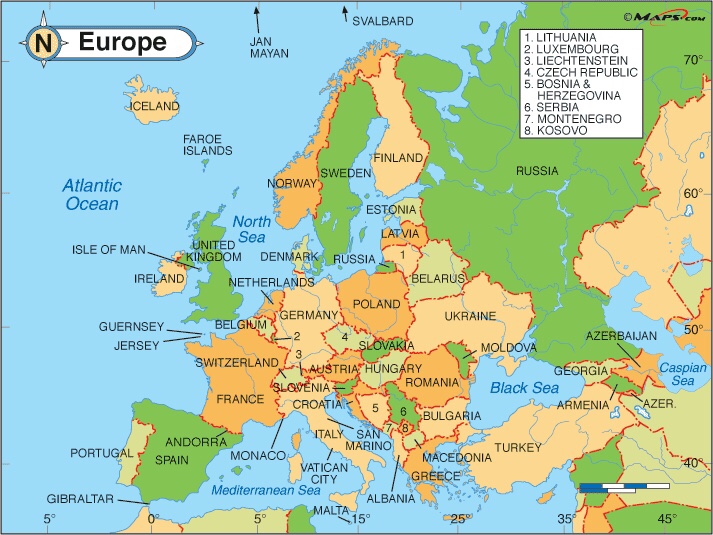

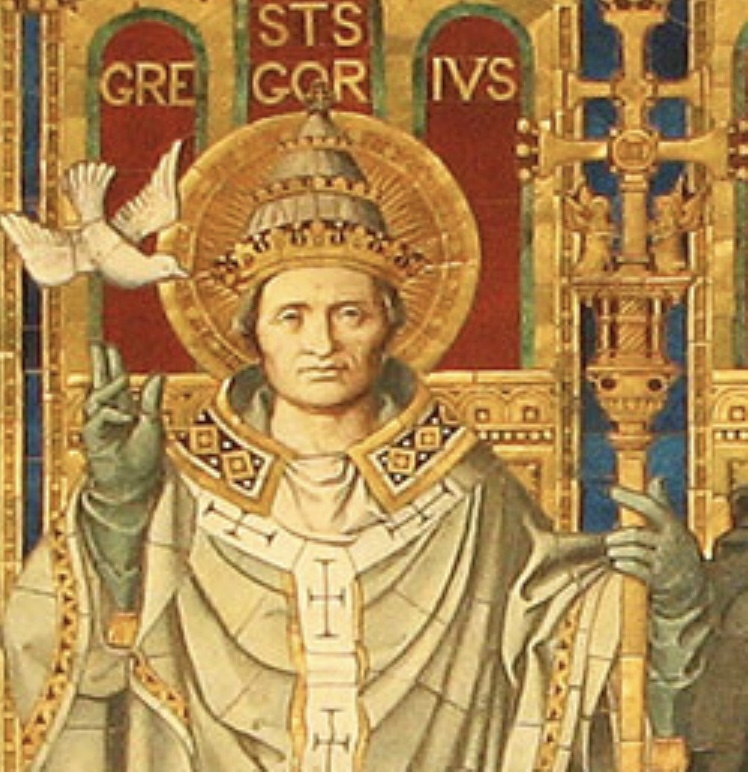

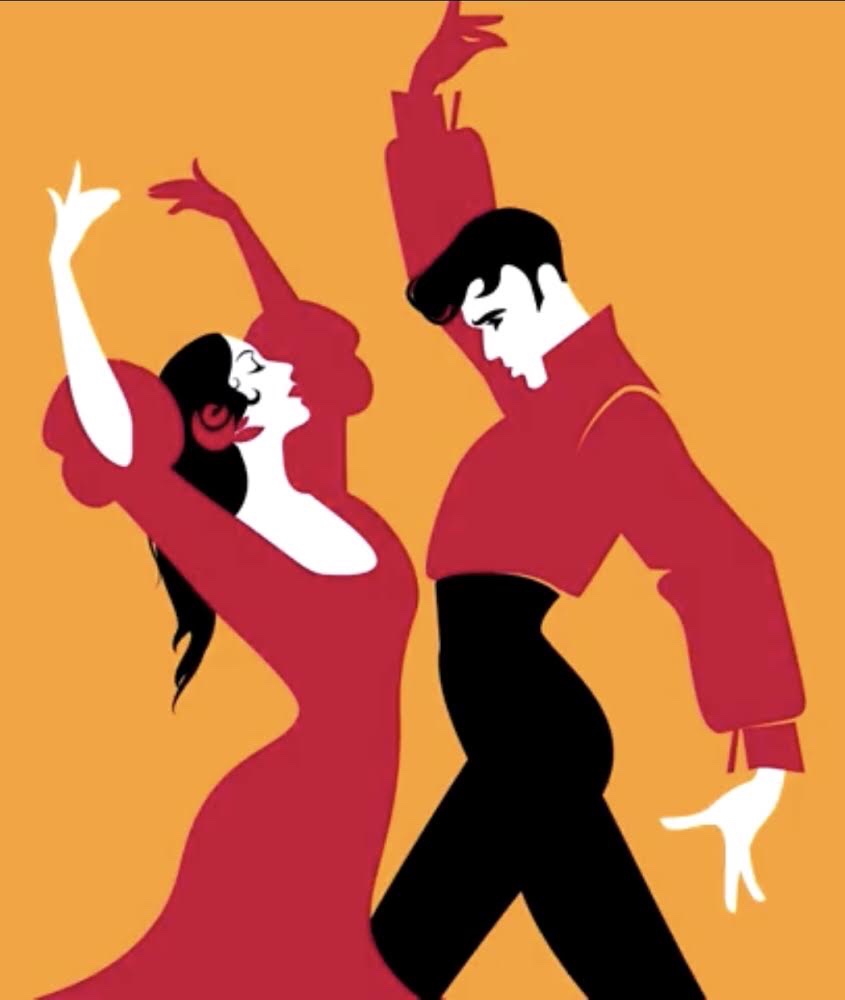
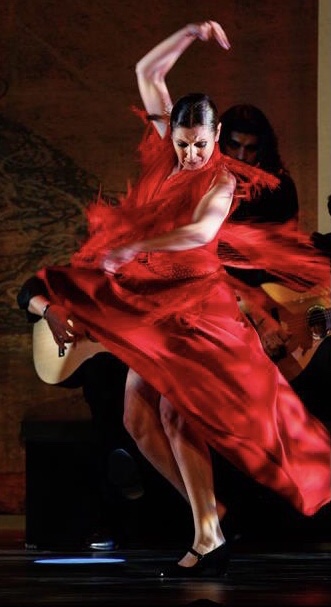



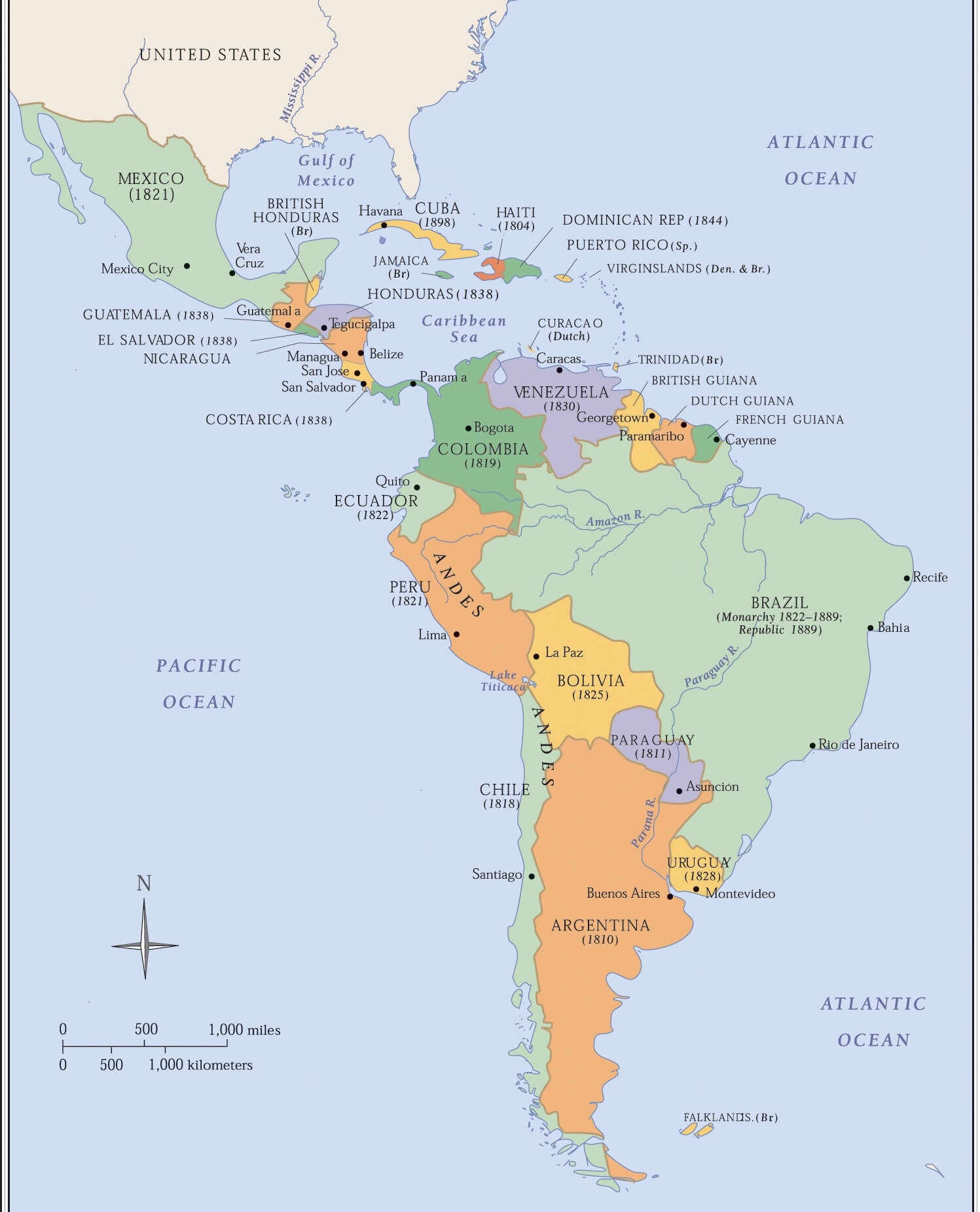



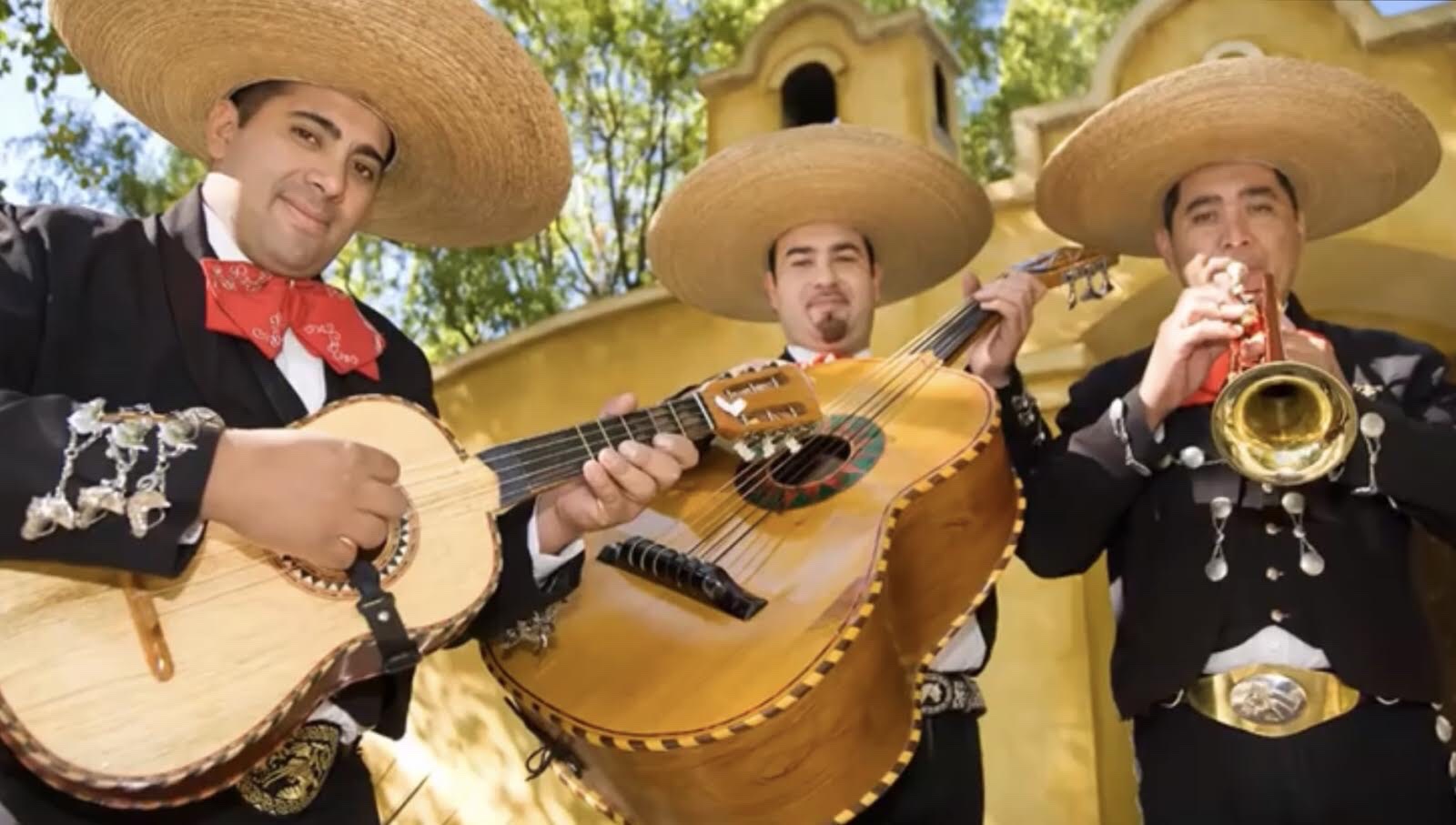




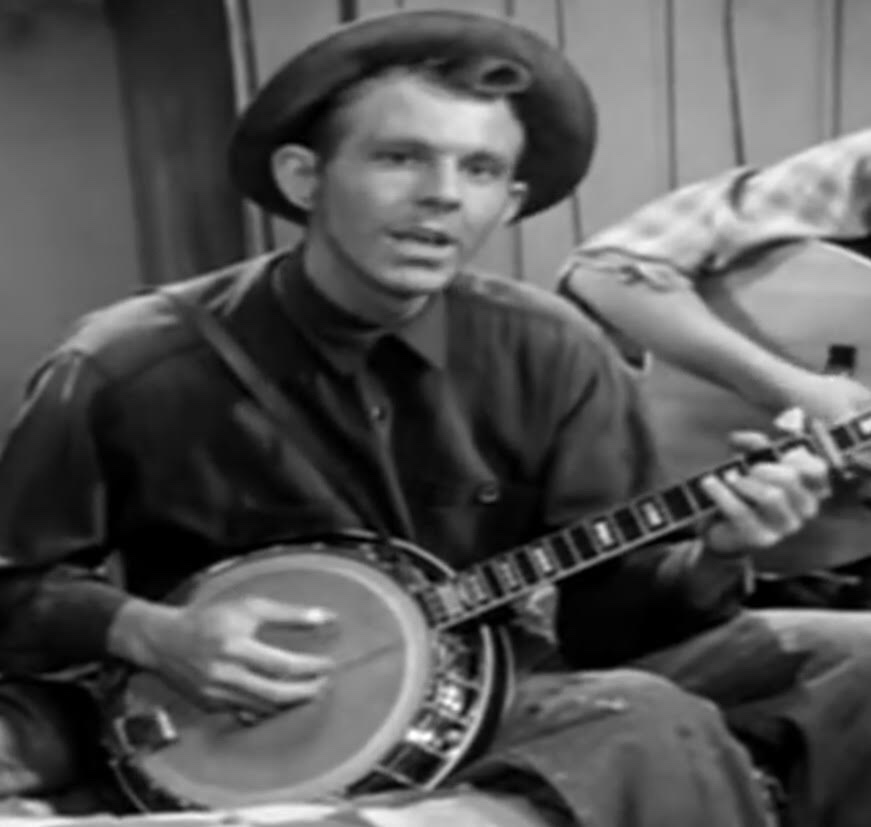
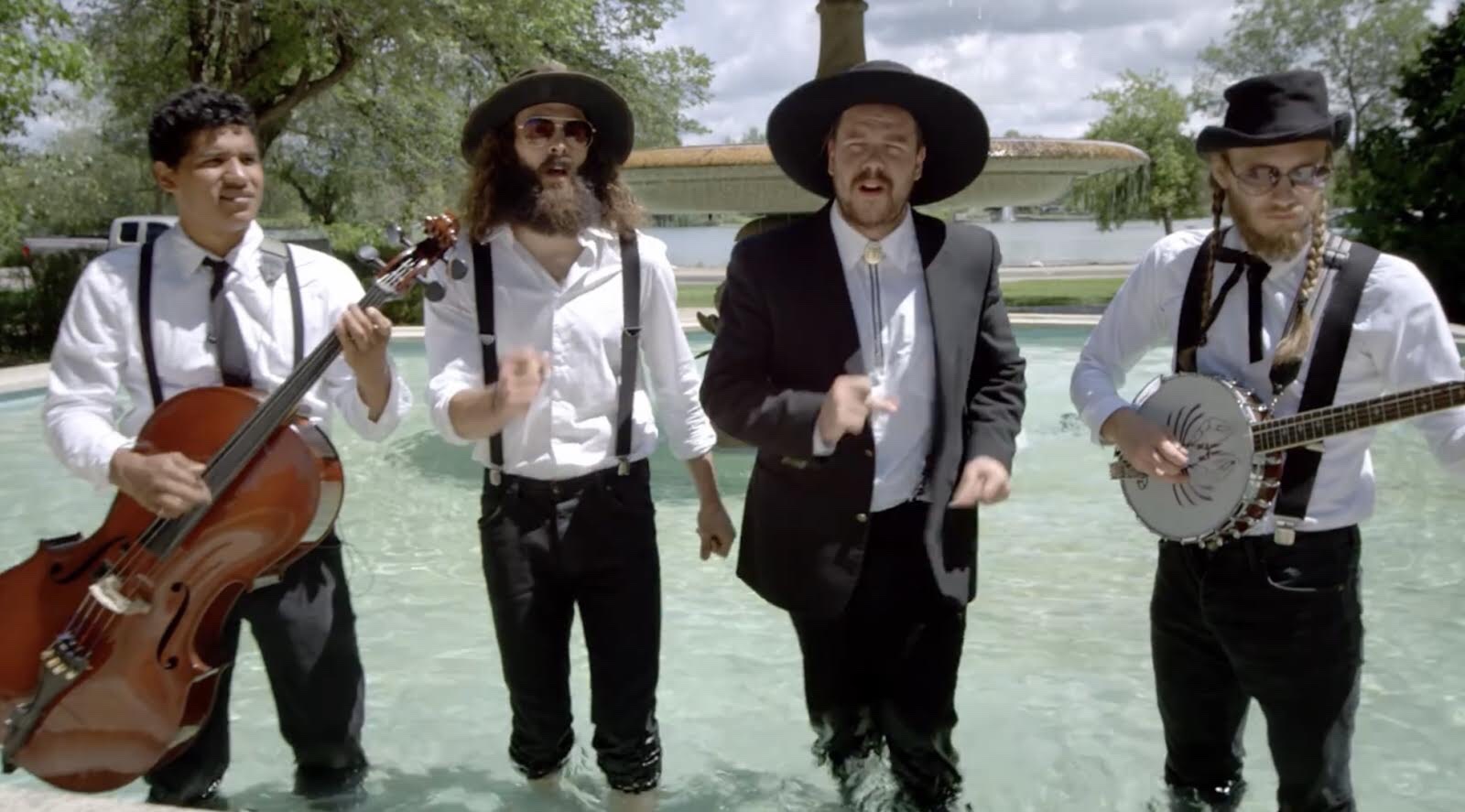
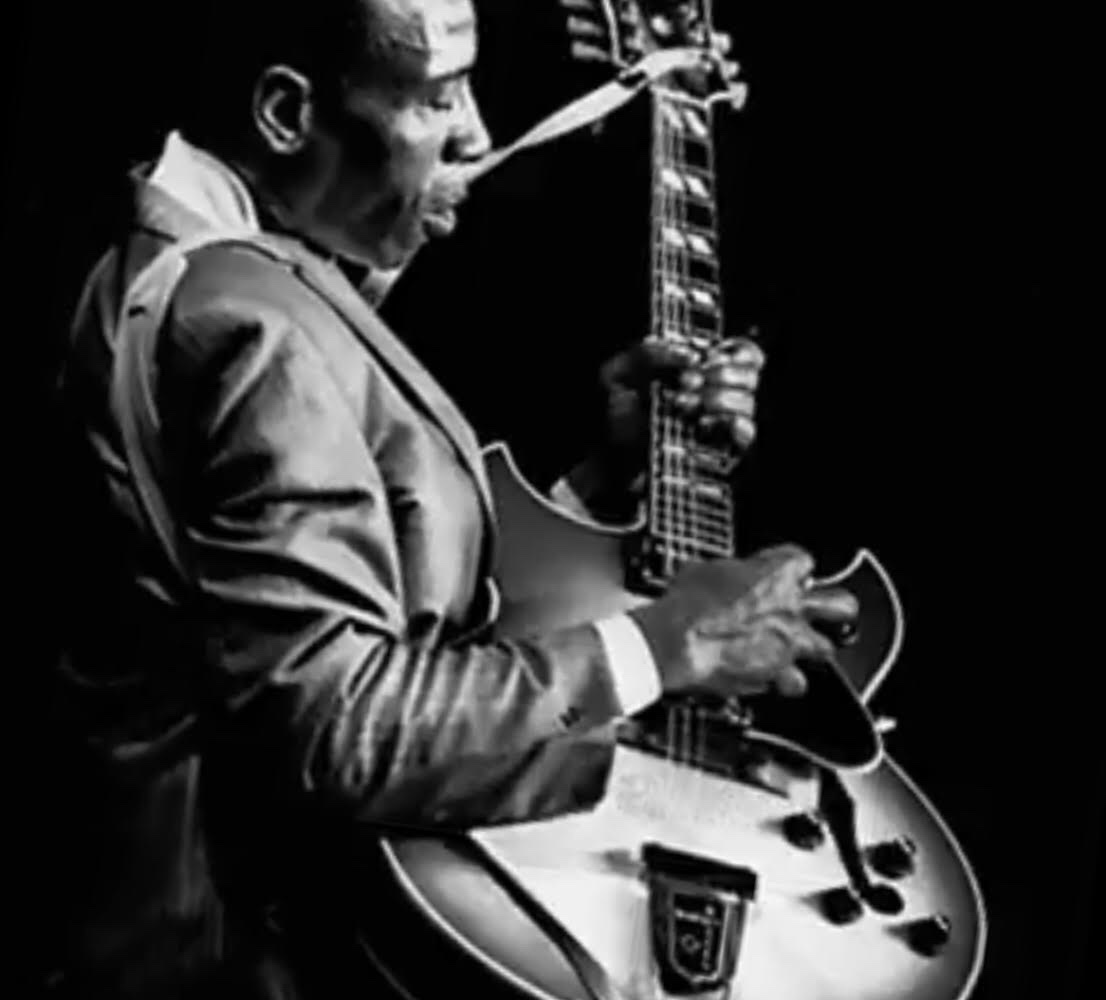


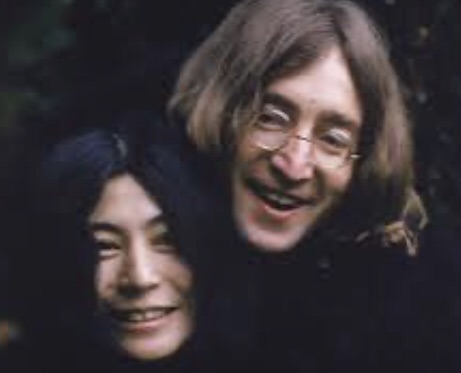

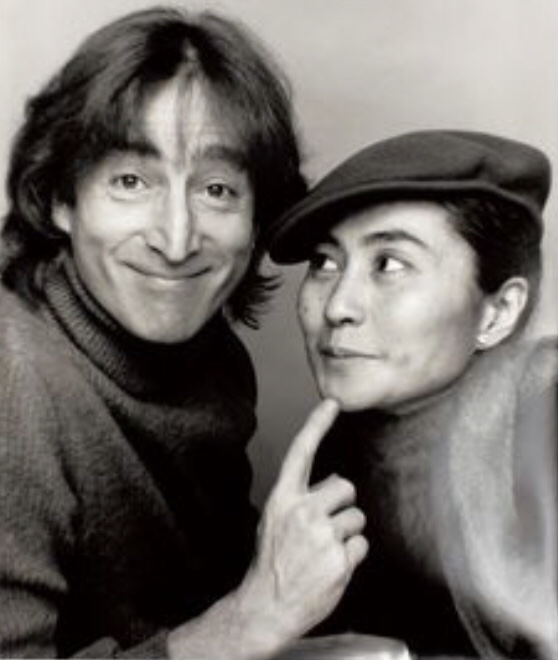
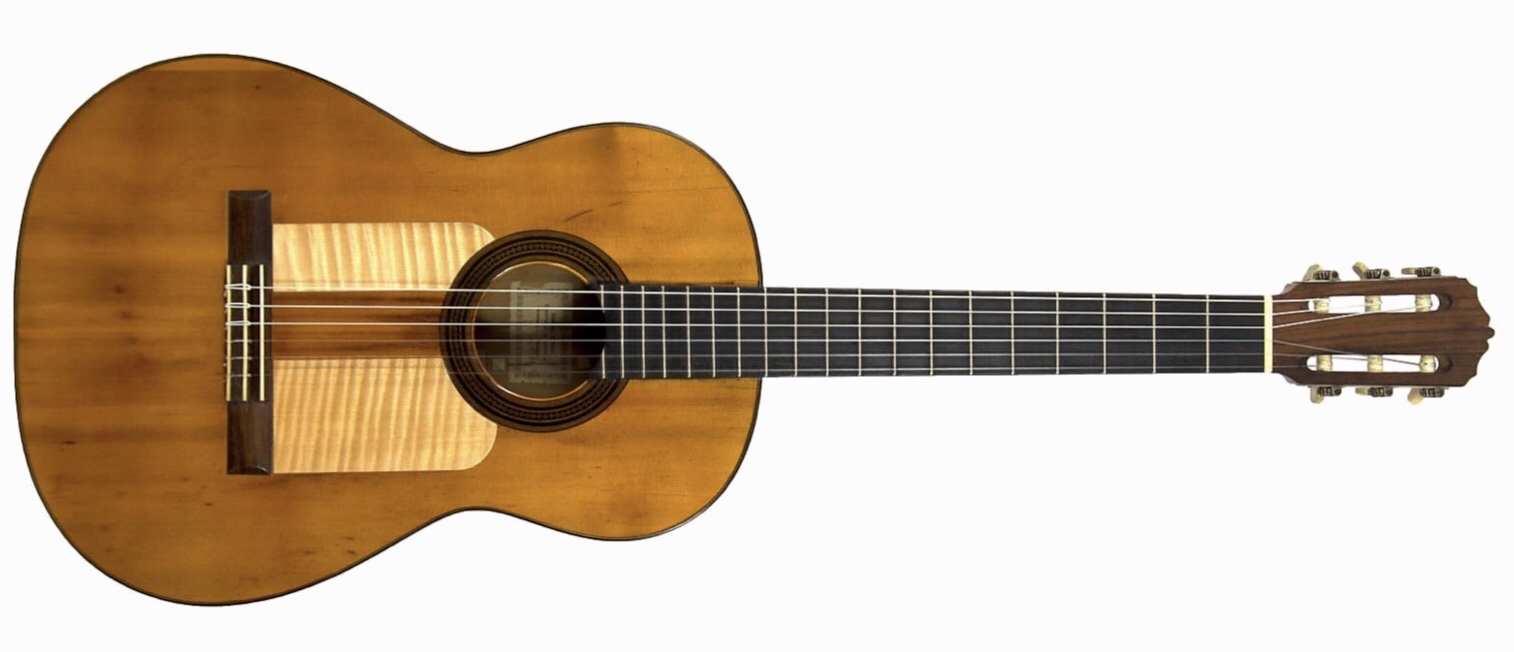
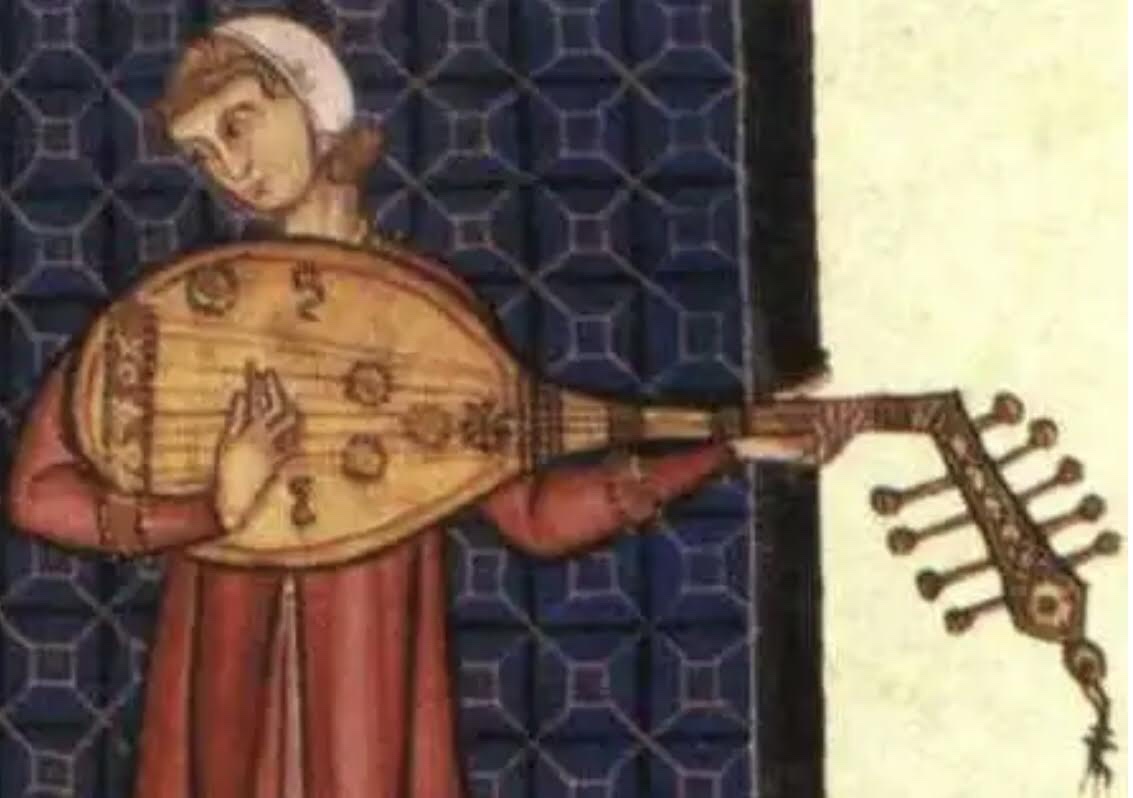
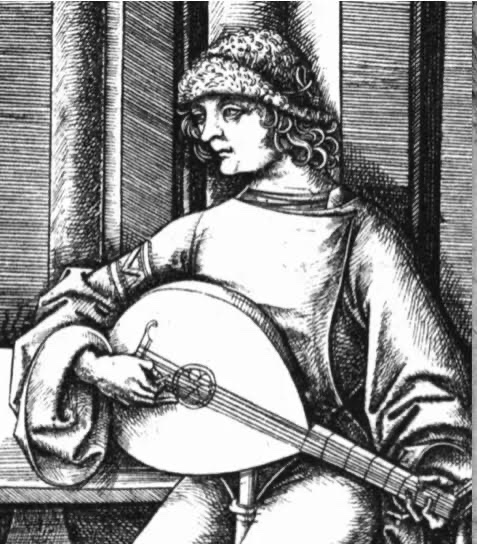
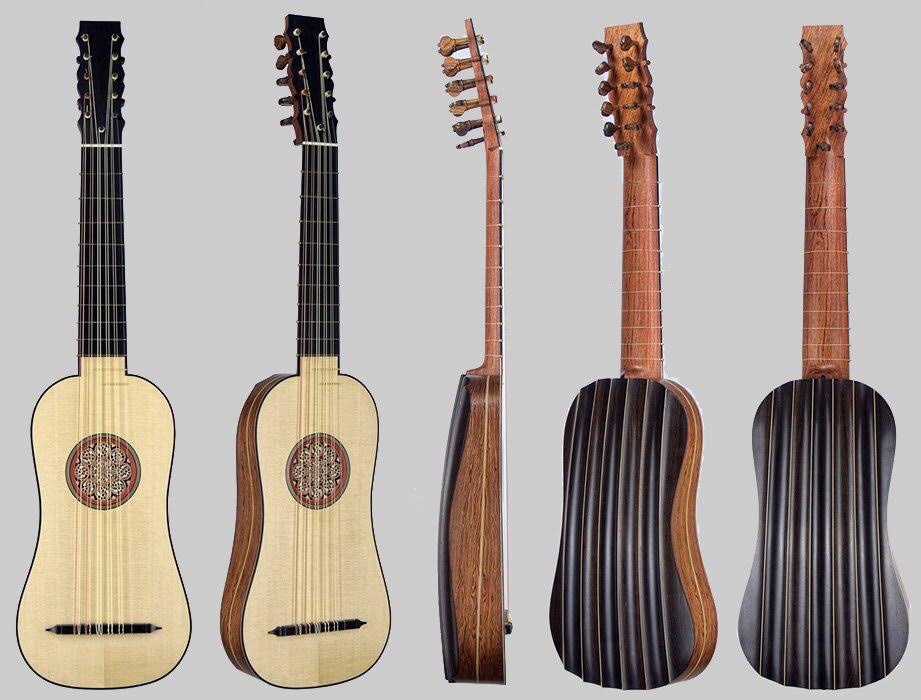
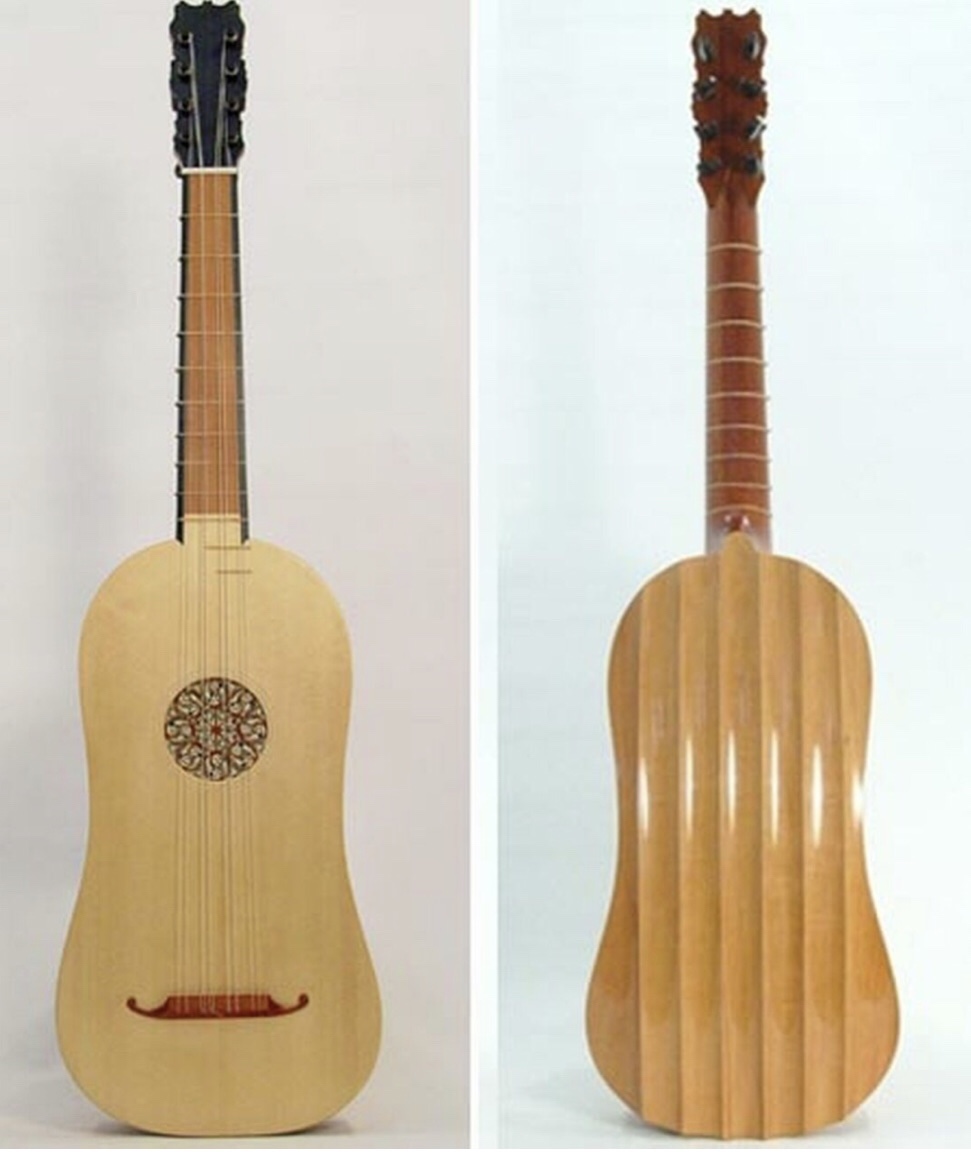


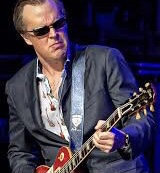
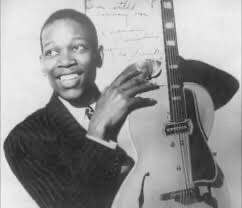
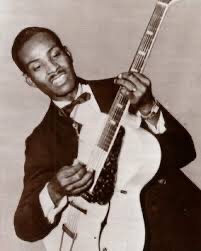
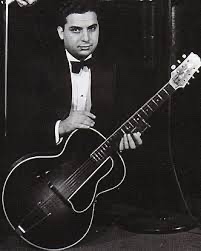
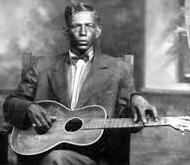

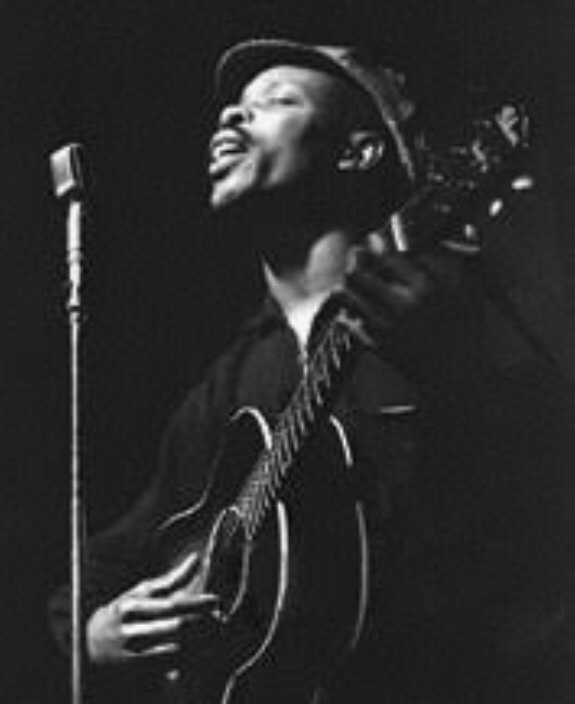
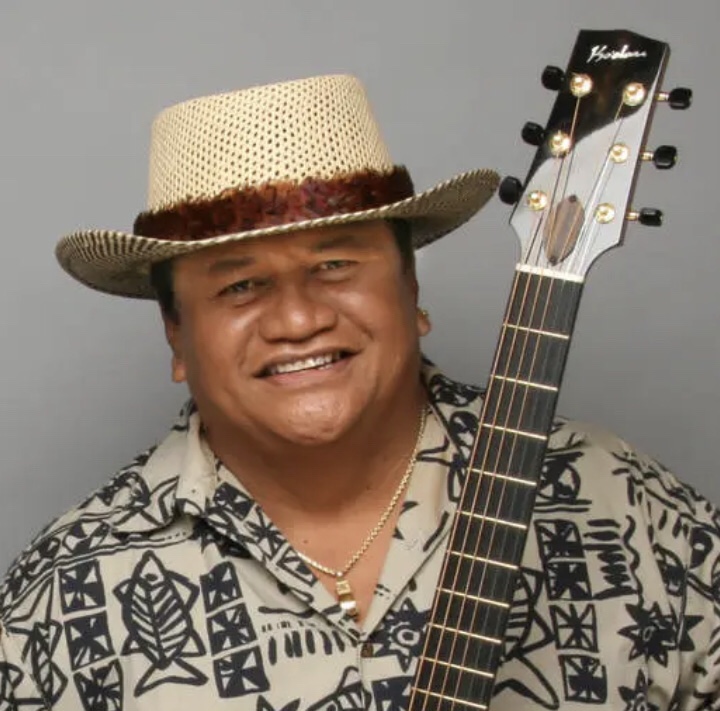
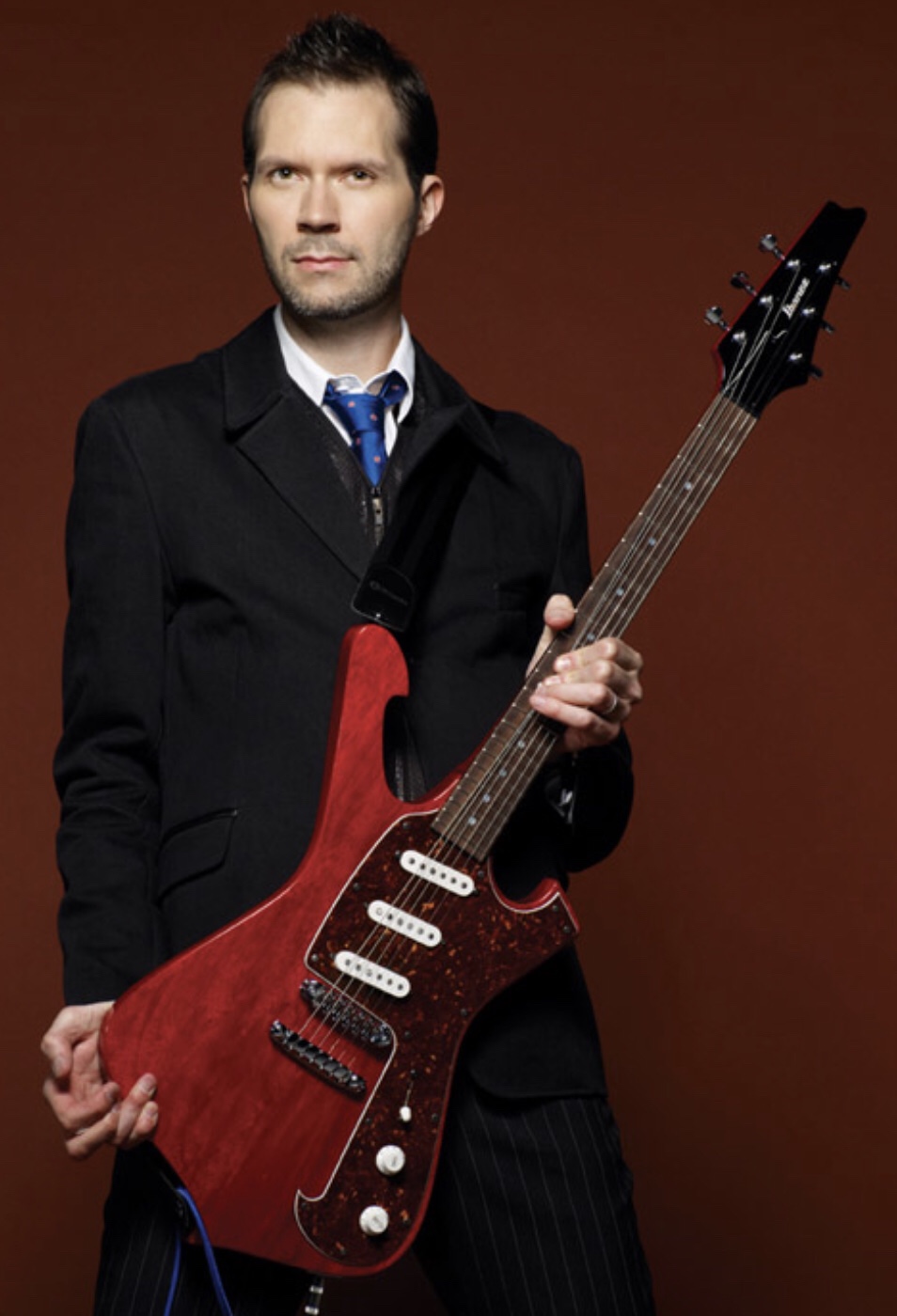
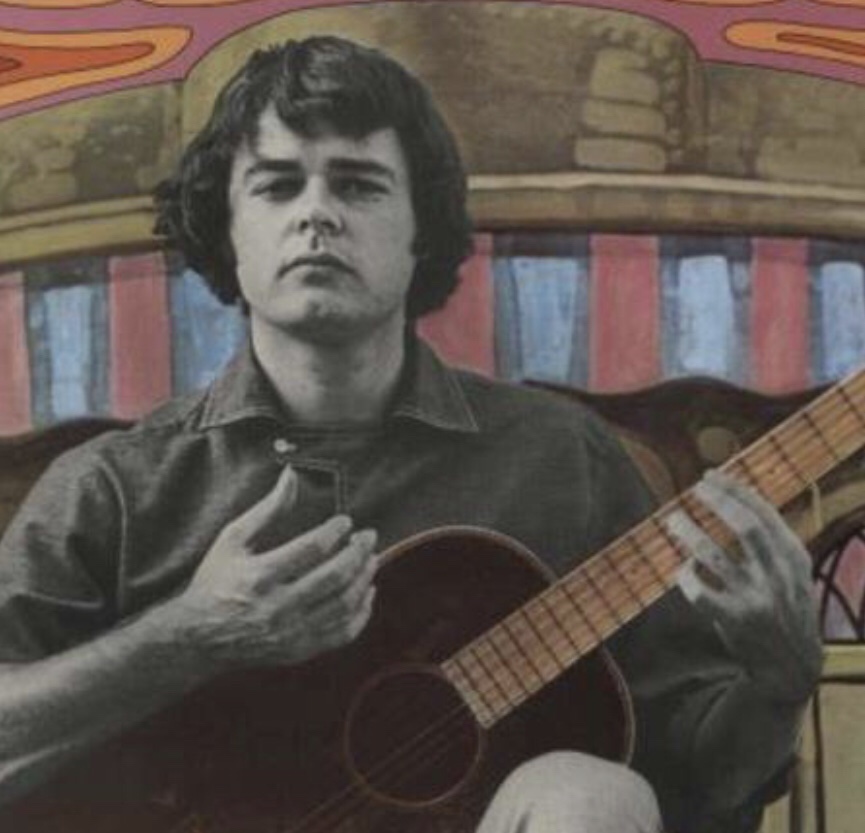
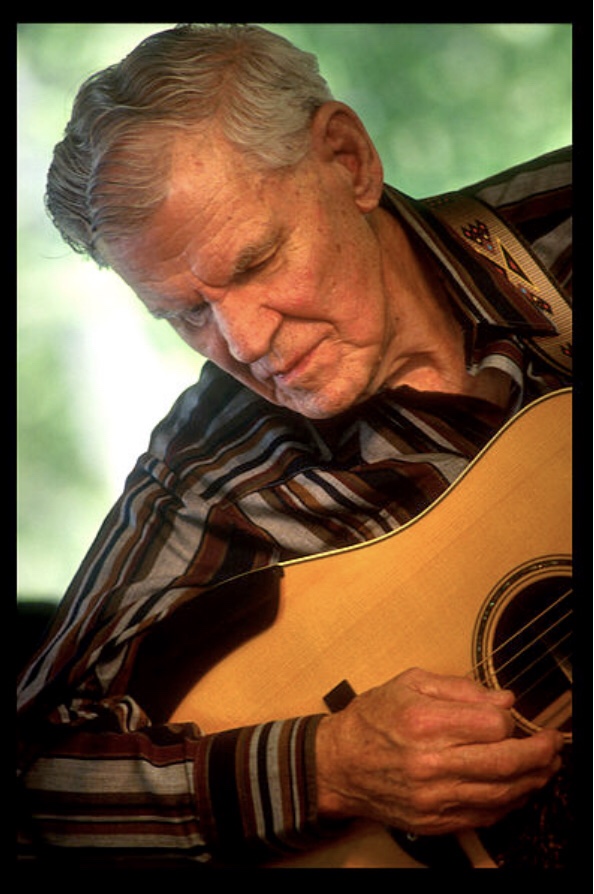
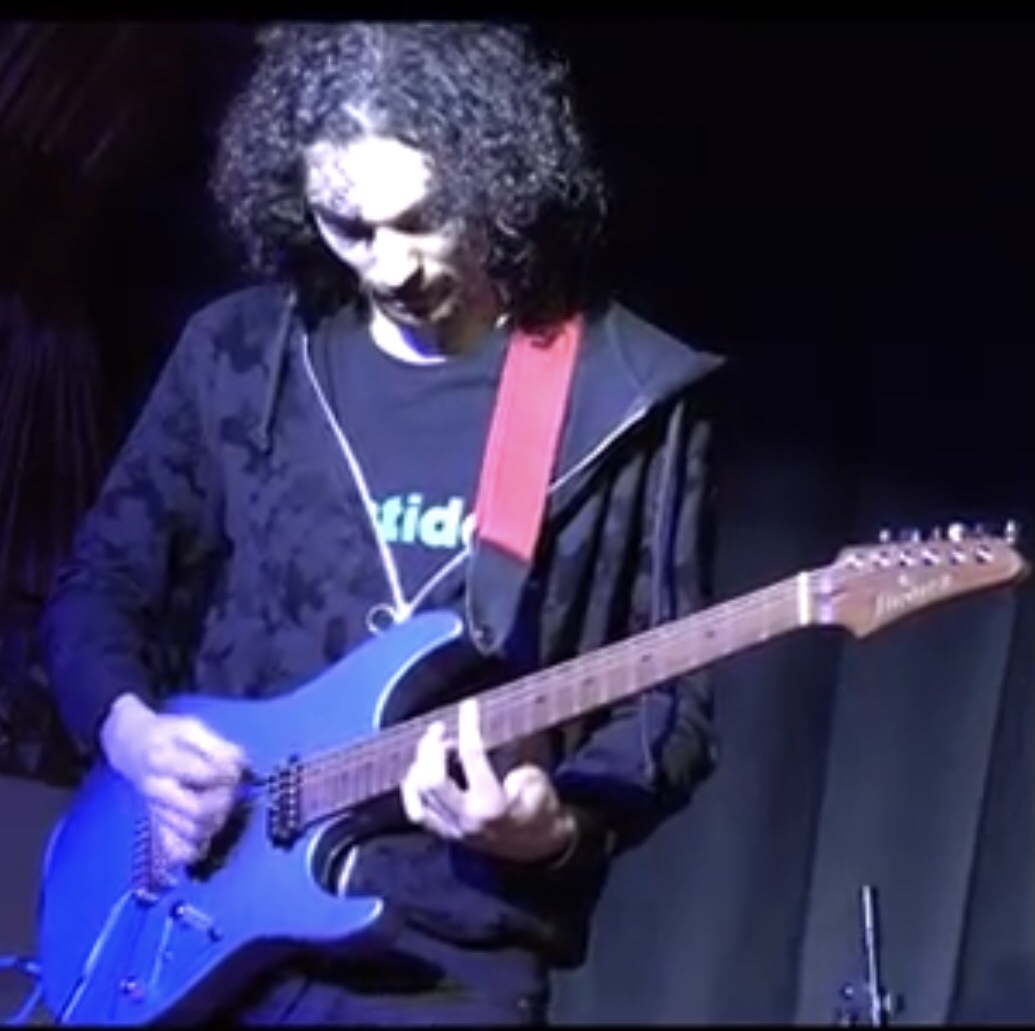
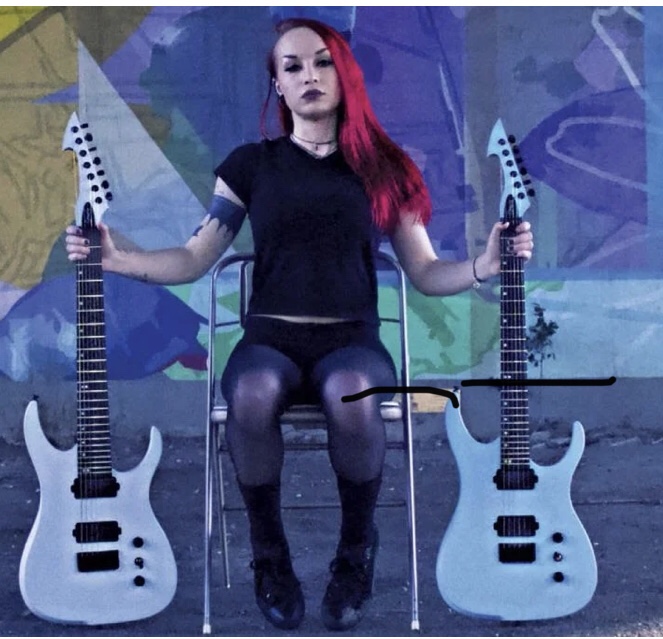
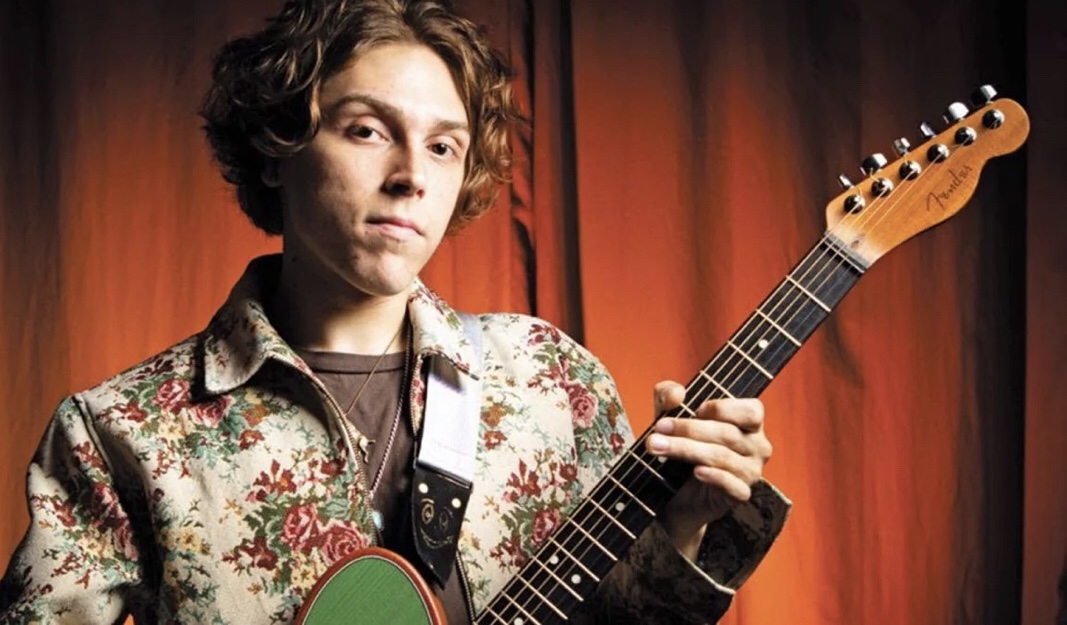
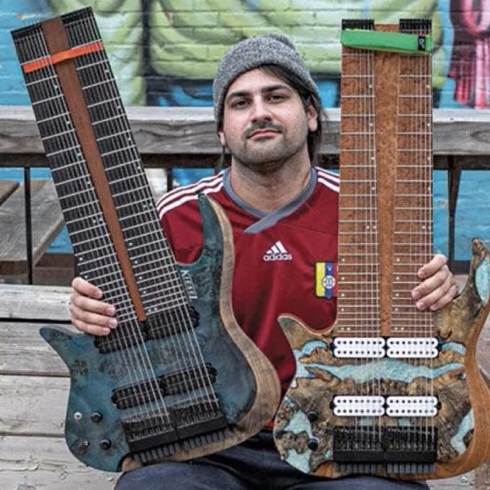
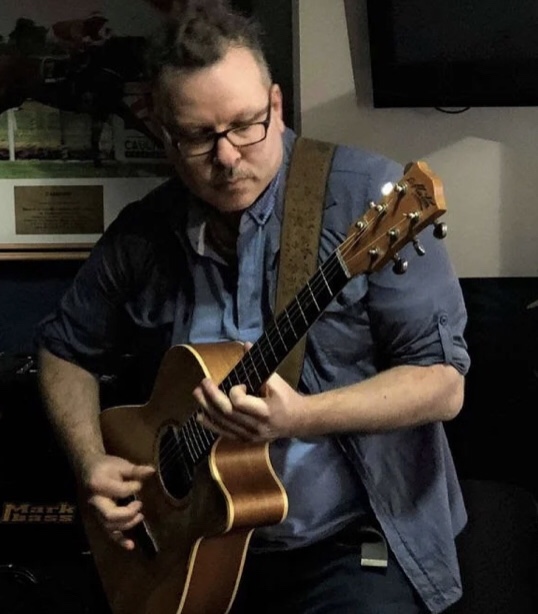
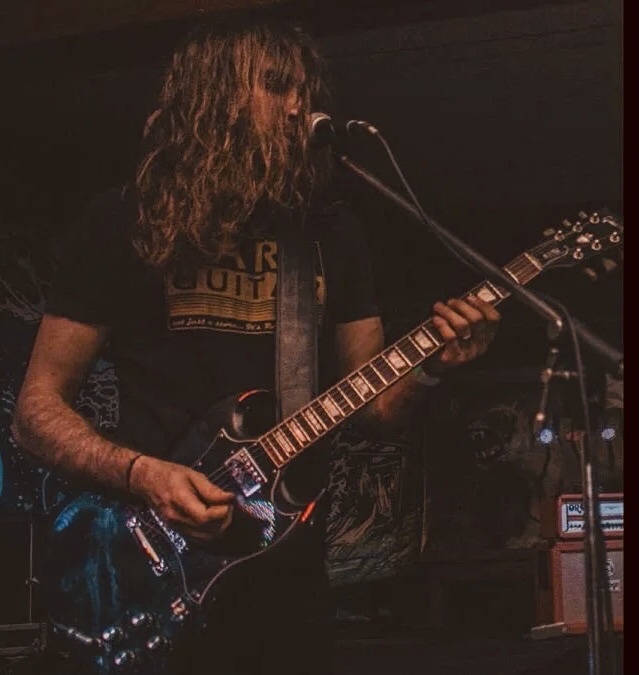
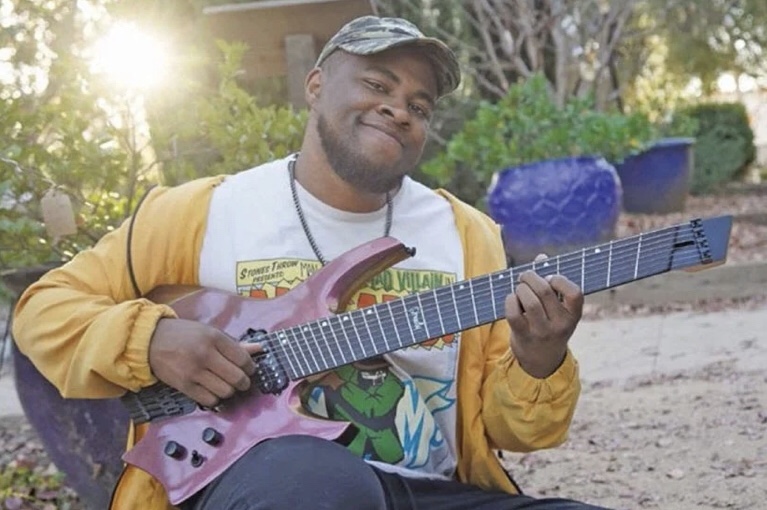
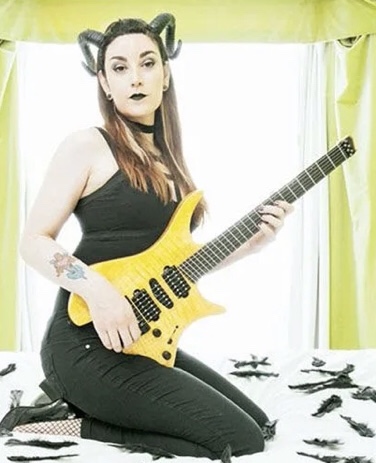
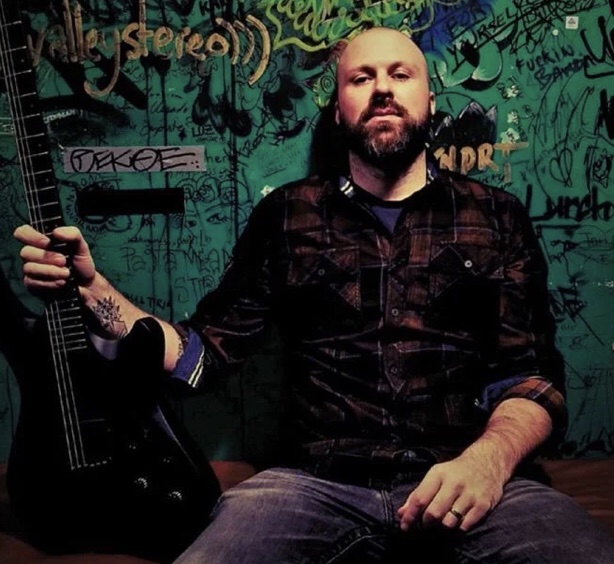


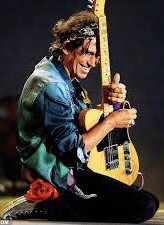
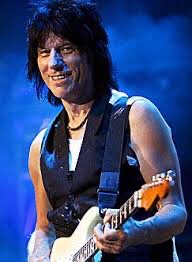

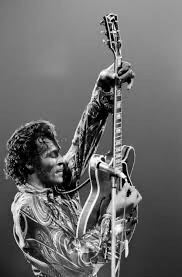

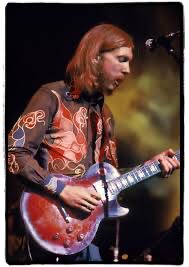
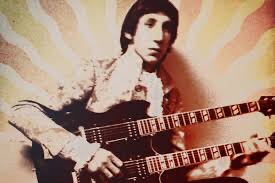
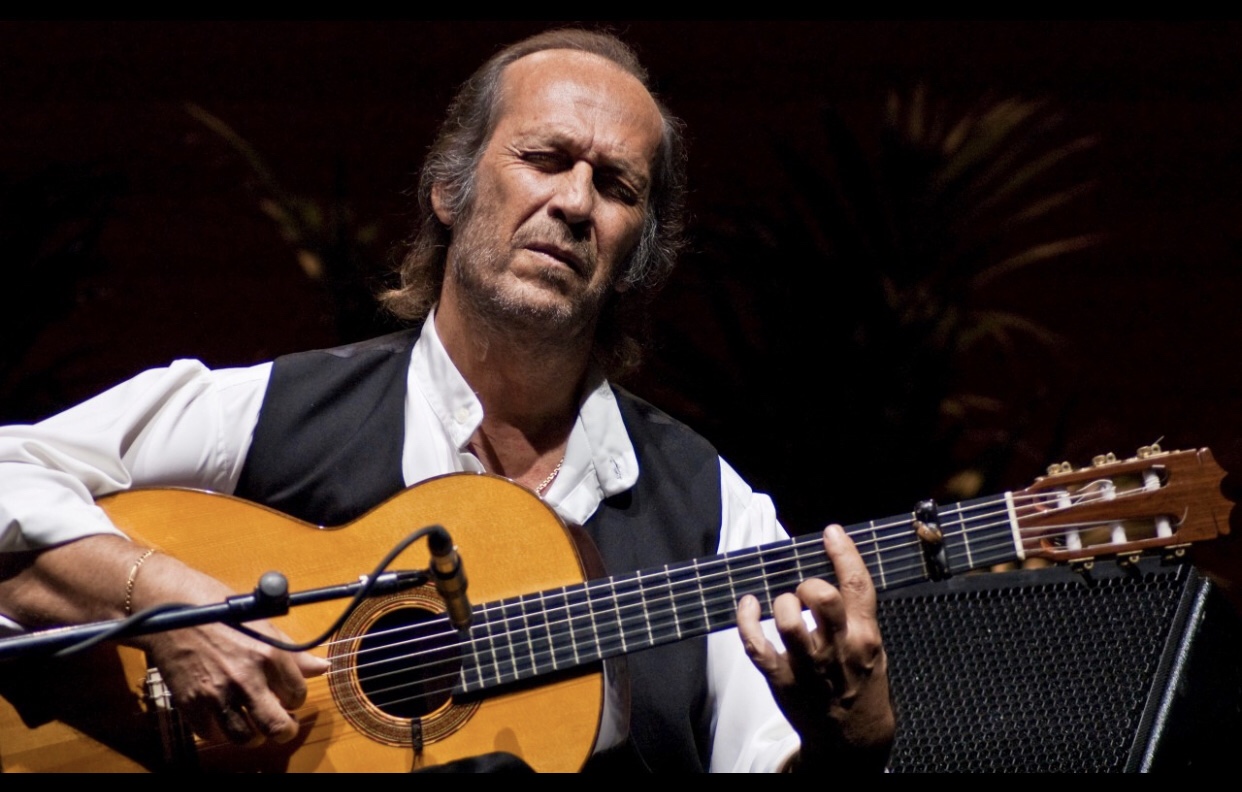
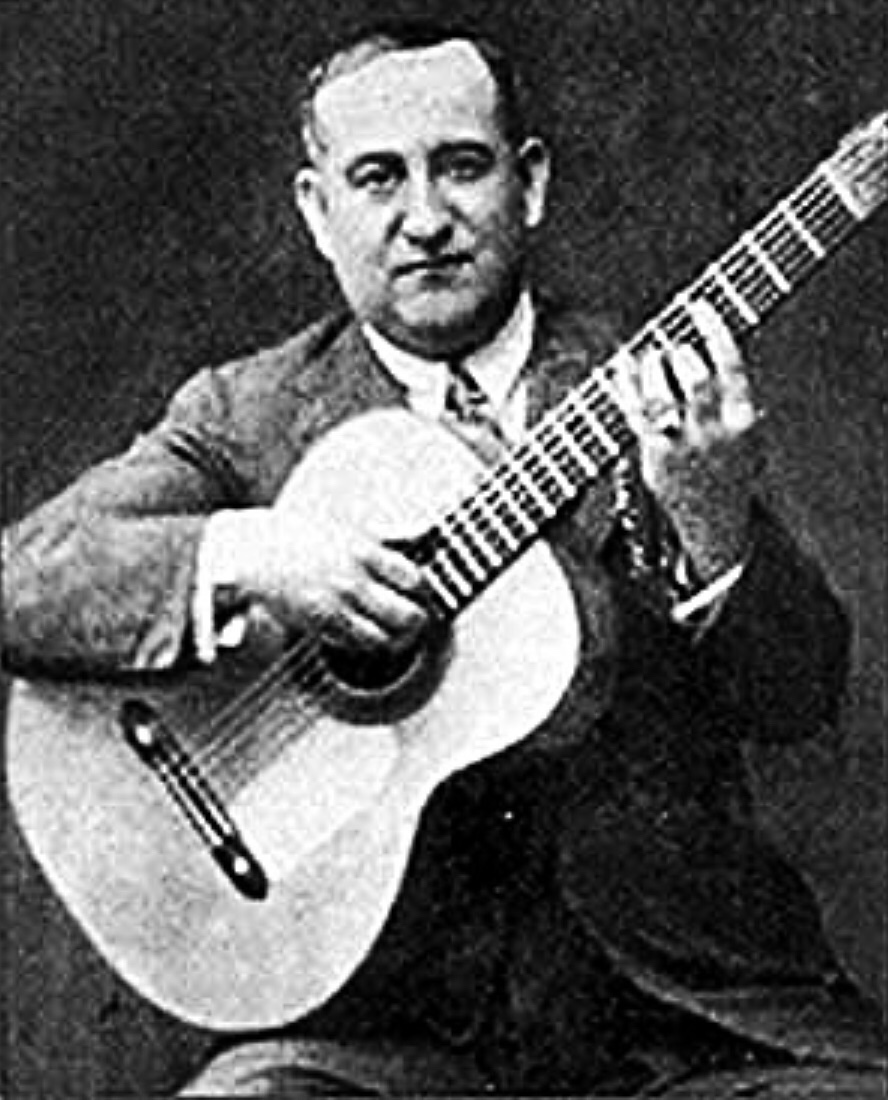
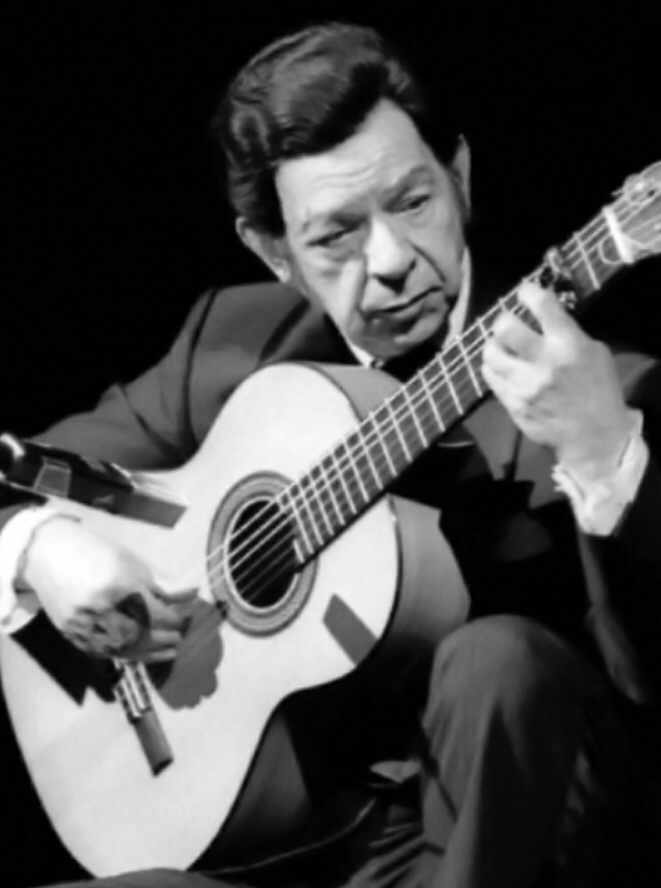
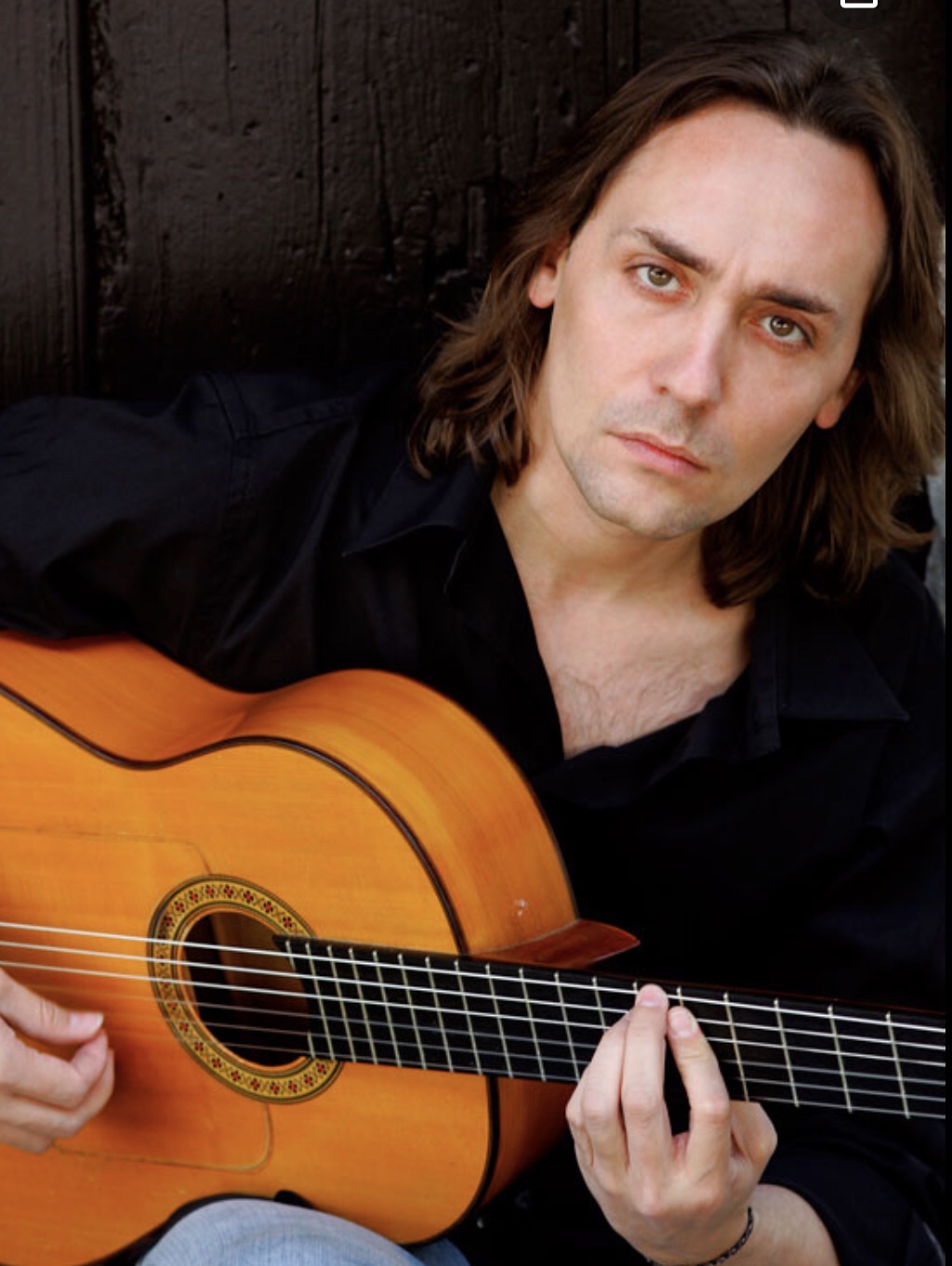
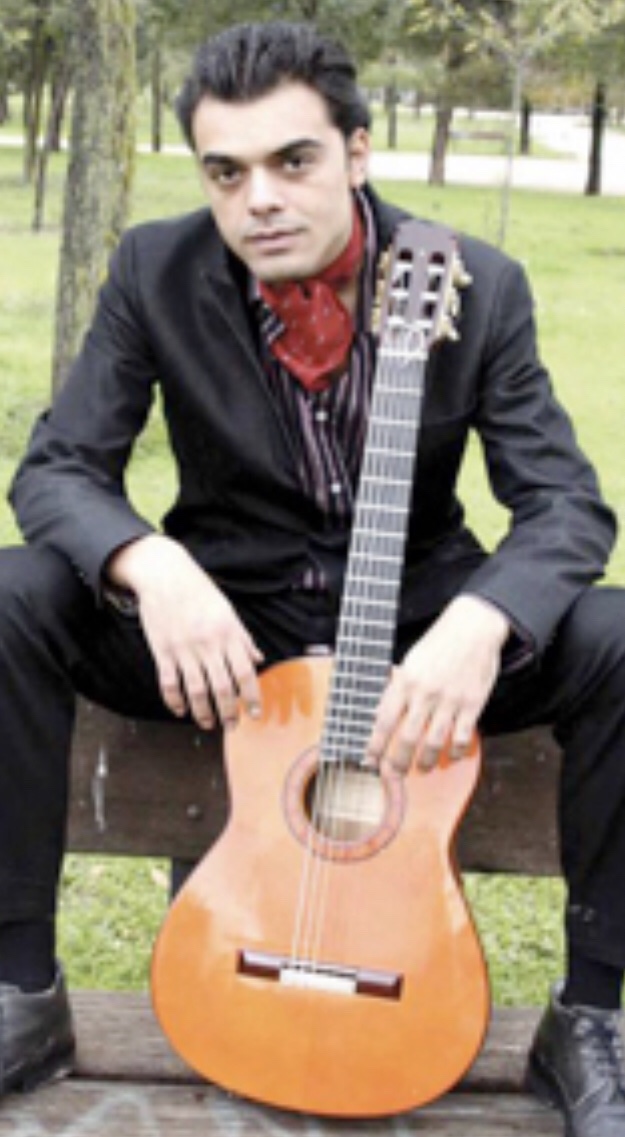
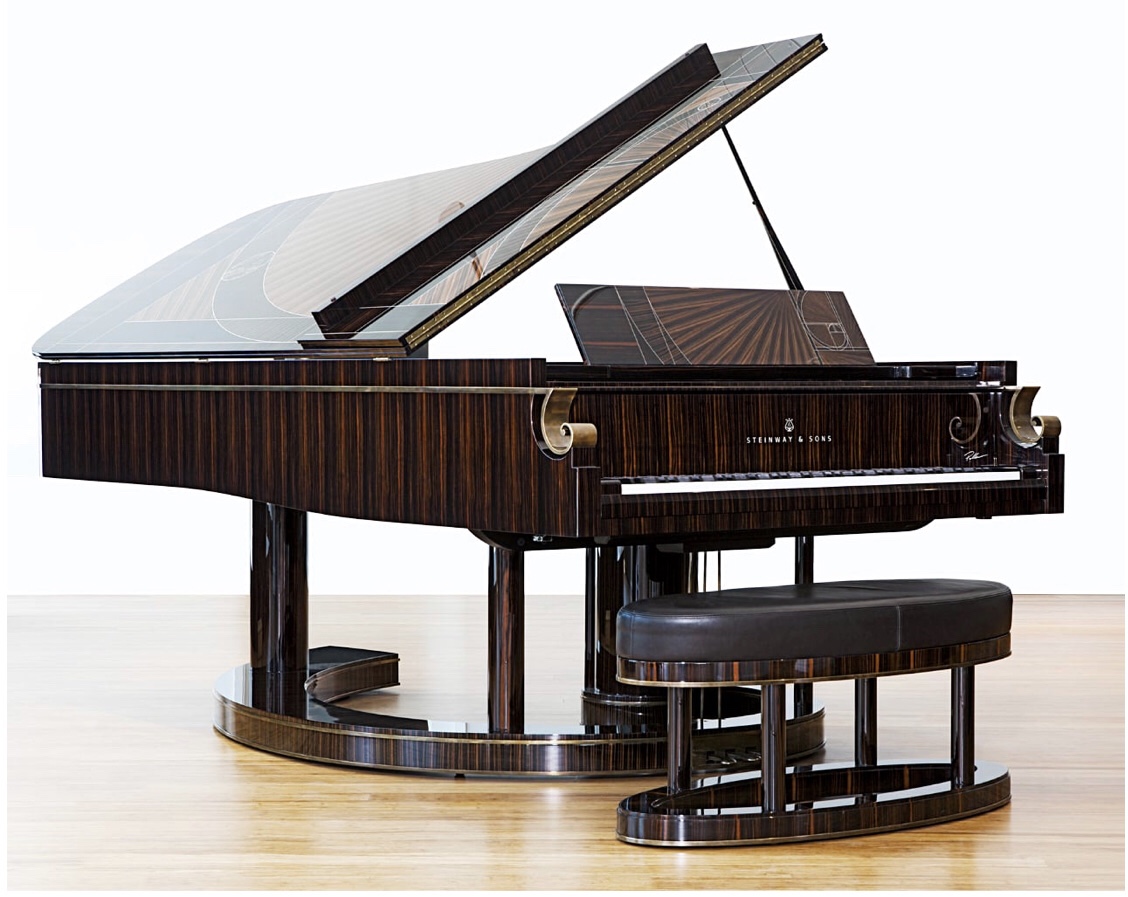
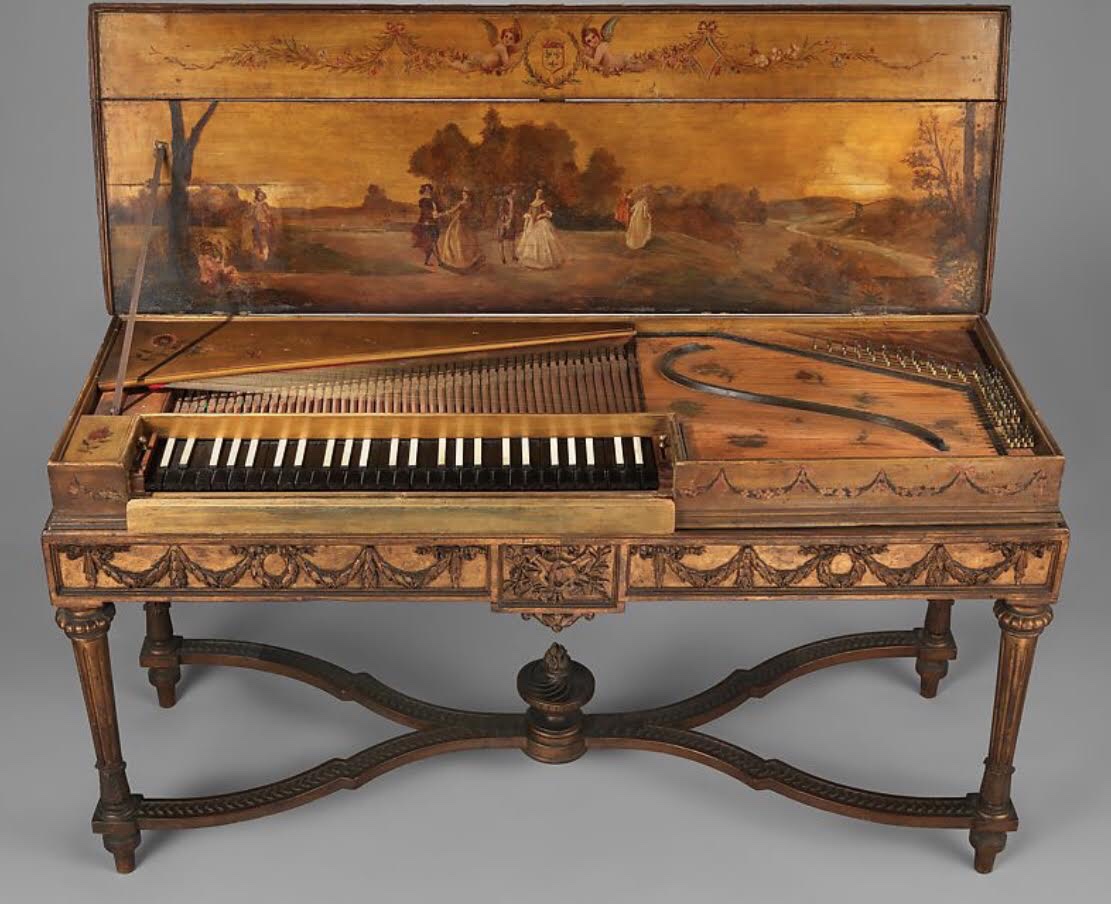
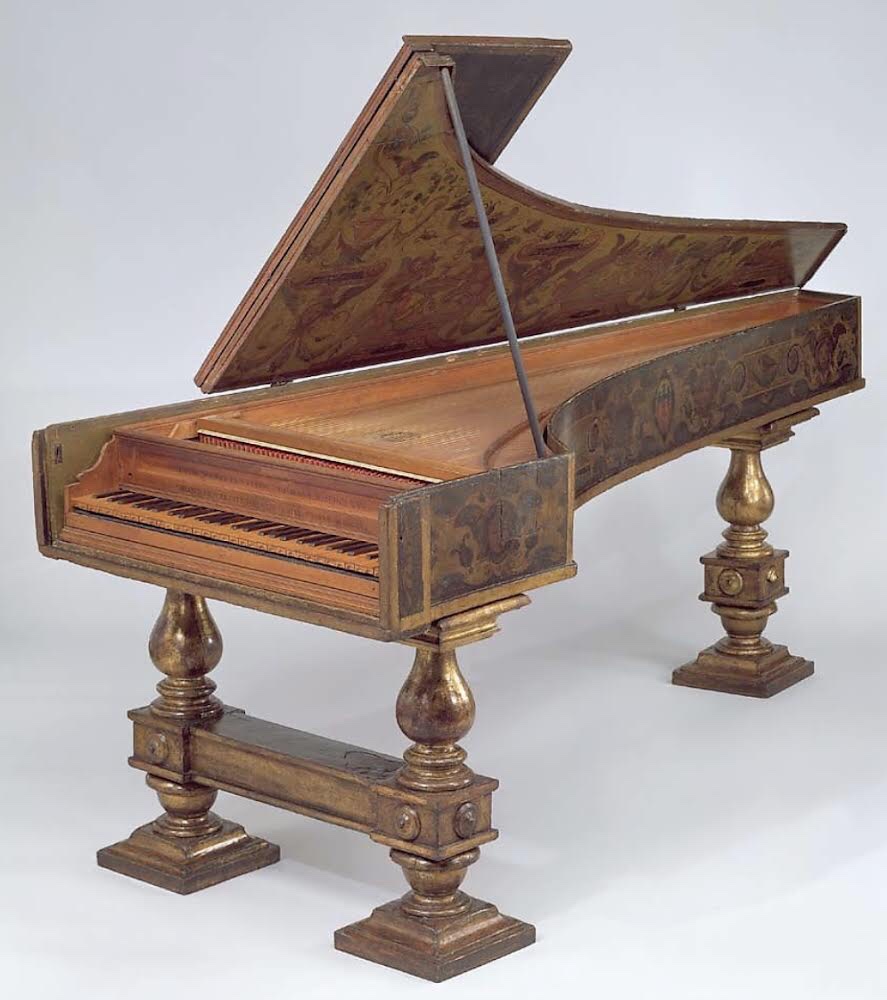
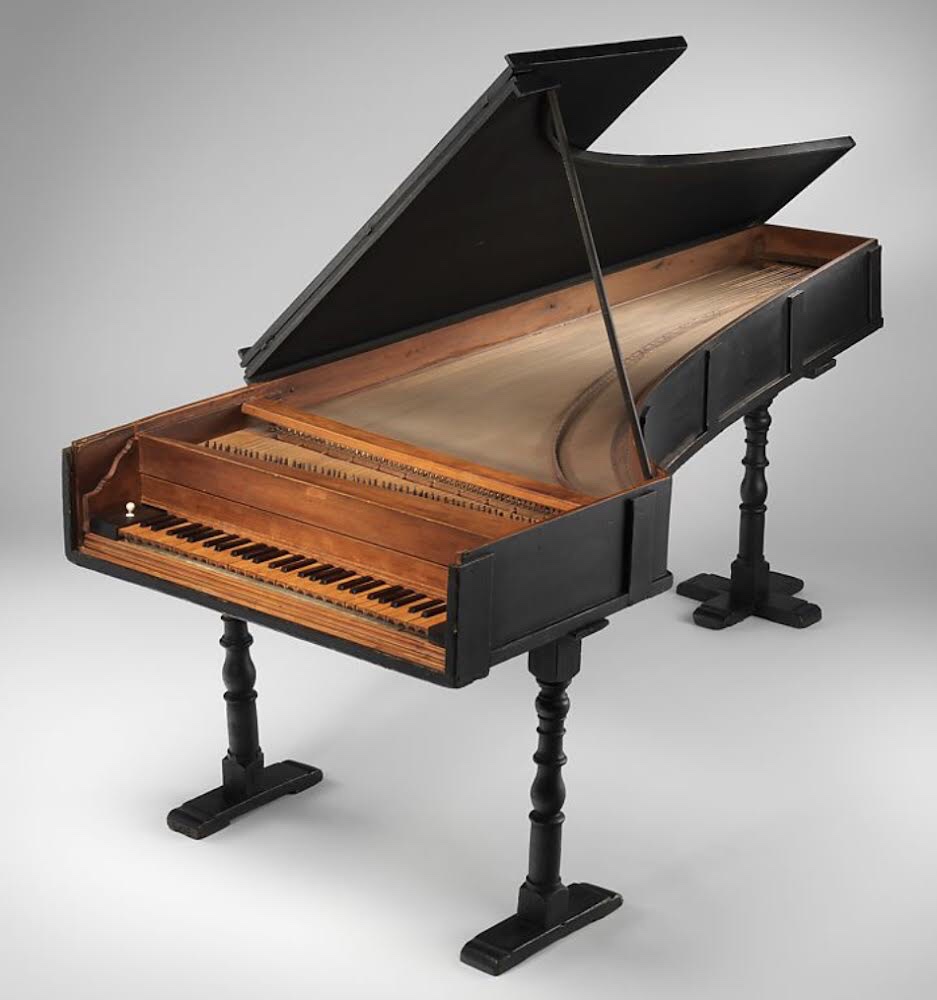

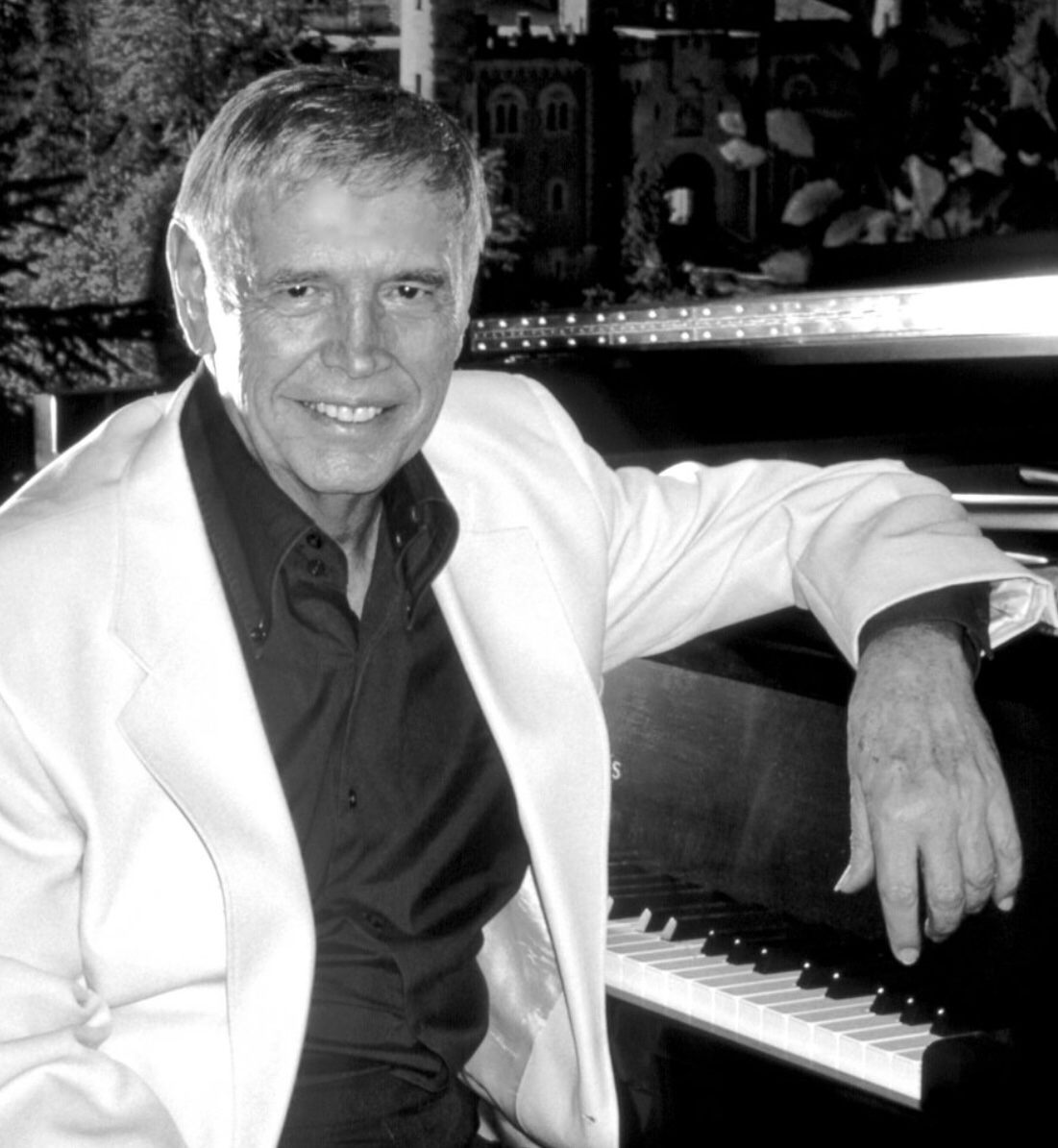
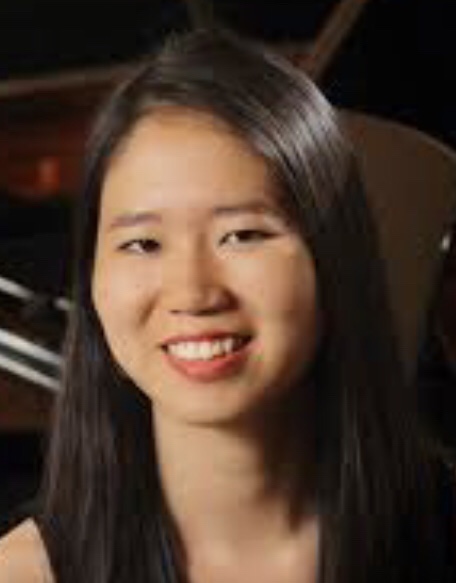
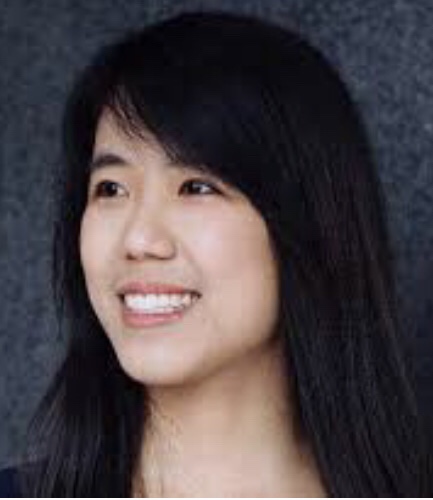
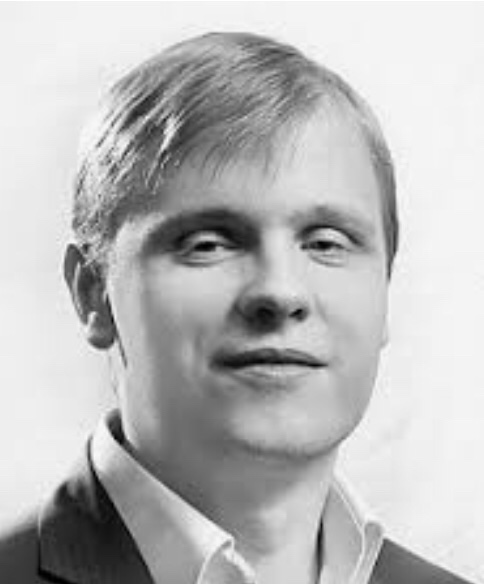
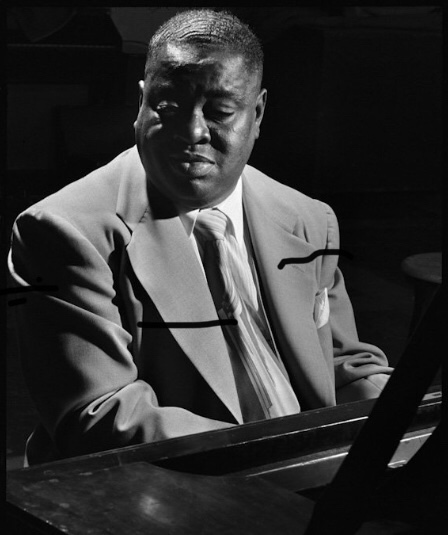
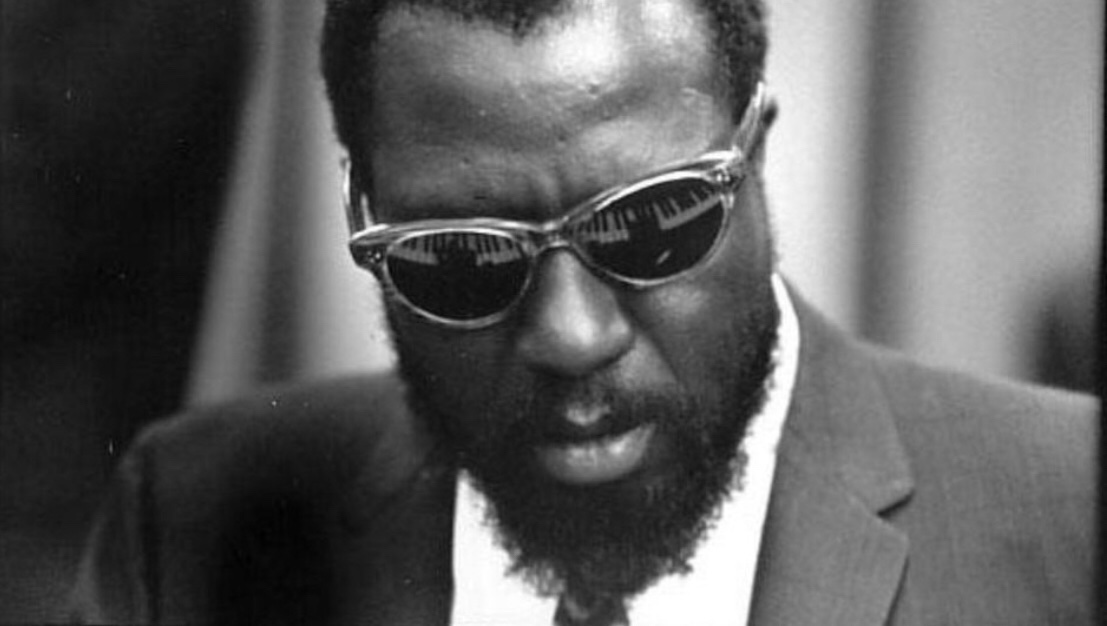
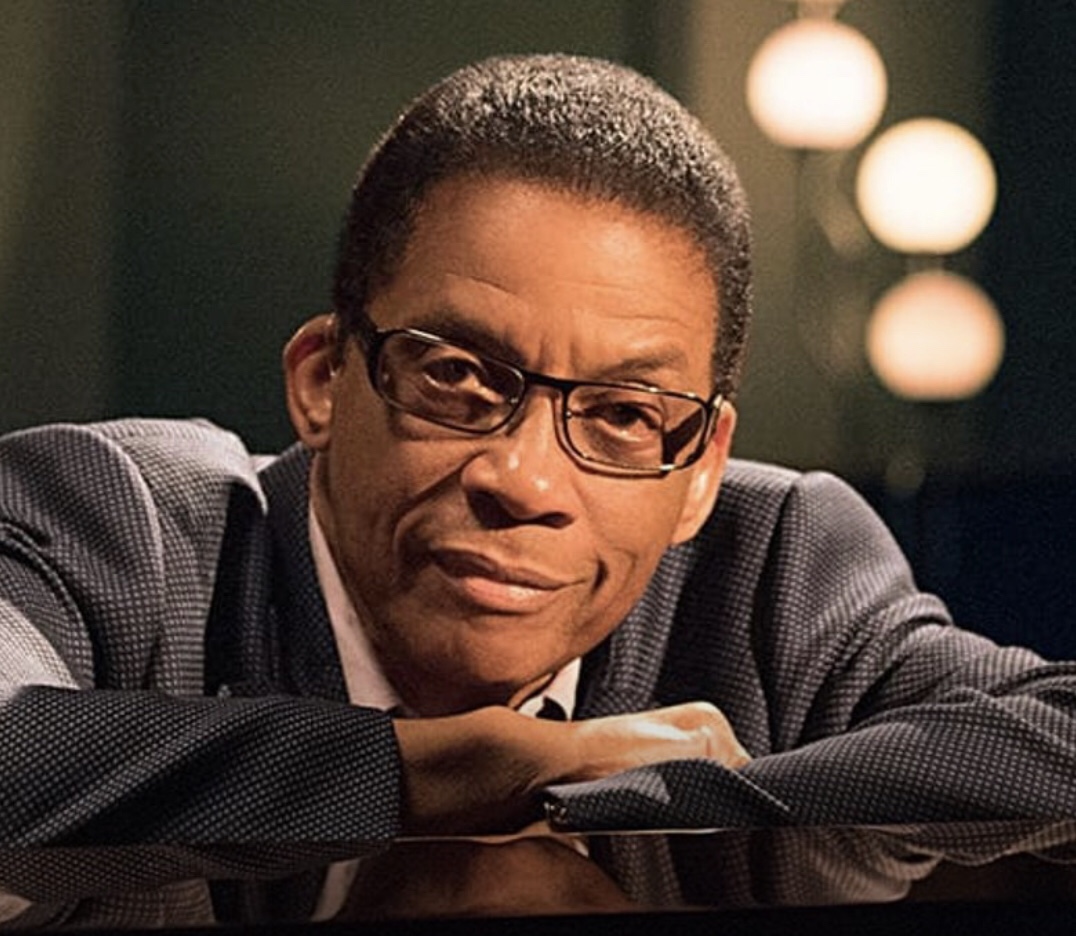
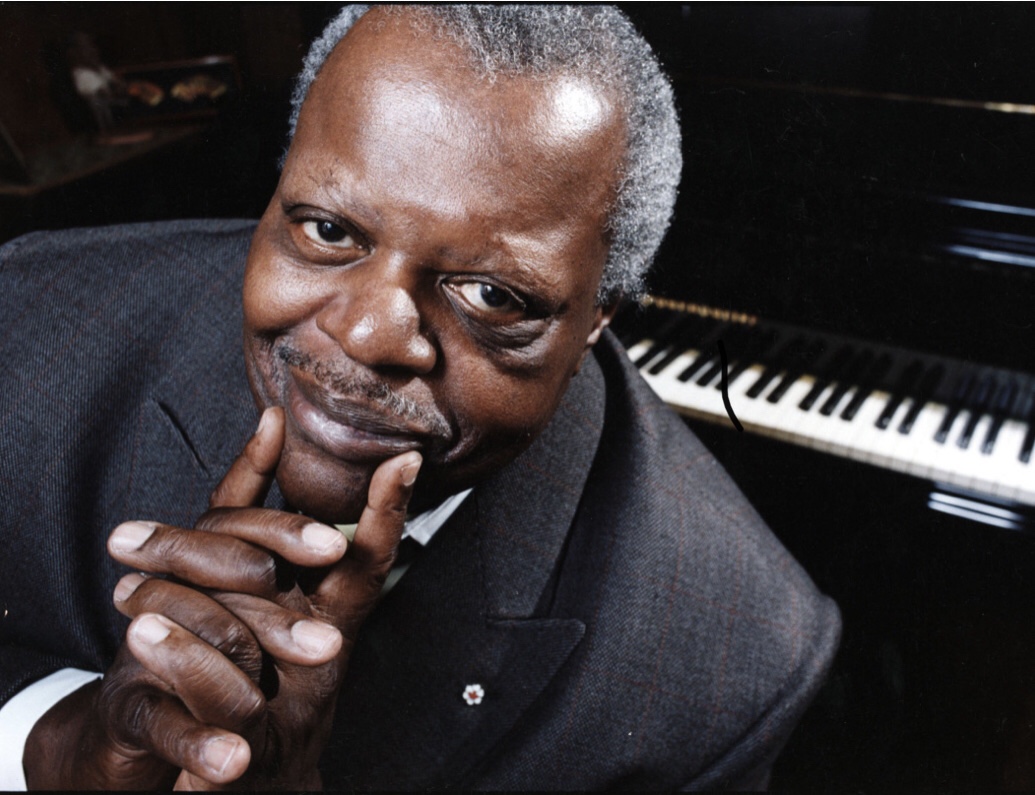
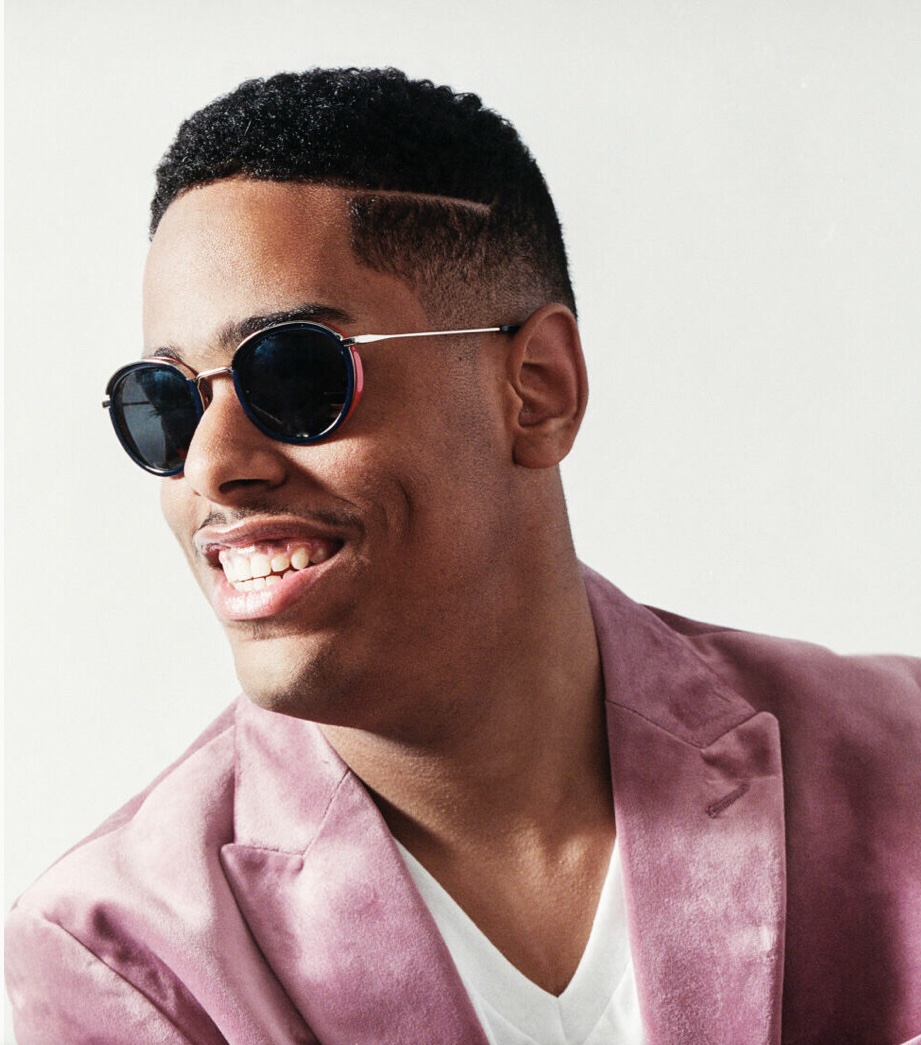
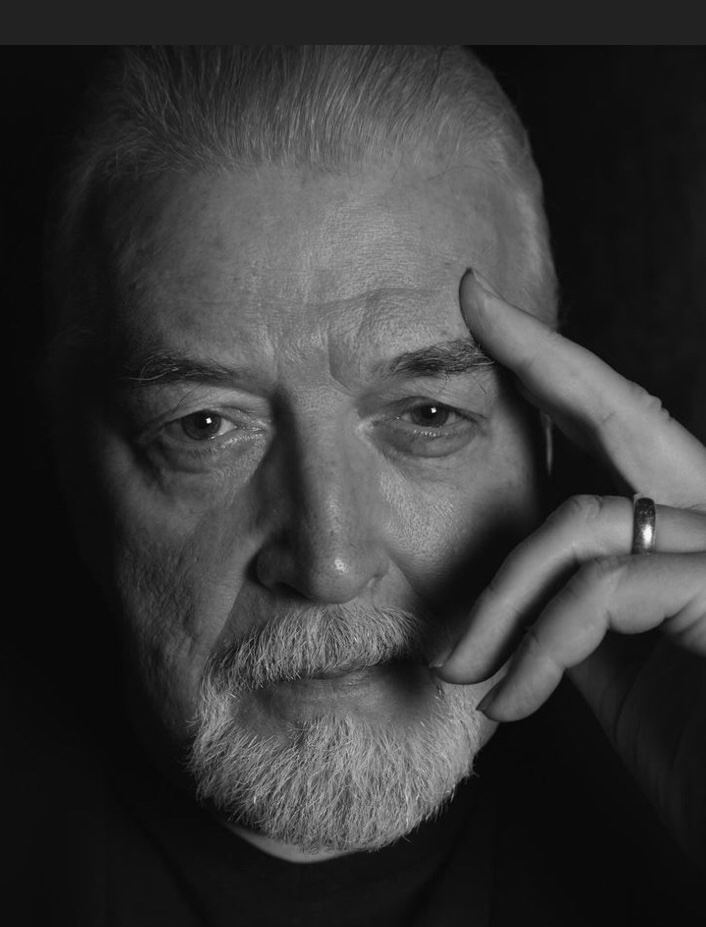
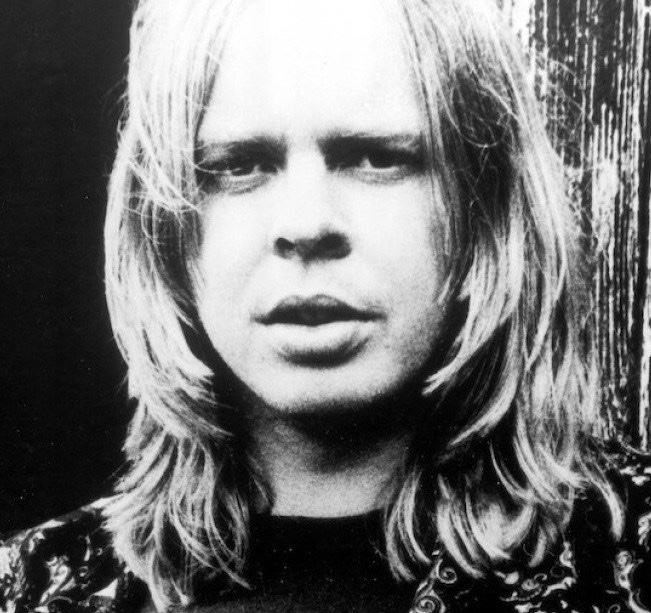
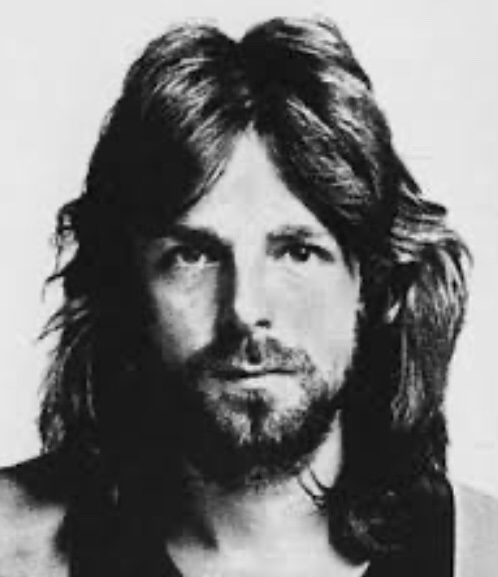

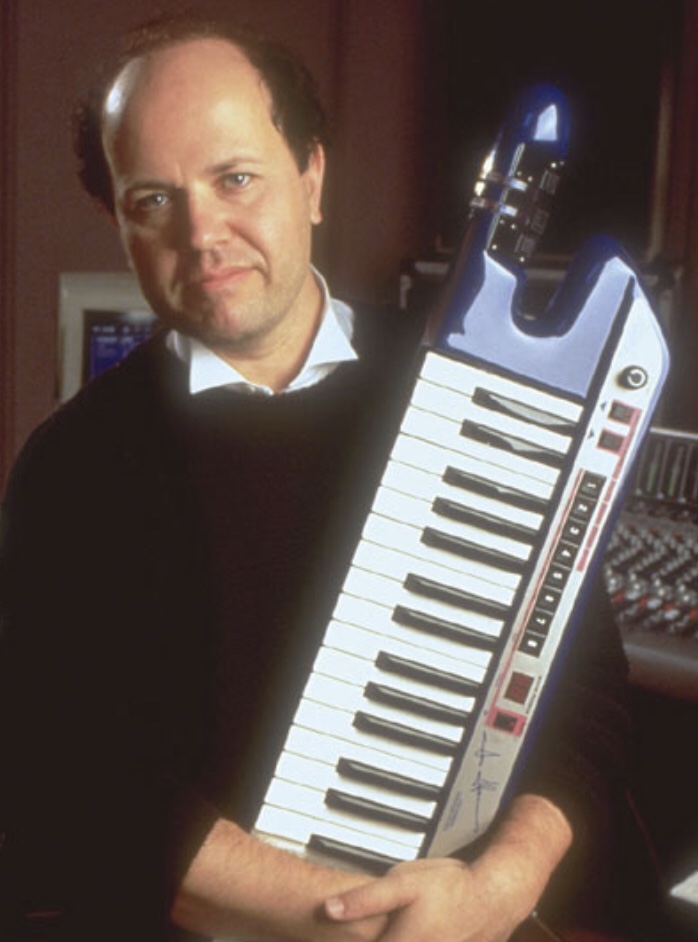
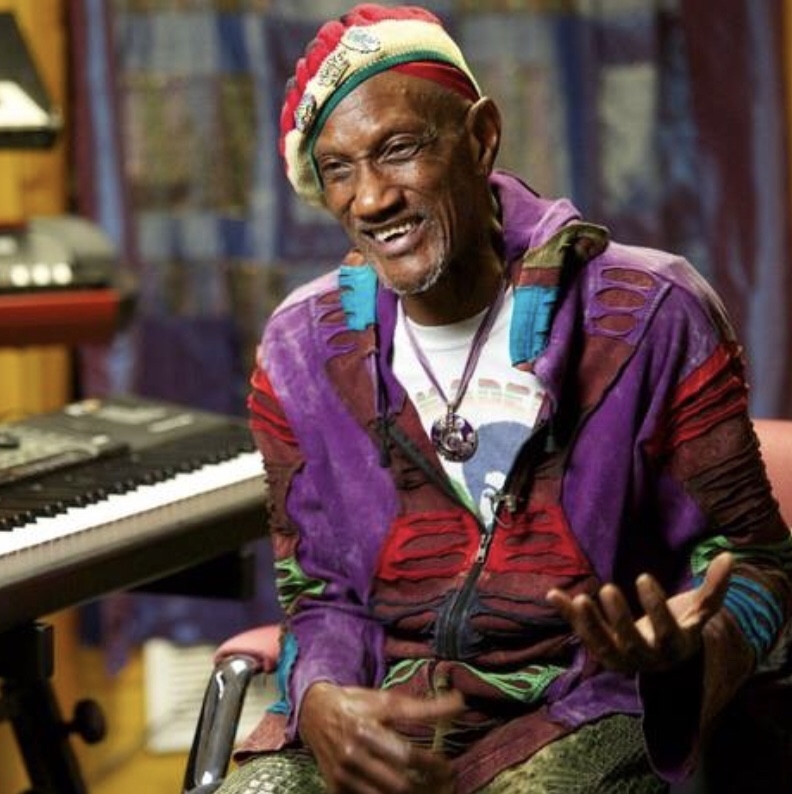
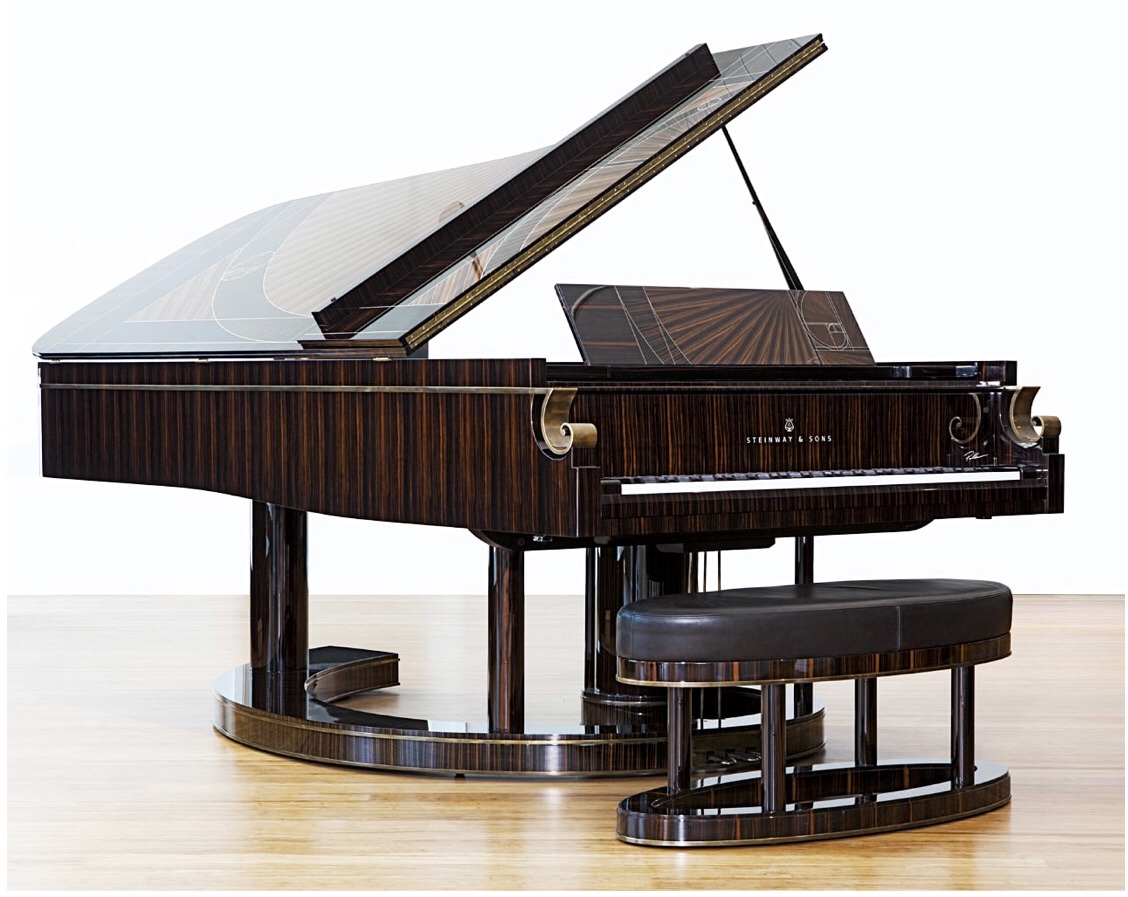



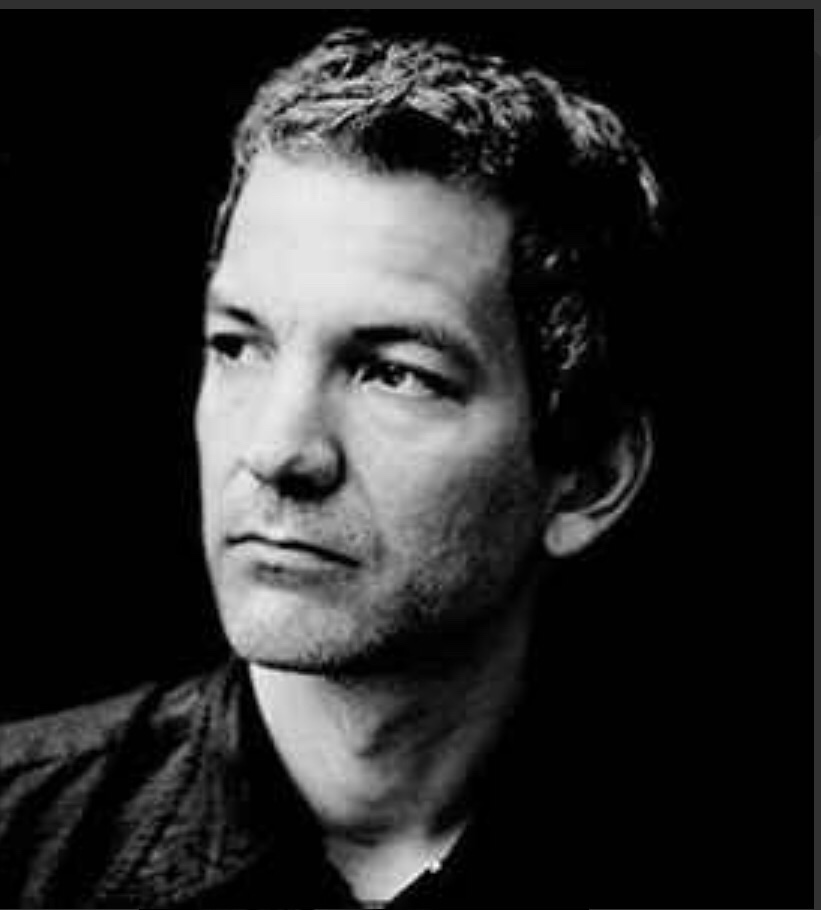
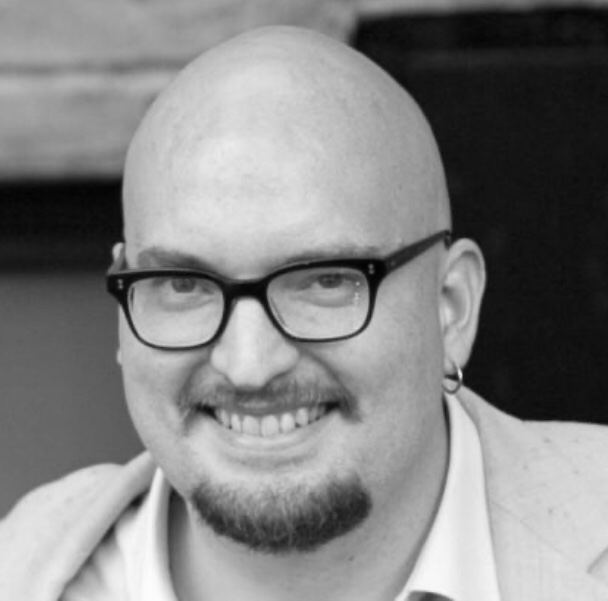

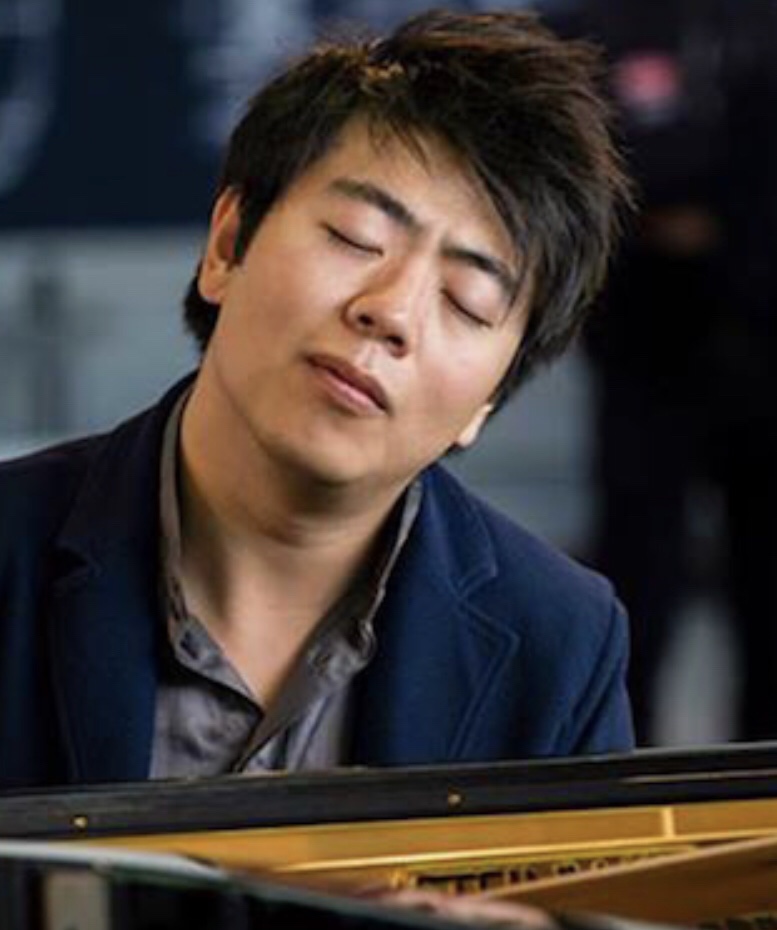

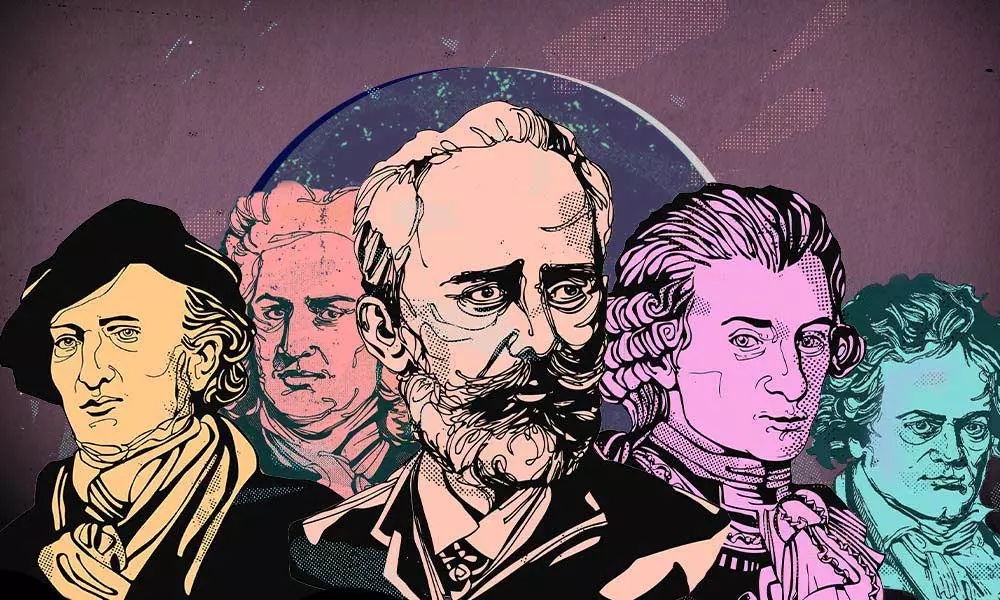

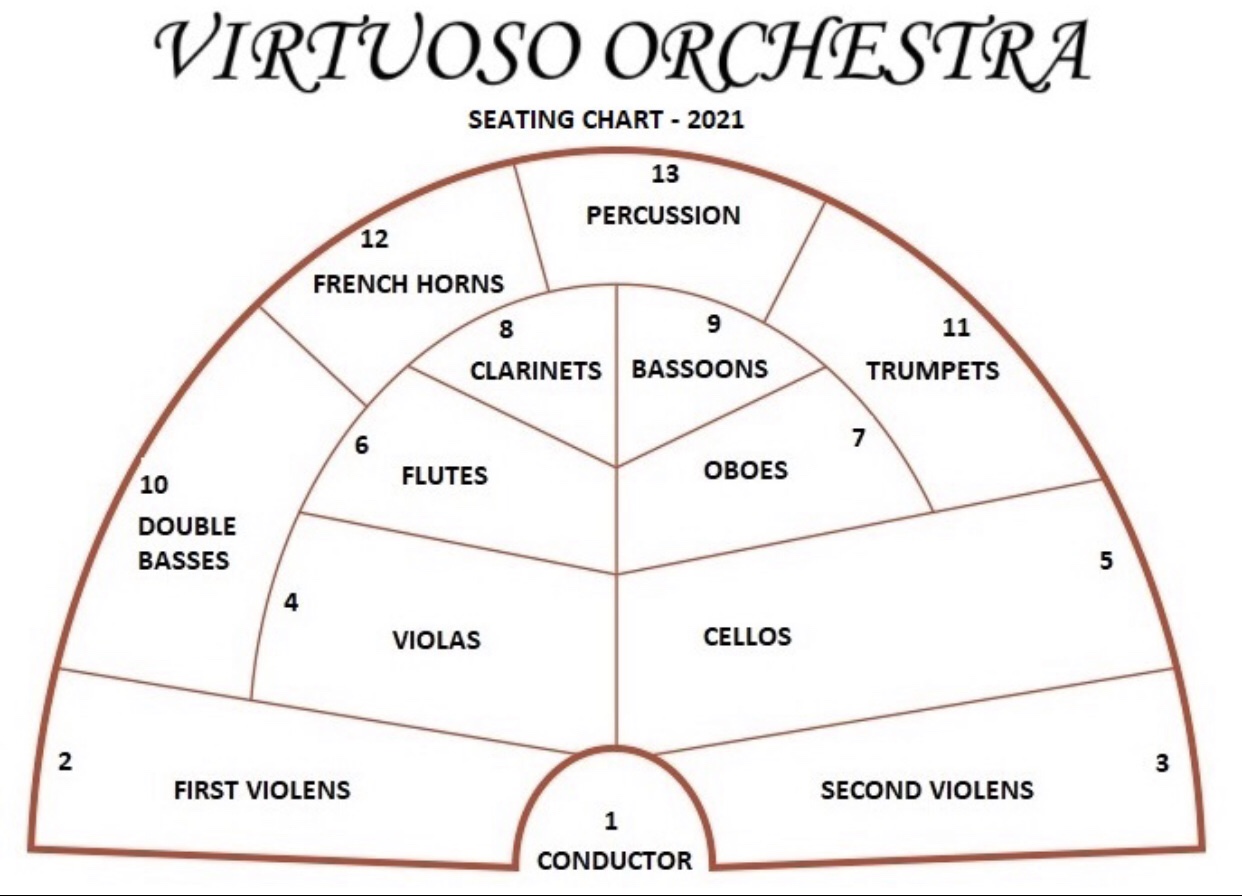
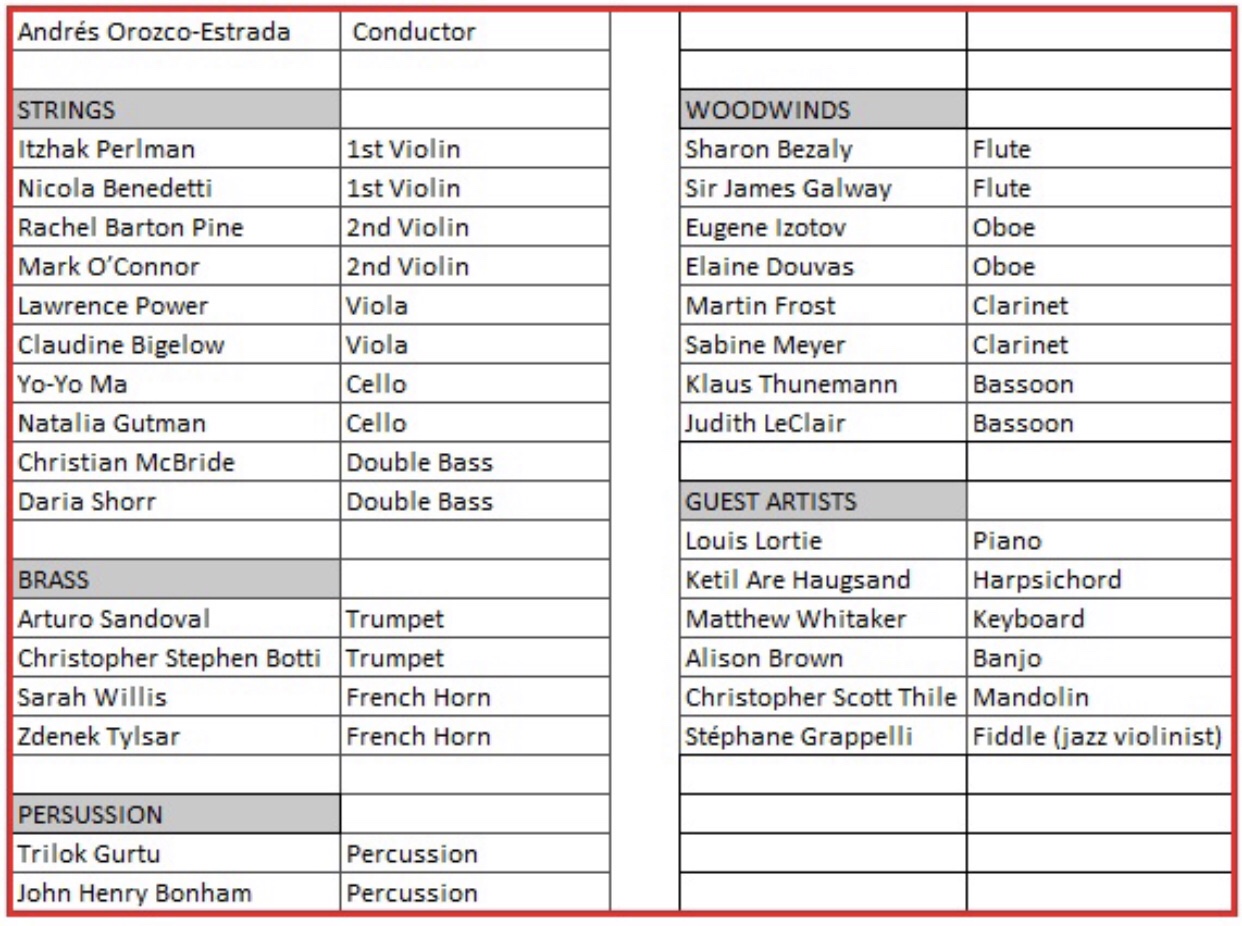
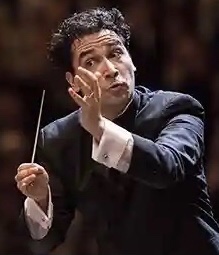
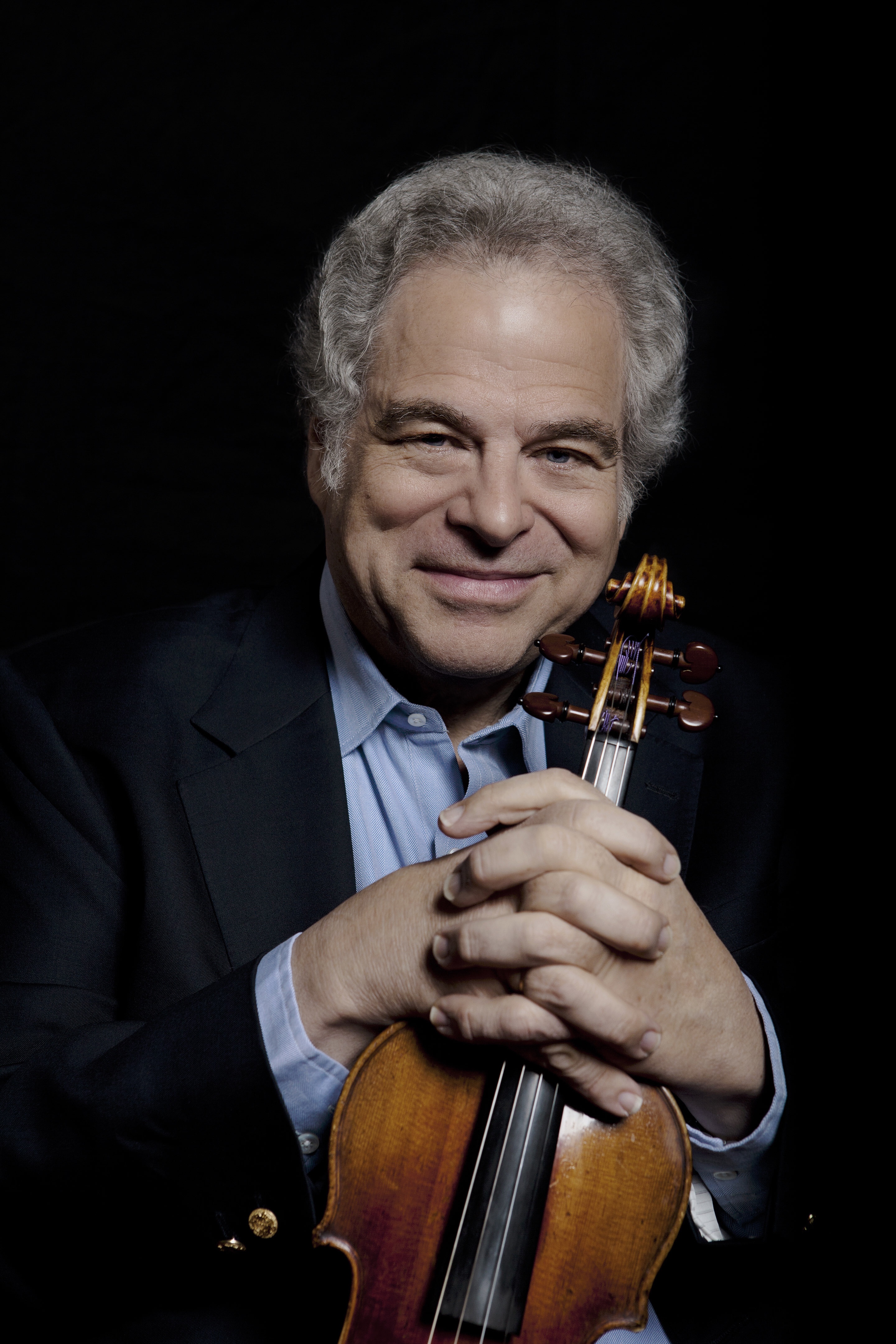
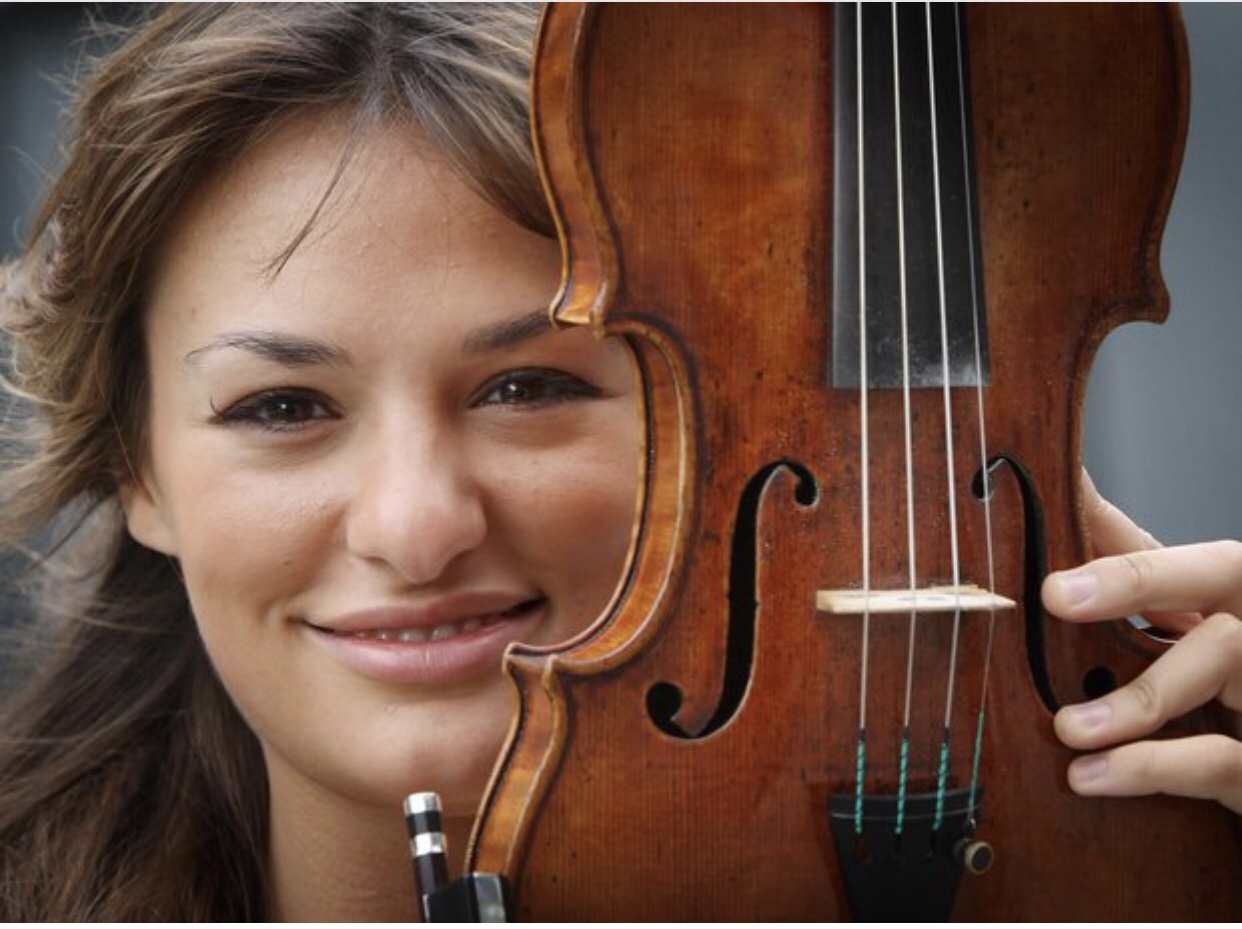

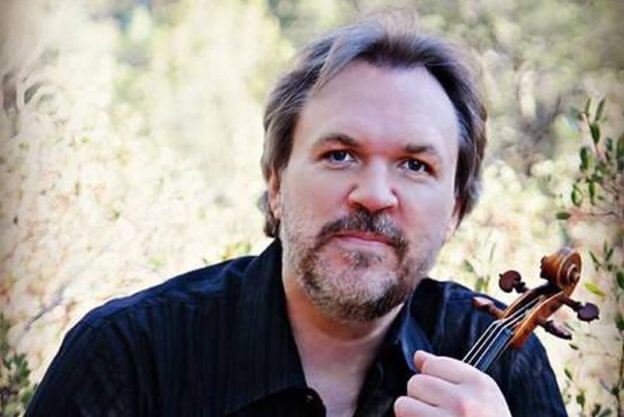
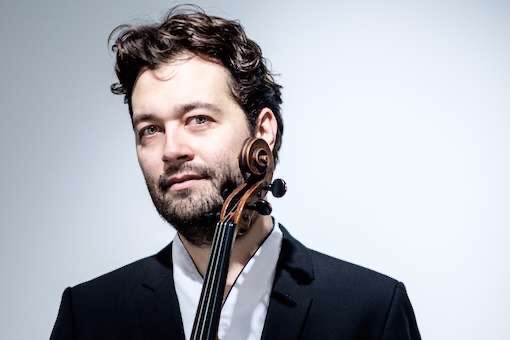
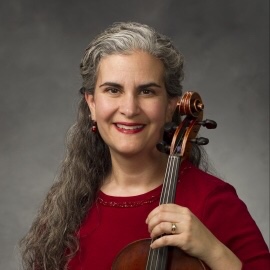

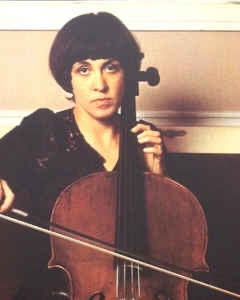
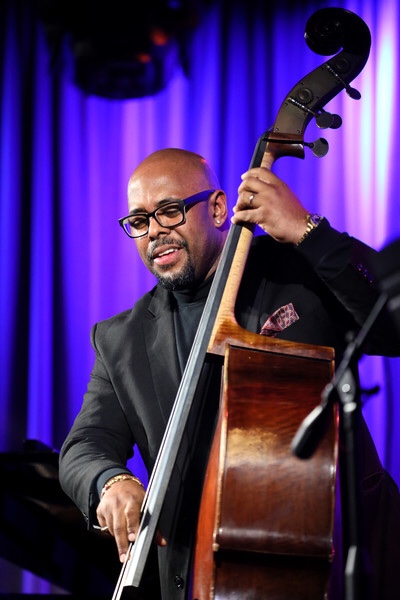
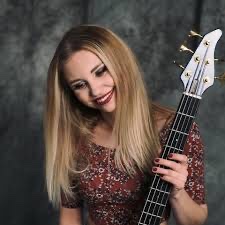
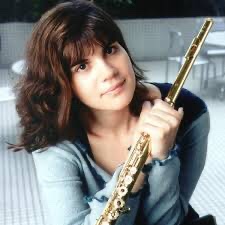
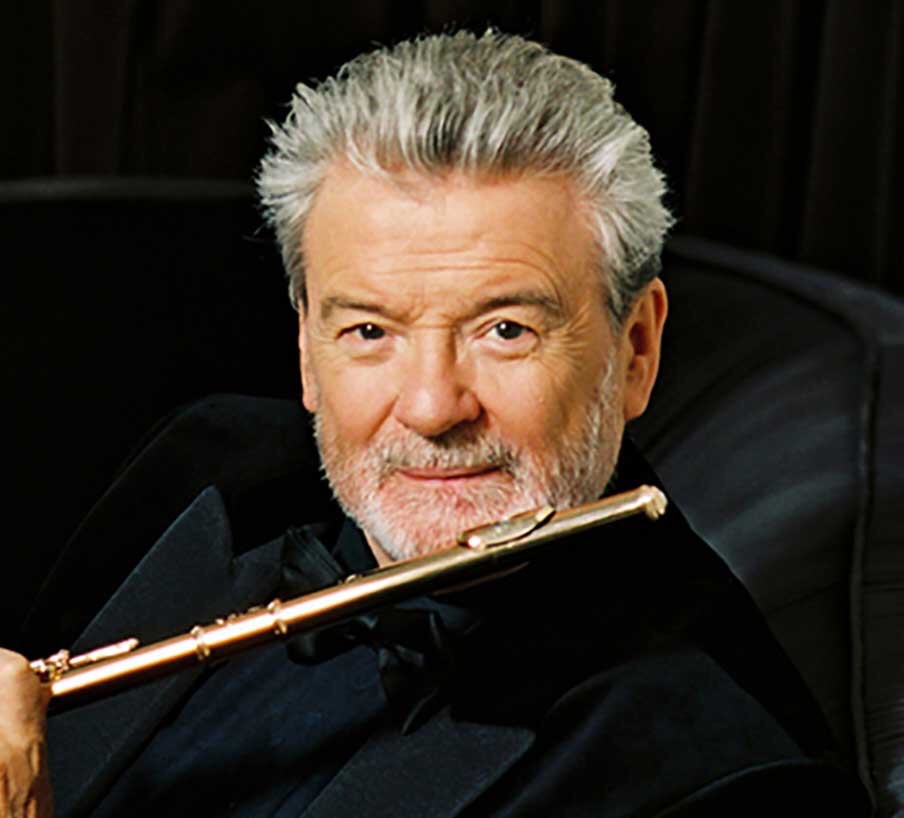
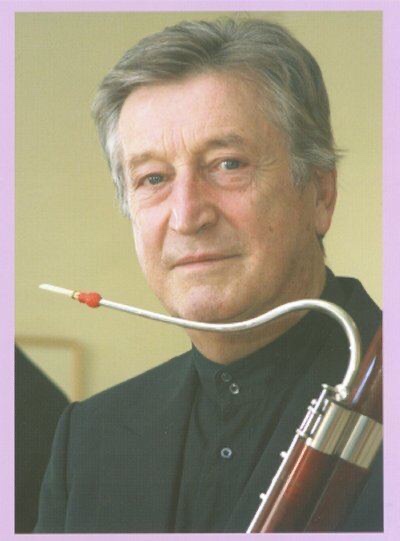

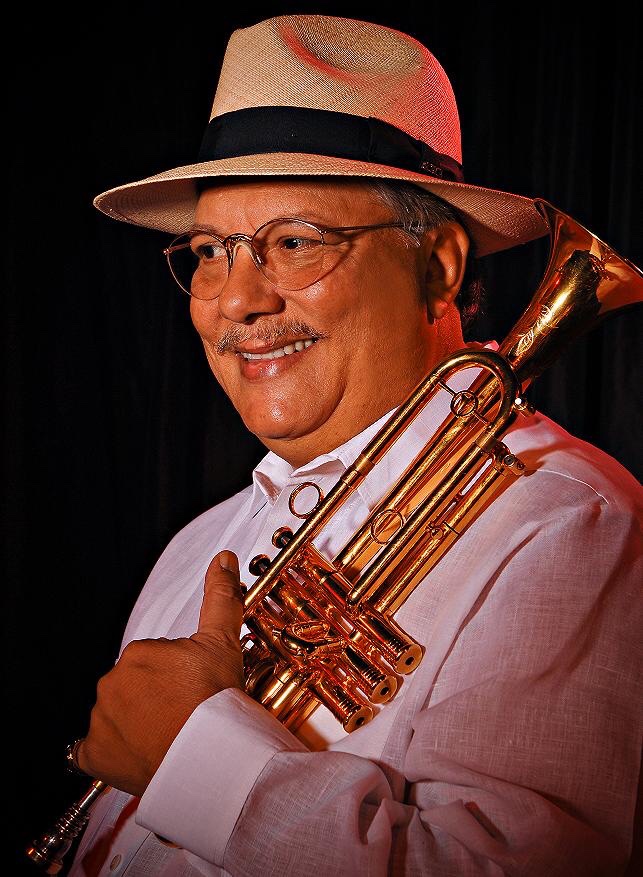
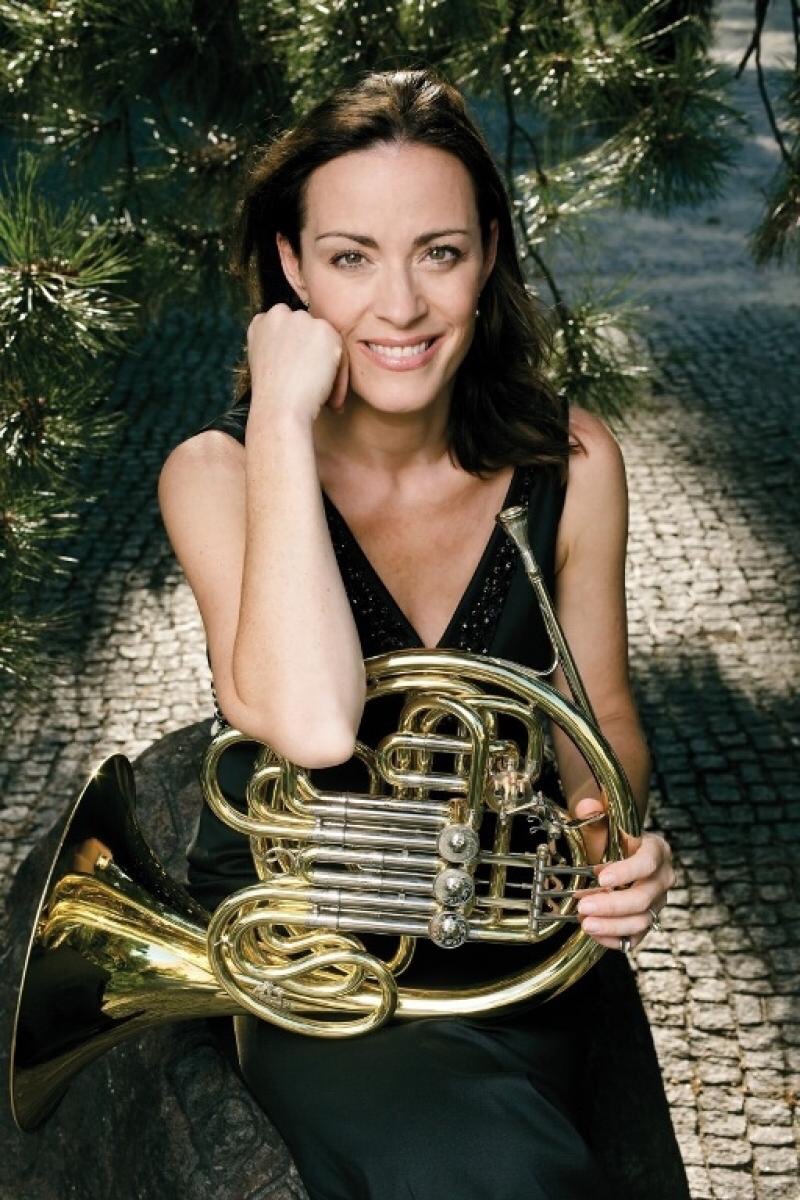
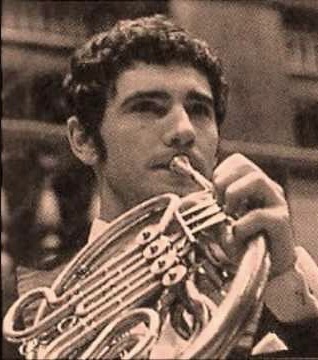
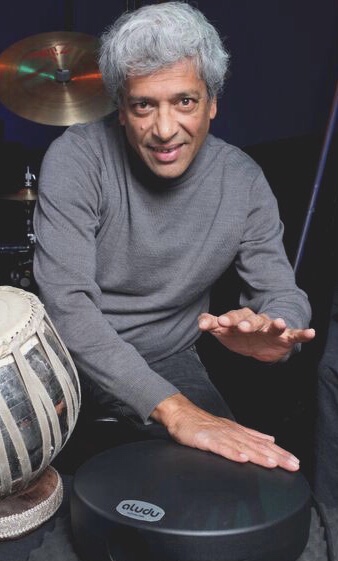
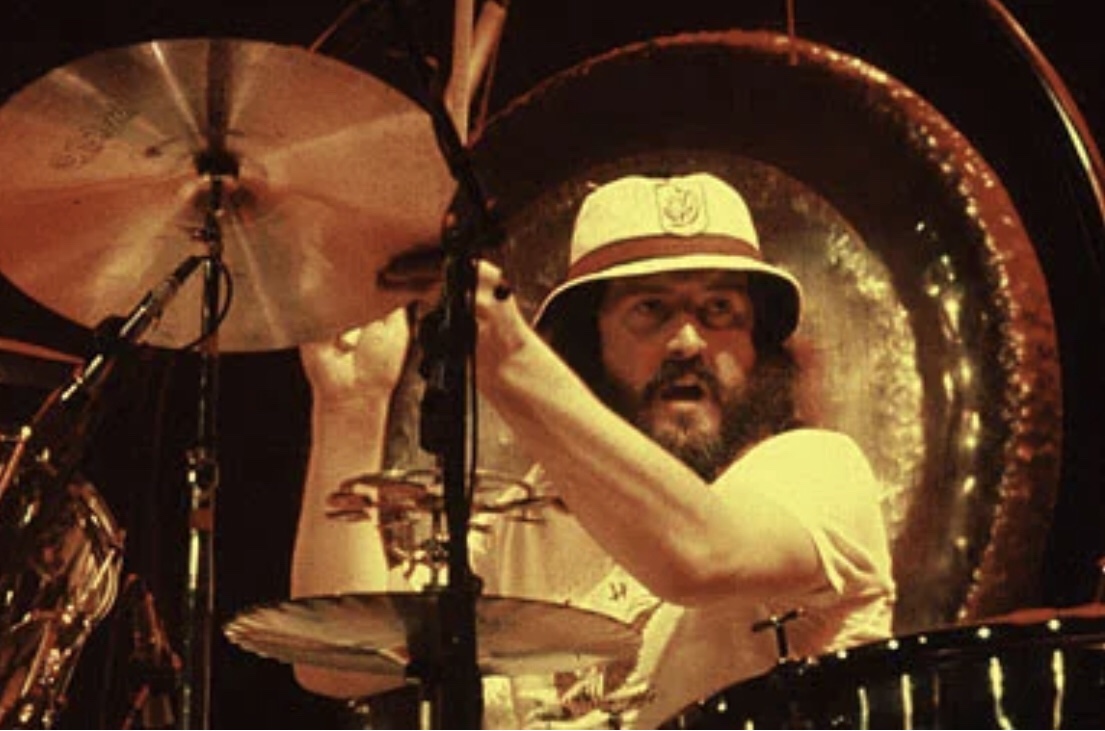
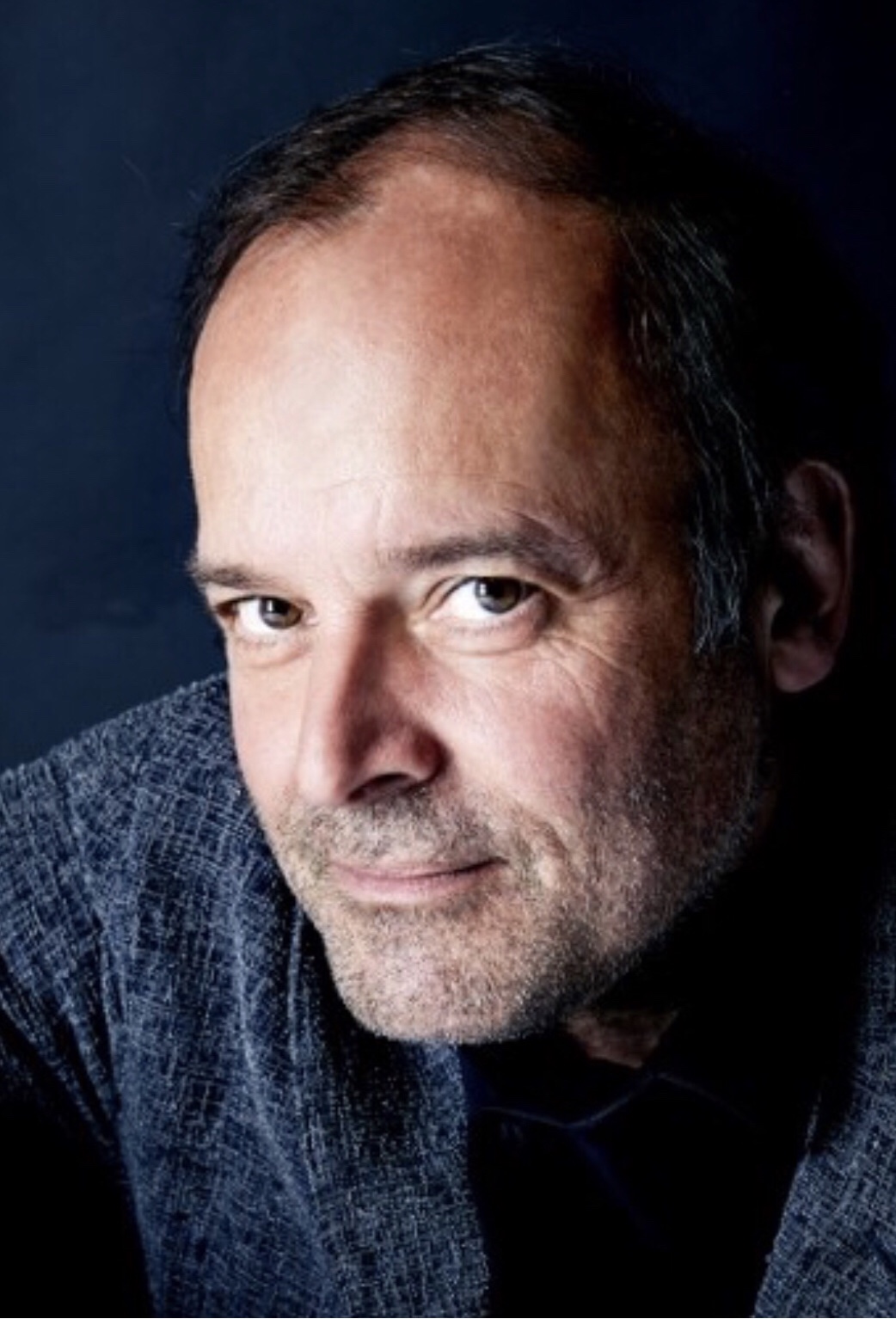
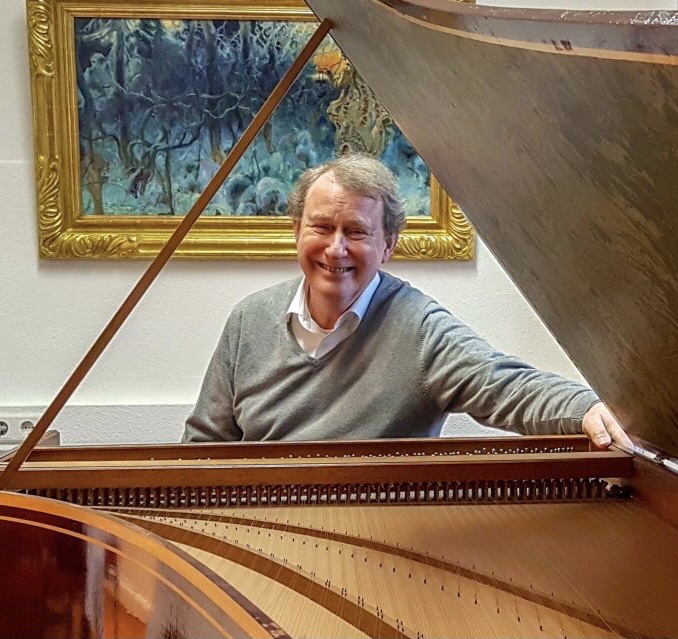
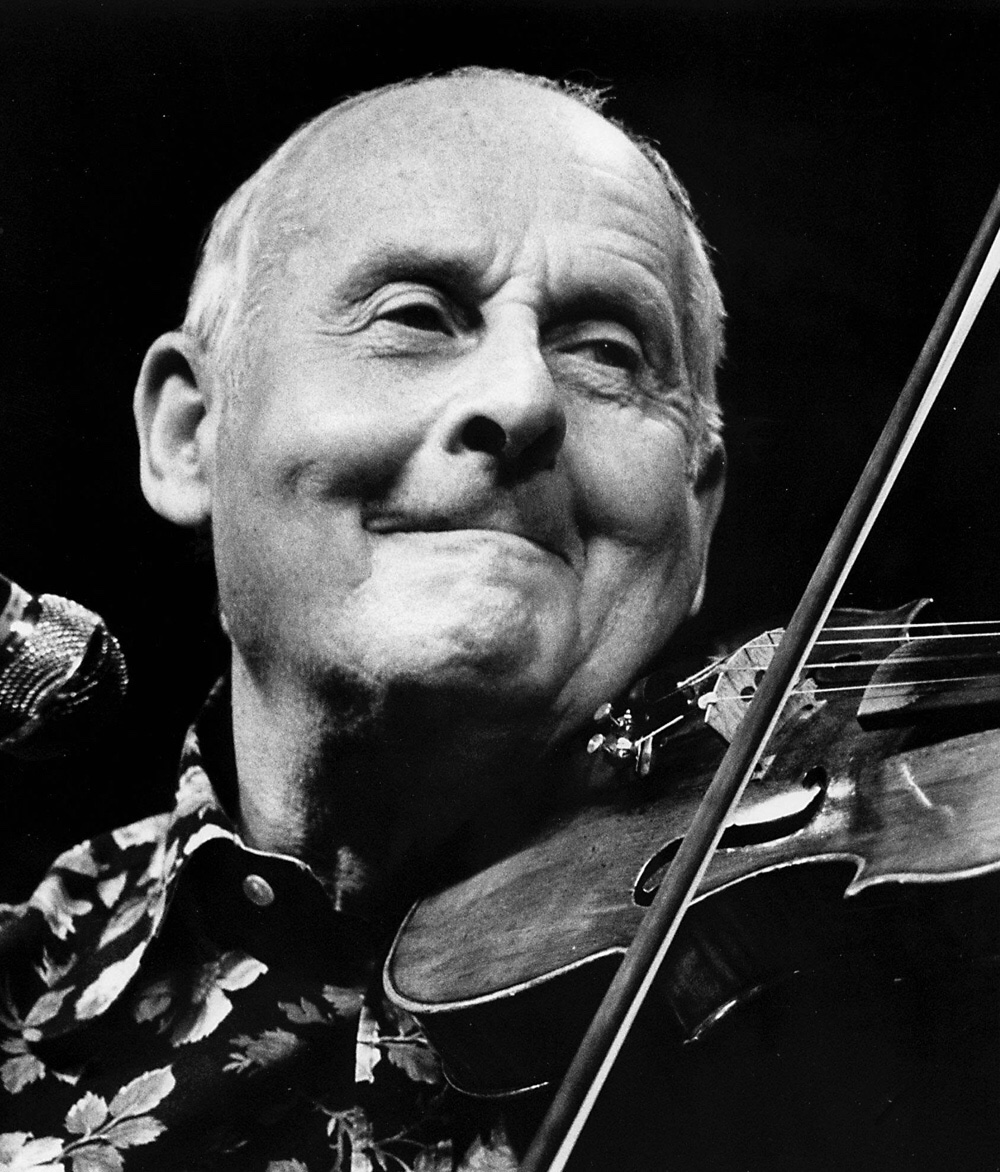
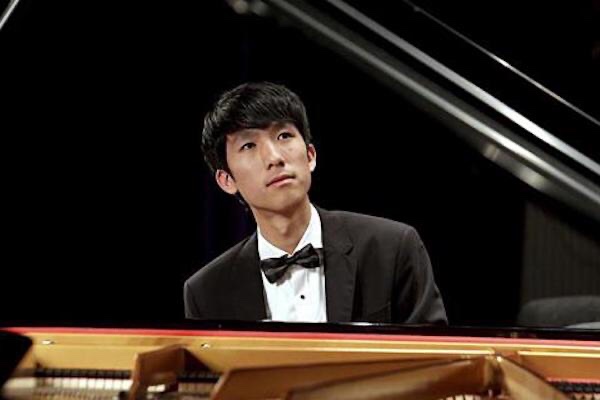

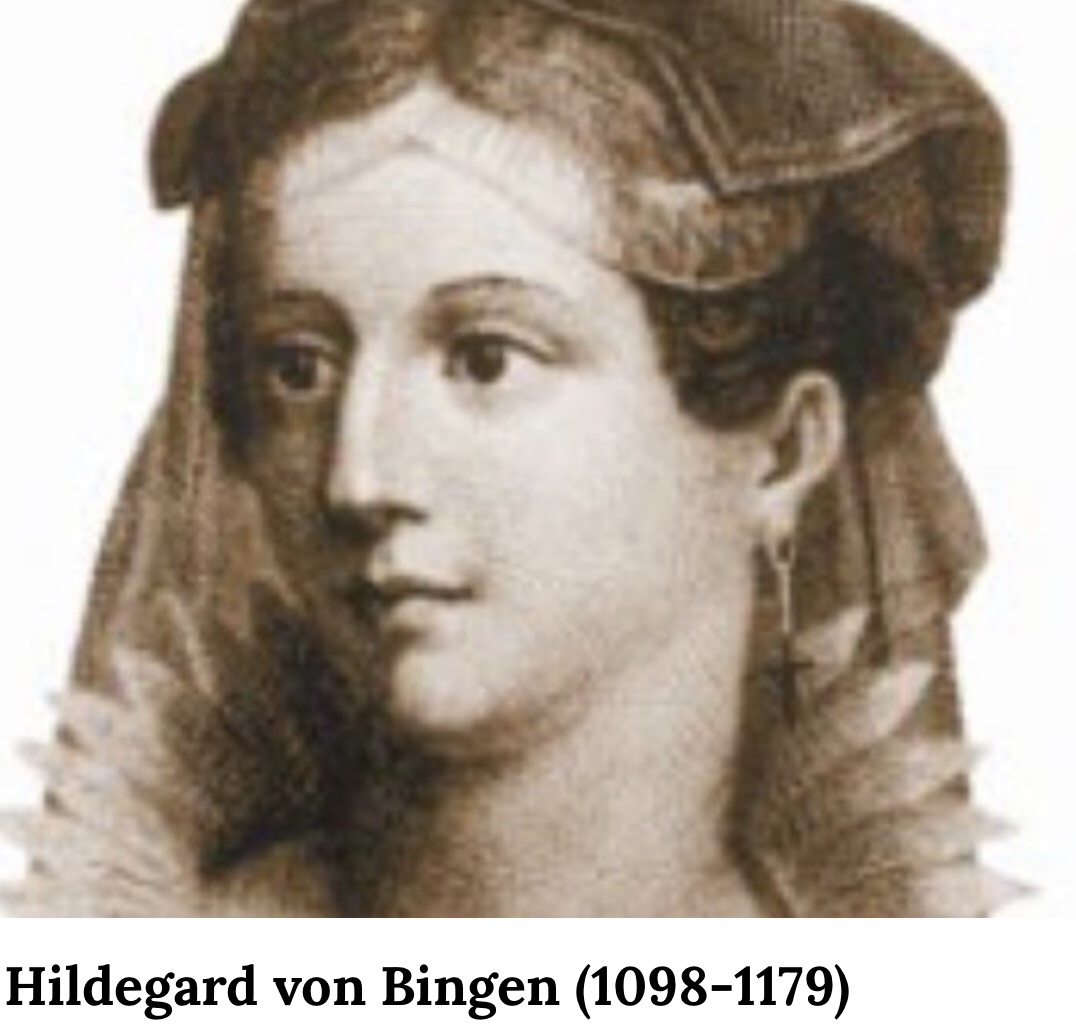

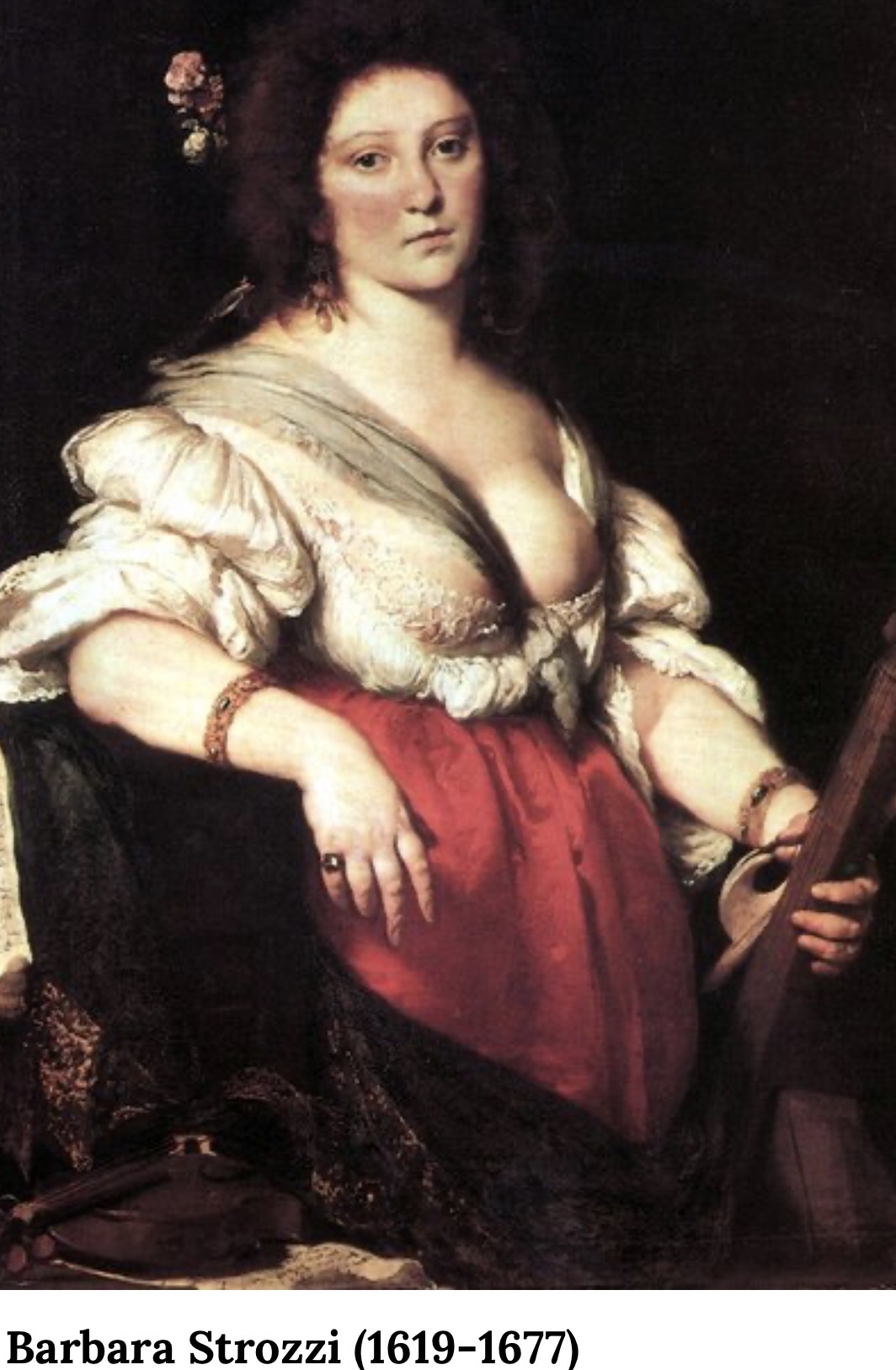
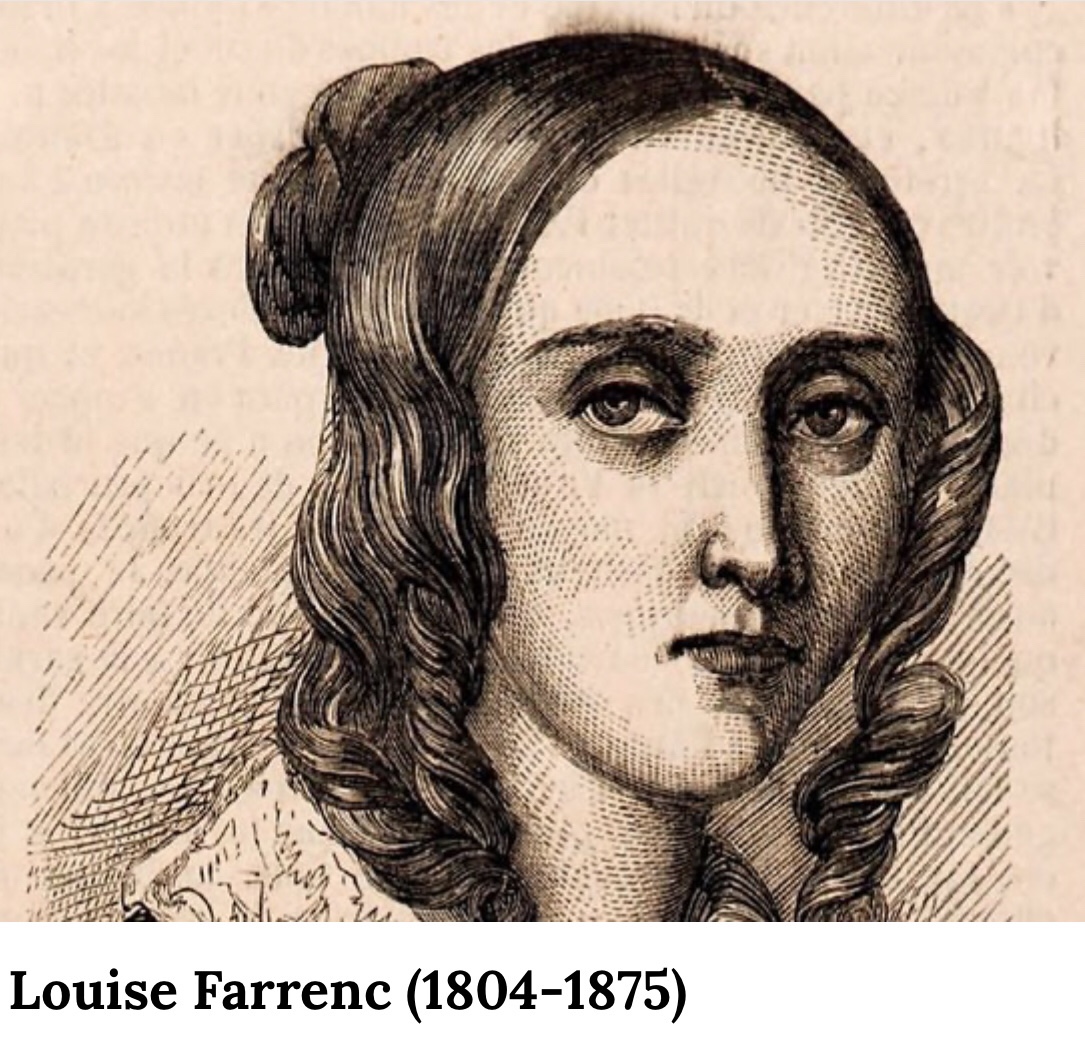

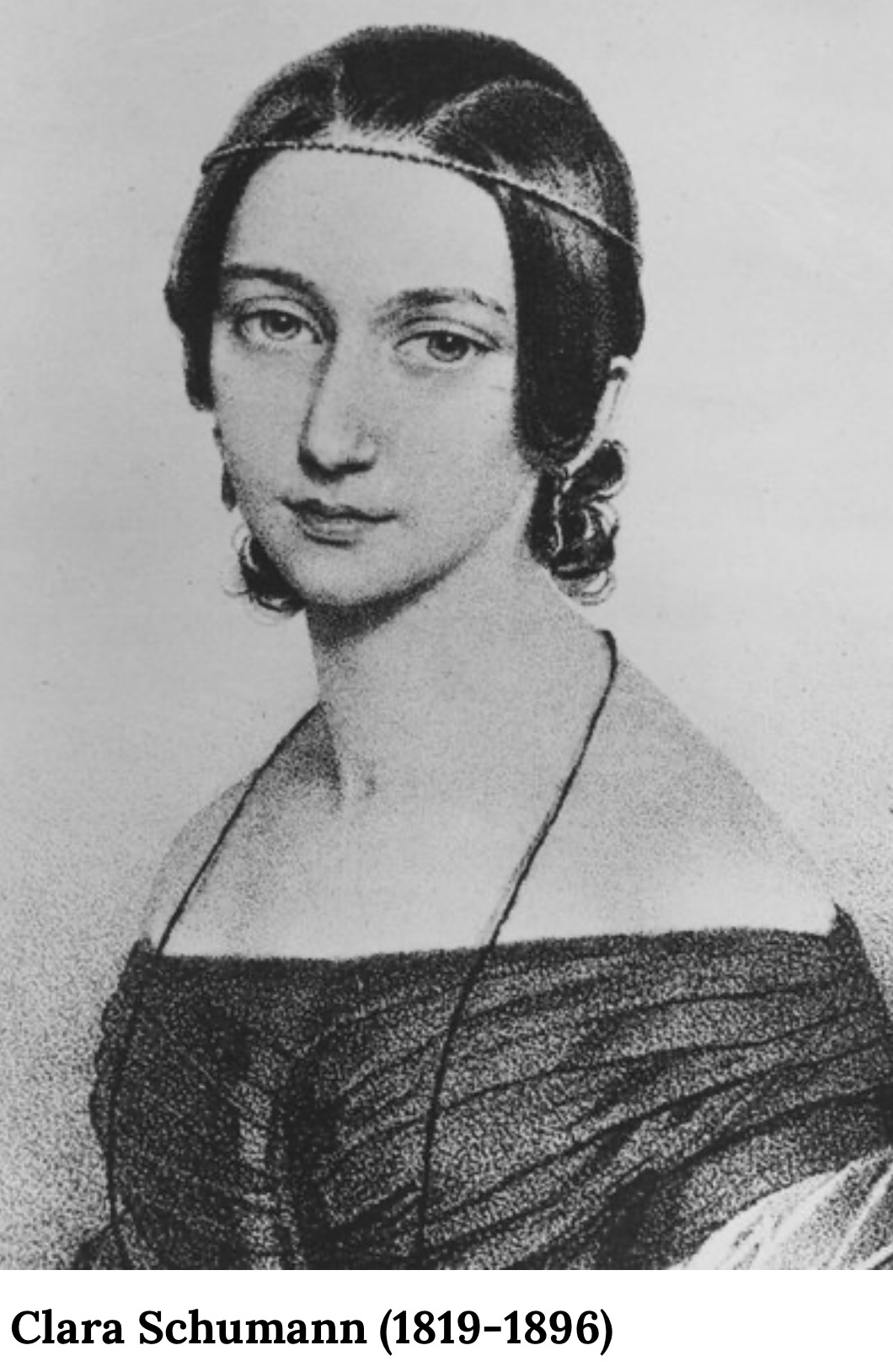
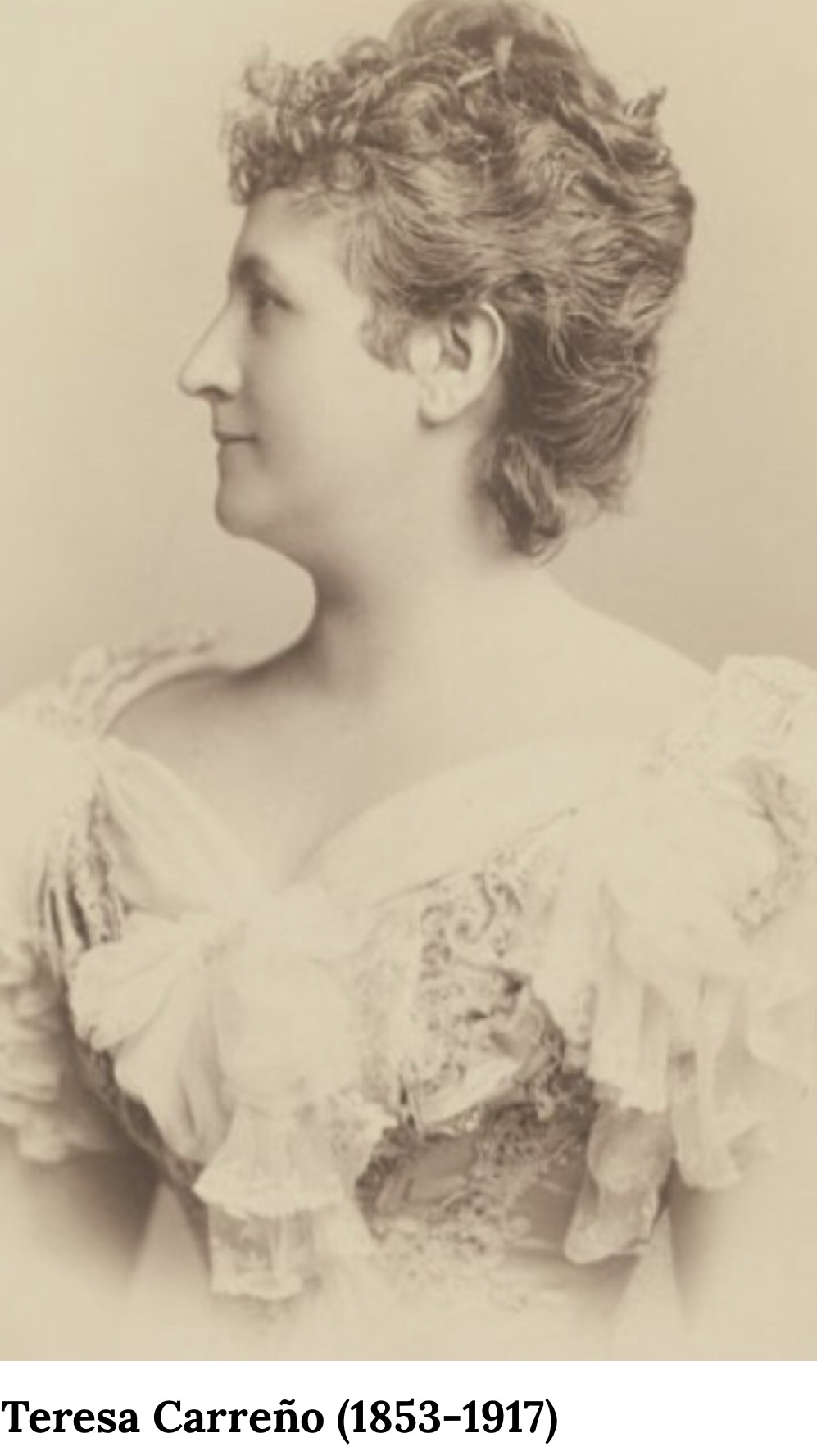
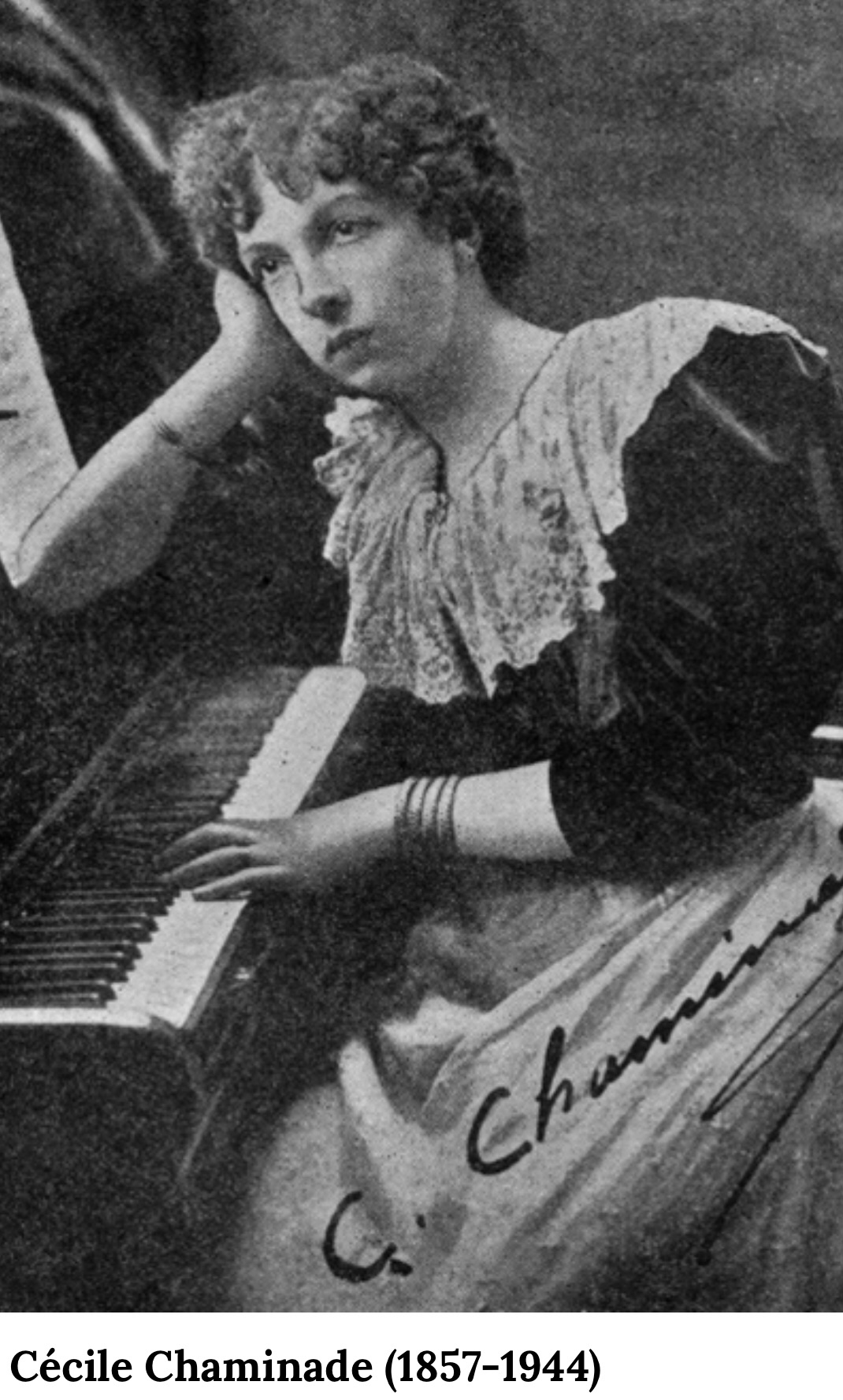
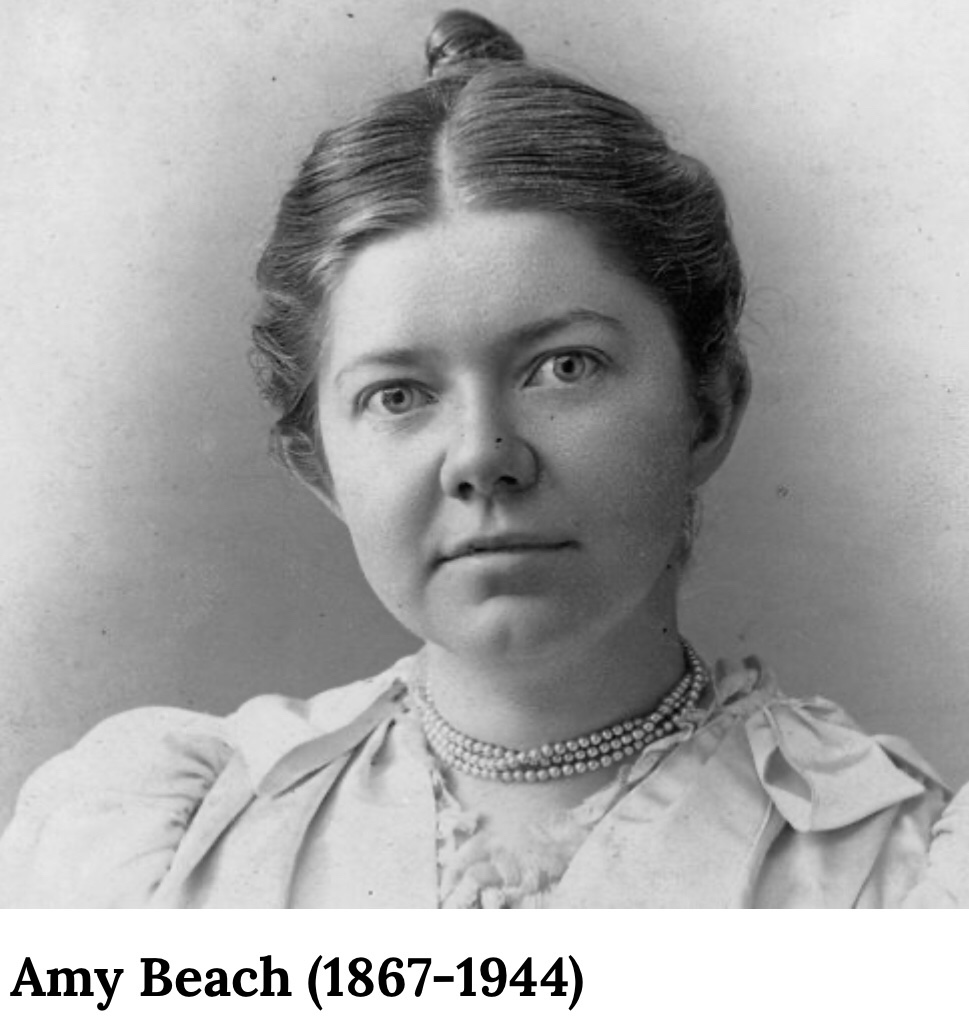


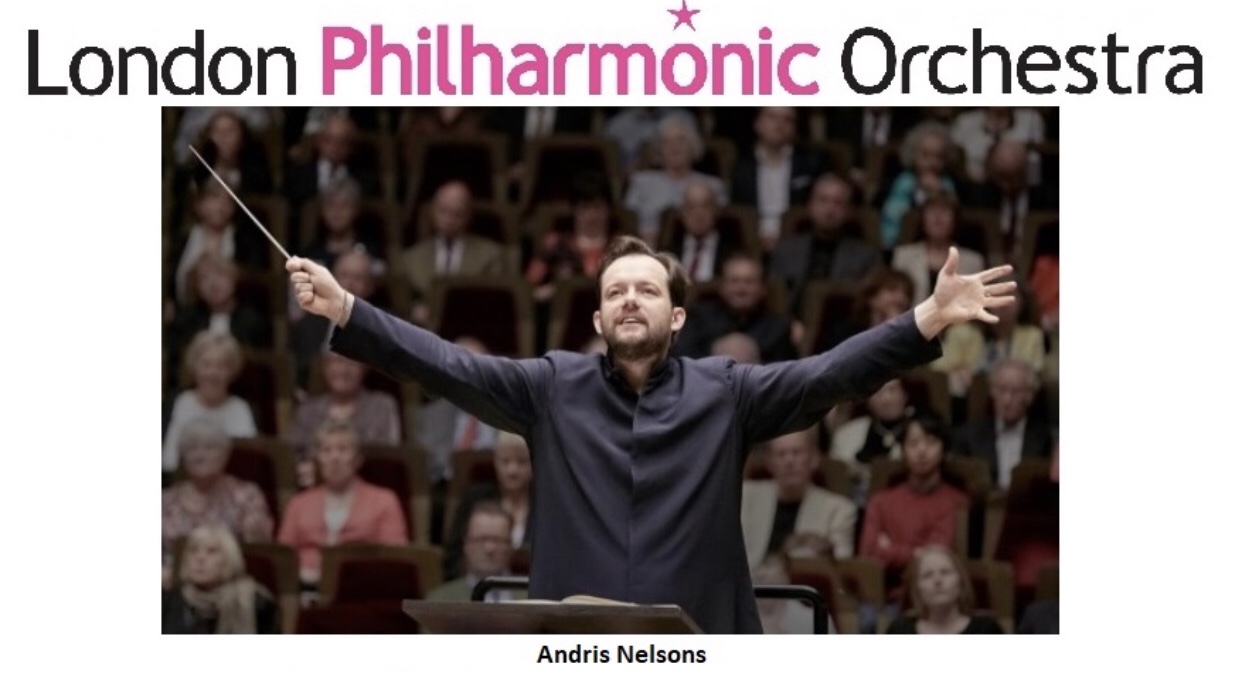
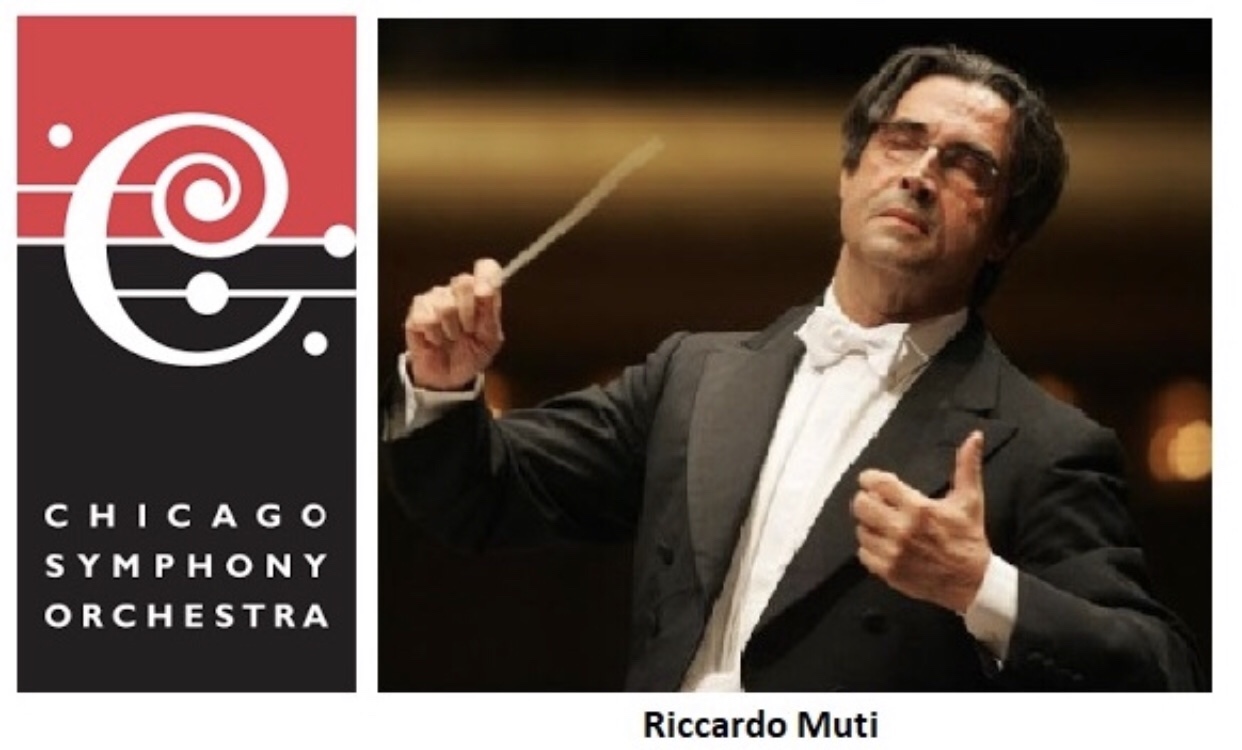
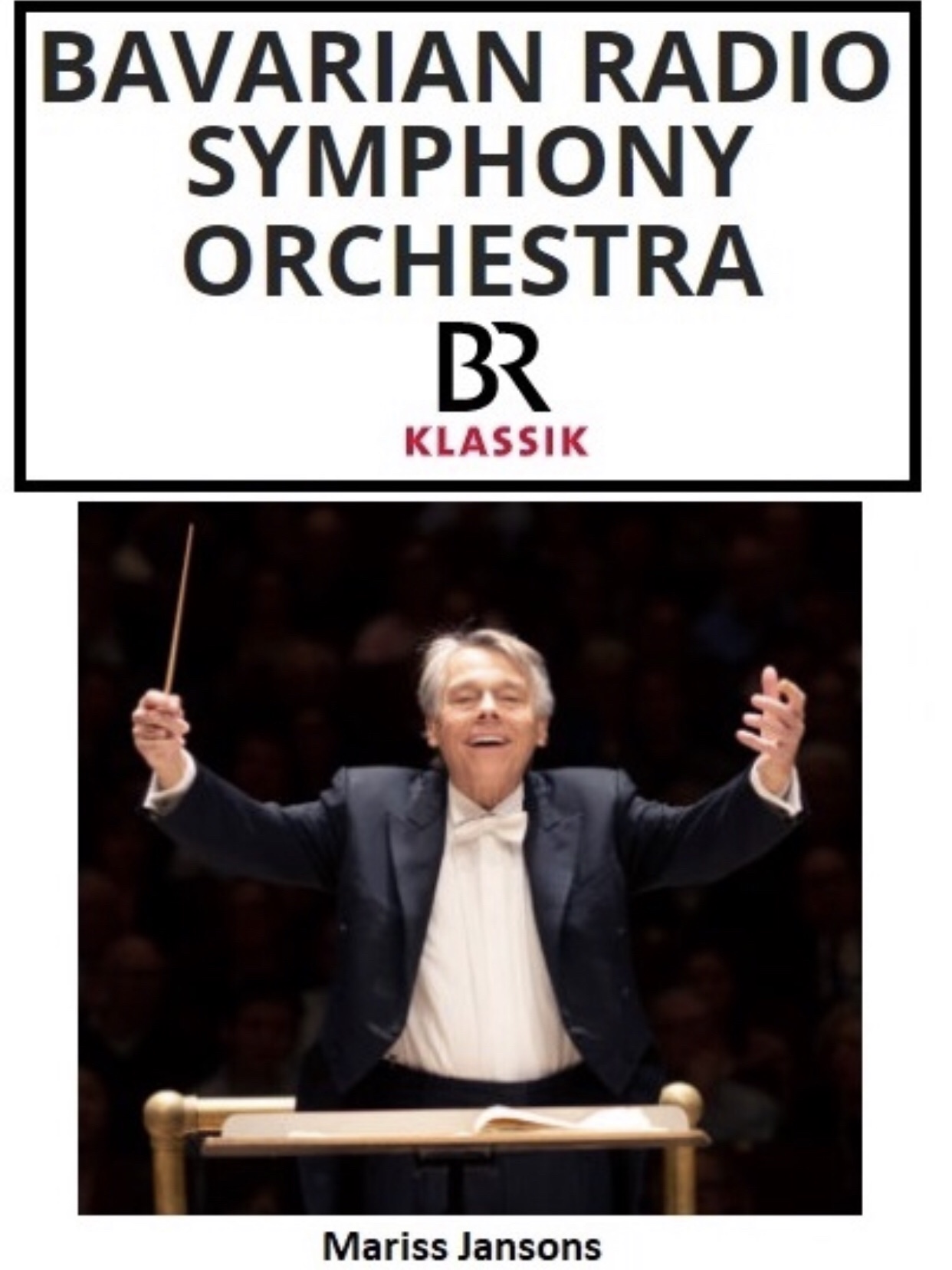
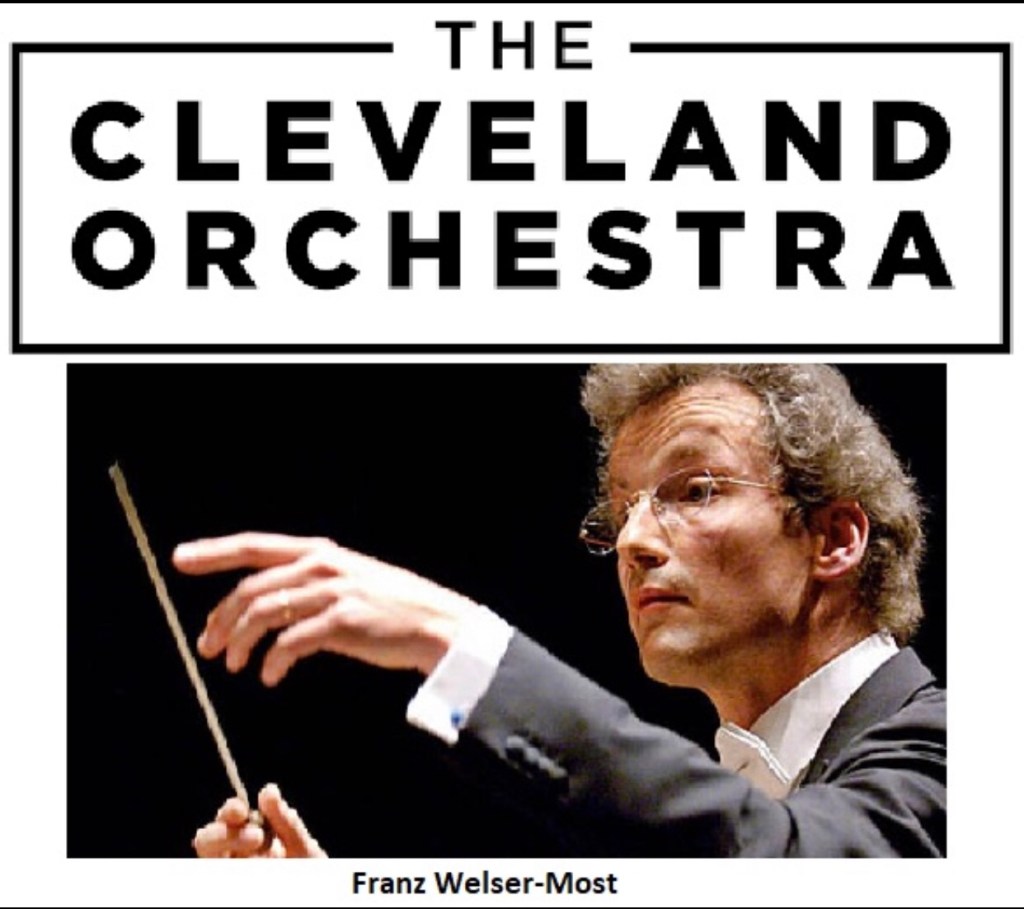
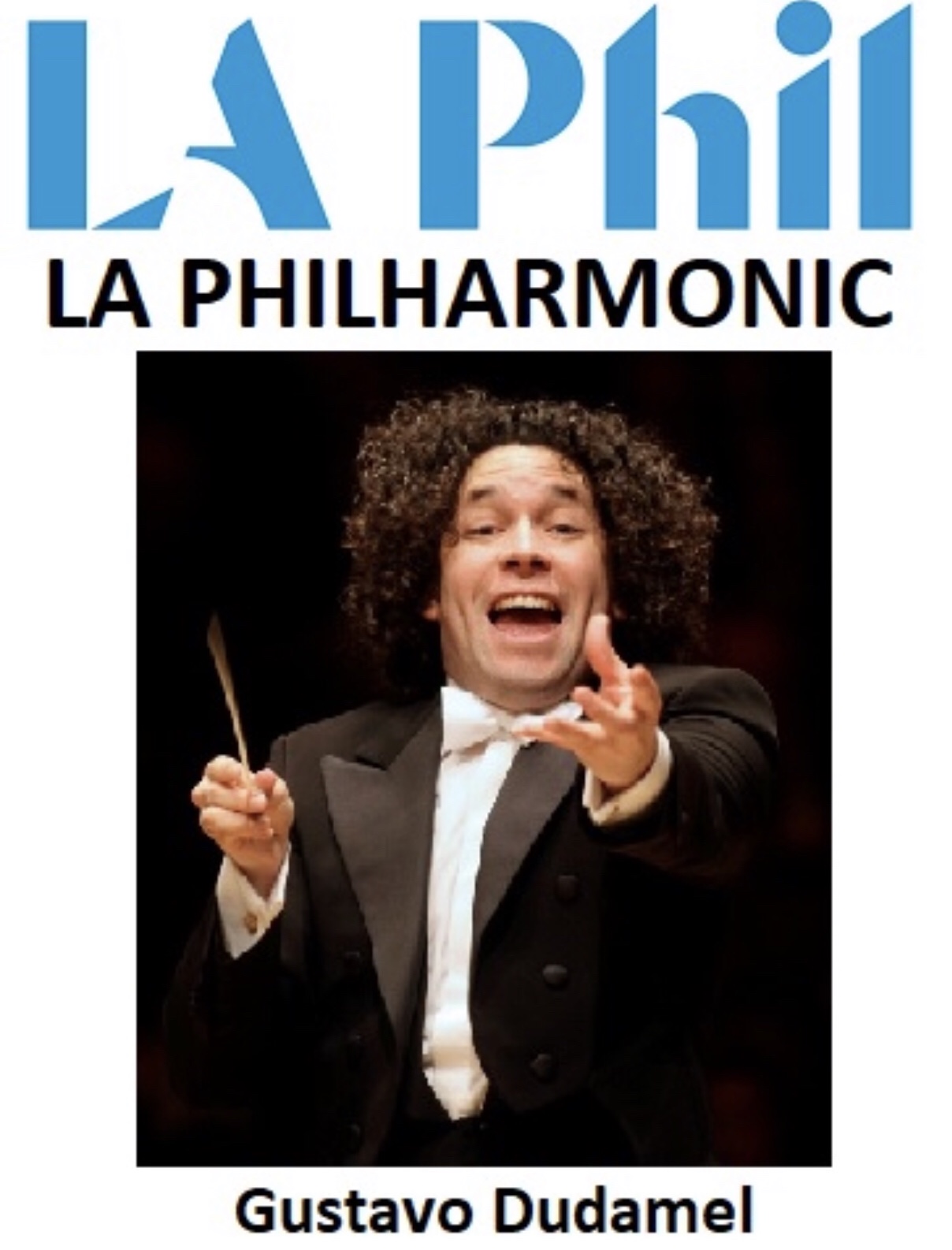
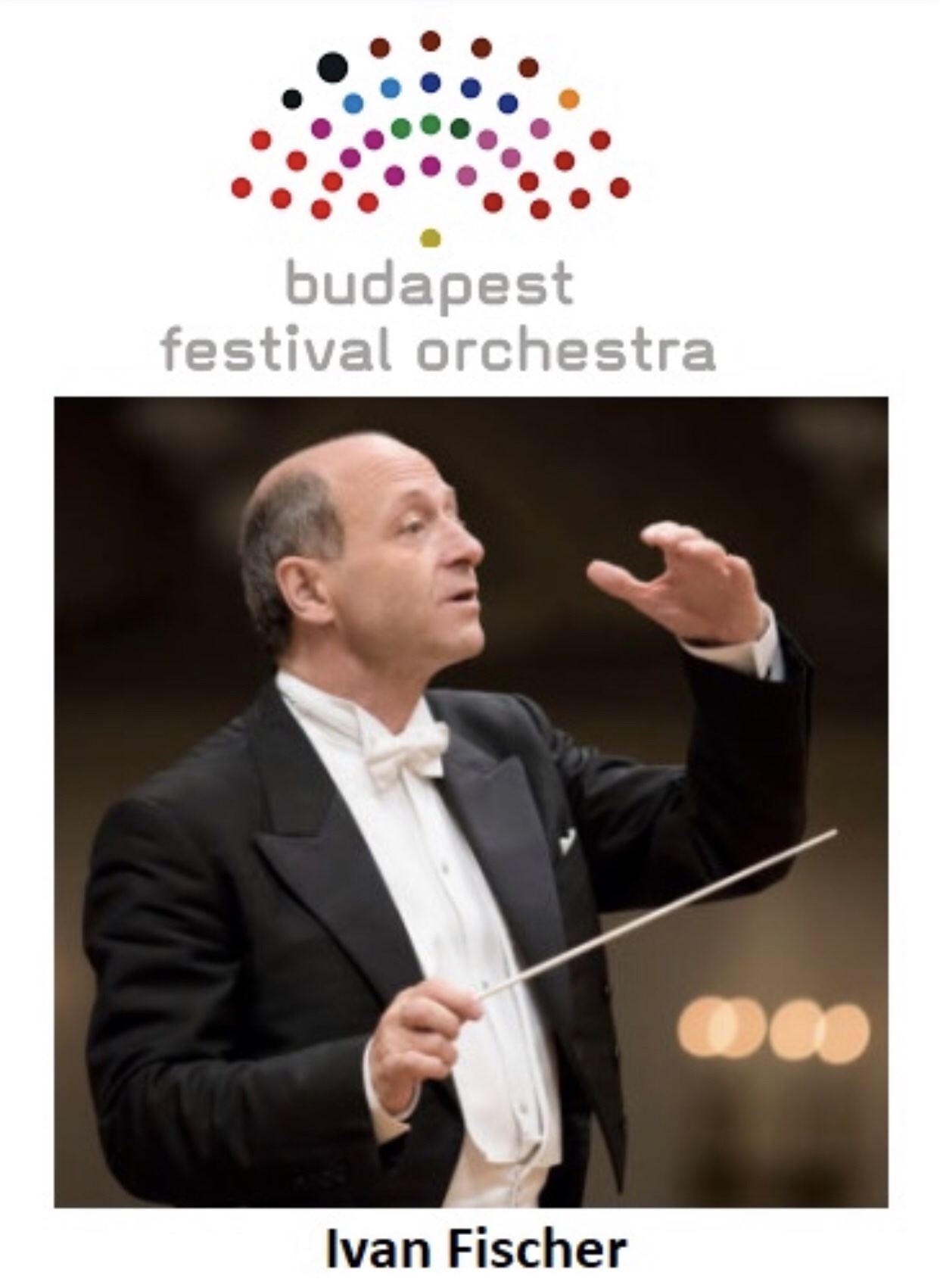
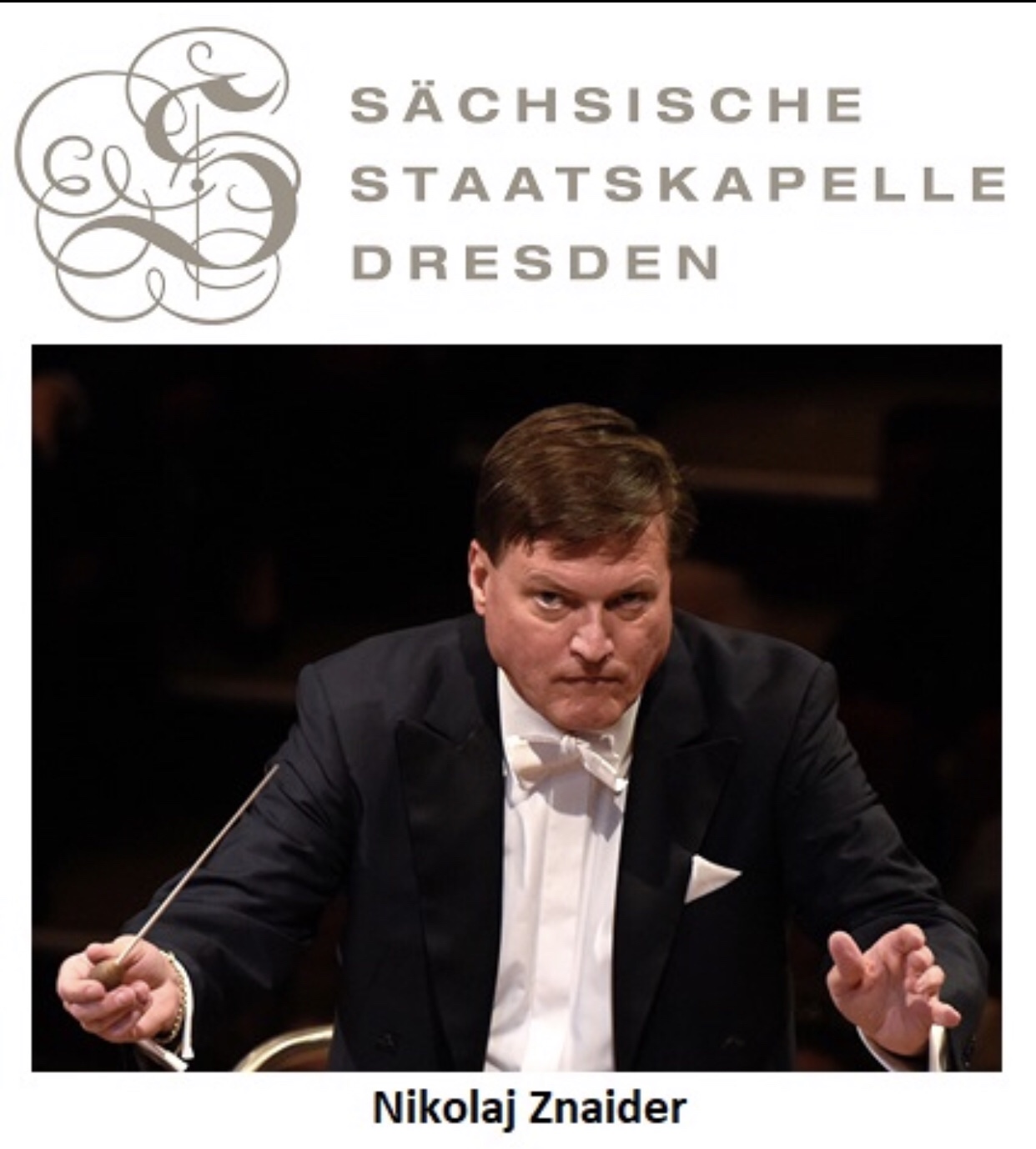


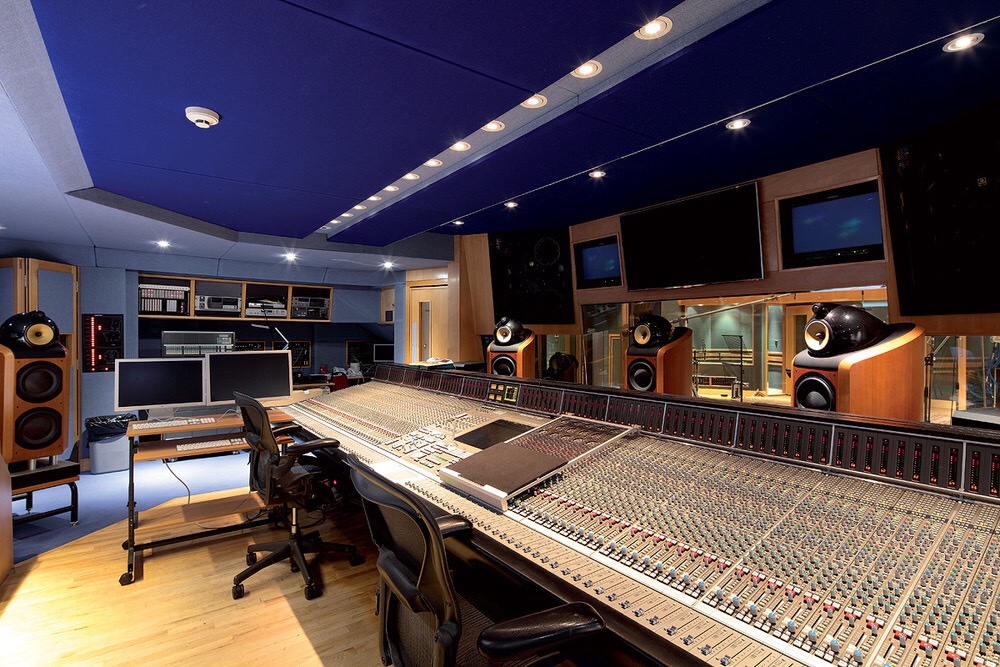


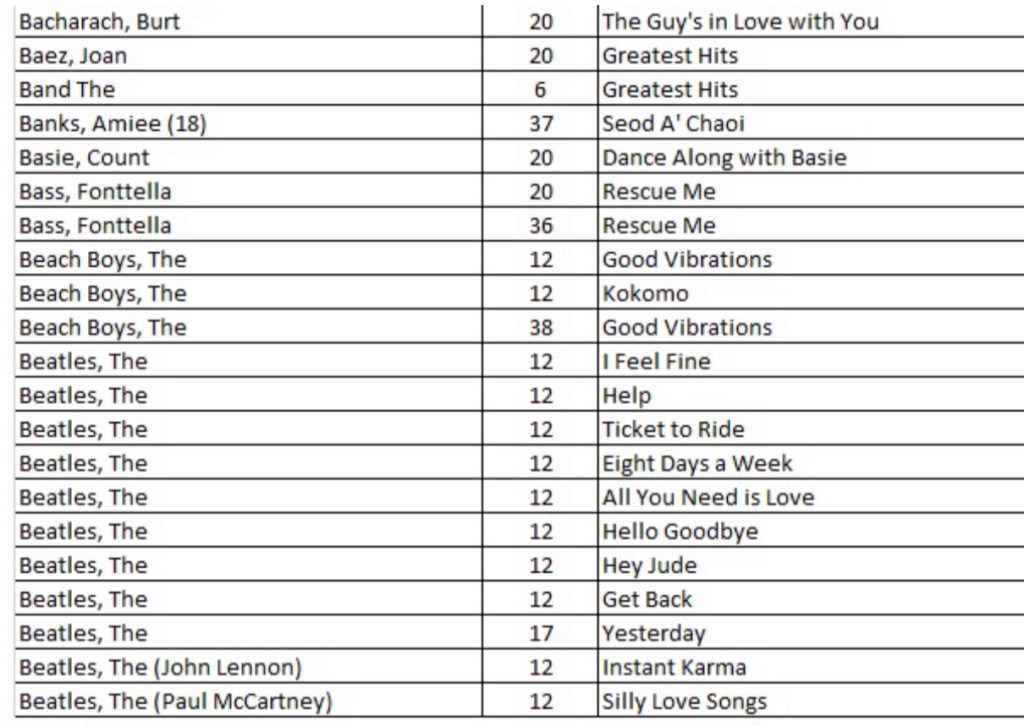
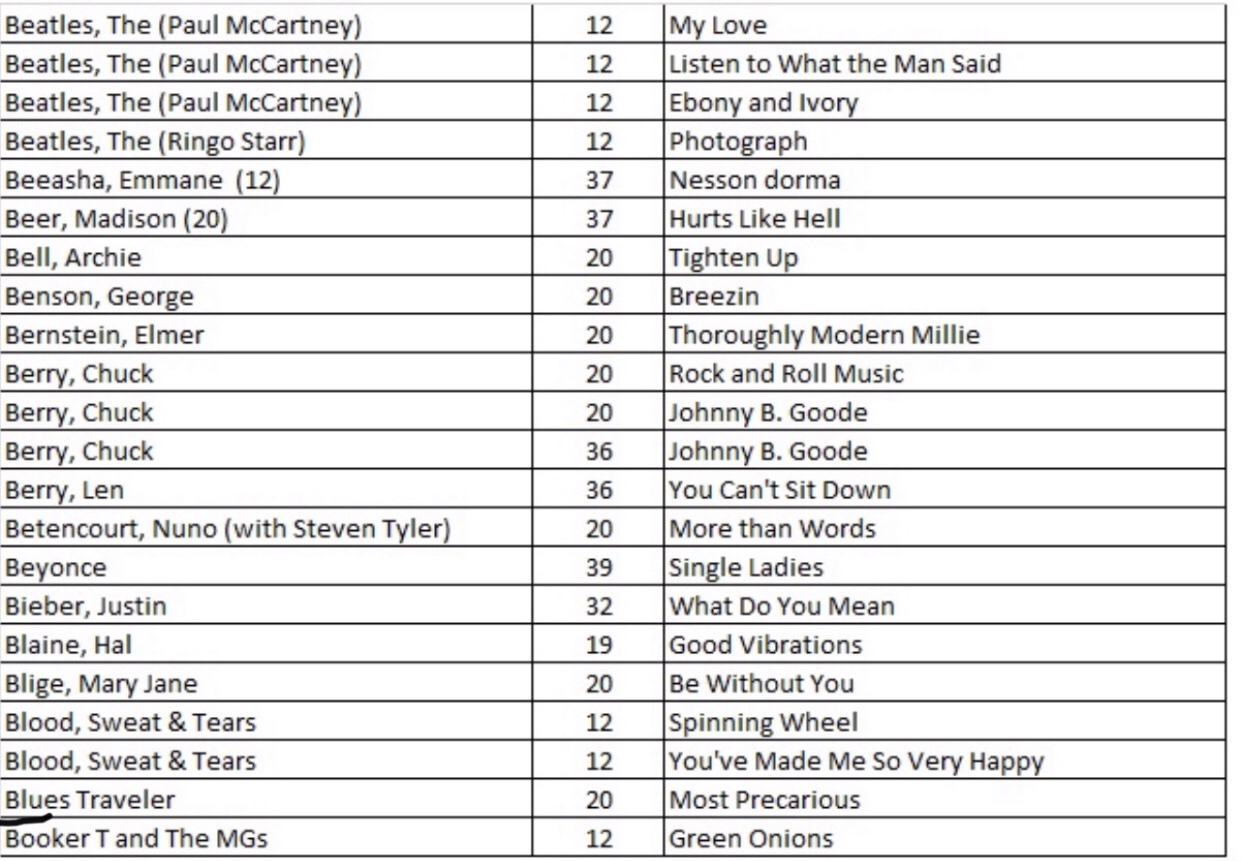
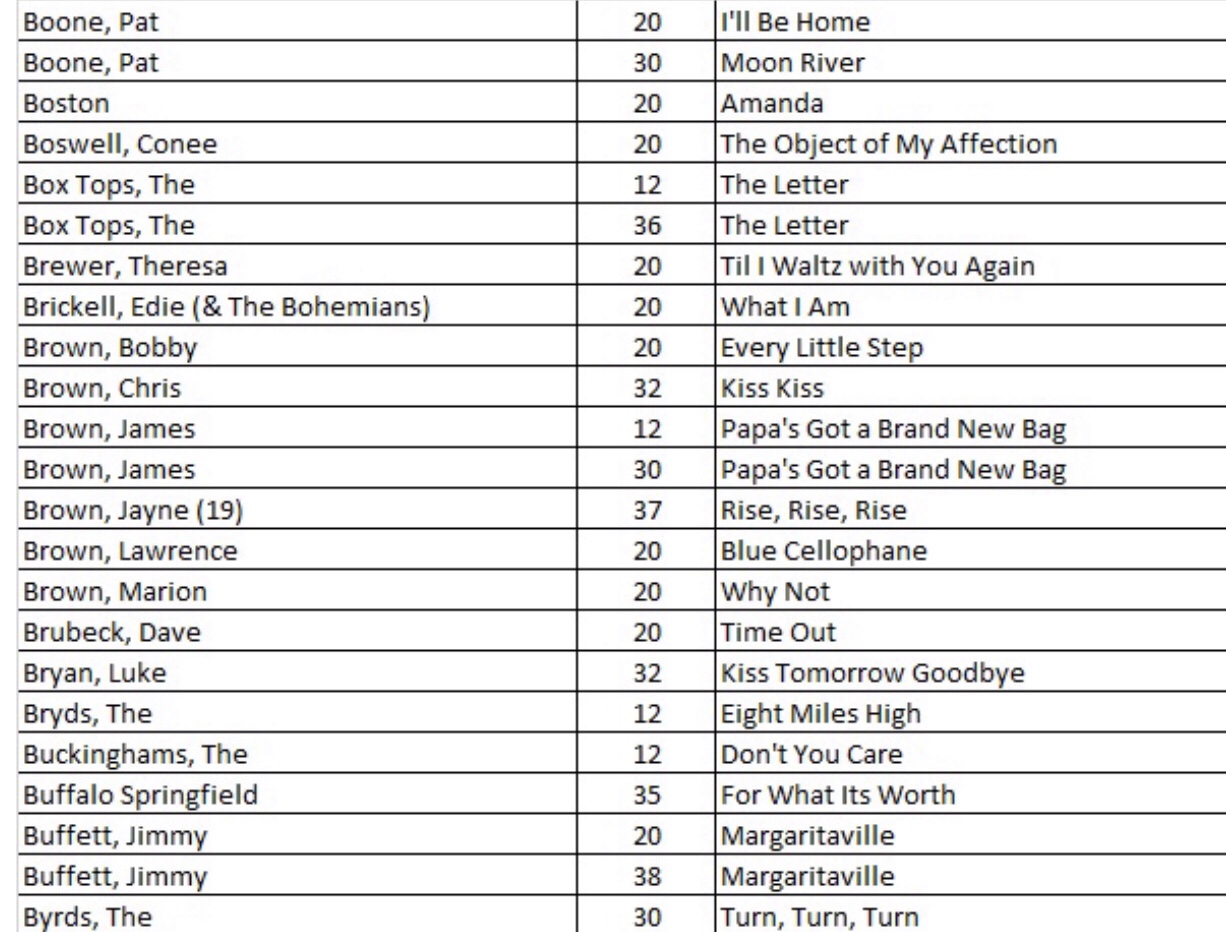
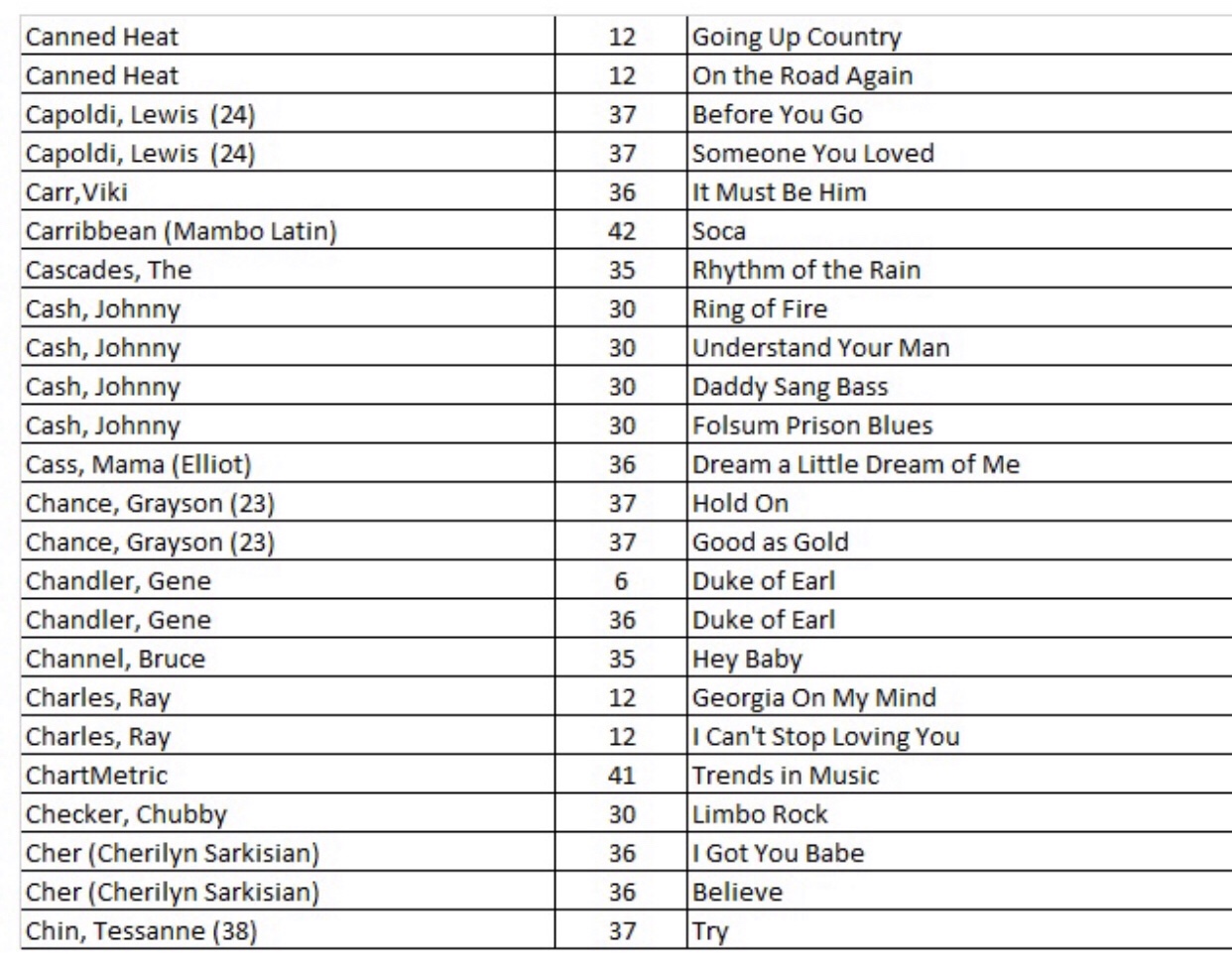
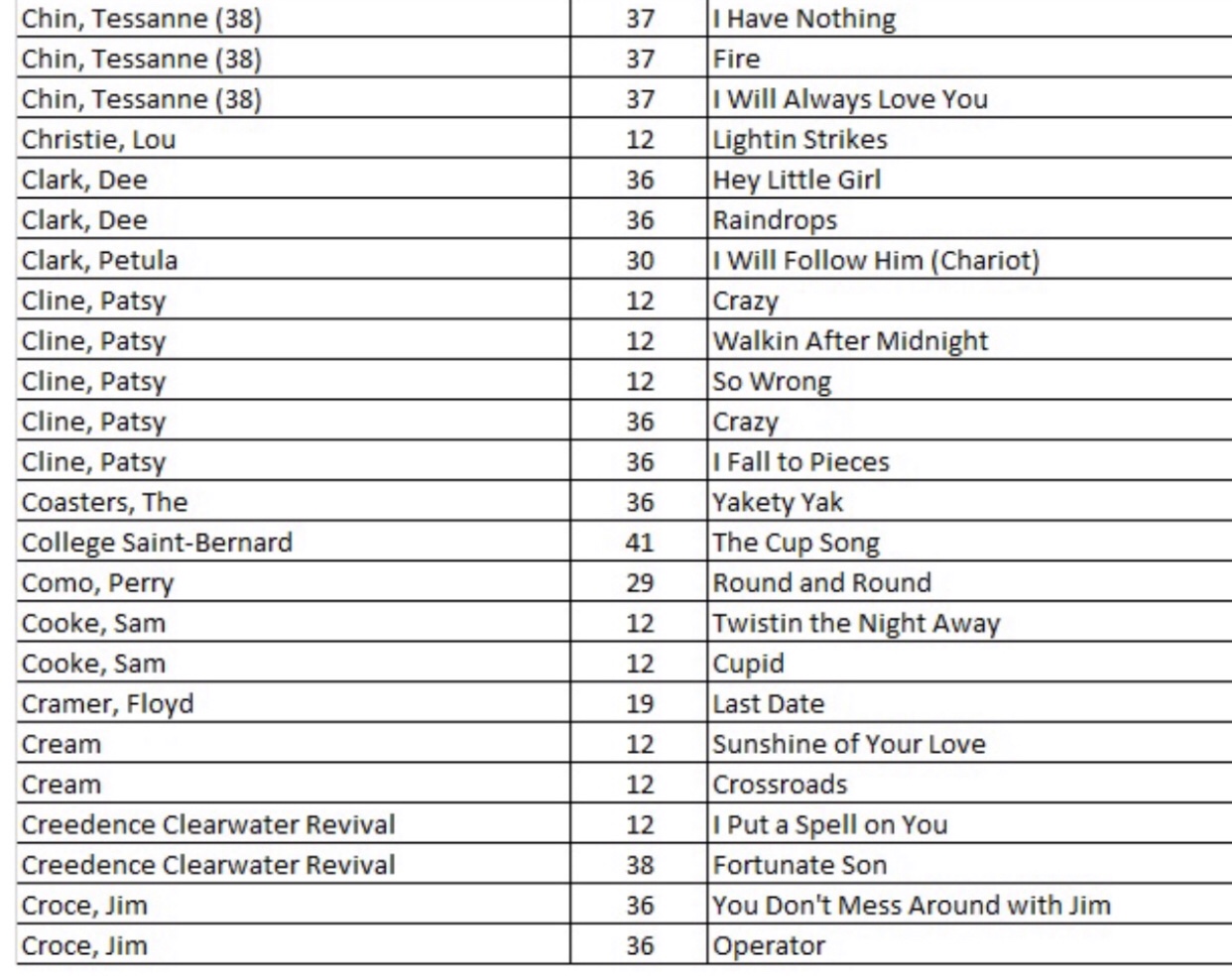

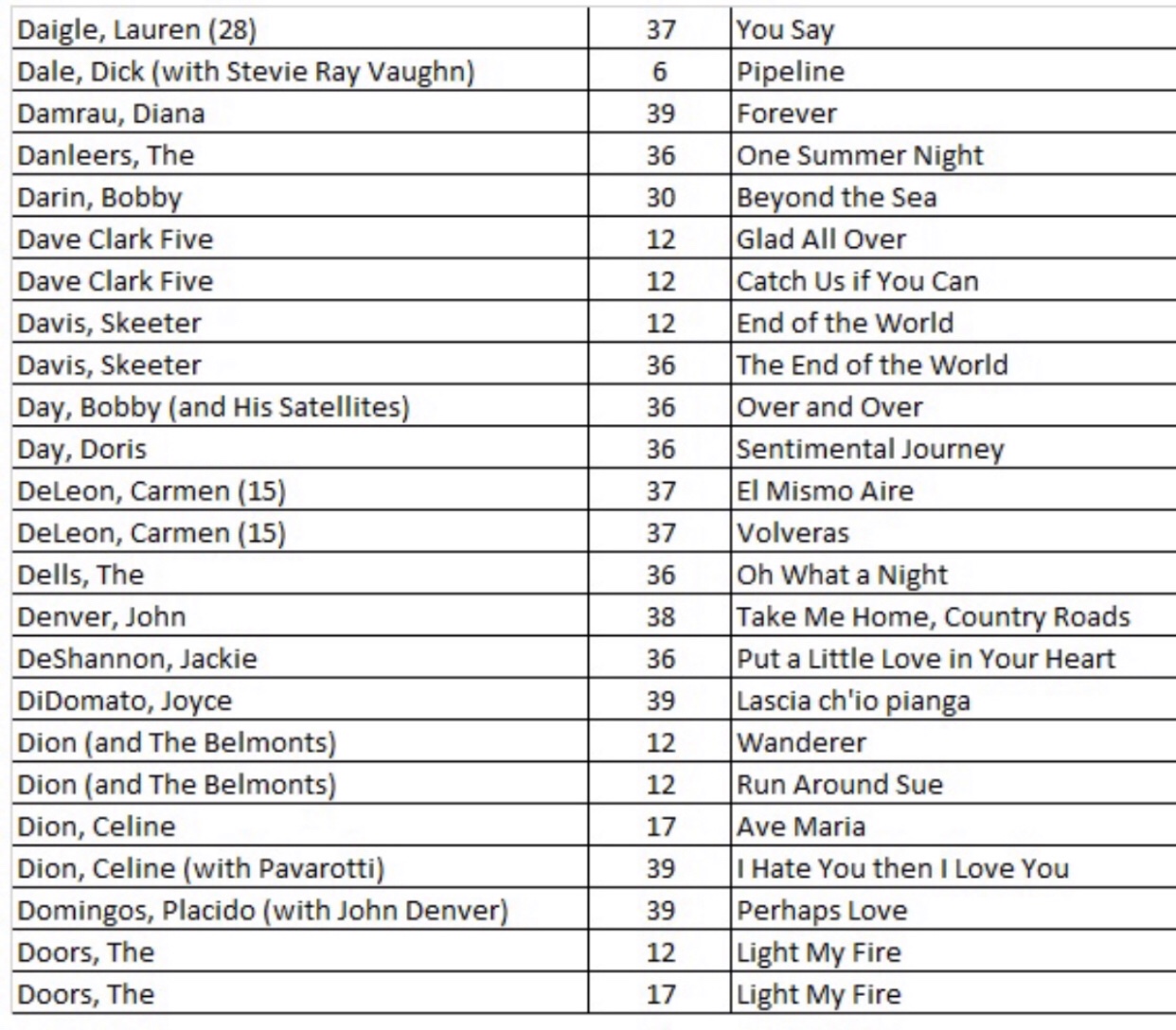
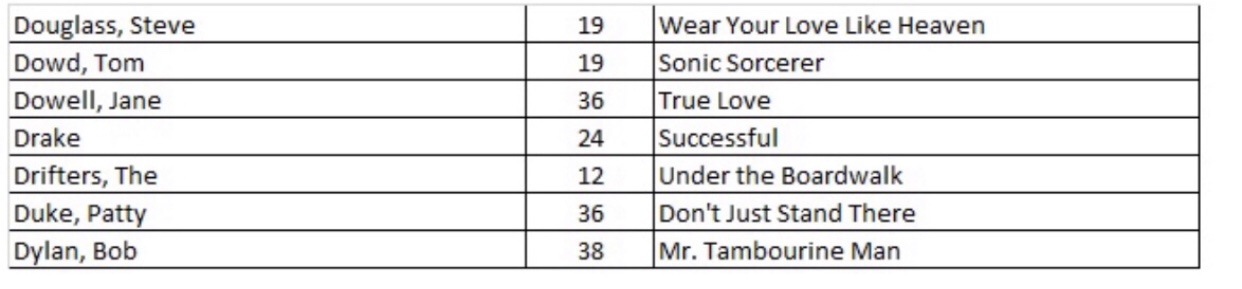
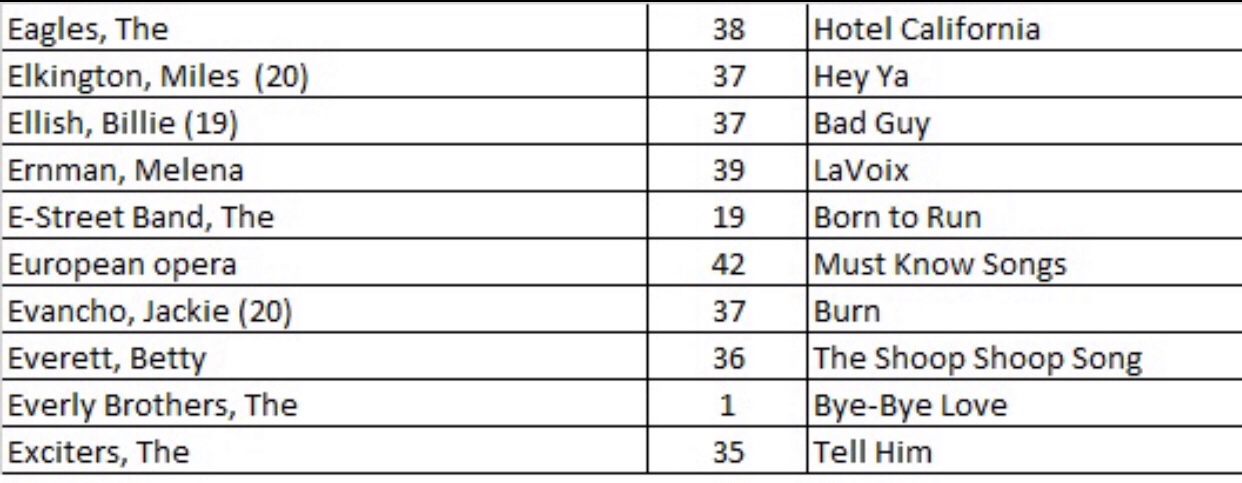
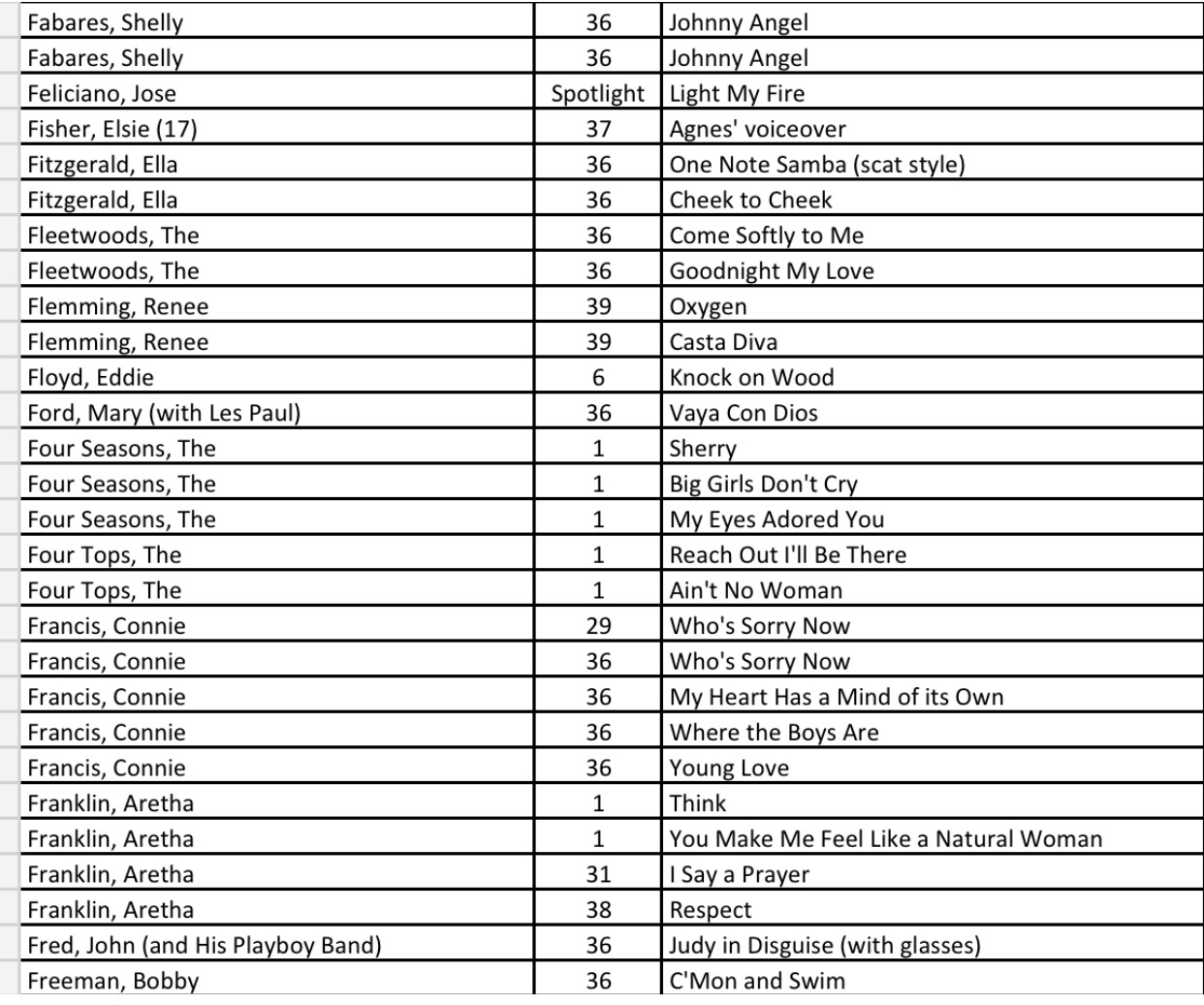
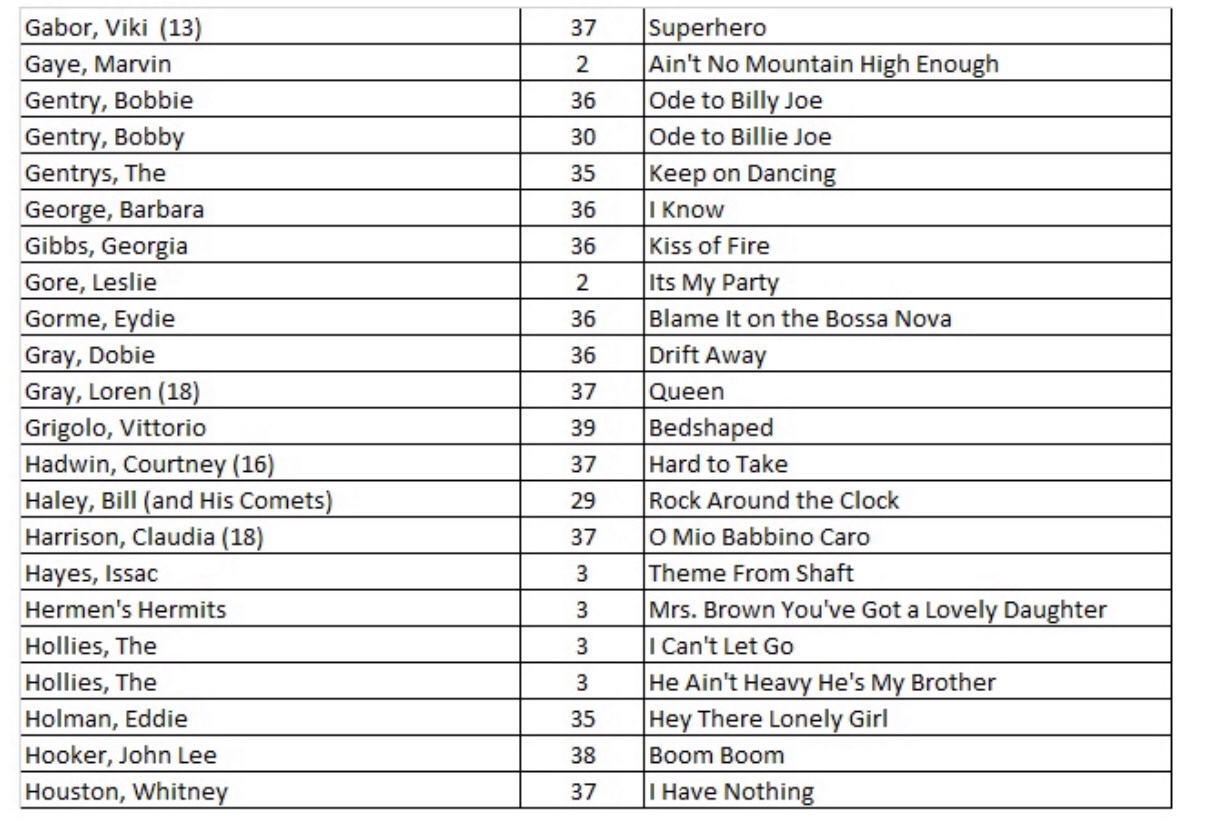
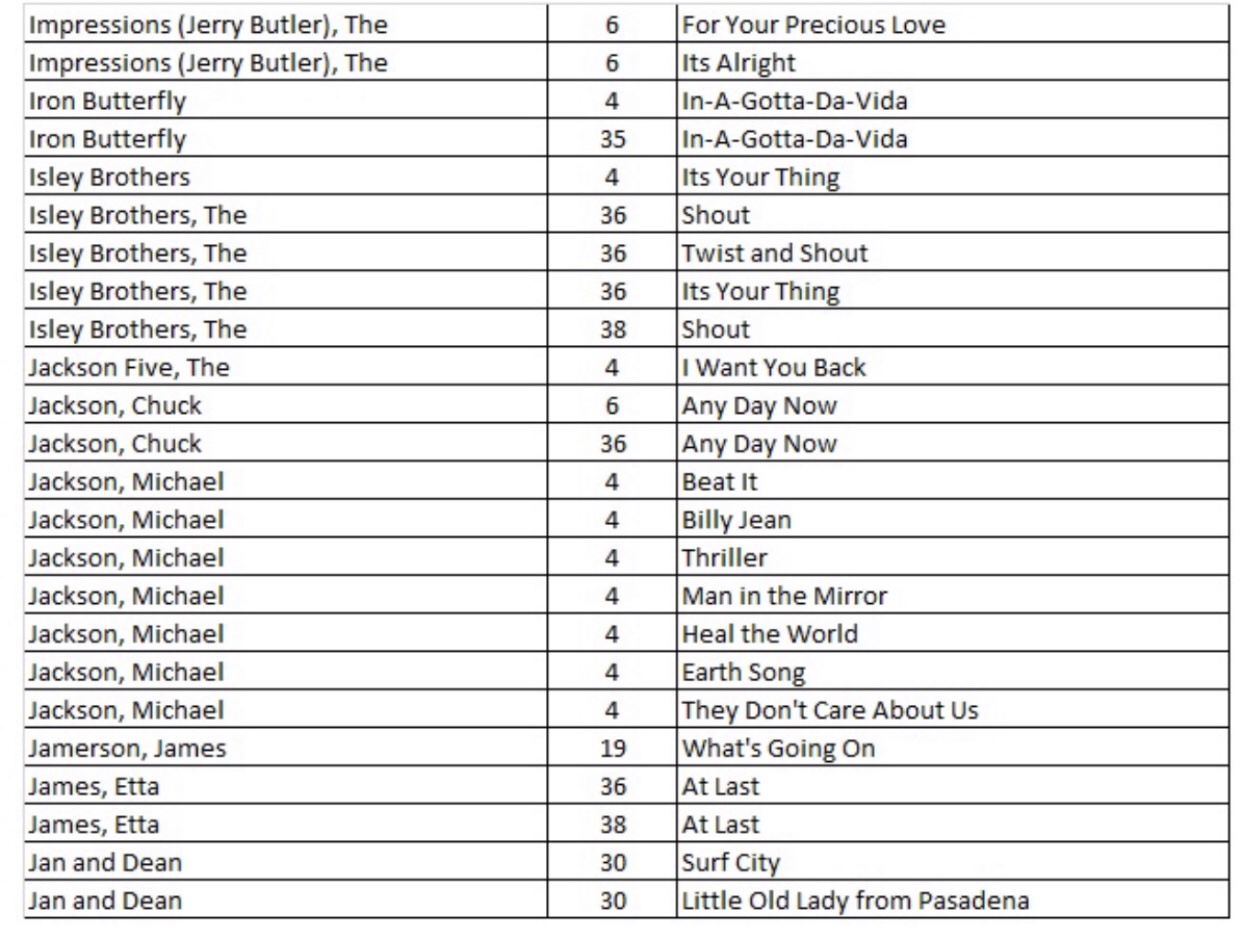

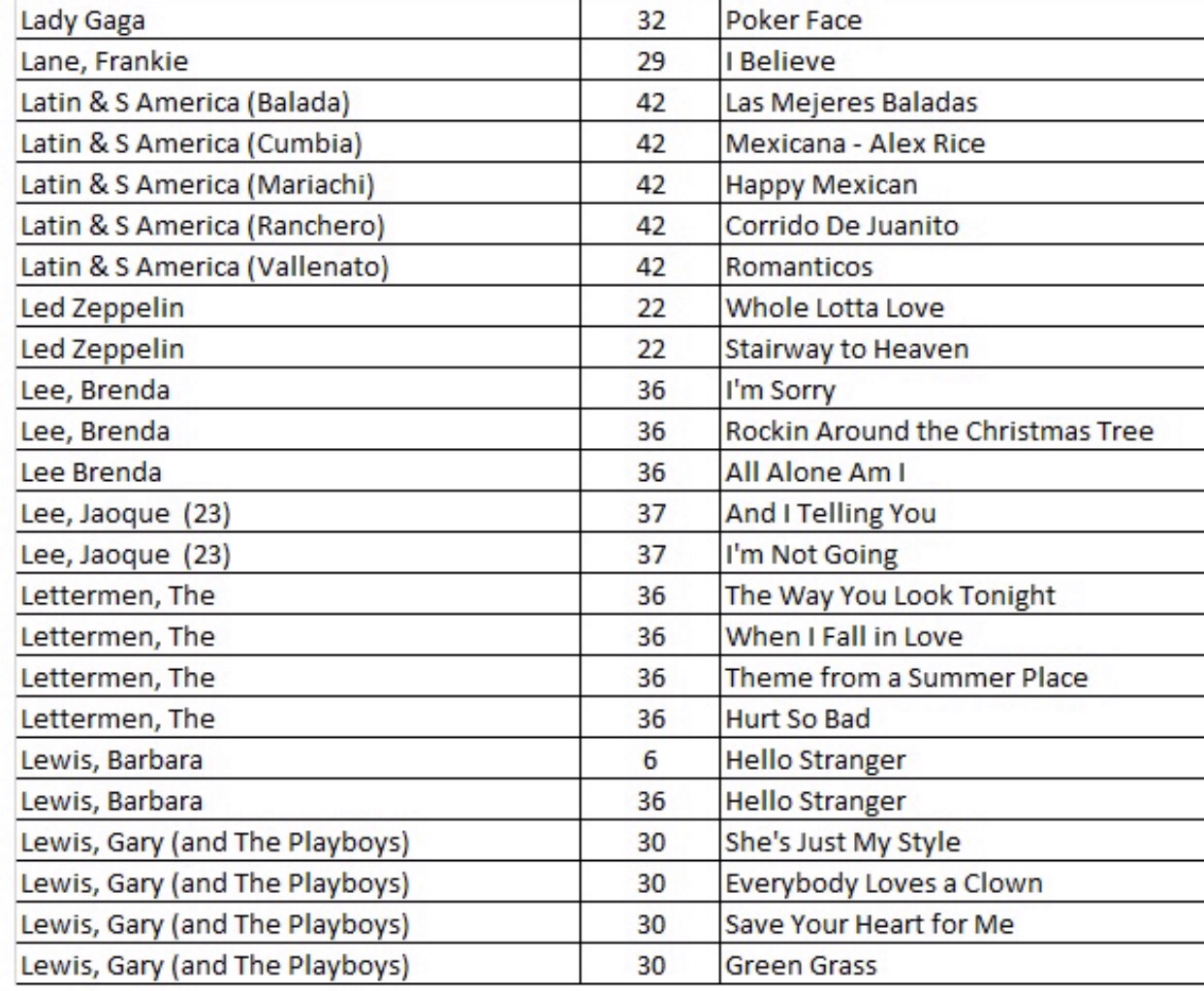
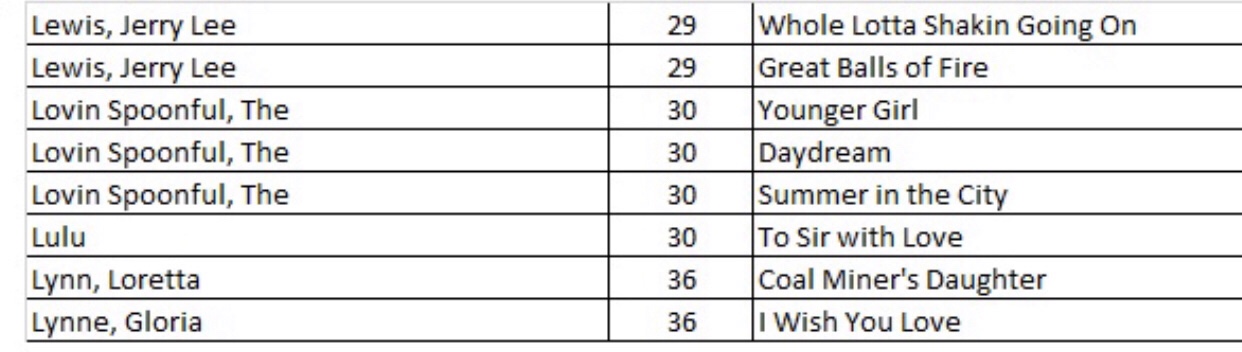
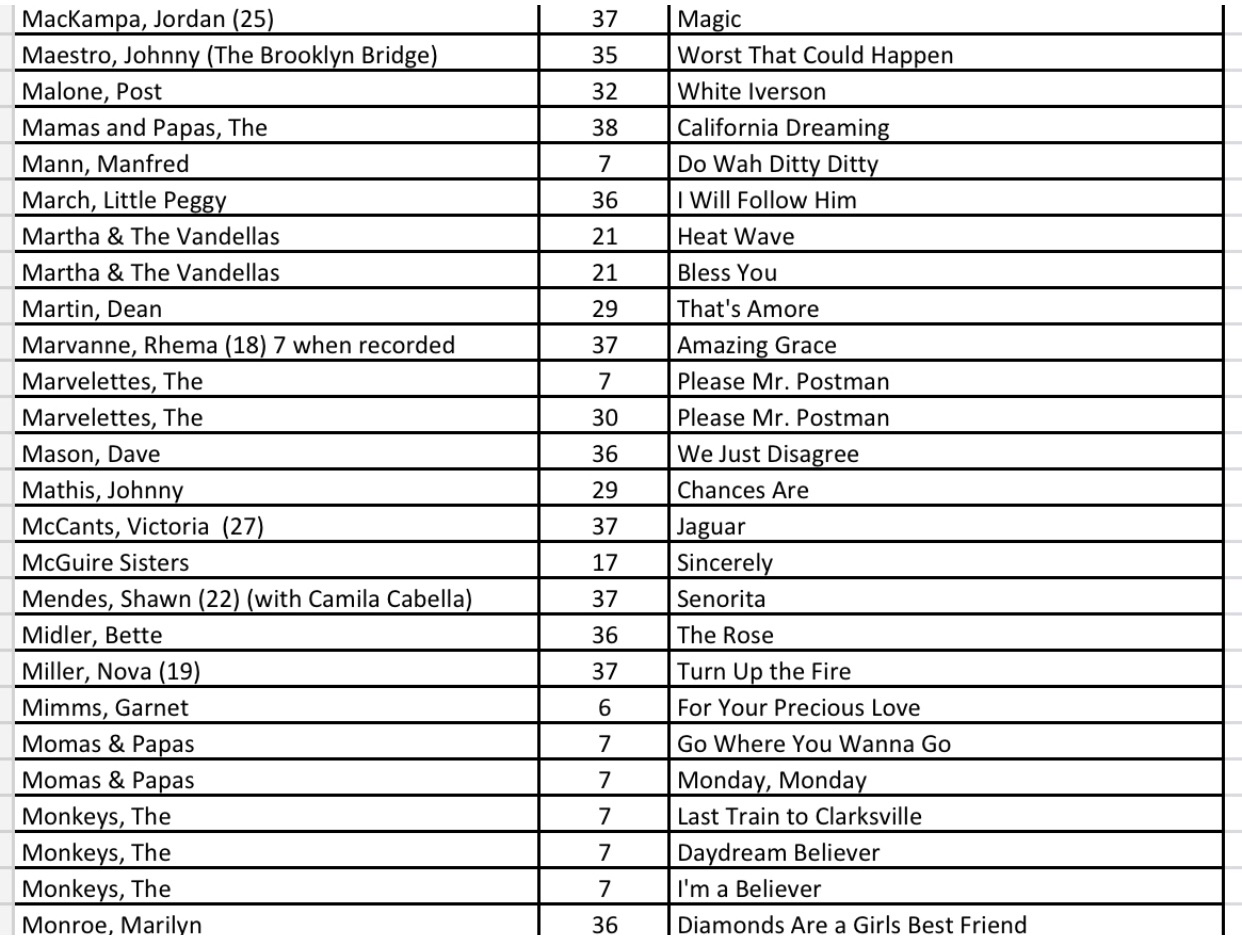
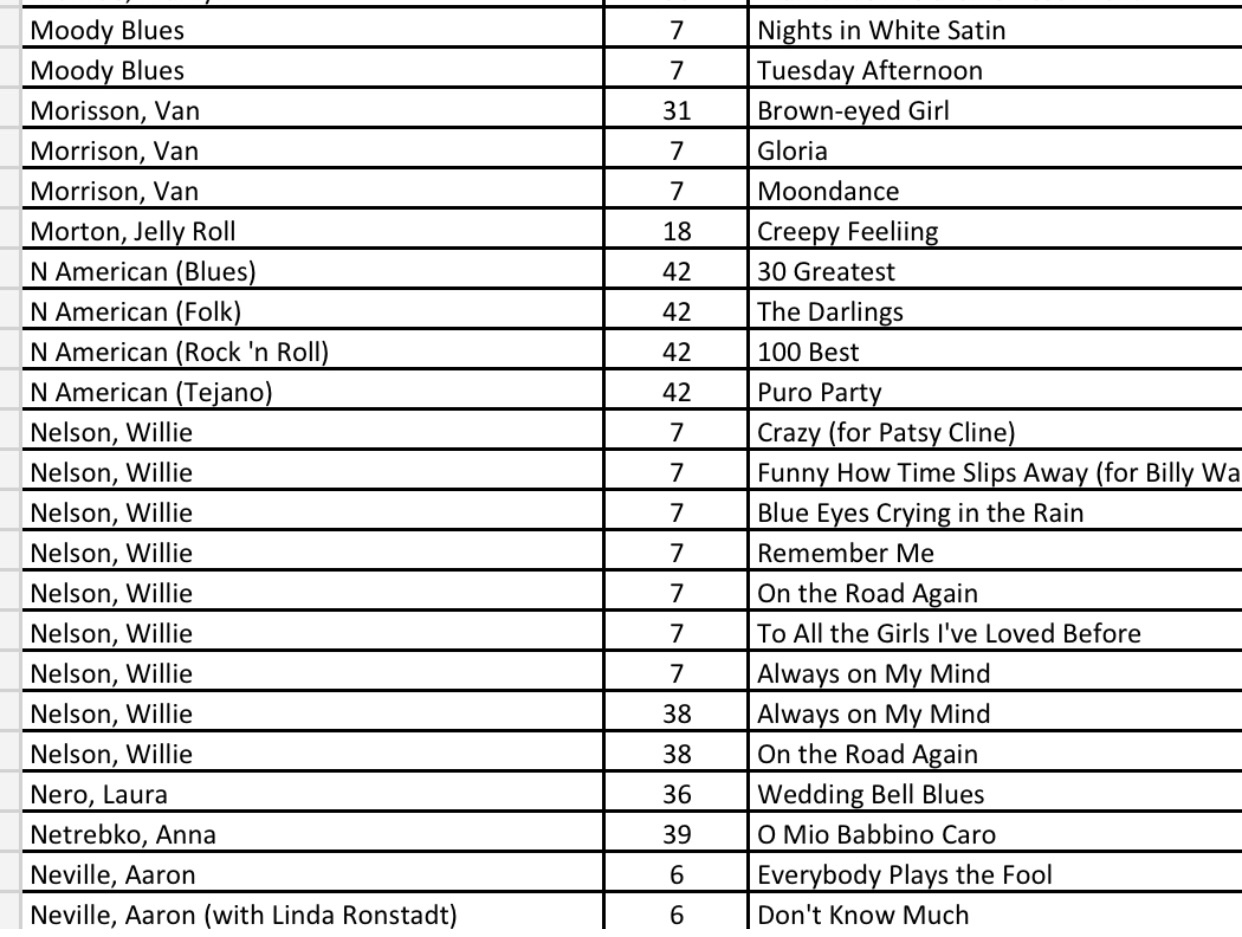

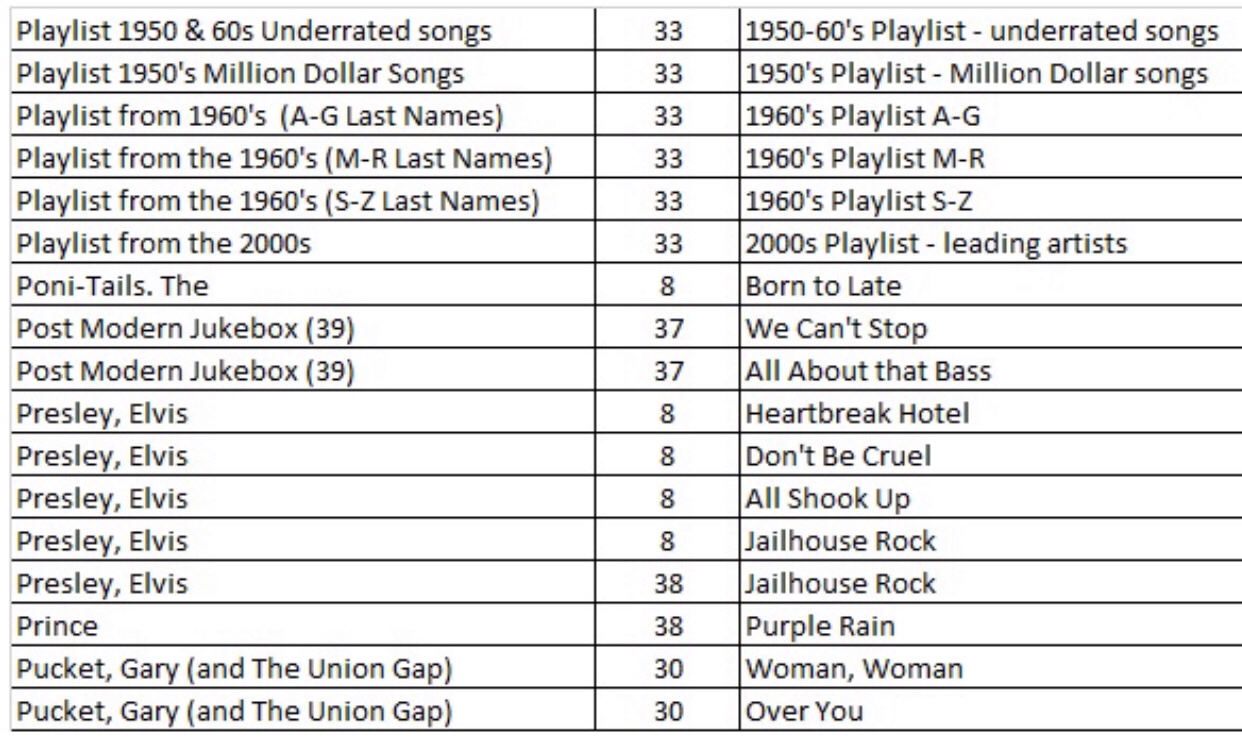
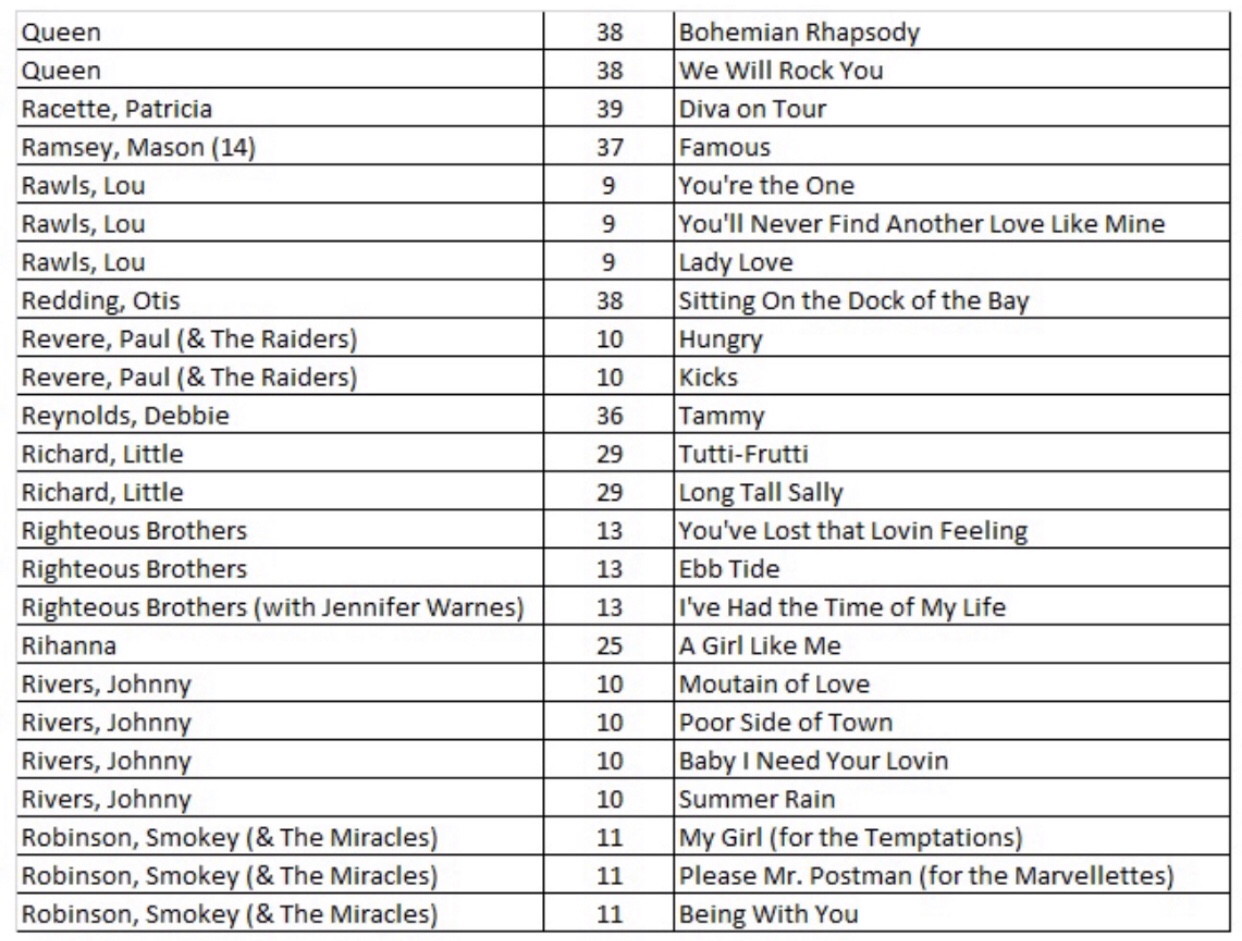
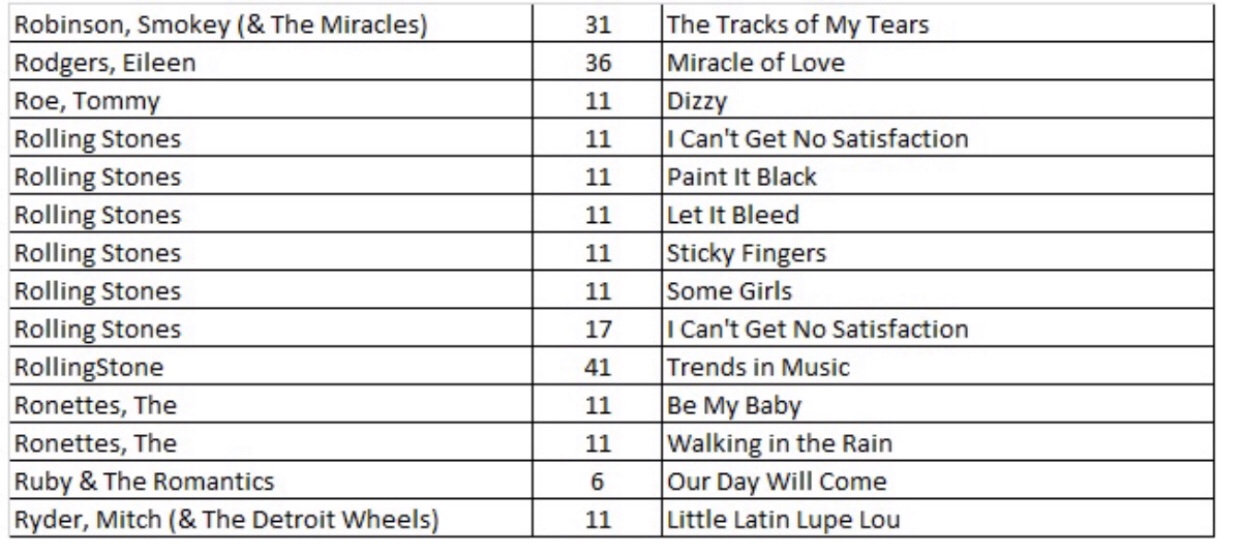
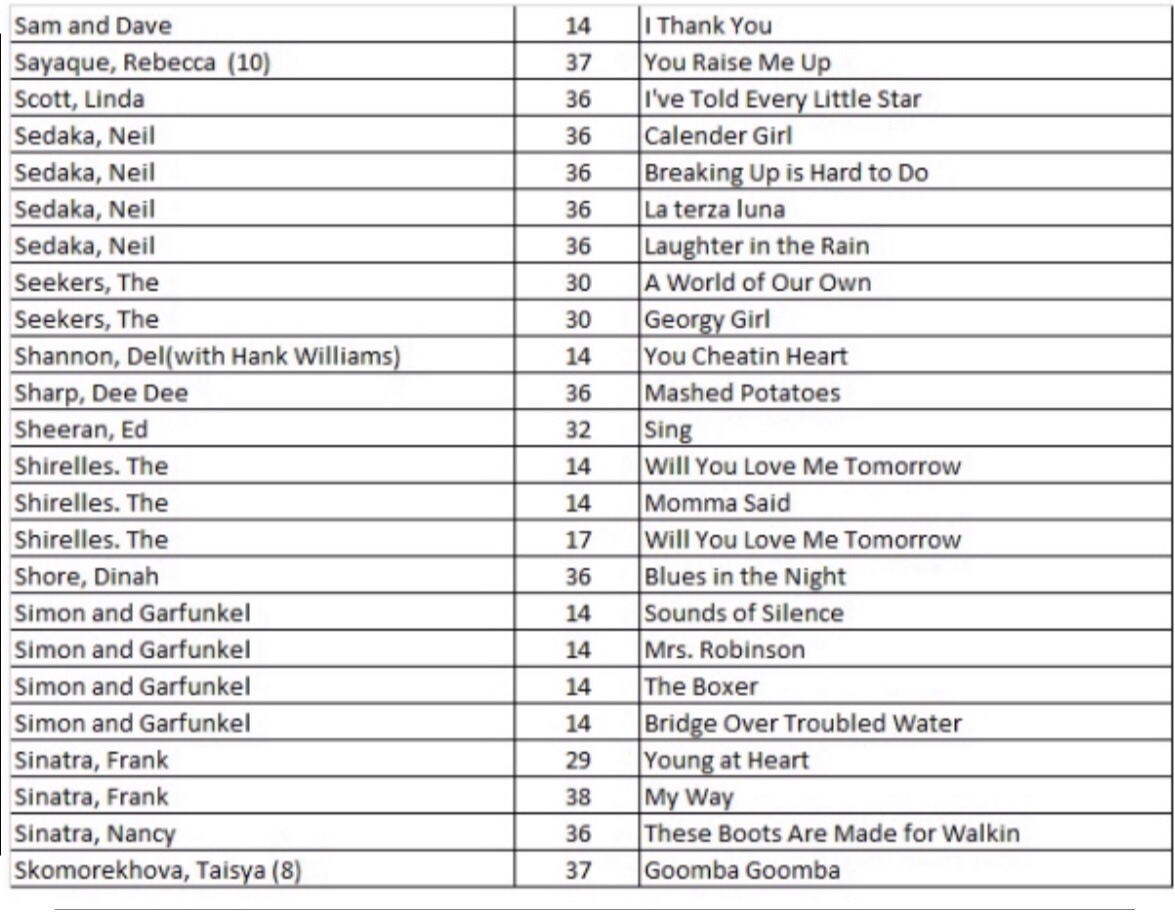
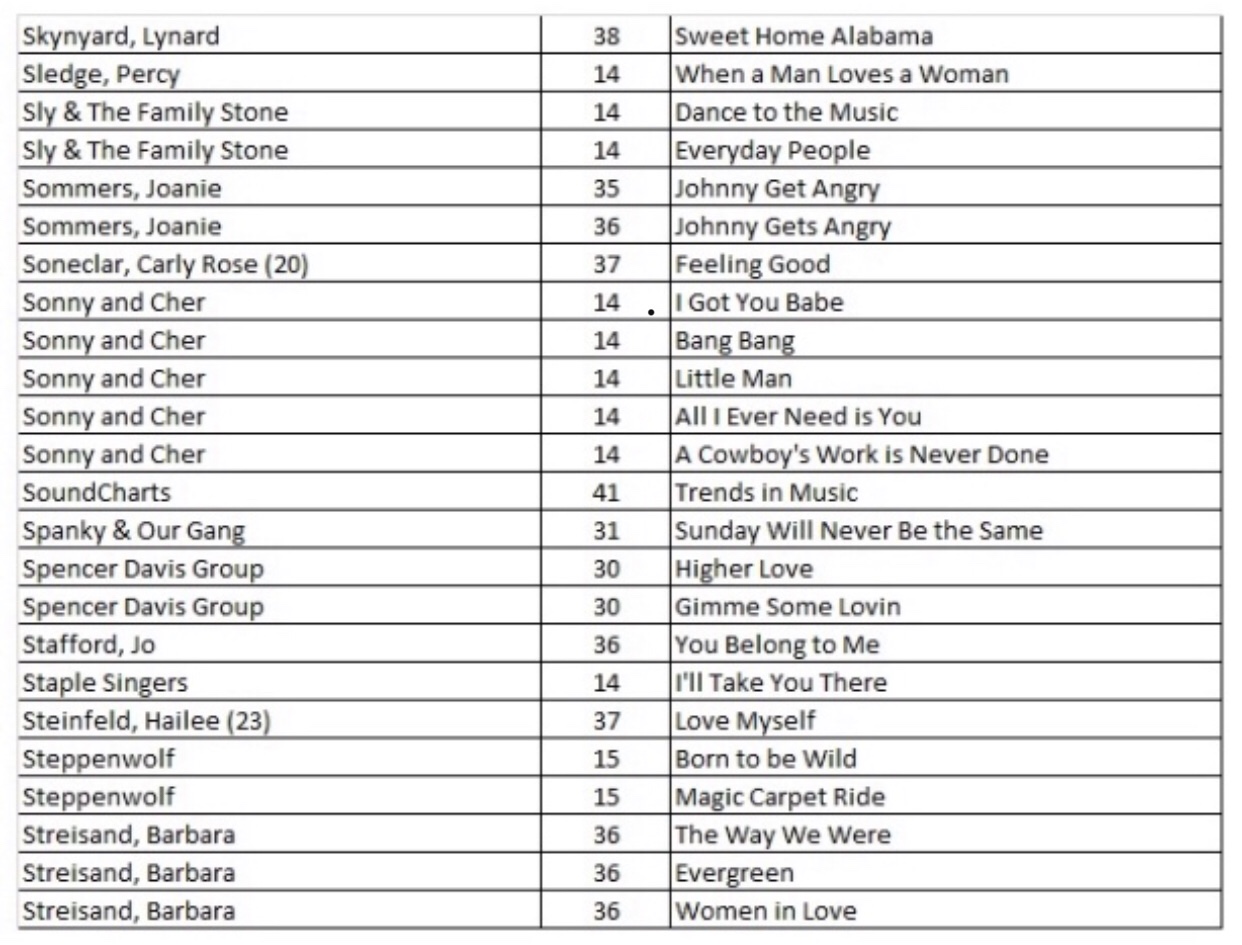
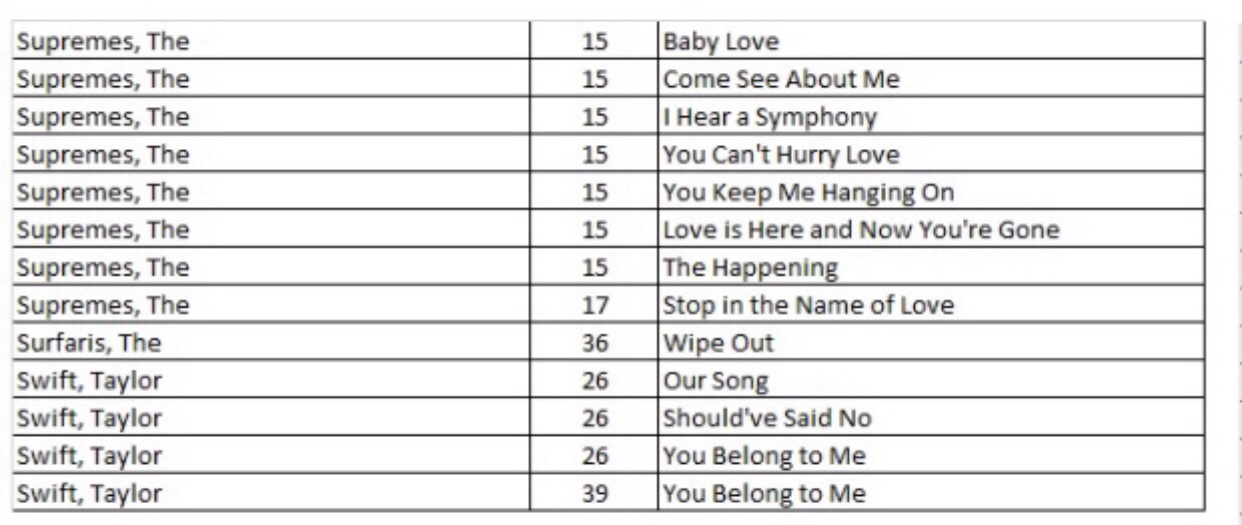
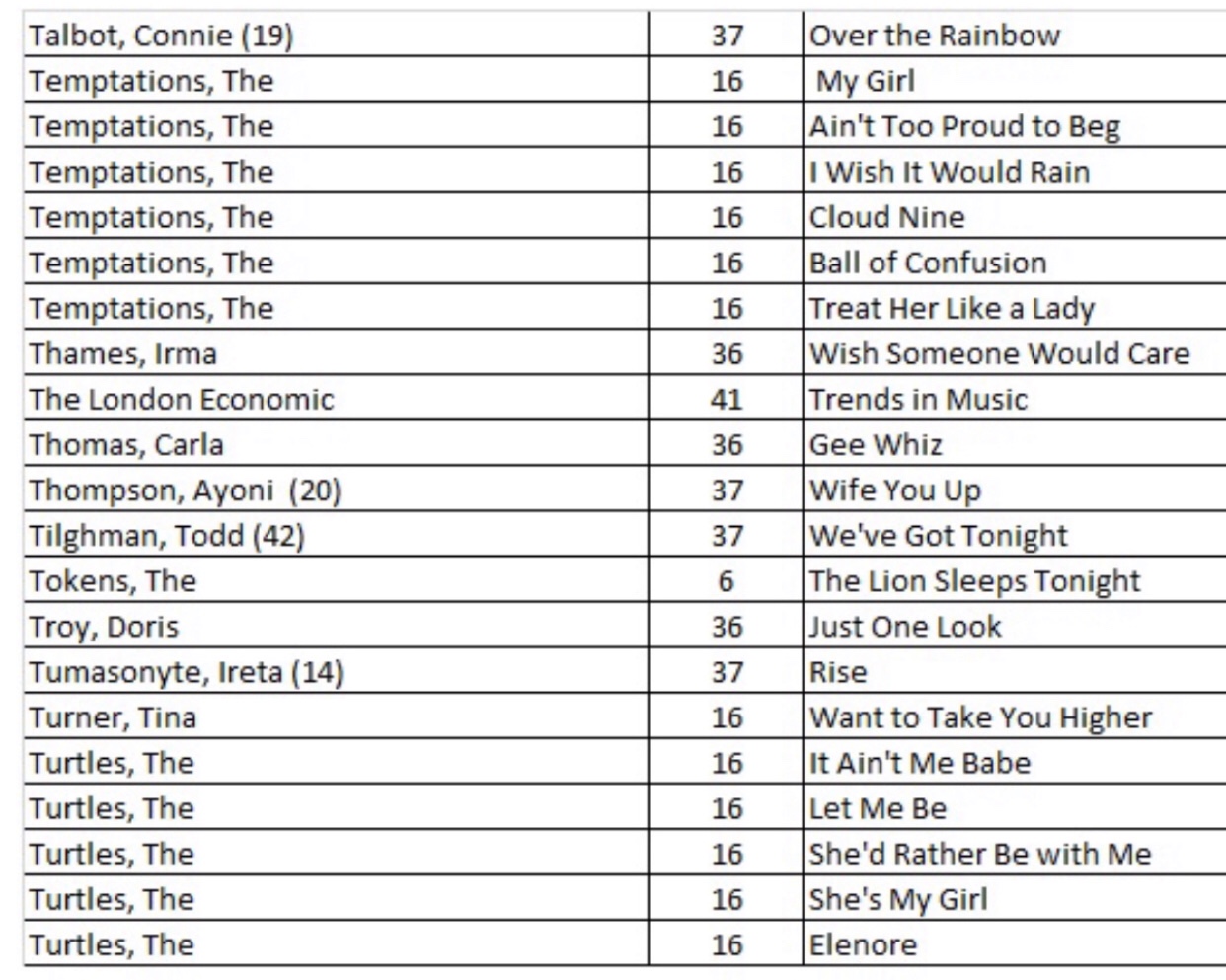
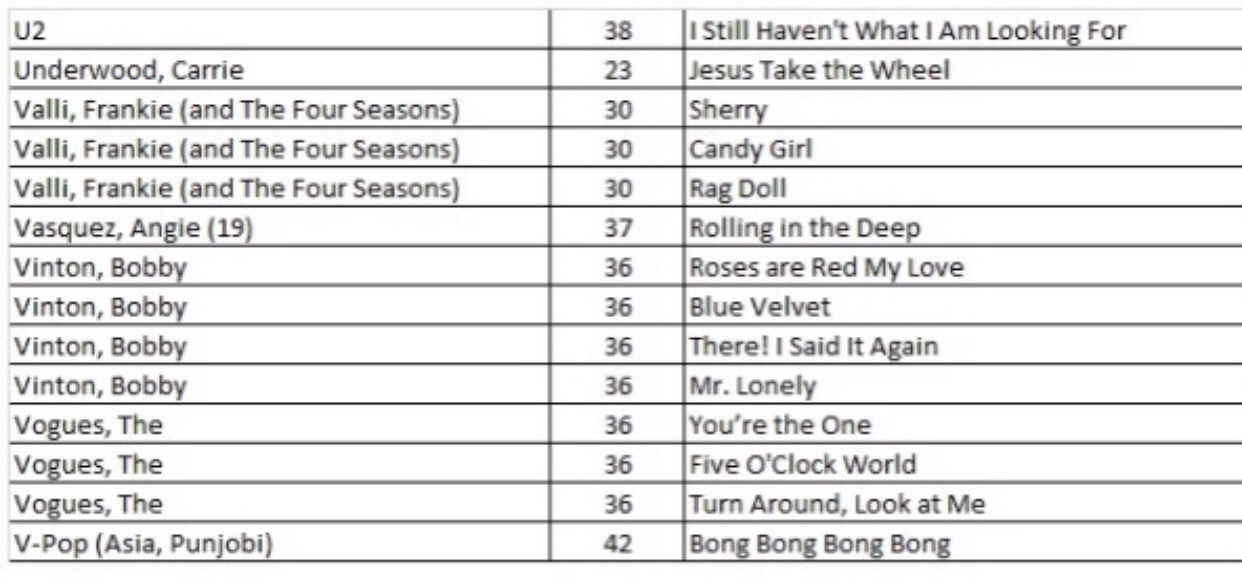


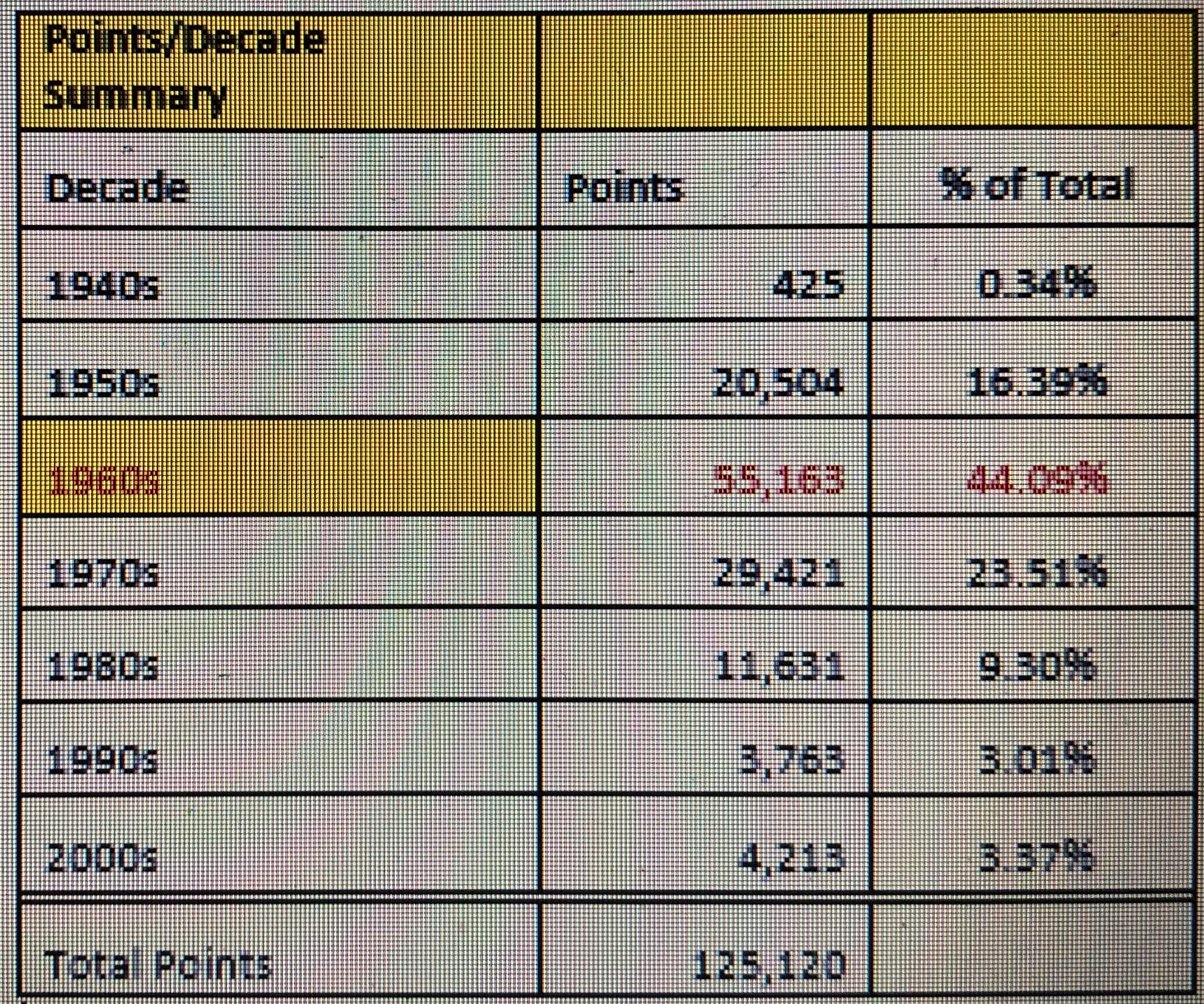




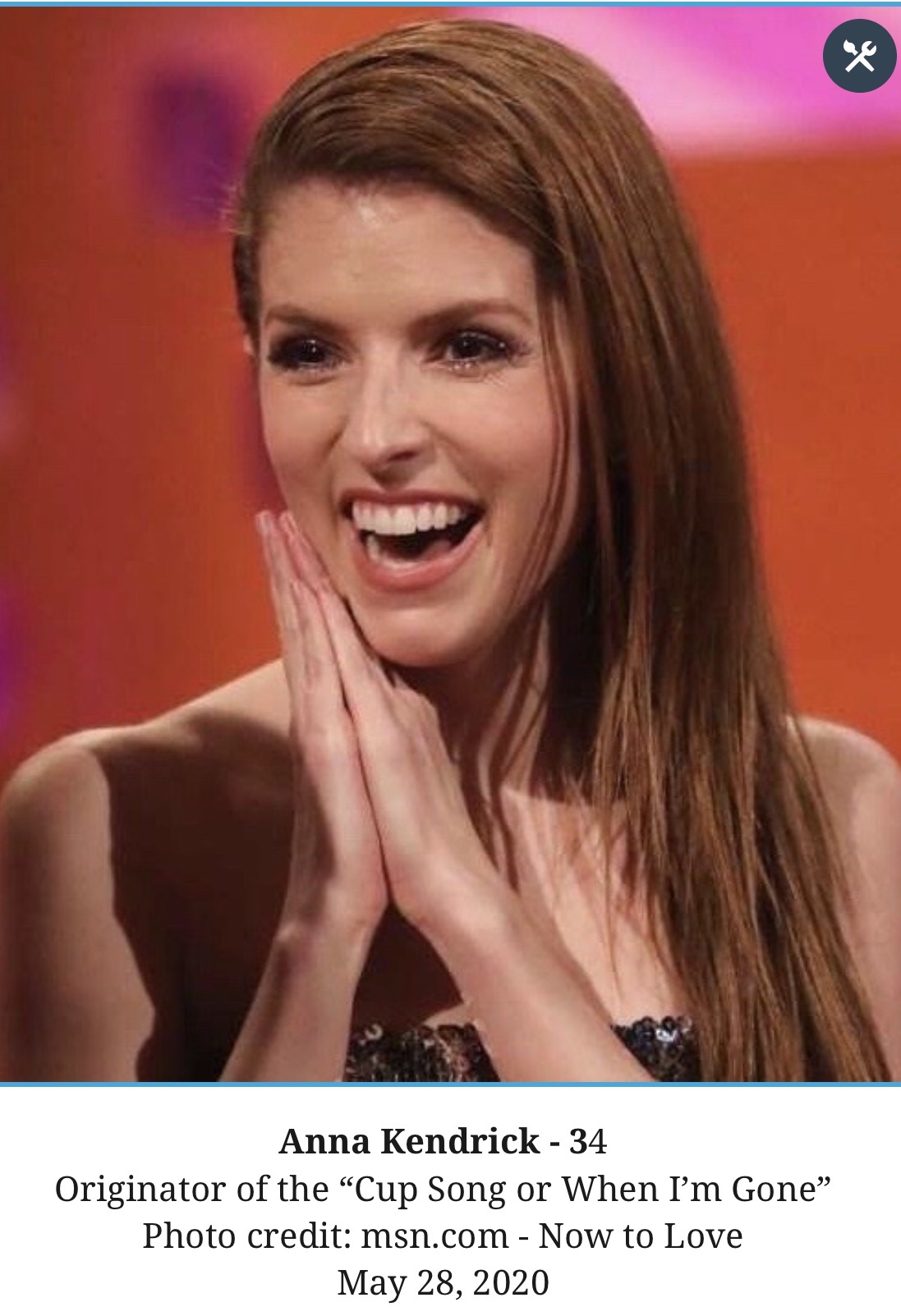
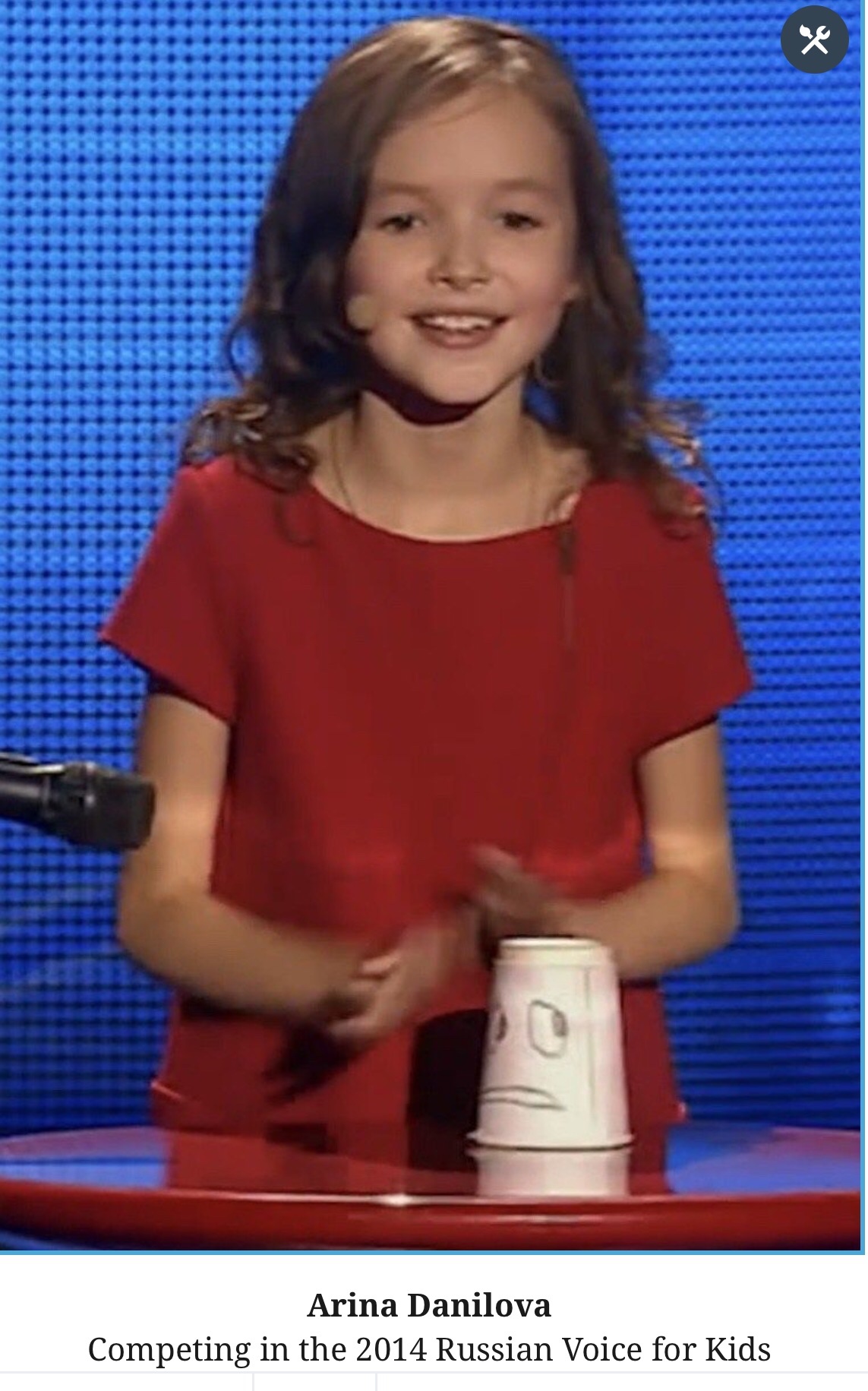




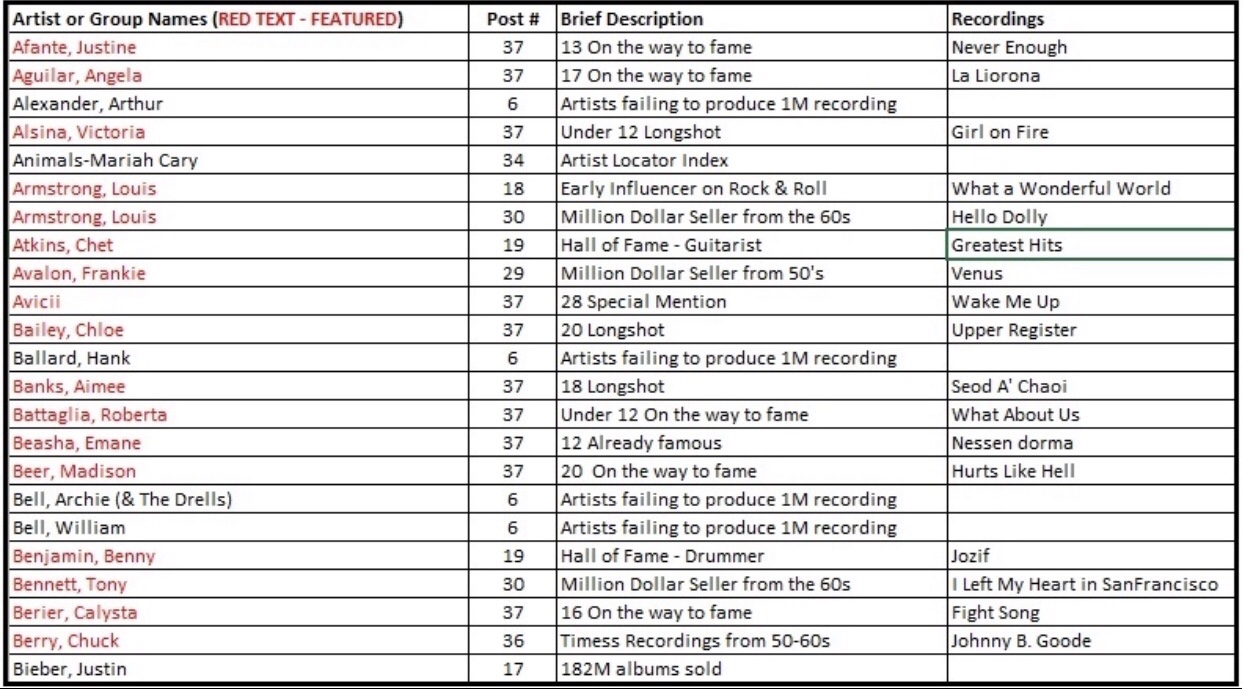
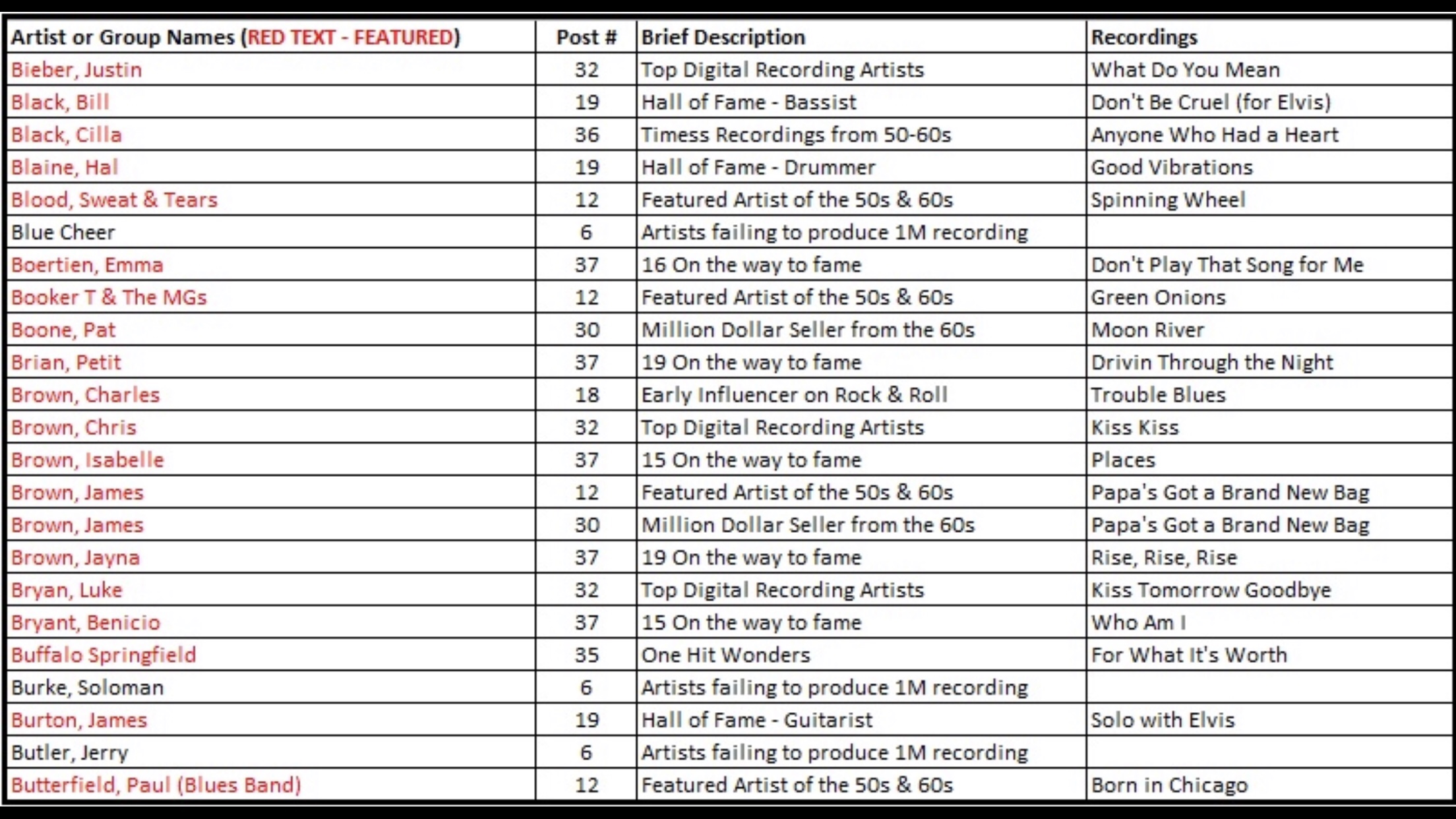
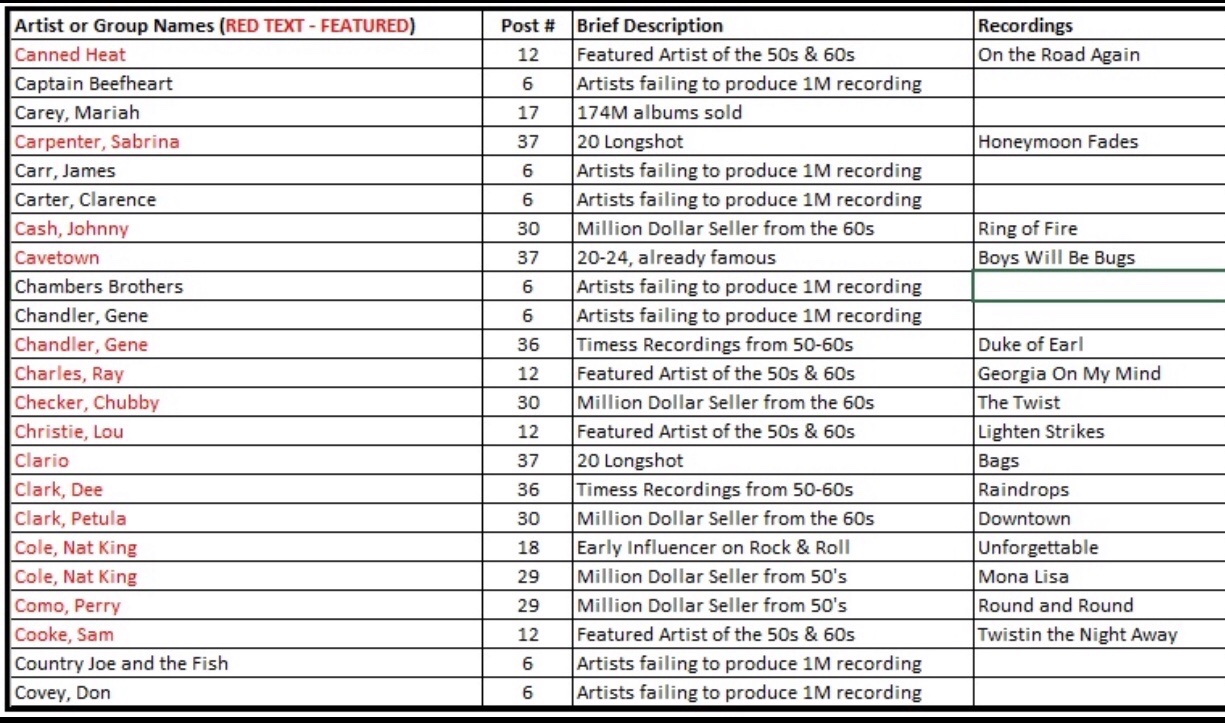
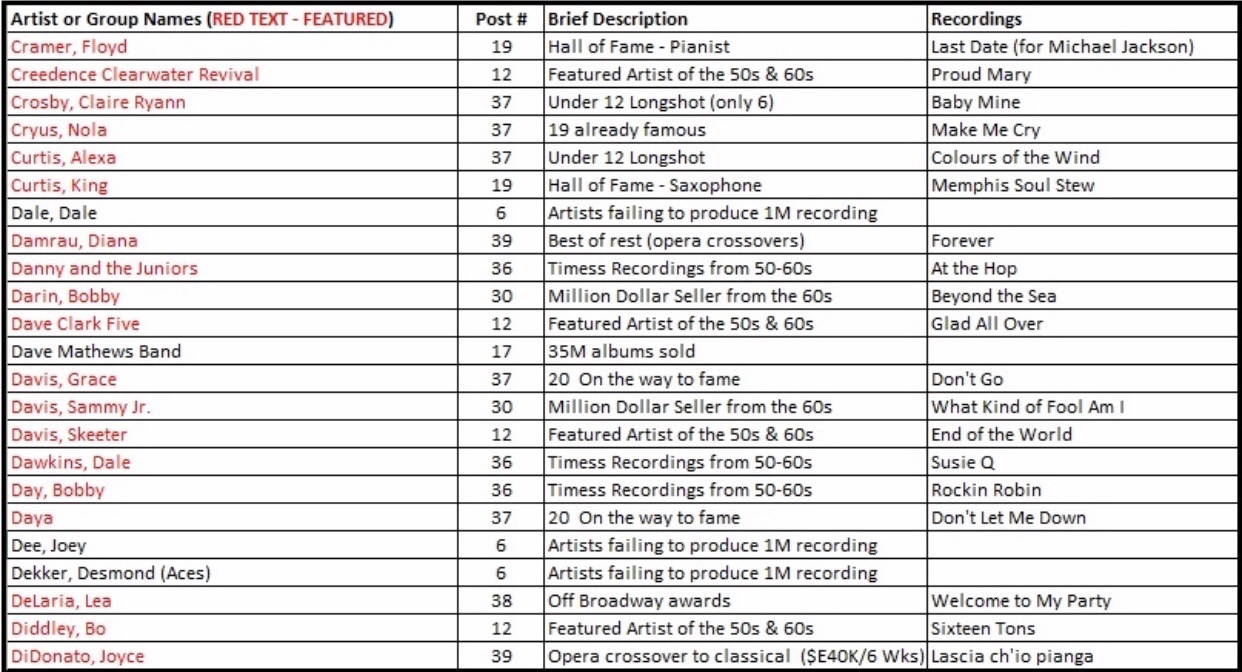
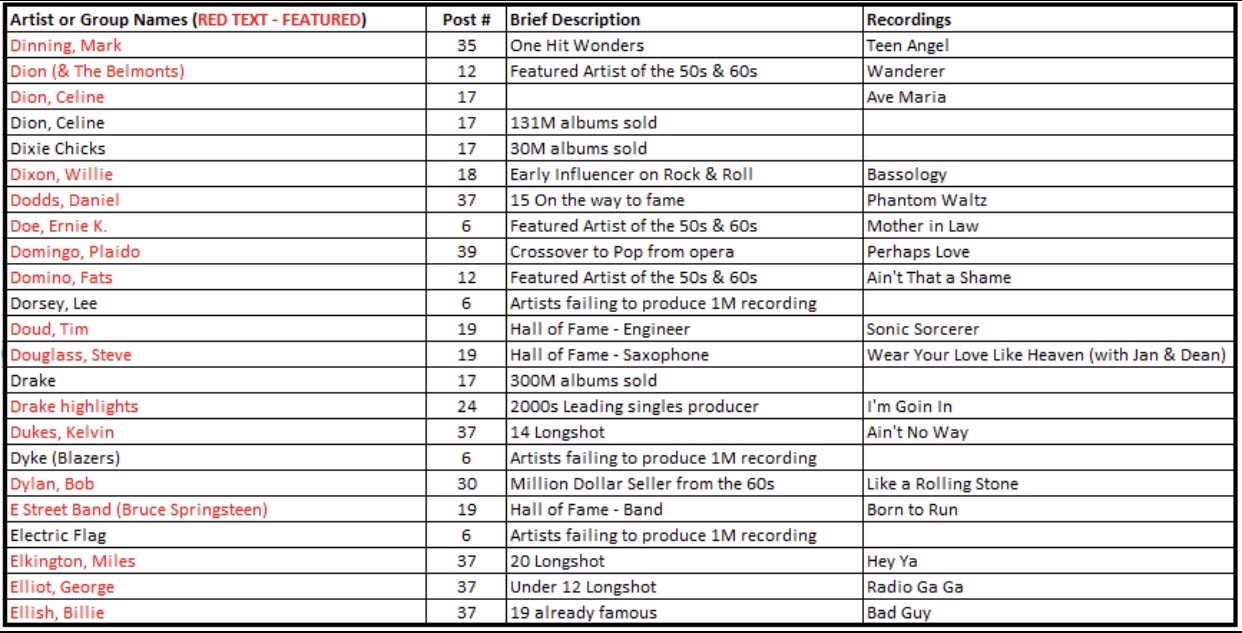
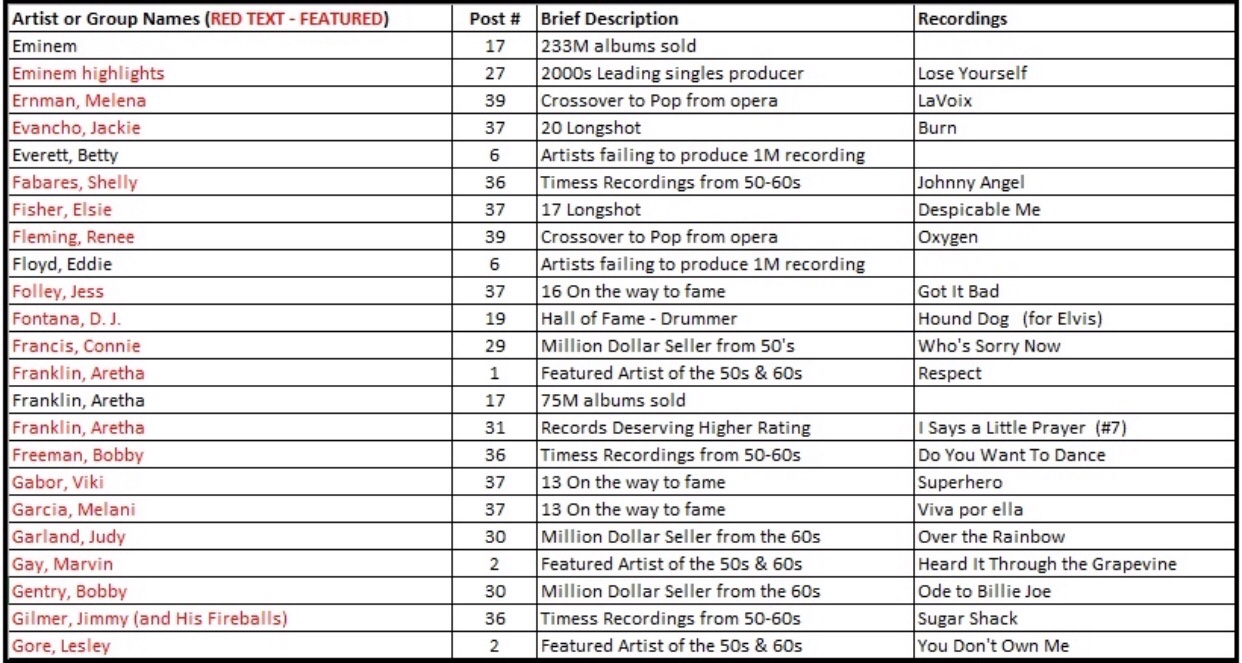


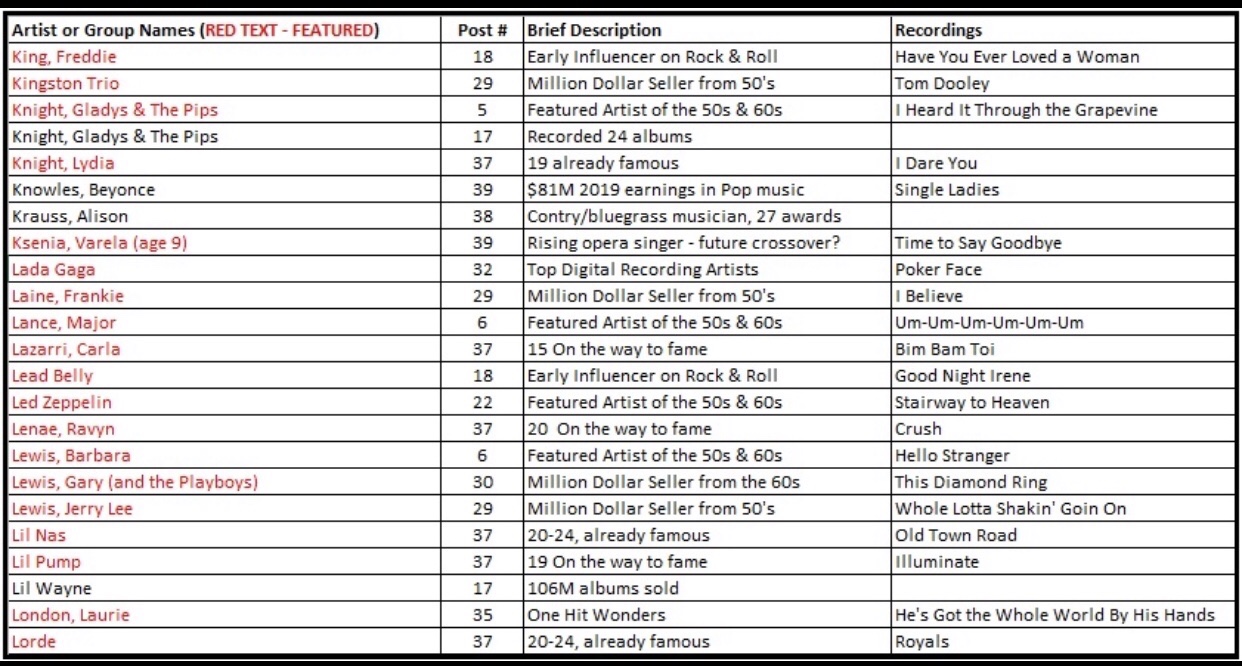
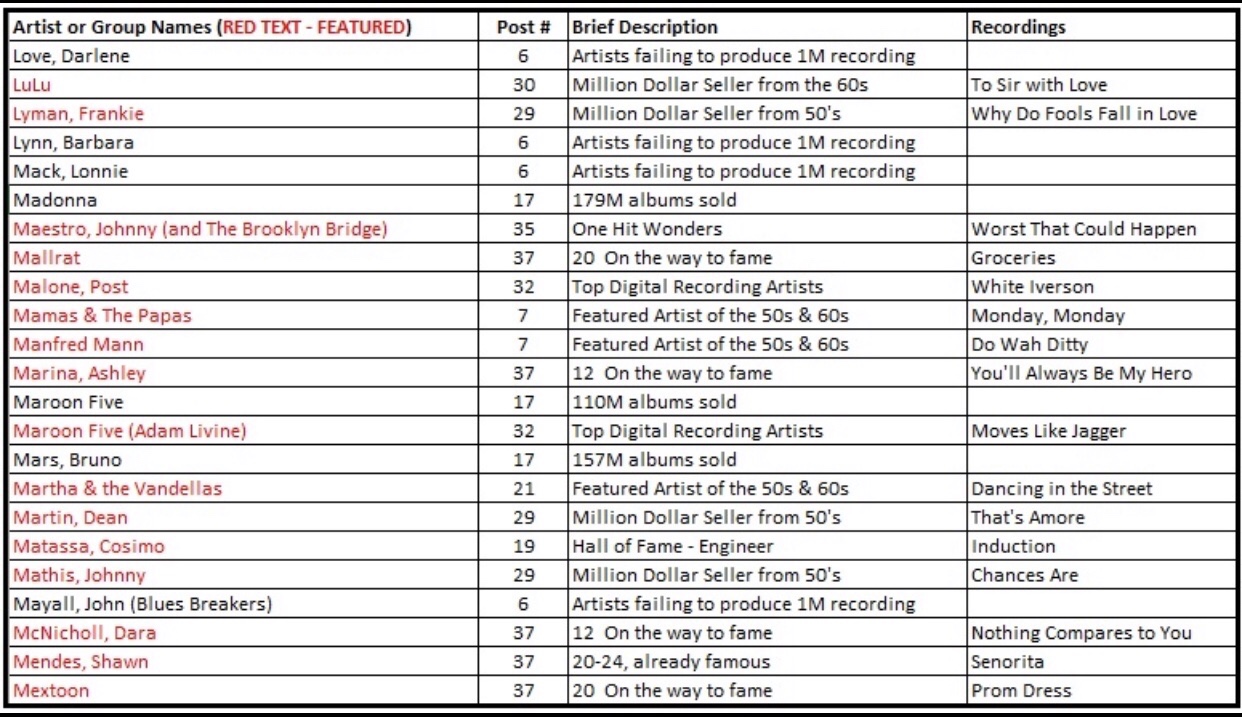
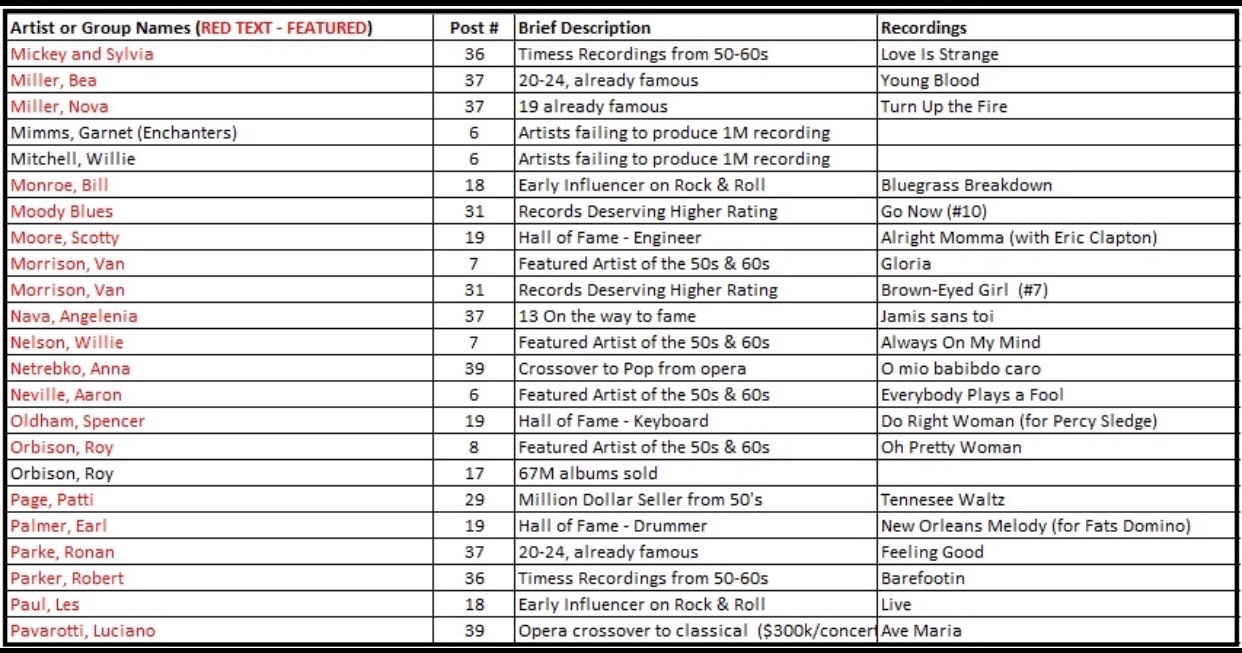


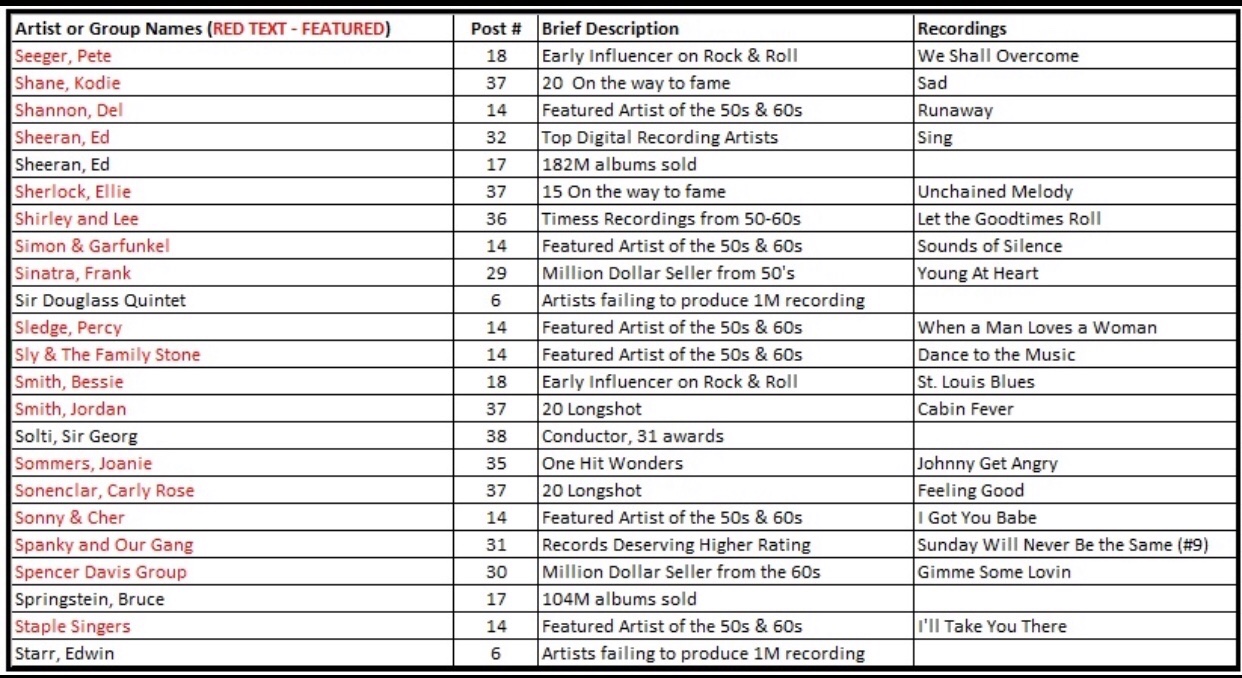
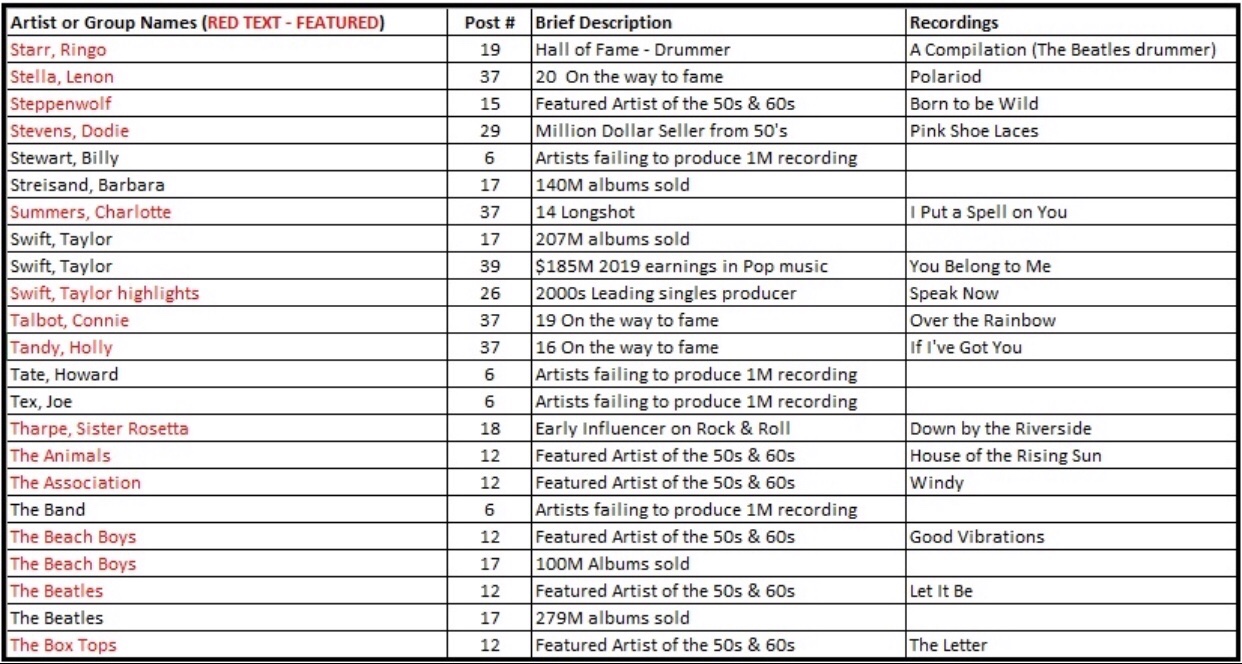
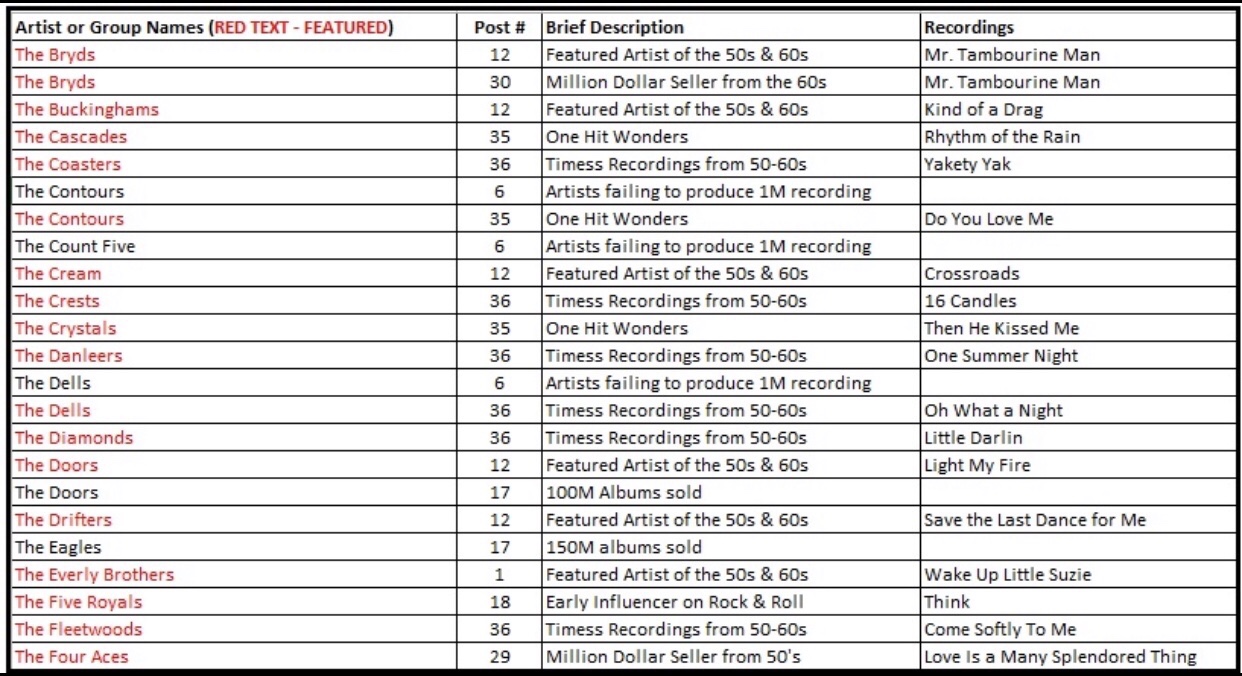
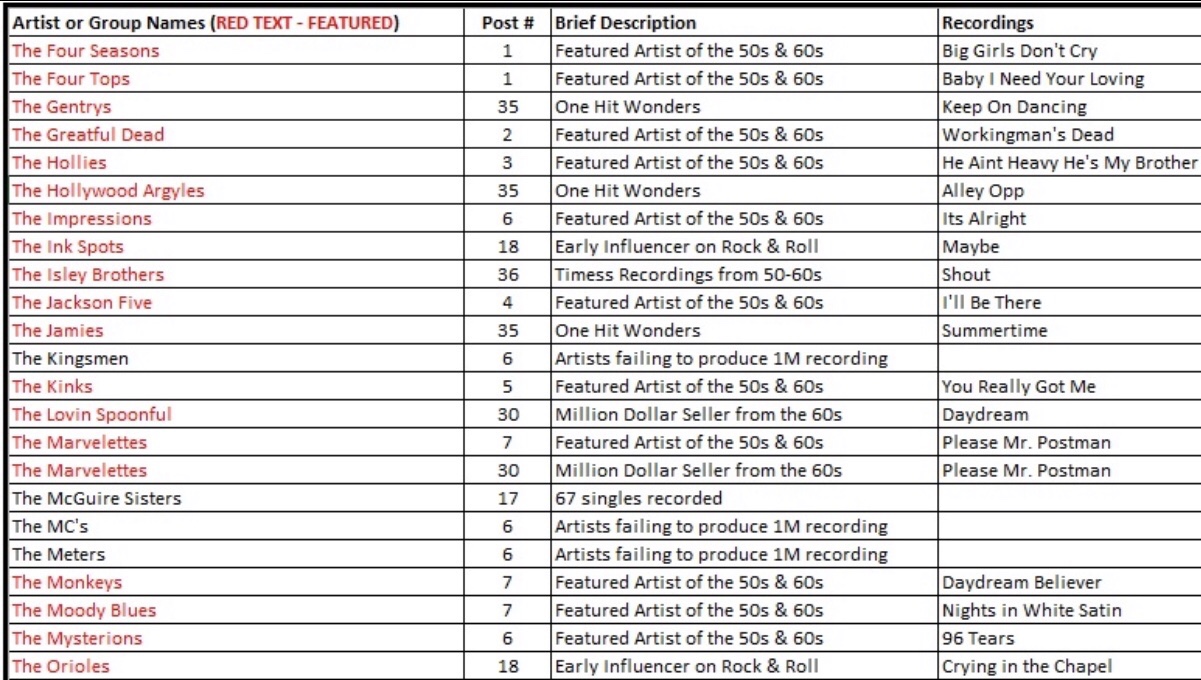
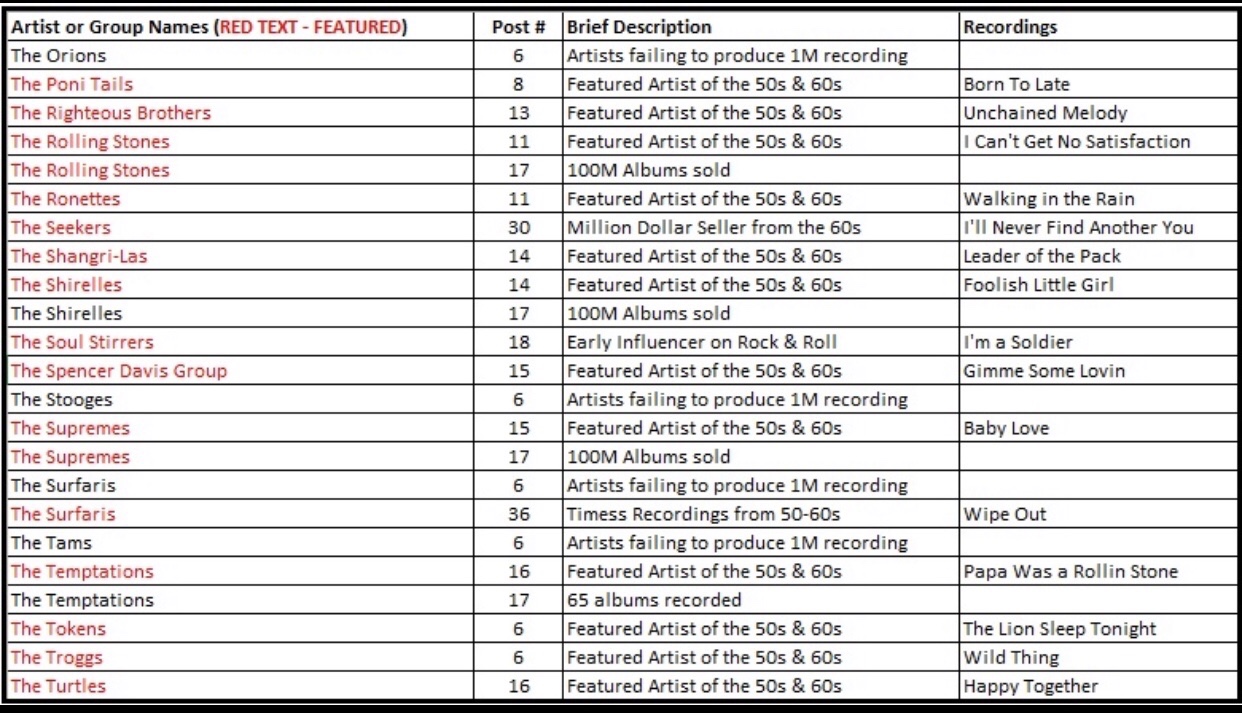

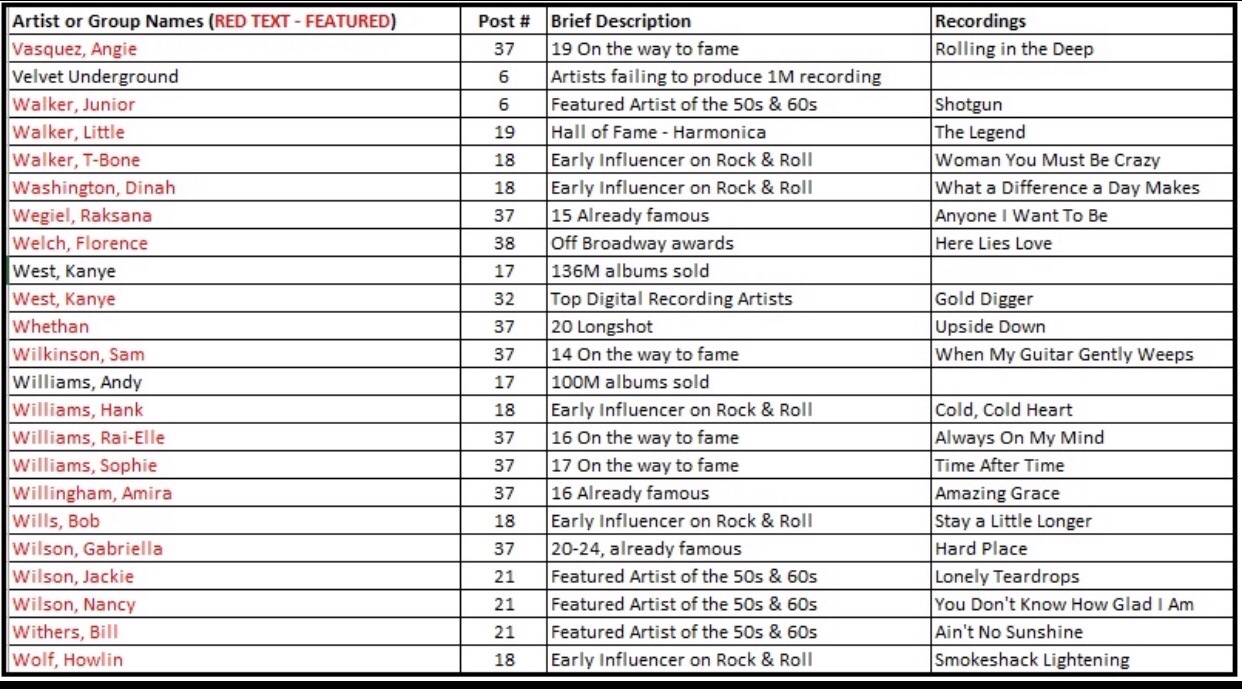

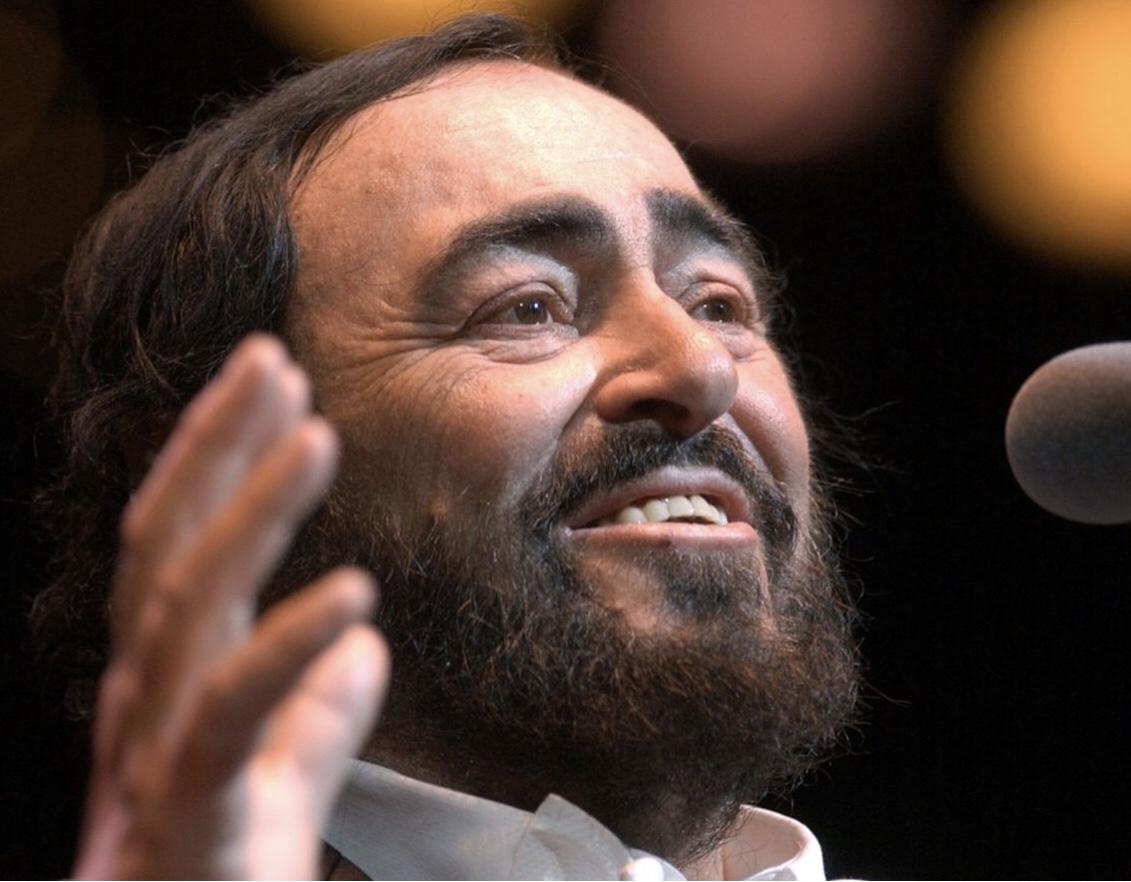


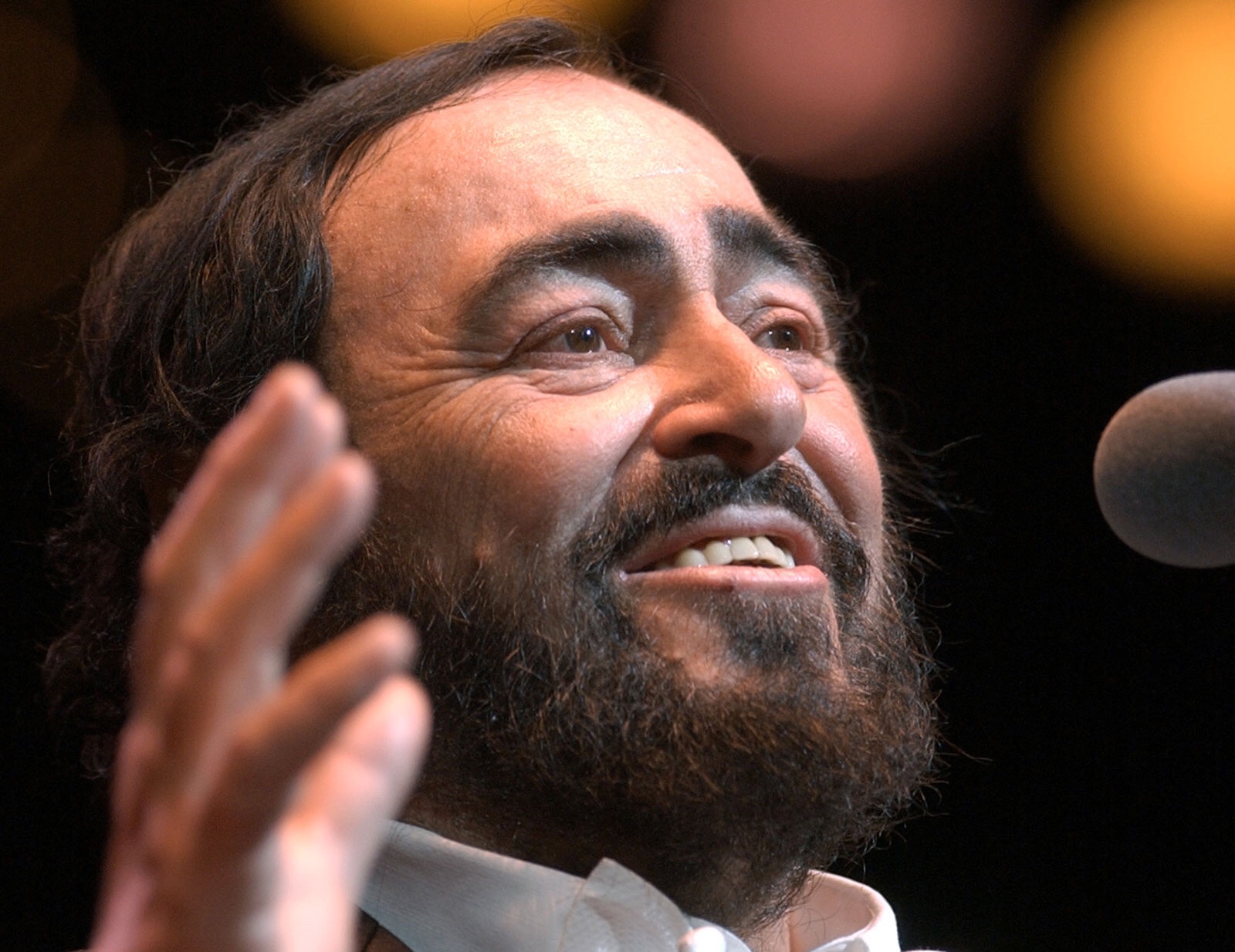
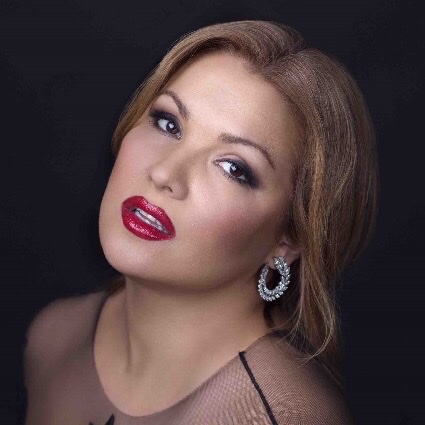

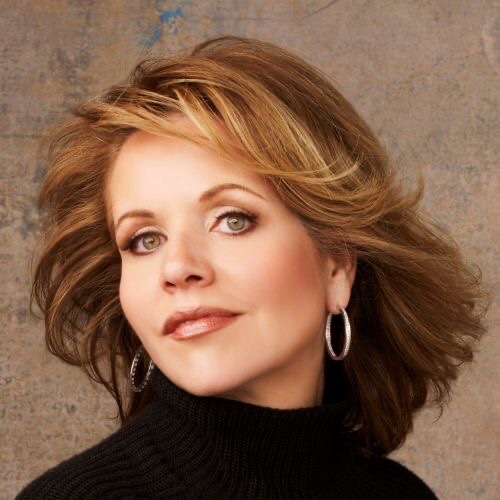
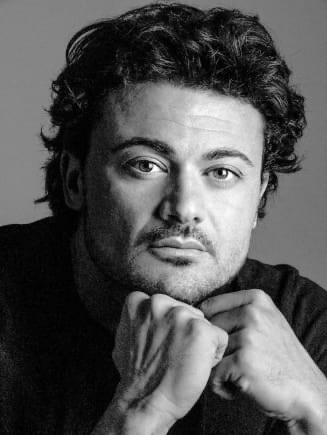


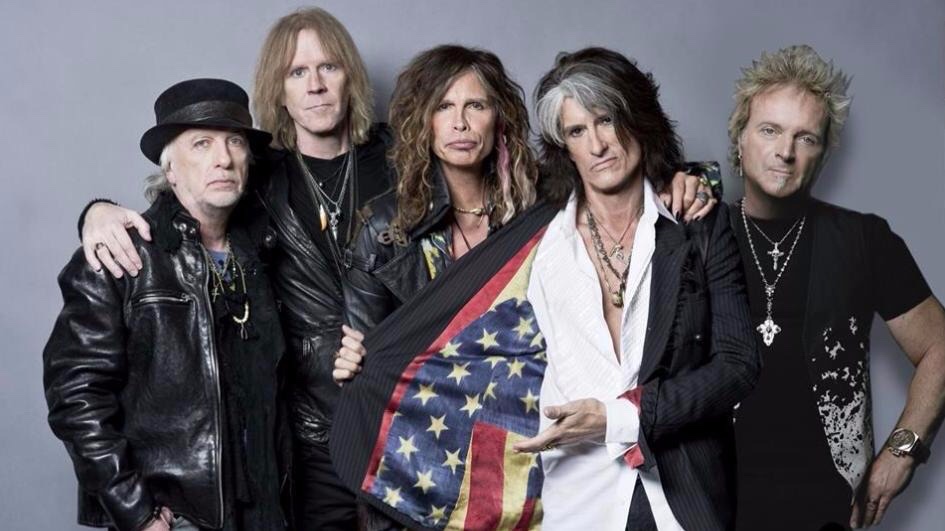


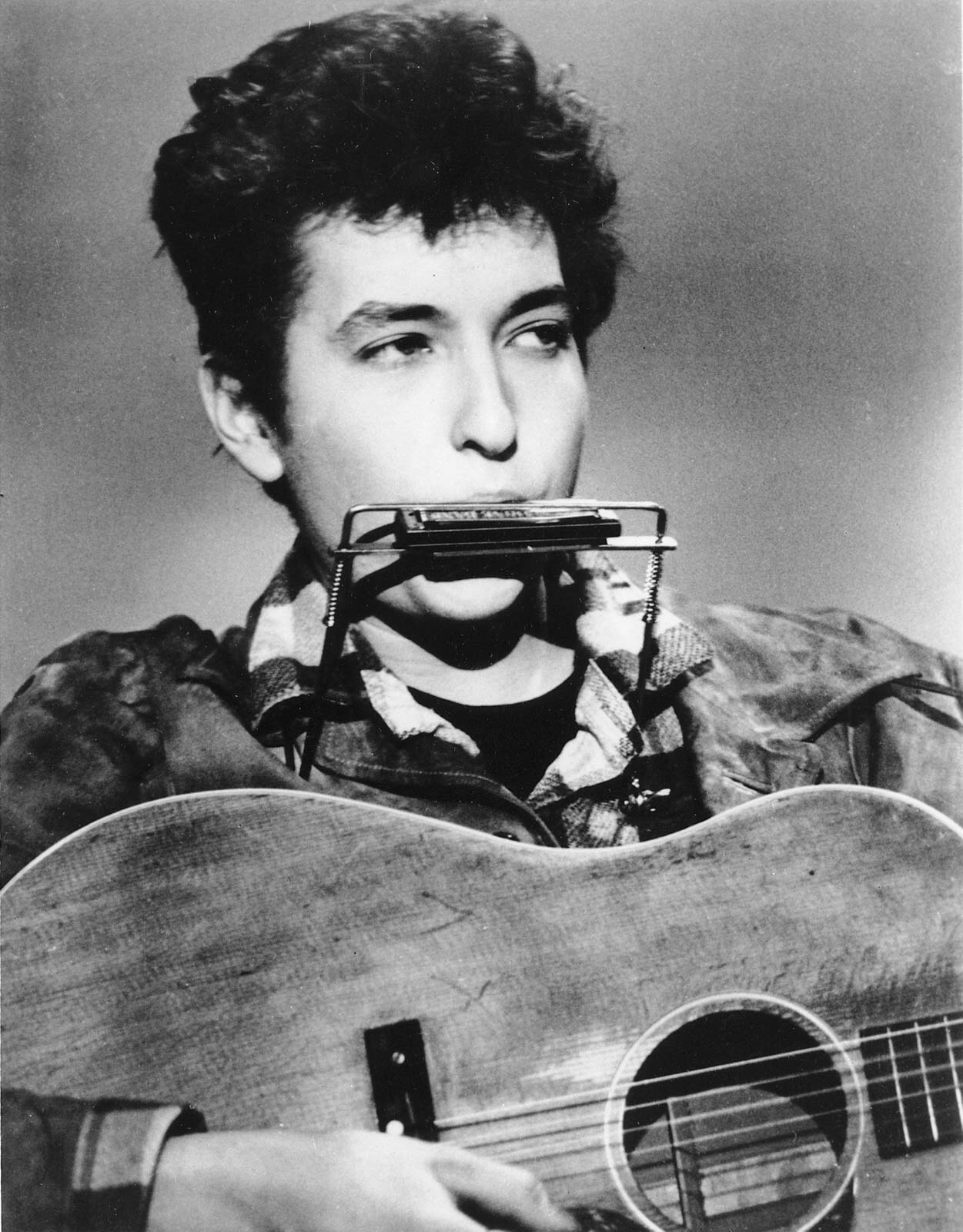
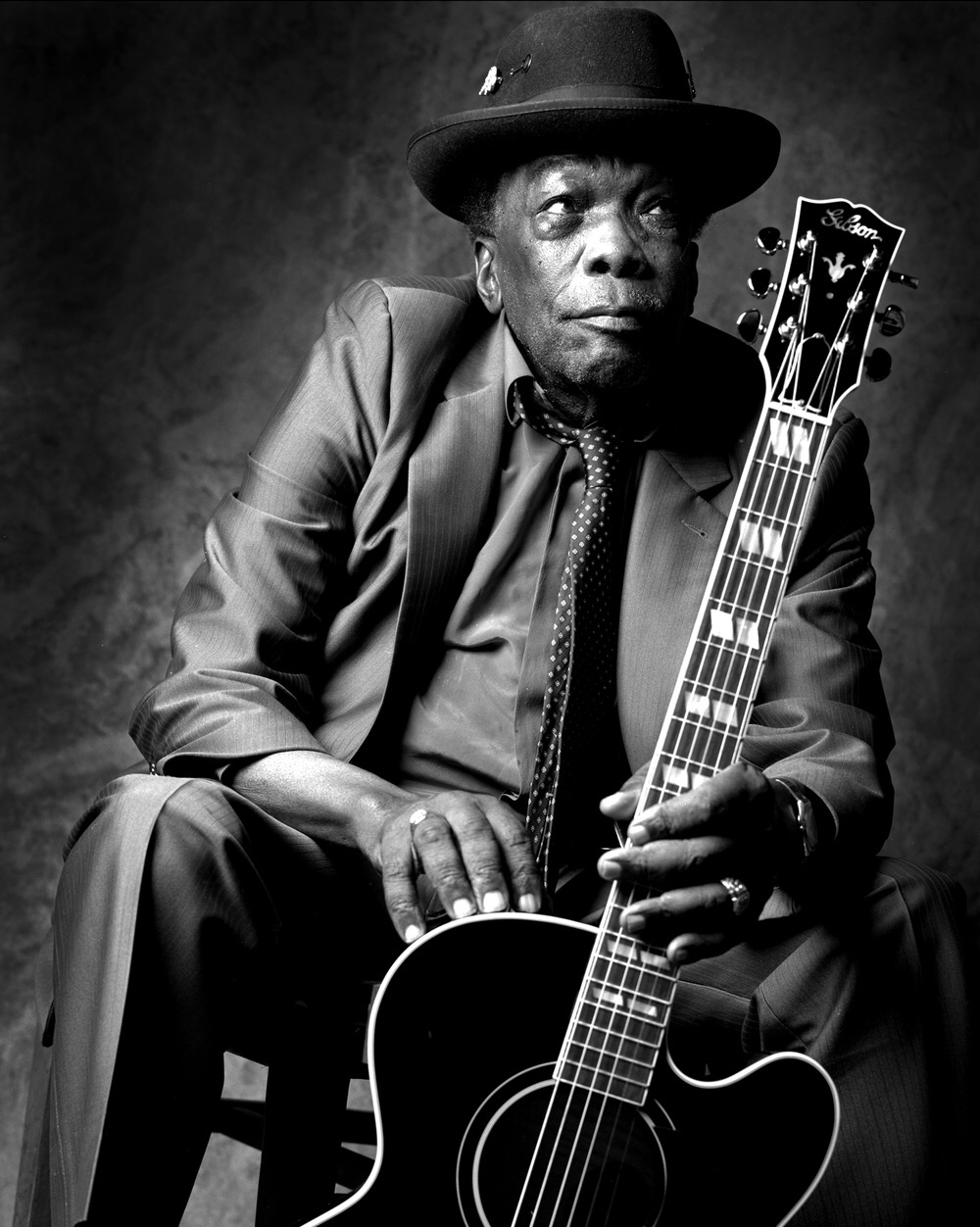
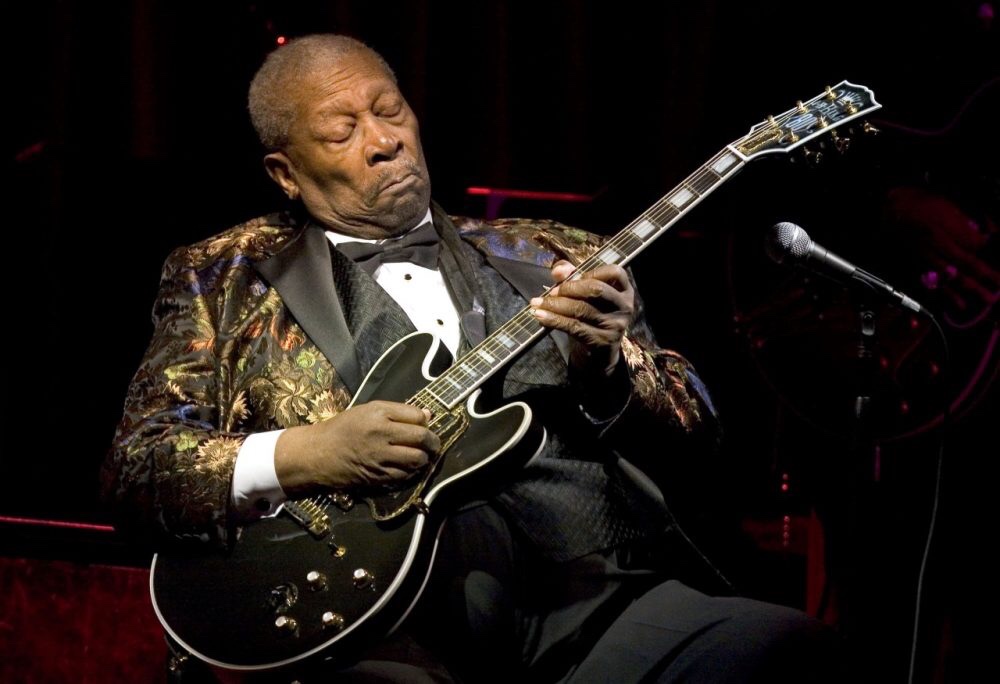


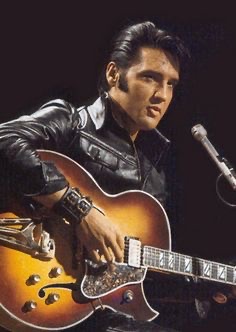
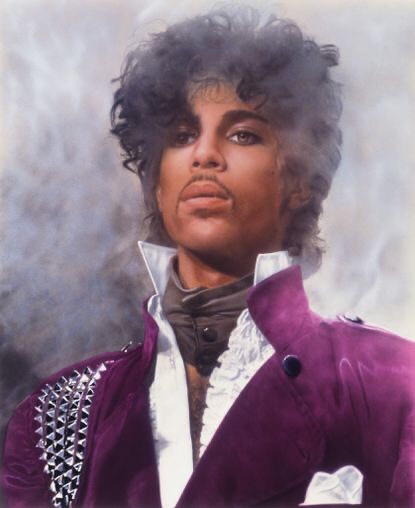
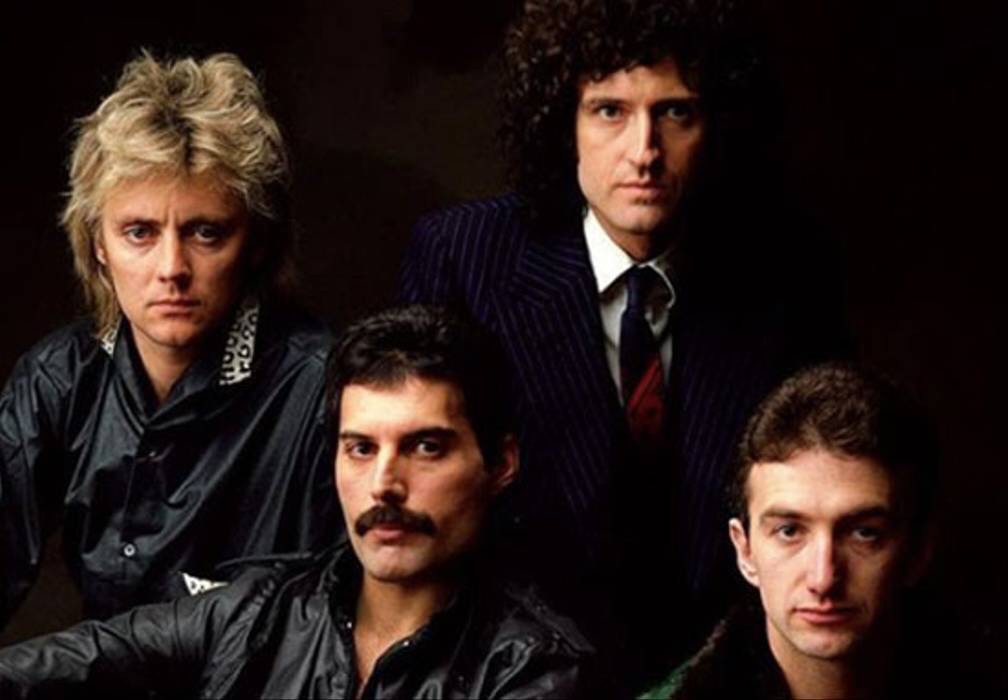
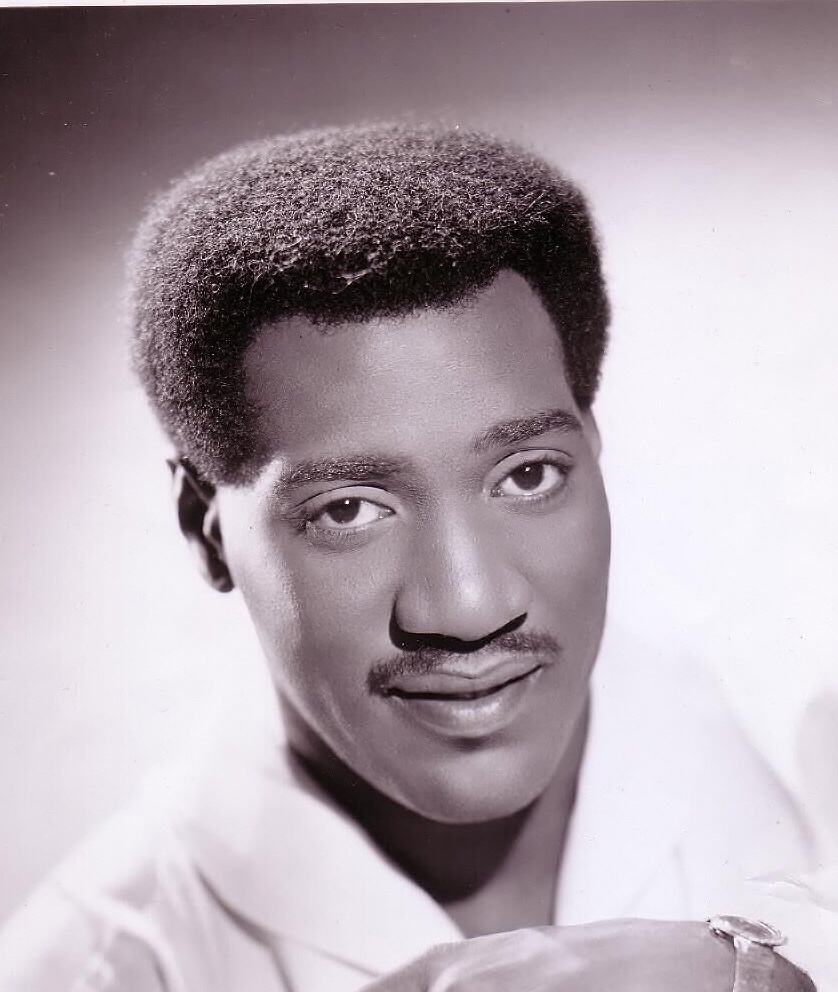













 All-Time Greatest Music