A-Ha 1985; The Bee Gees 1978; Black Motorcycle Club 2013; Blink- 182 1999; Chevelle 2002; Cream (Eric Clapton); Crisby, Stills & Bash 1969; DeCastro Sisters 1954; Depache Mode 2001; Destiny’s Child (Beyonce Knowles); Denning Sisters 1942; Dion & The Belmonts 1957; Dixie Chicks 1975; Double Trouble (Stevie Ray Vaughn); Emerson, Lake & Palmer; Fontane Sisters 1954; Genesis (Phil Collins) 1978; Goo Goo Dolls 1998; Grand Funk Railroad 1973; Green Day 2005; Haim 2017; Husker Du 1983; James Gang 1971; Kingston Trio 1958; Lambert, Henricks & Ross 1957; Manic Street Preachers 1988; Martha & The Vandellas 1957; Motorhead 1980; MUSE 2003; Nirvana 1991; Peter, Paul & Mary 1961; Rascal Flatts 2004; Run-D.M.C. 1986; RUSH 1976; Sublime 1996; The Andrew Sisters 1941; The Boswell Sisters 1930; The Cure 1986; The Jams 1980; The Jimi Hendrix Experience 1967; The Impressions (Jerry Butler) 1958; The Lettermen 1959; The McGuire Sisters 1959; The Police 1979; The Sangri-Las 1964; The Ronettes 1957; The Supremes 1959; The Three Degrees 1963; TLC 1994; Train 2001; Yeah Yeah Yeahs 2096 and ZZ Top 1983.
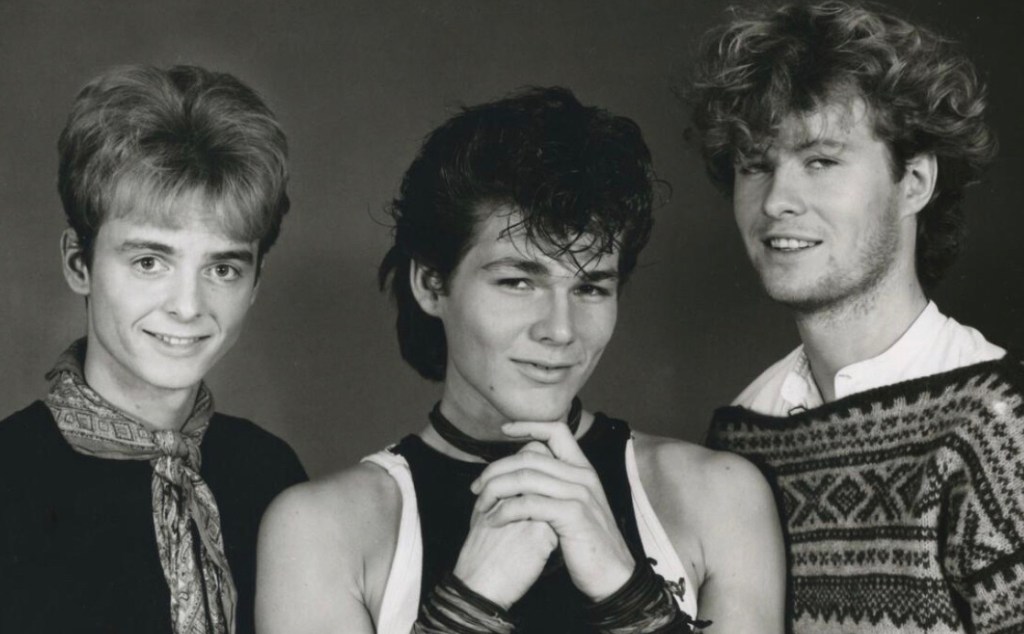
“Take on Me” 1985
https://youtu.be/djV11Xbc914?feature=shared
Photo credit: Los Angeles Times
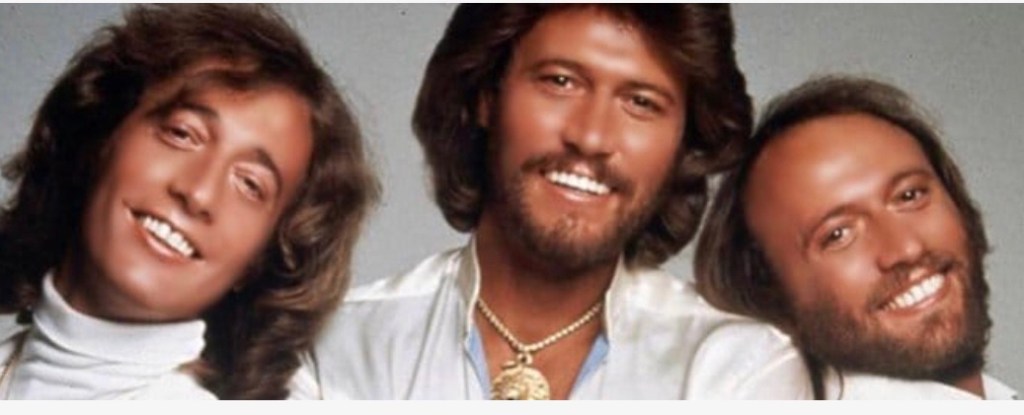
“How Deep is Your Love” 1978
https://youtu.be/XpqqjU7u5Yc?feature=shared
Photo credit: maybeecenter
“Let the Day Begin” 2013
https://youtu.be/mmtQwtcaqLM?feature=shared
Photo credit: Rotten Tomatoes
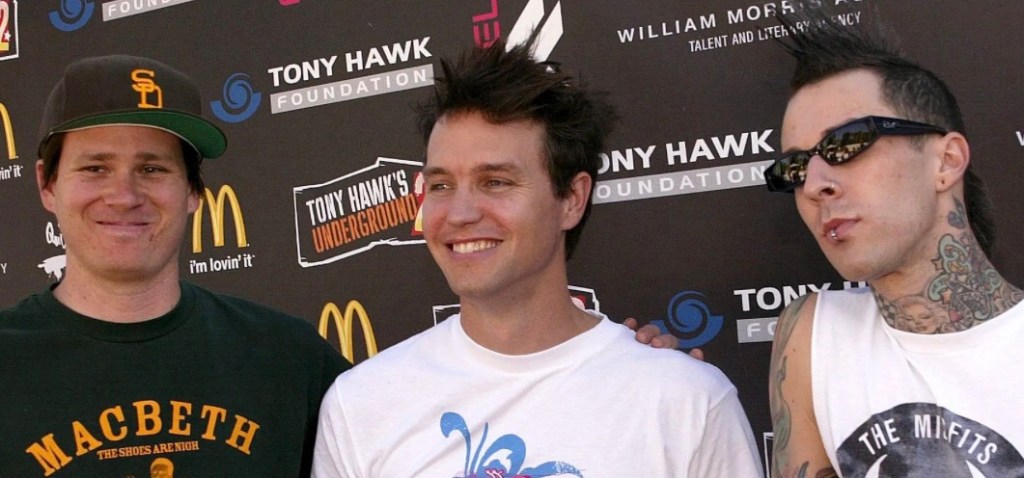
“All the Small Things” 1999
https://youtu.be/9Ht5RZpzPqw?feature=shared
Photo credit: On Touch Weekly
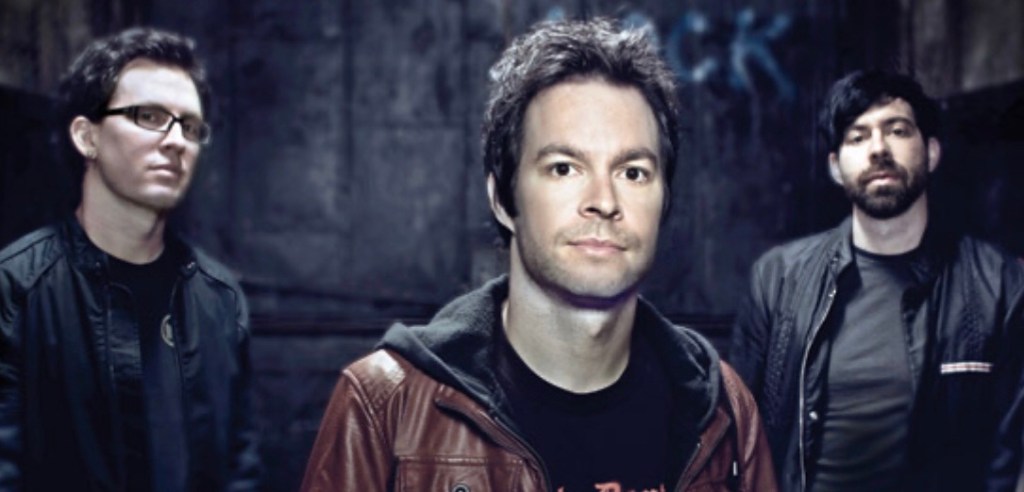
“The Red” 2002
https://youtu.be/trinU3VD1Zo?feature=shared
Photo credit: The Xboxhub
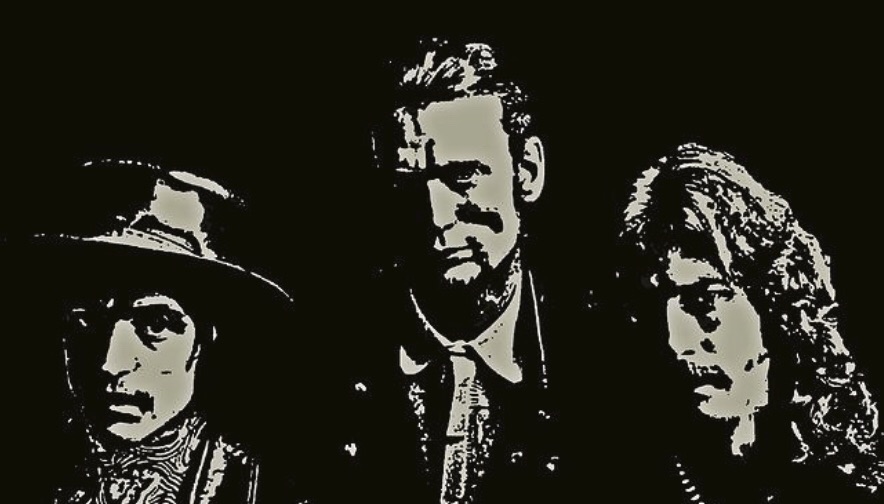
“Sunshine of Your Love” 1967
https://youtu.be/f3y8jf01UY8?feature=shared
“White Room” 1968
https://youtu.be/xGxhECBbw08?feature=shared
Photo credit: Fine Art America
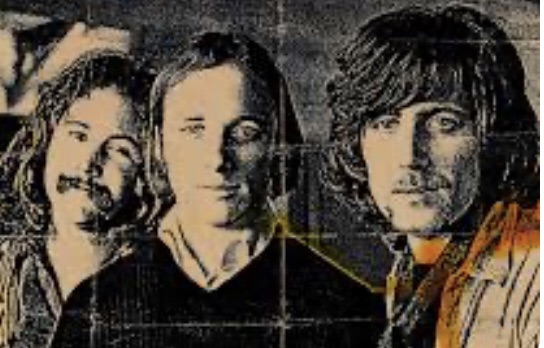
Note: Crosby left the Bryds, Stills left Buffalo Springfield and Nash left The Hollies in 1967-68.
“Judy Blue Eyes” 1969. (added several more charted songs)
https://youtu.be/cMJug2iz3NA?feature=shared
Photo credit: Spotify
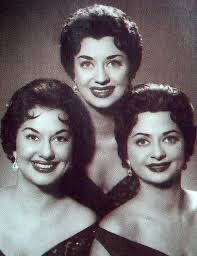
Photo Credit: colorradio.com
The DeCastro Sisters (1946-1954) began as a Latin-flavored trio and were protegees of Carmen Miranda. They eventually became more Americanized in their performances and added comedy. The biggest hit single for the group was “Teach Me Tonight” (https://youtu.be/A1o57qfBV54), in 1954. The song reached No. 2 in the United States, and the follow-up, “Boom Boom Boomerang (song)|Boom Boom Boomerang”, reached No. 17. The group is referenced in an episode of The Sopranos, “Do Not Resuscitate”, as one of the only music groups that matriarch Livia actually likes, along with Mario Lanza. The three original DeCastro Sisters — Peggy, Cherie and Babette — were raised in Havana, Cuba, in a family mansion that was seized by Fidel Castro during the Cuban revolution and is now used as the Chinese Embassy. Their mother, Babette Buchanan, was a Chicago-born Ziegfeld Follies showgirl who married the wealthy Cuban aristocrat Juan Fernandez de Castro, owner of a large sugar plantation in the Dominican Republic, where first daughter Peggy was born. De Castro later developed radio and television in Cuba with David Sarnoff, who was often a guest at their home and was also in charge of a planned project under the Batista regime to build a canal through Cuba, which never materialized.
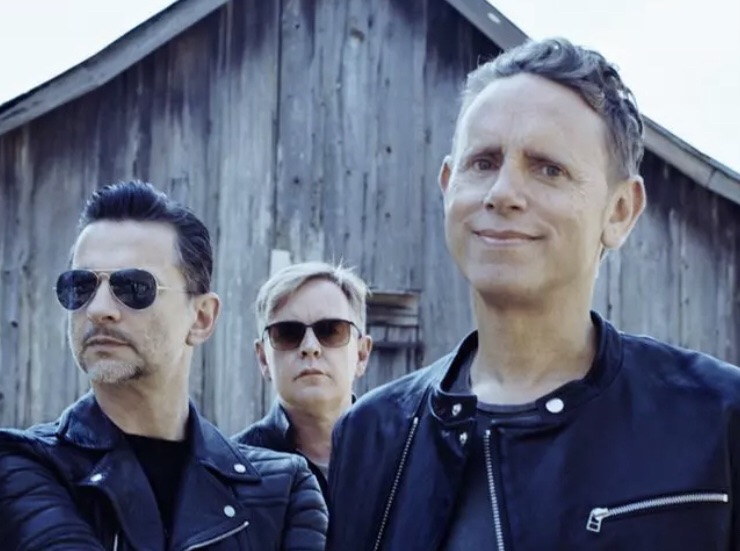
“I Feel Loved” 2001
https://youtu.be/OL8Wqe-QWM8?feature=shared
Photo credit: iHeart
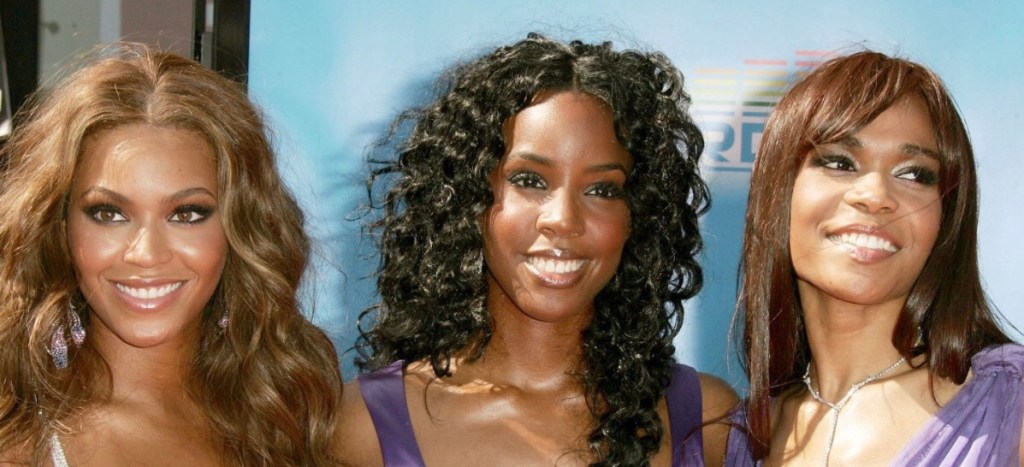
“Say My Name” 1999
https://youtu.be/sQgd6MccwZc?feature=shared
Photo credit: facts.net
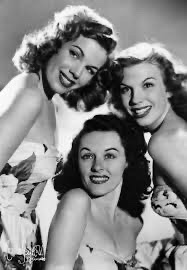
Photo credit: nytimes.com
Active from the late 1930s to 1955. In 1942, the sisters appeared regularly on NBC radio, and had made an appearance in the 1942 Ozzie Nelson film Strictly in the Groove. In 1943, the group was signed by Capitol Records to be that label’s answer to The Andrews Sisters, who recorded exclusively for Decca Records. Lucille (Lou) Dinning once said, “Let’s face it, the Andrews Sisters were way ahead of us. We tried our darndest to be as commercial as they were, but weren’t flashy enough. We were all kind of shy. We came from a farm in Oklahoma. We never took dancing lessons or anything.” The Dinnings sounded rather like The Andrews Sisters in fast-paced recordings such as the boogie-woogie influenced “Pig Foot Pete”, as well as “Down in the Diving Bell”, “The Hawaiian War Chant”, and “They Just Chopped Down the Old Apple Tree”, an “answer” song to “Don’t Sit Under the Apple Tree (With Anyone Else but Me)”. Their highest charted song (#5) was “Buttons and Bows”(https://youtu.be/WYbBgZrHmkg). The Dinning sound could also be compared, especially in slower ballads, to the soft blend of The Lennon Sisters, who appeared in the 1950s on The Lawrence Welk Show.
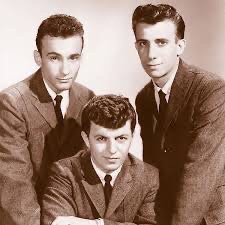
See Post 12 for details
Greatest hits: https://youtube.com/playlist?list=PLD3D9DF2F6C1020D8
Photo Credit: singers.com
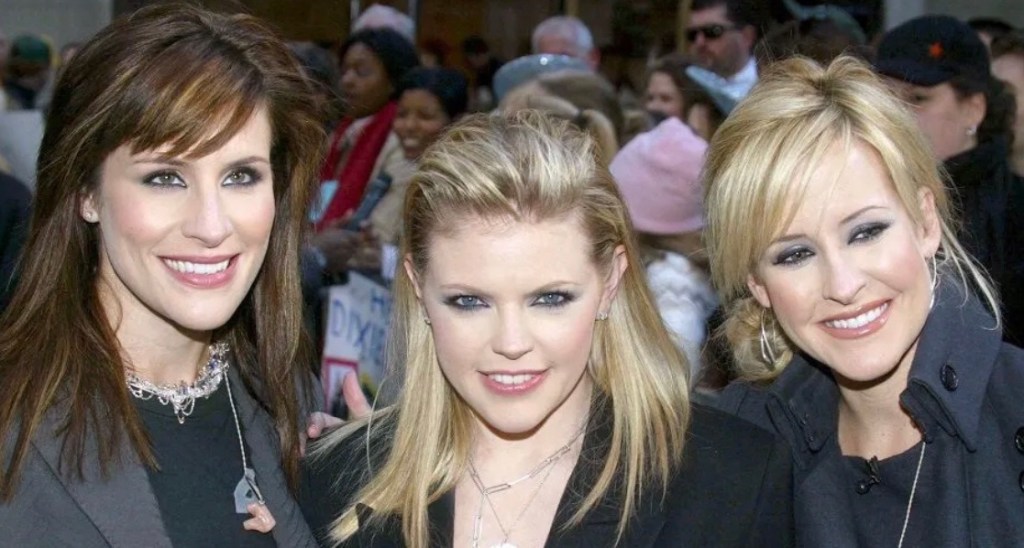
“Landslide” 1975 (cover of Fleetwood Mac song)
https://youtu.be/J4_wXPZ1Bnk?feature=shared
Photo credit: Variety
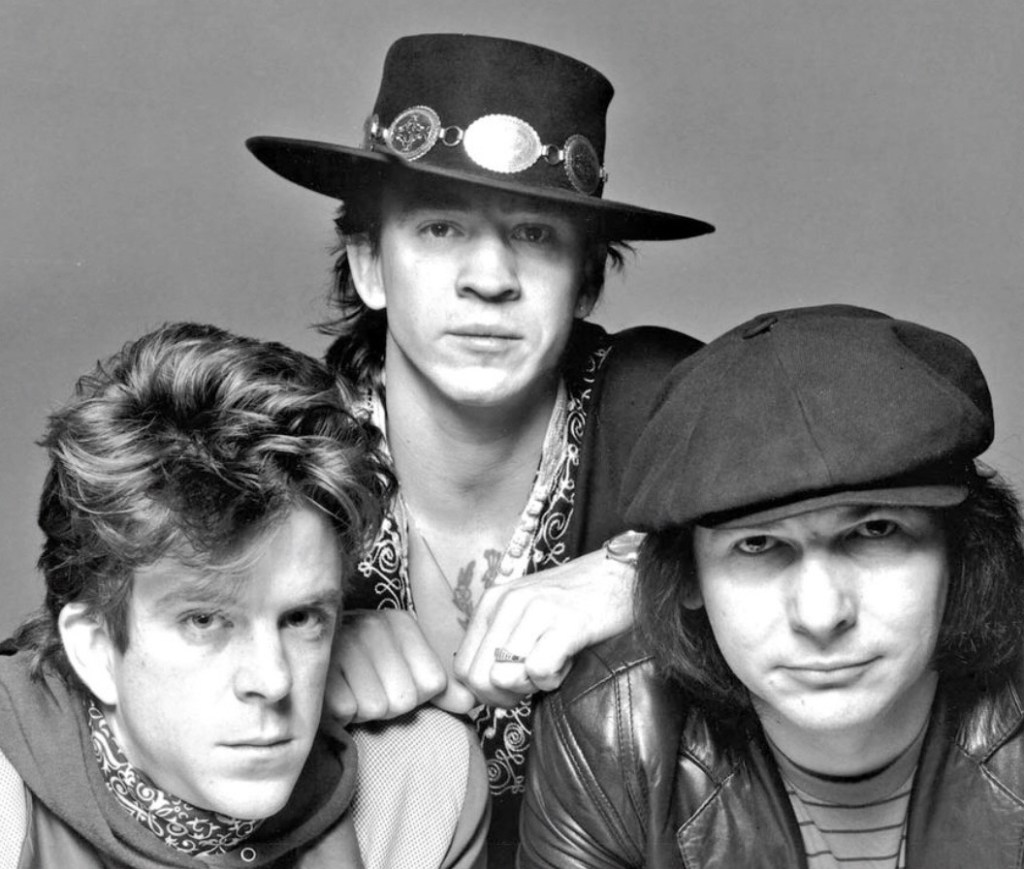
“Crossfire” 1989
https://youtu.be/t54xyIcgbks?feature=shared
Note: He and his band were killed in a helicopter crash in East Troy, WI on August 27, 1990 after performing at the Alpine Valley Music Theatre.
Photo credit: The Delete Bin
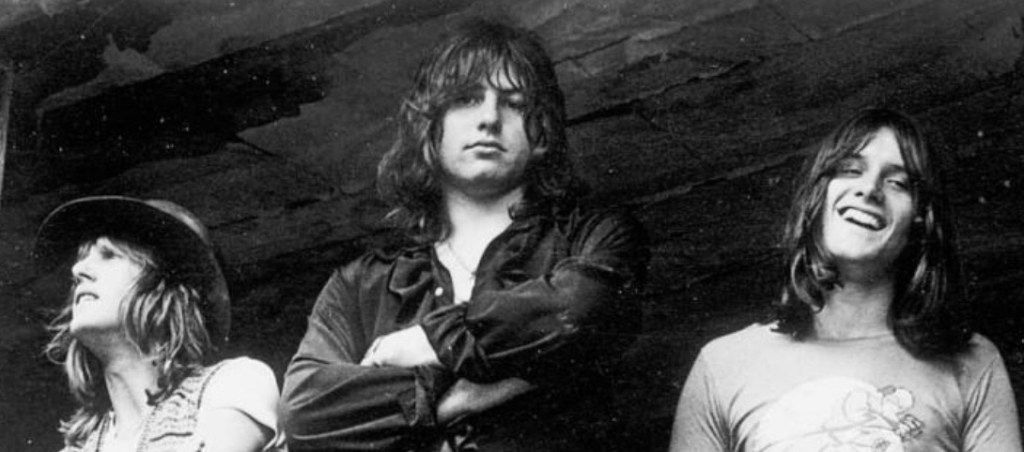
“From the Beginning” 1972
https://youtu.be/Wp8UlgvCVlI?feature=shared
Photo credit: The Arts Desk
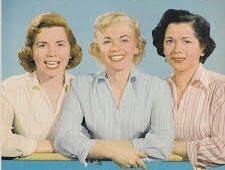
Photo credit: discogs.com
The group chose the name of Fontaine from a French-Canadian great-grandmother. They cut two singles for Musicraft Records in 1946, and then worked on sustaining (non-sponsored) programs for NBC, meeting and working with Perry Como soon after he came to the network. They cut two No1 hits with Como: “You’re Adorable” and “Hoop Dee Doo.” Then, in 1954 recorded their last No1 hit: “Hearts of Stone”(https://youtu.be/krPfRvBiNrE). Word reached the sisters, then in Chicago for NBC, that “Supper Club” would be making cast changes; they were eager for a chance to join Como’s show, which also meant being closer to their home. Beginning in the summer of 1948, they were featured on his radio and TV show known as The Chesterfield Supper Club and later (1950–1954) as The Perry Como Show. The trio also did appearances on Chesterfield Sound Off Time when the program originated from New York; however, the television show lasted only one season.
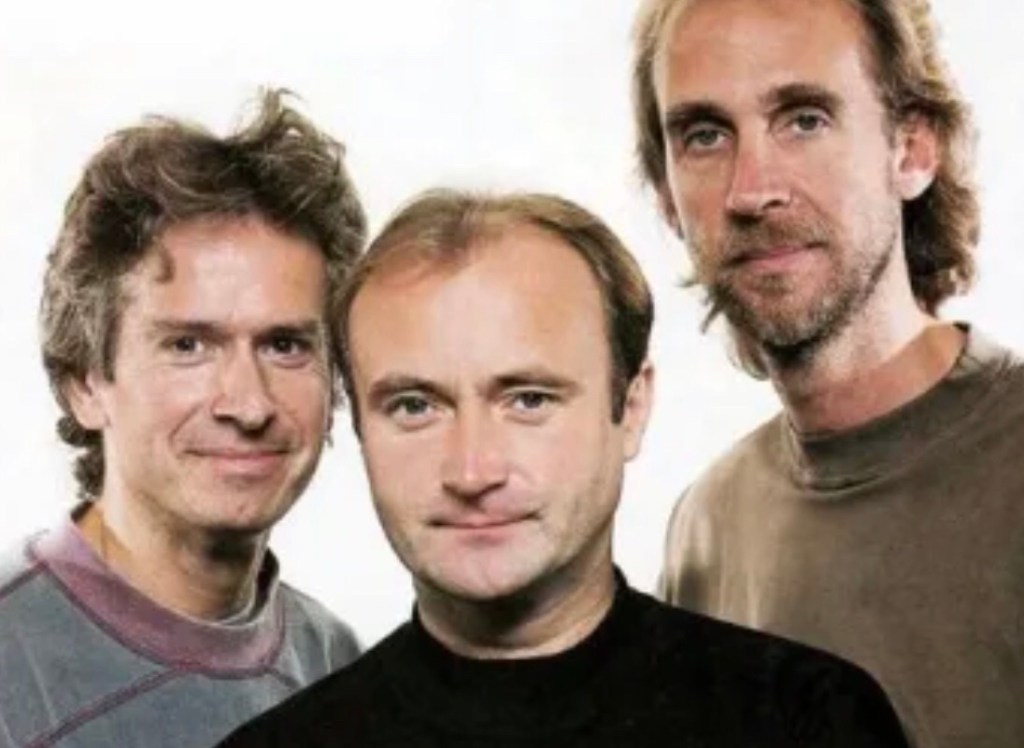
“Follow You Follow Me” 1978
https://youtu.be/hAmCmNa-NSE?feature=shared
Photo credit: If My Records Could Talk

“Iris” 1998
https://youtu.be/NdYWuo9OFAw?feature=shared
Photo credit: KFOX
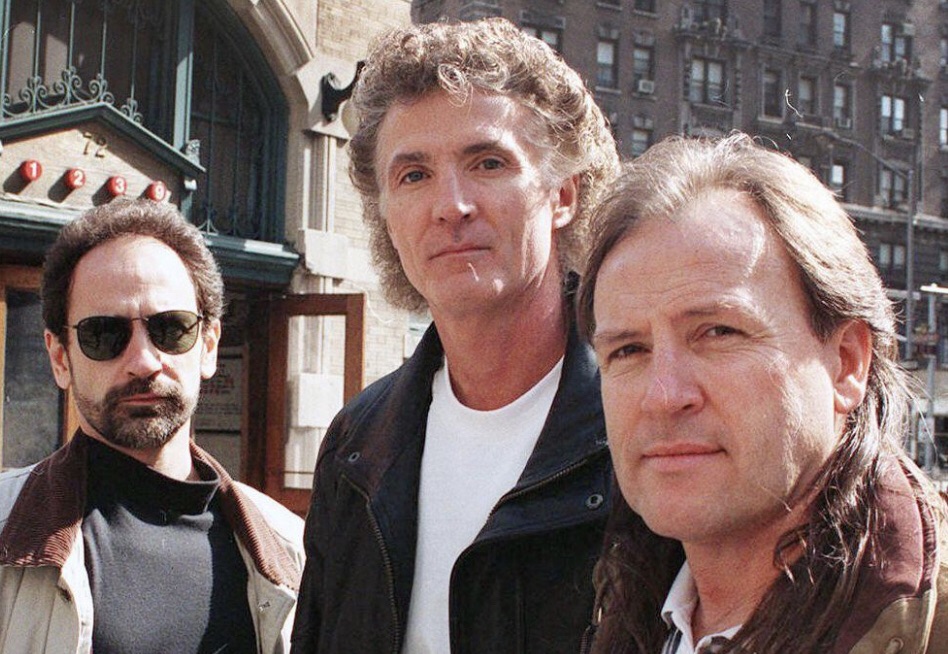
“We’re an American Band” 1973
https://youtu.be/QxNXFNCTr2I?feature=shared
Photo credit: NYup.com
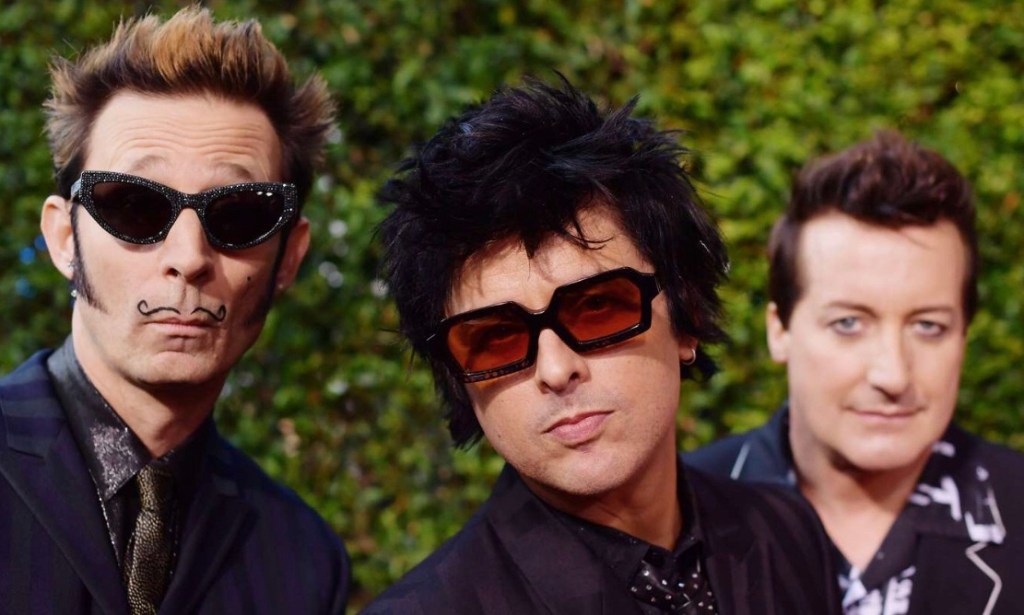
“Boulevard of Broken Dreams” 2005
https://youtu.be/Soa3gO7tL-c?feature=shared
Photo credit: People
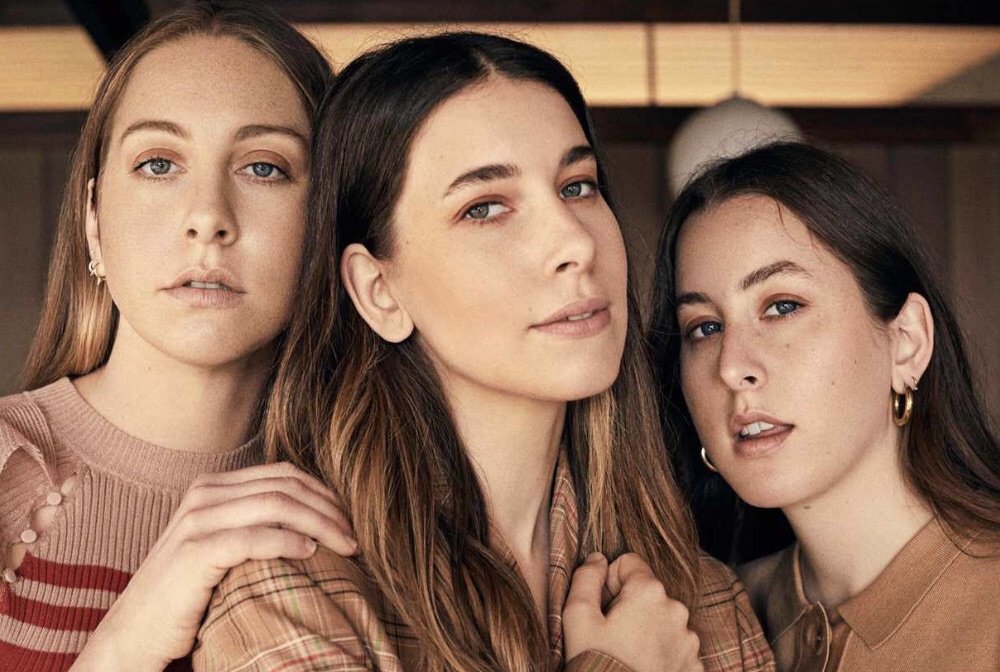
“I Want You Back” 2017
https://youtu.be/yPQfcG-eimk?feature=shared
Photo credit: Entertainment Weekly
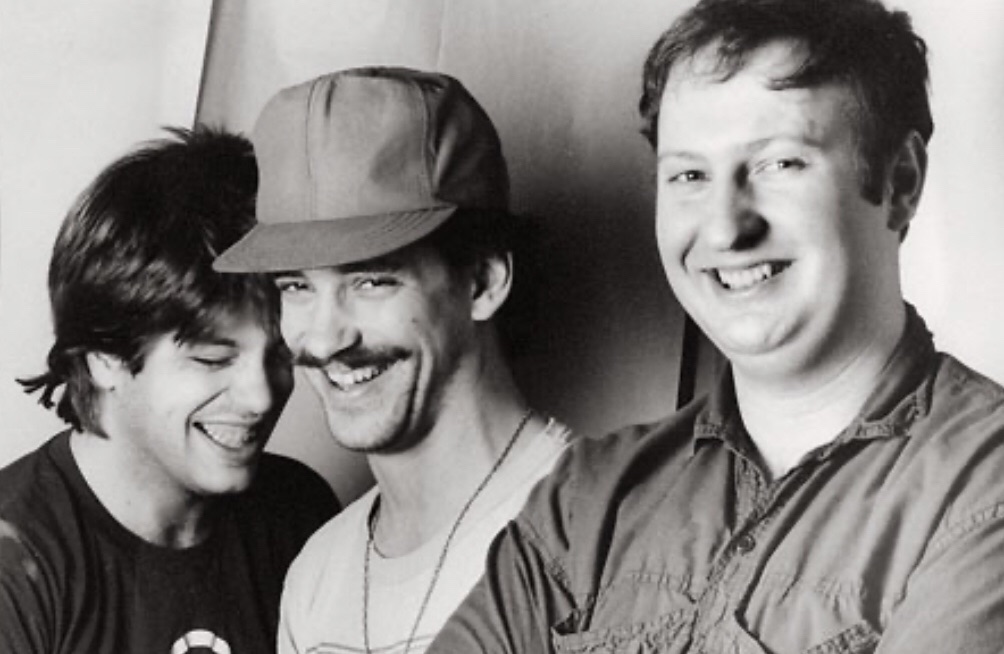
“Sunshine Superman” 1983 (Donovan cover)
https://youtu.be/W3dRhlHT908?feature=shared
Photo credit: Magnet Magazine
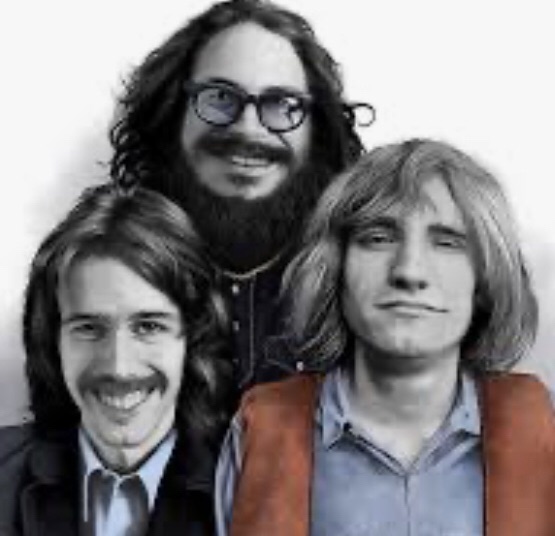
“Walk Away” 1971
https://youtu.be/0UVOvTcJKH4?feature=shared
Photo credit: Paul King Art

Photo Credit: abebooks.com
The Kingston Trio is an American folk and pop music group that helped launch the folk revival of the late 1950s to late 1960s. The group started as a San Francisco Bay Area nightclub act with an original lineup of Dave Guard, Bob Shane, and Nick Reynolds. It rose to international popularity fueled by unprecedented sales of LP records and helped alter the direction of popular music in the U.S. The Kingston Trio was one of the most prominent groups of the era’s pop-folk boom that started in 1958 with the release of their first album and its hit recording of “Tom Dooley” (https://youtu.be/VhXuO4Gz3Wo) (RQ 9), which sold over three million copies as a single. The Trio released nineteen albums that made Billboard’s Top 100, fourteen of which ranked in the top 10, and five of which hit the number 1 spot. Four of the group’s LPs charted among the 10 top-selling albums for five weeks in November and December 1959,a record unmatched for more than 50 years, and the group still ranks in the all-time lists of many of Billboards cumulative charts, including those for most weeks with a number 1 album, most total weeks charting an album, most number 1 albums, most consecutive number 1 albums, and most top ten albums. In 1961, the Trio was described as “the most envied, the most imitated, and the most successful singing group, folk or otherwise, in all show business” and “the undisputed kings of the folksinging rage by every yardstick”. The Trio’s massive record sales in its early days made acoustic folk music commercially viable, paving the way for singer-songwriter, folk rock, and Americana artists who followed in their wake.
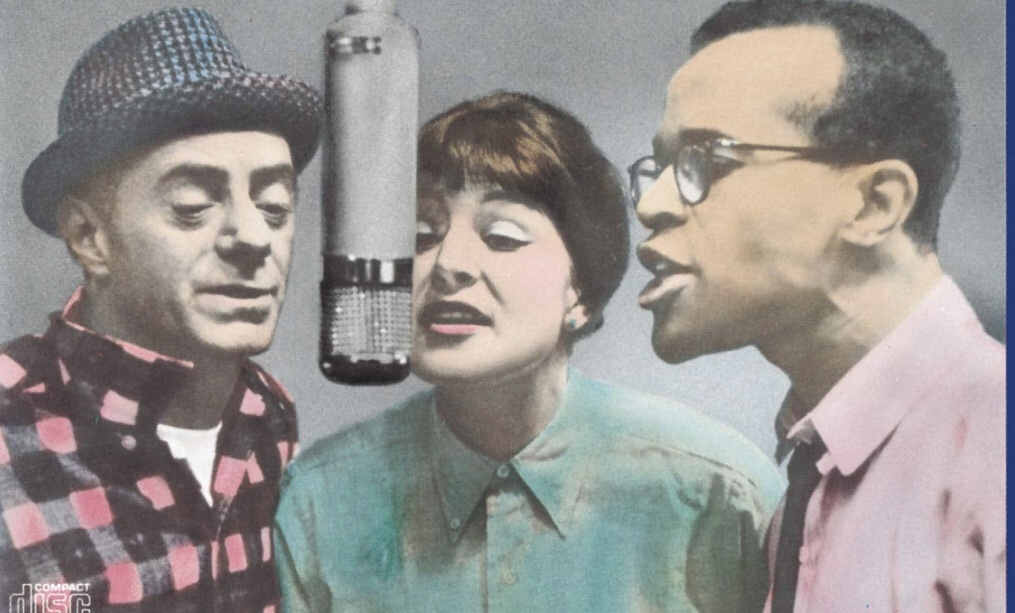
Photo Credit: amazon.com
Lambert, Henricks & Ross were formed in 1957 and recorded their first album Sing a Song of Basie for ABC-Paramount Records. The album featured versions of Count Basie standards and was successful enough that the Count Basie Orchestra collaborated with them on Sing Along With Basie (1959). Sing a Song of Basie was awarded a Grammy Hall of Fame Award in 1998. Beginning in 1959, the trio recorded three LPs with Columbia Records. They recorded a version of Ross’s 1952 song “Twisted”, featuring her lyrics set to a Wardell Graymelody. Their High Flying album won a Grammy Award for Best Performance by a Vocal Groupin 1962. They also recorded “Mornin’ (https://youtu.be/Bah68kQlnAQ). Lambert, Hendricks & Ross were voted Best Vocal Group in the Down Beat Readers Poll from 1959 to 1963.
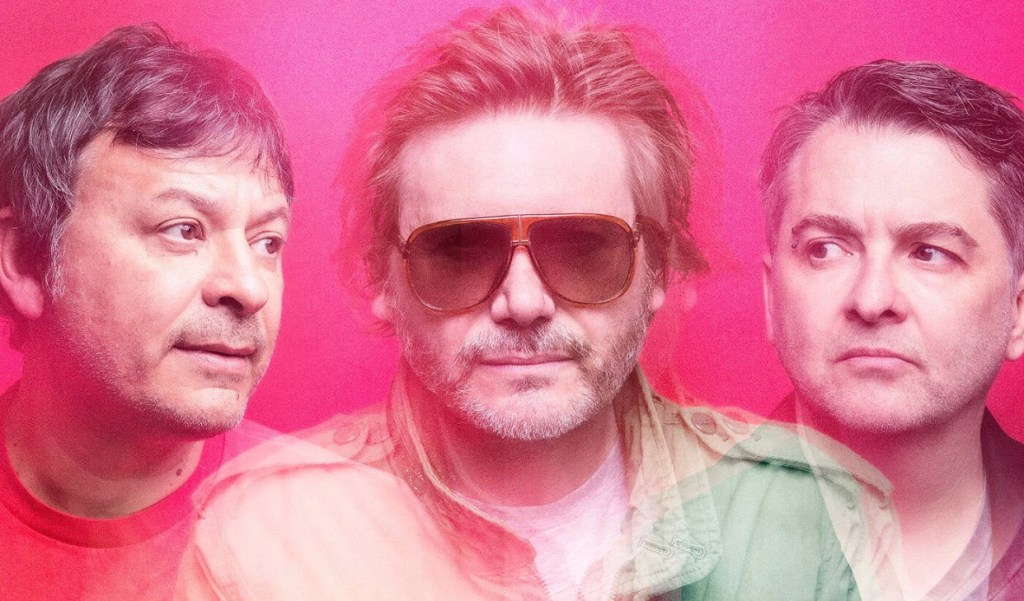
“Suicide Alley” 1988
https://youtu.be/ww4w3r84sDk?feature=shared
Photo credit: Uncut
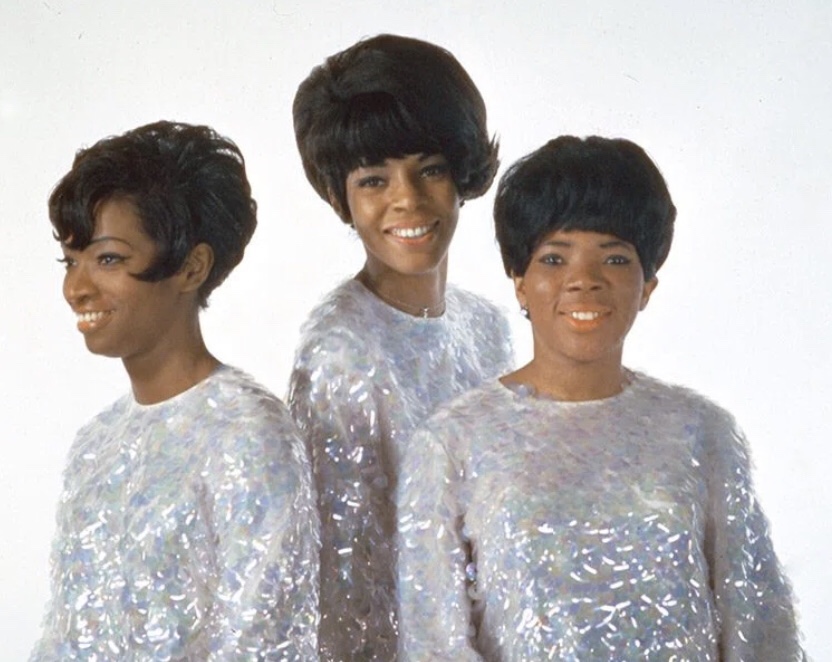
One of their greatest hits: “Dancing in the Street”
https://youtu.be/JA8l_OGYfaw
See Post #21 for more details
Photo Credit: Michael Ochs

“Ace of Spades” 1980
https://youtu.be/3mbvWn1EY6g?feature=shared
Photo credit: NME
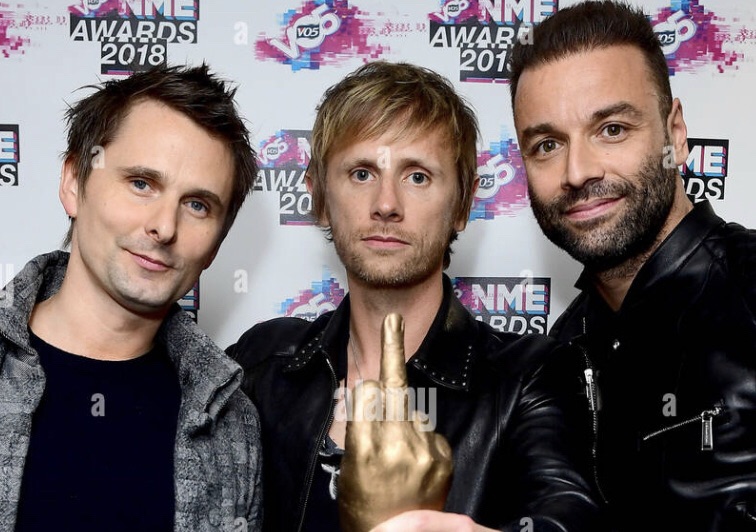
“Butterflies and Hurricanes” 2003
https://youtu.be/EzCKrwOme2U?feature=shared
Photo credit: Alamy
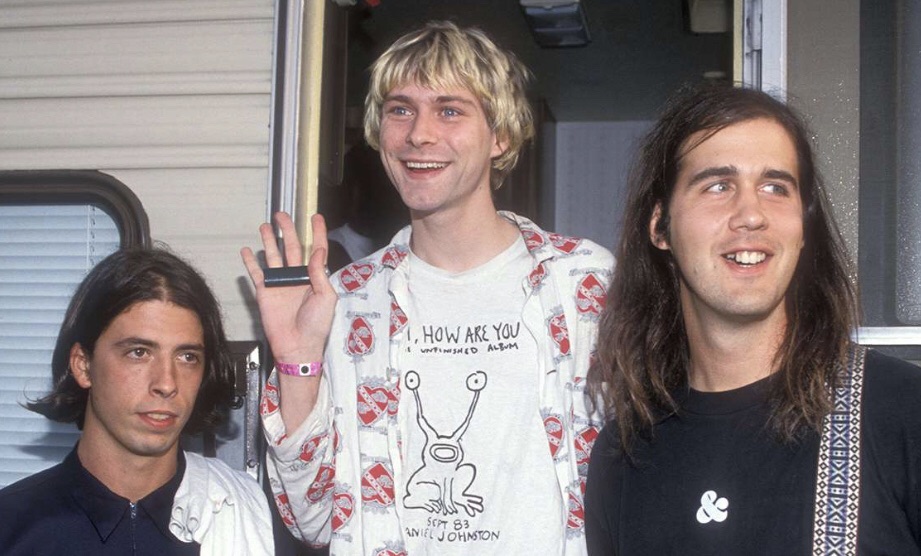
“Smells Like Team Spirit” 1991
https://youtu.be/hTWKbfoikeg?feature=shared
Photo credit: People
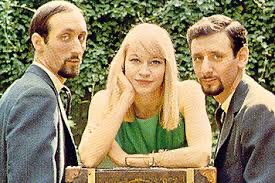
One of three No1 hits: “Blowin in the Wind”
https://youtu.be/1Hhi0i0UDS0
See Post #30 for greater details
Photo Credit: americansongwriter.com
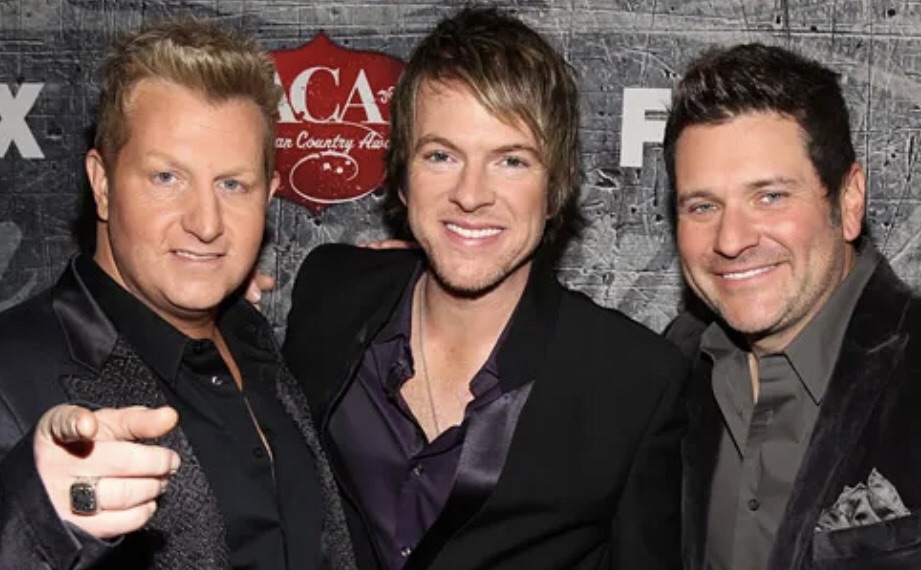
“These Days” 2004
https://youtu.be/2MTSBcvI9DI?feature=shared
Photo credit: Billboard
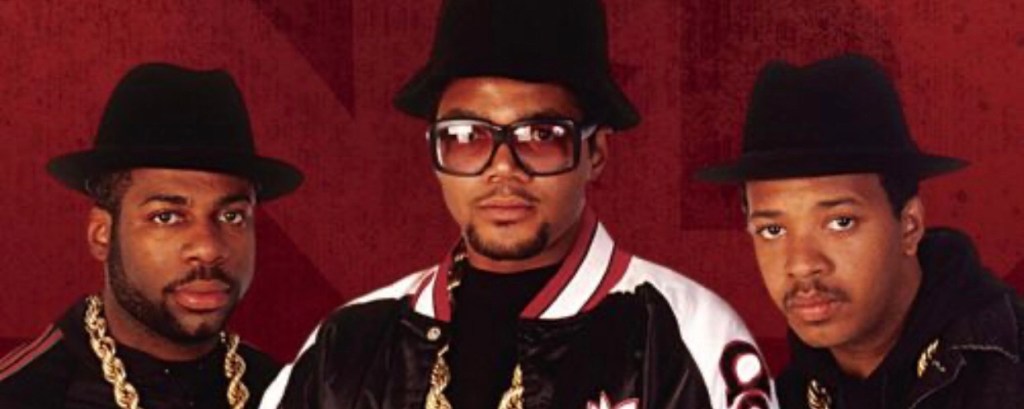
“Walk This Way” 1986
https://youtu.be/xUScFNXAq0w?feature=shared
Photo credit: Deezer
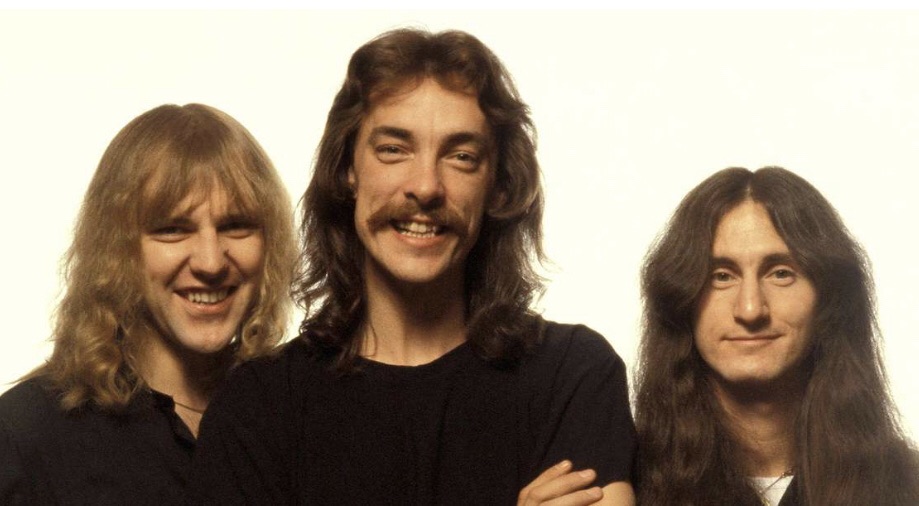
“Twilight Zone” 1976
https://youtu.be/fA79lLwRYTY?feature=shared
Photo credit: Entertainment Weekly
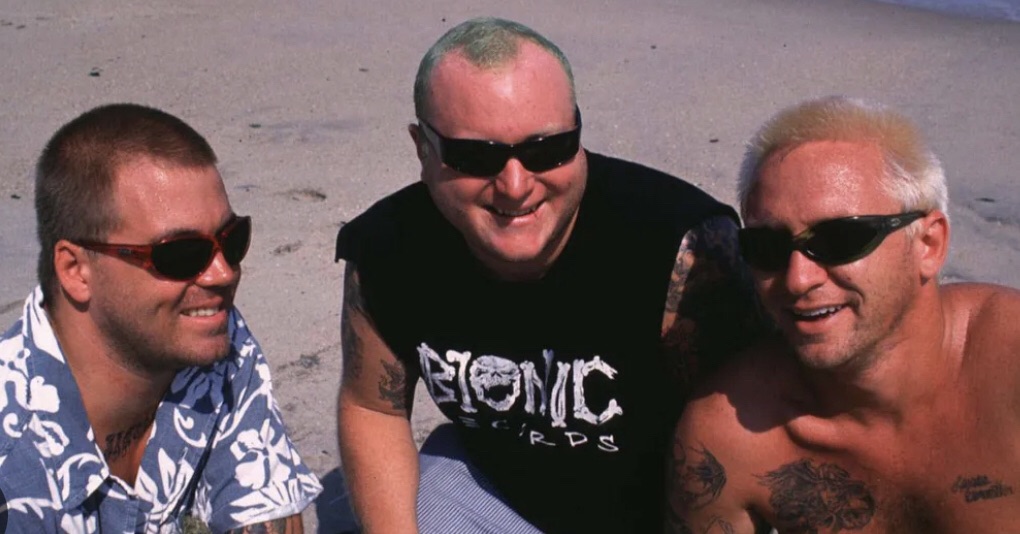
“What I Got” 1996
https://youtu.be/0Uc3ZrmhDN4?feature=shared
Photo credit: Vulture
Photo Credit: singers.com
The Andrews Sisters were an American close harmony singing group of the swing and boogie-woogie eras. The group consisted of three sisters: contralto LaVerne Sophia (July 6, 1911 – May 8, 1967), soprano Maxene Anglyn (January 3, 1916 – October 21, 1995), and mezzo-soprano Patricia “Patty” Marie (February 16, 1918 – January 30, 2013). The sisters have sold an estimated 80 million records. Their 1941 hit “Boogie Woogie Bugle Boy” (https://youtu.be/sJTvO6XbaX4) can be considered an early example of jump blues. Other songs closely associated with the Andrews Sisters include their first major hit, “Bei Mir Bist Du Schön (Means That You’re Grand)” (1937), “Beer Barrel Polka (Roll Out the Barrel)” (1939), “Beat Me Daddy, Eight to the Bar” (1940), “Don’t Sit Under the Apple Tree (With Anyone Else but Me)” (1942), and “Rum and Coca Cola” (1945), which helped introduce American audiences to calypso.
The Boswell Sisters were an American close harmony singing trio of the jazz and swing eras, consisting of three sisters: Martha Boswell (June 9, 1905 – July 2, 1958), Connee Boswell (original name Connie, December 3, 1907 – October 11, 1976), and Helvetia “Vet” Boswell (May 20, 1911 – November 12, 1988). Hailing from uptown New Orleans, the group blended intricate harmonies and song arrangements featuring effects such as scat, instrumental imitation, ‘Boswellese’ gibberish, tempo and meter changes, major/minor juxtaposition, key changes, and incorporation of sections from other songs. They attained national prominence in the United States in the 1930s during the twilight of the Jazz Age and the onset of the Great Depression. Their lone No1 hit was: “The Object of My Affection” (https://youtu.be/aEZqNidWlfs).

Photo Credit: songbook1.wordpress.com
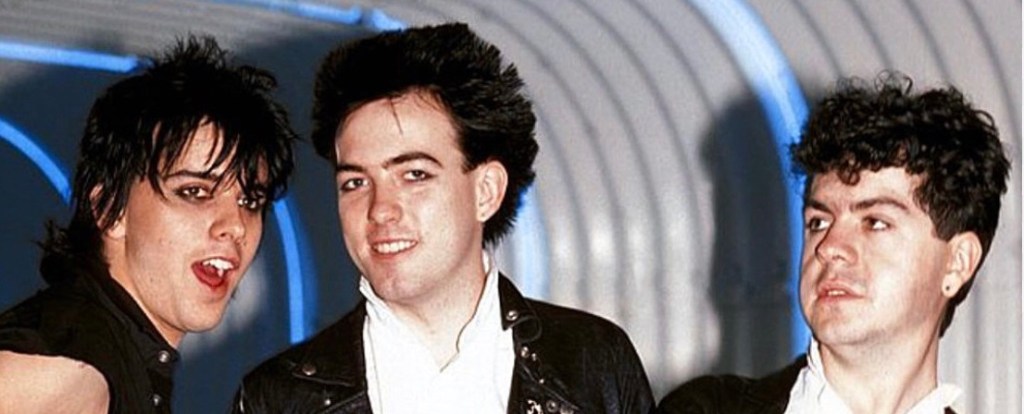
“Standing on a Beach” 1986
https://youtube.com/playlist?list=PLFECD41FA981AF958&feature=shared
Photo credit: Diffuser.fm
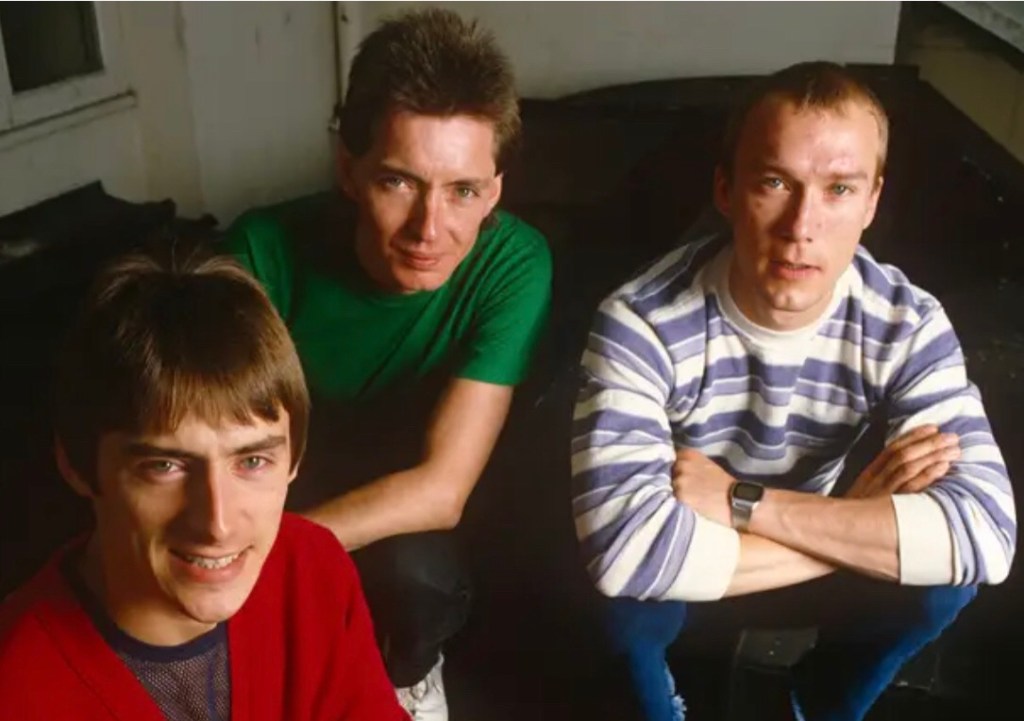
“Going Underground” 1980
https://youtu.be/AE1ct5yEuVY?feature=shared
Photo credit: radiox.co.uk
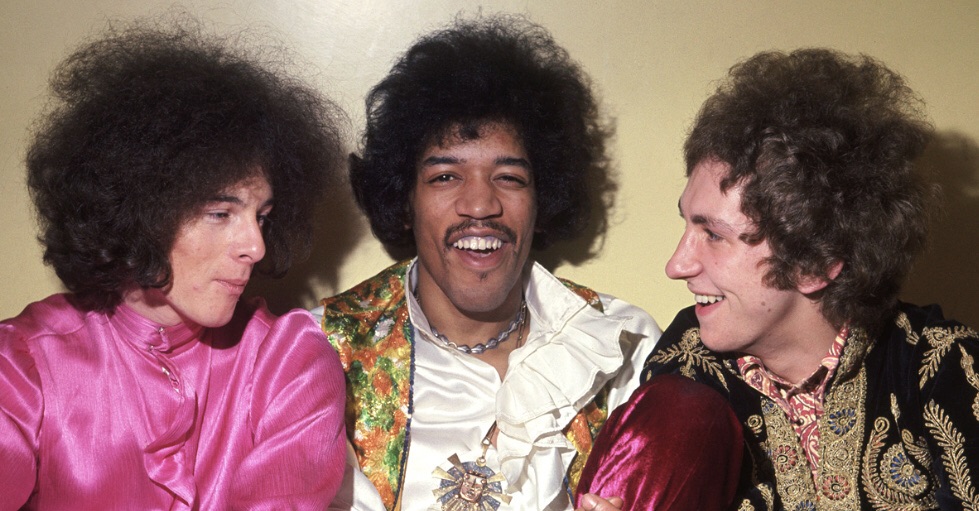
“Purple Haze” 1967 No65
Seven songs made Billboard’s Top 100.
https://youtu.be/WGoDaYjdfSg?feature=shared
Photo credit: Rolling Stone
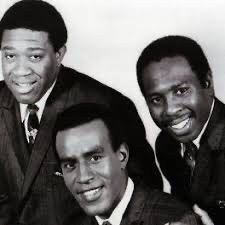
Their highest charted song (#3):
“For Your Precious Love”
https://youtu.be/i_yZIcLBqIU
For more detailed information see Post #6
Photo Credit: deezer.com
No36 Charted song in 1961:
”The Way You Look Tonight”
https://youtu.be/Np6BbA6z3eE
For more information see Post #36
Photo Credit: recordsale.de
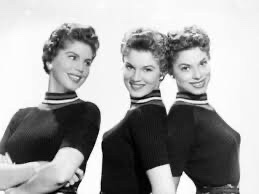
No1 charted song: “Sincerely”
https://youtu.be/mACgf6TXI7I
For more information see Post #17
Photo Credit: extratv.com
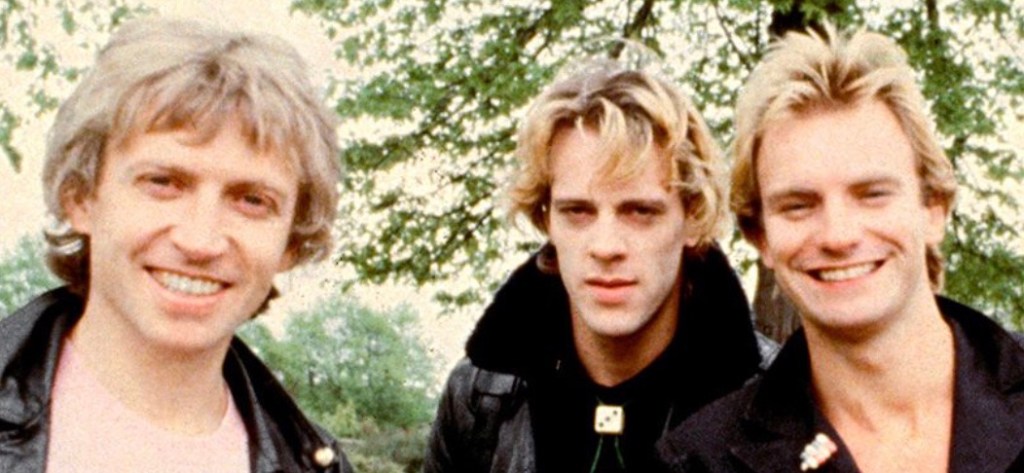
“Message in a Bottle” 1979
https://youtu.be/MbXWrmQW-OE?feature=shared
Photo credit: Planet Radio

No1 Song: “Leader of the Pack”
https://youtu.be/BWIf4Ifk6aQ
For more information see Post# 14
Photo Credit: npr.org
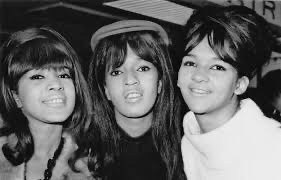
No2 hit: “Be My Baby”
(https://youtu.be/jSPpbOGnFgk)
For more information see Post #51
Photo Credit: cbc.ca

One of twelve No1 hits: “Baby Love”
https://youtu.be/Yd43nWkgUzg
For more information see Posts #s 15 and 17
Photo Credit: theguardian.com
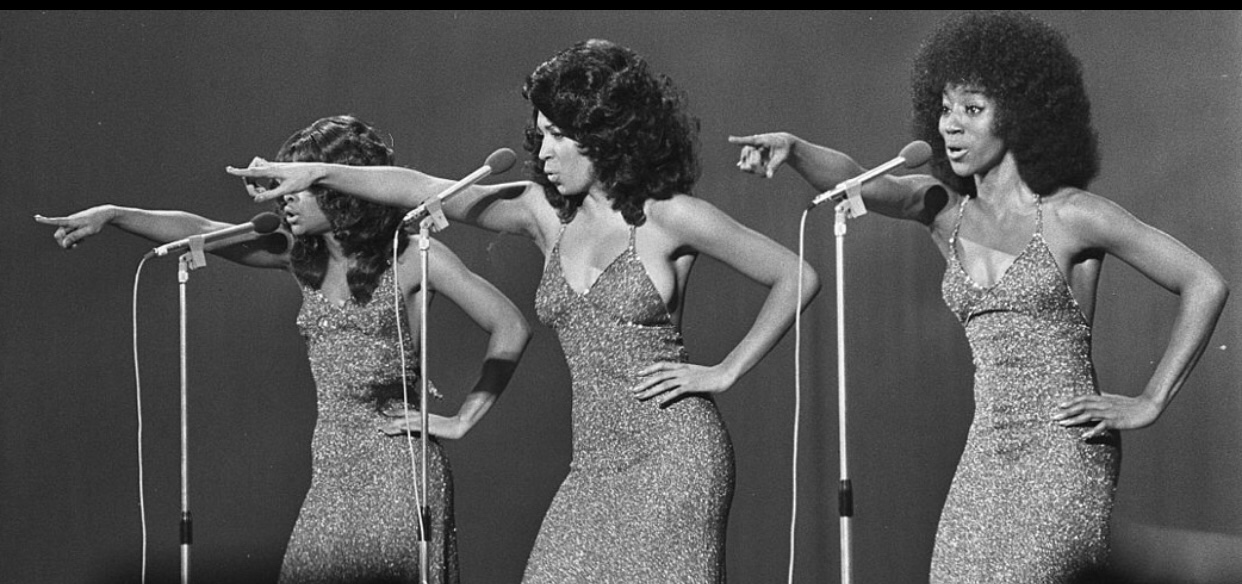
Photo Credit: National Achieve – Den Haag
The Three Degrees is an American female vocal group formed circa 1963 in Philadelphia, Pennsylvania. Although 15 women have been members over the years, the group has always been a trio. The current line-up consists of Valerie Holiday, Helen Scott and Freddi Poole. Holiday has been a member since she first joined in 1967, while Scott has been a permanent member since 1976, having been in the group from 1963 to 1966. The group were particularly successful in the UK, achieving 13 Top 50 hit singles between 1974 and 1985. The original members were Fayette Pinkney, Shirley Porter and Linda Turner. Porter and Turner were soon replaced by Janet Harmon and Helen Scott. The line-up from 1967 to 1976 was Pinkney, Valerie Holiday and Sheila Ferguson, who would go on to sing lead on most of the group’s biggest hits. This line-up topped the US Hot 100 as featured vocalists on the MFSB single “TSOP (The Sound of Philadelphia)” in 1974, and had seven UK Top 40 hits, including the 1974 single “When Will I See You Again” (https://youtu.be/3R878g-SppU), which was a huge international hit, reaching the Top 5 in seven countries, including number two in the US and topping the UK Singles Chart. When Pinkney left the group in 1976, she was replaced by a returning Helen Scott. This line-up had four UK Top 20 hits, including “Woman in Love”, which reached number three in 1979. Ferguson left for a solo career in 1986.
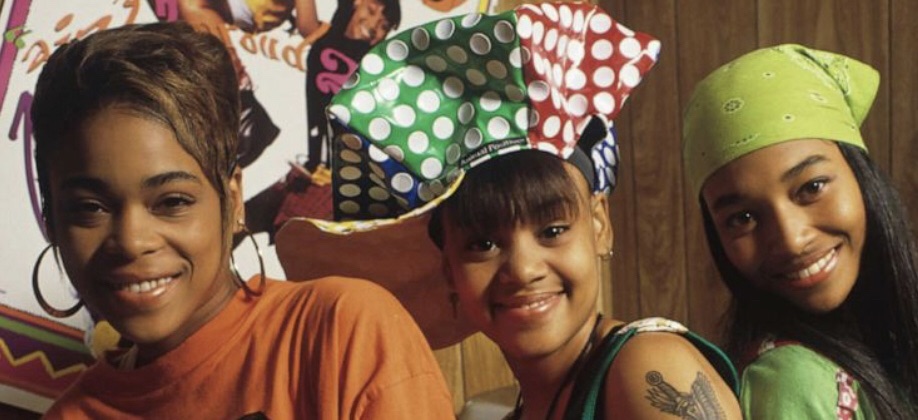
“Creep” 1994
https://youtu.be/LlZydtG3xqI?feature=shared
plus three more No1 singles
Photo credit: ABC News
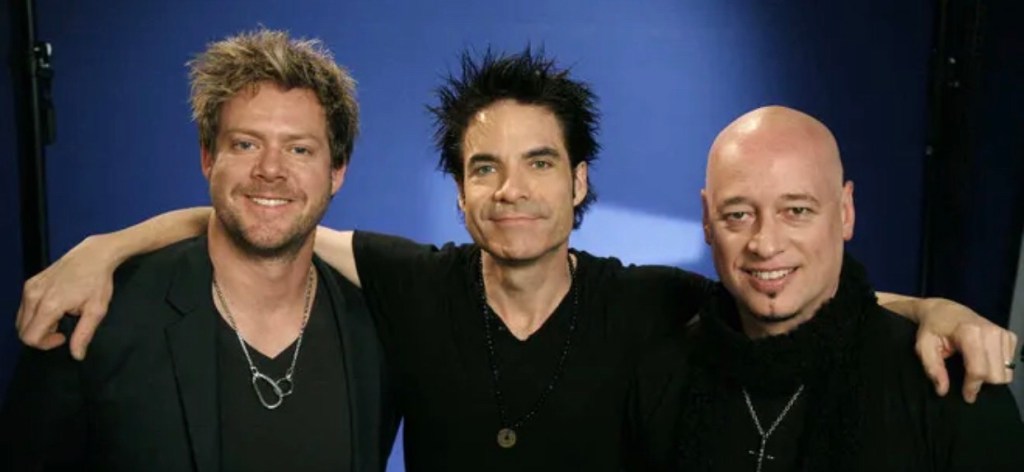
“Drops of Jupiter” 2001
https://youtu.be/7Xf-Lesrkuc?feature=shared
Photo credit: telegram.com

“Cheated Hearts” 2006
https://youtu.be/_YweT8jvGXI?feature=shared
Photo credit: Entertainment.ie
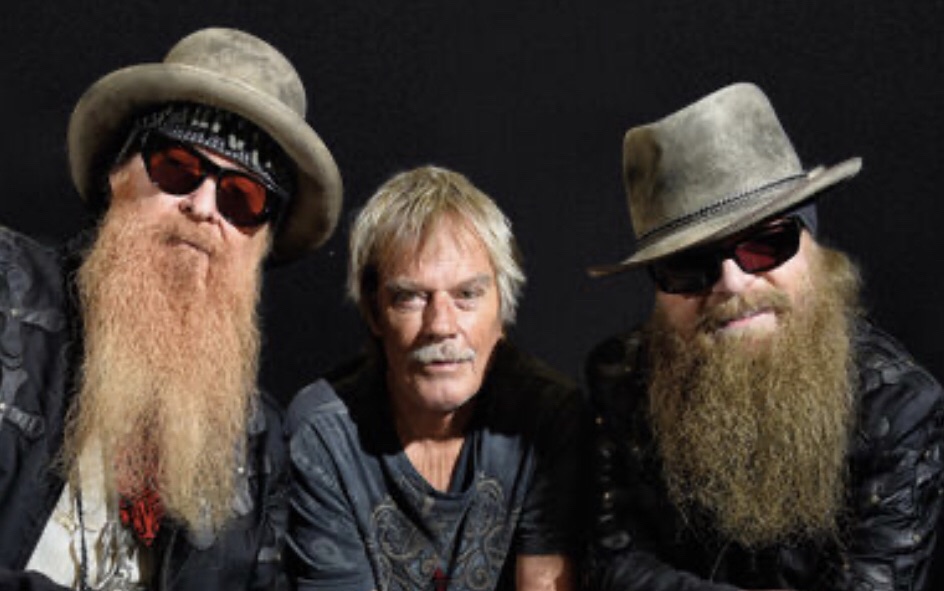
“Sharp Dressed Man” 1983
https://youtu.be/7wRHBLwpASw?feature=shared
Recorded six No1 singles
Photo credit: Deezer
 All-Time Greatest Music